Major spoilers for VisionQuest, including its post-credits scene, follow.
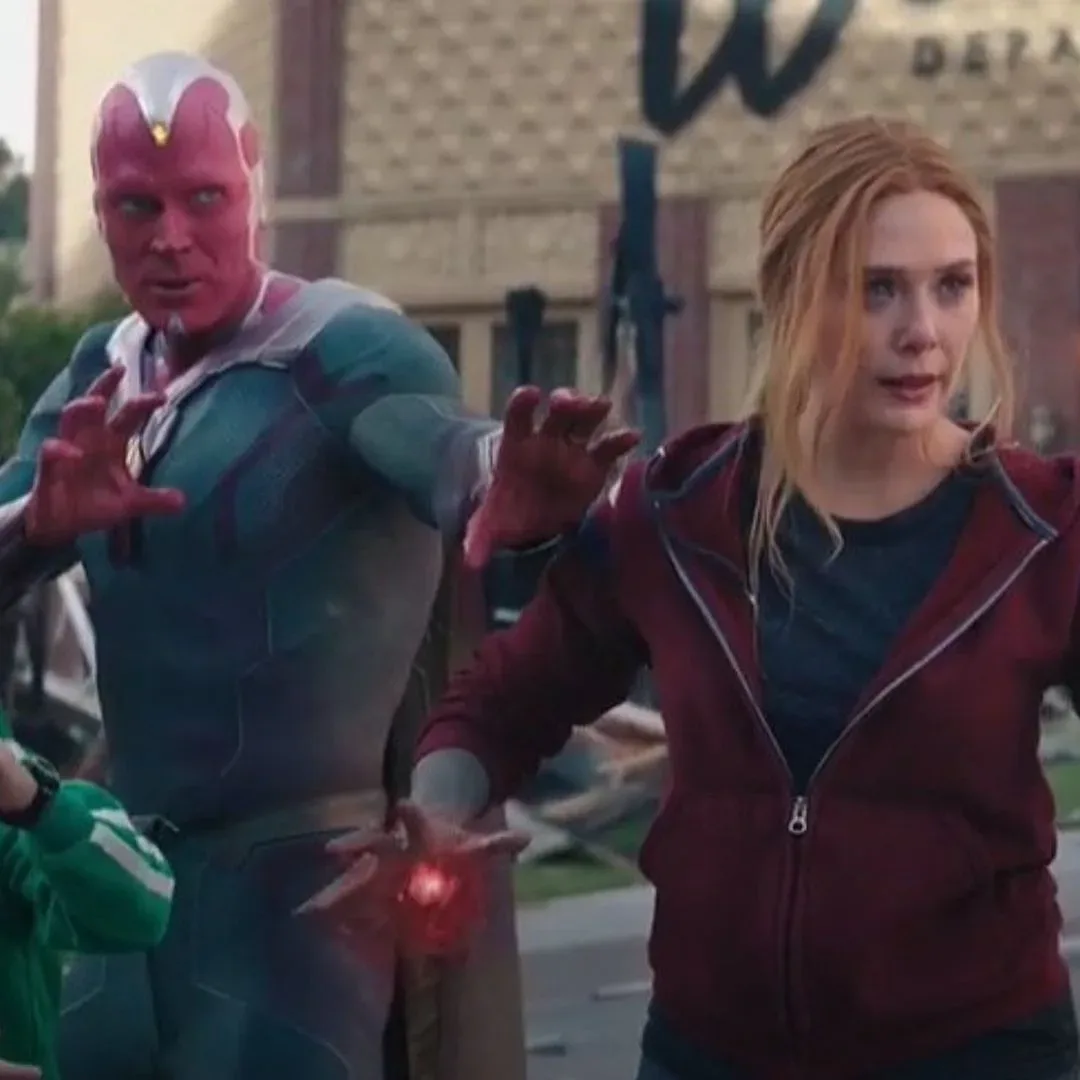
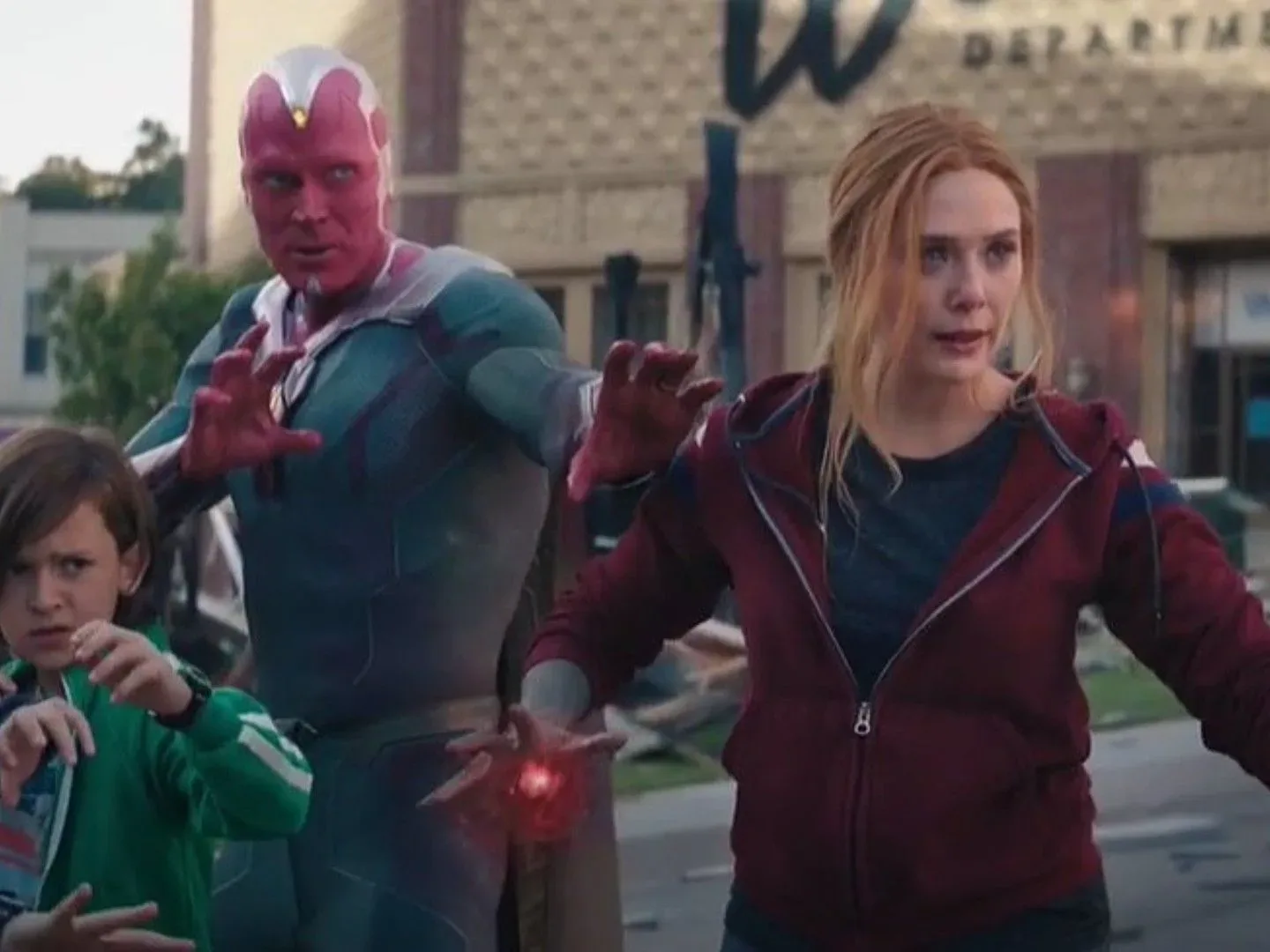
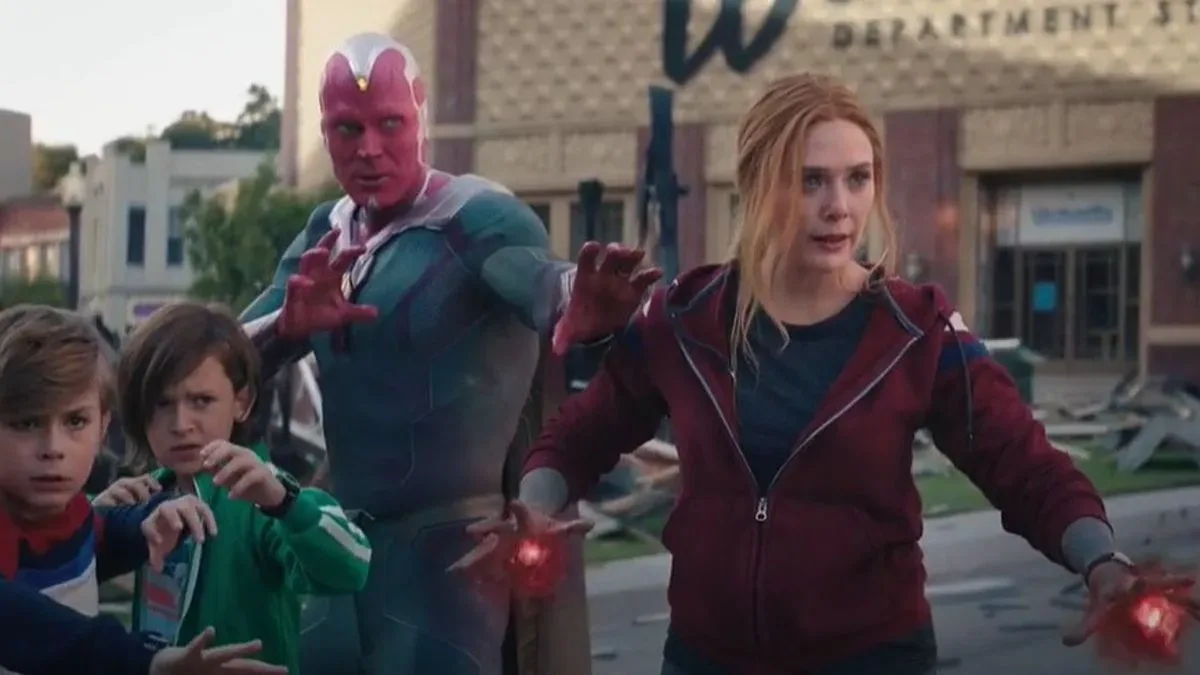
VisionQuest ends by bringing Vision together with Billy and Tommy Maximoff, but one conspicuous member of the family is absent from the show’s central story: Wanda Maximoff. The Scarlet Witch is discussed in the final stretch, yet she does not appear in the series itself.
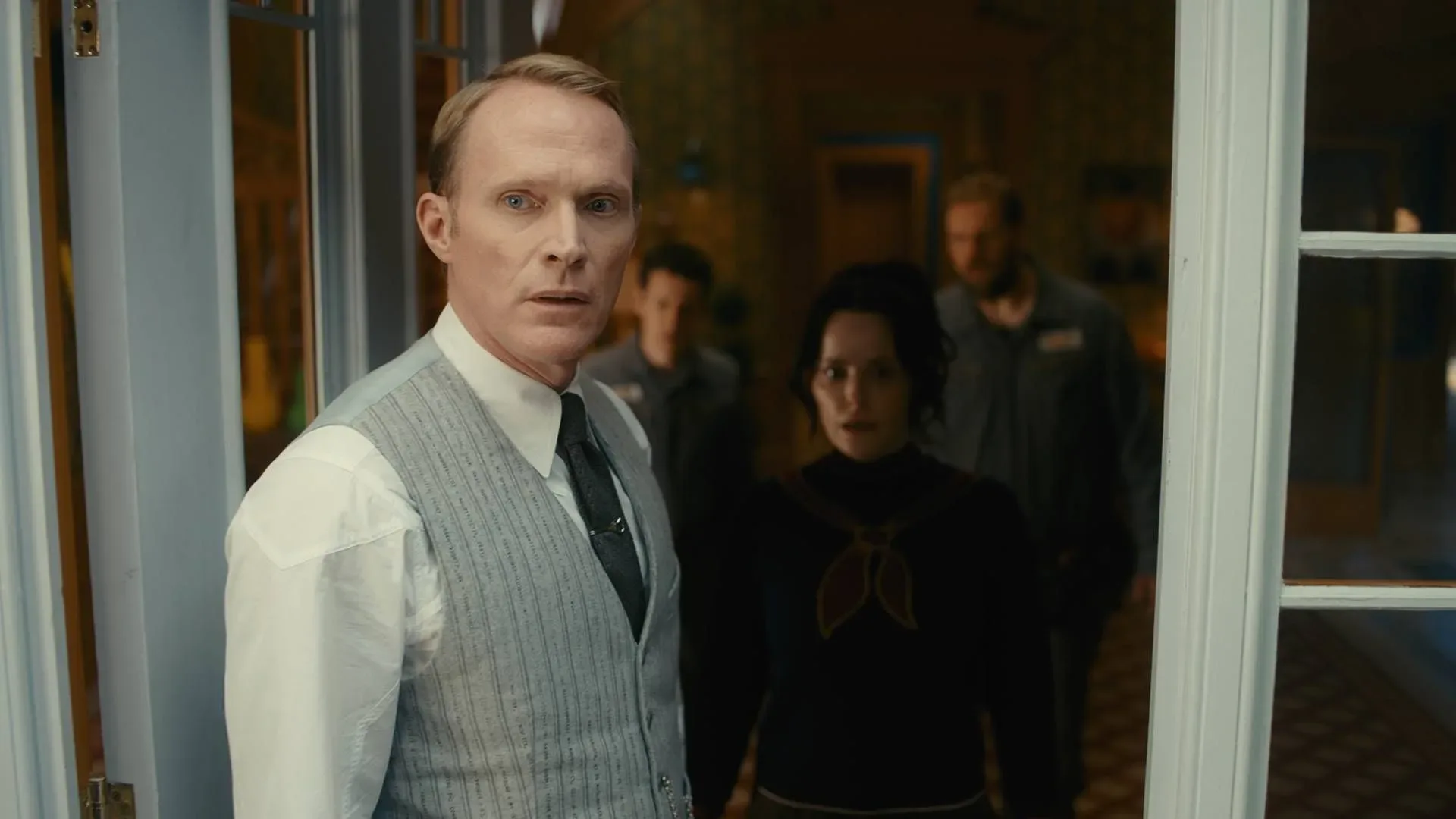
That was not simply an unresolved thread that slipped through the cracks. Paul Bettany has said a reunion with Wanda was considered, but Marvel Studios president Kevin Feige argued that using it as the show’s big ending would pull focus away from Vision’s own journey.
Bettany recalled a conversation in which Feige praised the work done by the actor and showrunner Terry Matalas to make viewers invest in Vision. Feige’s concern, as Bettany described it, was that a Wanda appearance at the finish line would make the series feel like it had become WandaVision again rather than allowing VisionQuest to function on its own. Bettany said he agreed with that judgment.
A reunion can be satisfying—and still be the wrong ending
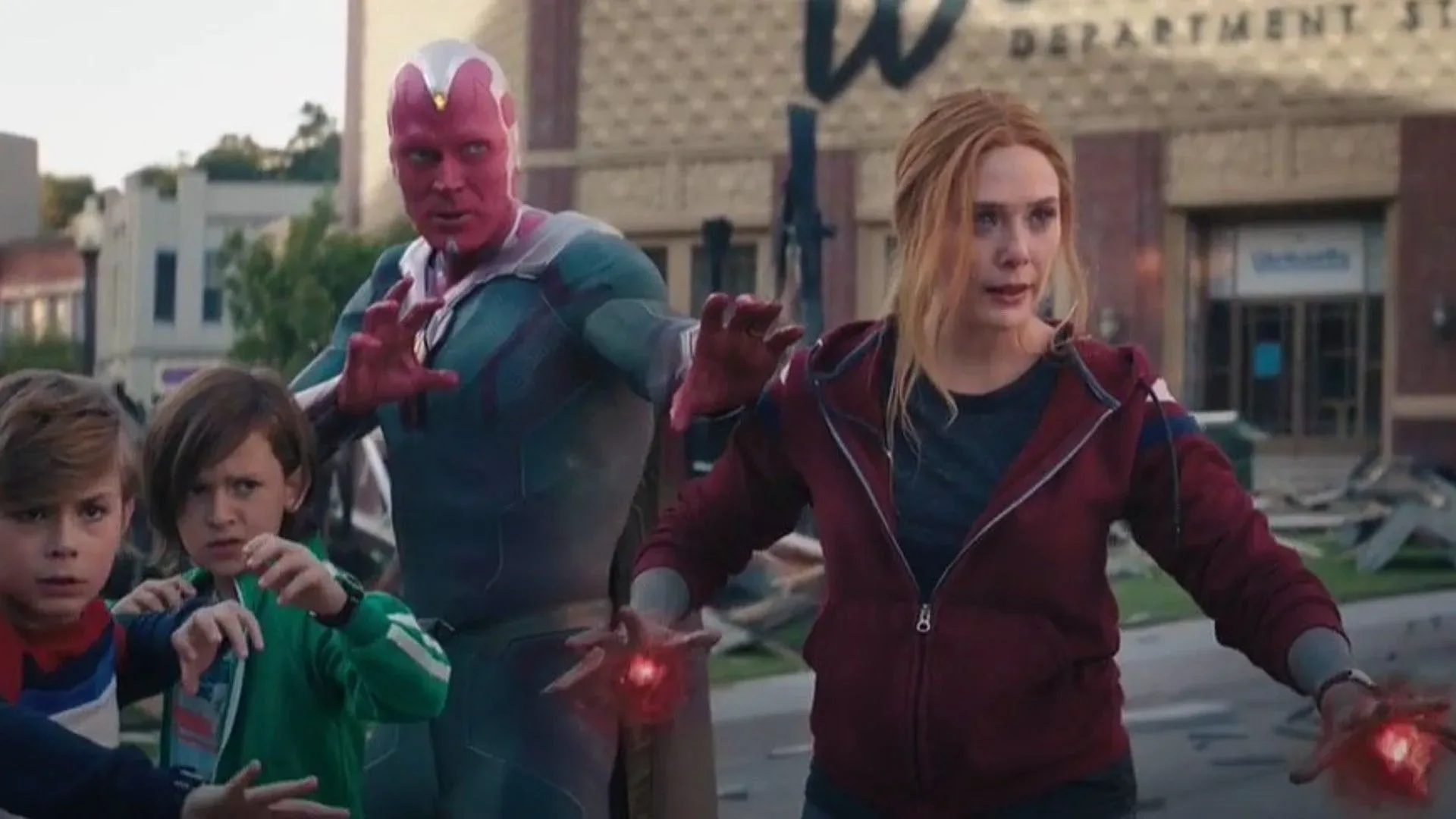
The logic is straightforward, even if it is likely to frustrate viewers who hoped the show would finally put Wanda and Vision in the same room. Wanda and Vision carry an enormous amount of shared emotional weight. They are partners, parents to Billy and Tommy, and the couple at the centre of WandaVision. Any on-screen reunion would naturally become the dominant event in a finale.
That is precisely why it could overwhelm a story designed to be about Vision. A finale is not just a place to deliver the largest possible character return. It also determines what the season has ultimately been about. If Wanda arrived for a major reconciliation, confrontation, or explanation, much of the audience attention would likely shift to her history, her choices, and the question of where her story goes next.
Those are compelling questions, but they are not automatically the questions VisionQuest needed to answer. The series instead closes its principal story with Vision reconnecting with both Billy and Tommy. That choice puts the emphasis on Vision’s relationship with his sons and gives the family development room to land without asking it to compete with a Wanda-Vision event.
There is also a meaningful distinction between mentioning a character and making that character the dramatic engine of a scene. The show can acknowledge Wanda’s importance to this family without requiring her to arrive and resolve every remaining tension. For a serialized franchise, that is a way to preserve continuity while still letting an individual entry possess its own centre of gravity.
What “stand on its own” means here
Feige’s reported reasoning is not an argument that Wanda does not matter. The finale’s structure suggests the opposite: she remains central enough to the Maximoff family that her absence is felt. But a character can be crucial to a story’s background and emotional context without being the character who completes its immediate arc.
In this case, “stand on its own” means VisionQuest is being treated as more than a delayed epilogue to WandaVision. Its ending gives Vision a consequential family connection, rather than positioning him chiefly as a supporting player in Wanda’s next chapter. That is especially important when a franchise returns to a character associated so strongly with another lead. If every major Vision development has to be paid off through Wanda, then Vision’s own series risks becoming a bridge rather than a destination.
It is a useful reminder that interconnected storytelling has a built-in trade-off. Crossovers and reunions can offer immediate emotional payoff. They can also flatten the identity of the story hosting them. The more famous the relationship, the greater the risk that the surrounding plot is remembered mainly as prelude.
VisionQuest appears to split those priorities: it withholds the literal reunion in the main narrative, but it does not pretend Wanda’s story is over.
The post-credits scene changes the meaning of Wanda’s absence
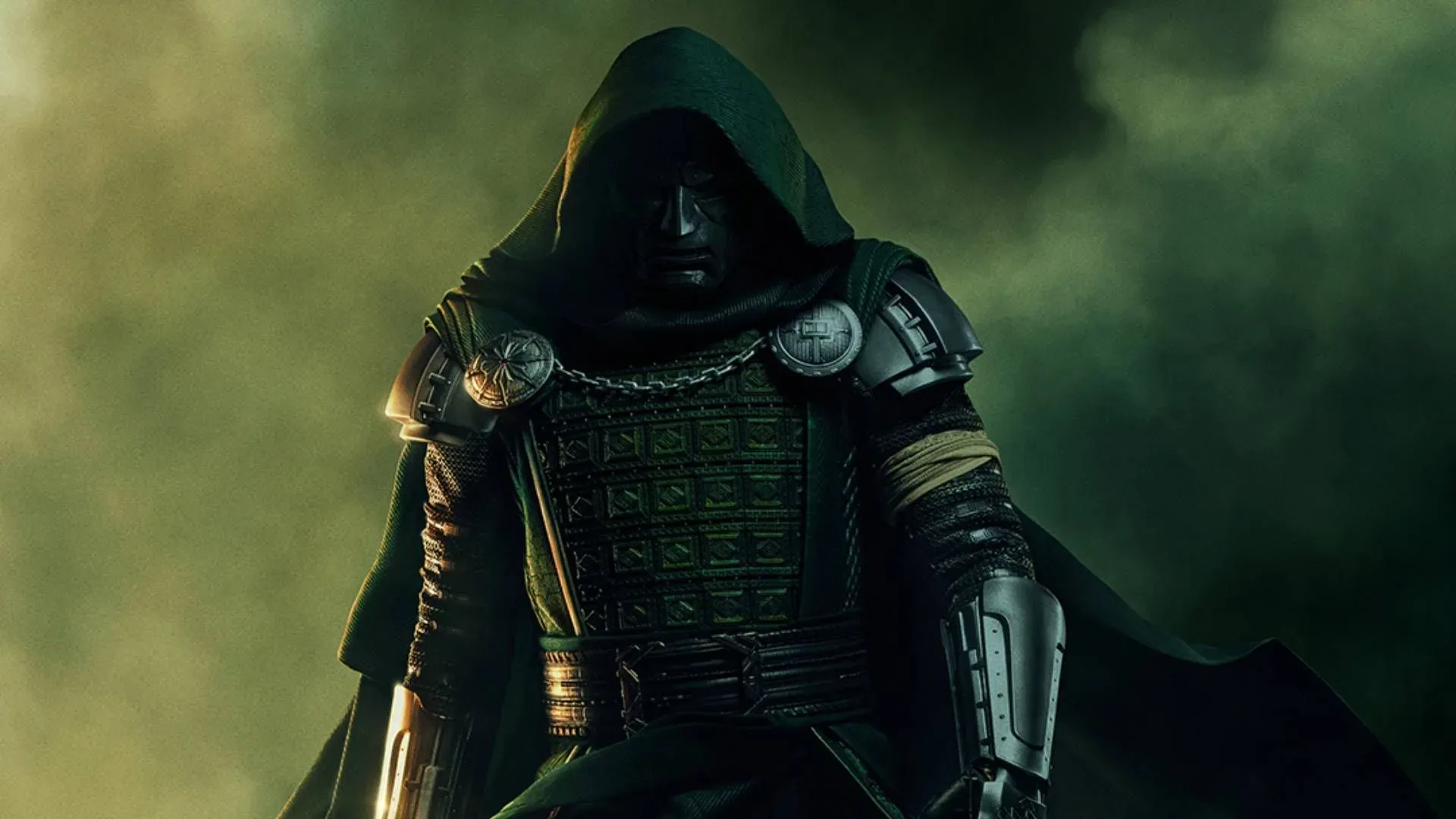
Wanda does appear in the finale’s second post-credits scene, and the circumstances are much darker than a family homecoming. Doctor Doom travels to Mount Wundagore, the site tied to the apparent end of Wanda’s story in Doctor Strange in the Multiverse of Madness. The scene shows Wanda having brought the mountain down on herself, as in that film.
Doom then removes the debris and revives her. His final instruction is blunt: “Scarlet Witch awaken, your power will be mine.”
A post-credits scene is a sequence placed after a film or episode’s main credits, commonly used in shared-universe stories to tease a future development. Here, the placement matters. Wanda’s return is not allowed to replace Vision’s conclusion as the main ending, but it is still used to establish a major threat and a new status quo for her character.
The wording also frames the revival as coercive rather than celebratory. Doctor Doom does not arrive as a family ally or a witness to a long-awaited reunion. He explicitly identifies Wanda’s power as something he intends to claim. That makes a future Maximoff reunion possible, but it hardly promises a peaceful one.
For Wanda, the scene moves the immediate question away from whether she survived Mount Wundagore and toward what control she has after Doom restores her. For Vision, Billy, and Tommy, it creates a potentially urgent connection to events that were deliberately kept outside the main plot of their series.
Why the delayed payoff may have more dramatic value
There is a practical storytelling advantage to holding back a Wanda-Vision reunion. A reunion is usually strongest when the narrative has had time to define what each participant wants, fears, and has become since they were last together. By allowing Vision’s story with Billy and Tommy to reach its own stopping point first, the franchise can approach any future encounter without treating it solely as nostalgia.
That matters because the post-credits scene establishes a conflict that could put Wanda and Vision on fundamentally different sides of a crisis. Doom’s involvement makes the next meeting less likely to be a simple embrace and more likely to carry uncertainty, danger, and competing obligations. The family connection remains the emotional hook, but the stakes described by the scene are not domestic.
There is a second benefit: the series can avoid making Wanda’s appearance feel like a solution to Vision’s character work. Vision’s reunion with Billy and Tommy has to hold as an ending because of what it means for those characters, not because a larger MCU figure arrives to validate it. That is the creative concern Bettany says Feige raised, and it explains why the decision was about emphasis rather than erasure.
What this suggests for Avengers: Doomsday
The post-credits scene points toward Avengers: Doomsday, with Elizabeth Olsen apparently set to return as Wanda. Vision may also be involved: Anthony Mackie has recently appeared to indicate that the character is coming back. However, that indication should be treated as suggestive rather than a complete account of the film’s cast, story, or the exact nature of Vision’s role.
What can be said from the material on screen is narrower, and more interesting. Doctor Doom has revived Wanda at Mount Wundagore and intends to use her power. Vision has just reunited with Billy and Tommy. Those threads now exist side by side, creating a clear route to a future Maximoff family meeting while leaving its terms entirely unsettled.
That makes the restraint in VisionQuest feel less like a refusal to address the audience’s biggest question than a decision to postpone it until the answer can matter on a larger stage. Whether that eventual meeting is rescue, conflict, manipulation, or some mixture of all three remains unknown.
For now, the finale gives Vision a story that belongs to him and uses Wanda’s return to open a separate, ominous door. It is a careful division of dramatic labor: the main episode resolves a family connection, while the tag warns that the family’s most dangerous problem may only be waking up.
Readers tracking other blockbuster-film developments can also see the report on the reportedly planned extended edition of Spider-Man: Brand New Day.