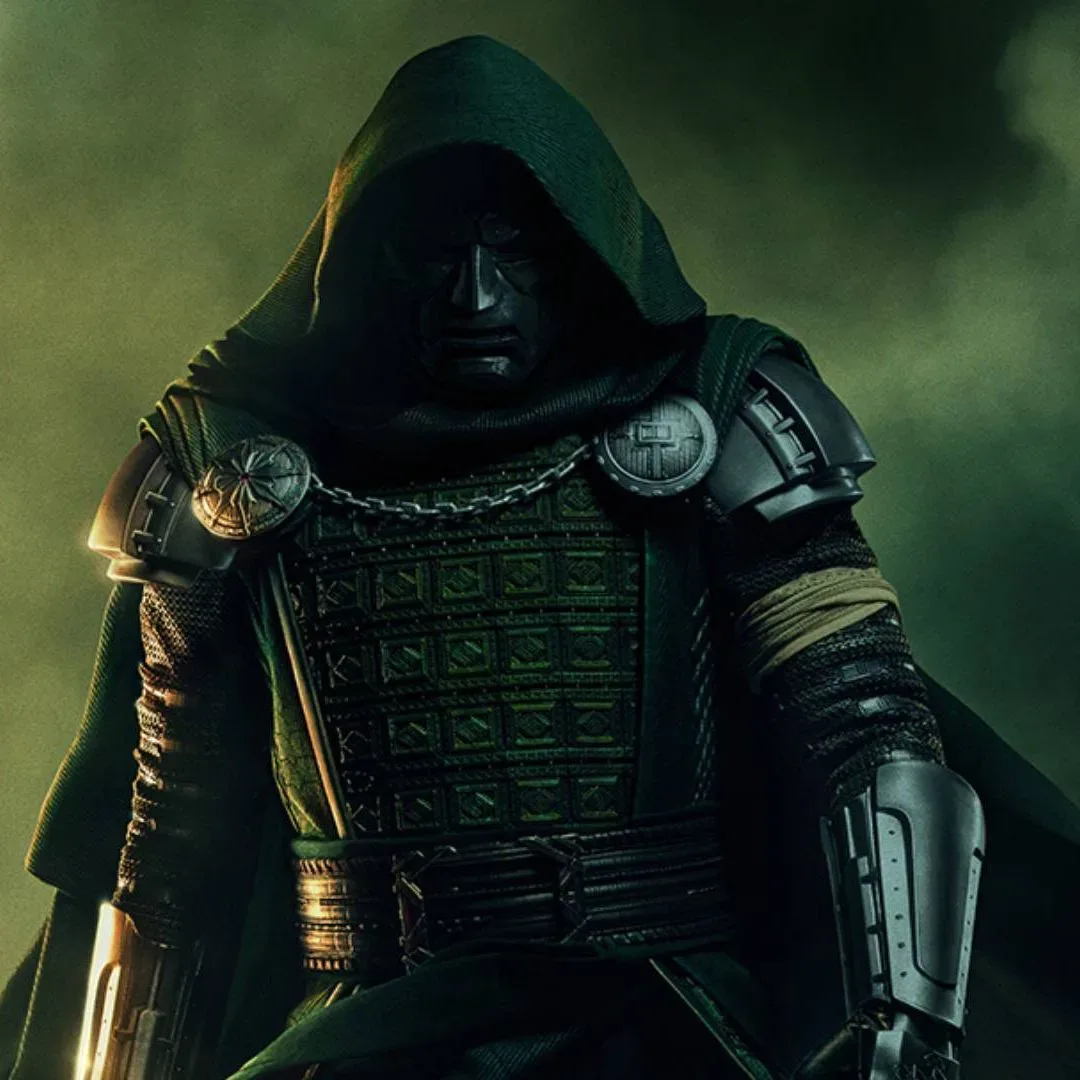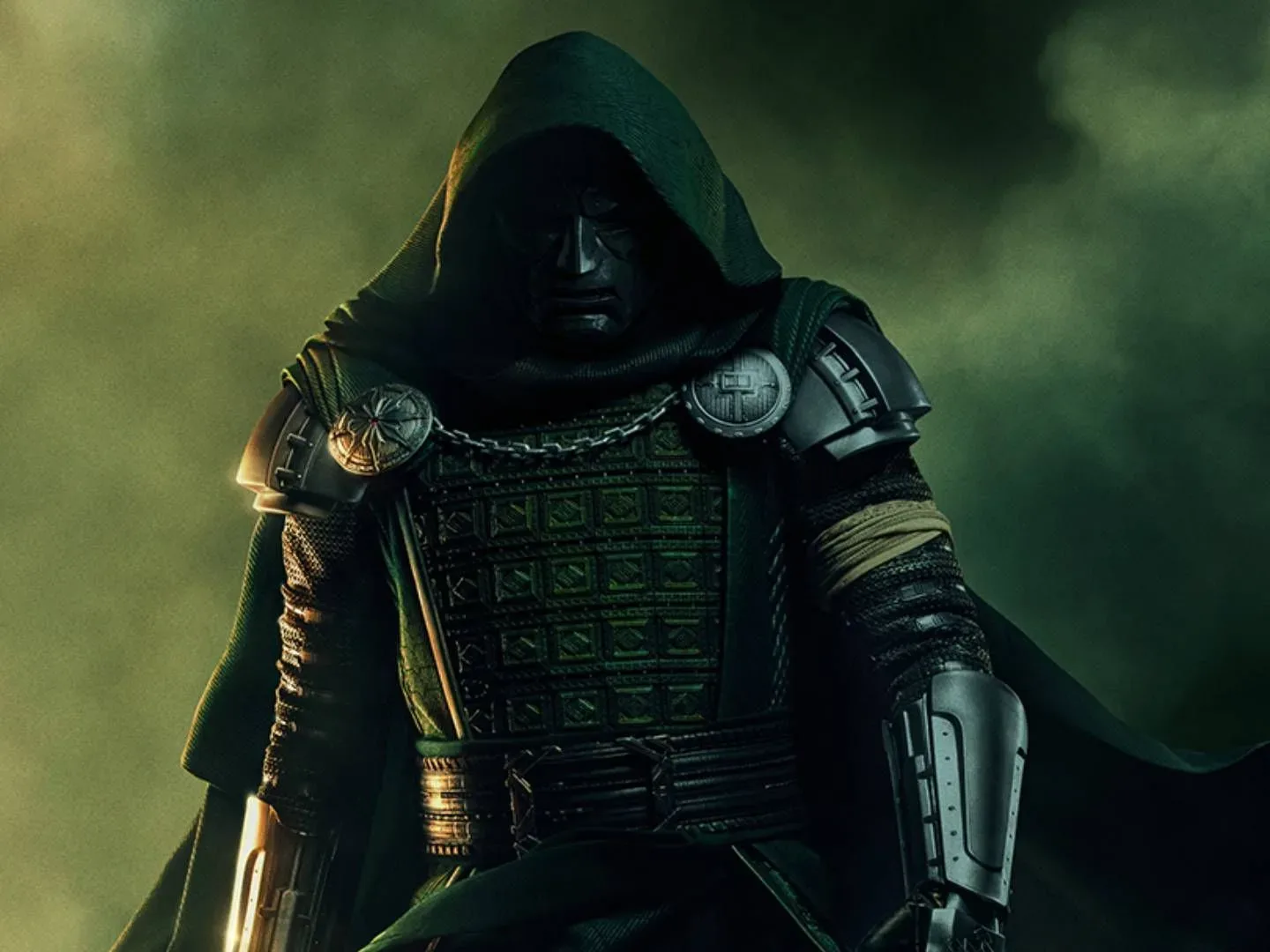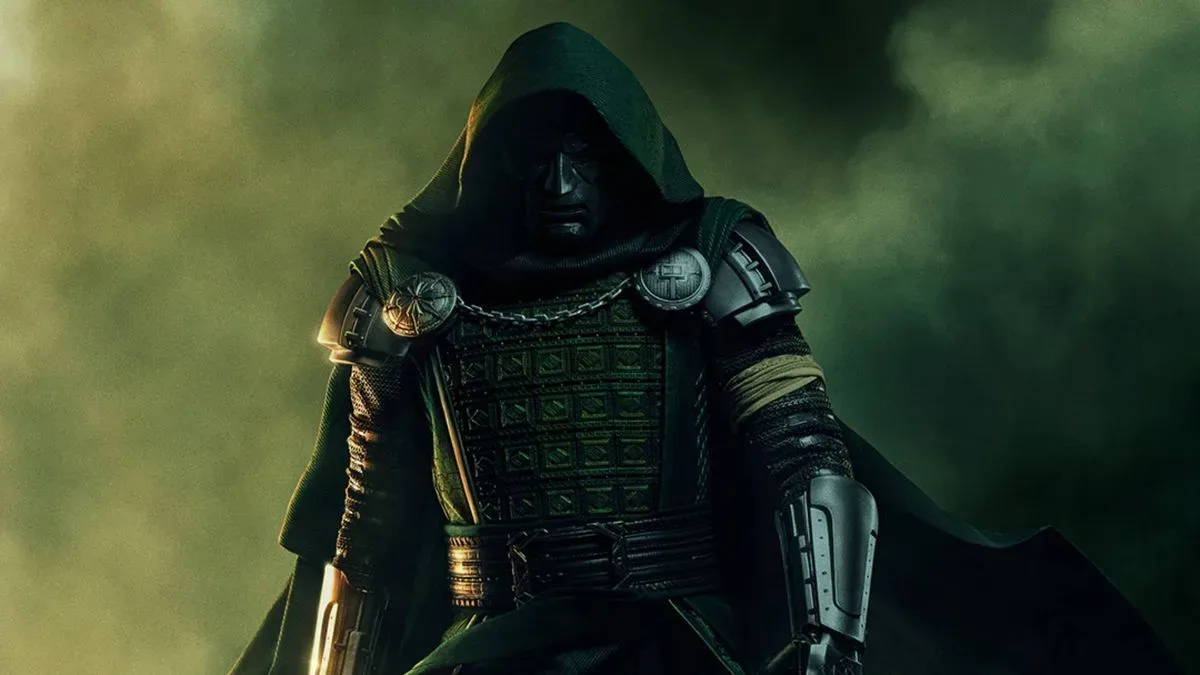
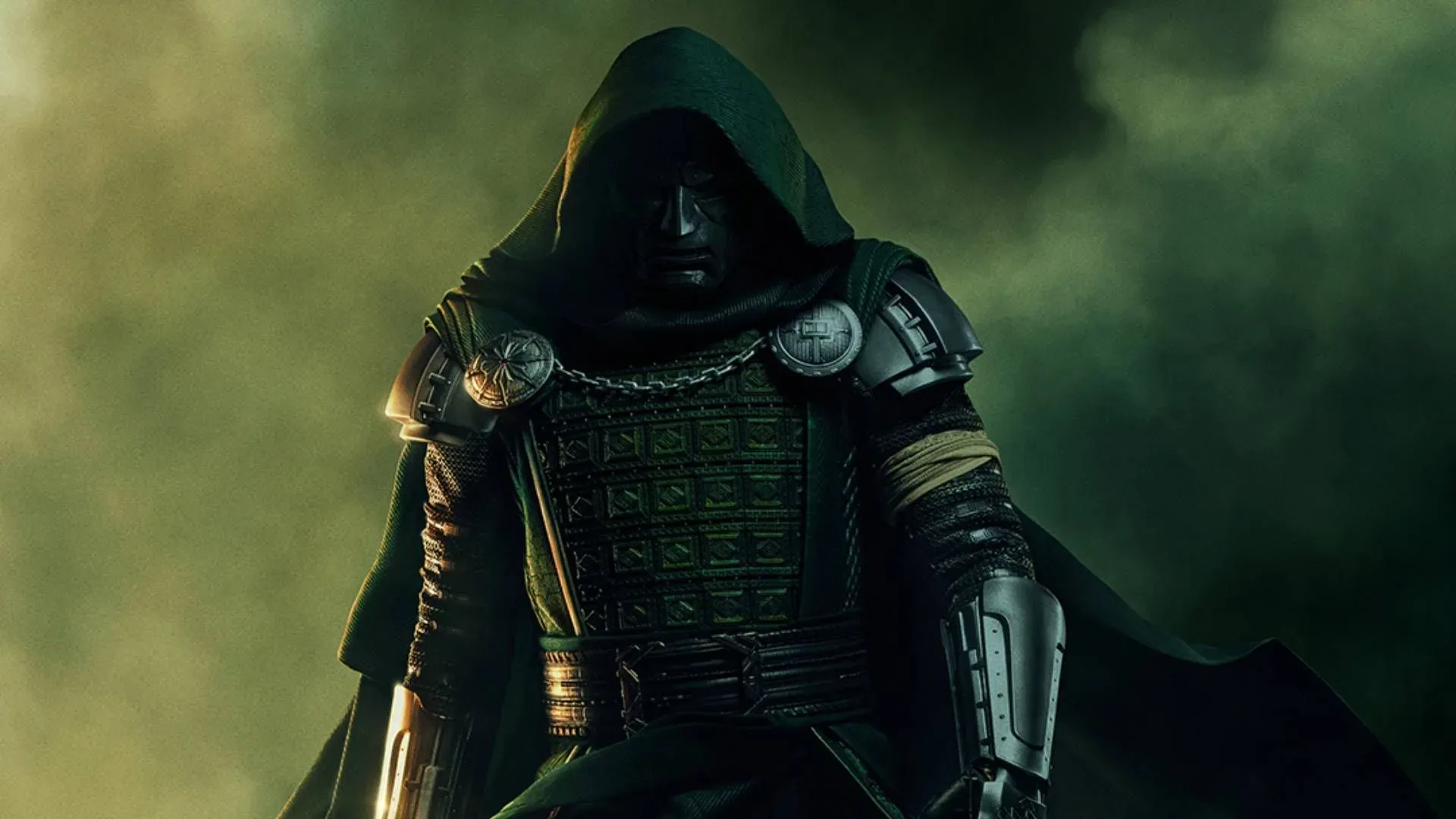
Doctor Doom has now reached a deceptively tidy Marvel milestone: three appearances before becoming the central threat of an Avengers movie. That is the same number Thanos had before Avengers: Infinity War. The parallel is interesting, but it does not mean the two villains have received the same kind of introduction.
Thanos accumulated his three appearances over several years: two post-credits teases, attached to The Avengers and Avengers: Age of Ultron, plus a more substantive role in the story of Guardians of the Galaxy. Doom, by contrast, has been placed into three post-credits sequences in a little more than a year, as Marvel moves rapidly toward Avengers: Doomsday.
That faster pace follows a change in the franchise’s villain plans. Doom was announced in 2024 after Jonathan Majors was removed as Kang. The result is not a decades-long hidden pattern suddenly revealed, nor even the slower escalation that surrounded Thanos. It is a concentrated run of scenes designed to establish an immediate threat, identify potential targets and allies, and give the next Avengers event a clear antagonist before its December release.
Three appearances, one increasingly clear direction
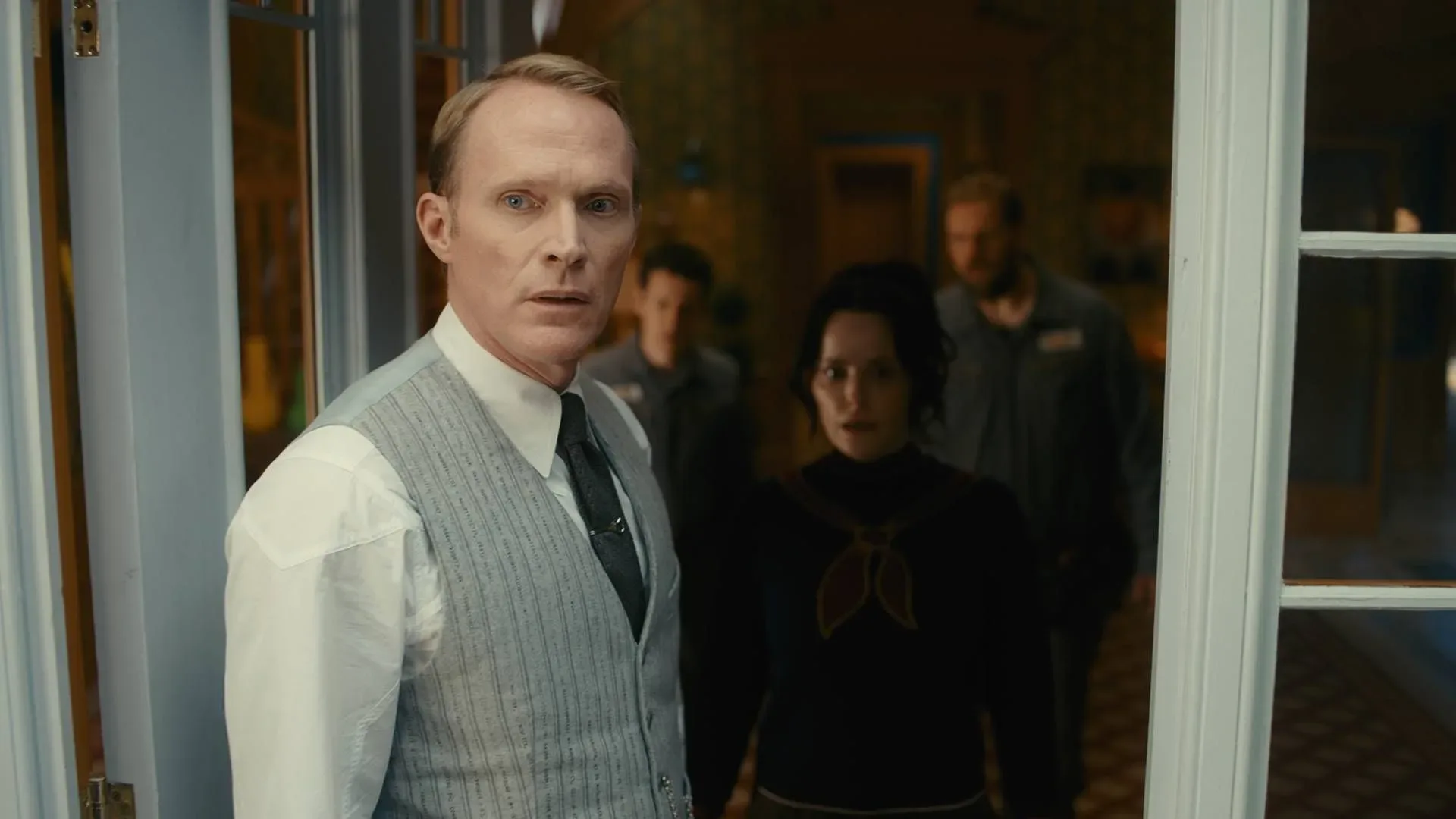
Doom’s first MCU appearance came in the post-credits scene for Fantastic Four: The First Steps, released in July 2025. The scene is notably restrained: Doom is silent while speaking with the young Franklin Richards, before Sue Storm enters. Even without dialogue, the moment establishes a direct connection between Doom and the Fantastic Four’s family, particularly Franklin.
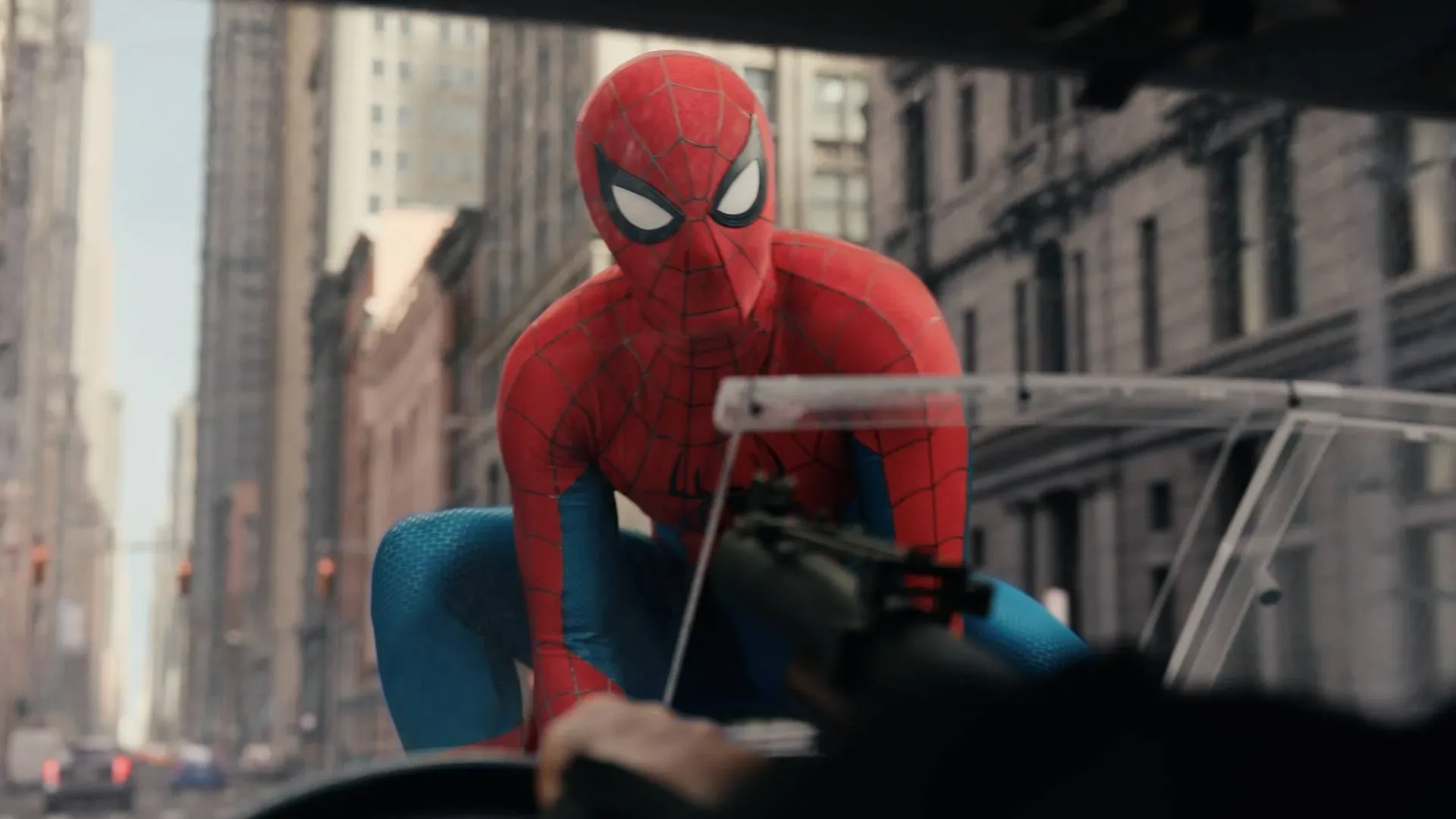
The two later scenes make the apparent shape of his campaign easier to read. In Avengers: Endgame Encore, Doom finds Bruce Banner imprisoned after Spider-Man: Brand New Day and takes him away. Then, at the end of VisionQuest, Doom resurrects Scarlet Witch and tells her that her power will belong to him.
Each scene has a slightly different job. The Franklin Richards encounter creates a personal point of tension. The Banner sequence puts Doom in contact with a major Avengers figure and frames Bruce as someone Doom can physically remove from the board. The Scarlet Witch scene raises the supernatural and power-level stakes while making Doom’s intent explicit: he is not merely crossing paths with powerful people, but seeking to use them.
That is why the raw appearance count only tells part of the story. Doom’s scenes are less about maintaining a distant ominous presence than about moving pieces into position. The setup points toward recruitment, coercion, or control of exceptionally powerful characters ahead of a conflict with the Avengers.
What a post-credits scene can—and cannot—do
A post-credits scene is a brief sequence played during or after a film or episode’s credits. In franchise storytelling, it often serves as connective tissue: it can tease a future villain, introduce an unresolved problem, or reposition a character for the next installment. Its advantage is efficiency. A few minutes can signal that a development matters without forcing the main story to stop and explain it.
Its limitation is equally clear. A tease can establish that a villain exists, is dangerous, or has a plan. It cannot automatically create the sense of history that comes from a character’s influence being felt throughout multiple full stories. This distinction is at the center of the differing reactions to Doom’s accelerated rollout.
Some viewers see the three scenes as an effective solution to an awkward production reality. With limited time to redirect the Avengers narrative, the appearances provide a straightforward throughline: Doom has an interest in Franklin Richards, has taken Banner, and has revived Scarlet Witch for her power. Those are concrete developments rather than vague references.
Others argue that Thanos felt larger than his screen time because the stories around him carried traces of his reach. His early appearances did not need to explain every detail; his connection to Loki, an invading force, and events in Guardians of the Galaxy helped give the sense that other characters were already living with the consequences of his ambitions.
The concern, then, is not necessarily that Doom has appeared too few times. It is that three scenes cannot necessarily substitute for the broader atmosphere of menace associated with a villain who has been woven through several stories. A character can have the same number of appearances while having a very different amount of narrative weight.
Doom’s setup is more direct than Thanos’ was
The present Doom material favors clarity over gradual mystery. His first scene is cryptic, but the next two establish action and motive. He takes Banner from captivity. He brings Scarlet Witch back and declares an interest in claiming her power. Those details suggest an antagonist assembling resources for a coming confrontation.
It is important, however, not to turn implication into confirmation. The scenes support the idea that Doom is gathering powerful figures for a fight against the Avengers. They do not yet explain the full mechanics of his plan, whether Banner and Scarlet Witch will act willingly, or what Franklin Richards’ role will be. The coming film retains the responsibility of supplying those answers.
That compressed strategy has a practical benefit. Audiences going into Avengers: Doomsday have several recognizable plot threads to follow instead of a villain introduced from nowhere. Banner’s removal gives the Avengers an immediate problem; Scarlet Witch’s return creates a potentially volatile one; and Doom’s interaction with Franklin Richards offers a link to the Fantastic Four side of the universe.
There is also a risk. When a story uses returning characters as proof of a new villain’s importance, it must make sure those characters remain people rather than simply power sources, hostages, or stakes. Doom’s line to Scarlet Witch places her extraordinary power at the center of the scene. What the film does with her agency, and with Banner’s circumstances, will matter as much as the shock value of the reveals.
Why the Kang-to-Doom pivot shapes the response
The response cannot be separated from the context of Doom replacing Kang as the franchise’s principal looming enemy. A multi-film universe is normally built through long-range planning, but changes in creative direction can require a quicker route to the next destination. In this case, the visible evidence of that route is three stingers arriving close together.
For supportive viewers, that makes the approach understandable. Rather than leaving the larger Avengers story without a defined adversary, the films and shows have supplied a sequence of hooks that identify Doom as active, ambitious, and willing to manipulate major heroes.
For more skeptical viewers, the same speed highlights what was missed: the chance for Doom to be seeded earlier, or for previous stories to have carried clearer connections to him. That alternative is speculation rather than an account of what happened onscreen, but it explains why the discussion is less about arithmetic than about buildup. Fans are weighing the efficiency of the new setup against the depth they wanted from such a major Marvel villain.
Neither response is disproved by the three-appearance comparison. The count is factual, while the feeling of anticipation is subjective. A short appearance can be memorable; a longer buildup can also fail to land. The decisive test will be whether Avengers: Doomsday turns these separate scenes into a coherent story with a compelling reason for Doom’s interest in Franklin Richards, Bruce Banner, and Scarlet Witch.
What to keep in mind before Doomsday
The immediate setup can be summarized without overreaching:
- Doom has appeared in three post-credits scenes.
- His first appearance connects him to Franklin Richards and Sue Storm.
- He later takes Bruce Banner away from prison.
- He resurrects Scarlet Witch and states that he wants her power.
- The pattern indicates that he is pursuing powerful figures before confronting the Avengers.
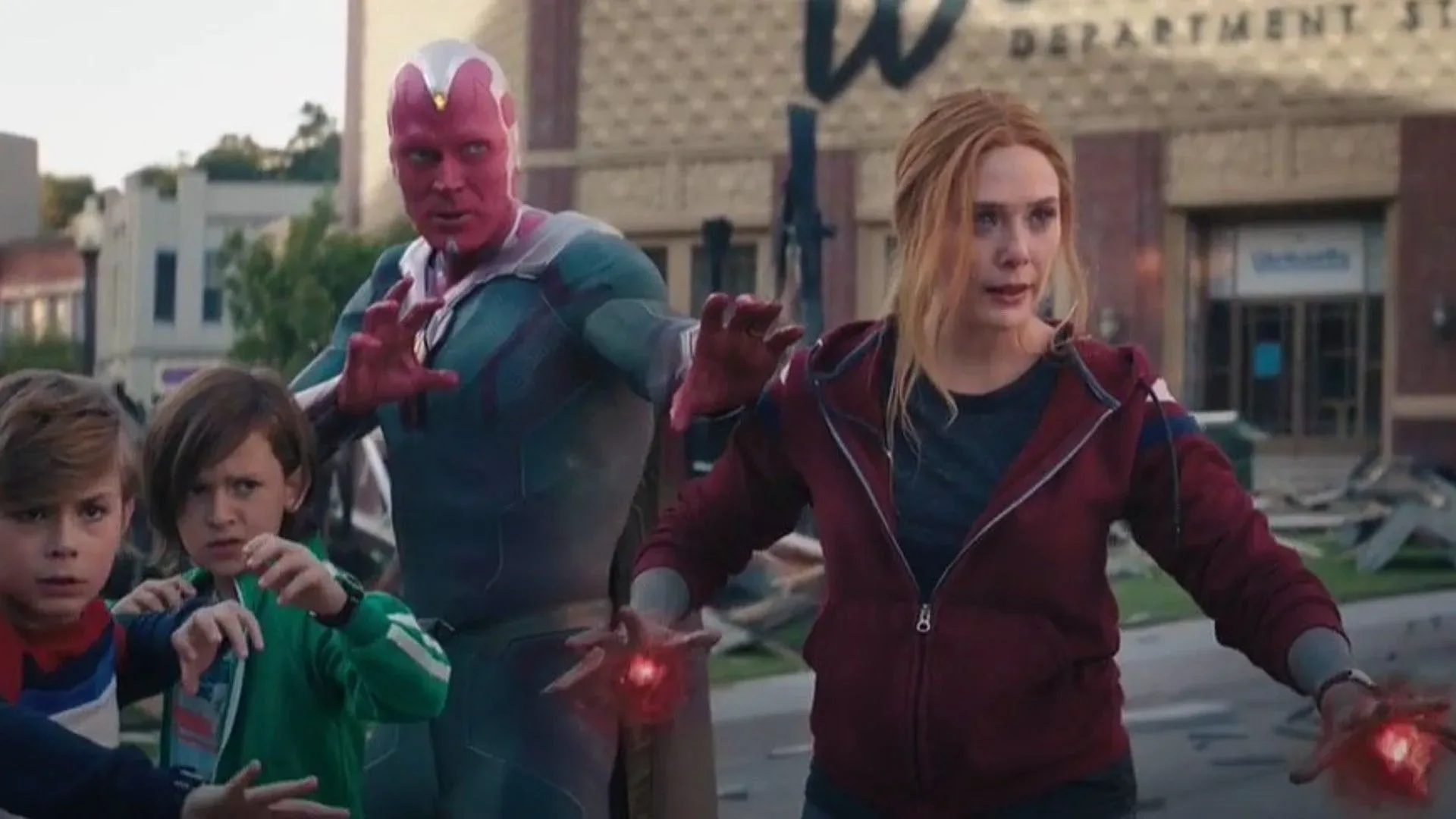
For viewers tracking the Wanda thread specifically, recent VisionQuest coverage offers additional context on how the series handled her presence before its final reveal. And the Banner development follows the events of Spider-Man: Brand New Day, where he is established as being in custody.
Avengers: Doomsday is scheduled for UK cinemas on December 16 and US theaters on December 18. By then, Doom will have had the same pre-event appearance total as Thanos did before Infinity War. Whether his three scenes amount to a suitably formidable foundation will depend not on matching that number, but on what the movie makes of the characters he has already touched.