Major spoilers for VisionQuest episode 8, its post-credits scenes, and Doctor Strange in the Multiverse of Madness follow.
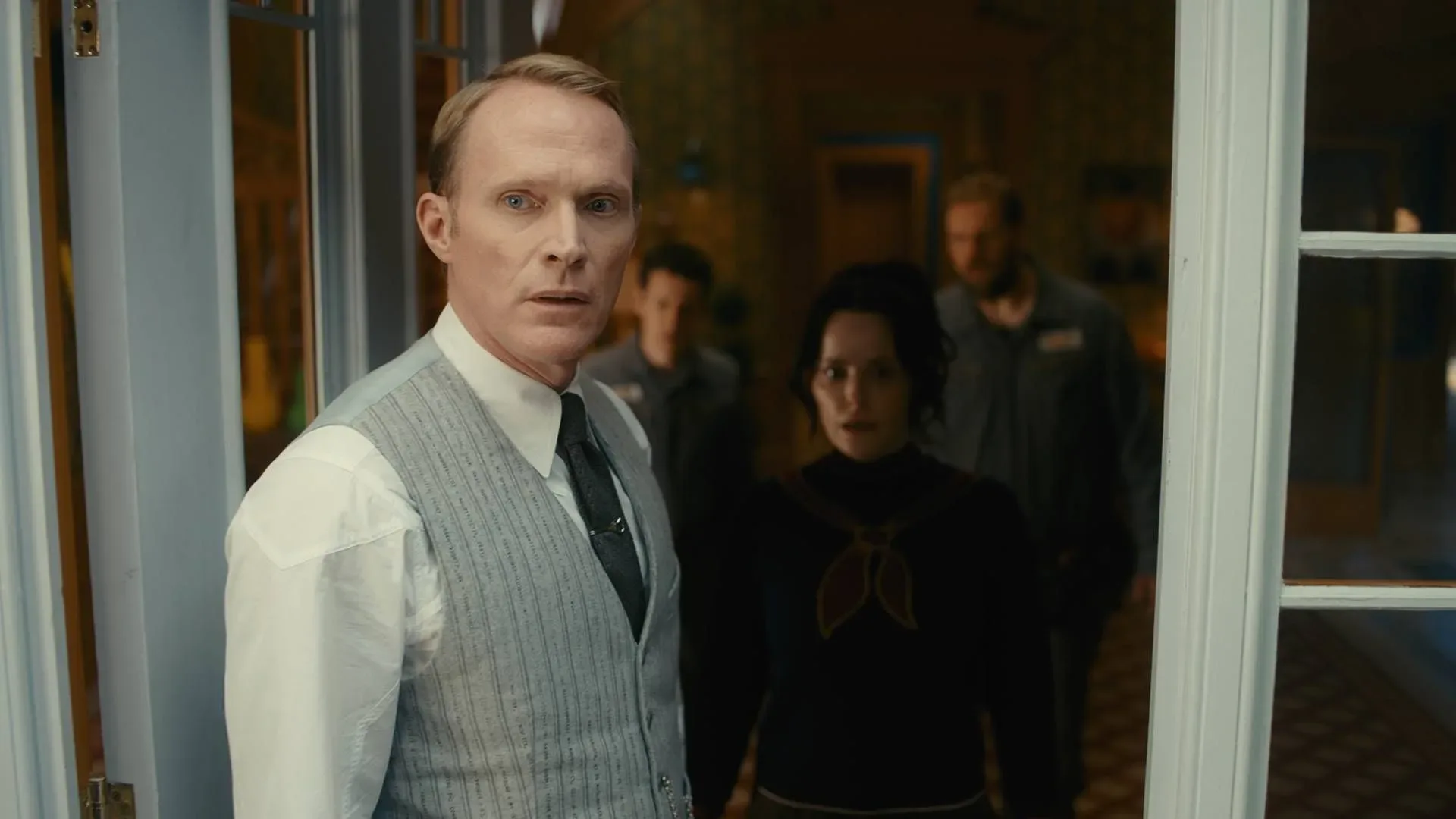
VisionQuest episode 8 does not spend its finale functioning as a conventional trailer for Avengers: Doomsday. Its main concern is bringing its own storyline—and the broader WandaVision trilogy—to a point of resolution. That distinction matters. A character returning, a threat being unleashed, or a family being reunited is not automatically proof that all of them will immediately report for Avengers duty in the next film.
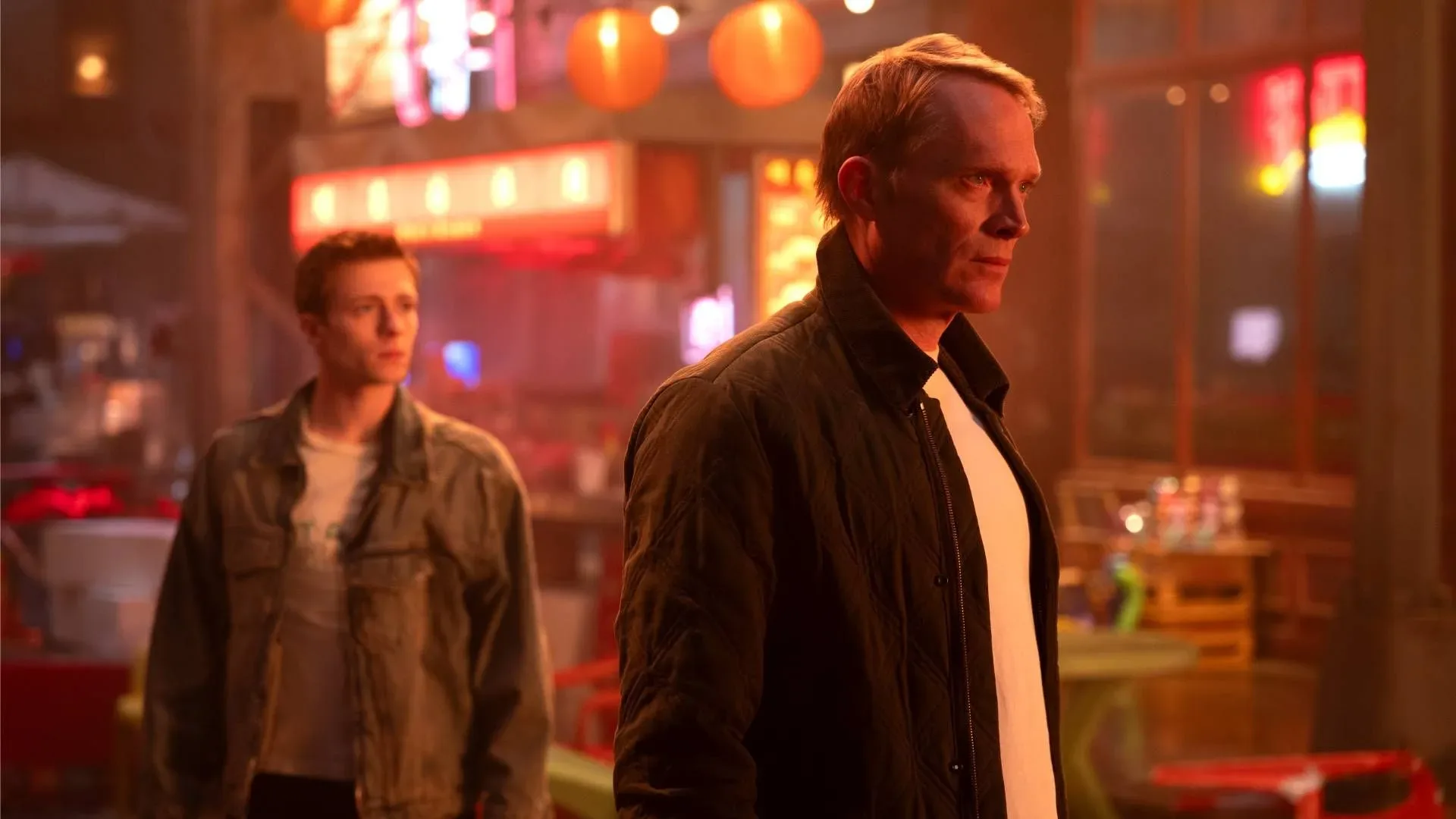
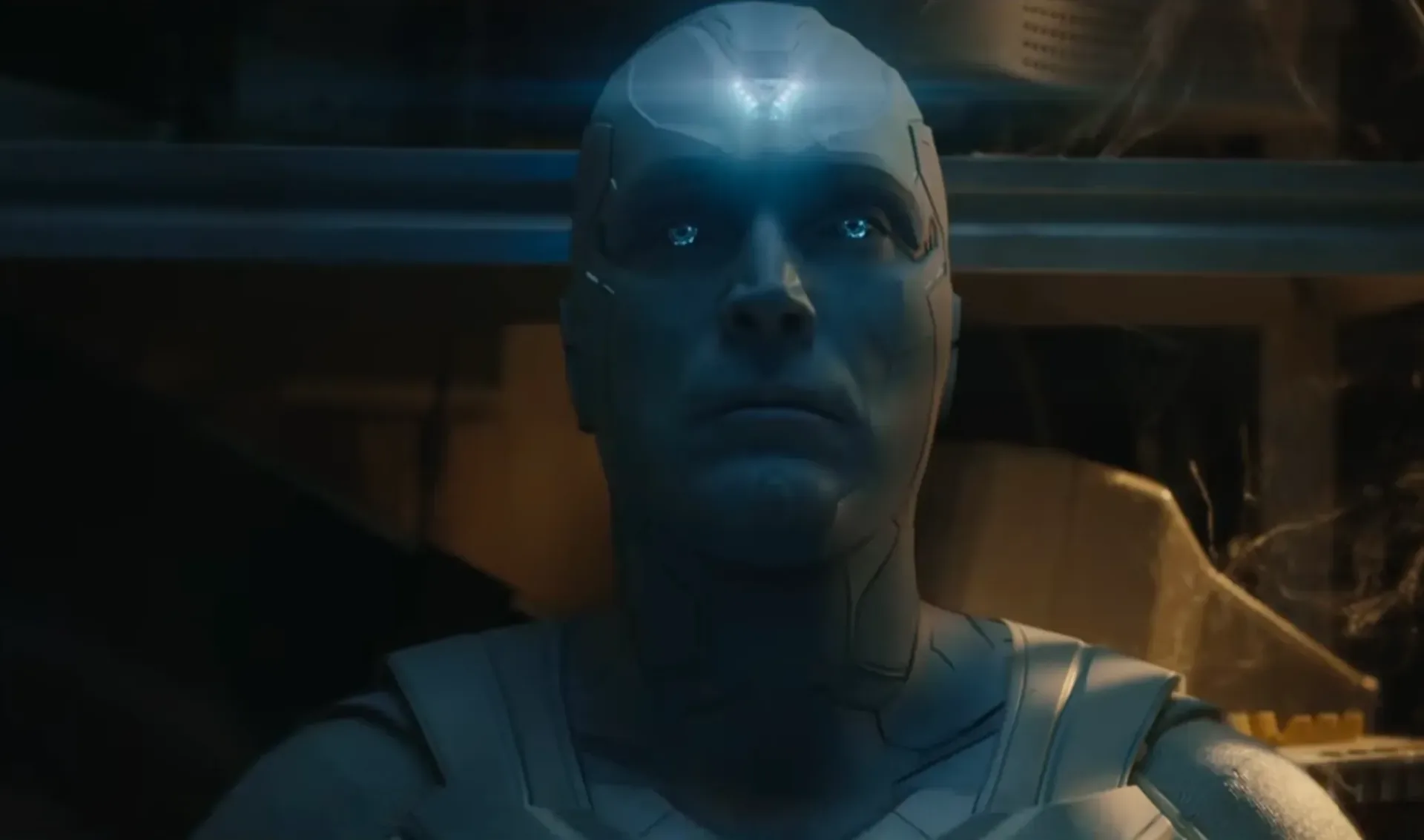
Yet the finale does leave the Marvel Cinematic Universe in a dramatically different position than before. Vision has returned to his familiar red-skinned form. Ultron is no longer confined within Vision’s Mindspace. Tommy and Billy Maximoff are together. Most significantly, a second post-credits scene presents Wanda Maximoff awakening amid the remains of the Darkhold castle, with Doctor Doom claiming her power for himself.
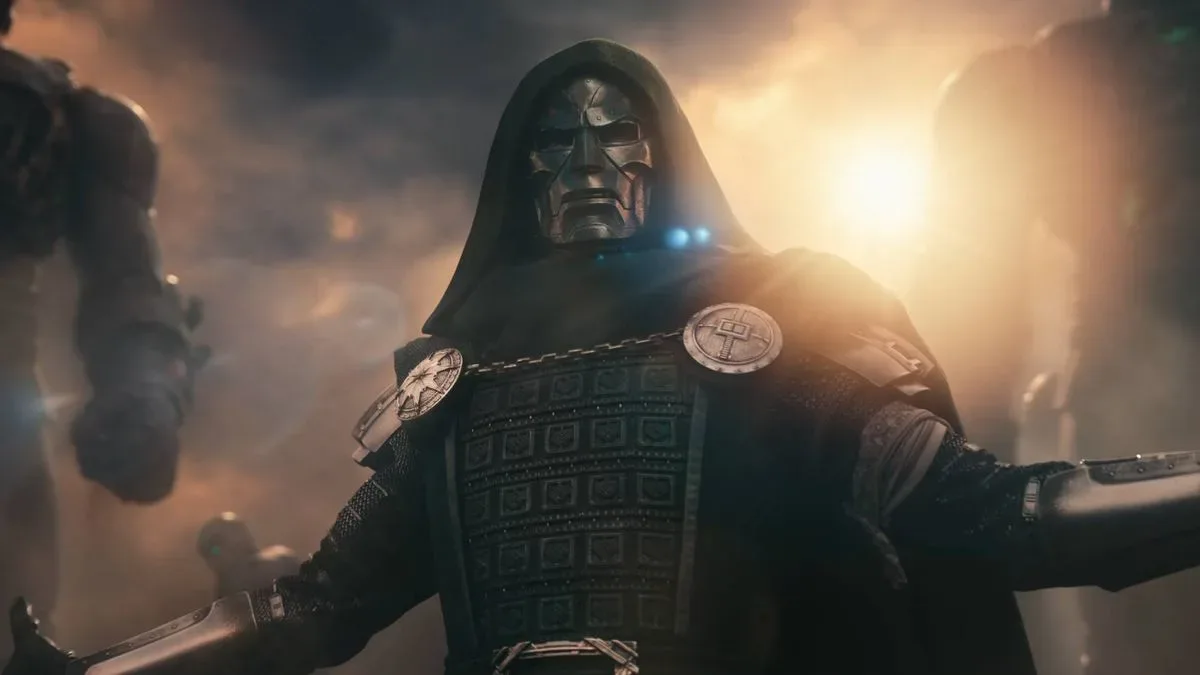
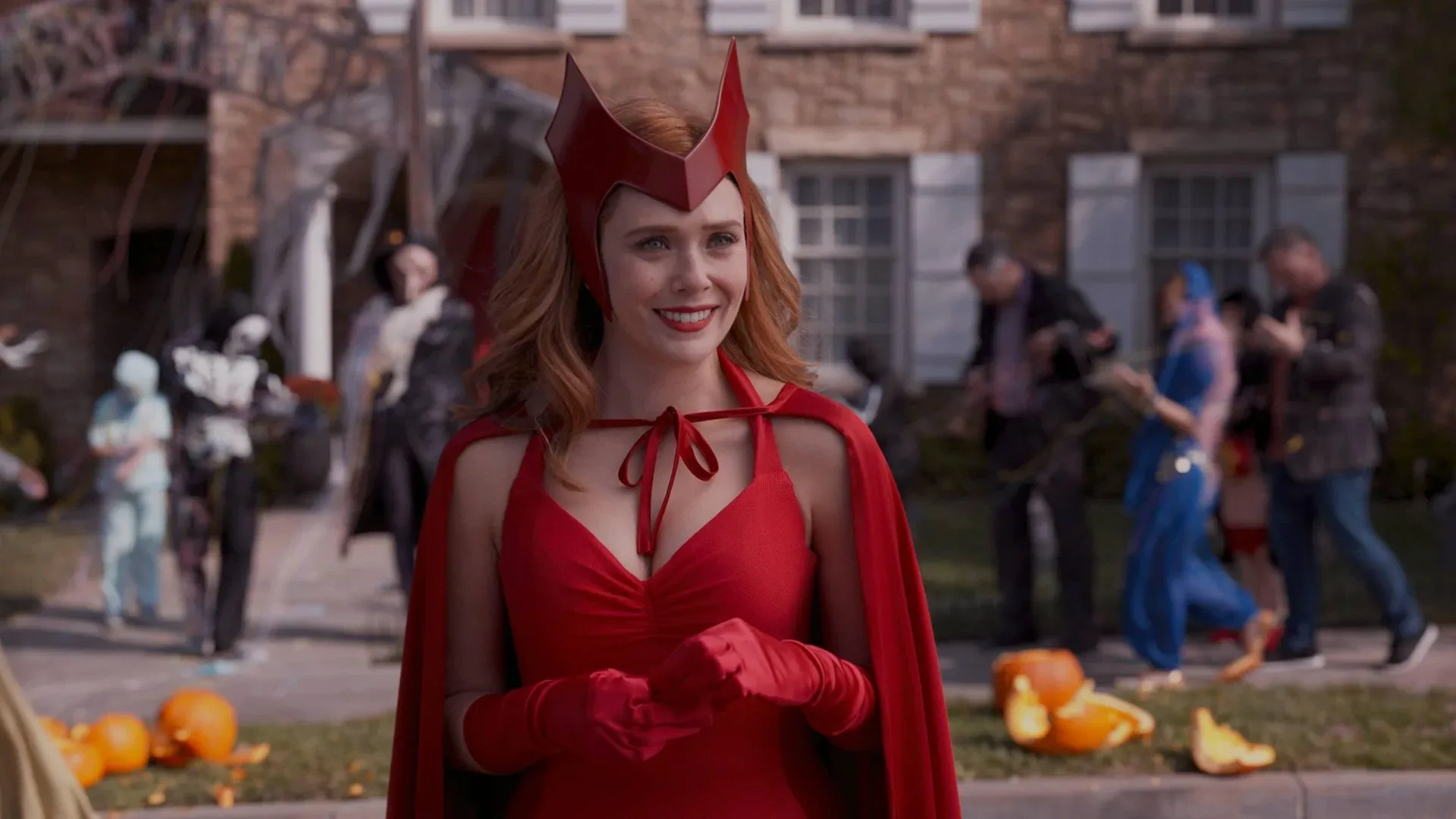
That final beat is the clearest potential bridge to Avengers: Doomsday. It does not confirm the size of Wanda’s role, whether every member of her family will appear, or precisely how Doom’s plan works. It does, however, establish a dangerous new circumstance: Wanda is alive, and her green-glowing eyes indicate that Doom has placed her under his control.
The main VisionQuest ending is not a direct Doomsday setup
It is useful to separate the episode’s actual ending from its extra scenes. The episode itself prioritizes emotional and narrative closure for Vision and the characters around him. It also includes Billy and makes room for the idea that Wanda may not be gone forever. That is different from explicitly laying out an Avengers mission, naming a forthcoming villainous objective, or ending with the team being summoned into action.
Vision’s exchange with Tommy is especially important on that point. When Tommy asks about his mother, Vision suggests that a goodbye does not necessarily rule out another hello. The moment operates as hope rather than confirmation. It leaves an opening for Wanda’s return, but it does not by itself reveal where she is, whether she survived, or what form that reunion might take.
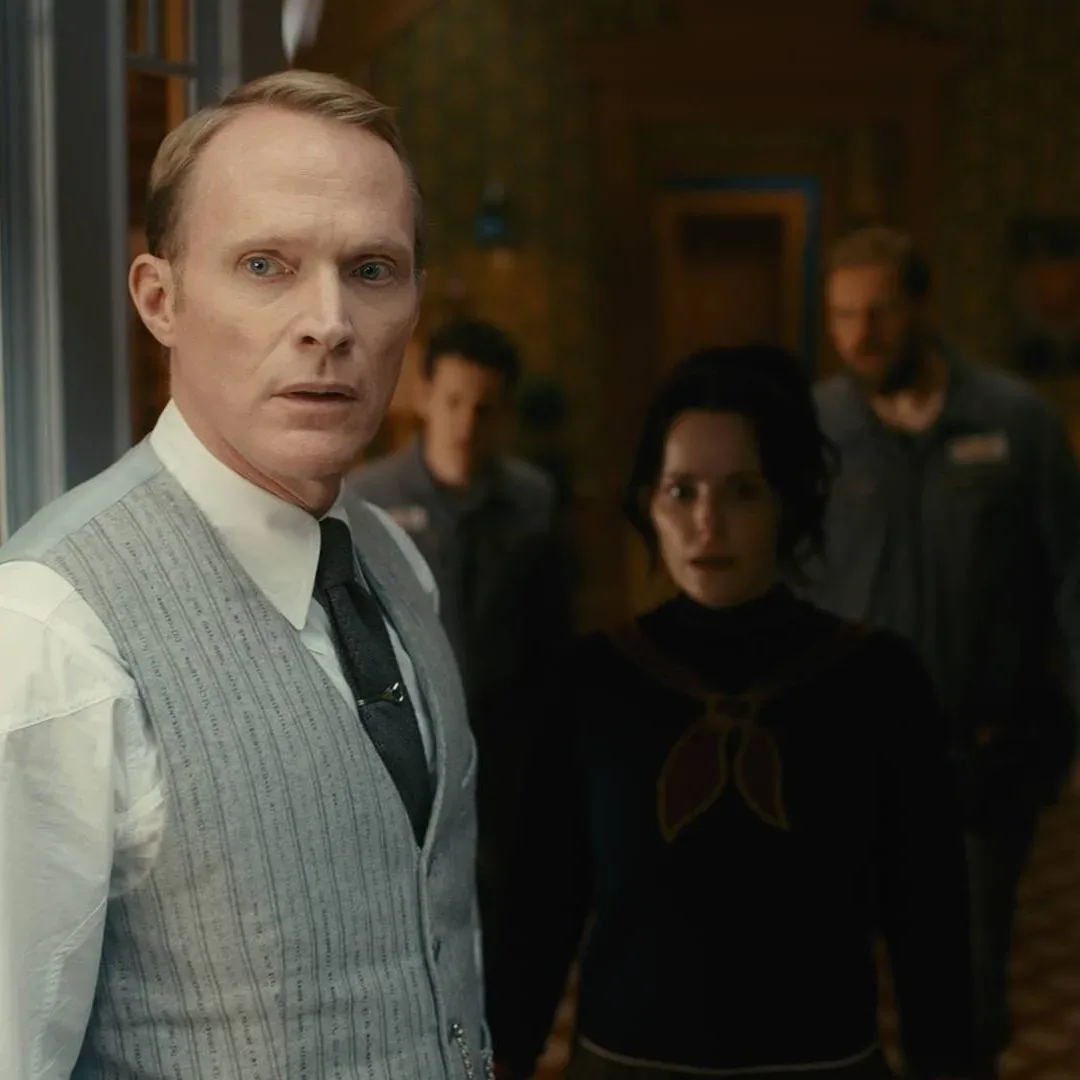
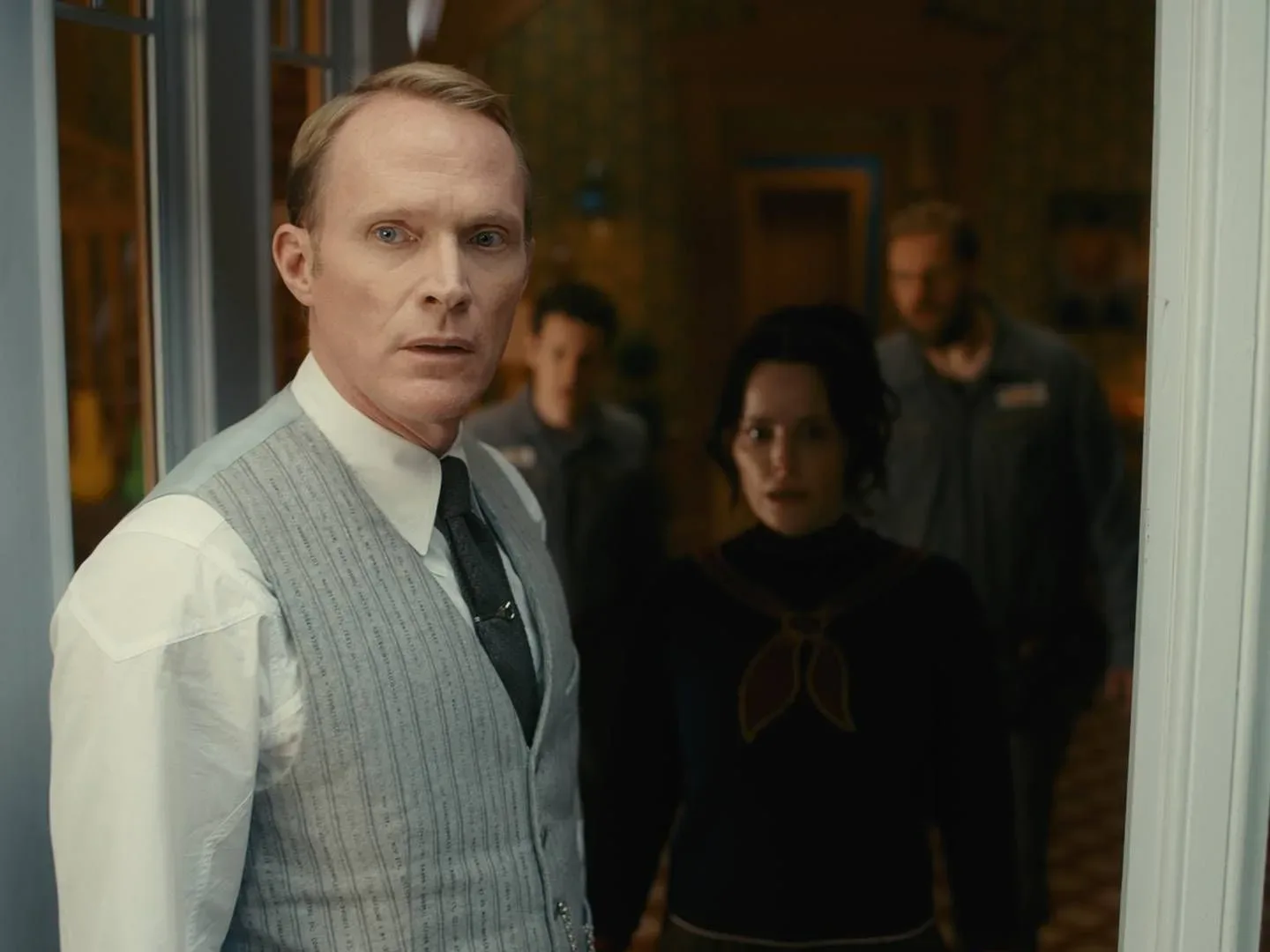
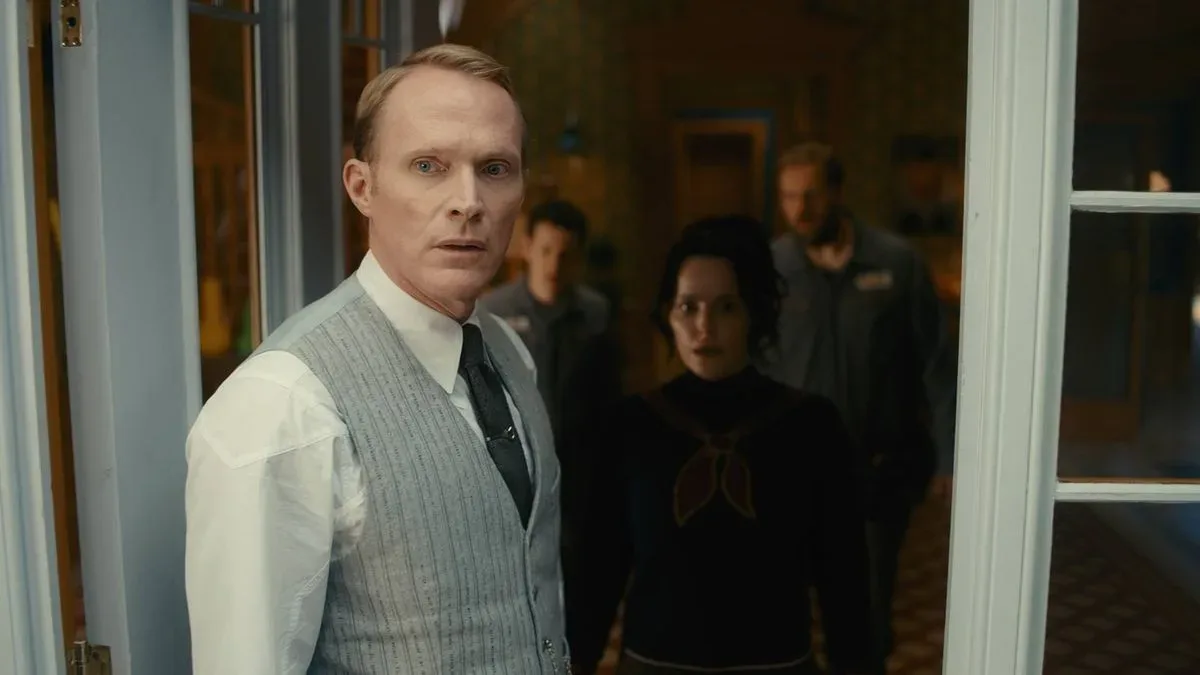
The second credits sequence answers the survival question far more directly. Wanda wakes in the rubble of the castle she destroyed at the end of Doctor Strange in the Multiverse of Madness. Doom is present at that moment and addresses her as a witch before asserting a claim over her power. The visual cue of Wanda’s eyes turning bright green makes the situation look coercive rather than voluntary.
For viewers asking whether they must watch the series before Doomsday, this scene is the strongest argument that the finale could become relevant. It creates a straightforward dramatic problem that an Avengers event film could use: one of the MCU’s most formidable figures has returned, but appears to be acting under the influence of Doctor Doom.
Why Wanda is the most consequential connection
The Wanda reveal matters because it joins a powerful character to the antagonist implied by the title of the upcoming Avengers film. Doom does not merely encounter her; he appears to revive her and seize control of what she can do. That creates stakes beyond a cameo or a suggestion that she is still somewhere in the world.
It also reframes the earlier ambiguity around Wanda’s fate. Before this scene, the story could gesture toward her possible survival through Vision’s words without settling the issue. The post-credits scene changes that ambiguity into an active threat. The question is no longer simply whether Wanda can come back. It becomes what Doom intends to do with her, whether she can regain autonomy, and who might be able to reach her.
There is a comic-book parallel worth treating carefully. A Young Avengers storyline involves Tommy and Billy needing to save Wanda after Doom takes her and makes her his bride. That resemblance makes the VisionQuest ending an intriguing piece of adaptation material, especially now that both sons are part of the MCU story. But it is not confirmation that Doomsday will reproduce that plot, nor does it establish that the Young Avengers will appear in the film.
The practical implication is simpler: Tommy and Billy now have a deeply personal reason to be involved if Wanda becomes a larger MCU conflict. Vision has one as well. The finale has arranged the pieces of a family rescue narrative, while leaving the exact project and lineup unresolved.
Vision’s return makes him hard to ignore
By the end of VisionQuest, Vision is restored to the red-skinned Avenging identity audiences associate with the character. That does not constitute an on-screen pledge that he will join the fight in Avengers: Doomsday. Still, it naturally raises the expectation that he would not stay detached if a crisis threatens the multiverse—or if Wanda is in Doom’s grasp.
The term incursion is used in the MCU context for a threat involving the multiverse. The supplied information does not define the mechanics of the danger expected in Doomsday, so it would be premature to attach Vision to a particular battle plan. What the finale does establish is character logic. Vision has been restored, Tommy and Billy have been reunited, and Wanda is suddenly vulnerable to a major enemy’s control. Those developments give Vision more than one compelling reason to re-enter a wider conflict.
There is also an important tonal difference between Vision’s potential involvement and Wanda’s apparent role. Vision’s ending restores agency and identity. Wanda’s credits scene removes agency, at least initially. If both threads converge in a future Avengers story, the dramatic contrast is ready-made: Vision could be attempting to protect or save someone who has been turned into a weapon.
For more detail on what the finale itself appears to establish beyond the Avengers question, see what VisionQuest’s finale and post-credits scene actually set up.
Ultron’s freedom is a major MCU change, but a less certain Doomsday thread
The first post-credits scene carries its own implications. Ultron is free from Vision’s Mindspace, making him an independent threat again. His immediate objective is to resurrect Jocasta through her source code. In technology terms, source code is the underlying programming instructions used to create software; within this story, it is the basis for Ultron’s effort to restore Jocasta.
That objective looks much more closely connected to a future VisionQuest continuation than to the immediate Wanda-and-Doom conflict. It gives Ultron a reason not to launch instantly into indiscriminate destruction: he has a specific resurrection project. It also leaves him dangerous. A liberated Ultron is not a minor loose end, and his presence could have consequences well beyond this series.
But possibility is not confirmation. Nothing in the ending says Ultron will serve Doom, oppose Doom, be recruited into Doom’s plans, or appear in either Doomsday or Avengers: Secret Wars. The better reading is that the finale has restored Ultron as a live variable in the MCU while reserving his next move for a story still to be defined.
Tommy and Billy point toward a future team-up, not a confirmed roster
Tommy, also known as Speed, and Billy, also known as Wiccan, finally reunite in the finale. That is a meaningful development for the possibility of a Young Avengers-style team-up, particularly given the comic connection between the brothers, Wanda and Doom. It should not be mistaken for a cast announcement.
There are two separate questions here. The first is whether the MCU is moving closer to bringing together younger heroes in a formal group. Reuniting Tommy and Billy certainly makes that easier to imagine. The second is whether that group will be part of Doomsday, Secret Wars, or a separate project. Episode 8 does not answer that question.
What it does provide is emotional leverage. Wanda’s fate is not abstract to her sons, and the potential rescue element would give Tommy and Billy an immediate purpose in any future conflict involving Doom. The relationship between those characters could be more important than the team label itself.
What the finale actually confirms—and what remains speculation
- Confirmed by the episode: Vision returns to his red-skinned Avenging form.
- Confirmed by the episode: Ultron is liberated from Vision’s Mindspace and seeks to resurrect Jocasta through her source code.
- Confirmed by the episode: Tommy and Billy are reunited.
- Confirmed by the second post-credits scene: Wanda awakens in the Darkhold castle rubble, and Doom appears to take control of her power.
- Not confirmed: Vision, Wanda, Ultron, Tommy or Billy appearing in Avengers: Doomsday.
- Not confirmed: A Young Avengers team appearing in Doomsday or Secret Wars.
- Not confirmed: Ultron’s allegiance, his eventual target, or whether Jocasta’s resurrection will happen on screen.
The most reasonable conclusion is that VisionQuest episode 8 has not built a direct, scene-by-scene runway into Avengers: Doomsday. Instead, it has returned several important characters to the board and then placed Wanda in the most immediately volatile position. Doom controlling the Scarlet Witch is the one development that feels especially ready for an Avengers-scale payoff.
VisionQuest is streaming on Disney Plus. Avengers: Doomsday is scheduled for December 18 in the US and December 16 in the UK.