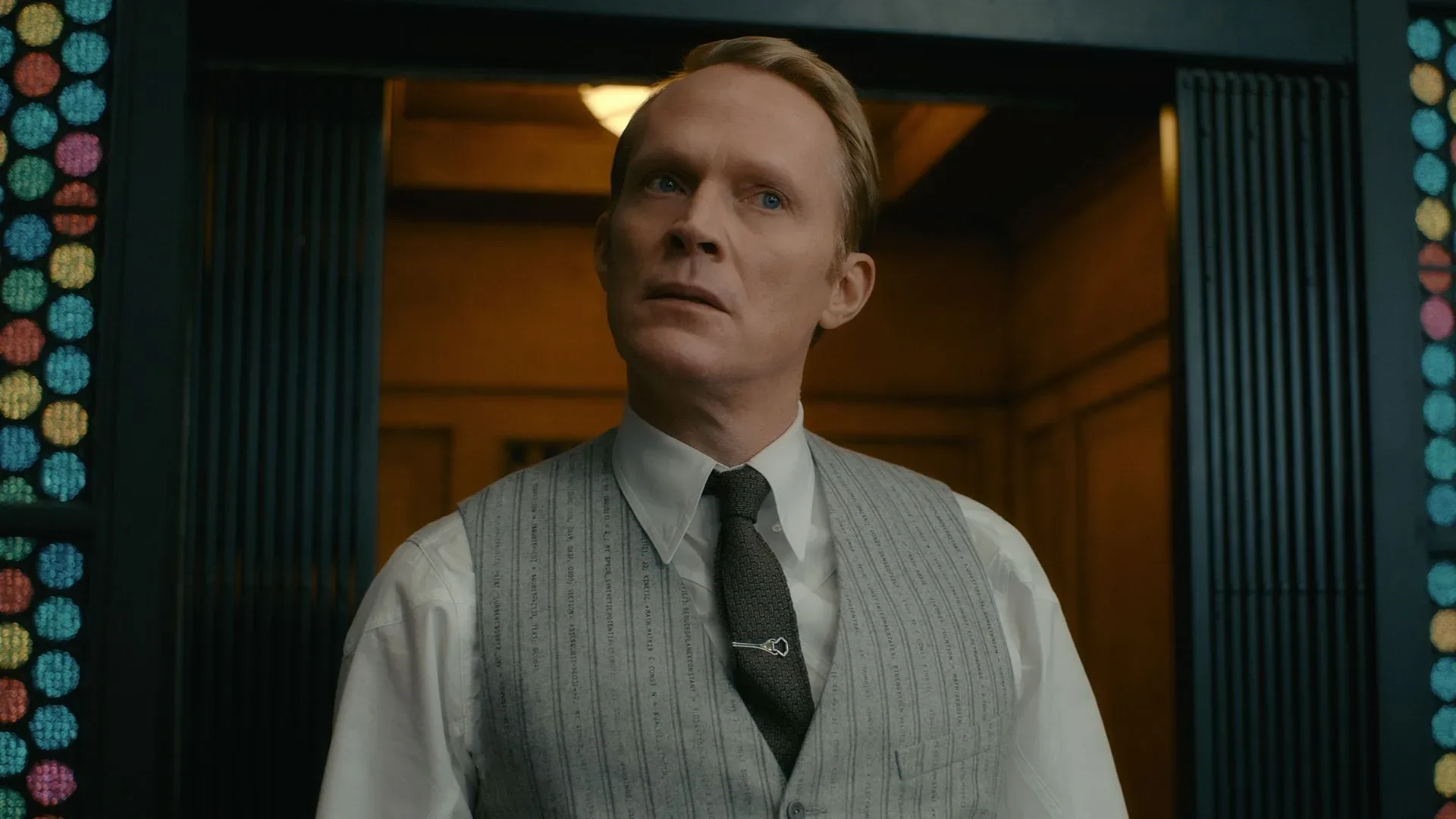
VisionQuest is placing its most emotionally revealing details in places viewers may barely have time to read. In the premiere, a brief screen of Vision’s code appears to include the phrase WANDA.CREATE. The text is difficult to make out amid the surrounding characters, so it should be treated as an apparent Easter egg rather than a confirmed plot instruction. Even so, the possible reference lands with unusual weight: Vision’s private inner architecture may still carry Wanda Maximoff’s name.
That is a more affecting idea than a conventional hidden reference. A code Easter egg is not simply a poster on a wall or a wink at an earlier Marvel project. Code is part of how a synthezoid character can be presented as thinking, remembering, and functioning. If Wanda’s name is embedded there, VisionQuest is using a technical-looking visual to express something intimate: Vision’s grief has not stayed safely in the past. It has become part of the material the show associates with his identity.
The text is intriguing, but not a confirmed promise
The apparent wording, WANDA.CREATE, naturally invites speculation. Wanda previously created Vision and a family in the reality shaped by her grief after his death at Thanos’s hands. With that history in mind, “create” may sound like a suggestion that Vision could attempt something similar: recreating Wanda, constructing a version of her, or revisiting the kind of impossible domestic life associated with Westview.
But the on-screen fragment is not clear enough to establish any of those possibilities as fact. It may be a deliberate narrative clue, a memory label, a conceptual reference, or simply an Easter egg designed to underline their connection. The distinction matters. An Easter egg is a concealed detail that rewards close viewing; it does not automatically function as a spoiler, a confirmed future event, or a statement of what a character will do next.
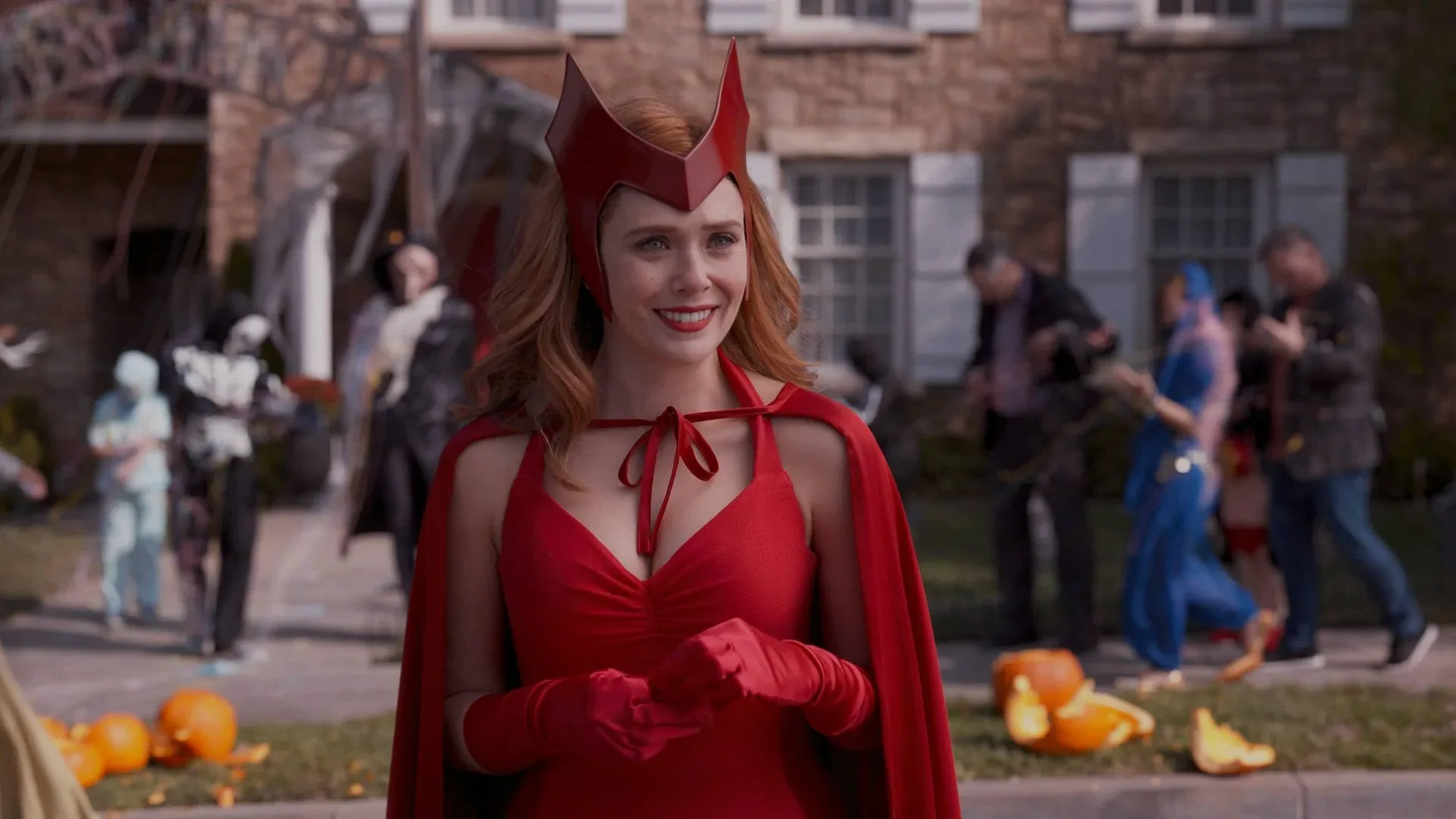
What the detail does support is a reading of Vision as someone still deeply oriented around Wanda. That emotional throughline is already visible in the show’s use of the Mindplace cinema, where clips connected to WandaVision appear. The code flash extends the same idea into another visual language. Memories are not only replayed in an obvious, sentimental setting; they also appear to surface in the data surrounding Vision himself.
Why Wanda’s absence still defines the story
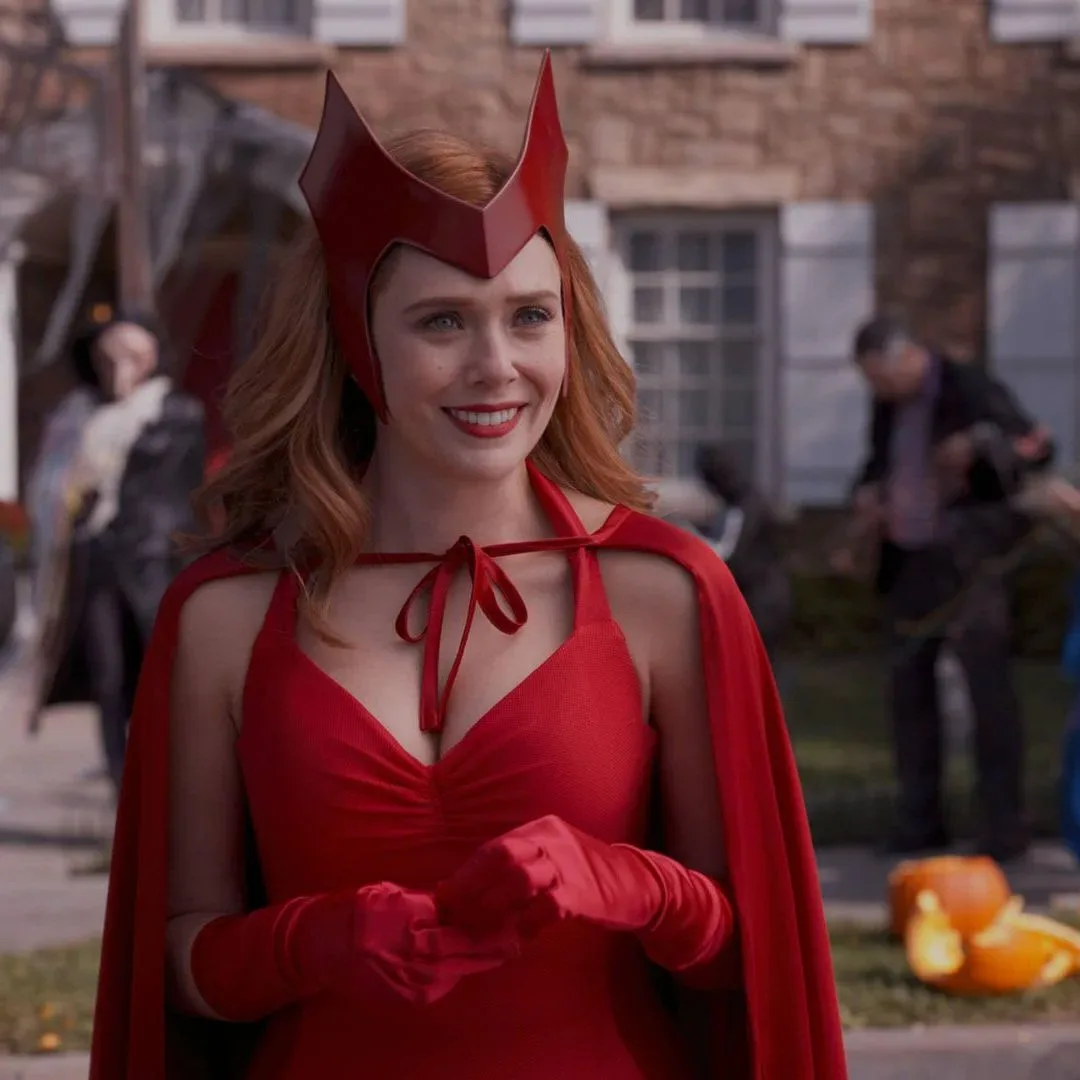
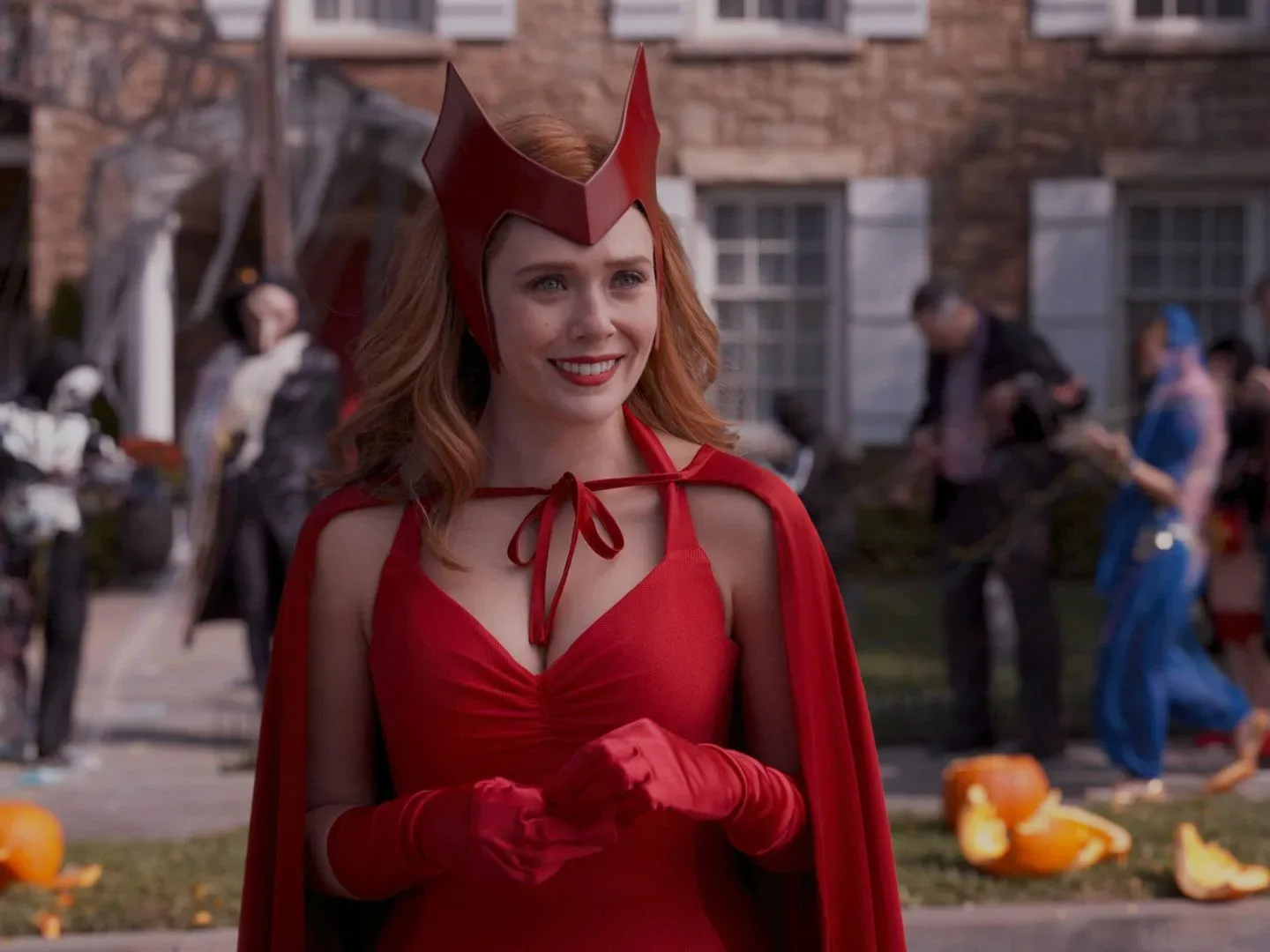
Wanda’s fate has been treated as final in the material surrounding Doctor Strange in the Multiverse of Madness, where a mountain falls on her. Later allusions in Agatha All Along continue to point to her being dead. VisionQuest therefore does not need a literal Wanda appearance to keep her presence central. It can instead make absence the point.
That approach gives the apparent WANDA.CREATE reference its tension. The word “create” is inseparable from the painful precedent of Westview, where grief and reality became entangled. A potential recreation of Wanda would not merely be a science-fiction feat. It would raise the same emotional question that hangs over all of Vision’s references to the past: is he processing what happened, or trying to find a way around it?
Nothing in the brief code image answers that question. Yet the ambiguity seems purposeful. The series can acknowledge Wanda as a foundational part of Vision’s life without diminishing the consequences of her death or treating a hidden string of text as proof of a resurrection.
“Sherwood Ellis” is a second, more grounded clue
The Wanda connection is not limited to the code. At one point in Edinburgh, Vision uses the alias Sherwood Ellis. On its surface, it is an ordinary enough cover name. Look closer, however, and it combines two location references tied to Wanda and Vision’s Westview life:
- Sherwood comes from Sherwood Drive in New Jersey, the street where Wanda and Vision lived.
- Ellis comes from Ells Avenue, identified as the last street bordering Wanda’s hex in Westview.
The alias makes the show’s method especially clear. It takes two pieces of geography and turns them into a name Vision carries into a different city. Rather than openly declaring that he is haunted by Westview, the series lets that history slip into a practical detail of his present-day identity.
It also makes the code reference feel less isolated. One hidden nod can be incidental. Two separate details, each involving Wanda and Westview, establish a pattern: the past is bleeding into the choices, labels, and systems that surround Vision. The series is not only recalling WandaVision; it is showing how difficult it is for Vision to exist outside its aftermath.
Technical imagery becomes emotional storytelling
There is a useful contrast between the show’s two clues. “Sherwood Ellis” is a human-readable construction. Anyone who recognizes the relevant street names can trace the route back to Westview. WANDA.CREATE, by comparison, is tucked into a burst of seemingly jumbled code. It asks viewers to pause, scrutinize, and interpret.
That difference is meaningful because Vision occupies the space between person and machine. The Edinburgh alias reflects an outward, social identity: the name he offers the world. The apparent code phrase points inward: a system-level detail viewers are allowed to glimpse only for a moment. Together, they suggest that Wanda’s importance persists both in what Vision calls himself and in the machinery through which the series represents his mind.
“Synthezoid” is the term used for Vision’s artificial yet person-like nature. Stories involving such characters often use programming and memory as shorthand for questions of selfhood. VisionQuest appears to use that vocabulary with restraint. The code does not have to explain its own emotional significance in dialogue. Its placement does the work. A name that may be embedded in Vision’s internal text suggests a memory that is not fully under his control.
That is also why the detail is more tragic than triumphant. The phrase may contain the word “create,” but the surrounding context is mourning. Vision’s recurring attention to Wanda is not framed as cleanly resolved. Westview remains a coordinate in his life, whether it appears in a cinema memory or in the construction of an assumed name.
A detail designed for rewatching, not certainty
Fans who want to examine the premiere more closely have a clear checklist: watch the moment when Vision’s code flashes up; compare the visible text against the apparent WANDA.CREATE reading; and note the context in which Vision is identified as Sherwood Ellis. The first two episodes are streaming on Disney Plus, so viewers can revisit the material rather than relying on a single fast-moving frame.
It is worth keeping the terms of the discovery precise. The code reference was spotted by a viewer and shared on X, and the lettering remains hard to parse. The strongest interpretation is not that the show has definitively revealed a plan to bring Wanda back. It is that the series has hidden a carefully chosen reminder of her in one of the most personal places imaginable for Vision: the visual representation of his code.
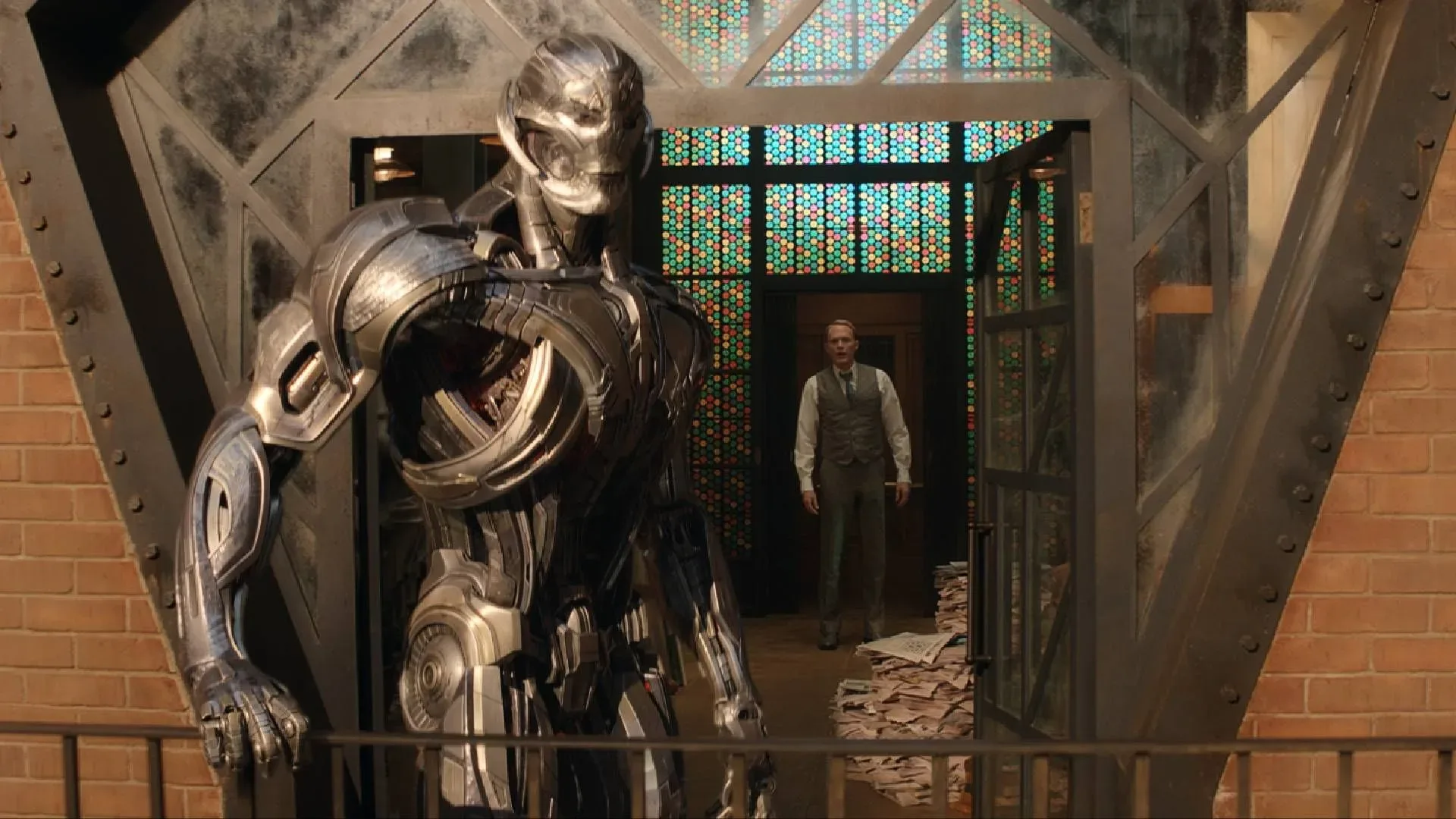
That restraint makes the Easter egg effective. It provides attentive viewers with a puzzle while preserving the larger emotional story. Vision’s memories of Wanda and Westview have not been filed away as simple backstory. They remain active, resurfacing in a cinema, a false name, and perhaps even a fragment of code. For more on the series’ unsettling use of Vision’s inner world, see VisionQuest’s Ultron return and its uneasy place inside Vision’s mind.
VisionQuest can still take the WANDA.CREATE clue in several directions, or leave it as an emotional marker rather than a plot mechanism. For now, its most compelling function is simpler. In a show built around a character carrying an extraordinary history of loss, even the flicker of a diagnostic-style screen can become a memorial.