Major spoilers for “Forever,” the finale of VisionQuest, follow.
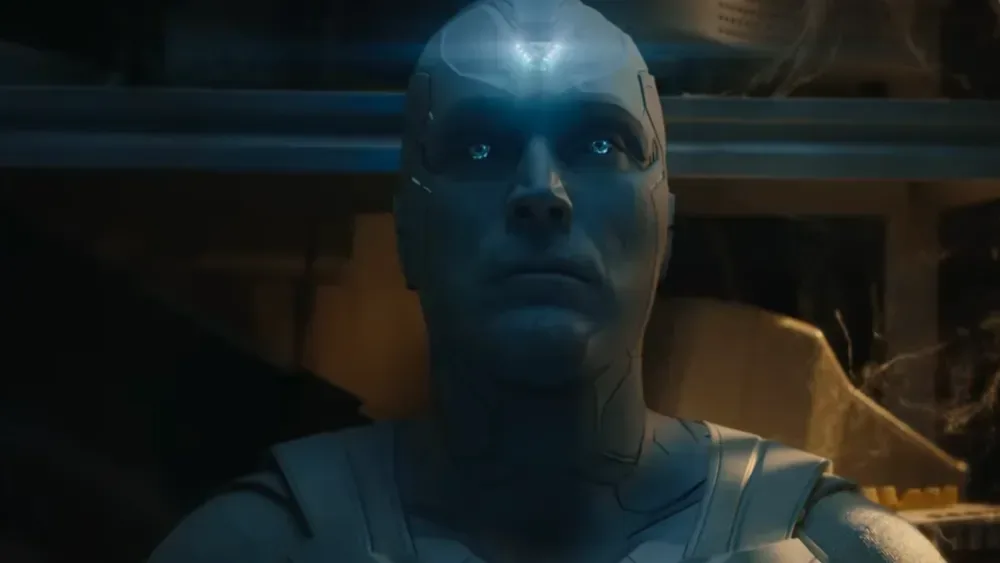
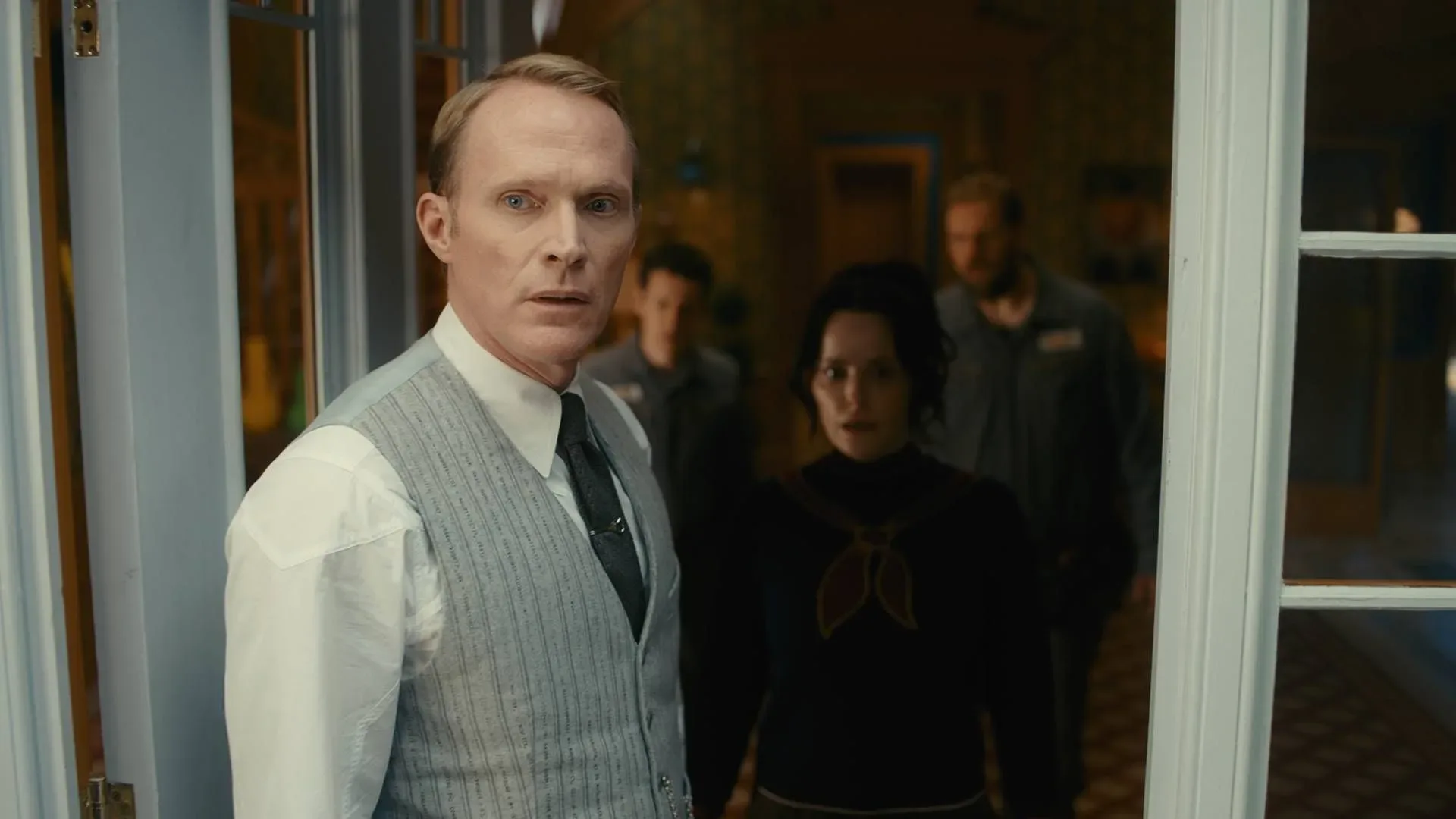
VisionQuest has closed the chapter described as the WandaVision Saga, but its final minutes make a larger point: Wanda Maximoff’s MCU story is not over. The Disney+ finale reunites Paul Bettany’s Vision with his and Wanda’s grown sons, Tommy and Billy Maximoff, before a post-credits sequence returns viewers to Wanda’s apparent fate in Doctor Strange in the Multiverse of Madness.
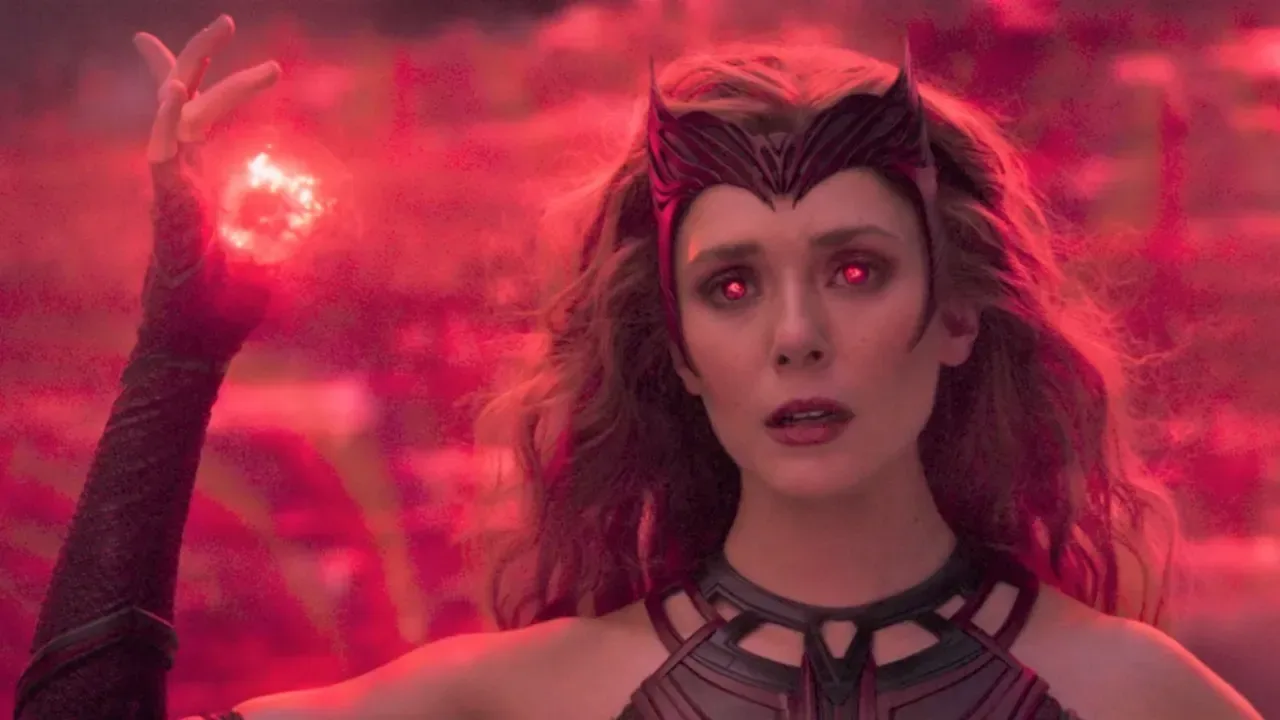
The scene does not merely revisit that moment. It changes its meaning. Wanda, played by Elizabeth Olsen, was seemingly buried beneath Wundagore mountain after destroying the Darkhold across the multiverse. In the new coda, Robert Downey Jr.’s Doctor Doom moves the rubble aside and finds her alive. He commands her to awaken and declares that her power will belong to him. Wanda gasps and opens her eyes.
That is a direct, substantial on-screen indication that the Scarlet Witch is back in play, while also establishing Doctor Doom’s interest in her abilities. It does not, by itself, reveal Wanda’s exact role, allegiance, or the terms of her encounter with Doom. But it clearly positions her as a potential part of the looming conflict around Avengers: Doomsday, which is dated for Dec. 18.
What happens in the VisionQuest finale
The finale’s emotional centerpiece is a reunion for Vision and the Maximoff family. Vision reconnects with Tommy Maximoff, played by Ruaridh Mollica, who was central to the series, and Billy Maximoff, played by Joe Locke. Billy’s arrival late in the episode completes the gathering of Vision and Wanda’s now-grown sons.
That matters because the family had previously been separated by the events of WandaVision. The 2021 series depicted Wanda’s grief after Vision’s death as the driving force behind her takeover of a New Jersey town, which she reshaped into a succession of sitcom-inspired realities. Within that constructed life, Vision was reconstituted and Wanda had twin sons, Billy and Tommy. The ending required Wanda to let Vision and the boys go.
VisionQuest does not erase that history. Instead, it moves the remaining family members into the same narrative space, then pairs that reunion with the revelation that Wanda survived. The effect is to leave the Maximoff-Vision storyline more open than its premise might have suggested. A saga may have concluded in name, but the characters’ central relationships remain active dramatic material.
Why the Doctor Doom scene is important
Post-credits scenes often act as connective tissue: a short sequence after the main story that plants a thread for a later installment. Here, the connection is unusually explicit. The scene returns to the ending of the 2022 film, then adds a new character and a new outcome to it.
Related coverage includes VisionQuest Finale Sets Up Wanda’s Possible Return in Avengers: Doomsday.
In Doctor Strange in the Multiverse of Madness, Wanda was consumed by the goal of reaching versions of her children elsewhere in the multiverse. Her pursuit was amplified by the Darkhold, a magical book portrayed as corrupting. She became the film’s central villain, killing opponents who stood in the way of her search. Once she recognized the harm she had caused, Wanda destroyed the Darkhold throughout the multiverse and appeared to die in the destruction at Wundagore.
The VisionQuest stinger establishes two things with little ambiguity: Wanda lived, and Doom knows both where she is and how formidable she can be. Doom’s declaration about taking her power frames the encounter as coercive rather than conciliatory. That creates an immediate question for any future story: is Wanda a prisoner, a weapon Doom seeks to control, a reluctant ally, or someone who will oppose him?
Those answers are not provided by the finale, so they should not be assumed. Nor does the sequence detail how Wanda endured the mountain collapse or what condition she is in after the Darkhold’s destruction. Its practical function is narrower and more powerful: it confirms survival and gives Doom a motive to intervene.
Wanda’s long MCU arc explains the stakes
Wanda has been marked by loss since her earliest MCU appearances. Olsen first appeared in a post-credits scene in 2014’s Captain America: The Winter Soldier, ahead of Wanda’s full debut in 2015’s Avengers: Age of Ultron. Her powers include telekinesis and mind manipulation, abilities that repeatedly make her a major force in conflicts far beyond ordinary superhero scale.
Her power has never been separated cleanly from personal tragedy. Wanda lost her brother Pietro, played by Aaron Taylor-Johnson, and saw her home country of Sokovia devastated in Age of Ultron. Then came Vision’s death, played by Bettany, in 2018’s Avengers: Infinity War. WandaVision made the consequences of that accumulated grief its foundation, while her confrontation with Agatha Harkness, played by Kathryn Hahn, clarified Wanda’s identity as the Scarlet Witch.
That title is more than a costume-label upgrade. Within these stories, it identifies Wanda as one of the Marvel universe’s most powerful figures. Doom’s interest therefore makes strategic sense within the fiction: someone pursuing control would see immense value in access to her magic and reality-altering potential. Yet Wanda’s past also gives the setup a more personal edge. She has already endured manipulation by destructive forces, most notably the Darkhold, and her reunion with a restored family context could be central to how she responds to Doom.
Billy is particularly important to this continuity. Agatha All Along, the 2024 Disney+ continuation of Agatha’s story, introduced Locke as a grown-up Billy Maximoff. VisionQuest now has him reunite with Vision and Tommy. The post-credits reveal places Wanda’s survival immediately beside that restored connection, even though the finale does not yet show her meeting her sons again.
What this does—and does not—confirm about Avengers: Doomsday
The strongest reading supported by the scene is that Wanda is being set up for future MCU events that may include Avengers: Doomsday. The timing and Doom’s appearance naturally make that film the major destination viewers will consider. Still, there is an important distinction between a narrative tease and a complete disclosure of a film’s cast, plot, or character roles.
- Confirmed on screen: Wanda survives the apparent Wundagore death scene; Doctor Doom finds her; he seeks her power.
- Established in the finale: Vision reunites with Tommy and Billy, creating a new family status quo without Wanda physically joining them.
- Not specified: whether Wanda will fight alongside the Avengers, serve Doom, escape him, or appear in a particular future project beyond this setup.
That restraint is worth keeping as speculation swirls. Marvel storytelling frequently uses character returns to raise questions before explaining the mechanics. The finale supplies a clear direction, not a road map. Readers looking to separate reported details from theory may find a useful parallel in this breakdown of what is reported versus what remains speculation in Marvel rumors.
The family reunion changes the emotional equation
Doctor Doom’s threat is the headline-grabbing hook, but the finale’s other major development may be equally consequential. Vision, Tommy, and Billy are no longer isolated threads. Their reunion restores a family structure that Wanda lost at the end of WandaVision, even if it remains incomplete while she is absent.
That structure gives future stories a concrete emotional stake that goes beyond another contest over overwhelming power. Vision and Wanda’s relationship has been defined by separation, death, reconstruction, and grief. Billy and Tommy were once inseparable from the altered reality Wanda created, and now exist as grown characters with their own place in the MCU. Bringing Wanda back after establishing the father-and-sons reunion makes the prospect of a full family encounter difficult to ignore.
It also preserves tension. Wanda’s actions in Multiverse of Madness were devastating, even though she ultimately recognized the damage and destroyed the Darkhold. A return cannot simply bypass those events if the story wants the character’s next chapter to carry weight. Doom’s attempt to claim her power offers an external threat, while Wanda’s history offers internal conflict: recovery, accountability, and the possibility of reconnecting with the people she loved without again trying to force reality into the shape she wants.
A return long anticipated, now shown on screen
Before this finale, Olsen had expressed hope that Wanda could return, while noting in 2022 that she had not been told she was doing anything. The new scene turns that possibility into an on-screen development rather than a question left solely to audience interpretation of Wundagore’s collapse.
For the MCU, Wanda’s return also restores a character whose stories have crossed Avengers-scale battles, television’s sitcom-reality experiment, witchcraft, the multiverse, and tragedy-driven villainy. VisionQuest does not resolve every piece of that history. It deliberately leaves several key questions waiting beyond the credits.
But its final image is decisive in the ways that count. Wanda Maximoff is alive. Doctor Doom wants what she can do. Vision, Billy, and Tommy are together. And the family at the center of this saga has moved from farewell to unfinished business.