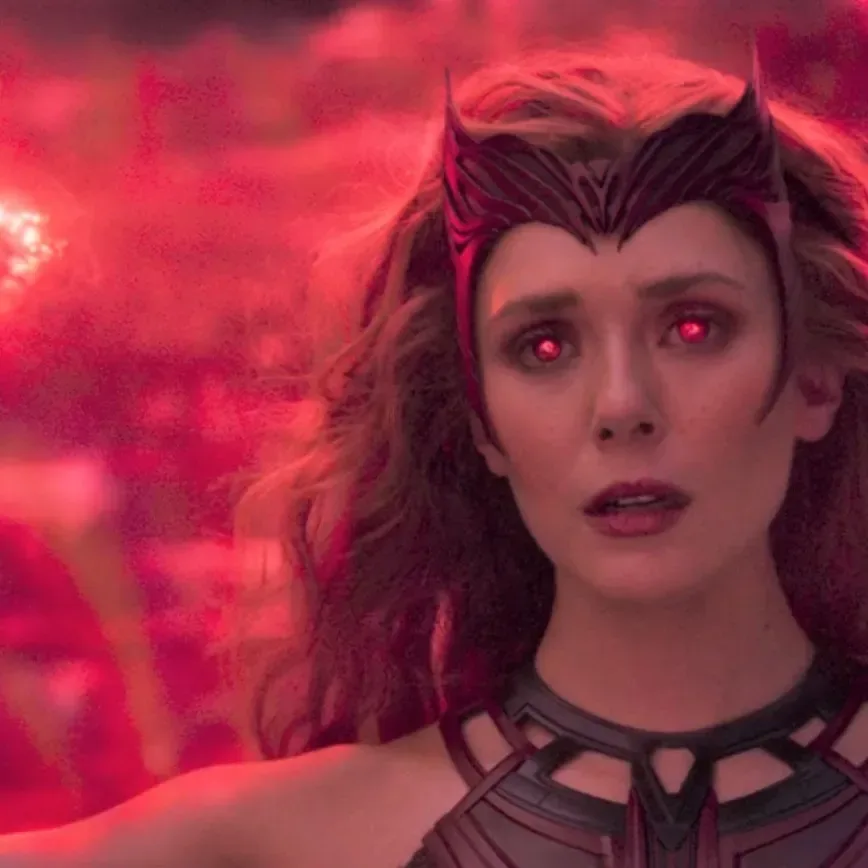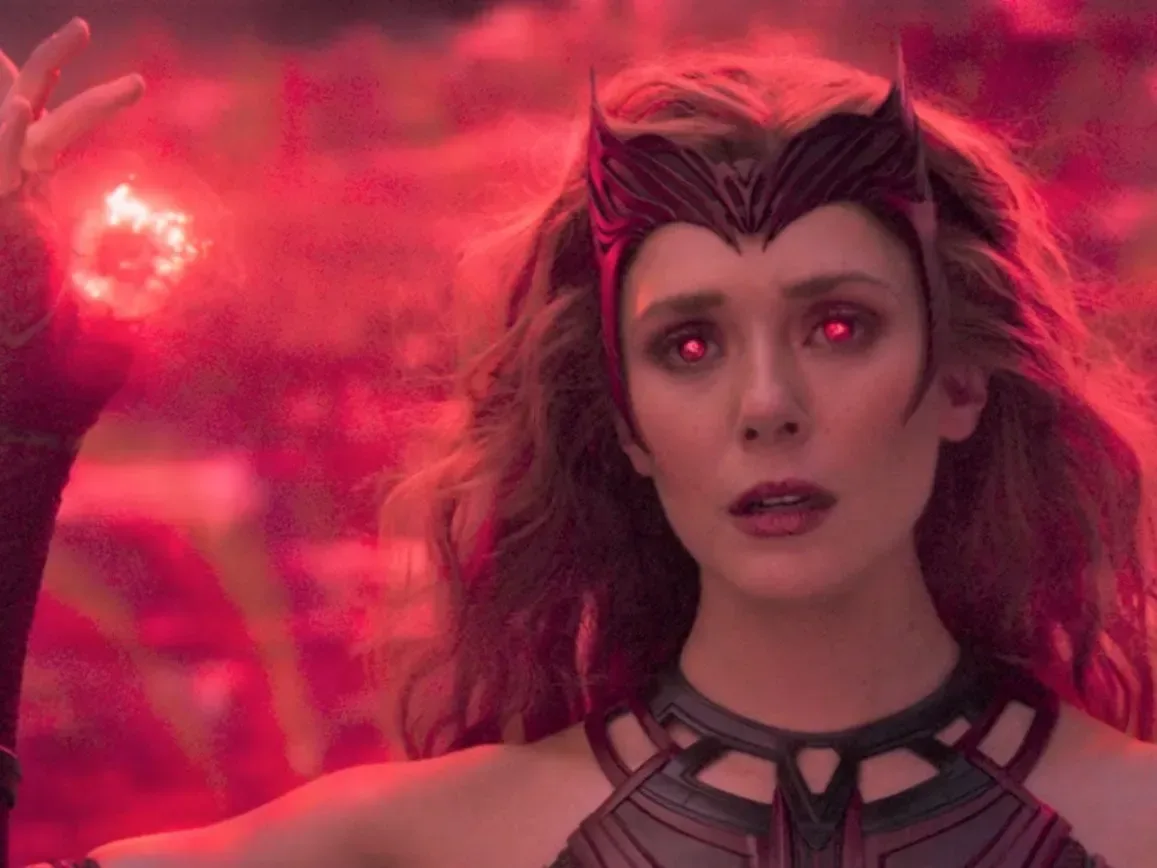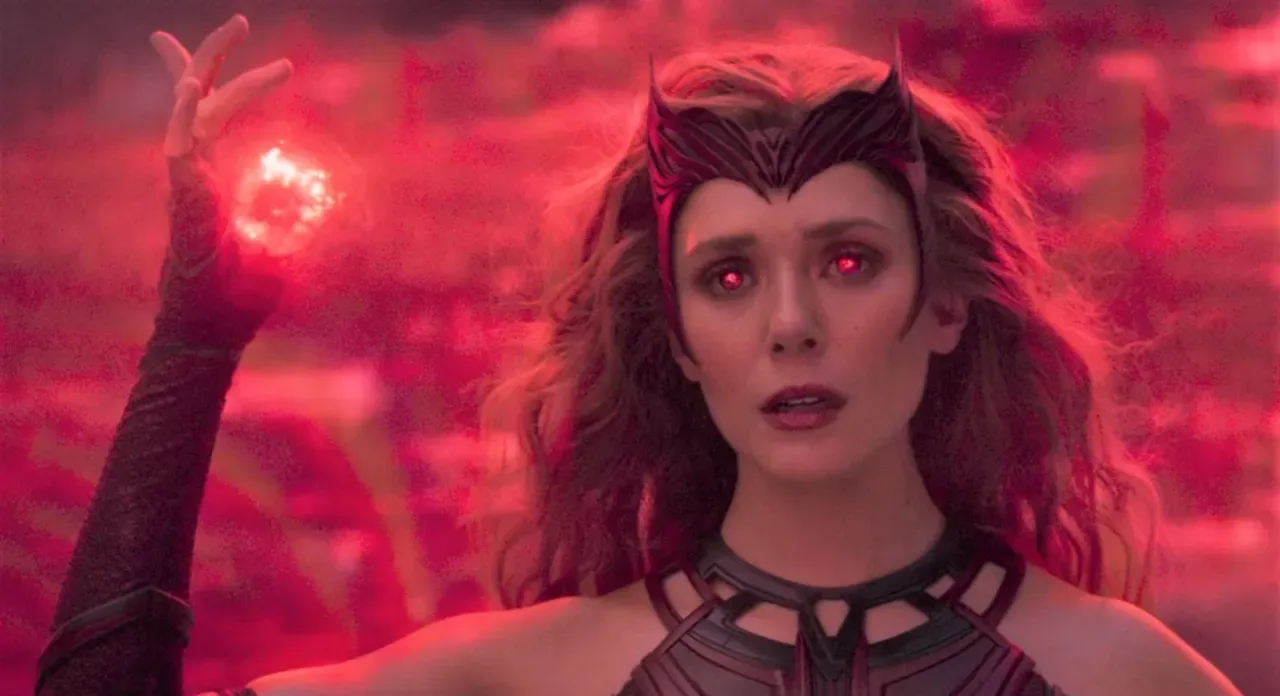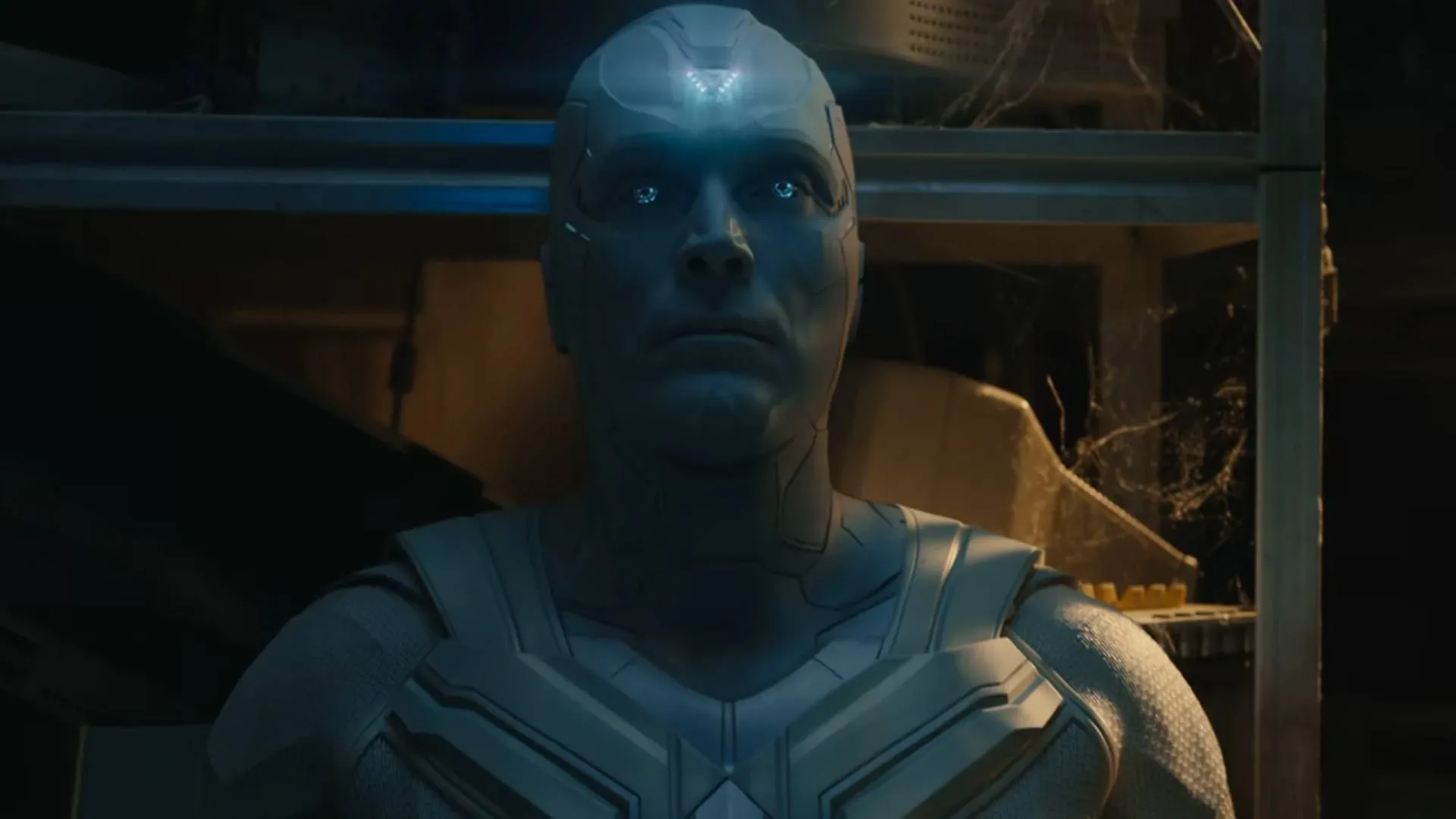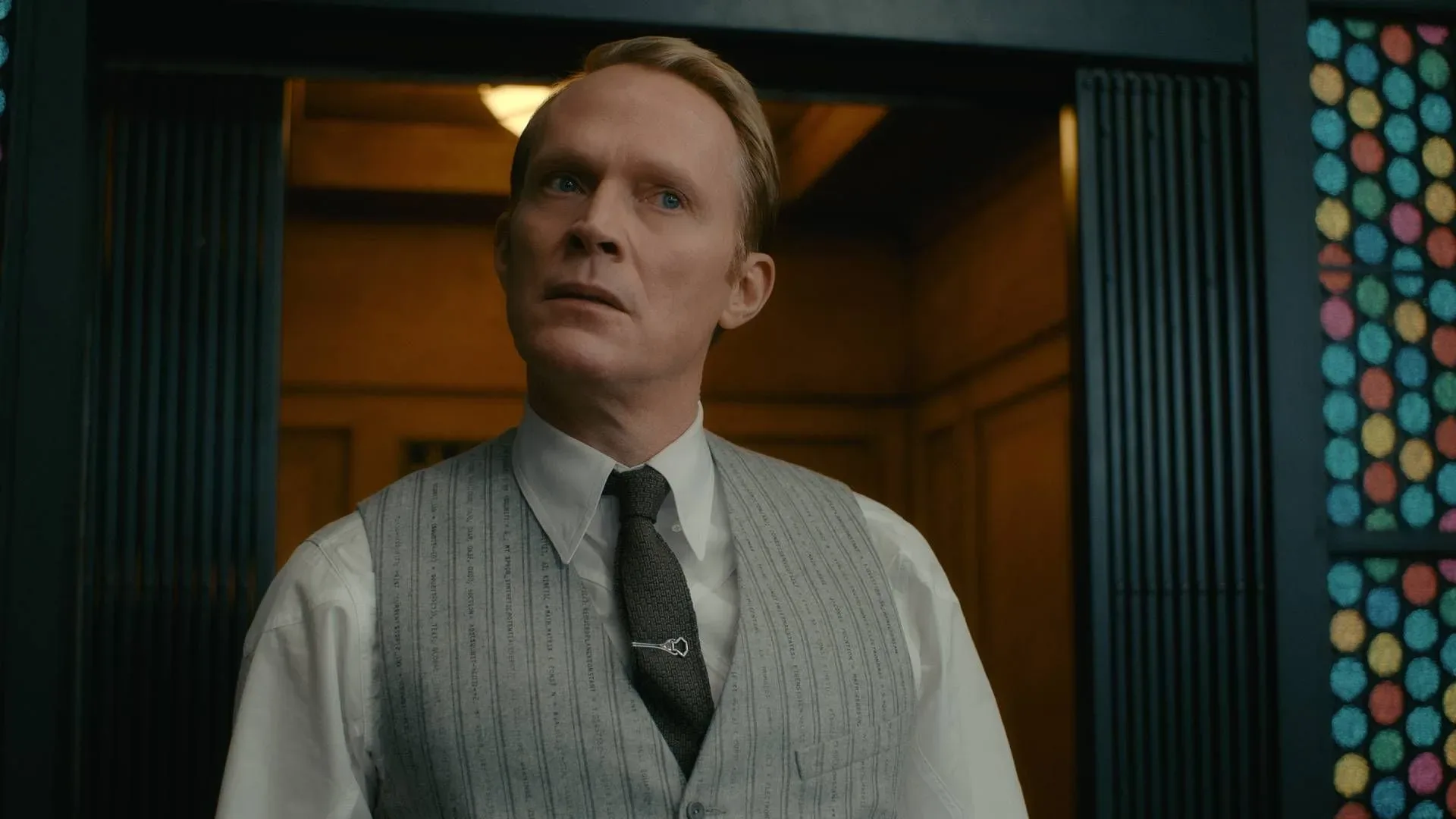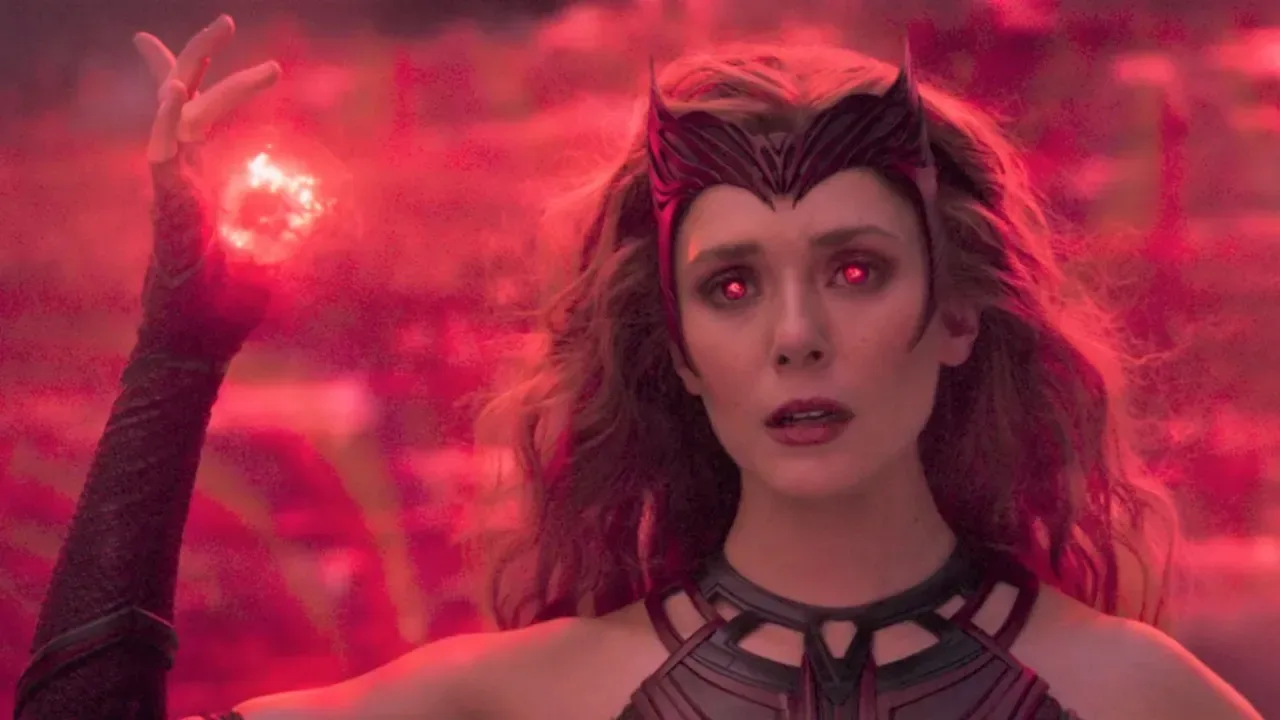
Paul Bettany has given Marvel viewers the kind of answer that is technically an answer, but functionally a fresh box of question marks: he says he does not know whether Elizabeth Olsen’s Wanda Maximoff, better known as Scarlet Witch, will appear in VisionQuest.
That carefully guarded uncertainty matters because VisionQuest is positioned as the final chapter in a sequence of interconnected Disney+ shows that began with WandaVision. Wanda remains emotionally central to that wider story even if the new series is not directly about her. And when a franchise whose characters regularly encounter multiverses, magic and synthetic life says a subject is “a matter of secrecy,” fans are unlikely to calmly file it under “probably nothing.”
Bettany said the information was being kept secret even from him, while also teasing other surprises and major revelations. That is not confirmation that Olsen appears. It is, however, enough ambiguity to keep a possible Scarlet Witch cameo near the very top of the speculation pile ahead of the show’s October 18 Disney+ debut.
What Bettany actually confirmed — and what he did not
The important distinction is simple: Bettany did not say Scarlet Witch is in VisionQuest; he said the question is secret, including to him. In a production built around surprises, that can mean several things. An appearance could be protected from cast members who are not involved in it. Material could be unfinished or held for post-production. Or the comment could simply be an effective way to preserve a reveal without indicating what that reveal is.
None of those possibilities establishes that Wanda is returning. The only firm takeaway is that the show has more story information being deliberately withheld. Treating an actor’s evasive or incomplete knowledge as proof of a particular cameo is the exact point where reasonable anticipation turns into fan fiction wearing a lanyard.
Still, the question did not arise in a vacuum. VisionQuest follows a story strand deeply tied to Wanda, Vision and their children. Fans are responding not merely to the prospect of a recognizable character dropping into a post-credits scene, but to the unresolved shape of a family narrative that has been separated, reframed and expanded across multiple series.
Why Wanda is central to the trilogy conversation
WandaVision put Wanda and the re-animated synthezoid Vision at its core. A synthezoid is an artificial, humanlike being; in this case, that science-fiction identity is integral to Vision’s place in the story and to the larger question of what continues after death, reconstruction and loss. The series also introduced Wanda and Vision’s children within its unusual reality-bending premise.
The later series Agatha All Along featured Joe Locke as Billy Maximoff, establishing a further step in the children’s story. VisionQuest, meanwhile, is set to introduce Ruaridh Mollica as Tommy Maximoff. With Billy and Tommy both part of the ongoing picture, viewers have naturally connected the dots back to their mother and to Vision.
That does not require an eventual family reunion, and it certainly does not confirm one in this particular show. But it explains why a Wanda appearance would feel narratively meaningful rather than like a random cameo engineered solely for online reaction clips. If the trilogy began with the couple and moved toward the separate paths of their sons, any contact between those threads could carry genuine dramatic weight.
There is also a useful difference between a cameo and a resolution. A cameo may be a brief appearance that signals a character’s survival, location or next destination. A resolution would address what Wanda’s fate means for Vision, Billy and Tommy. Bettany’s comments offer no basis for promising either. Fans should keep those ideas separate, especially with a post-credits appearance now attracting its own wave of theories.
Wanda’s last on-screen fate leaves room for questions
Audiences last saw Wanda in Doctor Strange in the Multiverse of Madness, where she brought down Mount Wundagore and was apparently buried beneath falling stone. The scene did not show a body, which has become the foundation for persistent claims that her story is unfinished.
That line of reasoning is understandable in superhero storytelling, where apparent deaths can be revisited in later installments. Yet an unseen body is not the same thing as an announced return. It is better understood as an unresolved visual endpoint: one that allows viewers to wonder, but does not reveal the answer by itself.
In this case, the remaining uncertainty is doing a lot of work. Wanda’s apparent death, Vision’s separate story, Billy’s appearance in Agatha All Along, and Tommy’s planned introduction in VisionQuest create a set of connections that make her absence conspicuous. Marvel has room to explore that absence even without putting Wanda on screen. Equally, it has plenty of narrative room to bring her back. Until the series arrives, those remain two different possibilities.
The Avengers theories need an even larger asterisk
Some of the conversation has extended beyond VisionQuest to the upcoming Avengers: Doomsday and next year’s Avengers: Secret Wars. The expectation is that a large range of well-known Marvel characters could appear in those projects, and Wanda is frequently included in fans’ wish lists.
A popular version of the theory imagines a VisionQuest post-credits scene revealing Wanda alive and aligned with Doom. It also leans on reports of recent Avengers: Doomsday reshoots and online discussion around a possible sighting of Olsen travelling to the United Kingdom at roughly the same time.
That travel claim is unverified internet speculation, not evidence of a role, scene or filming date. It should not be presented as confirmation that Olsen attended reshoots, appeared in VisionQuest, or will work with Doom. The leap from a possible sighting to a specific post-credits storyline contains several unsupported steps.
Reshoots themselves are also not a reliable clue to a particular character’s involvement. They can accommodate many kinds of changes, including material unrelated to the theories circulating online. Bettany’s statement that secrets remain does not validate the reshoot claims; it merely ensures that Marvel has not closed the door on surprises.
What viewers can reasonably watch for on October 18
For viewers heading into VisionQuest, the most grounded expectation is a series focused on Vision’s side of this connected family saga, with Tommy Maximoff’s introduction as a confirmed point of interest. The show is described as completing the trilogy that began with WandaVision, so it is fair to look for thematic and character links to the earlier series.
It is less fair to treat a Scarlet Witch appearance as guaranteed. A trilogy can complete an arc by confronting absence, setting a future course or resolving a relationship through its remaining characters. Conversely, it could use Wanda’s return to reframe everything. Bettany’s remarks leave both routes open.
That uncertainty is the whole game for now. The creative team appears to have planned revelations beyond what has been publicly detailed, but the scale, subject and timing of those revelations are unknown. Fans hoping for Olsen should be able to enjoy the possibility without allowing a theory to become a pre-release obligation the series never made.
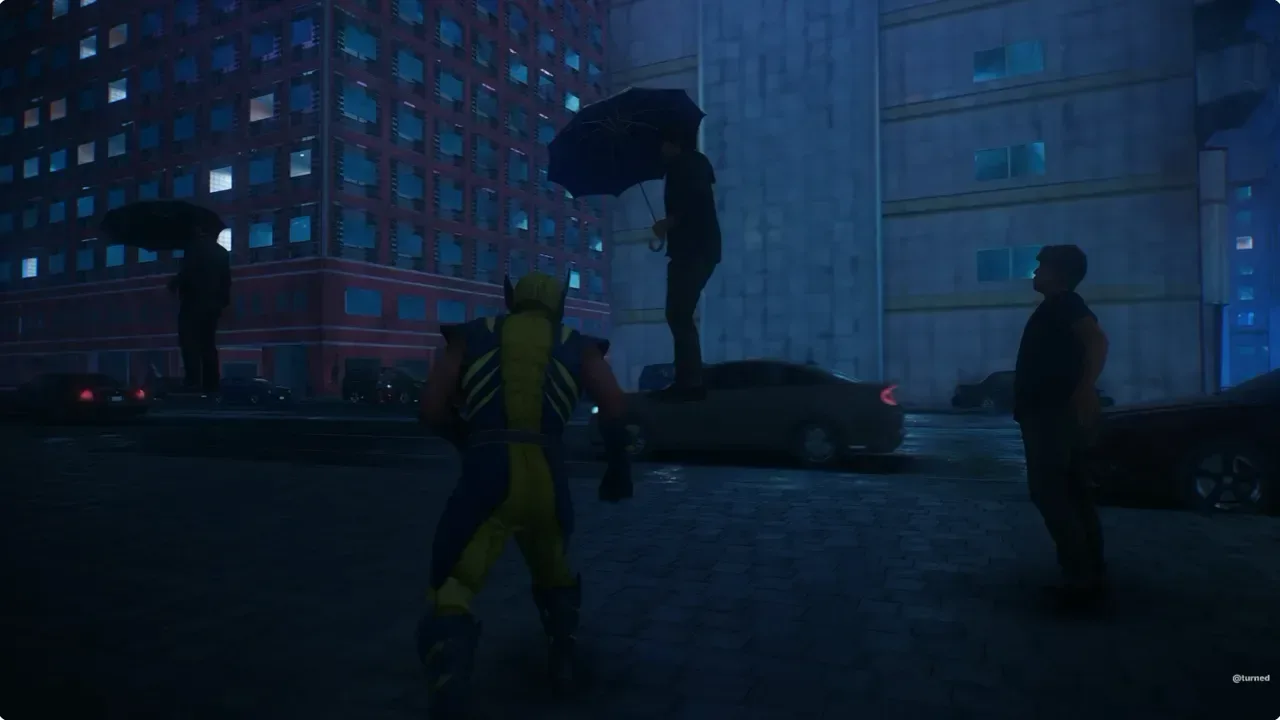
For a different corner of Marvel’s current gaming conversation, see our look at Marvel’s Wolverine out-of-bounds videos and what they show.
Until VisionQuest starts streaming October 18, Scarlet Witch’s status in the series is best described exactly as Bettany has described it: secret. That is enough to make Wanda’s possible return a major topic, but not enough to turn hopeful reunion math into a confirmed Marvel family portrait.