Warning: this article discusses major plot developments from The Rings of Power season 3, episode 6, as well as the setup for episode 7.
The Rings of Power has put its version of Middle-earth’s defining act of craftsmanship on the table: Sauron is closing in on the creation of the One Ring. Season 3 episode 6 does more than state that the Dark Lord will use Mount Doom. It proposes a specific, highly dramatic recipe involving a relic tied to Galadriel’s family, a tool associated with Fëanor, and a fire powerful enough to overcome a supposedly unbreakable object.
The episode’s answer is deliberately more concrete than the foundational description in Tolkien’s published story. Tolkien establishes the crucial outcome: Sauron secretly forged the master Ring in the fires of Mount Doom and invested it with his cruelty, malice and desire to dominate life. The series is filling in the mechanical and emotional steps that text leaves undescribed. In doing so, it turns an event known for its consequences into an immediate problem of materials, craft and sacrifice.
What episode 6 reveals about the One Ring’s ingredients
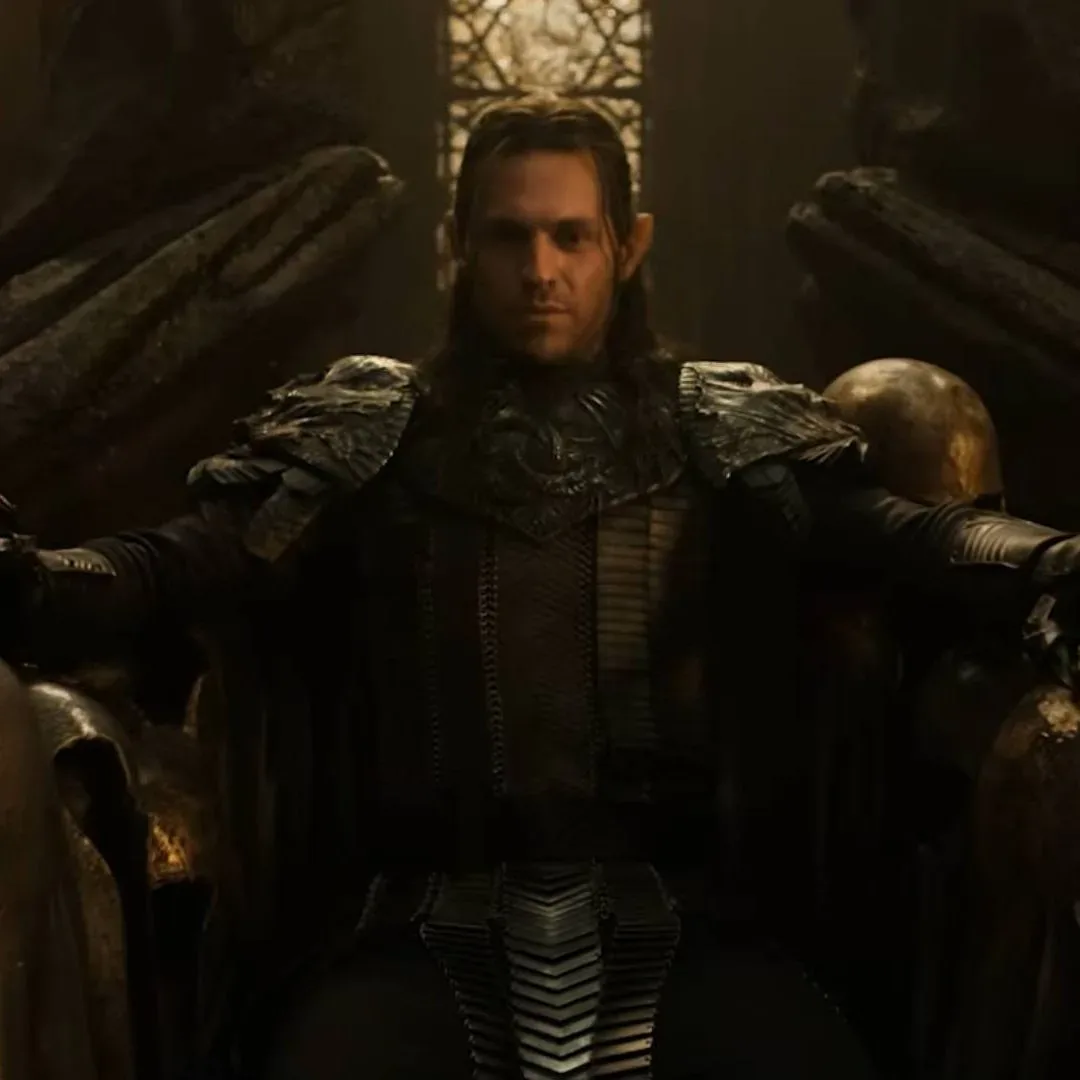
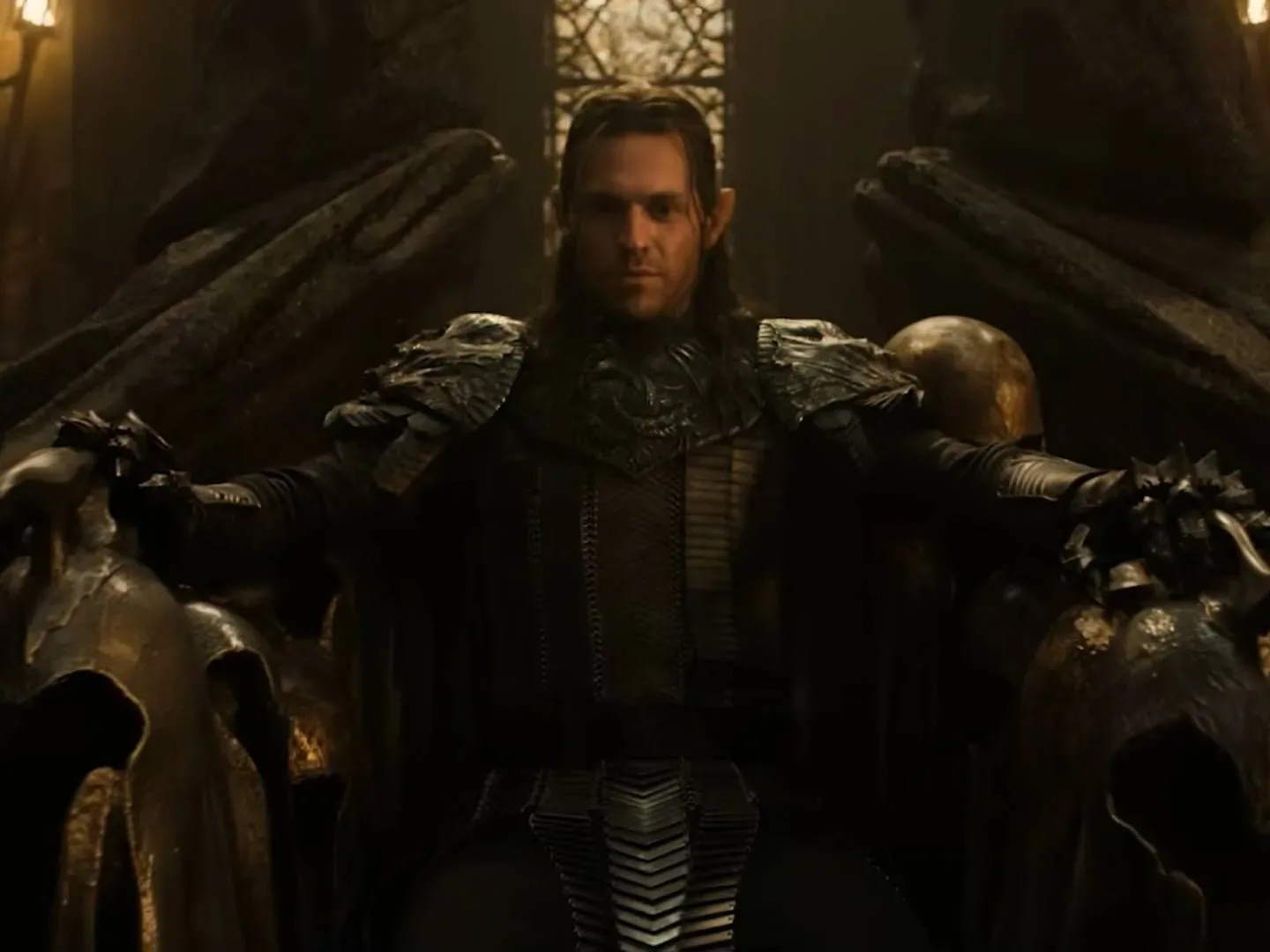
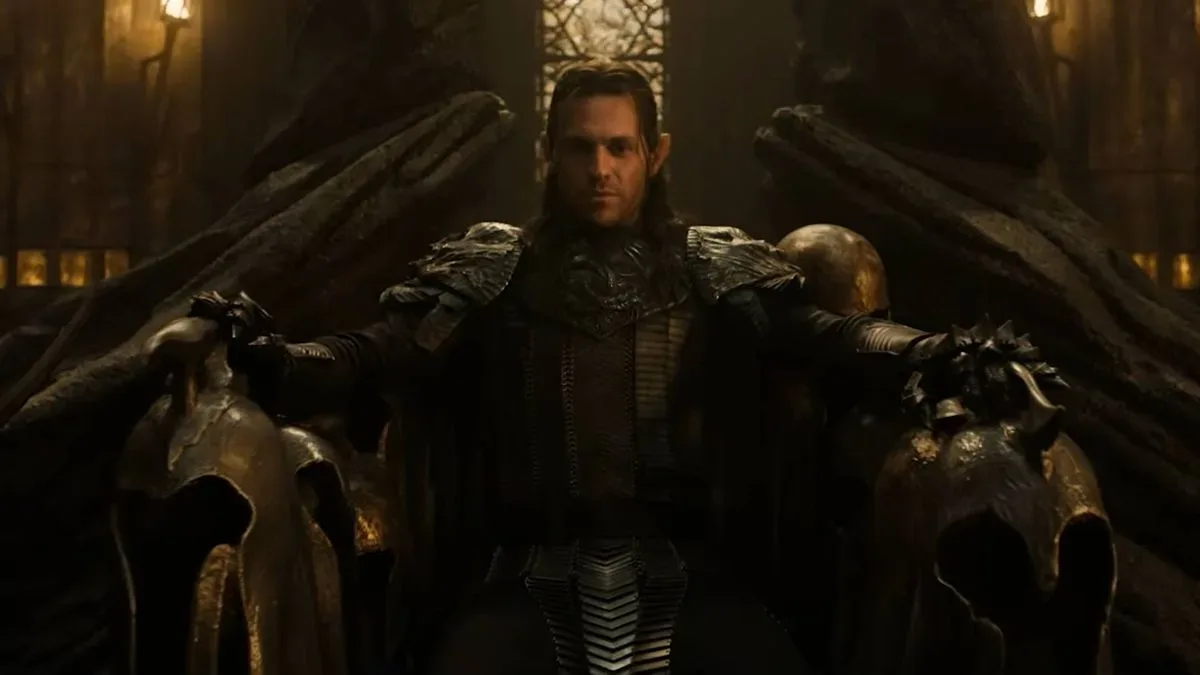
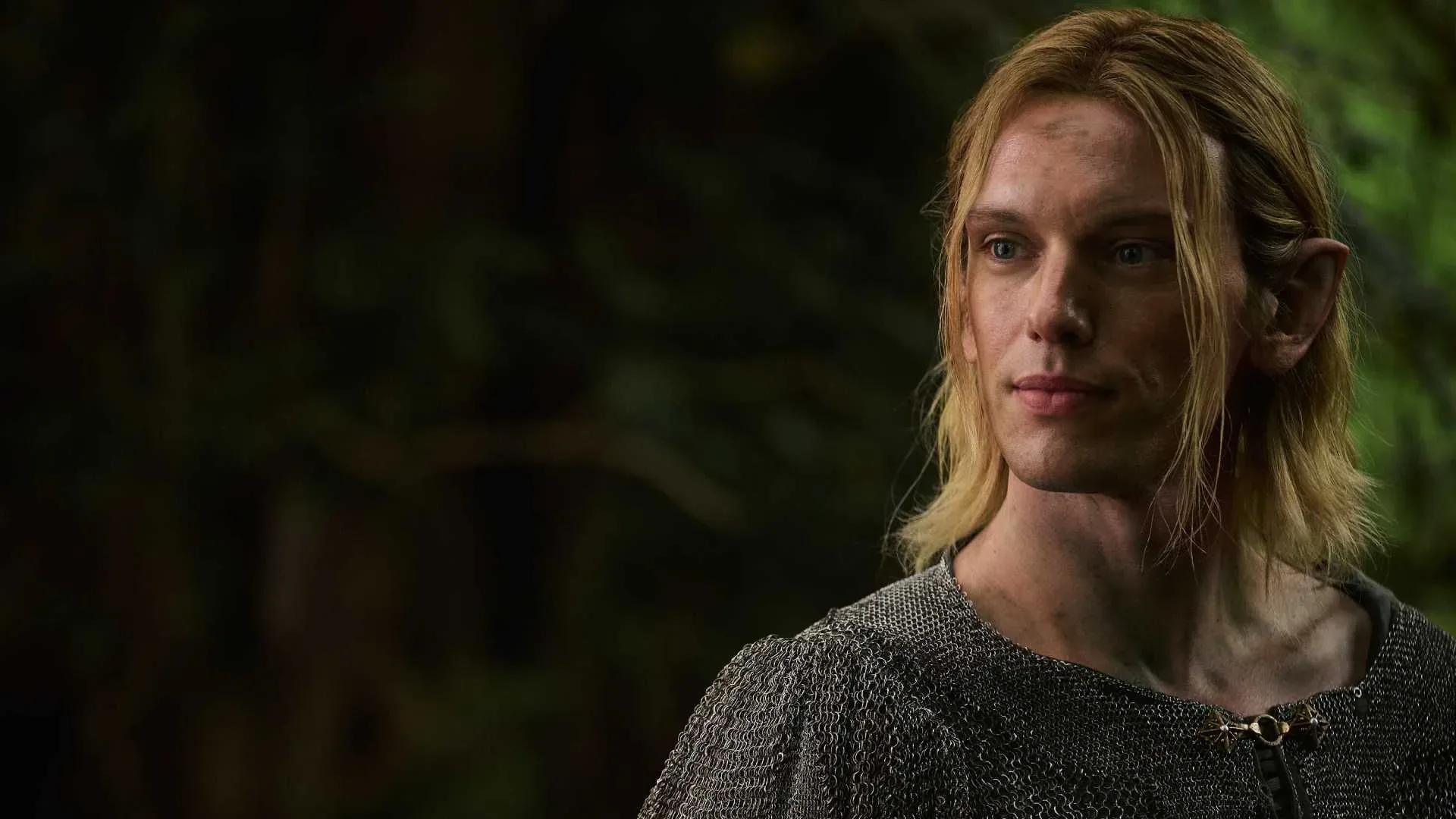
Sauron’s search brings him to Celeborn, whom he tortures using Celebrimbor’s machine. He then approaches Celeborn while disguised as Galadriel. The revelation he extracts traces back to an Elven smith who had been imprisoned with Celeborn: the key is Finrod’s dagger, an object connected to Galadriel’s brother.
More specifically, Sauron identifies the dagger as containing gold and silver from Valinor. Valinor is not simply another region of Middle-earth in this context; it is the place from which the dagger’s distinctive material originates. That origin gives the blade narrative importance far beyond its value as a personal keepsake. The show is treating its metal as a missing component in Sauron’s pursuit of the master Ring.
Yet the dagger alone is not enough. A vision of Celebrimbor cautions Sauron that he has not solved every part of the equation. The next obstacle is a hammer attributed to Fëanor. The hammer was made to be unbreakable, and the vision’s central warning is stark: an ordinary forge cannot melt it.
That limitation directs Sauron toward Mount Doom. In practical story terms, the mountain is no longer only the famous destination where the One Ring will be made. It becomes the one location Sauron believes can accomplish a task no conventional forge can perform. The sequence therefore sets up a chain of needs rather than a simple visit to a volcano:
- Finrod’s dagger supplies Valinor gold and silver.
- Fëanor’s hammer presents a material obstacle because it cannot be melted in a standard forge.
- Mount Doom offers the exceptional heat or force Sauron thinks can overcome that obstacle.
- Sauron’s own intent remains essential, since Tolkien’s account defines the Ring through the will and malice he pours into it.
The show has not reduced the One Ring to a piece of fantasy metallurgy. Rather, it gives the forging an external process that can sit alongside the familiar internal one: Sauron making an instrument of control by investing it with himself.
Why Finrod’s dagger changes the stakes
Finrod’s dagger has a double function in the season’s plot. As an object, it contains the Valinor metals Sauron now believes he needs. As a piece of character history, it is tied directly to Galadriel’s brother. The looming forge sequence is therefore not framed solely as a villain acquiring an ingredient. It places something bound to Galadriel’s family story inside Sauron’s plan to construct his ultimate weapon of domination.
That is a meaningful adaptation choice because it creates a tangible bridge between a personal loss and a world-shaping event. The One Ring’s literary importance is already immense: it is the master Ring intended to govern the others. Making a family relic part of the television version’s process gives the event an additional emotional charge without changing the fact that Sauron is the one responsible for the Ring and its purpose.
The route to that discovery is equally important. Sauron does not receive this knowledge through open collaboration or an act of honest learning. He obtains it through coercion, deception and the exploitation of Celeborn’s vulnerability. His use of Galadriel’s appearance makes the scene’s cruelty more pointed. The disguise weaponizes a trusted identity at the moment he believes he has found the answer he sought.
For viewers following the season’s wider Galadriel and Celeborn storyline, that makes episode 6 a useful companion to the events surrounding Celeborn’s absence. The personal damage caused by Sauron’s actions is now inseparable from his advance toward the One Ring. The season’s treatment of Celeborn’s absence provides further context for why this revelation lands as more than a convenient plot clue.
Fëanor’s hammer and the function of Mount Doom
The Fëanor connection adds another layer to the adaptation’s forging logic. The episode identifies the hammer as something Fëanor himself forged and designed so that it could not break. Celebrimbor’s warning that no forge can melt it establishes a hard boundary: Sauron must find a method beyond the normal capabilities of smithing.
That is where Mount Doom becomes dramatically necessary. The fires of the mountain are a fixed part of the One Ring’s established legend, but the series uses the hammer to explain why Sauron cannot simply carry out his work wherever he chooses. If the object must be melted or otherwise transformed before the Ring can be completed, then Mount Doom is not merely symbolically appropriate. It is the solution to a problem the episode has explicitly defined.
The distinction matters. “Forge” can refer both to the workshop where metal is shaped and to the act of making an object through heat and tools. Episode 6 plays with that idea by declaring that no forge can melt the hammer, then pointing Sauron toward a force outside the limits of ordinary forging. The mountain’s fires promise a process on a scale no smithy can match.
There is also a thematic symmetry in the combination of components. The episode links Valinor-origin metal, an artifact of Fëanor’s craft and the volcanic fires of Mordor. Those elements draw together places and legacies that carry very different moral and cultural associations within the story. Sauron’s objective is to subsume them all into a device of control. That is an apt extension of the One Ring’s basic function: it is the master Ring designed to rule the others.
What Tolkien establishes—and what the series is inventing
It is useful to separate the story’s firm literary foundation from the television-specific construction around it. Tolkien’s account makes several essential points clear: Sauron makes the One Ring in secret in Mordor, uses the fires of Mount Doom, and pours his own cruelty, malice and will to dominate into it. The Ring’s significance is not in doubt. It is the instrument intended to control the other Rings, and its power helps bring the free peoples of Middle-earth under its shadow.
What the supplied account does not provide is a detailed step-by-step method for its manufacture. It does not lay out a list of metals, identify a particular hammer that must be melted, or describe the precise physical trials Sauron undergoes while making it. Season 3 is expanding in that open space. Finrod’s dagger as the answer to Sauron’s search, the role of Fëanor’s hammer and the notion that Mount Doom is needed to defeat its material resilience are storytelling decisions for this adaptation.
That does not mean the show is claiming that a technical checklist is the whole secret. The One Ring’s defining quality in Tolkien’s account is inseparable from Sauron himself. In other words, the series’ added material explains how this version of Sauron reaches the forge and assembles what he needs; the older account explains why the completed Ring becomes an extension of his domination.
This distinction should help set expectations for episode 7. Viewers should not assume that the forging scene will function like a simple crafting montage. The production’s description suggests a far more elaborate transformation, encompassing Sauron’s wardrobe, accumulating injuries and the nature of the magic involved. Those details point toward a sequence concerned with physical cost and visual progression, not just molten metal.
Episode 7’s forge sequence is being treated as a major production event
The showrunners Patrick McKay and J. D. Payne have described the forthcoming forging as the most complex sequence the production has undertaken. McKay said its initial form was several pages of prose, with the work then expanding through collaboration with department heads.
The examples given are revealing. Costume choices must track how Sauron changes during the sequence. Multiple garments are involved. Injuries need to build over its course. The creative teams also had to determine how the magic should appear. These are not minor finishing details; they imply that the forge sequence has a progression with visible stages and a sustained focus on Sauron’s body, clothing and supernatural activity.
For an audience, that approach could clarify the show’s version of the Ring’s cost without altering the central fact that Sauron willingly pursues it. Accruing injuries would make the undertaking look punishing, while costume changes can signal changing circumstances, status or state of being. The references to magic indicate that the show does not intend to treat the process as purely industrial. That tracks with a Ring whose eventual power stems from Sauron’s own will.
Episode 7 is the point at which the One Ring is finally forged. It is also set to receive early big-screen screenings in certain locations, making the series’ largest craft sequence an event designed for theatrical presentation as well as home viewing. Specific locations are not detailed here, so anyone interested should check local availability rather than presume a screening will be offered everywhere.
What remains after the Ring is made
Only two episodes remain in season 3, including episode 7. That makes the timing significant. The One Ring’s creation is not being held as a distant endpoint beyond the season; it arrives with room left for the story to show an immediate aftermath.
Episode 6 has established the ingredients and the destination, but the consequences still matter just as much as the act of forging. The Ring is not meaningful simply because it exists. It matters because it is a master instrument of command, created in secret by Sauron with the purpose of controlling others. By rooting the immediate setup in Finrod’s dagger, Fëanor’s hammer and Mount Doom, the series has made its approach to that pivotal moment unusually specific—and particularly personal for the characters caught in Sauron’s path.