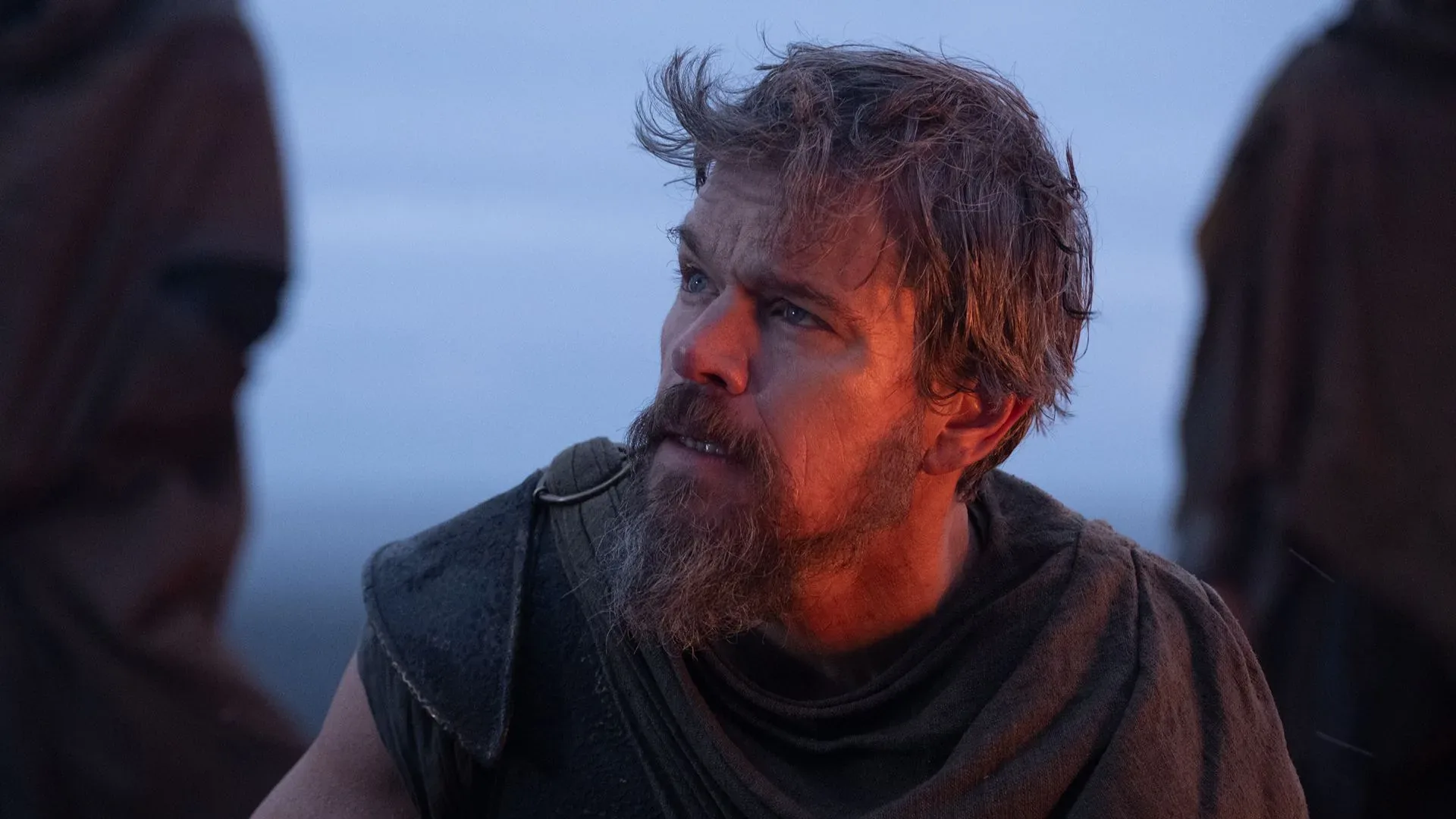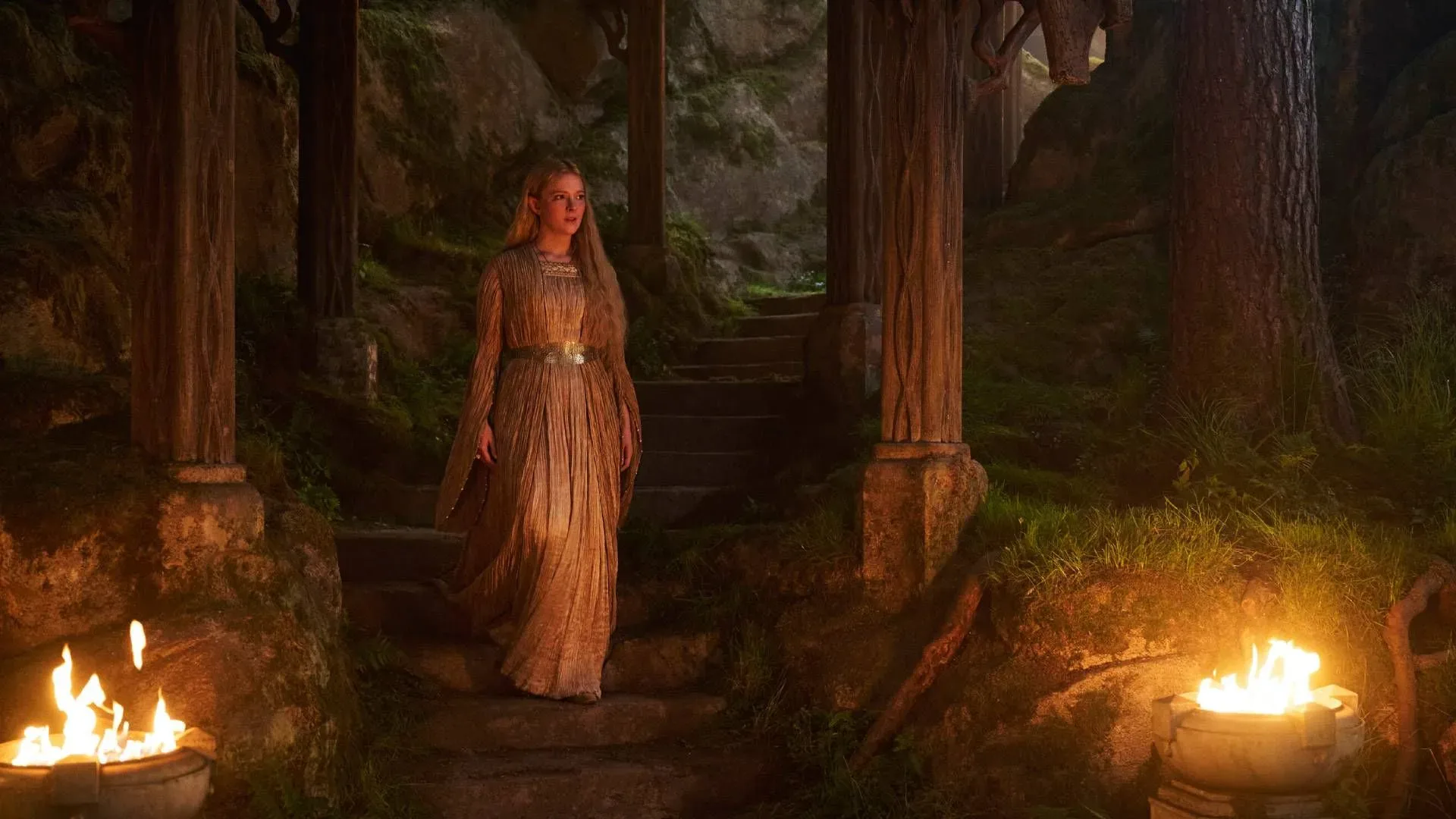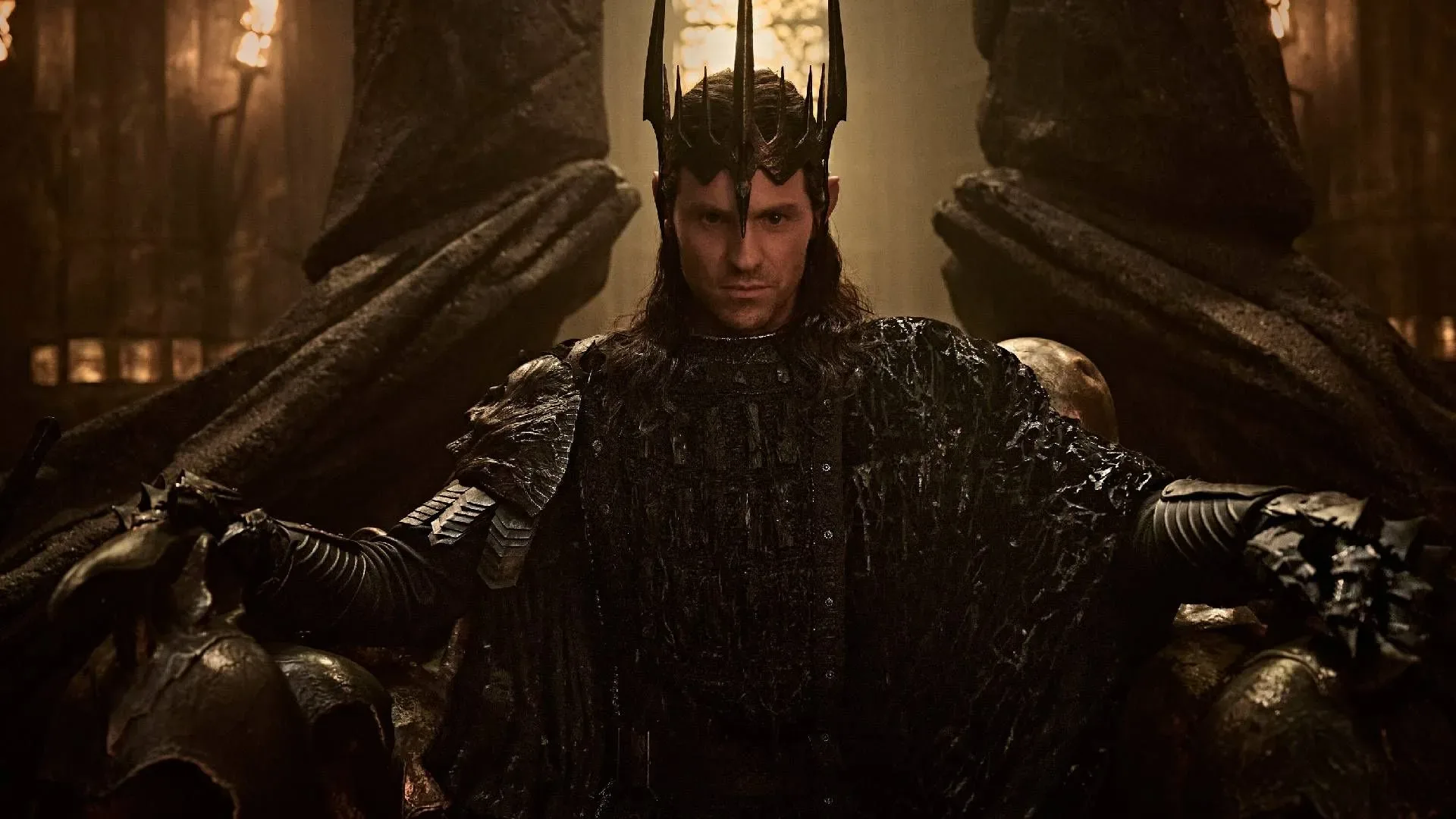
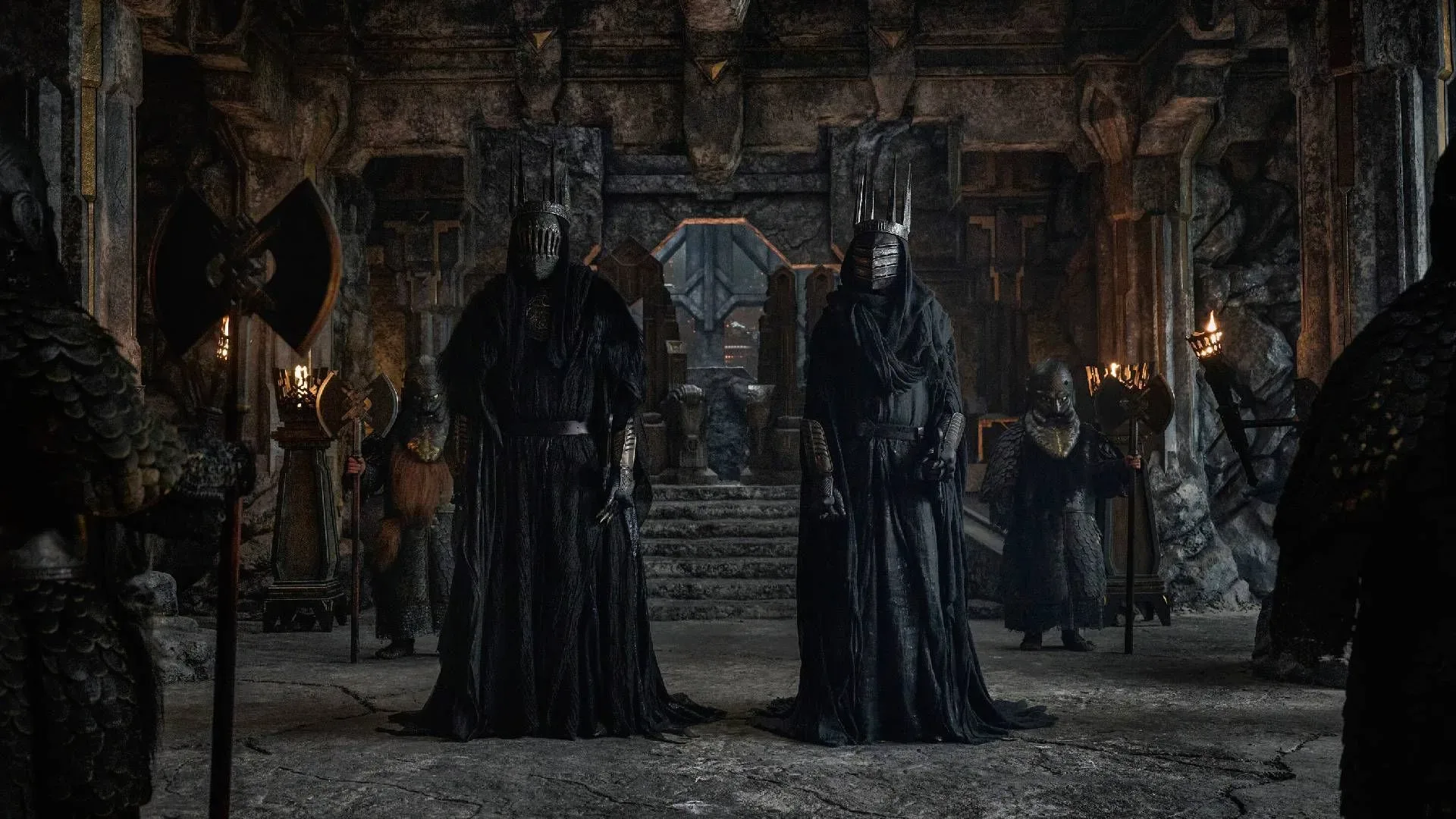
The Rings of Power is heading into season 3 with Middle-earth under pressure from every direction. Sauron possesses the Nine Rings intended for Men, is pursuing the creation of the One Ring, and is dispatching Orcs to expand his reach. The Elves remain the principal force resisting him, but their defense depends on the Three Elven Rings—a position the series describes as increasingly unstable.
Season 3 begins on Prime Video on November 11, and the creative team is setting expectations for a chapter defined not simply by larger conflict, but by consequences for characters audiences have followed. Co-showrunners J.D. Payne and Patrick McKay have indicated that the story will make room for painful outcomes when characters give in to evil or face forces beyond their control.
That framing matters. A rising threat in a fantasy series can be abstract: an army gathers somewhere off-screen, a villain obtains another artifact, and the heroes vow to meet the danger later. Here, the season’s setup places each major realm in a more immediate bind. The Elves’ existing protection may be vulnerable, Númenor is internally fractured, and Khazad-dûm is turning inward to safeguard its own rings. The question is not merely whether Sauron grows stronger. It is whether the peoples who might oppose him can act together before their individual crises overwhelm them.
Sauron’s rings strategy puts the Elves in a narrowing position
Payne describes the Elves as holding Sauron at bay through the power of their three rings. Yet Sauron’s intention to forge the One Ring is presented as a direct answer to that resistance: a means of negating the strength of the Elven rings while he builds a larger military force through the Nine Rings for Men.
In practical dramatic terms, this creates a two-part threat. The One Ring is not just another object of power in the story; it is the planned instrument for changing the balance around the other rings. Meanwhile, distributing the Nine allows Sauron to recruit and consolidate power through people, rather than relying on conquest alone. The danger therefore comes from both a looming weapon and a widening network of influence.
The showrunners’ emphasis on “tragic consequences” suggests season 3 wants the audience to feel the human—or Elven, Dwarven and Númenórean—cost of that strategy. McKay’s point is that a fall toward evil should not function as lightweight spectacle. If a character crosses a moral line, the harm should register as harm, especially when it affects someone viewers expected to see carry on into future stories.
“Sometimes the end is not happy for them,” McKay says of stories in which characters fall to evil or suffer the results of it.
That does not identify who may be lost, changed or otherwise harmed. It does, however, establish the intended tone: the season is not being pitched as an uncomplicated run of victories for the familiar faces. The series is making room for grief alongside its battles and political maneuvering.
Gil-galad and the Elves face a defense that cannot last forever
Gil-galad, played by Benjamin Walker, leads the Elves from a difficult position. Walker characterizes the situation with the image of someone holding back a flood with a finger in a dam: taking that finger away would be disastrous, but the effort is obviously not a permanent solution. He also says that the rings—their existing tool against the threat—are becoming more ominous as their power erodes.
The important distinction is between a defense and a resolution. The Elves can delay Sauron, but the season’s premise indicates they cannot defeat the broader threat by remaining isolated and leaning exclusively on the Three. Walker’s comments point toward the need for assistance, and Númenor is the obvious potential ally named in the setup.
That potential comes with a major complication. A realm can be strategically valuable while politically unable to help. Season 3 appears poised to use that tension: the Elves need support precisely as Númenor is caught in its own struggle over who leads it and what it should become.
Númenor’s civil conflict carries its own heartbreak
Númenor is not presently in the central fight against Sauron, but it is far from safe. The kingdom is split between Míriel and Pharazôn, and Cynthia Addai-Robinson, who plays Míriel, says viewers should expect substantial heartbreak in that storyline. Her description centers on duty, sacrifice for a wider good and an effort to prevent Númenor from reaching a point beyond recovery.
That phrase—“point of no return”—is useful for understanding the shape of the conflict without reading it as a specific plot spoiler. It describes a political and moral threshold. Once a society has accepted certain choices, restoring what it was becomes harder or impossible. For Míriel, the challenge is not only winning a contest of power with Pharazôn, but trying to preserve an idea of Númenor against the direction it is taking under his leadership.
The result could make Númenor’s material especially consequential even while it remains separate from the immediate Elven front. A civil war divides attention, loyalty and resources. It can also leave people unsure which appeals to duty are genuine and which are attempts to seize authority. In a season where Sauron benefits from division and the accumulation of power, a divided kingdom cannot simply be treated as a side story.
Addai-Robinson also signals a sense of inevitability in Númenor’s arc for viewers familiar with where this corner of Middle-earth is headed. That is not the same as saying every detail is predetermined on-screen. It does mean the show is leaning into the dread of characters trying to avoid catastrophe while the audience is encouraged to recognize how close it may be.
Khazad-dûm shuts its doors as danger spreads
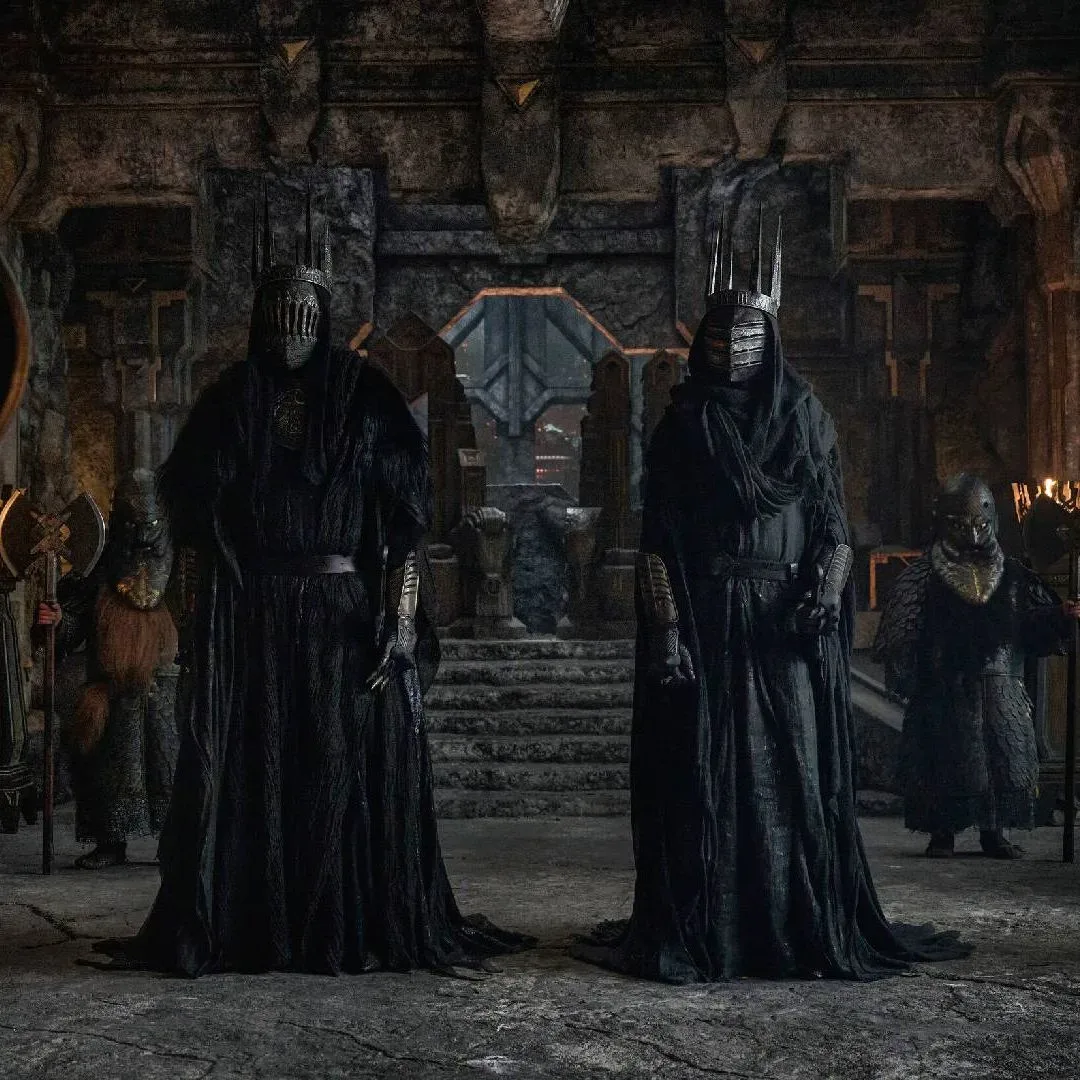
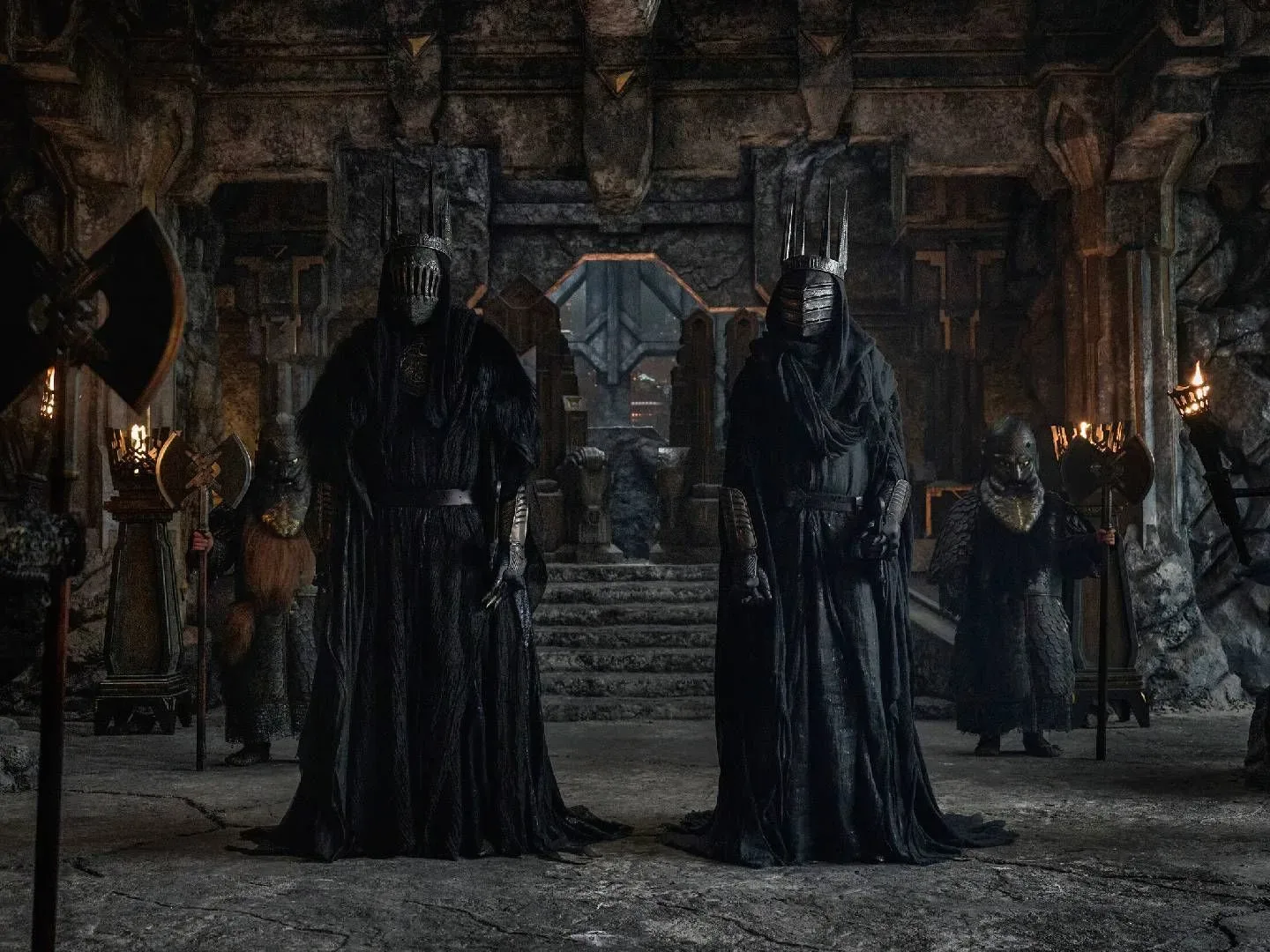
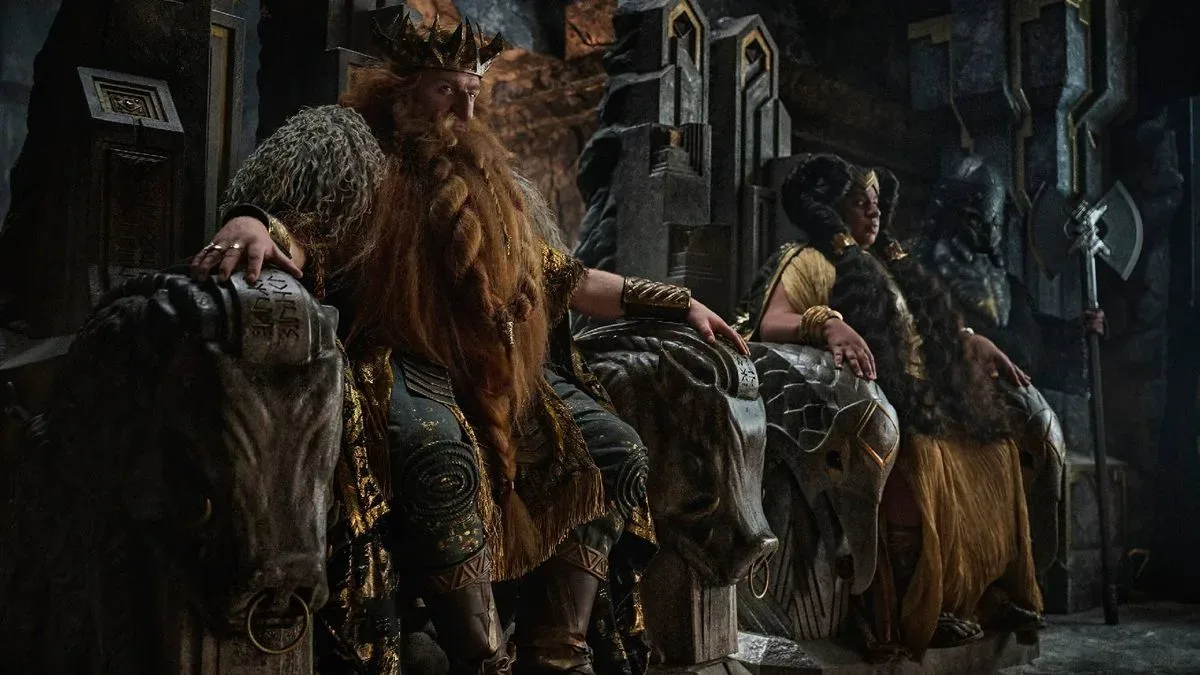
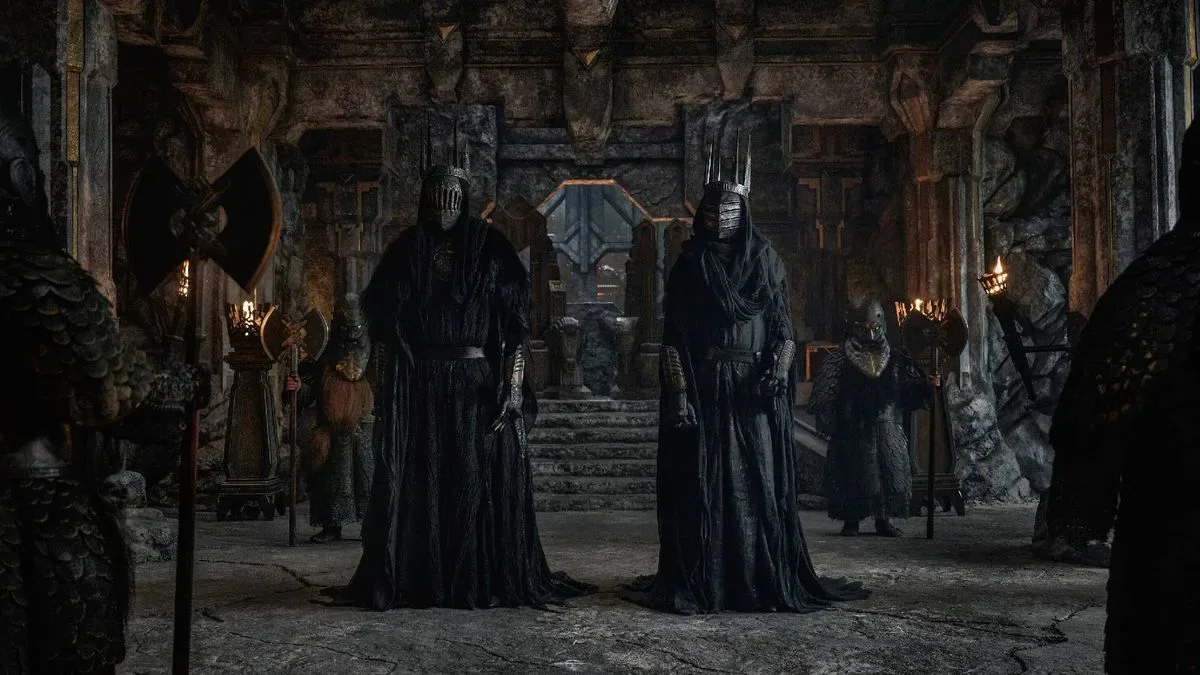
The Dwarven kingdom of Khazad-dûm responds to the expanding danger by closing itself off in order to protect the Dwarven rings. Owain Arthur, who plays Durin, says the stakes continue to rise with Sauron’s power, bringing more danger and gloom across Middle-earth. But he also stresses that hope remains.
Closing the doors is a defensive act, not proof that the danger has passed. It illustrates the season’s wider pattern: every realm is attempting to survive by managing an immediate threat on its own terms. The Elves rely on the Three, Númenor wrestles with internal legitimacy, and the Dwarves protect what they have by sealing themselves away. Those choices may each make sense locally, while collectively making cooperation more difficult.
This is where the phrase “stakes” is more than marketing shorthand. Stakes are what characters risk losing if their decisions fail. For the Elves, the risk is that their rings no longer provide the barrier they need. For Númenor, it is the political and moral future of the kingdom. For Khazad-dûm, it is security and control over the Dwarven rings. Each front has its own vulnerability, and Sauron’s plan intersects with all of them.
Galadriel and Celeborn provide a deliberately lighter counterpoint
Against this backdrop, season 3 will also develop the reunion of Galadriel and her long-lost husband, Celeborn. Jamie Campbell Bower joins the franchise as Celeborn, and Payne calls romance one of the season’s central objectives. The creative team specifically sought feedback in the writers’ room on how to make the relationship work.
The model they considered was not simply a conventional new romance. Payne points to stories such as The Princess Bride and Before Sunset, particularly their interest in what happens when people who loved one another have spent a long time apart and then meet again. That makes the key dramatic question less “will they connect?” than “how can they reconnect after separation?”
It is a notable choice for a season otherwise being framed around siege conditions, political division and looming tragedy. Romance can provide respite, but it can also sharpen the sense of what is at stake. A relationship offers characters something intimate to protect at the same time that the wider world becomes less secure. The series appears to be pursuing both effects: a point of light within the darkness, rather than an escape from the darkness altogether.
That balance is especially important when a story warns viewers that some endings will be unhappy. If every thread were bleak, the threat of loss could become numbing. A sincere emotional reunion gives hope a concrete form—and makes the possibility of heartbreak more resonant. For another look at the way an actor has discussed embodying exhaustion within a large-scale mythic film, see Matt Damon’s comments on playing Odysseus.
What the season 3 setup actually confirms
There is a difference between a clear tone statement and a confirmed list of plot events. The season’s cast and showrunners have confirmed the broad conditions: Sauron has the Nine Rings for Men; he is moving toward forging the One Ring; the Elves are relying on the Three; Númenor is divided between Míriel and Pharazôn; Khazad-dûm has closed its doors to protect the Dwarven rings; and Galadriel and Celeborn’s reunion will be a major romantic thread.
They have also made clear that the season intends to depict tangible, potentially tragic costs as its characters confront corruption, war and difficult choices. What remains unconfirmed is the precise form those losses take and which characters endure them. The strongest reading of the available details is not that every storyline ends in disaster, but that season 3 is designed to make the consequences of Sauron’s rise feel personal across all of Middle-earth.
With the Elves’ line of defense weakening, Númenor in conflict and the Dwarves withdrawing behind closed doors, Sauron’s advantage is not merely force. It is fragmentation. Whether the various realms can find enough common purpose to resist him is the pressure point waiting for season 3 when it arrives November 11.