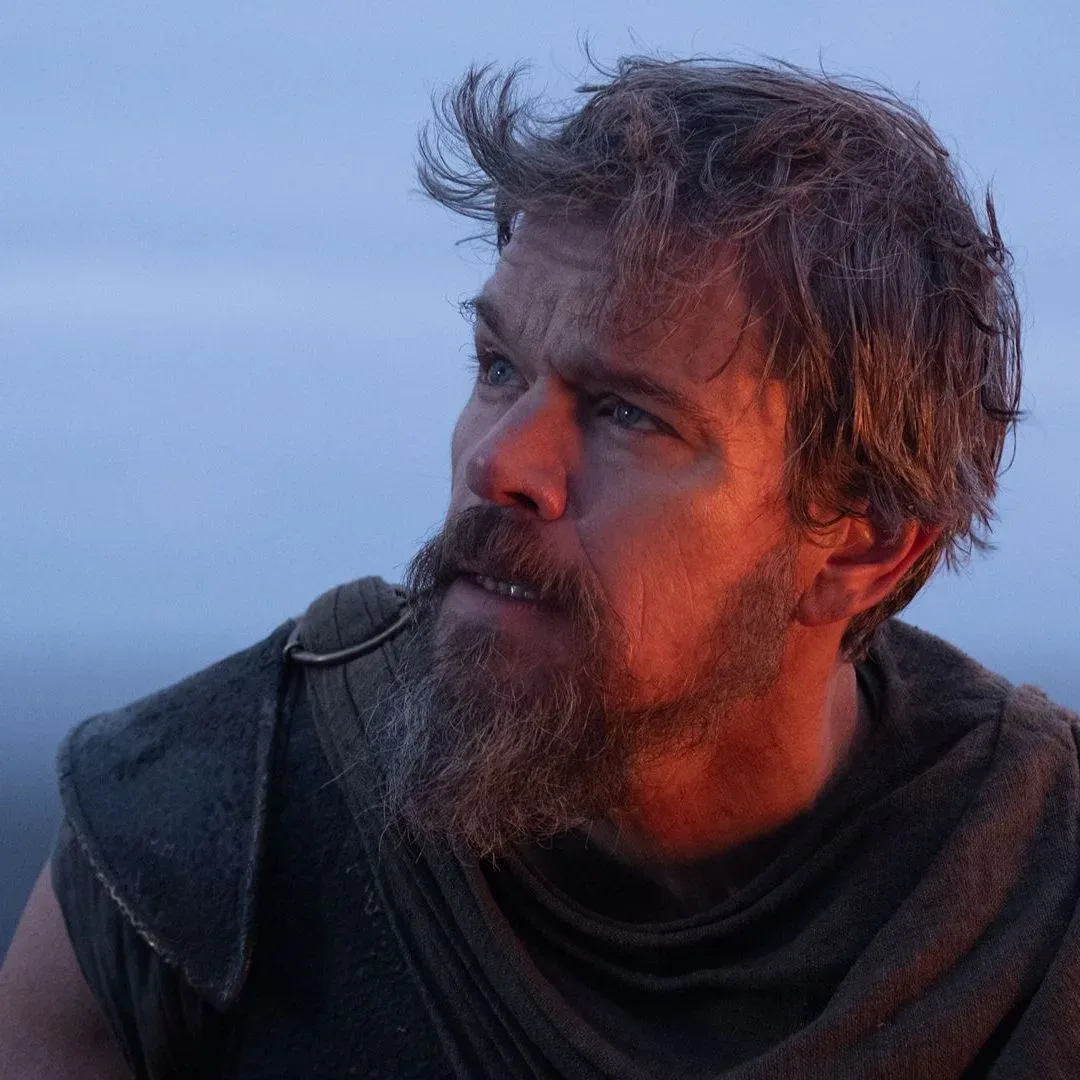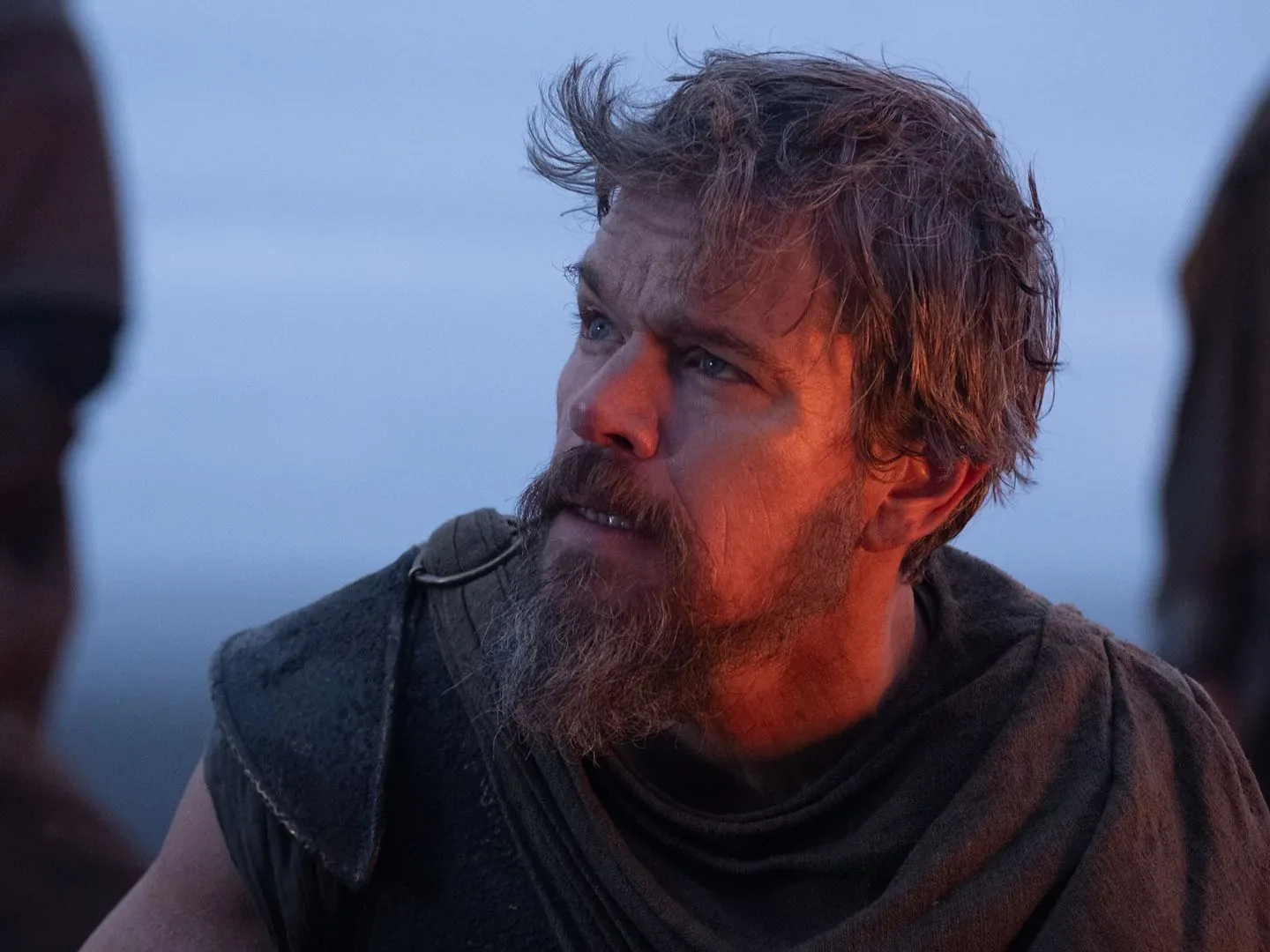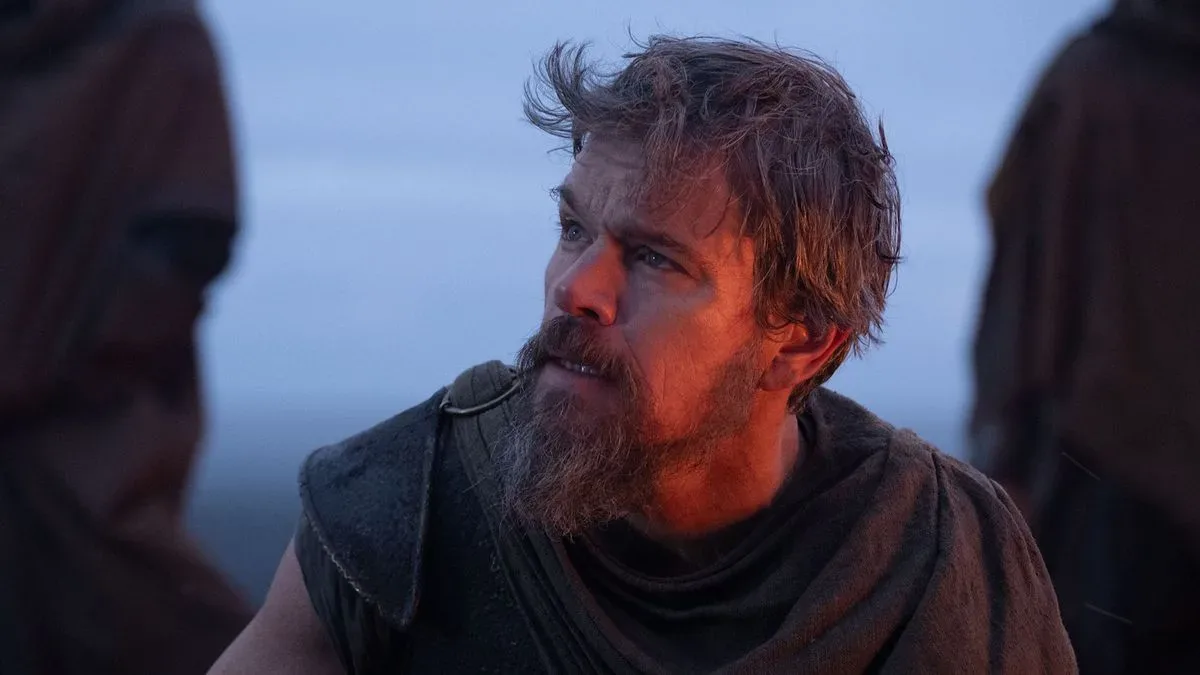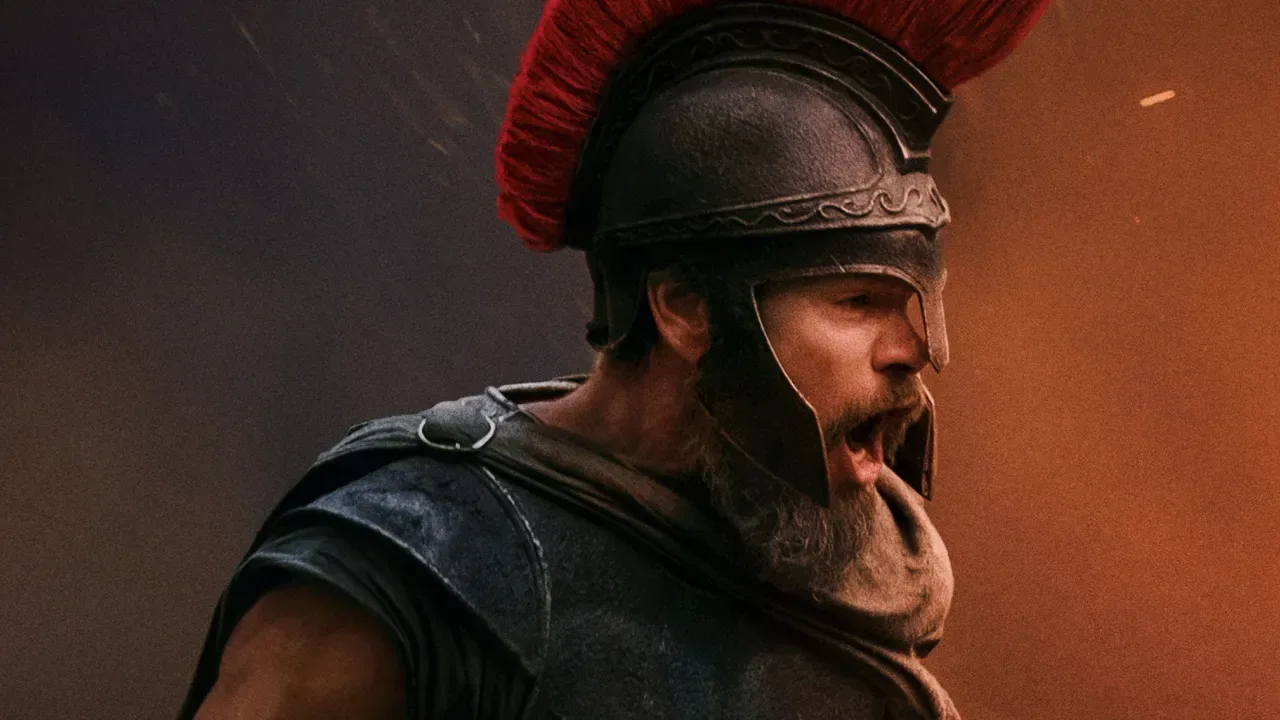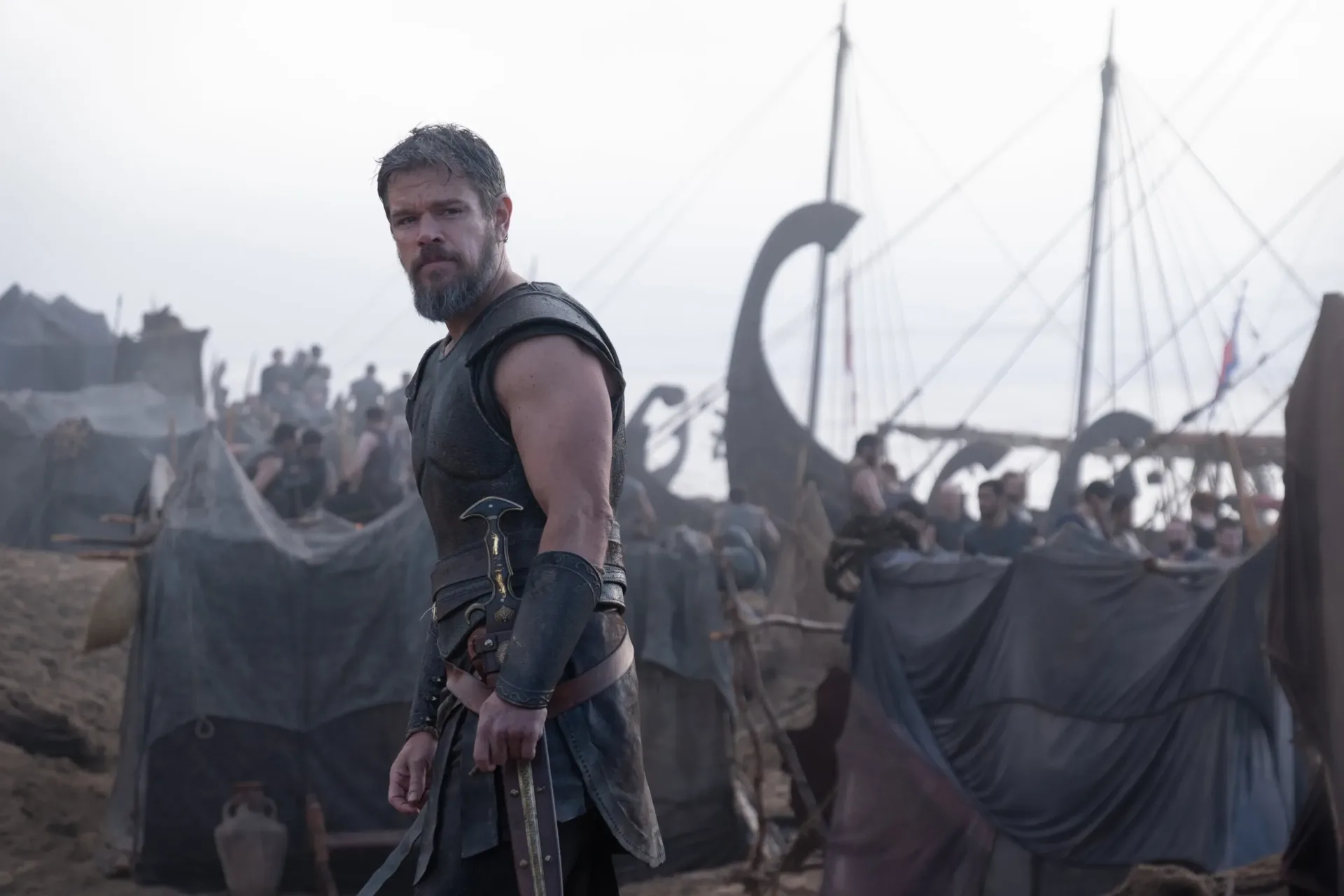
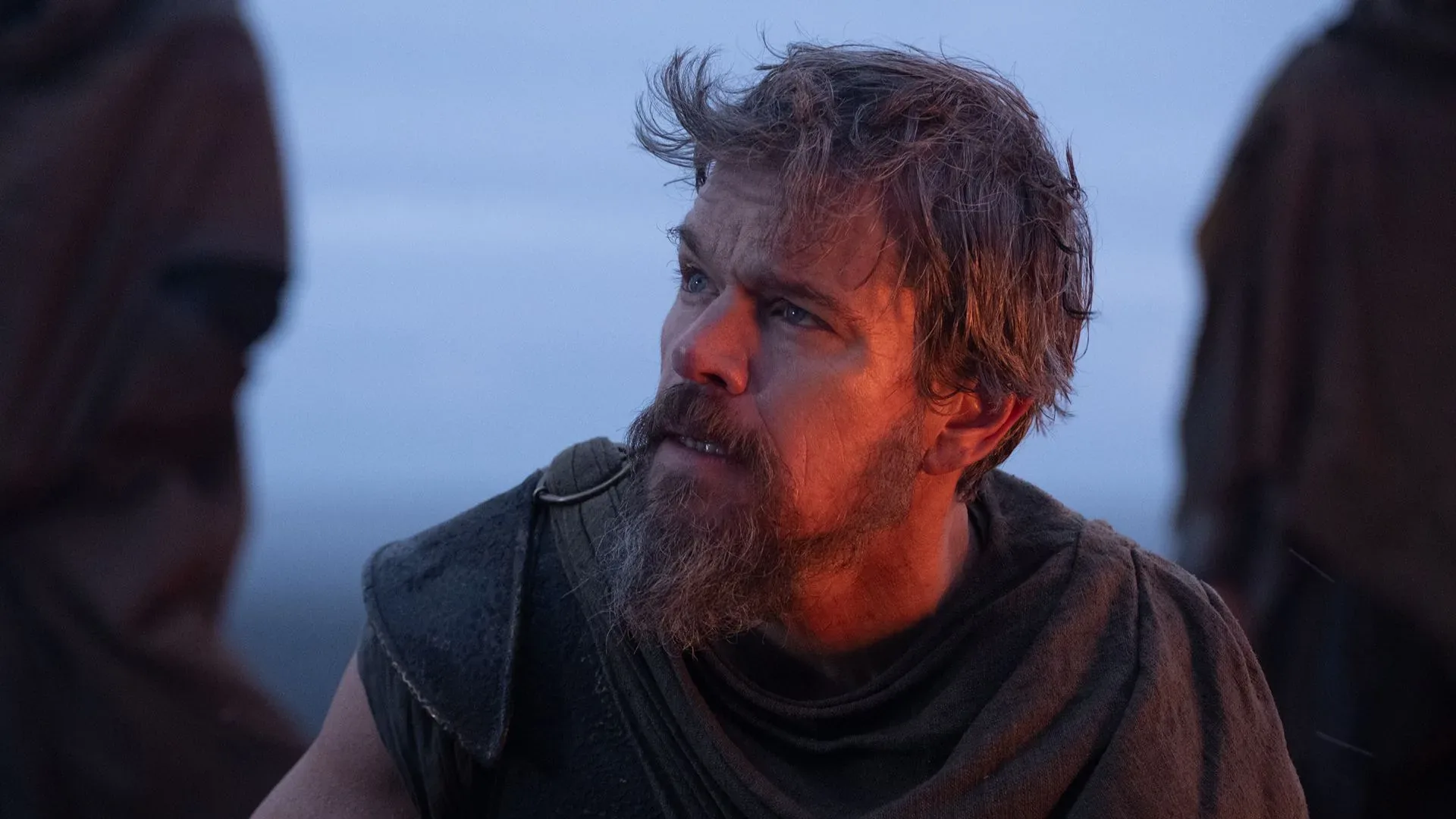
Matt Damon says some of the exhaustion audiences will see in Christopher Nolan’s The Odyssey was not simply an acting choice or a makeup-room effect. While filming the production, Damon experienced several stretches in which he could not sleep before a workday. On one occasion, he said he reached a scene with Samantha Morton after being awake for around 24 hours, and had been awake for roughly 36 hours by the end of that day.
That is an uncomfortable circumstance rather than a filmmaking technique to celebrate, but Damon saw a character connection in the moment. His Odysseus is a leader pushed through successive disasters, and Damon reasoned that the character himself was unlikely to have enjoyed a restful night. The result, in his view, was that the weariness required by the role was already there.
“The great thing about this character is he probably didn’t sleep last night,” Damon said, explaining that the fatigue felt real through much of the production.
An exhaustion that fit the character, not a planned performance method
The important distinction is that Damon did not describe deliberately staying awake to manufacture a performance. He described trying to sleep and being unable to do so, a situation he said occurred two or three times during the shoot. His account is recognisable to anyone who has stared at the ceiling knowing that an important obligation is waiting the following morning: tiredness does not always produce sleep, especially when there is pressure attached to the next day.
For a screen performance, the difference matters. Intentional sleep deprivation is often talked about as an extreme route to “authenticity,” but Damon’s comments point to something less glamorous and more ordinary: an actor confronted an unwanted physical reality, then found that it happened to align with the dramatic circumstances of the scene. The fatigue was incidental; using it as an emotional reference point was the creative response.
There is also no need to treat a tired appearance as proof that every difficult-looking moment on screen came from a difficult day off camera. Film performances are constructed from acting, lighting, costume, editing, production design and, often, makeup. Damon’s recollection instead offers one specific example of real exhaustion becoming useful context for a particular stretch of work.
The Samantha Morton scene is identified only in broad terms
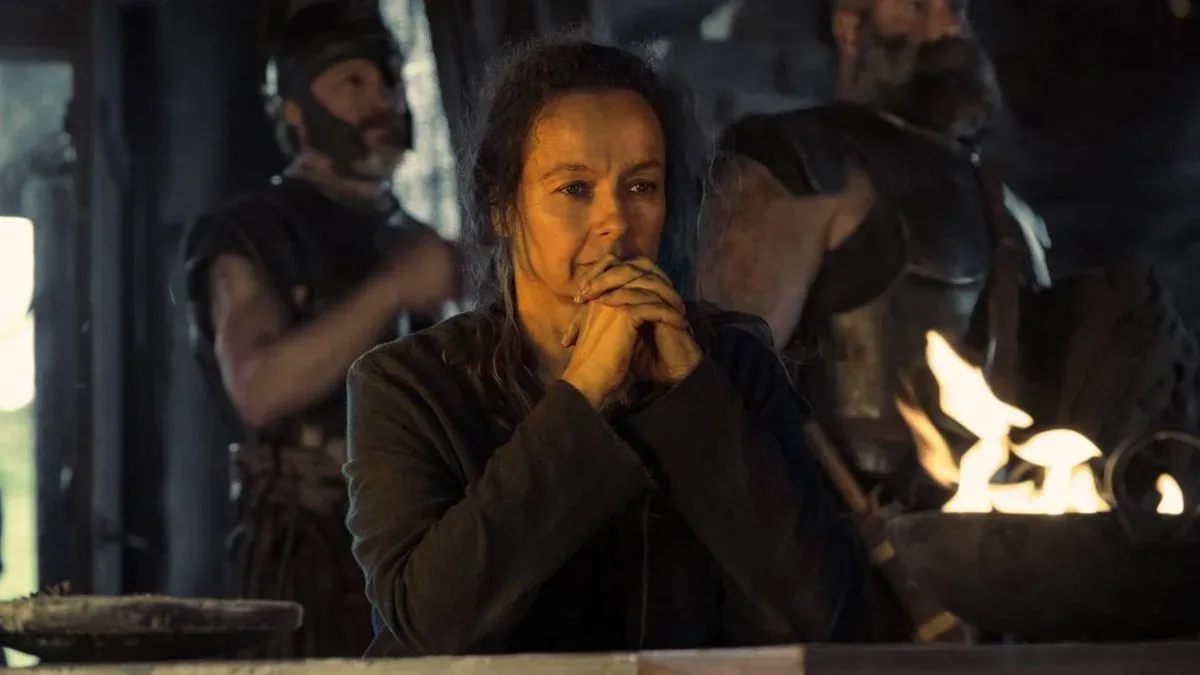
Damon identified the work as a scene with Samantha Morton. The available details do not confirm exactly which finished sequence he meant, though the account has been associated with the confrontation between Odysseus and Circe.
In the story context described around the film, Odysseus and his surviving men reach Circe’s island after the catastrophe at Telepylos, where the Laestrygonians destroy many of their forces. Morale has fractured. The group splits up after reaching the island, and men who encounter Circe’s dwelling are lured in by a magical broth before being transformed into pigs. Odysseus then goes in search of them and confronts Circe.
That setup gives Damon’s observation a clear dramatic logic. This is not fatigue in a vacuum. Odysseus is presented as someone who has just lost men, is facing a crew whose faith in him is slipping, and is still trying to find safety and food before the remaining sailors starve. If the scene in question is indeed the Circe encounter, an actor arriving with genuine heaviness and frayed energy would have material to draw on without needing to invent every physical detail from scratch.
It is also a useful reminder that “weariness” is more specific than looking sleepy. For a character under sustained pressure, it can inform pace, posture, attention and the sense that each decision costs something. The story’s Odysseus still has to assess danger, seek his missing men and engage with an opponent who possesses unusual power. Fatigue can therefore heighten tension: he may be depleted, but he cannot afford to disengage.
Why Circe’s setting makes that tension especially potent
Circe’s island is not framed as a simple pause between action sequences. The threat is intimate rather than battlefield-scale. The crew members are separated, enticed by hospitality, and then stripped of their human form. Odysseus is left to enter an enclosed, uncertain situation after already carrying the consequences of previous losses.
That change in scale can make an exhausted protagonist more compelling. A huge external threat permits flight, combat or an obvious show of force. A conversation with Circe demands alertness, restraint and judgment at precisely the moment when the character may be least equipped to provide them. Damon’s description of a long, tense exchange fits that kind of pressure well, whether or not the audience is meant to know how little rest Odysseus has had.
The story information also describes Circe’s past and motivations as part of the encounter. That means the scene has more work to do than deliver a magical threat. It needs to establish a relationship and reveal perspective while Odysseus attempts to recover his men. A performance colored by depletion could support the feeling that the hero is processing danger, grief and new information all at once.
Location work and the scale behind the fatigue
Damon’s comments arrived alongside a broader description of a demanding physical production. The Odyssey was filmed on location in multiple parts of the world, including remote caves in Greece and work on the open sea. Nolan reportedly used 400 miles of film while shooting the maritime material.
“On location” means a production is filming in real environments rather than relying entirely on studio-built sets. It can lend a movie immediate texture: caves, coastlines, wind, weather and distance are not merely simulated. It also introduces practical complications. Cast and crew must reach the site, carry equipment, manage changing conditions and work around a place that does not behave like a controlled soundstage. None of that proves what happened on any individual day, but it explains why temporary physical discomfort was part of Damon’s overall memory of the shoot.
The 400-mile figure is similarly a measure of scale, not a quality guarantee. Here, “film” refers to the physical motion-picture material used in shooting. Reporting a distance of film used conveys the volume of material involved in capturing scenes at sea; it does not by itself reveal the movie’s runtime, its final shot count or exactly how that footage will be used in the completed edit. Still, it underlines that the water work was substantial.
Damon said he was grateful to take part despite the temporary discomfort and felt he would not have appreciated the experience in the same way 20 years earlier. His reflection is notably more about perspective than endurance as a badge of honor. He described being joyful during the work and said that gratitude meant he did not dwell on the discomfort.
What the anecdote does—and does not—tell viewers
The anecdote adds a human detail to a production already defined by demanding locations and an epic source story. It suggests that, at least at times, the physical state of the actor and the dramatic state of Odysseus happened to overlap. That overlap can be meaningful, especially in a film about a leader trying to continue after devastating losses.
But it should not be overstated into a claim that real exhaustion is required for effective acting, or that the entire performance was made under those conditions. Damon was clear that the sleepless episodes happened two or three times. The value of his account is narrower: he recognized an honest emotion in an unfortunate moment and used it to understand a fictional man whose circumstances gave him little reason to rest.
For movie viewers, that may be the most interesting lens for the Circe material. The confrontation is not only a mythic encounter with magic and transformation; it can also be read as a test of leadership after cumulative trauma. Odysseus has to remain purposeful when his resources—physical, emotional and social—are running low.
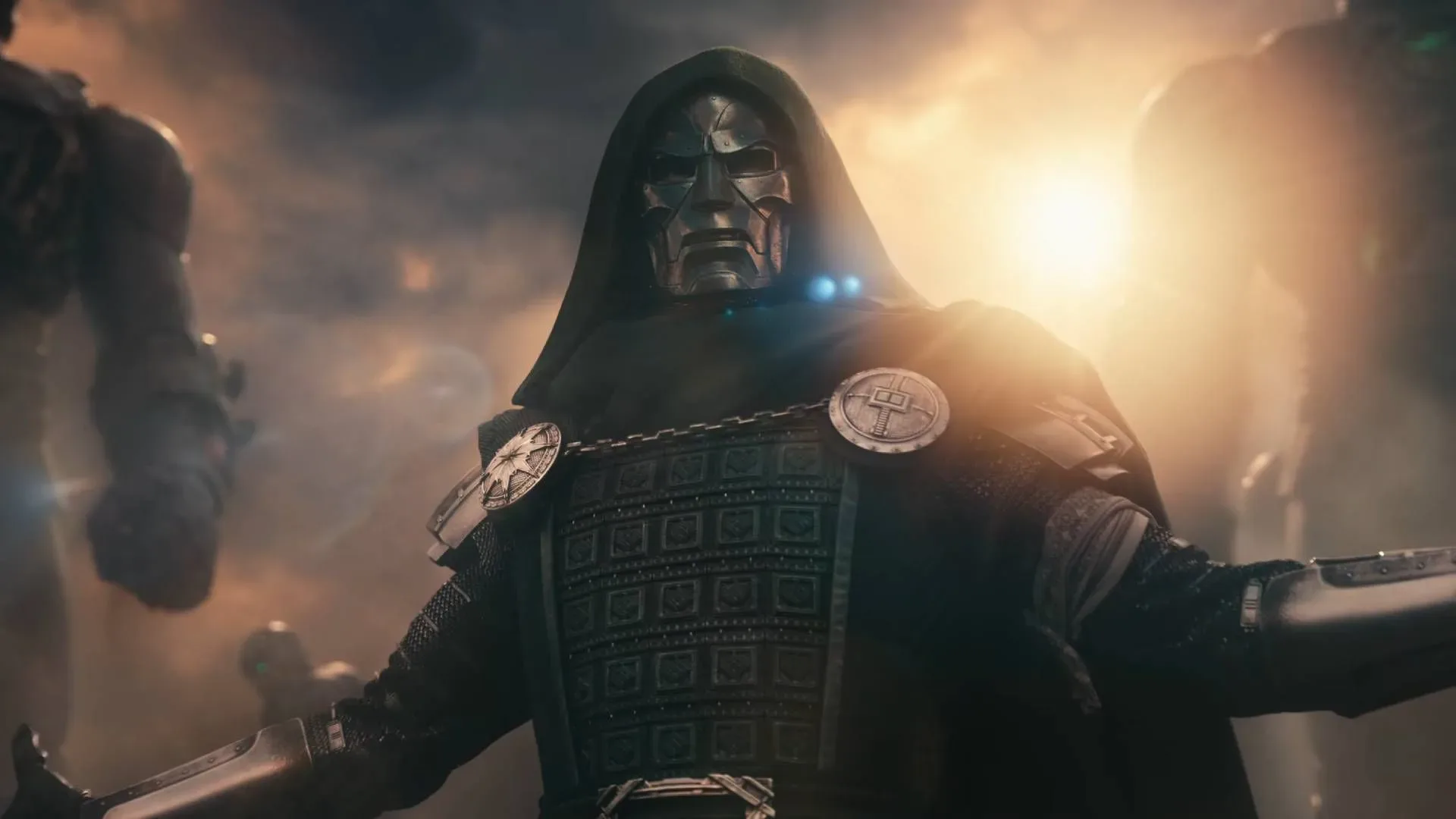
That same appetite for how big productions translate their worlds to screen is visible elsewhere in current genre-film discussion, including the possible first look at Latveria connected to Avengers: Doomsday. In Damon’s case, though, the detail is less about a location reveal than the accidental realism of a sleepless performer meeting a sleepless hero.