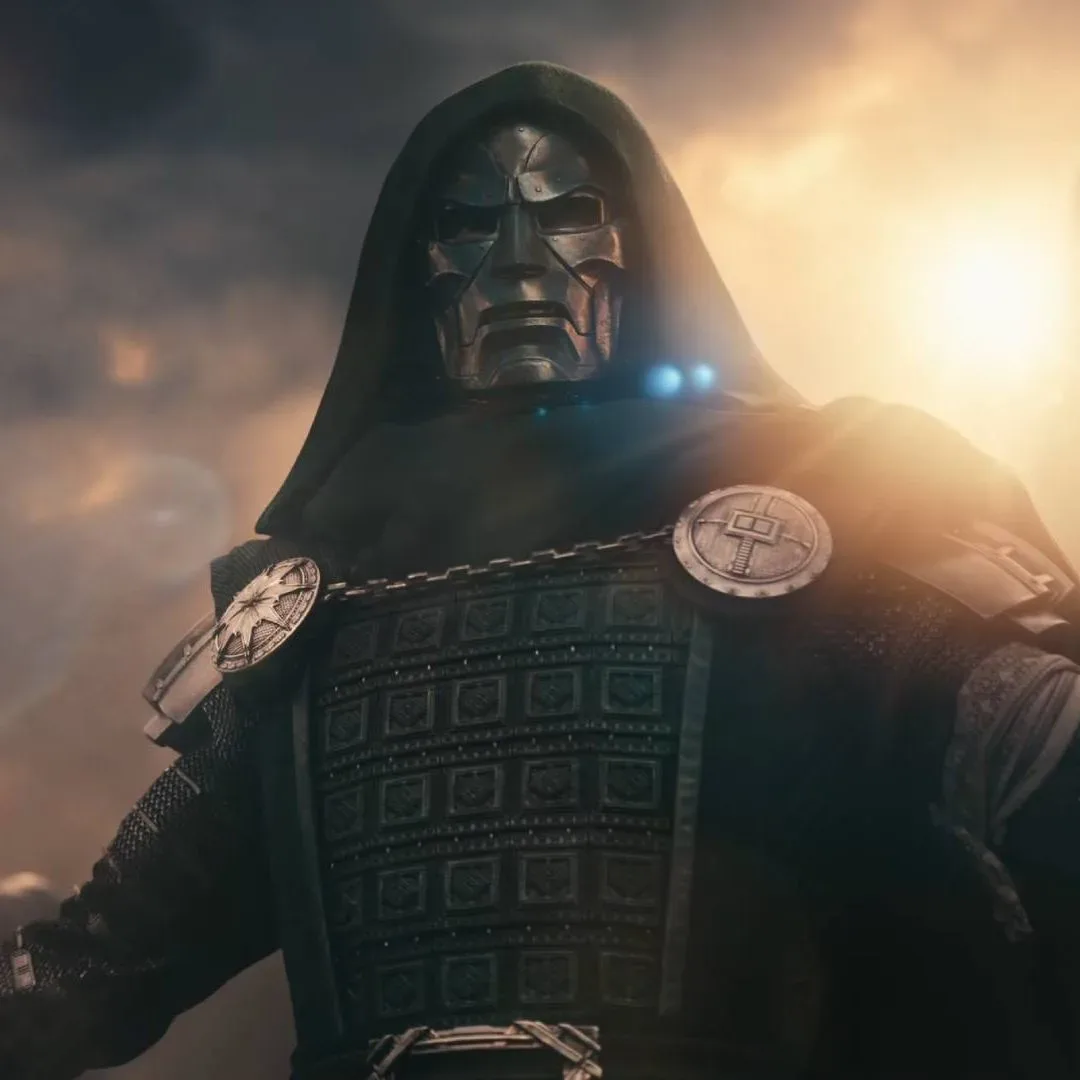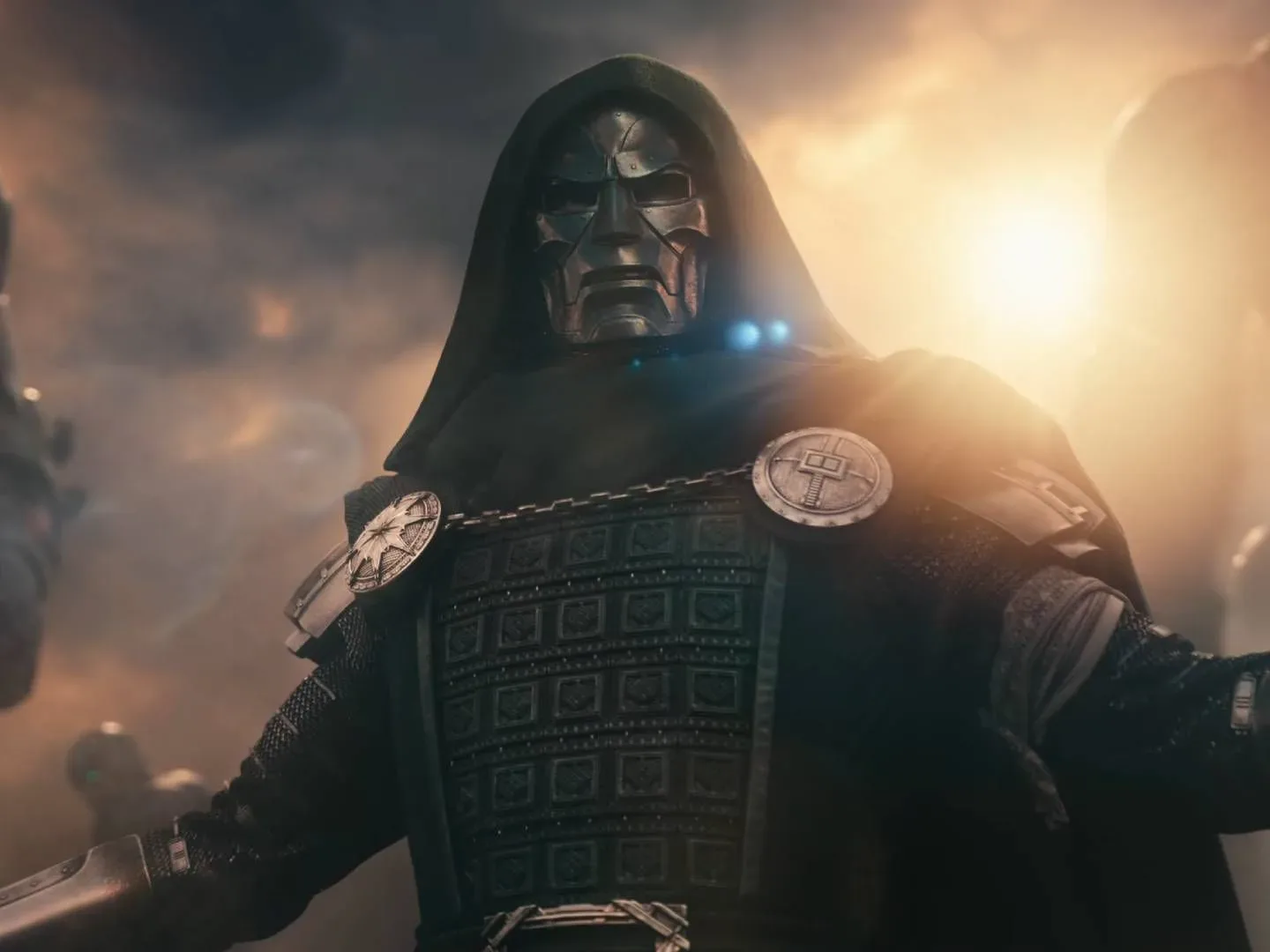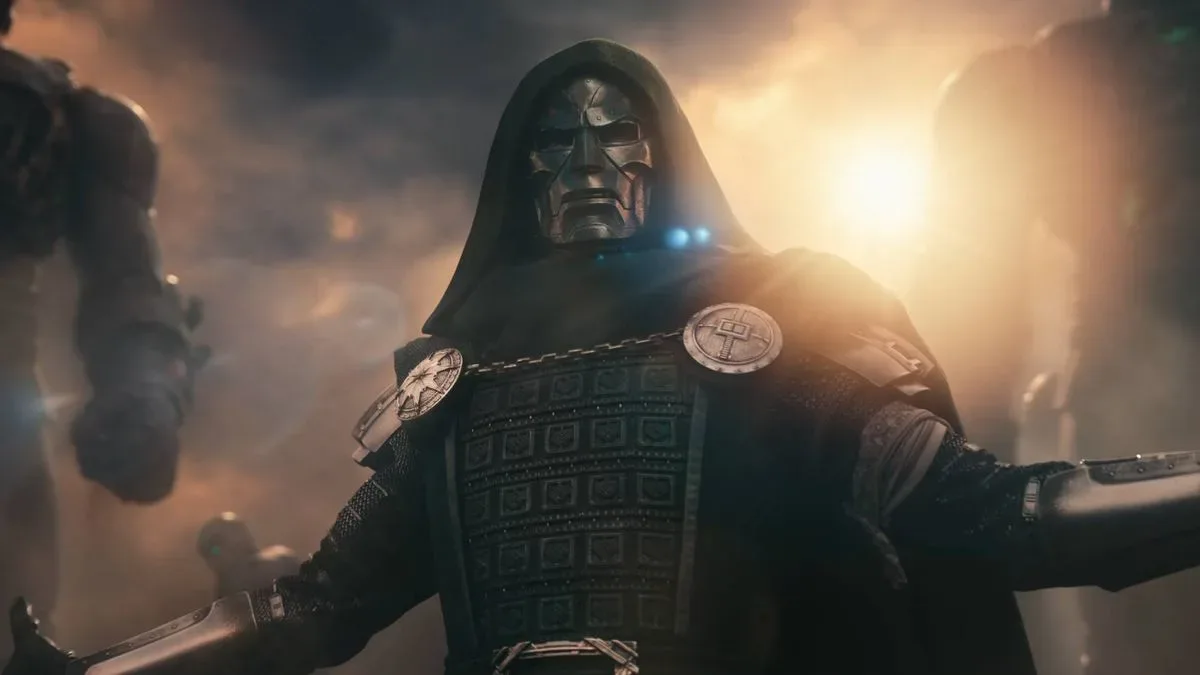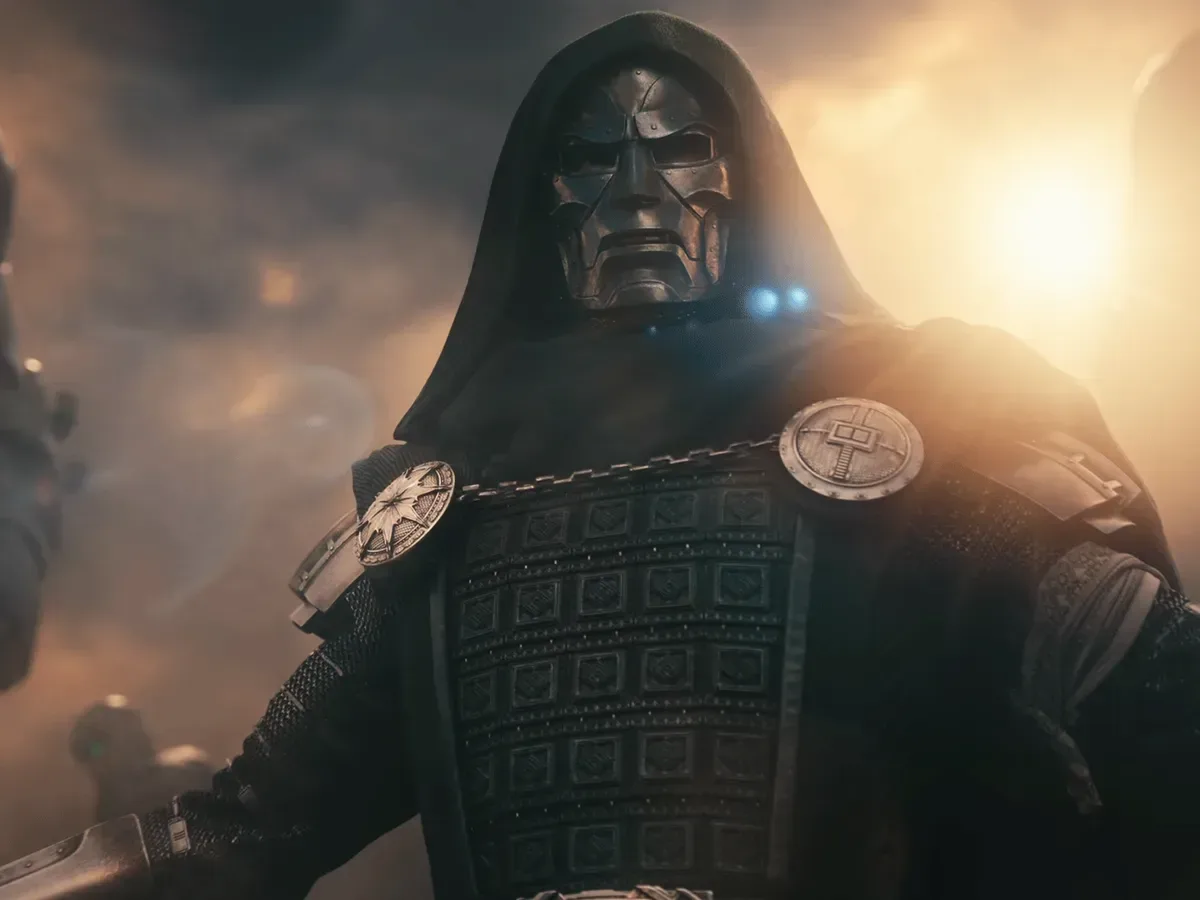
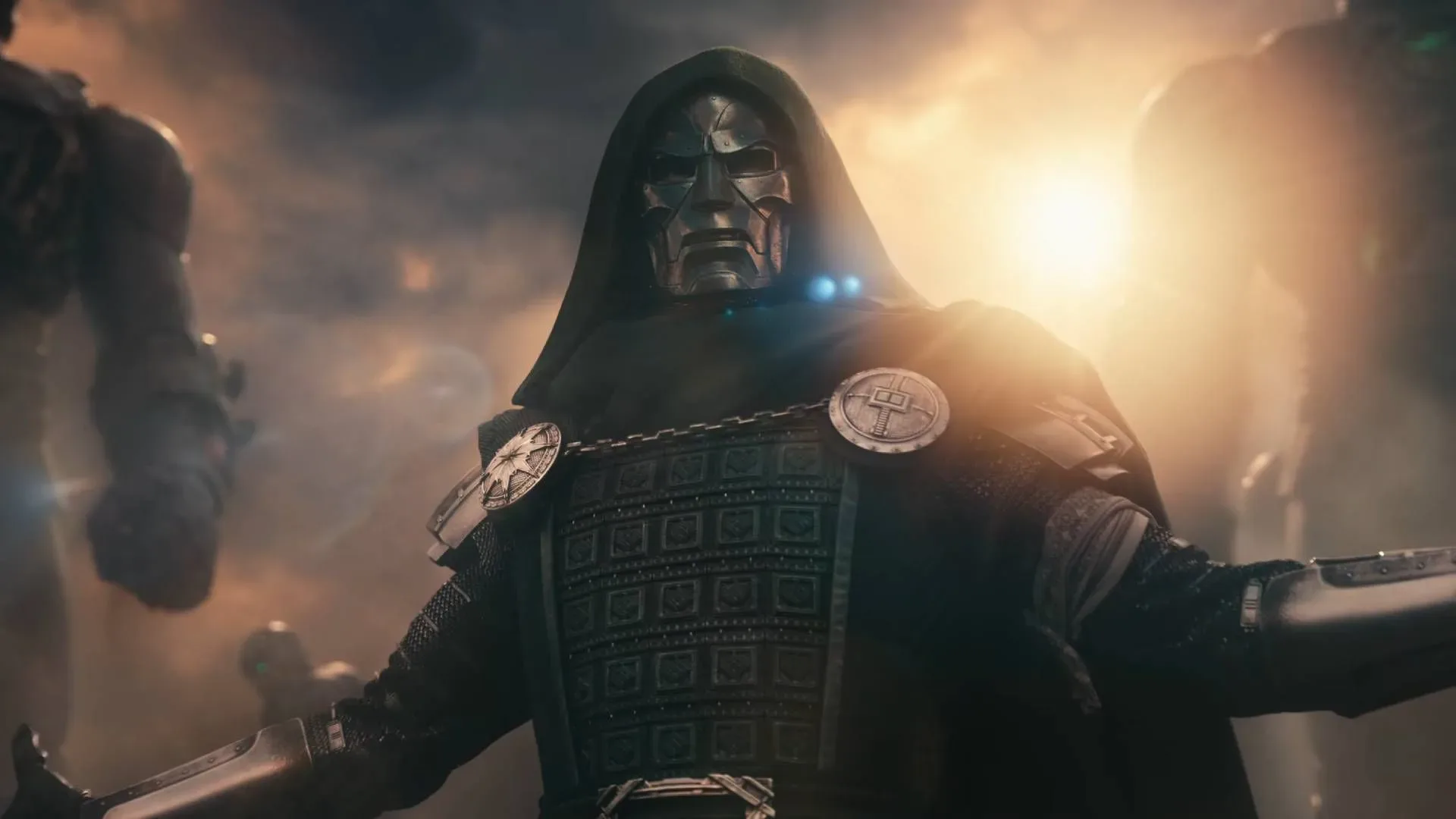
Avengers: Doomsday may have just revealed one of its most important settings through an unlikely delivery system: a Jeep commercial. The promotion appears to send Captain America, Johnny Storm and Ben Grimm, better known as the Thing, through portals and across several familiar Marvel locations before bringing them together in a snowy mountainous country presented as Latveria.
For viewers who want to arrive in cinemas knowing as little as possible, it is a notable bit of marketing. Latveria is not merely a pretty backdrop in Marvel comics. It is the fictional nation closely associated with Doctor Doom, and Castle Doom is commonly portrayed as both his headquarters and the seat of his power. A commercial that seems to offer the nation’s live-action look therefore does more than advertise a car: it potentially establishes where one of the movie’s central forces operates.
The footage should still be treated carefully. Promotional material can use abbreviated scenes, isolated imagery and presentation choices that do not explain the full context of the film. What the commercial seems to show is a significant setting, not a complete account of how Latveria, Doomstadt, Castle Doom or the heroes fit into the plot. But the apparent reveal is enough to make Latveria the latest example of how Doomsday information is reaching fans outside a conventional trailer.
What the commercial appears to reveal
The ad’s structure is straightforward: Captain America, Johnny Storm and the Thing each drive a Jeep through a portal. The locations on that trip include Avengers Tower and Wakanda, both immediately recognizable places in the Marvel screen universe. The final convergence is the intriguing part, with the vehicles arriving amid snow-covered peaks in what appears to be Latveria.
The spot also appears to include Doom’s castle and the capital, Doomstadt. Neither identification comes with a detailed on-screen explanation in the supplied material, so it is wiser to call them apparent depictions than ironclad story confirmation. Still, the combination of a mountainous landscape, a castle linked to Doom and a capital bearing Doom’s name makes the intended association unusually direct.
That matters because setting is often character information in superhero stories. An Avengers Tower image evokes the heroes’ institutional history. Wakanda carries its own political, technological and cultural significance. Latveria, in contrast, immediately invokes Doctor Doom’s authority. Moving from heroic landmarks to Doom’s domain makes the destination feel deliberate, even if the commercial does not reveal the narrative reason for the trip.
Why Latveria is a major Doctor Doom detail
In the comics, Latveria is a fictional nation ruled by Doctor Doom. Castle Doom is frequently depicted as his base of operations, rather than simply a villain’s hideout. That distinction is important. A secret laboratory can suggest a threat working from the shadows; a castle and capital within a country suggest a character whose ambitions extend to government, territory and control.
Doomstadt is the name associated with Latveria’s capital. If the commercial is indeed identifying that city, it lends the location more texture than a single exterior of Castle Doom would. It suggests a place that exists beyond one confrontation or one lair, although it does not confirm how much of it will be explored in the finished film.
Likewise, a snowy, mountainous presentation fits the visual shorthand viewers tend to expect from a remote European-style kingdom, but the important takeaway is not the weather. It is that the promotional material appears to give Latveria a distinct identity alongside Avengers Tower and Wakanda. The campaign is positioning the place as recognizable Marvel geography before the movie opens.
Terms worth separating
- Latveria: Doctor Doom’s fictional nation in Marvel comics.
- Castle Doom: Doom’s frequently depicted headquarters and seat of rule.
- Doomstadt: Latveria’s capital city.
- Portal: In this commercial’s imagery, a gateway used by the characters to travel between locations.
- Incursion: A universe-altering phenomenon referenced elsewhere in the film’s marketing; the supplied information does not establish exactly how it connects to the Jeep commercial or Latveria.
Keeping those terms separate helps avoid turning a tantalizing visual into a larger claim than it supports. The commercial appears to place the heroes in Latveria. It does not, by itself, establish whether they are allies, prisoners, invaders, visitors or participants in a broader multiversal event.
The stranger pattern: story clues in licensed tie-ins
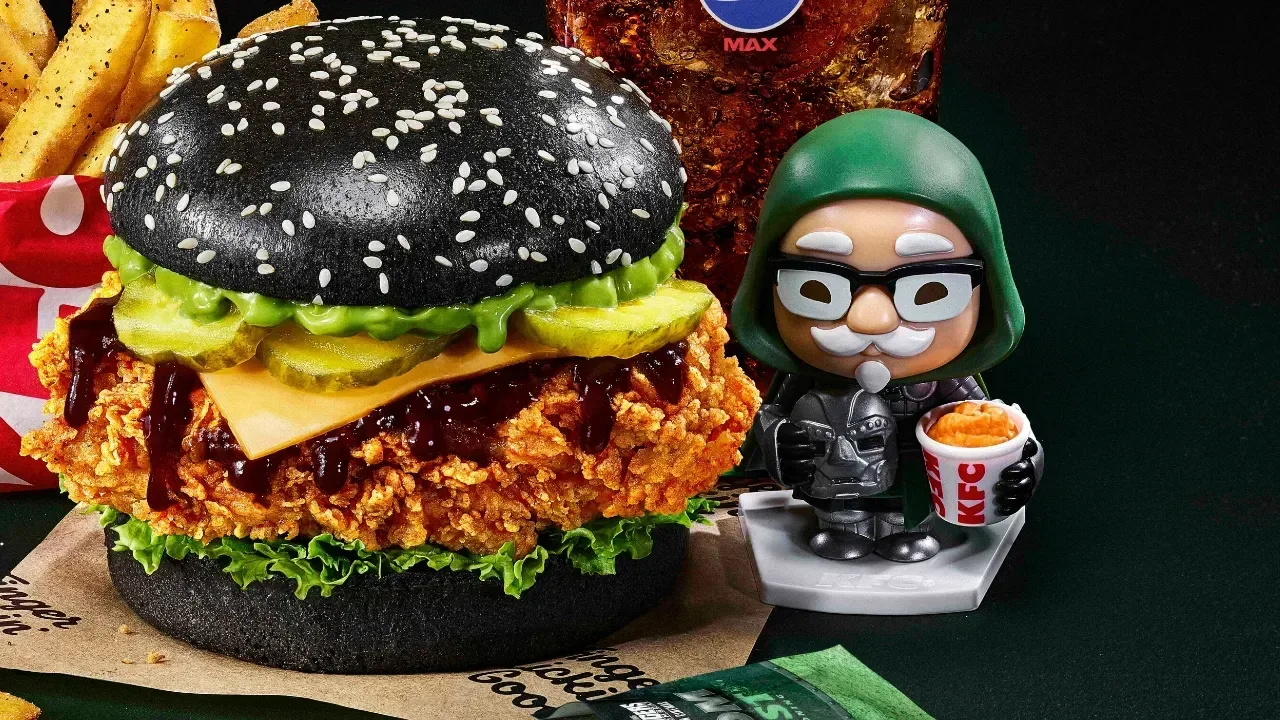
The Jeep spot is not the first outside-the-movie product to expose a potentially meaningful Avengers: Doomsday detail. A Dunkin’ promotion previously revealed Gambit’s new accent and provided more information about incursions. Separately, a Funko Pop indicated that Doom will spend at least part of the movie with Franklin, the son of Reed Richards and Sue Storm.
That Franklin point carries particular weight because it appears connected to the post-credits scene in The Fantastic Four, where the Marvel villain met the super-powered child. It does not tell audiences what Doom wants, why Franklin is important to the larger story, or whether the encounter occurs in Latveria. It does, however, point to a continued on-screen connection between Doom and the Richards family.
Put together, these promotions create a fragmented picture of the film: Gambit and incursions in one branded campaign; Doom and Franklin through a collectible; and now what appears to be Doom’s national power base in a vehicle ad. None necessarily constitutes a full spoiler on its own. The practical effect, though, is that fans following merchandise and crossover advertising can encounter plot-adjacent material before a formal trailer lays out its own boundaries.
That is a different experience from choosing to watch a major trailer. Trailers are expected to reveal selected story beats, characters and locations. A food promotion, vinyl figure listing or automotive commercial is easy to stumble across through social feeds, retail pages or unrelated advertising. The audience may not be actively searching for Marvel news at all.
How much should spoiler-conscious fans read into this?
The answer depends on what counts as a spoiler for each viewer. Some fans will see confirmation that Latveria exists as basic world-building, particularly given the character’s comics history. Others may regard any first visual of Castle Doom or Doomstadt as a reveal worth saving for a cinema screen. Both reactions are reasonable, because the promotional value of the image is inseparable from the surprise of seeing it.
The safest interpretation is modest: the Jeep campaign appears to depict Latveria and connects it visually to Captain America, Johnny Storm and the Thing. It does not verify the extent of the location’s role, the nature of Doom’s plan, the destination’s place in the chronology, or whether portal travel is a major recurring device in the plot.
Fans aiming for a low-information route should be especially cautious around licensed advertisements, toy packaging and product listings in the run-up to release. The movie’s campaign has already shown that these channels can contain material that is more narratively specific than their format might suggest. Muting keywords, avoiding promotional compilations and treating seemingly harmless retailer or brand posts as potential reveals are sensible ways to reduce accidental exposure.
For everyone else, the campaign offers a useful clue about the movie’s scope. Avengers Tower and Wakanda are established touchstones; Johnny Storm and the Thing bring the Fantastic Four side of Marvel into the frame; and Latveria points squarely toward Doom. The commercial’s route may be designed first to sell Jeeps, but its selected stops hint at a story assembling heroes, landmarks and threats from multiple corners of the franchise.
Marketing is becoming part of the pre-release puzzle
There is an increasingly familiar tension in major franchise marketing. Studios and partner brands want enough recognizable imagery to cut through an overcrowded ad environment. Fans, meanwhile, often want character appearances, locations and major story turns preserved for the theatrical experience. A snowy wide shot of a castle can look innocuous to a casual viewer while functioning as a big reveal to readers who know what Latveria represents.
Doomsday is a particularly clear case because so much surrounding information remains incomplete. The result is that every confirmed fragment can attract outsized attention. A new accent for Gambit, a connection involving Franklin Richards, or an apparent establishing shot of Latveria all become pieces of a puzzle whose final image is still unavailable.
That uncertainty is also why restraint matters. The presence of Captain America, Johnny Storm and the Thing in an ad does not disclose their mission. The apparent appearance of Doom’s castle does not prove Doom is present in that moment. And an incursion reference in another promotion does not demonstrate that every portal or location shown is caused by the same phenomenon. These may all connect in the movie; the supplied evidence does not let us say that they do.
Fans have seen how rumor cycles can outrun firm information in other franchise campaigns; our look at a confirmed Stranger Things prequel after widespread speculation is a reminder that separating what is shown from what is inferred remains useful. With Avengers: Doomsday, the branded material is now part of that same careful sorting process.
What is confirmed, apparent and still unknown
Confirmed in the available information: Avengers: Doomsday is scheduled for December 16 in the UK and December 18 in the US. Its marketing has included a Jeep commercial featuring Captain America, Johnny Storm and the Thing traveling through portals, with Avengers Tower and Wakanda among the locations. Other promotions have surfaced information about Gambit’s accent, incursions, and Doom spending at least some time with Franklin Richards.
Apparent from the Jeep material: the final destination is Latveria, shown as a snowy mountainous nation with what appears to be Castle Doom and Doomstadt.
Still unknown: why the three heroes reach Latveria, how prominent the nation is in the finished movie, what Doom is doing there, how Franklin factors into events, and how the campaign’s separate references to incursions connect to the film’s larger narrative.
For now, the oddity is the story: a vehicle commercial may have supplied the clearest look yet at Doctor Doom’s home turf. Whether that feels like an exciting breadcrumb or an avoidable spoiler, Latveria has entered the Avengers: Doomsday conversation well before its theatrical arrival.