Warning: this article discusses major plot developments from The Rings of Power season 2.
The Lord of the Rings: The Rings of Power is preparing to make its biggest chronological leap yet. Season 3 arrives after a five-year gap within the story, moving Middle-earth beyond the immediate fallout of Eregion’s fall and into a phase where open war is no longer a distant threat.
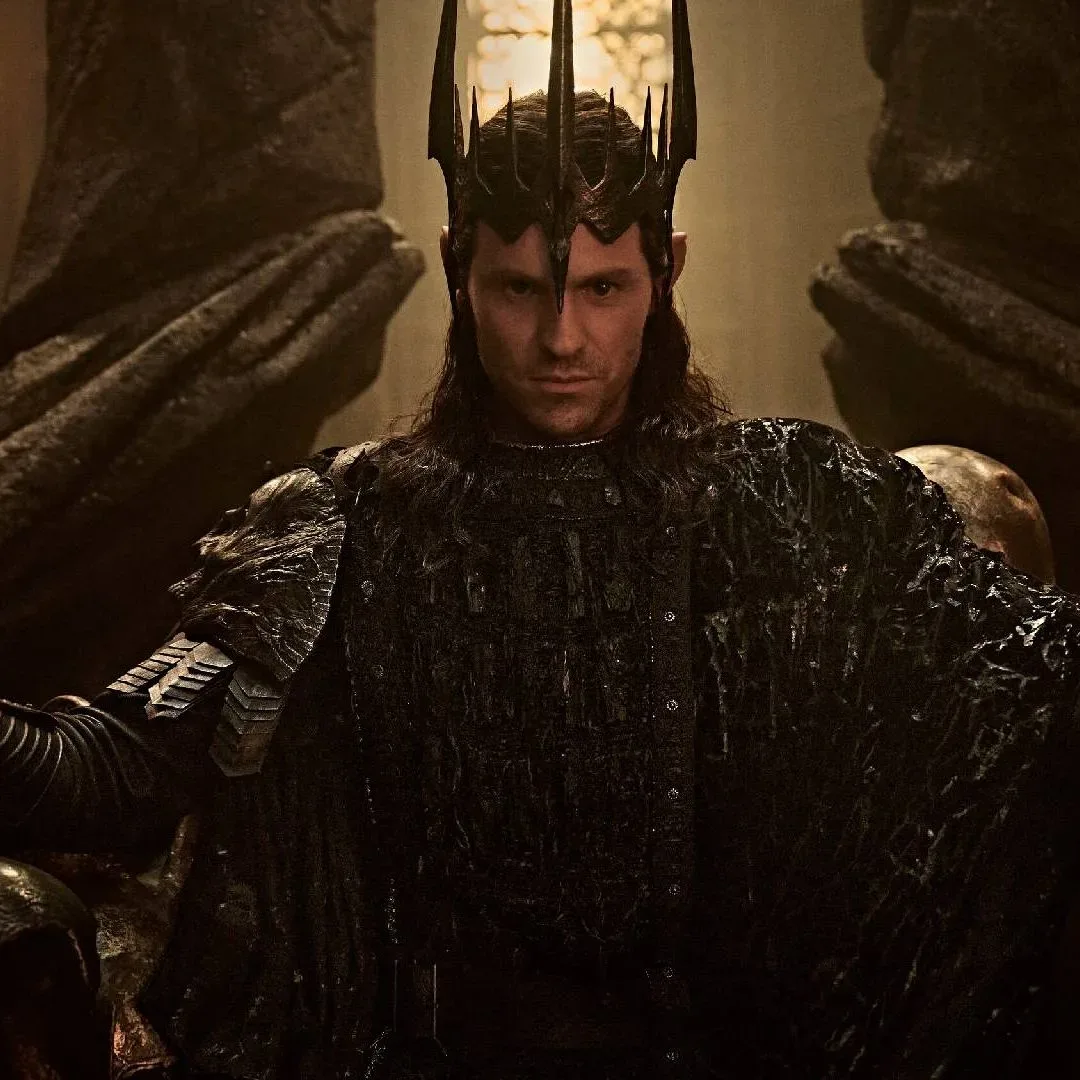
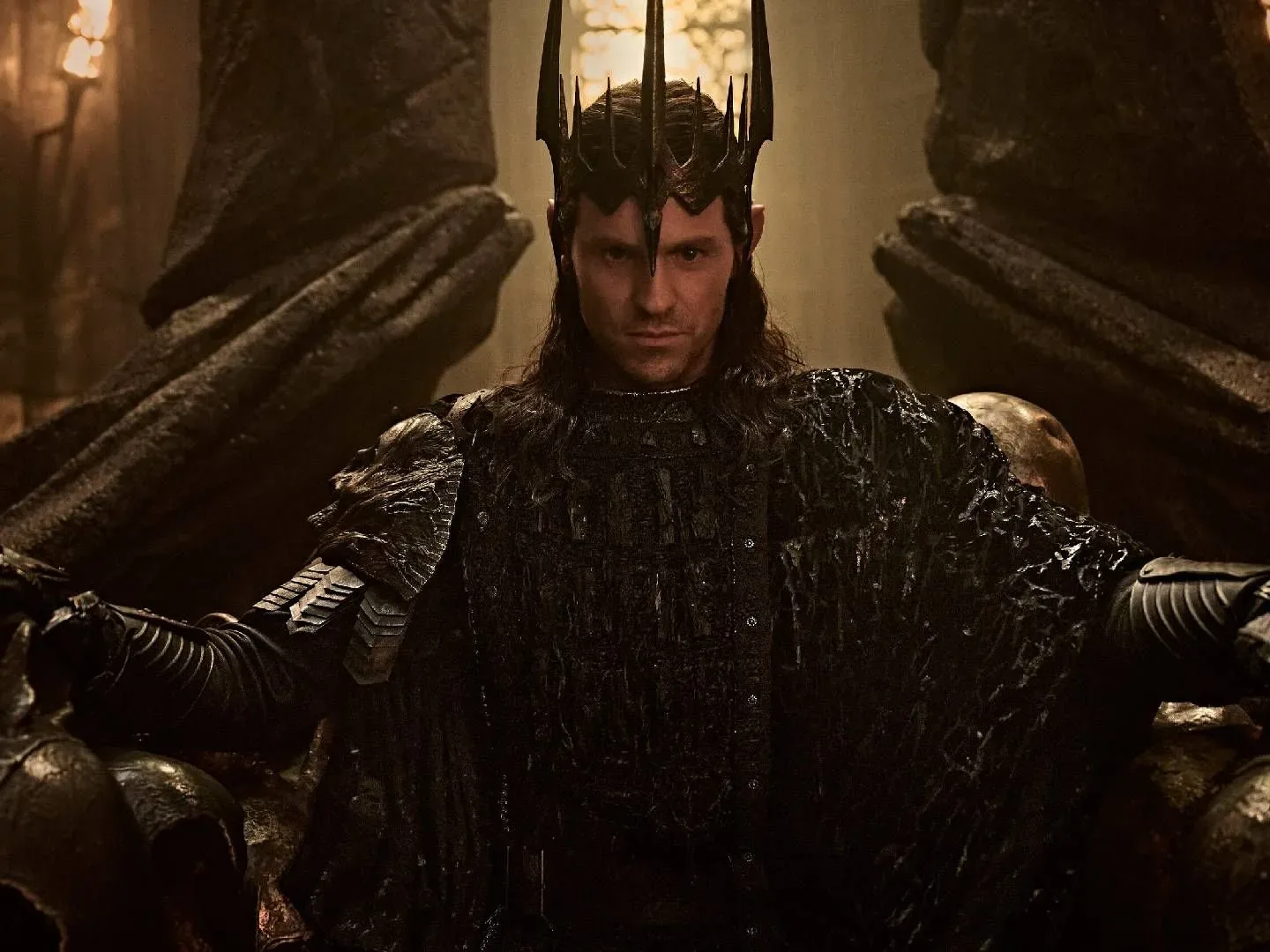
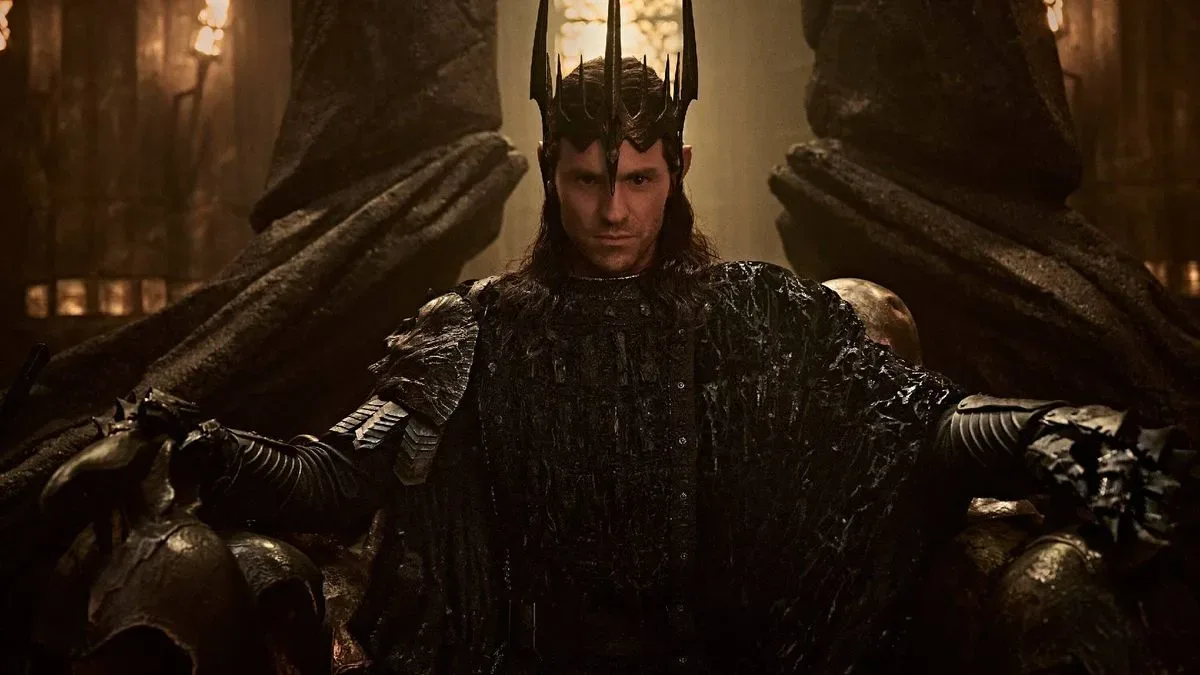
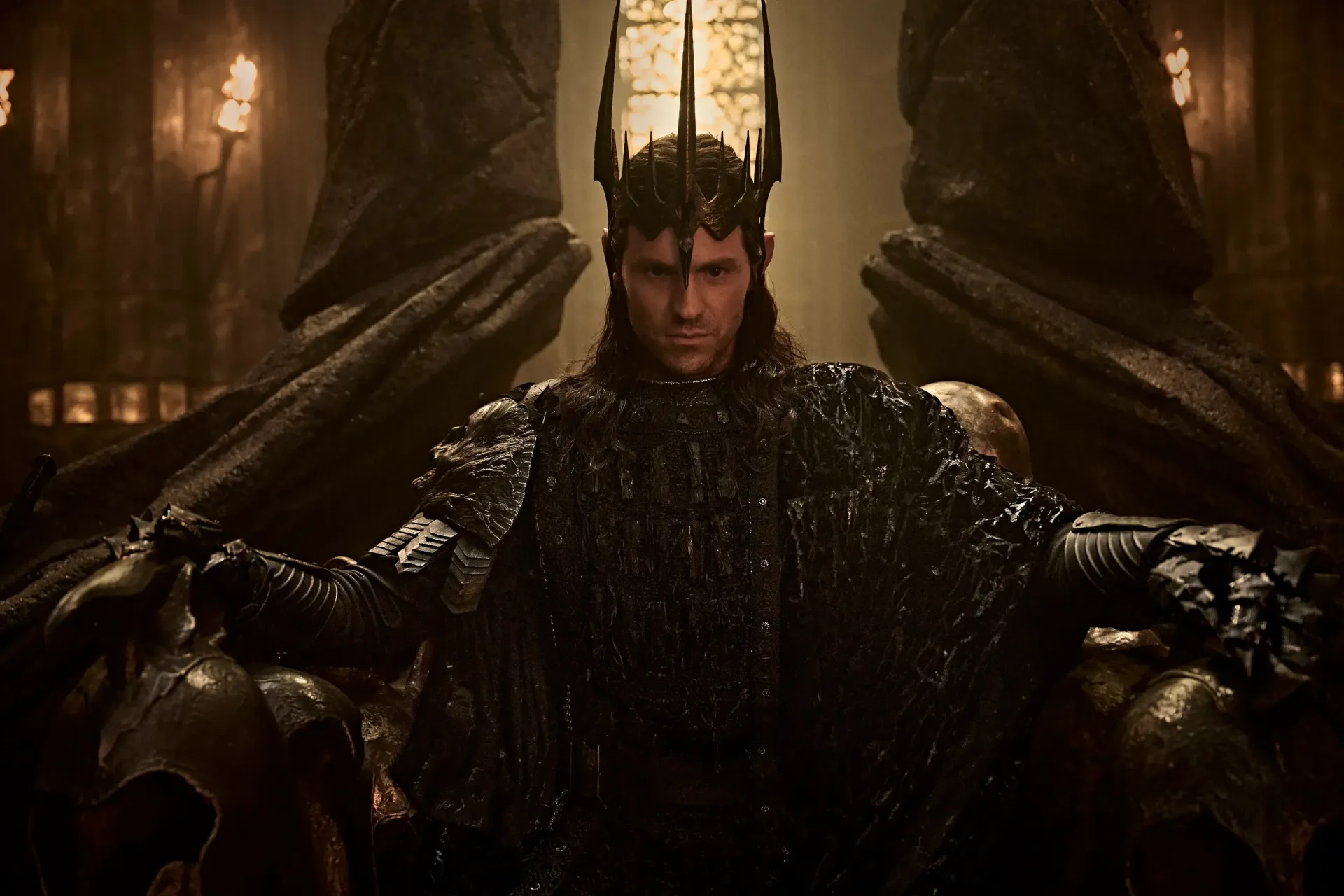
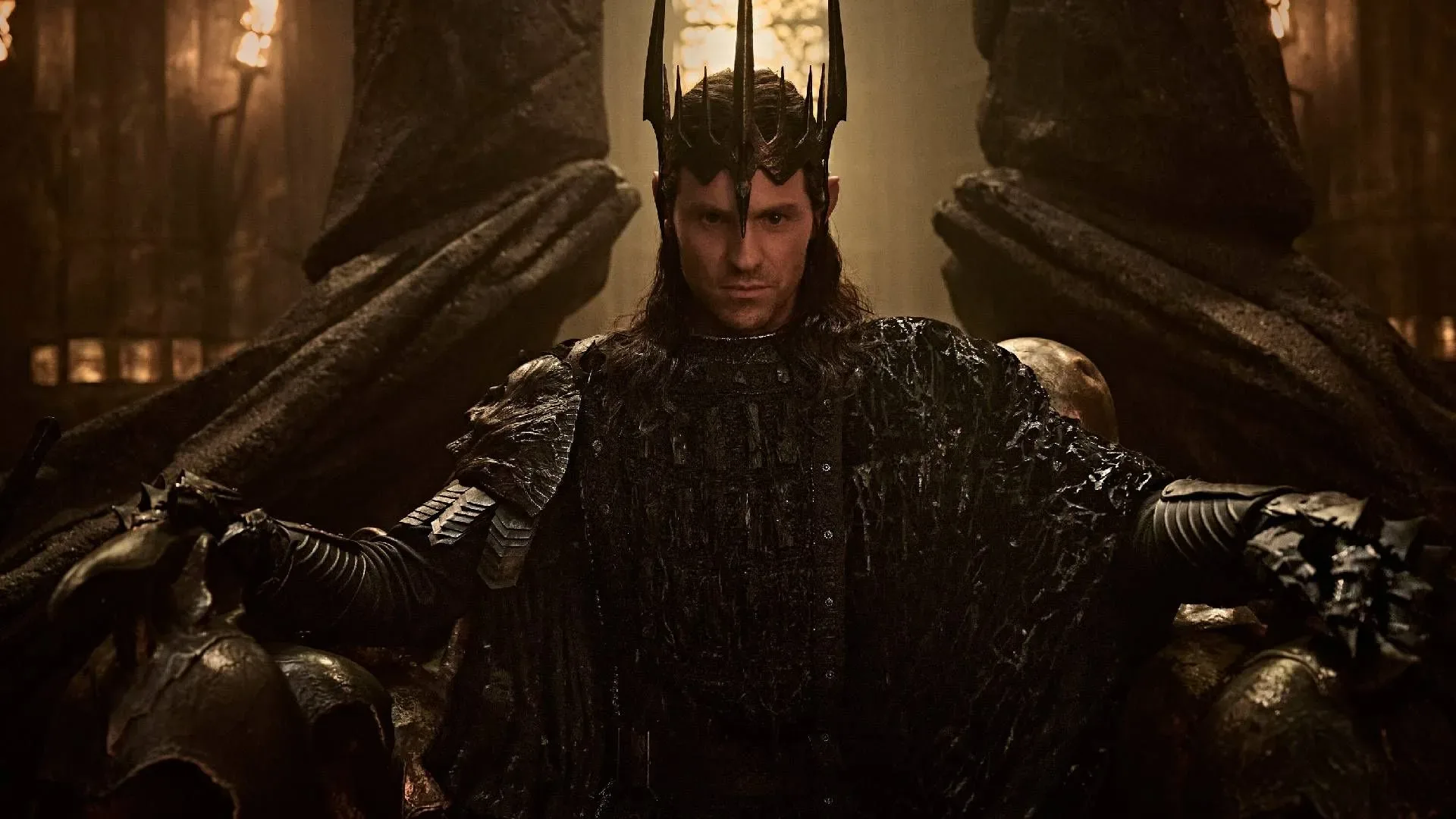
Co-showrunner Patrick McKay has described the jump as a way to give the narrative room for the world to transform. His central point is clear: the conflict has continued across Middle-earth during those five unseen years, and the new season begins at a “tipping point.” Sauron has apparently overwhelmed almost everything apart from two Elven areas protected by their Rings.
That is a meaningful change in dramatic terms. Rather than spending a new season only on the first signs of invasion, the series can begin with the consequences already visible: territories taken, communities isolated, and the remaining defenders forced to decide whether cooperation is possible. Season 3 is expected to bring each storyline into one large war between Sauron and the Elves.
A time jump that changes the shape of the story
Five years is a substantial stretch of time for a serialized fantasy drama, particularly after a second season that placed several major characters and locations under intense pressure. The purpose is not simply to skip events. It establishes that Sauron’s campaign has had time to spread, while the resistance has had time to endure, regroup or become trapped.
McKay has said the jump gives the story greater scope. In this context, “scope” means more than a larger map or additional battles. It means the political and emotional landscape can look different when viewers return. Characters who survived Eregion’s siege will not be meeting the danger for the first time; they will be living with a war that has persisted for years.
The shift could also streamline the series’ many separate strands. Season 2 ended with Elves, Dwarves, Men, Wizards and Sauron’s growing power moving along different paths. Season 3’s stated direction is to make those paths converge around a shared crisis: stopping Sauron before he can forge the One Ring.
“This third season is where every single storyline becomes part of the large, epic war between Sauron and the Elves,” McKay said, adding that the season is intended to go deeper into character psychology and emotion.
That emphasis matters because an “epic war” can easily become shorthand for scale alone. The creative aim described here suggests that the show will use the conflict to test motivations, loyalties and fear—not merely to stage a larger military confrontation. Whether that promise lands will depend on how season 3 balances its broad map of Middle-earth with the people caught within it.
Where season 2 left Middle-earth
Sauron ended the previous season in a far stronger position. Celebrimbor was killed, and the Nine Rings of Men were secured. Eregion was besieged and fell, forcing surviving Elves to flee toward the place that will become Rivendell.
Those events are vital setup for the five-year jump. Eregion’s destruction is not presented as a contained setback; it is the kind of defeat that reshapes where people can live, how they travel and which alliances remain viable. Rivendell is therefore positioned as more than a refuge for survivors. It is one of the few remaining Elven centers named as standing against Sauron’s advance.
The season 2 finale also clarified that the Stranger is Gandalf and released the Balrog. Both developments widen the board further. Gandalf now has a defined identity within the series, while the Balrog’s freedom adds danger around Khazad-dûm even as the Dwarven realm faces the wider pressure of Sauron’s campaign.
“Tipping point” is the key phrase for understanding the intended season 3 setup. It does not necessarily mean every conflict reaches its final resolution immediately. It means the balance of power has become unstable enough that standing apart may no longer be an option for the peoples opposing Sauron.
The strongholds still holding out
The official setup identifies only a handful of locations still standing as Sauron’s armies march. Khazad-dûm is sealed deep in the mountains, while Lindon and Rivendell remain Elven realms facing the advancing threat. Meanwhile, Sauron is based in his tower in Mordor, increasingly driven by his desire to dominate Middle-earth.
The distinction between these locations gives the coming conflict a practical structure:
- Khazad-dûm is associated with the Dwarves, who are sealed inside the mountain.
- Lindon remains one of the Elven realms still standing.
- Rivendell has become a destination for Elves who survived Eregion’s fall.
- Mordor is the seat of Sauron’s growing power as his armies move outward.
These are not described as equal positions. A sealed Dwarven realm faces different choices from an Elven refuge receiving displaced survivors, and each must decide how much it can risk for others. The official synopsis says Elves, Dwarves, Free Men and Wizards will need to unite to stop the forging of the One Ring.
That proposed alliance is the season’s clearest strategic question. “Free Men” refers here to people outside Sauron’s domination, not necessarily one unified kingdom or army. Likewise, the call for Elves, Dwarves and Wizards to work together signals necessity, not an already-settled coalition. The five-year gap can make that necessity sharper: Sauron’s territorial gains leave fewer places and fewer options.
The One Ring becomes the immediate objective
The looming danger is specifically Sauron forging the One Ring. The wording establishes a concrete objective for the opposing forces and a timer of sorts for the season’s conflict. It is not simply that Sauron is accumulating strength; the characters are trying to prevent a particular act that would further his bid for domination.
That focus also gives extra weight to the Rings already in play. McKay said the remaining Elven resistance is defended by its rings, while the prior season ended with Sauron securing the Nine Rings of Men. The show is therefore taking its title concept directly into the military and political stakes of season 3: Rings are not background artifacts but part of the contested balance between survival and control.
There is a useful distinction between what has been explicitly outlined and what remains unknown. The supplied information confirms the five-year jump, Sauron’s advance, the remaining named strongholds, the planned alliance, and the threat of the One Ring’s forging. It does not spell out the individual battle plans, the fate of every returning character, or exactly how the war will unfold. The promise is escalation, not a complete roadmap.
Returning cast and a significant arrival
Morfydd Clark returns as Galadriel, Charlie Vickers returns as Sauron, and Daniel Weyman returns as Gandalf. Jamie Campbell Bower joins the cast as Celeborn, identified as Galadriel’s long-lost love.
Celeborn’s addition has obvious potential to affect Galadriel’s side of the story, though no further plot detail has been provided. It is best read as a character development to watch rather than evidence of a confirmed arc. The season’s broad premise already places Galadriel in an Elven world under severe pressure, and the arrival of someone with a direct personal connection to her may add another emotional dimension to that conflict.
The comments about deeper psychology suggest that relationships will be important even amid the scale of the war. Galadriel, Sauron and Gandalf sit at particularly consequential points in the story: Galadriel is tied to the Elven resistance, Sauron is driving the conquest from Mordor, and Gandalf is now openly established as a Wizard in a world headed toward catastrophe.
What viewers should expect on November 11
The Rings of Power season 3 is set to premiere on Prime Video on November 11. Its central premise is notably more direct than a slow-burn buildup: Sauron’s forces are already moving, the defenders’ territories are dwindling, and the peoples of Middle-earth must form a united front before the One Ring is made.
The time jump should make the opening status quo feel earned rather than merely announced. Viewers will be returning to a world altered by years of warfare—one in which the loss of Eregion, the spread of Sauron’s power, the refuge at Rivendell, the sealing of Khazad-dûm and the defense of Lindon all carry forward into the same larger struggle.
For viewers keeping an eye on how television projects preserve and present established works, Joking Joystick has also covered a separate debate around a disputed AI-assisted 4K upscale of Spaced. That issue is unrelated to Middle-earth, but it illustrates why production and presentation decisions can become part of the conversation around beloved screen worlds.
For season 3, however, the central question is much more immediate: can the remaining Elven realms and their prospective allies stop Sauron’s next step before Middle-earth’s shrinking pockets of resistance disappear?