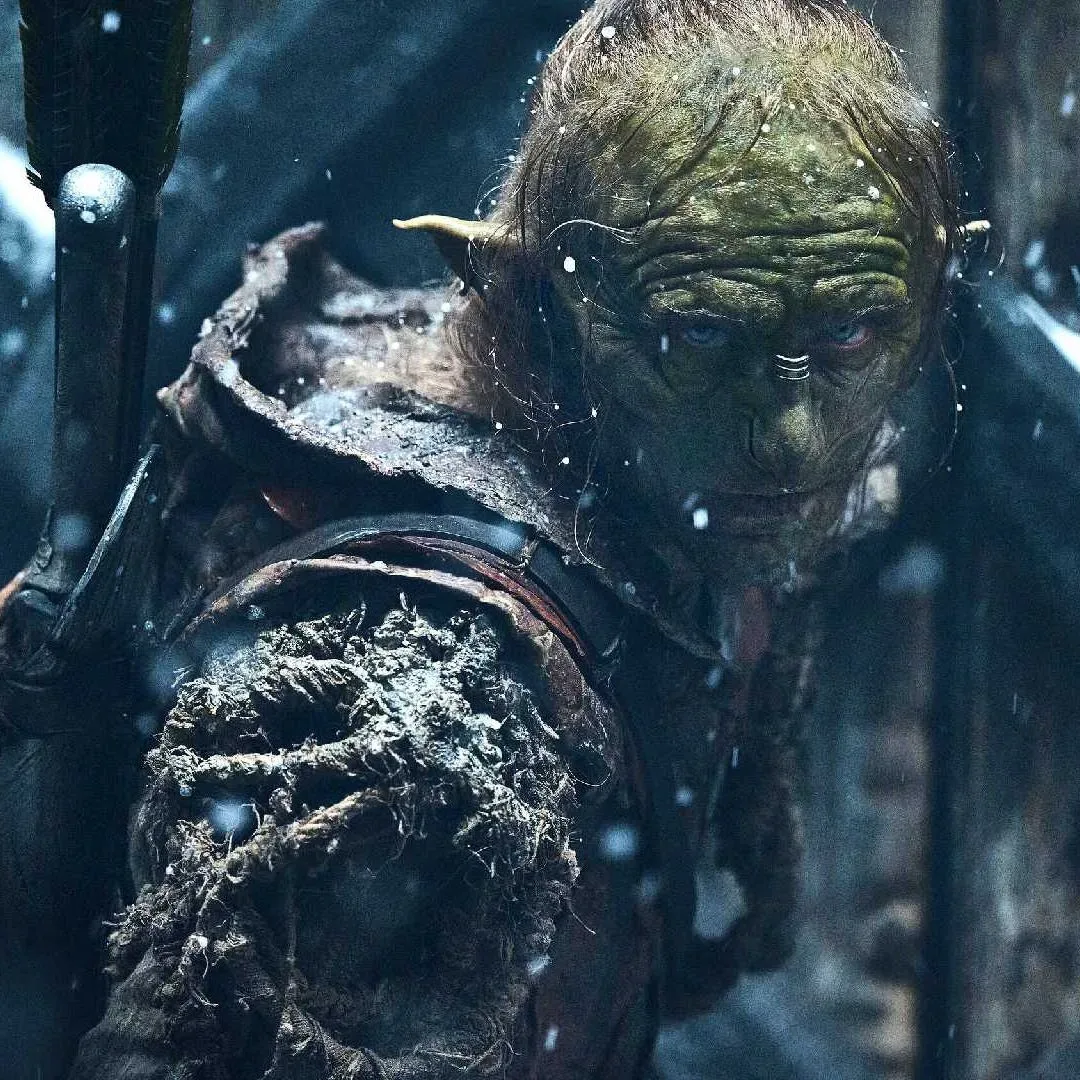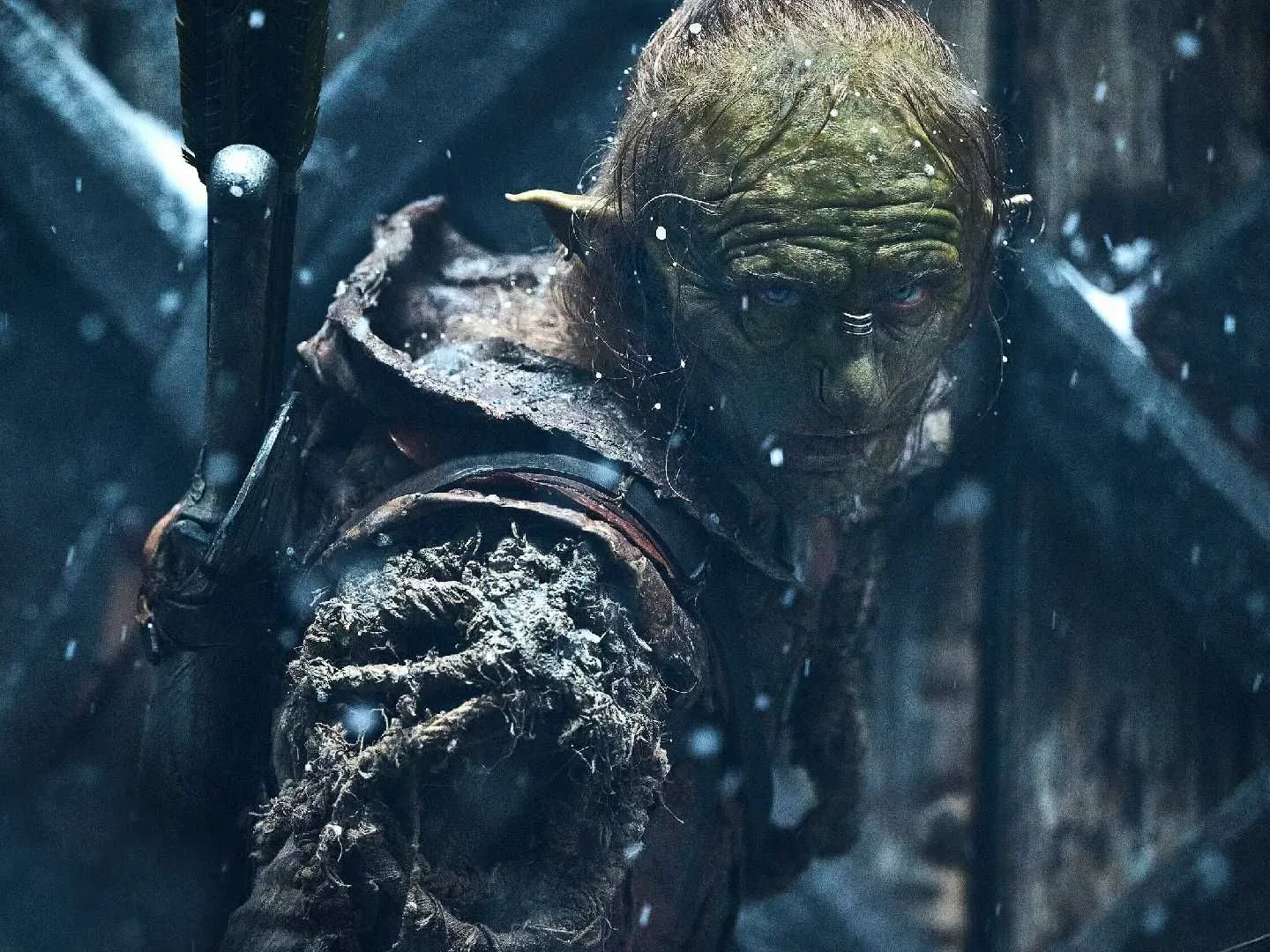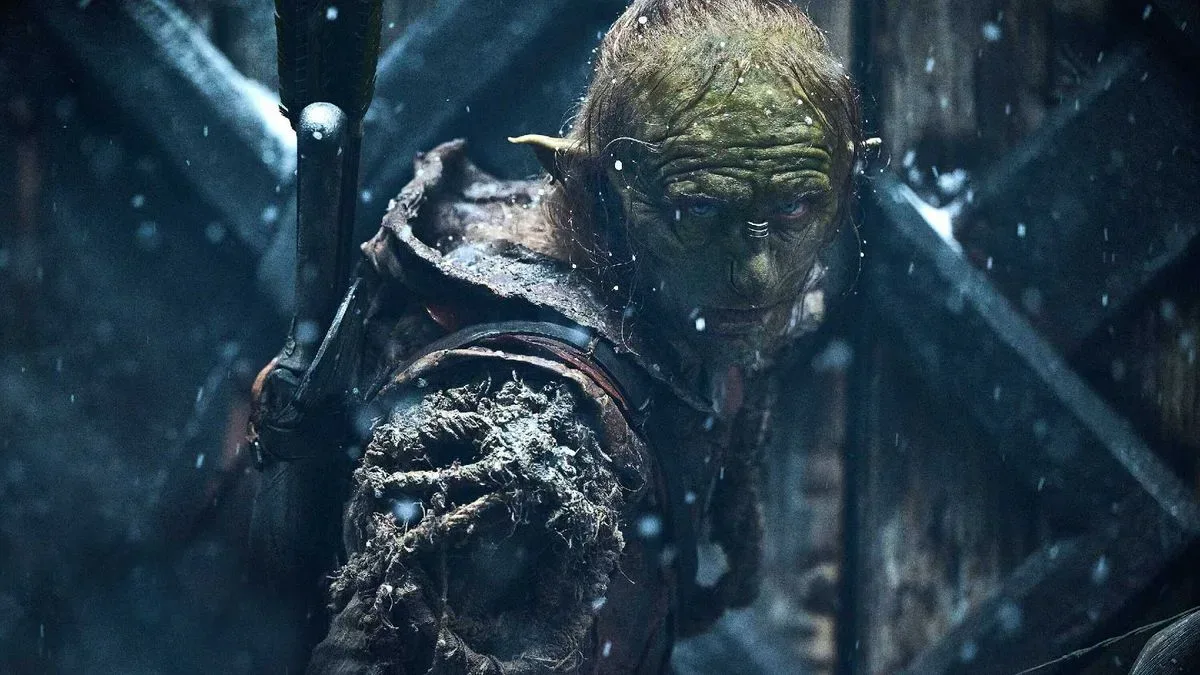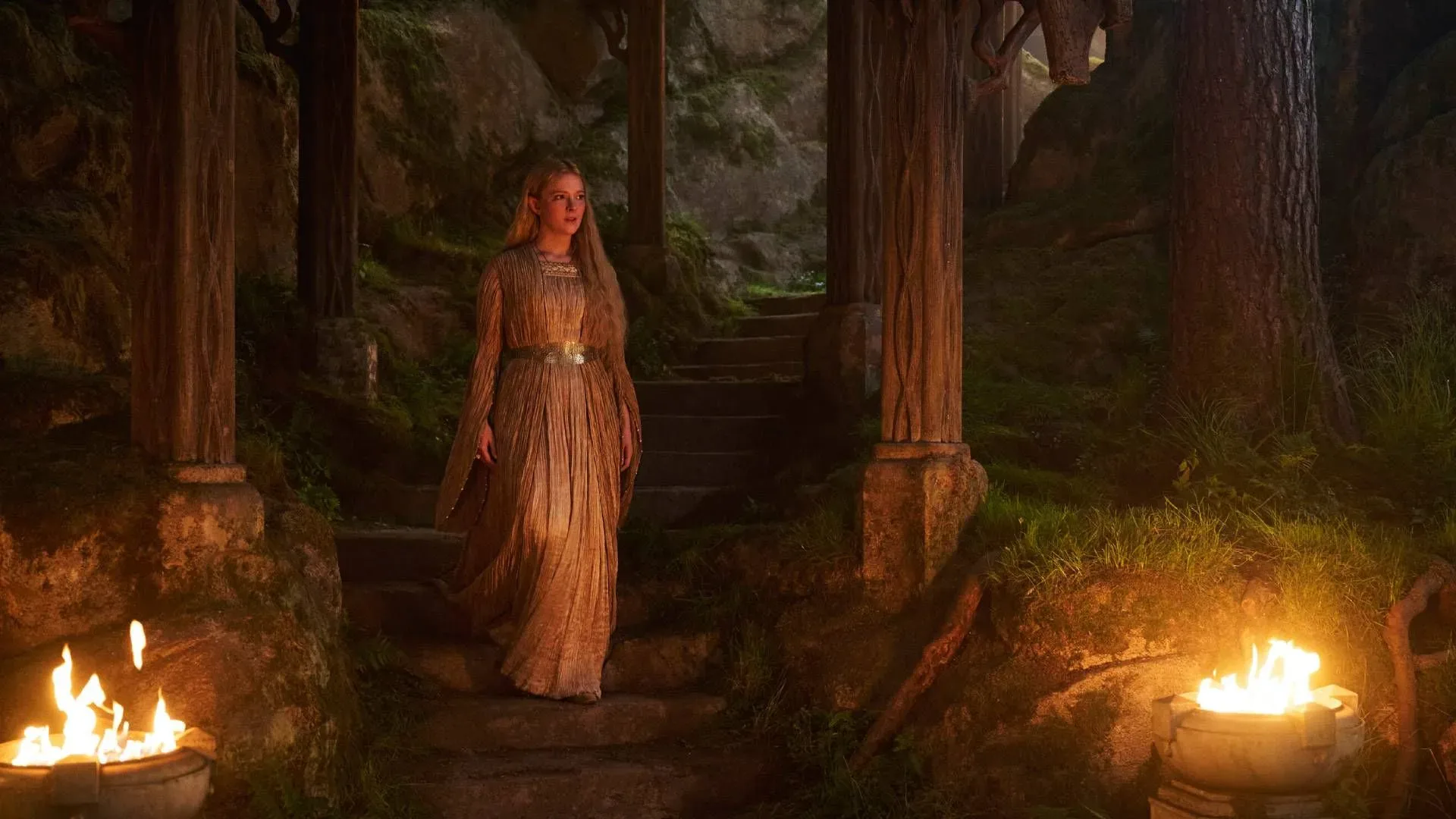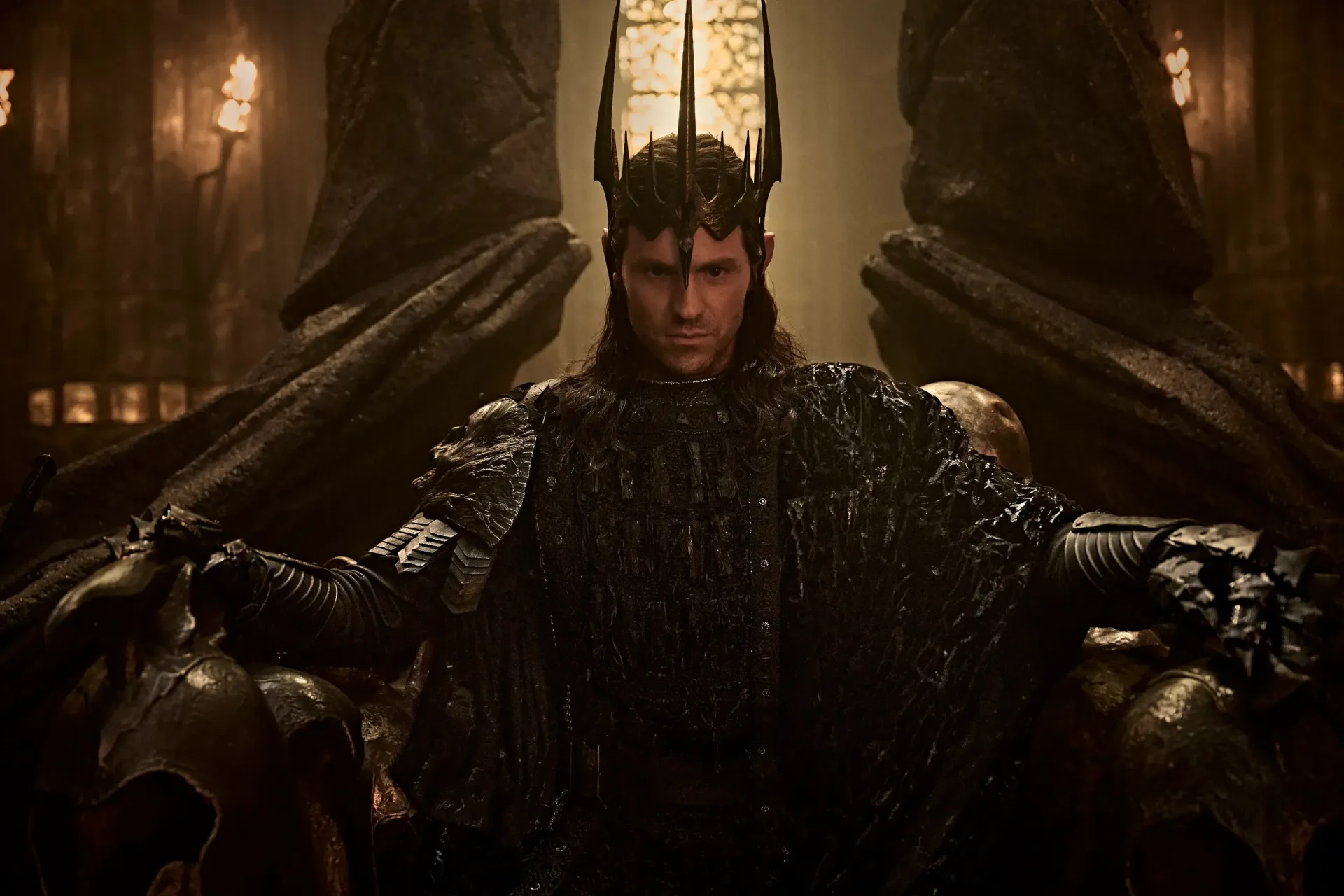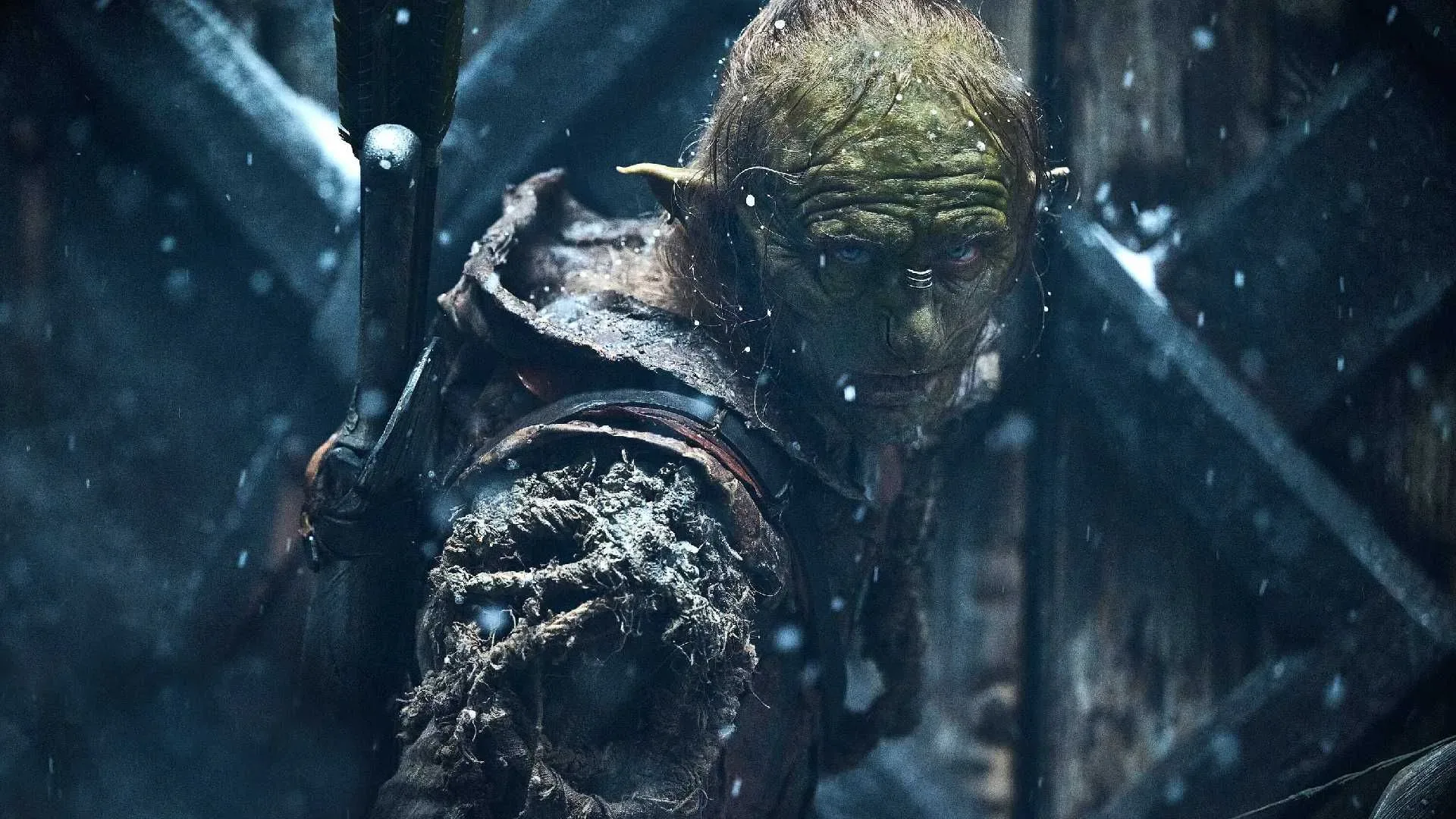
The Rings of Power season 3 is preparing to make room for a notably different kind of Middle-earth character: Marnûkh, an Orc played by Adam Young who claims to have defected from Sauron’s army. The premise is immediately suspicious by design. Marnûkh is held captive by Galadriel and Arondir, two figures with extremely good reasons not to accept an apparent change of heart at face value. Yet the season is not presenting him merely as a disposable twist or a disguised threat waiting for the obvious reveal. The creative intention, as described by director Sanaa Hamri, is for audiences to feel torn about him.
That ambiguity is the newsworthy part. Marnûkh is described as an “orc with an arc,” a phrase that signals a character journey rather than a single plot function. It also marks a substantial departure from the way Orcs have generally been handled in Tolkien-related storytelling, where they have commonly operated as forces within larger armies rather than as characters viewers are invited to understand sympathetically.
Season 3 begins streaming on Prime Video on November 11. Alongside the story’s continued focus on Sauron and the forging of the One Ring, Marnûkh’s captivity could provide a much smaller, more intimate conflict: not simply whether he is dangerous, but whether anyone in a war defined by deception can recognize sincerity when it appears.
Marnûkh’s claim creates a problem, not a clean redemption story
The known setup is straightforward but loaded with tension. Marnûkh says he has left Sauron’s forces. Galadriel and Arondir hold him prisoner. That does not establish whether his claim is true, whether it is strategic, or whether it may contain some mixture of truth and self-interest. Young has indicated that the production considered those very questions while shaping the role: what Marnûkh wants, why he is present, and whether he should be read as good or bad.
“We were working out early on what was his incentive? What’s his purpose for being here? Is he good, is he bad?” Young said.
Those questions are useful because they resist an overly neat binary. A character can oppose Sauron without instantly becoming trustworthy. Equally, a character’s former service to Sauron does not automatically settle every possible motive, fear, attachment or survival instinct. The distinction matters for Marnûkh because the people assessing him are not neutral observers. Galadriel and Arondir are likely to bring their own experiences, loyalties and losses to the encounter.
Arondir’s history with Orcs is specifically positioned as a major complication. That personal context makes the scenario more than a debate over military intelligence. If Marnûkh seeks mercy, cooperation or even just time to explain himself, Arondir may be the last person inclined to grant it. Galadriel’s position is different, but no less difficult: Sauron’s defining strength is manipulation, making a claimed defection potentially useful and potentially catastrophic.
In practical storytelling terms, that makes Marnûkh a pressure point between three questions: can he be believed, should he be believed, and what would trusting him cost if he is lying? The show need not answer all three at once for the character to work. In fact, the stated aim of making viewers conflicted suggests uncertainty may be central to the role.
What “an Orc with an arc” actually suggests
In screenwriting shorthand, a character arc is a meaningful change or progression across a story. It can involve moral growth, a shift in allegiance, a collapse of prior convictions, or a new understanding of the character’s own place in the world. An arc does not necessarily mean redemption. It also does not guarantee that a character becomes heroic. It means the character’s internal position and choices are important enough to develop over time.
For Marnûkh, the phrase carries extra weight because his starting point is tied directly to Sauron’s army. The dramatic question is not only what he does next, but what has brought him to this point. Is he fleeing? Is he bargaining? Does he want freedom, safety, revenge, absolution or something else entirely? The available details do not resolve that. They do establish that the production intends to investigate motive rather than reduce the character to a monster-of-the-week obstacle.
Hamri has said she has “a real soft spot” for Marnûkh and expects audiences to be divided over him. That is not confirmation that he is secretly noble. It is confirmation that the character is meant to generate emotional friction. Viewers may sympathize with whatever vulnerability he displays while remaining aware that this is a former member of Sauron’s force and that deception is a live possibility in the story.
That kind of tension is especially fitting for a season in which Sauron is moving toward forging the One Ring. The supplied details identify Charlie Vickers’ Sauron as a major point of praise in early reactions, but Marnûkh could offer a different angle on the Dark Lord’s influence. Rather than examining Sauron only through rulers, warriors and grand plans, the new character may show what it means for an individual Orc to be connected to his army—and, perhaps, to try to escape it.
A departure that needs careful handling
Giving an Orc a sympathetic dimension is described as a break from past depictions of the race and as something not seen in Tolkien’s work. That does not inherently mean the season is abandoning its setting’s stakes. If anything, the scenario can intensify them. A captive who might be sincere forces protagonists to choose between caution and compassion; a captive who might be manipulating them turns compassion into a vulnerability that could be exploited.
The important distinction is between sympathy and exoneration. Audiences can understand a character’s fear, coercion or desire to break away without being asked to forget his prior allegiance or excuse every action. Likewise, the protagonists can be justified in remaining cautious without the narrative treating skepticism as the only possible moral response. The strongest version of this storyline would leave room for both truths to exist at once.
It also makes Marnûkh’s conduct more important than his label. If he is simply announced as a defector and immediately accepted, the premise loses much of its dramatic charge. If every moment is treated as proof he must be a traitor, there is little space for the ambiguity Hamri and Young have described. The compelling middle ground is a character whose words, decisions and circumstances can be interpreted in more than one way until the story provides firmer answers.
Fans accustomed to tracking clues may find this setup particularly fertile ground for discussion, though speculation should remain separate from confirmed details. Pop-culture stories often create momentum by turning uncertain motives into a puzzle; the difference between solid character reporting and a theory-driven reading is worth keeping in mind, as with this Clayface character theory. For Marnûkh, the confirmed material is limited but clear: he claims to have defected, he is in Galadriel and Arondir’s custody, and the season wants viewers to question their judgment of him.
Adam Young entered Middle-earth as a Tolkien newcomer
Young has said he had not previously read Tolkien’s books before joining the season. He then immersed himself in the material, including The Silmarillion, and in the language and lore surrounding the world. His description of that preparation emphasizes the scale of the material rather than any claim of having found a definitive answer to Marnûkh’s morality.
“I’d actually never read the books and so I just [threw] myself into the Tolkien world and Silmarillion and all of that,” Young said. “It was really nice to just have a bit of time to actually jump into that and the language and the lore. It’s huge.”
That background is relevant to the role because Marnûkh is being introduced as an original dramatic proposition rather than a familiar figure whose path is already fixed in the supplied material. Young’s task is not merely to reproduce a well-known reading of an established character. It is to make an unfamiliar figure feel grounded enough that viewers can engage with his uncertainty rather than see him only as a mechanism for delivering a surprise.
The reference to language and lore also underscores why a role like this can be deceptively demanding. In a setting with deeply developed history and terminology, a performer must sell a character’s immediate human—or, in this case, Orcish—reality while functioning within a much bigger conflict. Marnûkh needs to register as someone with a specific incentive, not just an emblem of a broader faction.
Why Galadriel and Arondir are the right characters for this conflict
Captivity is an inherently unequal situation, so the scene structure already puts Marnûkh at a disadvantage. But it also puts responsibility on his captors. Galadriel and Arondir are not only deciding whether a prisoner has useful information. They are deciding what kind of response is warranted when an enemy says he no longer belongs to the enemy.
Arondir’s “grisly history” with Orcs gives the conflict a personal edge that cannot be solved with an abstract argument. The prospect of accepting Marnûkh’s story may feel offensive or dangerous to someone whose experience has taught him what Orcs can do. Galadriel, meanwhile, has reason to see Sauron’s influence and strategic misdirection everywhere. Their doubts should not be mistaken for irrationality; the circumstances invite them.
At the same time, a story that wants its audience to feel conflicted must give Marnûkh more than a claim of innocence. Whether that takes the form of a consistent action, a revealing choice, a contradiction, or another development remains unknown. What is known is that the writers and performers are framing the character around incentive and purpose. That is a promising foundation for a plotline where trust itself becomes the contested terrain.
What is confirmed for season 3
- Adam Young plays Marnûkh, an Orc who says he has defected from Sauron’s army.
- Galadriel and Arondir hold Marnûkh captive.
- Arondir’s past with Orcs is expected to affect the encounter.
- Director Sanaa Hamri has said viewers will likely be divided over Marnûkh.
- The character is being framed as an Orc with a developed narrative arc, rather than only a surprise reveal.
- Season 3 begins streaming on Prime Video on November 11.
Early reactions have characterized season 3 as a strong entry for the series, with particular attention directed toward Vickers’ Sauron and the One Ring storyline. Marnûkh will not replace that central threat. Instead, he appears positioned to complicate it at ground level: a prisoner who may be evidence of Sauron’s reach, an instrument of his plans, or an unsettling indication that even those within his armies can have motives that do not fit neatly into the roles others assign them.