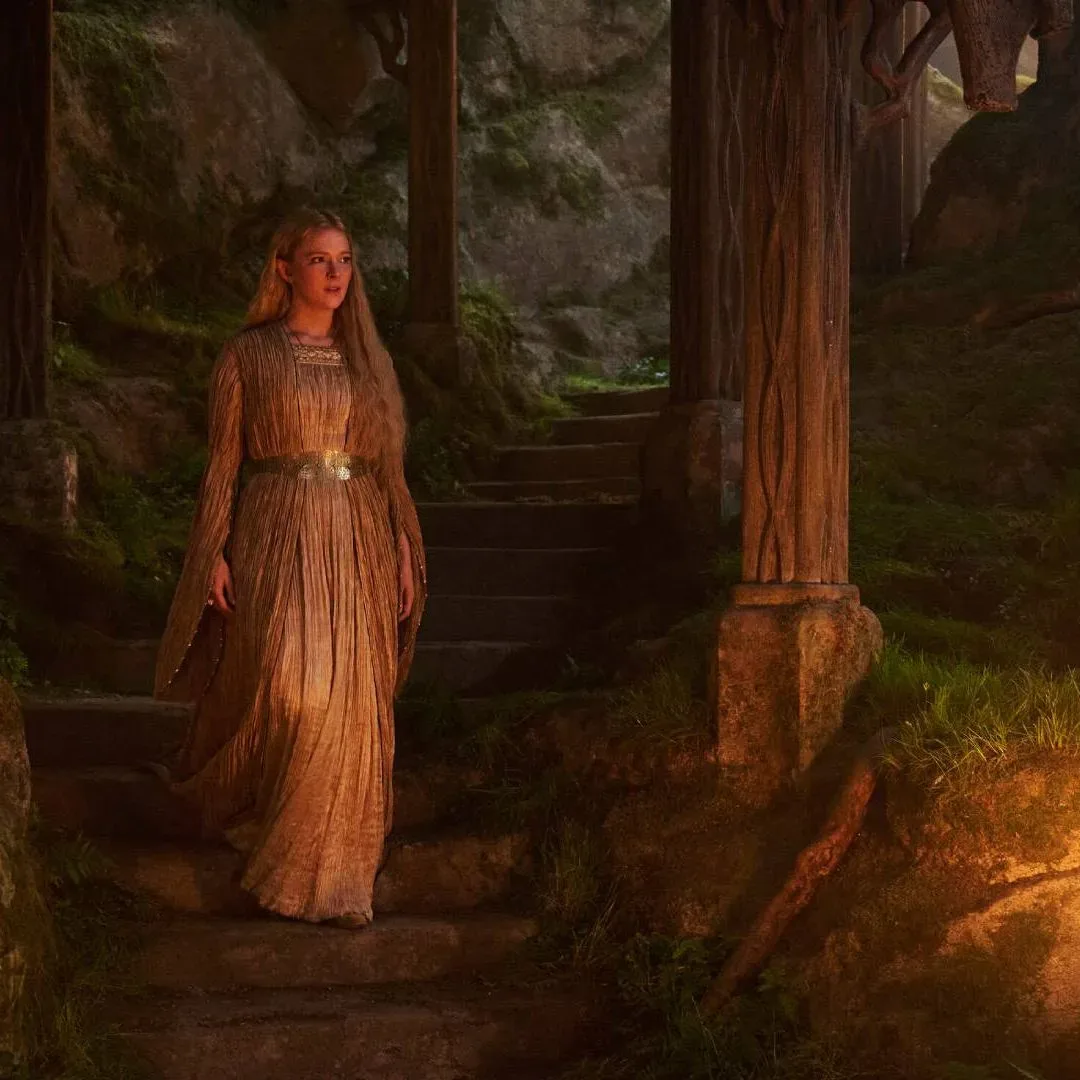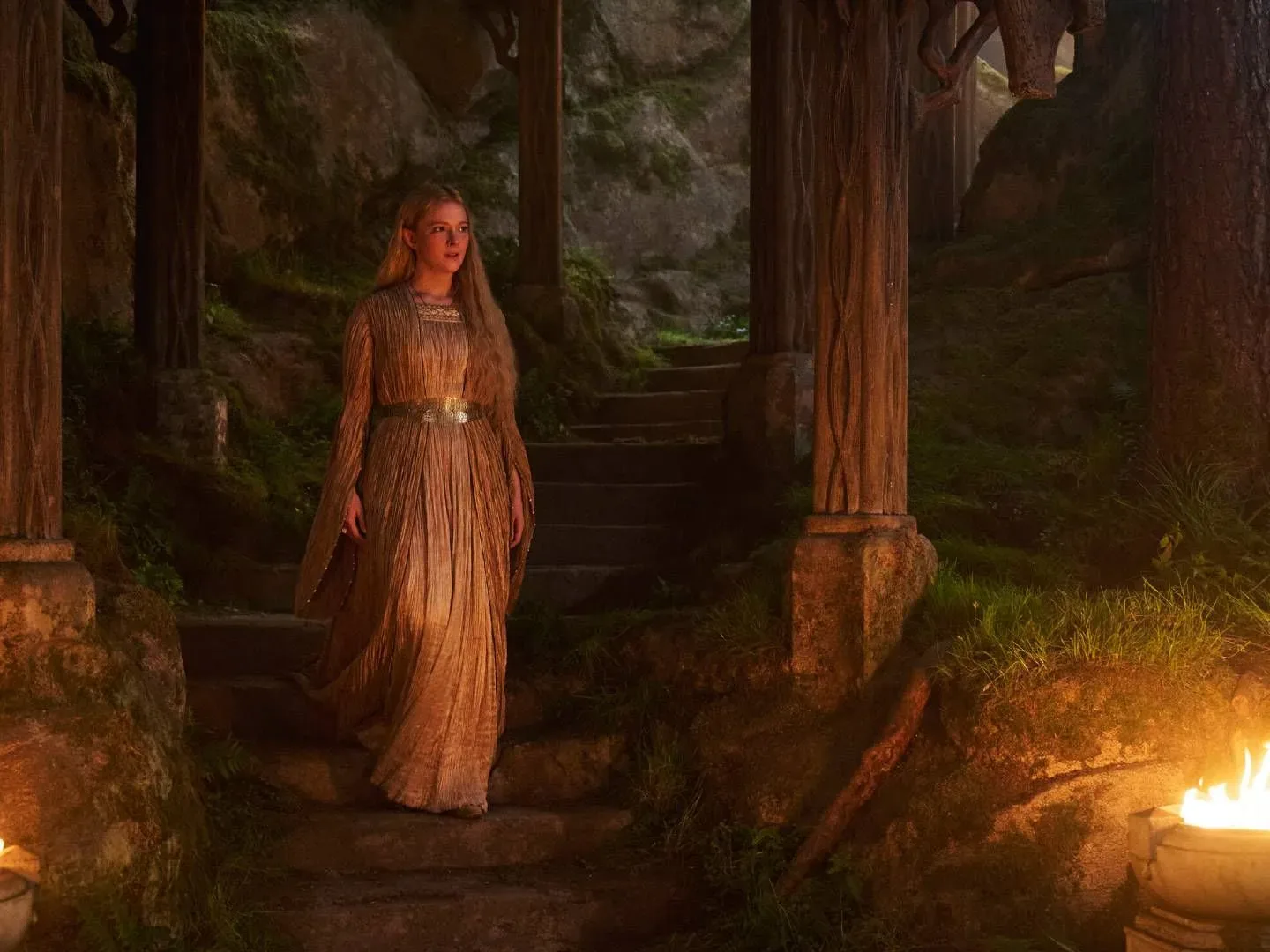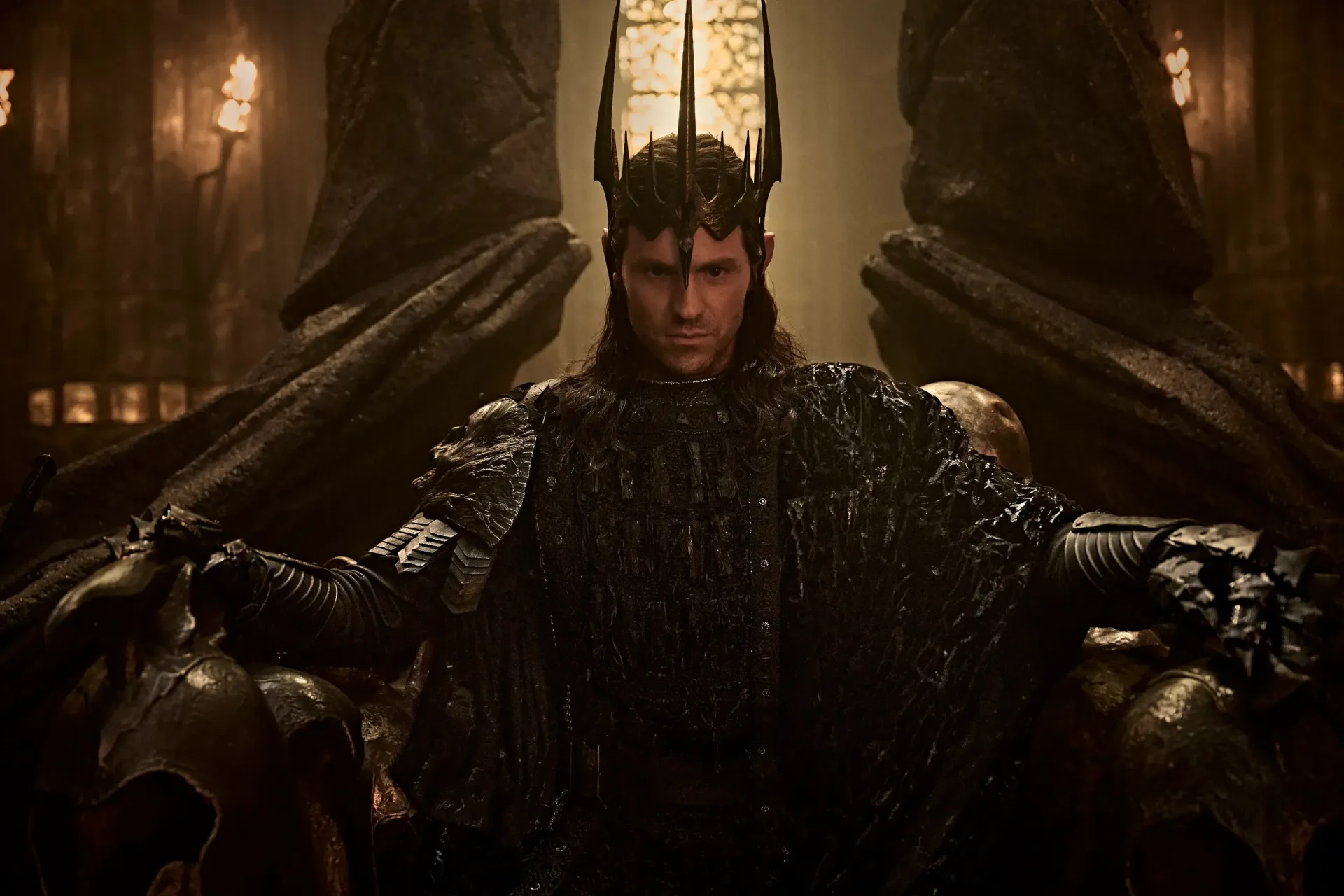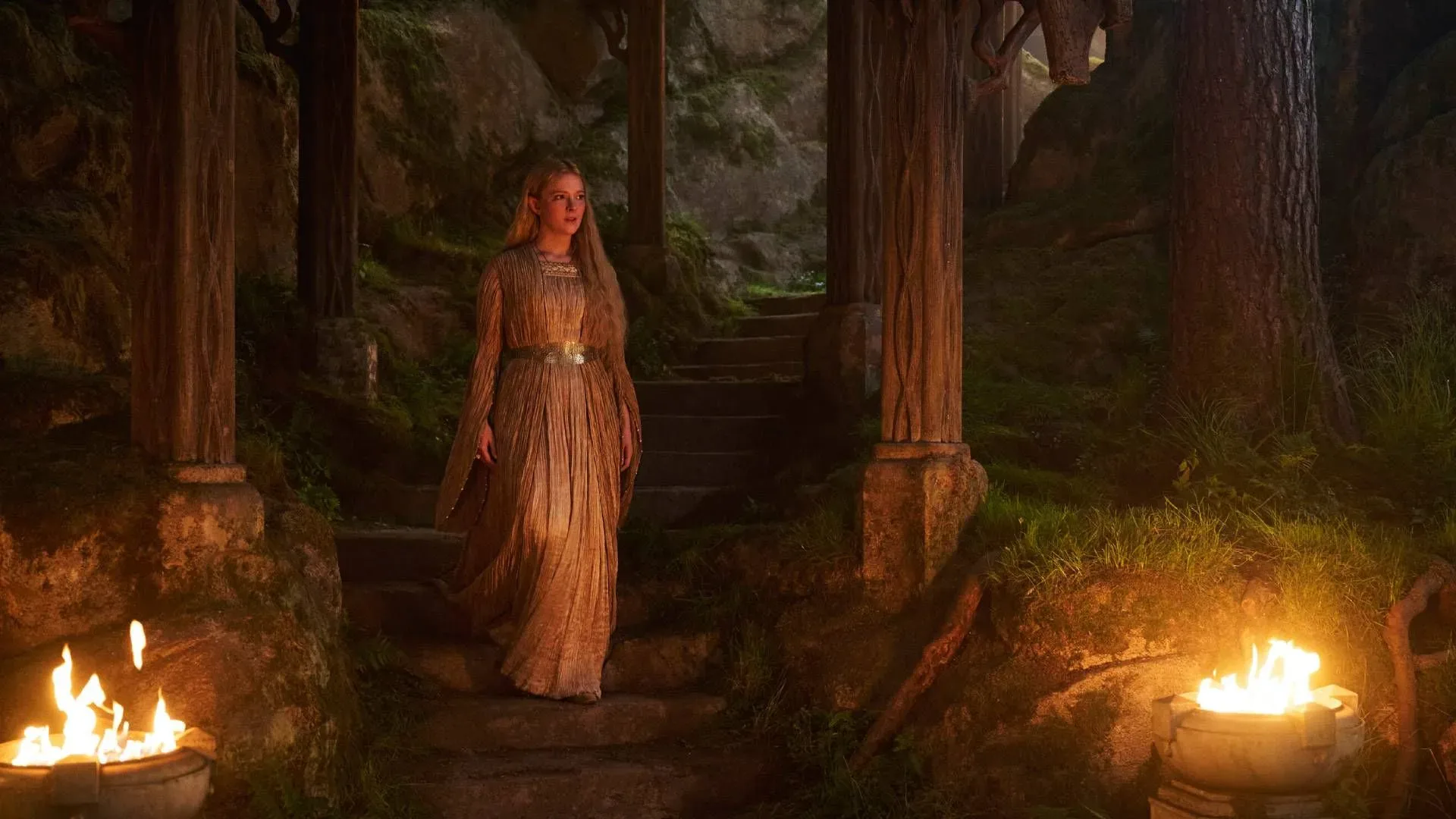
The Lord of the Rings: The Rings of Power season 3 is approaching with an encouraging first wave of reactions. Viewers who have seen the opening one or two episodes describe a return to Middle-earth with increased scale, mounting stakes and a particularly potent villain at its center. The most consistent point of praise is Charlie Vickers’ performance as Sauron.
Those early impressions are not a full-season verdict, and they should be read with that limitation in mind. They do, however, establish a clear expectation for the next chapter: season 3 is entering its conflict more directly, with Sauron’s campaign against the Elves no longer confined to manipulation and preparation.
The new season begins on Prime Video on November 11.
A five-year leap puts Middle-earth into open conflict
Season 3 is set five years after the previous season. That time jump matters because it moves the story to the height of the war between Sauron and the Elves, rather than treating the threat as a distant possibility. Sauron is expanding his influence from Barad-dûr, while pursuing the knowledge needed to forge the One Ring.
In practical storytelling terms, a time skip can do two useful things. It can show the consequences of decisions already made without spending episodes on every intermediate step, and it can place characters into a changed political and military landscape immediately. Here, the stated premise suggests both approaches: darkness has expanded, the Elves are under pressure, and the peoples opposed to Sauron must contend with a crisis that has advanced in their absence.
The opposing coalition includes Elves, Dwarves, Men and Wizards. That grouping points to an ensemble conflict rather than a storyline limited to one realm. It also raises the potential for the season’s “scale” to mean more than large sets or battles. Scale can be narrative: multiple groups with different interests confronting the same widening danger, while each faces its own choices about trust, resistance and survival.
Why the One Ring is the key objective
The season’s premise specifically identifies Sauron’s hunt for the secret of forging the One Ring. That objective gives the larger war a focused dramatic engine. The One Ring is not merely a famous artifact waiting to appear; within this stage of the story, the search for the means to create it is central to Sauron’s growing power and the danger facing everyone resisting him.
For viewers, that framing gives season 3 a useful sense of direction. A conflict can feel enormous while still needing a tangible goal that connects its plotlines. Sauron’s effort to uncover the forging secret provides that goal, while the Elves and their allies are positioned as the force trying to prevent the darkness from becoming irreversible.
It also helps explain why early reactions emphasize heightened stakes. A villain extending his reach from a stronghold is one threat. A villain doing so while seeking the method to forge a decisive instrument of power creates a more urgent countdown, even when the exact route the season takes remains undisclosed.
Early viewers keep returning to Charlie Vickers’ villain
Reaction posts have repeatedly highlighted Vickers as Sauron, portraying his performance as commanding, sinister and a standout in the opening episodes. The attention is notable because the season’s premise puts Sauron closer to the center of the action: he is no longer simply an abstract source of looming danger but an active force expanding power, directing a war and seeking the means to complete a crucial ambition.
A compelling antagonist is especially important in a sprawling fantasy series. The more factions, locations and story threads a show has, the more it benefits from a clear dramatic presence tying pressure across those threads together. The early response suggests Vickers’ Sauron may provide precisely that connective force, pairing the character’s strategic role with a performance that makes his menace feel immediate.
That does not reveal how much screen time Sauron has, nor does it settle whether every storyline will land equally well. But it does indicate that viewers with early access saw an antagonist whose presence registered strongly even amid the season’s broader spectacle.
What “epic” means in these first impressions
Several reactions characterize the opening as grand, breathtaking and more captivating than prior installments. “Epic” is an imprecise word, especially in fantasy, so it is worth separating what the early feedback actually supports from what it does not.
The supported picture is of a season that begins with substantial dramatic scale and a war-driven premise. The five-year jump, Barad-dûr’s importance, an alliance of free peoples, and Sauron’s search for the One Ring’s forging secret all supply a foundation for a larger conflict. Early viewers also believe the first episodes build on the series’ previous seasons rather than resetting the story.
What remains unknown is the shape of the whole season: its episode count, how individual arcs develop, where its conflicts lead and whether the initial momentum continues beyond the episodes shown to early viewers. That distinction is important. First reactions are useful signals of tone and opening execution, but they are not a substitute for a complete critical assessment.
What fans should reasonably expect on November 11
The clearest expectation is a more advanced stage of the Second Age conflict. Season 3 begins after time has passed, and the story is explicitly positioned at the height of war between Sauron and the Elves. The Elves will not stand alone: Dwarves, Men and Wizards are named among the remaining free peoples confronting the expanding darkness.
- A changed status quo: Five years separate the new season from the preceding one.
- A war-focused story: The confrontation between Sauron and the Elves is now central.
- A concrete villainous objective: Sauron seeks the secret required to forge the One Ring.
- A broader resistance: Elves, Dwarves, Men and Wizards are involved in the struggle.
- A prominent Sauron performance: Vickers is the most frequently praised element of the early response.
The first-reaction consensus is enthusiastic, with some viewers suggesting the opening episodes represent an improvement on what came before. That is a promising start, especially for a season built around the consequences of Sauron’s ascent. Whether it becomes the series’ strongest season will depend on the episodes still unseen, but its opening has evidently made an impression.
For additional season 3 context, including a new Orc character and the uncertainty surrounding his loyalties, see our look at Marnûkh’s complicated allegiance.