Warning: This article discusses major plot details from Clayface.
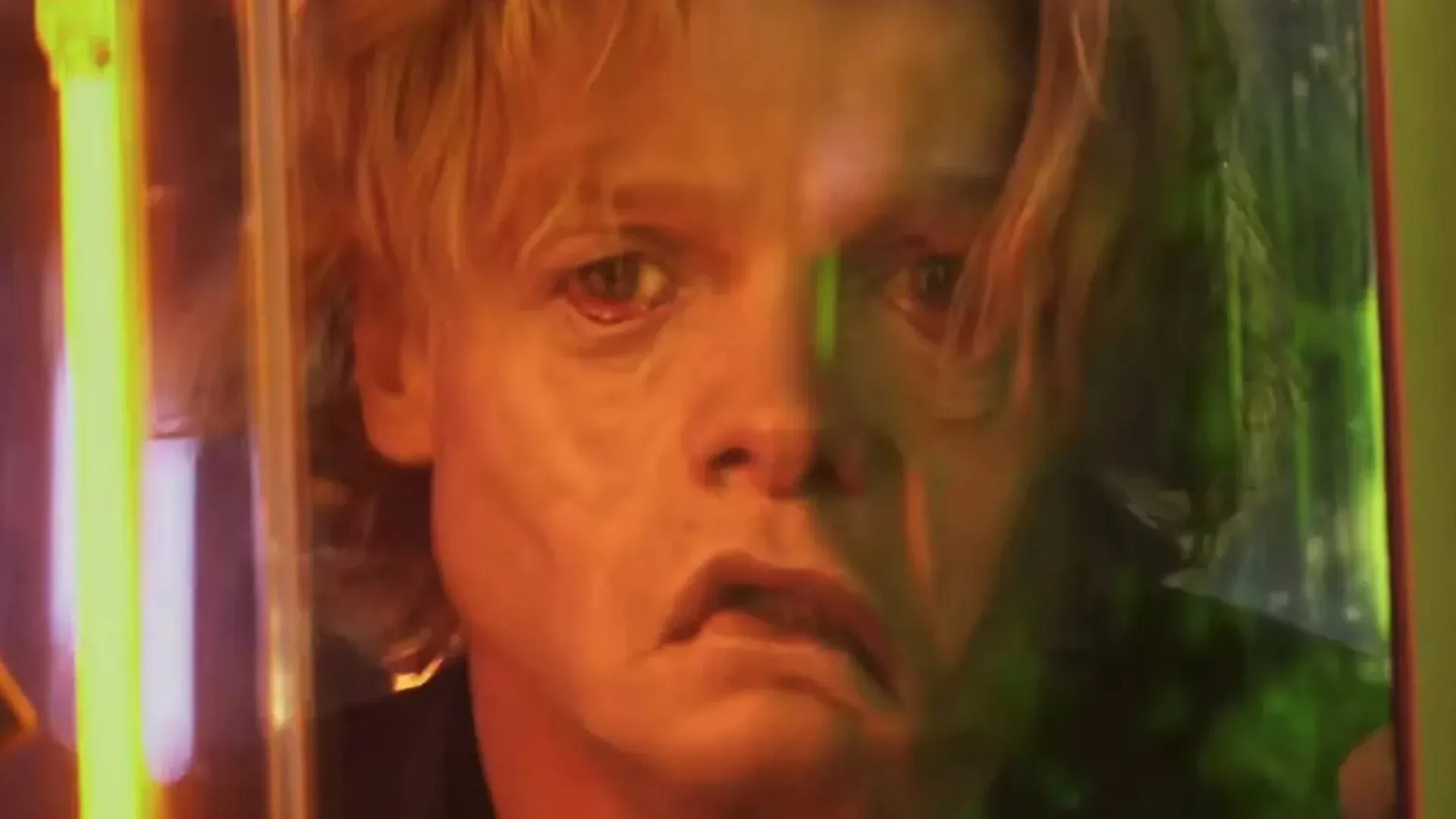
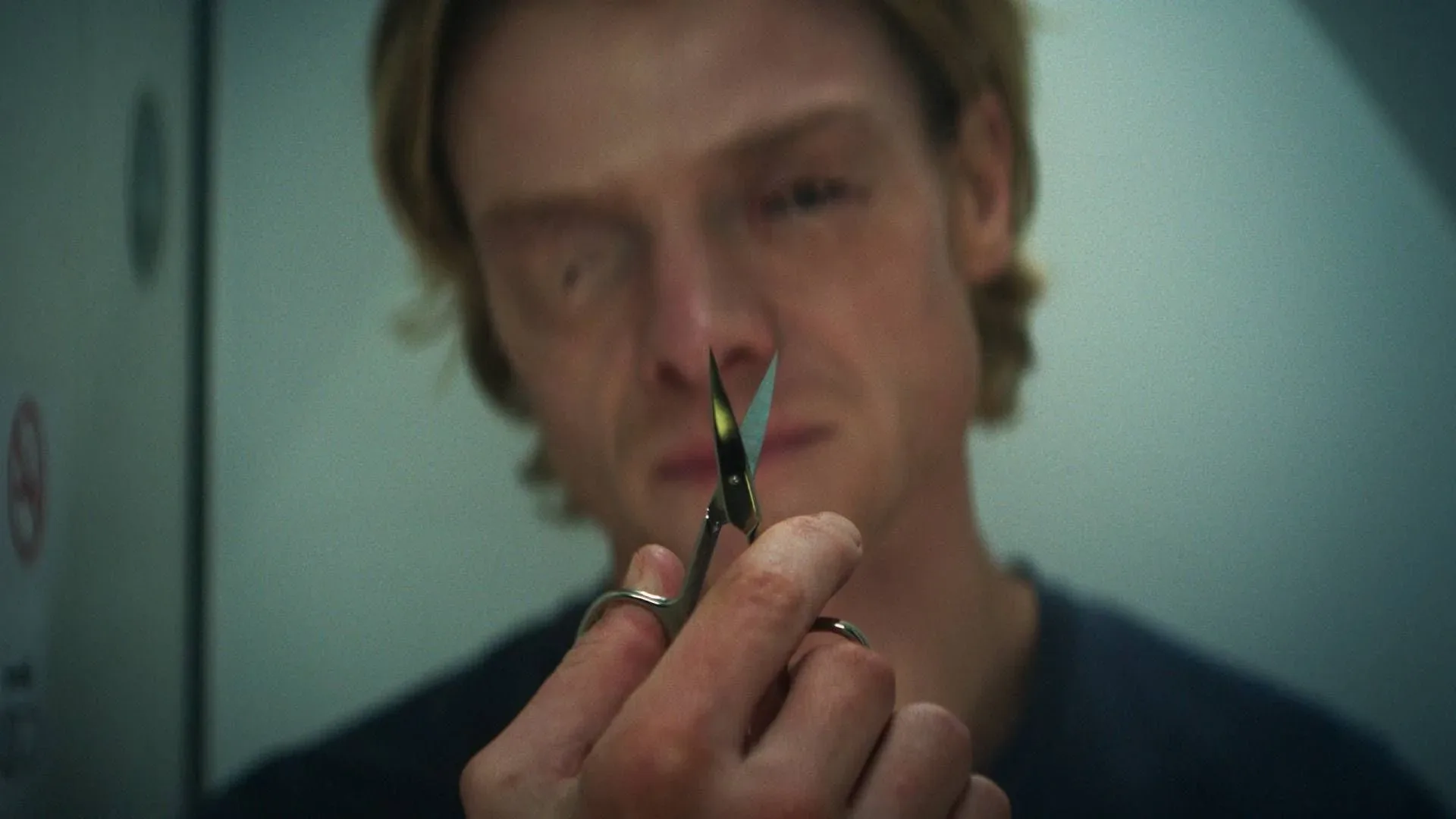
A particularly unsettling reading of Clayface asks whether Matt Hagen’s growing fixation on Dr. Caitlyn Corr is fully his own. The theory centers on the experimental treatment that saves Matt after a gangster leaves him horrifically disfigured, while also giving him grotesque shapeshifting abilities.
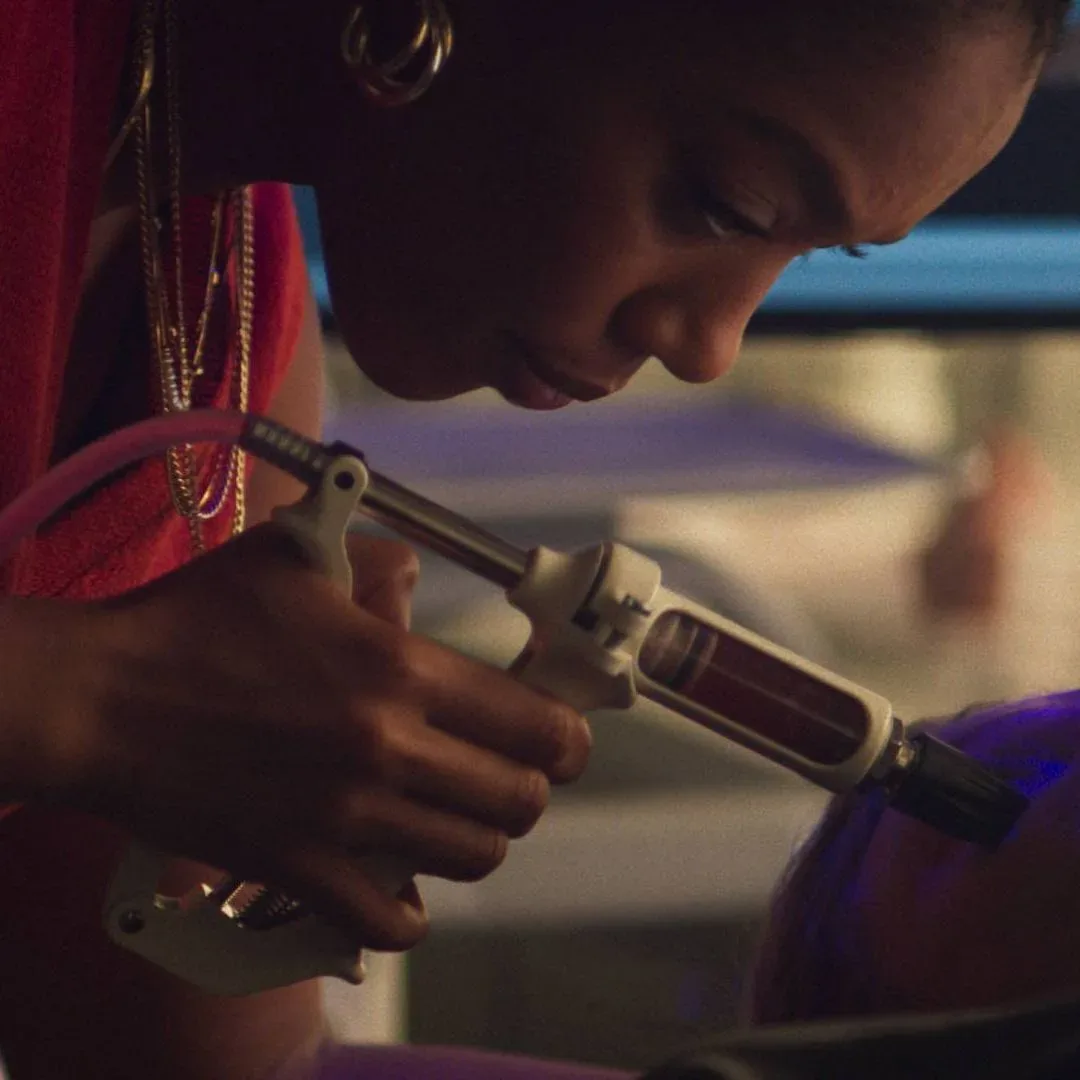
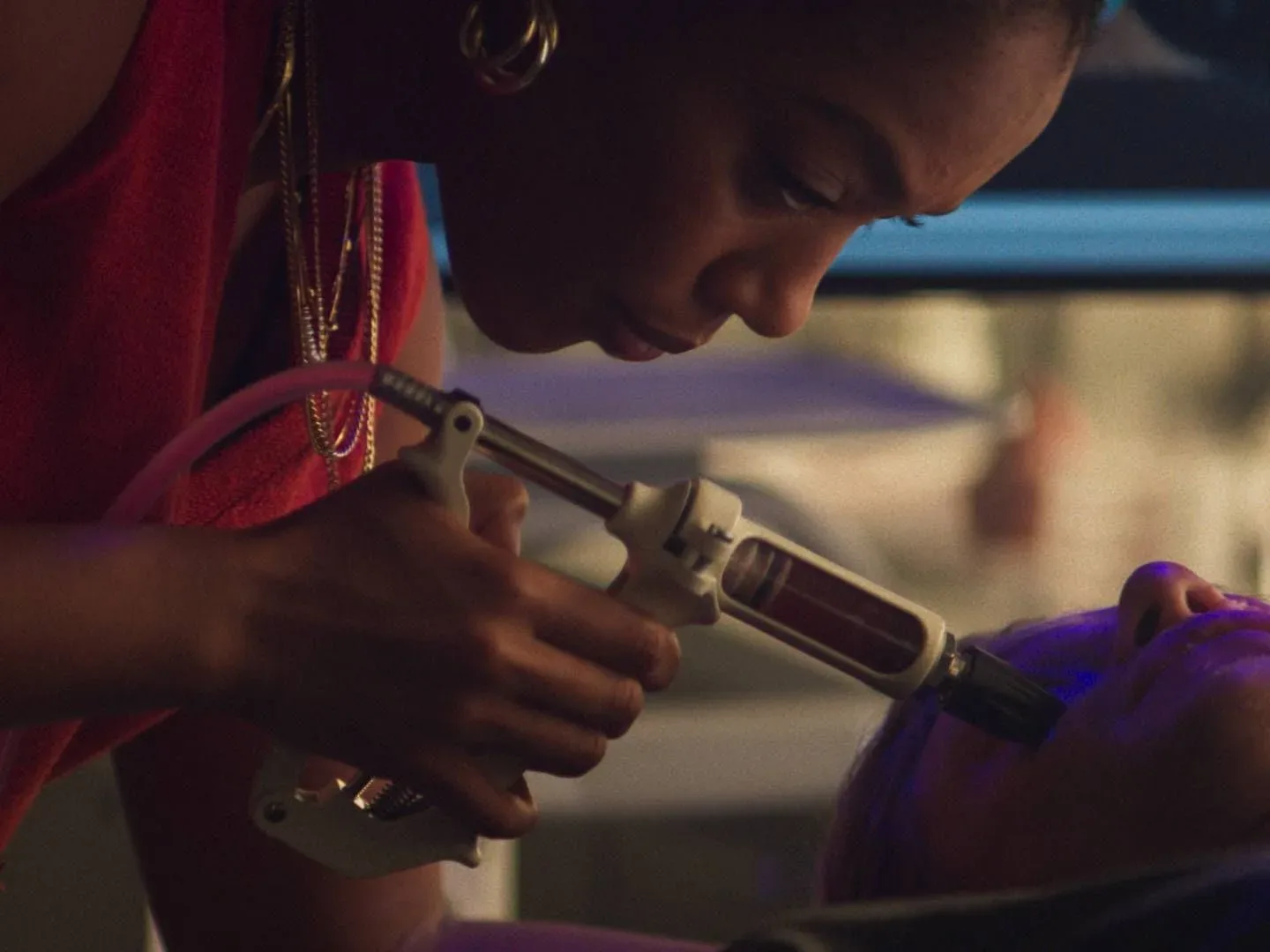
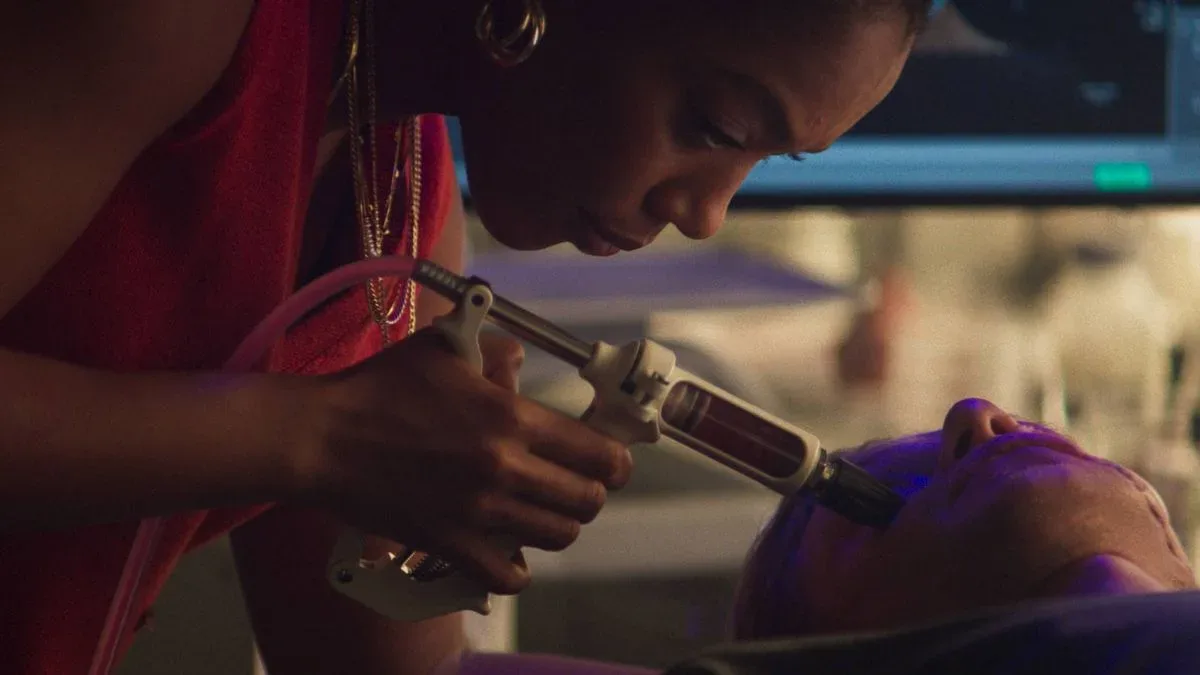
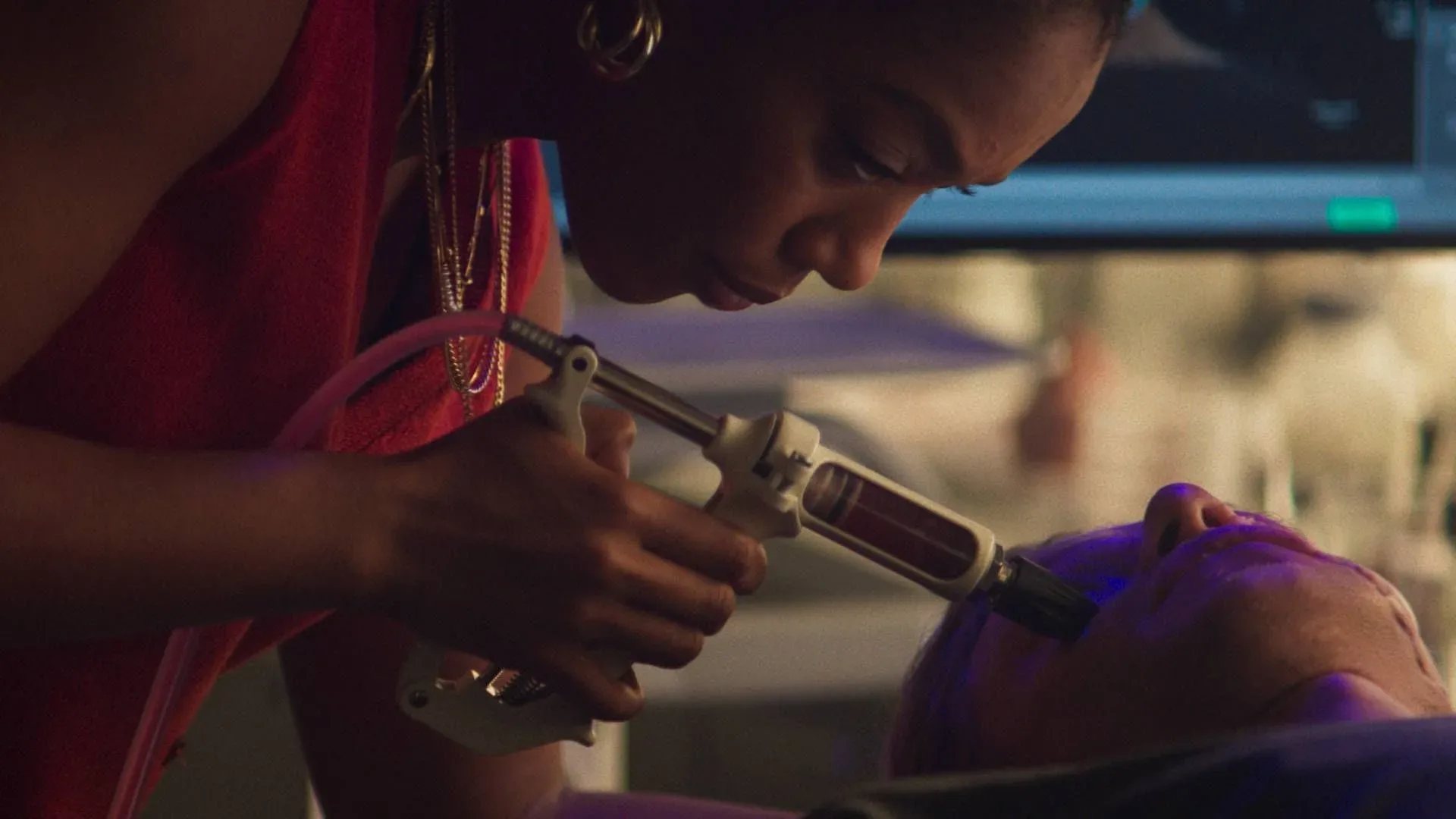
Caitlyn’s treatment does not arrive as a clean, impersonal cure. She developed it after experimenting with her own DNA, and that detail has become the basis for fan speculation about Matt’s increasingly erratic behavior and his attachment to the doctor. If the nanites that repair and reshape him were conditioned by Caitlyn’s DNA before Matt received the treatment, the argument goes, they may recognize her as a foundational biological template.
That possibility gives a more disturbing interpretation to Matt’s obsession: perhaps the technological component of his transformed body is pulling him toward Caitlyn, rather than the connection representing ordinary romantic feeling. It is a creepy proposition, and one that would complicate the tragedy at the center of the film. But it is important to separate what the movie establishes from what the theory extrapolates.
For more context, explore Top 10 Nintendo Wii Fighting Games Ranked by Combat Variety, Control Options and Multiplayer Identity.
The theory: Caitlyn may be the nanites’ original reference point
The core idea is straightforward. Caitlyn had used her own DNA while working on the nanites before Matt ever came to her for help. The treatment subsequently heals his wounds and gives him the capacity to alter his form. As Matt becomes more consumed by revenge, he also becomes increasingly preoccupied with Caitlyn.
Fans proposing the theory connect those two facts. If the nanites had repeatedly interacted with Caitlyn’s genetic material during development, they could have been primed to identify her as an “original template.” In that reading, Matt’s body does not simply use the technology for recovery and shapeshifting. It may also have an embedded impulse to return to, seek out, or respond to Caitlyn.
Nanites, in the film’s sci-fi framing, are extremely small technological agents involved in the treatment. Their demonstrated function is bodily: they heal Matt and enable his transformations. The fan theory goes beyond that stated function by suggesting they also influence his emotional or behavioral responses. The film details the treatment’s DNA connection, but the idea that it biologically programs Matt’s desire is an interpretation rather than a confirmed plot point.
Still, the theory is compelling because it takes a specific piece of exposition—Caitlyn’s use of her own DNA—and applies it to a character pattern the audience can see. Matt’s fixation does not appear in a vacuum. It develops alongside a transformation that is both physical and psychologically destabilizing.
Why the idea makes Caitlyn’s role darker
At face value, Caitlyn is responsible for a treatment intended to help an injured man. Matt’s wounds are healed, but the result is not a return to normal life. He becomes Clayface, a person whose body can reshape itself in grotesque ways and whose path moves further into violence.
The fan interpretation makes the consequences of Caitlyn’s research more personal. If her DNA is doing more than providing a development ingredient—if it has effectively directed the nanites to regard her as familiar, necessary, or desirable—then the treatment may have entangled Matt with its creator in a way neither of them intended.
That would add a layer of tragic irony to Matt’s arc. Caitlyn would not merely have supplied the means by which he survives and changes. She may have inadvertently created a system that keeps drawing the transformed man back to her, even as his choices make him more dangerous.
It also reframes scenes or moments in which Matt heals, changes shape, or reacts to Caitlyn. A viewer following the theory could ask whether every response comes from Matt alone, or whether the nanites’ behavior has become inseparable from his own. That is an effective horror question because it turns a life-saving treatment into a possible source of unwanted compulsion.
What the film clearly establishes—and what it does not
The known pieces of the story support the theory’s starting point but not necessarily its conclusion:
- Matt is severely disfigured after an attack by a gangster.
- Dr. Caitlyn Corr gives him an experimental treatment.
- The treatment heals him and gives him shapeshifting powers.
- Caitlyn’s work involved experimentation with her own DNA.
- Matt becomes more fixated on Caitlyn as he falls deeper into villainy.
- He pursues a brutal campaign of revenge.
What remains unconfirmed is the causal leap between Caitlyn’s DNA and Matt’s feelings. The theory proposes that the nanites are “attracted” to Caitlyn and are effectively driving him toward her. That is a possible explanation for his conduct, but it is not the only one offered by the events described in the film.
Matt has suffered catastrophic physical harm. He has received a radical treatment that changes what his body can do. He is angry, traumatized, and focused on vengeance. Any or all of those circumstances could help explain why he becomes volatile and why his relationship to Caitlyn grows unhealthy. The film’s setup is intentionally fertile ground for arguments about how much of Clayface is man, monster, or malfunction.
Agency is the major objection to the nanite reading
The strongest challenge to the theory is Matt’s agency. His ultimate collapse is not presented solely as an accident of biology or engineering. He makes the decision to pursue bloody revenge rather than attempt a fresh start after his treatment.
That distinction matters. A story can portray a character as changed, tempted, or impaired without removing responsibility for the decisions they make. Even if the nanites amplify Matt’s fixation on Caitlyn, they would not automatically explain every violent choice in his revenge quest. The source of an impulse and the choice to act on it are not necessarily the same thing.
This is where the theory becomes more useful as character analysis than as a complete answer. It can explain why Matt’s attachment might feel unusually intense or irrational, while still leaving his moral downfall in his hands. The treatment may be a catalyst; Matt’s own flaws may determine what he does with the new life and power it gives him.
There is also a darker alternative: Matt may be seeking Caitlyn because she represents both his salvation and his transformation. She is connected to the moment when he was healed, but also to the creation of the condition that turns him into Clayface. That does not require nanites to overwrite his feelings. It requires only a damaged man attaching himself to the person most closely tied to his rebirth.
A body-horror interpretation, not a definitive diagnosis
The appeal of the theory is that it deepens the body-horror element of the premise. Matt’s shapeshifting is not simply a superpower with a frightening visual effect. Under this reading, his altered body might possess impulses that compete with his conscious self. His ability to become something else would come paired with the fear that he is no longer entirely the person he was.
Body horror is useful shorthand here: horror built around the loss of control over one’s physical form, or the discovery that the body has become alien, unstable, or dangerous. Matt’s healing comes at precisely that kind of cost. His wounds are repaired, yet his body is altered so profoundly that it enables both monstrosity and violence.
Adding Caitlyn’s DNA to that equation makes the idea more intimate. The transformation would not only make Matt physically unstable; it might anchor part of him to the scientist responsible for the treatment. That is why the fan theory lands as more than a routine attempt to decode a character’s crush. It imagines an involuntary bond built into the mechanism that keeps him alive.
What to watch for in the film’s tragedy
For viewers revisiting Clayface, the productive question is not necessarily whether the theory can be proven. It is whether Matt’s behavior is framed as a simple progression from victim to villain, or as a collision between a damaged person, experimental science, and power he cannot safely contain.
Pay attention to the overlap between Matt’s physical recovery, his transformations, and his interactions with Caitlyn. The theory invites audiences to view those beats through a different lens: not as separate threads of the plot, but as potentially linked consequences of the same experiment.
At the same time, Matt’s revenge remains central. The film’s tragic force is weakened if every terrible decision can be assigned to rogue nanites. The more balanced reading is that the treatment may have made his emotional state stranger, more intense, and perhaps less controllable, while his pursuit of violence remains a choice he continues to make.
That unresolved tension is what gives the theory its staying power. If Caitlyn’s DNA did influence the nanites’ response to her, then she may have accidentally helped create a monster that cannot stop returning to its maker. If not, Matt’s fixation is still a grim reflection of a man who mistakes survival and transformation for permission to become something worse.