Mild spoilers for Clayface follow.
Some of the most revealing moments in a superhero horror story are not the scenes where a character first discovers what they can do. They are the scenes where they decide they like doing it. Director James Watkins has said the late-film sequence at Markos Szabo’s Vesuvius club was added relatively late in development, giving Clayface protagonist Matt a more substantial route to his confrontation with the mobster—and a chance to embrace the unnerving pleasure of shapeshifting.
The sequence was not part of Mike Flanagan’s initial screenplay, Watkins said. His aim was to expand Matt’s trip upstairs toward Szabo into something with layers of resistance rather than a simple march to the final confrontation. Watkins framed the underlying structure through old-fashioned siege storytelling: before the hero reaches the central objective, they must get past the defenses surrounding it.
That is a useful lens for what the Vesuvius material is doing. The scene does not merely delay Matt’s meeting with Szabo. It turns the club into a gauntlet and makes the journey itself dramatically meaningful. Matt has to move through the spaces controlled by Szabo and his people, transforming the environment from a mobster’s safe ground into a place where nobody can be entirely sure who is standing in front of them.
Why the Vesuvius sequence matters to Matt’s arc
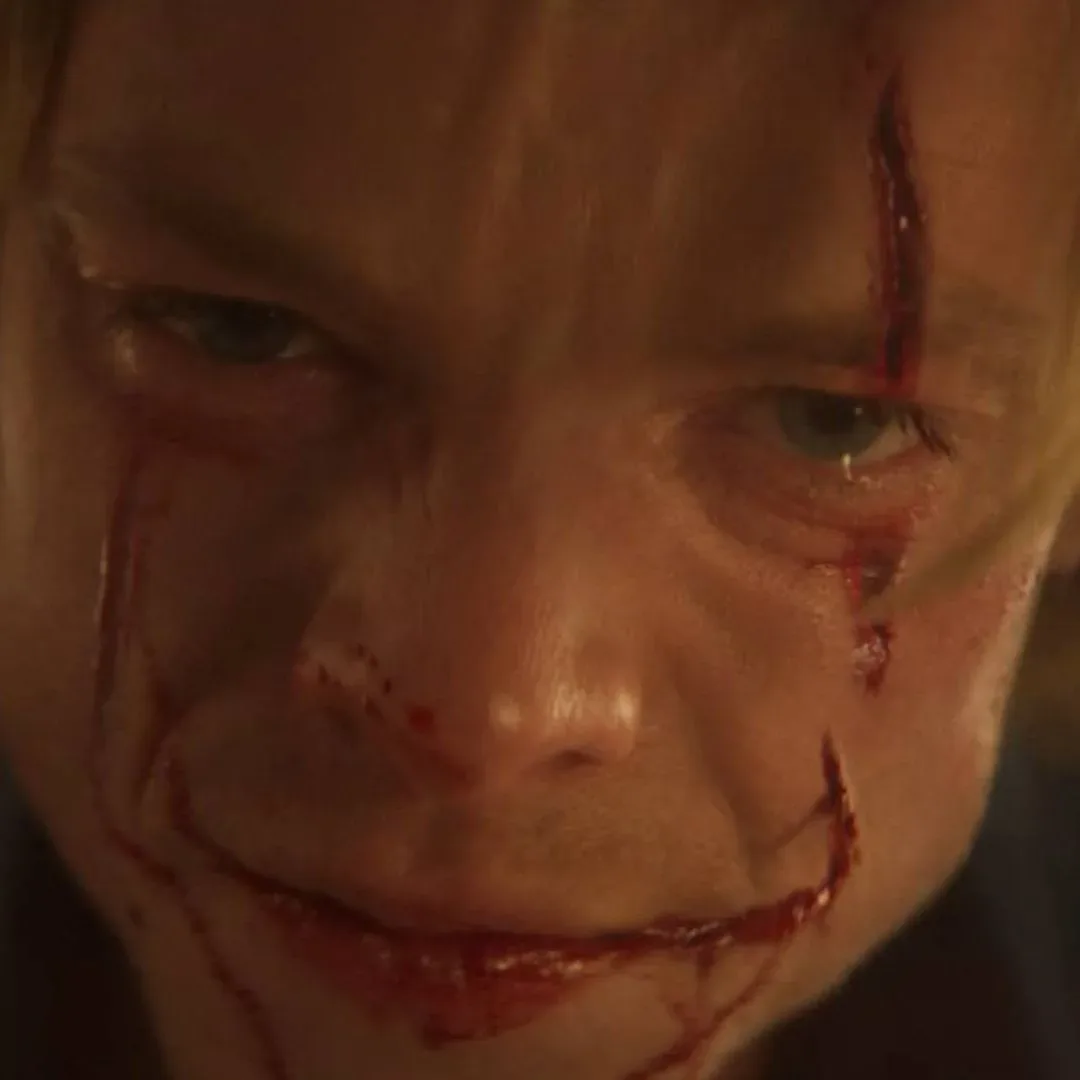
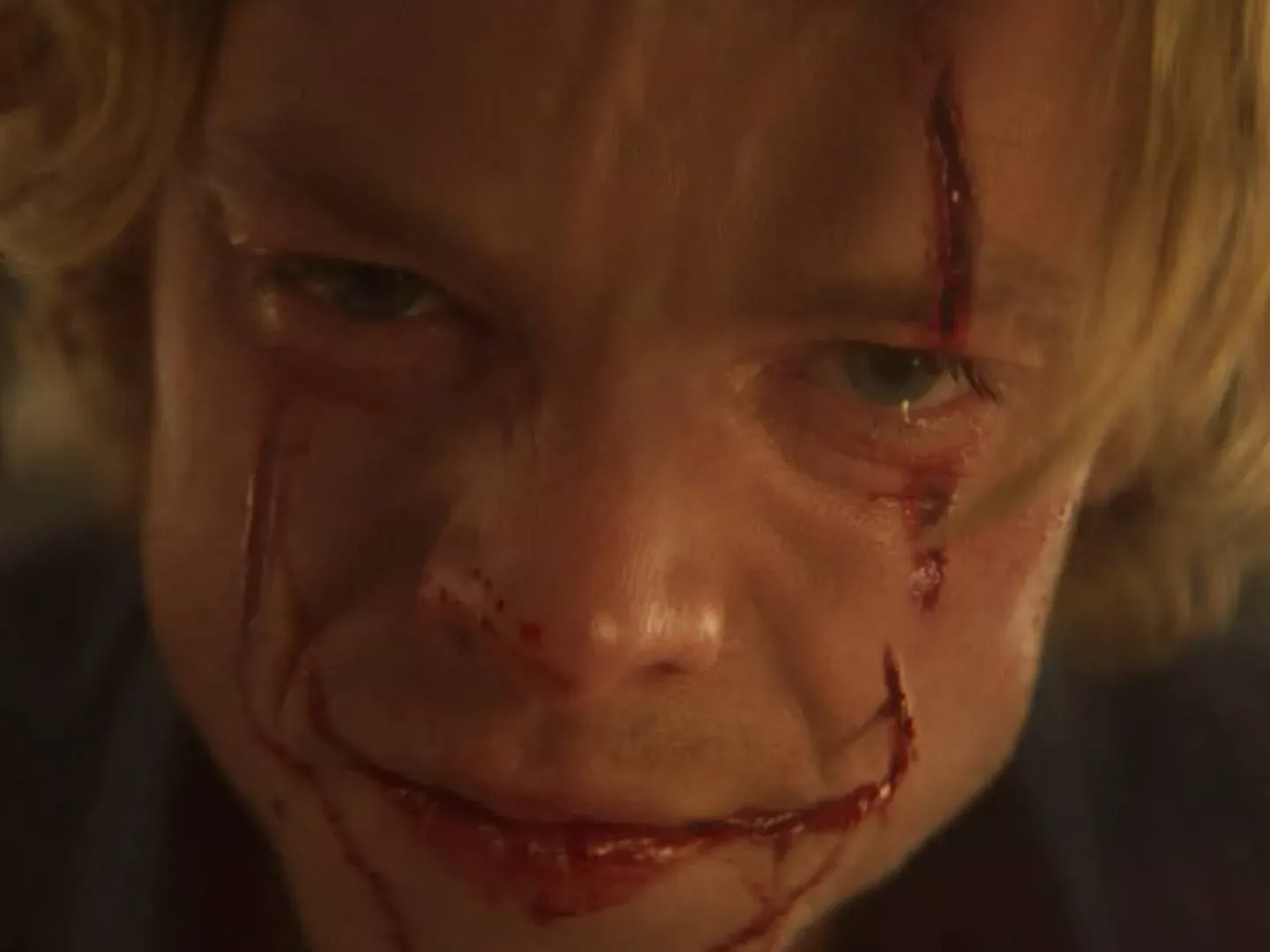
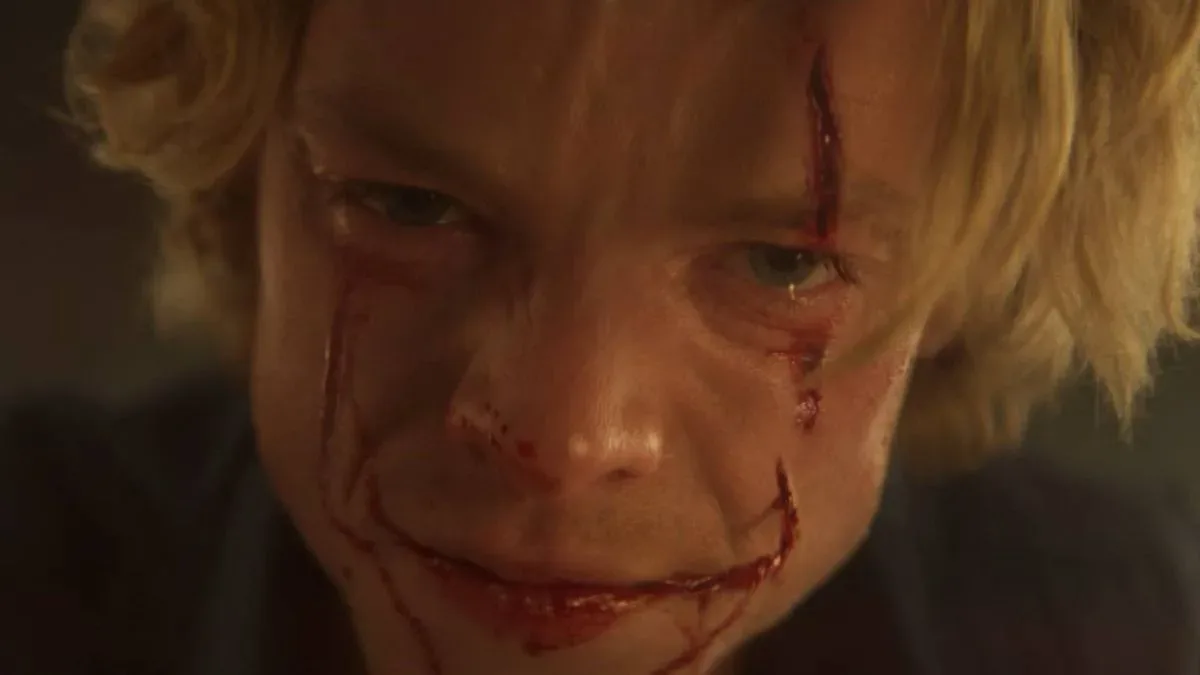
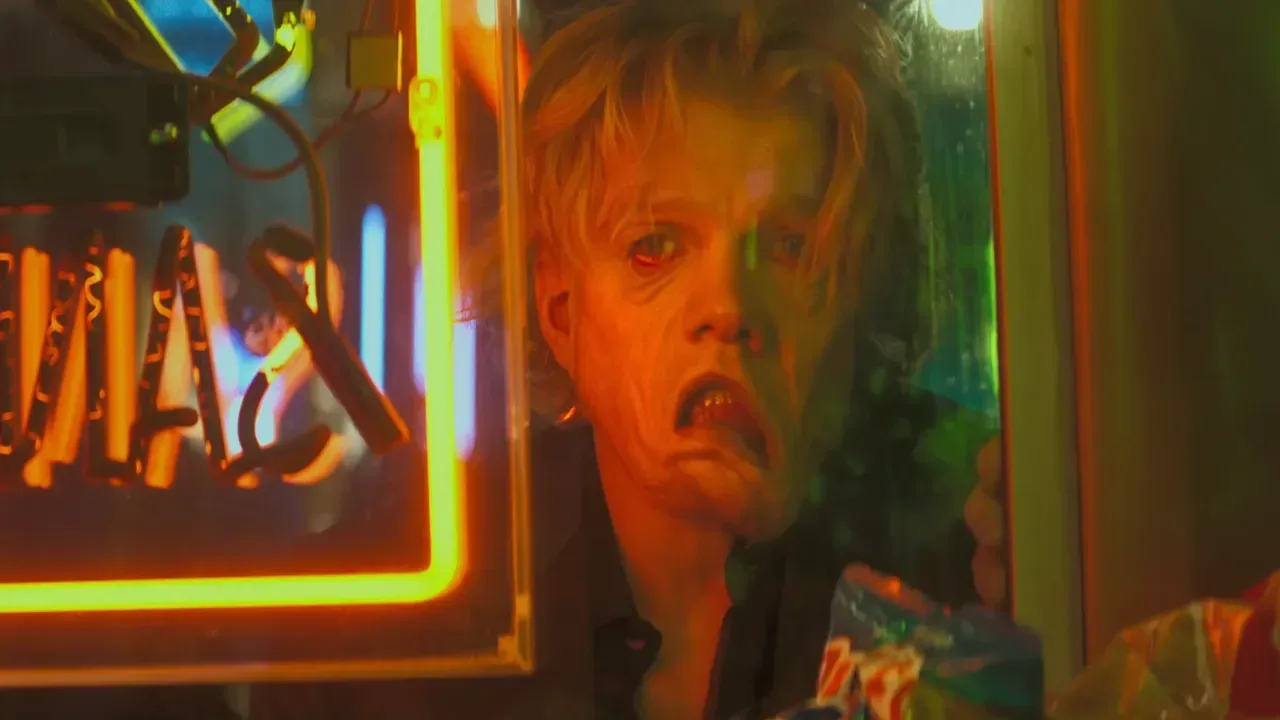
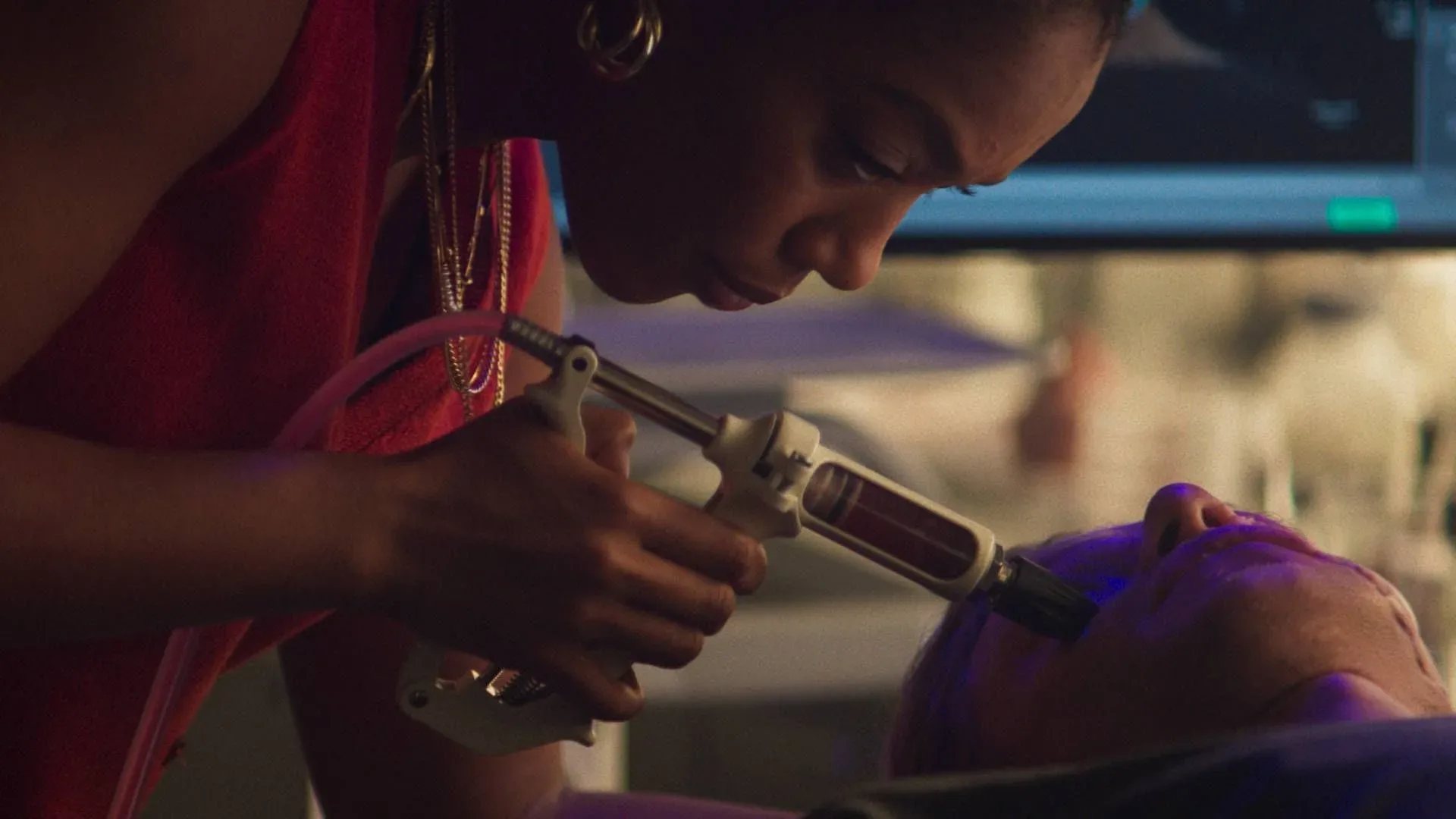
Matt enters Vesuvius intending to settle matters with Szabo. Once there, though, the scene allows that purpose to become more complicated. He terrorizes Szabo’s girlfriend, Mia Torres, by switching between his own appearance and that of Sal, Szabo’s right-hand man. He then confronts Szabo’s other men using multiple forms, including one resembling Aaron Paul.
On a plot level, these transformations are a tactical advantage. Shapeshifting is the ability to change physical appearance, and it is especially potent in a confined criminal setting because it destroys certainty. A guard who believes they are speaking to an ally may not be speaking to an ally at all. A familiar face becomes an instrument of intimidation. Matt can attack not just bodies, but trust, recognition and the basic assumption that people can identify the threat in front of them.
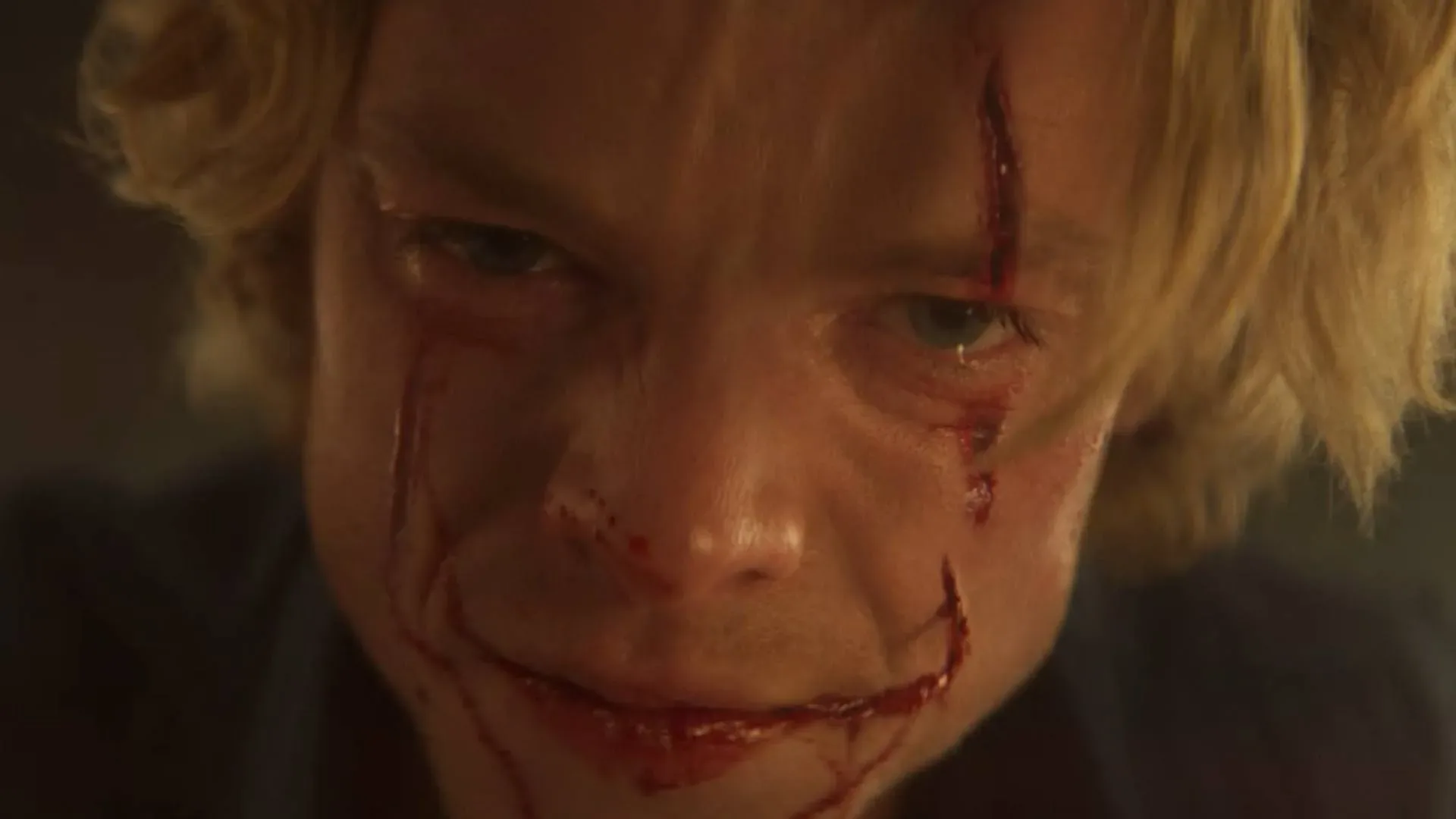
But Watkins’s explanation emphasizes that the scene has an emotional function, too. Matt has endured a difficult path by this point in the film, and the director wanted the sequence to show him discovering the “dark glee” attached to his abilities. That distinction matters. The Vesuvius material is not solely a showcase for the mechanics of a comic-book power. It is a moment where a hard-used power becomes tempting.
Horror often gets its tension from an imbalance of knowledge: viewers know something the character does not, or a character sees danger that those around them cannot perceive. Shape-changing creates a particularly direct version of that imbalance. The people in Vesuvius do not simply face an attacker with superior strength. They face someone capable of controlling appearances, forcing them to doubt every encounter. Matt’s enjoyment of that fear shifts the mood away from straightforward retaliation and toward something morally less comfortable.
That is presumably why Watkins wanted the audience to have permission to enjoy the payback while also showing its darker edge. The scene can deliver the release of seeing Matt turn the tables on Szabo’s organization, yet it also asks viewers to notice how readily revenge can become performance. Matt is not just escaping or defending himself in these moments; he is experimenting with how much fear he can create.
A siege structure inside a horror film
Watkins compared the desired feeling to the outer defenses in classic castle-storming adventures. In that kind of structure, the central target is not immediately accessible. Progress comes in stages: the hero breaks through the perimeter, navigates escalating barriers and eventually reaches the inner stronghold. The action has a physical direction, but it also builds anticipation because every obstacle reinforces the idea that the final encounter has been earned.
Applied to Vesuvius, that structure gives Matt’s confrontation with Szabo a clearer sense of escalation. Instead of treating the club as a backdrop for a single showdown, the film can make it an active obstacle course. Szabo’s people function as the outer defenses. Matt’s transformations are the method by which he penetrates them. And the ascent toward the mobster gives the sequence a literal and dramatic upward movement.
There is also a productive tension in using heroic adventure grammar for a horror-minded character beat. A castle-storming sequence traditionally promises rescue, victory or restored order. Here, the same forward drive supports a character learning to savor the frightening consequences of his own power. The framework may feel heroic; Matt’s conduct within it is more ambiguous.
That ambiguity can be valuable for a character such as Clayface. A transformation power is visually flexible by design, but flexibility alone does not create drama. The important question is what the character chooses to become and why. By having Matt impersonate Sal to torment Mia and then adopt further forms while fighting Szabo’s men, the film uses transformation as behavior rather than decoration. Each change of face carries an intention: deception, disorientation, intimidation or attack.
The Aaron Paul form and the value of unpredictability
One of the forms used during the fight resembles Aaron Paul, an unexpected detail that underscores the sequence’s deliberately strange energy. Within the supplied details, no explanation is given for that particular appearance. What is clear is that the choice adds to the scene’s refusal to treat Matt’s abilities as limited to practical disguises. The transformations can be strategically useful, but they can also be bizarre, playful and destabilizing.
That unpredictability is central to the horror side of the premise. A conventional action scene usually establishes the combatants and their capabilities quickly. A shapeshifter disrupts that clarity. The audience can understand the broad rule—that Matt can assume different forms—while still being unable to predict which identity or image will appear next. As a result, the threat is not only what Matt might do physically. It is the loss of a stable visual reality for everyone caught in his path.
Watkins’s comments suggest the Vesuvius sequence was the place to let that potential breathe. The late addition expands the action, but it also clarifies the film’s interest in a character who can use monstrous power in ways that feel thrilling and troubling at once.
What the early scores and box-office numbers actually show
Clayface is currently listed with a 75% critics score and a 94% audience score on Rotten Tomatoes. Those figures indicate a notable gap in the intensity of the two responses, with audience reaction currently much warmer than the critical aggregate. They should still be read as a snapshot rather than a final verdict, since aggregate scores can change as more reviews and ratings are added.
The movie opened to $24 million domestically and has reached $43 million worldwide, against a reported $44 million budget. Those are substantial early figures, but worldwide gross is not the same thing as profit. A production budget does not account for every cost connected to releasing a film, and box-office revenue is not retained in full by the studio. The available numbers therefore support describing the opening as a meaningful commercial start, but they do not by themselves establish final profitability.
Its performance has been characterized as stronger than Supergirl on that measure, while the fuller commercial picture will depend on how the theatrical run develops beyond its opening weekend. For now, the immediate creative talking point is the Vesuvius showdown: a sequence conceived late, built to give Matt a more satisfying path to Szabo, and used to reveal that Clayface’s power is as psychologically dangerous as it is useful.
For another recent look at how film can turn pressure and unrest into an intensely subjective experience, read our coverage of Until the Day Ends.