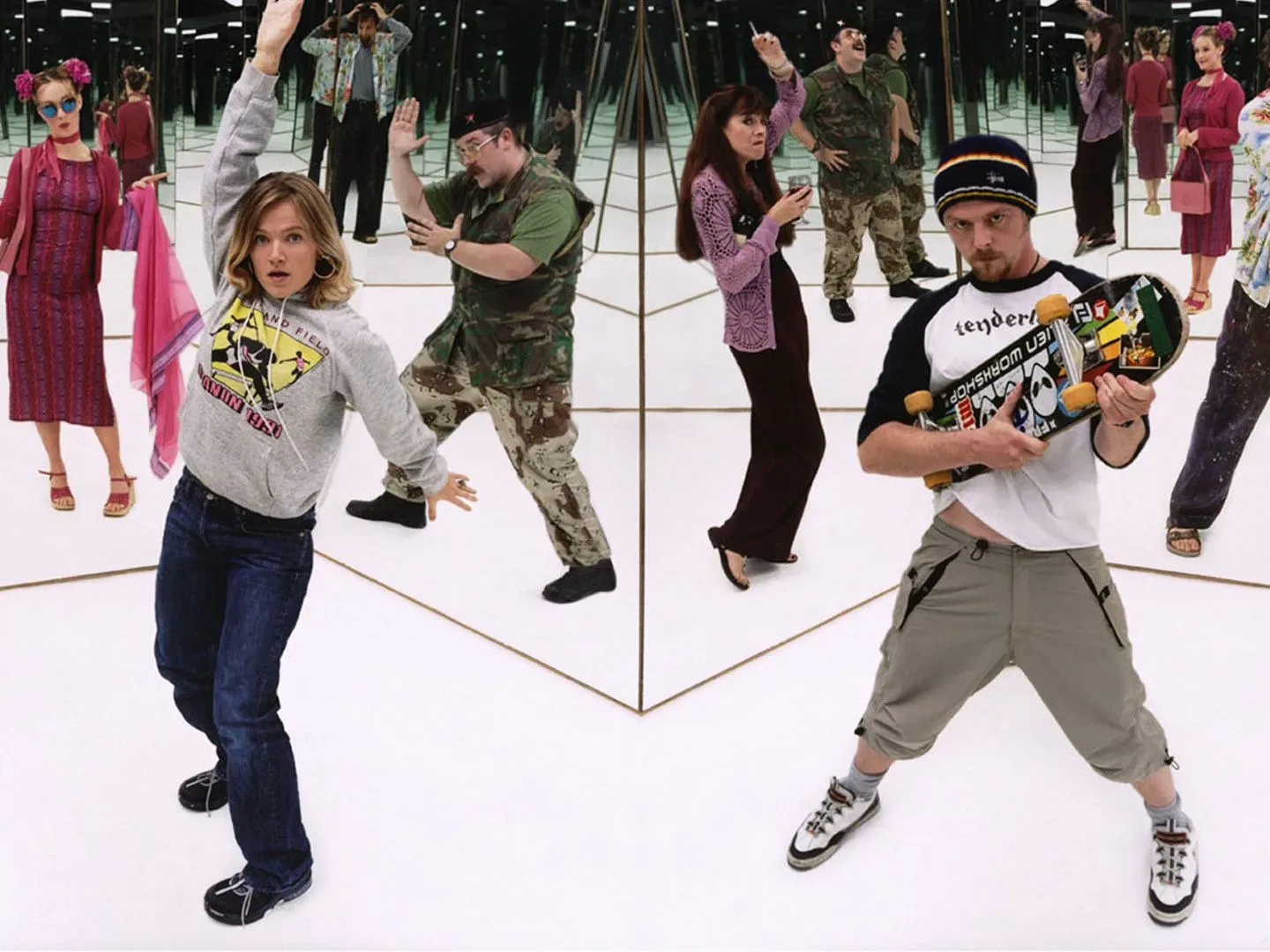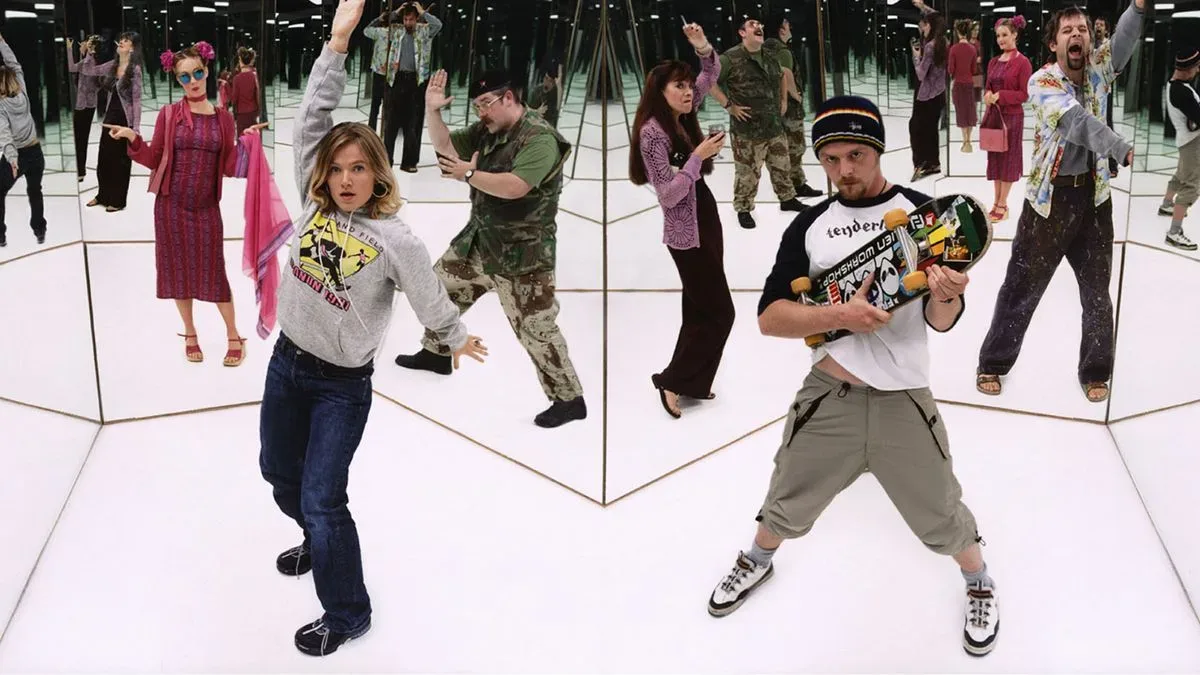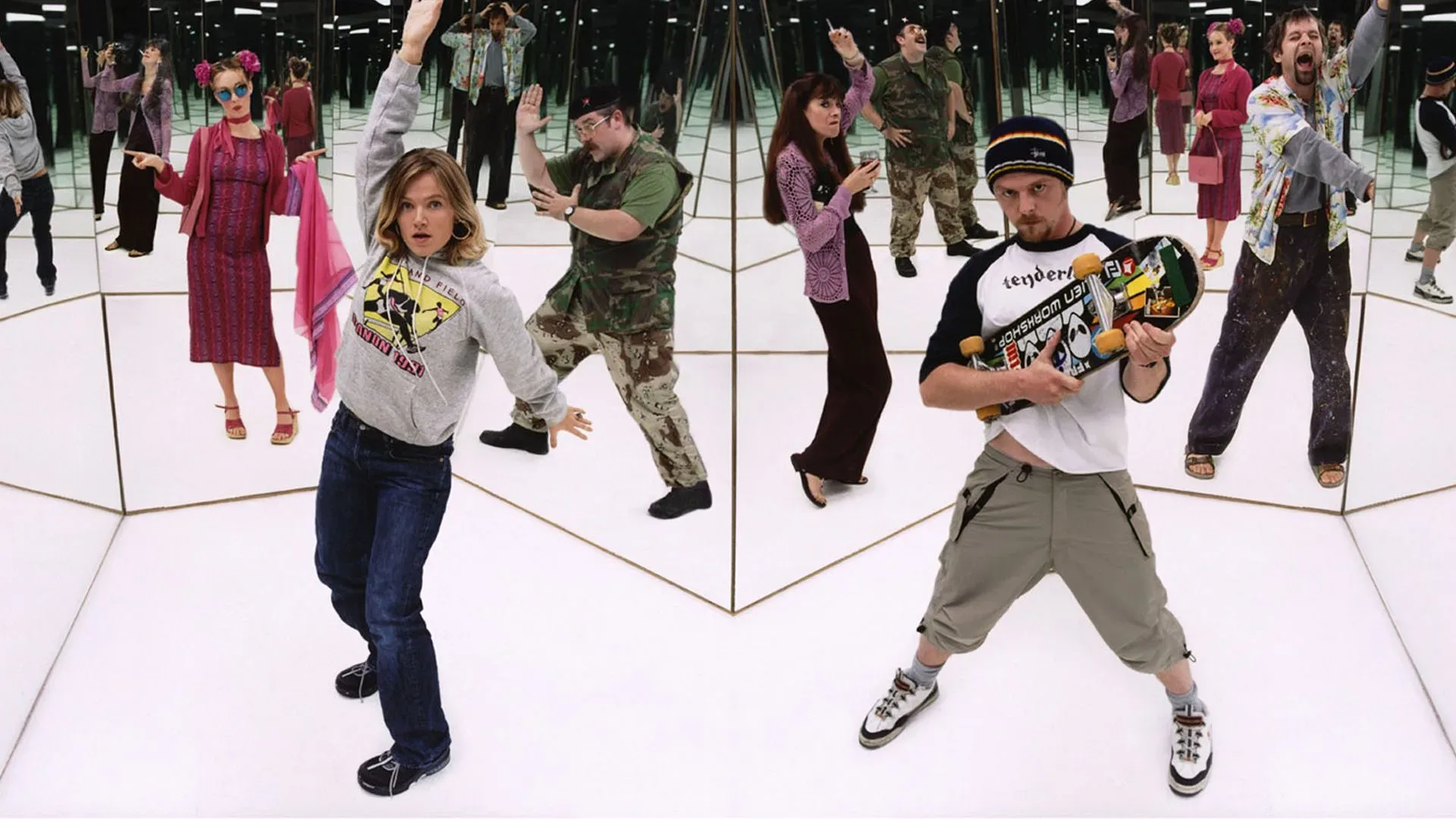
The upcoming UK 4K Blu-ray release of Spaced has become an unexpectedly awkward preservation story. Edgar Wright says neither he nor other people involved in making the British comedy were consulted on the edition, which is listed for release on February 27, 2027. That matters on its own for a cult series whose original DVD releases were closely associated with creator participation and substantial bonus material. It matters even more because the new presentation is being marketed as a 4K upgrade of a show originally captured on standard-definition DigiBeta cameras.
Wright addressed the release after being asked about it online, saying he was learning about it at the same time as fans. He described the situation as “disheartening,” adding that he had pushed for a Blu-ray edition for years and that the release was not authorized by anyone involved in making the show. Simon Pegg and Nick Frost were among the other prominent Spaced alumni Wright indicated had not been involved.
The edition is associated with All3 Media, while the retail listing describes a newly created 4K master made with traditional and proprietary tools, “algorithmic corrections,” and frame-by-frame work by a manual operator. The release is being presented as an advanced upconversion rather than a newly discovered native high-resolution master. That distinction is central to understanding both what buyers may be getting and why the announcement has drawn a frustrated response.
Why a 4K label cannot change the original camera format
Spaced ran from 1999 to 2001 and was shot using standard-definition DigiBeta cameras. Standard definition is far below 4K’s pixel count, so there is no straightforward path in which a 4K disc simply reveals four-times-higher-resolution camera detail that was always present in the original footage.
Instead, an upscale starts with lower-resolution material and creates a higher-resolution output. Conventional processing can resize an image and apply cleanup techniques. Algorithmic or AI-assisted processing can also estimate finer edges, reduce noise, stabilize detail, or construct pixels that were not recorded in the source. A human operator working frame by frame can assess and adjust results, but human review does not transform an upscale into native 4K photography.
That does not automatically make upconversion pointless. A carefully made upscale can potentially look cleaner, more stable, or more polished than an older home-video transfer, particularly if the earlier version had compression limits or imperfect mastering. The problem is that every process that estimates missing visual information makes interpretive choices. Fine texture, skin detail, outlines, lettering, props, visual effects, and fast movement can all be affected by how aggressively the image is processed.
For a series known for energetic editing, film and pop-culture references, and a deliberately authored visual rhythm, viewers may reasonably care about who makes those choices. Wright’s public objection is not a technical review of the final disc, and there is no basis yet to declare exactly how the finished image will look. It is, however, a direct challenge to the process behind the release and the absence of participation from the people who created the show.
“Algorithmic corrections” is the key phrase
The language used in the retail description is unusually important here. It refers to a multi-step process involving traditional and proprietary tools, non-commercial and algorithmic corrections, plus manual enhancement on a frame-by-frame basis. The description promises a state-of-the-art conversion, but it does not set out a detailed public technical breakdown of what the proprietary processing changes from shot to shot.
That leaves several practical questions unanswered for prospective buyers:
- What condition and generation of the original standard-definition materials were used?
- Which corrections are automated, and what visual traits are the algorithms designed to detect or rebuild?
- How much manual intervention was carried out, and was it intended to preserve the original look or to create a newly sharpened one?
- Will the disc include a clear comparison with earlier home-video presentations?
- What legacy extras, if any, return from previous editions, and what is absent?
None of those questions means the disc will necessarily be poor. They simply matter more when a release combines a recognizable creator-driven series, an unavoidable resolution gap between the original format and 4K, and a creator who says the core team was not part of the project.
The terminology also demonstrates why “4K” is not, by itself, a complete statement of image quality or archival authenticity. It can describe the resolution of the final video file or disc presentation. It does not necessarily identify the resolution at which a program was originated, the condition of the materials used, or the degree to which the picture has been reconstructed by software. Consumers interested in a particular series’ original texture should look beyond the format badge and read the restoration notes where they exist.
A release without the established creative extras
The earlier Spaced DVD releases had a reputation for deep supplementary material. Wright, Pegg, Frost, and other contributors were part of that history, and the commentaries also included contributions from admirers including Diablo Cody, Kevin Smith, and Matt Stone. Those editions helped make the show’s home-video identity about more than merely replaying its episodes.
The available details for the 4K collection do not point to new contributions from the people who made the series. The reason remains unclear. Wright noted that Spaced is a Channel 4 show and said that the creators had been heavily involved in the prior editions, but not this one.
That background helps explain the particular disappointment expressed here. The dispute is not framed simply as an argument over whether a decades-old standard-definition sitcom should be available on a newer format. Wright had wanted a Blu-ray release. The issue he has raised is the lack of collaboration and authorization from the original creative participants during the making of this specific upscale.
What collectors and viewers should take from the situation
For physical-media buyers, the safest approach is to separate three ideas that are often bundled together in marketing: a new disc, a higher-resolution delivery format, and a restoration endorsed by a show’s makers. They can overlap, but they are not interchangeable.
- A new physical edition means the program is being offered again for sale in a fresh package or format.
- A 4K master means the final master is delivered at 4K resolution; with standard-definition-originated work, that may be an upscale.
- Creator involvement means original artists participated in or approved the presentation choices. Wright says that did not occur here.
Buyers who value bonus features should also wait for a definitive feature list rather than assuming that an older special edition’s material will carry over. Likewise, those most concerned with image treatment may want to wait for detailed technical information and independent comparisons once the release is available. Pre-order pages can outline broad claims, but they cannot substitute for a transparent account of the transfer and its contents.
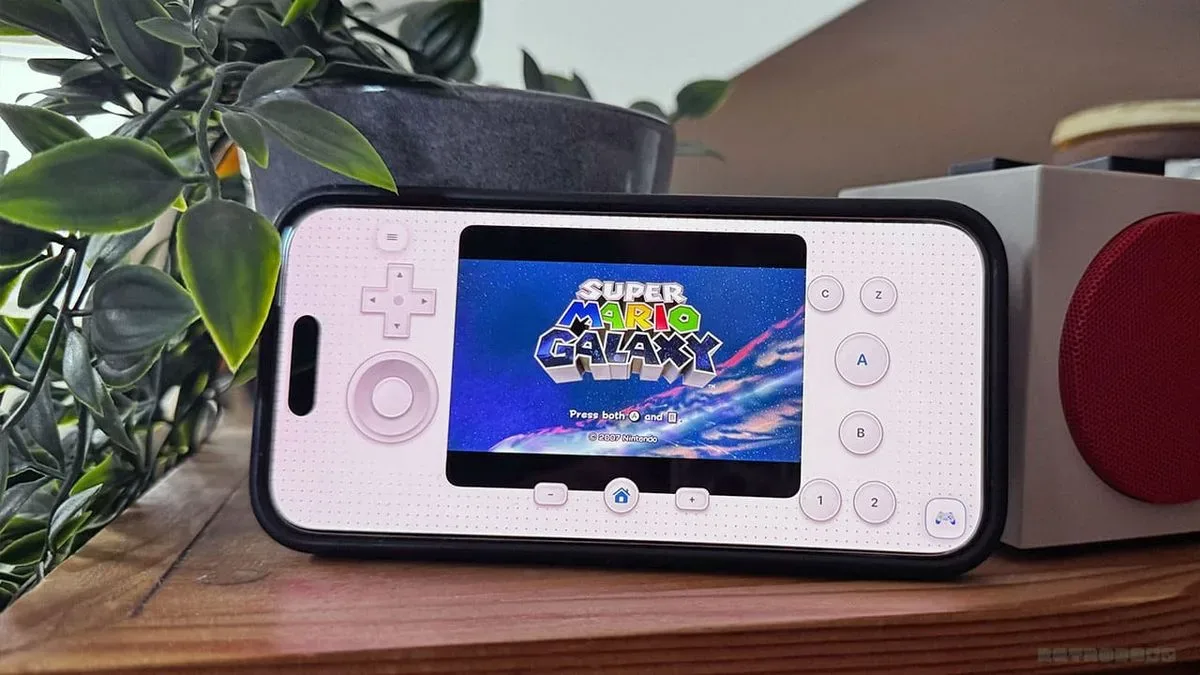
The broader lesson reaches beyond one comedy series. Legacy television is increasingly being revisited for modern displays and new physical editions, while software tools can now change the appearance of images far more extensively than basic resizing. That makes documentation, careful labeling, and meaningful creator consultation more valuable, not less. A useful comparison point from the games side is the ongoing interest in presenting old experiences through modern interfaces, as seen with a Wii-style multi-system emulator front end on iPhone; access and modernization can be welcome, but they are distinct from preserving an original work’s intended presentation.
Spaced is currently available to stream on Channel 4 in the UK. The proposed 4K Blu-ray remains scheduled for a UK release on February 27, 2027. Until more technical and feature information is available, its most notable confirmed detail is not the resolution on the box, but Wright’s statement that the people behind the show were not involved in creating this version.
Shop the products
Check current price, model and availability at the retailer.