Warning: major spoilers for The Rings of Power season 3 finale follow.
The Rings of Power has finally spoken the name “Witch-king” on screen, but it has very deliberately not supplied the face behind it. Season 3’s finale presents the title as a role Sauron is actively trying to fill: he offers Pallando both a Ring of Power and the opportunity to rule Men as the Witch-king. Yet the episode immediately undercuts the apparent answer. Pallando rejects Sauron’s path, joins Gandalf against one of Sauron’s Nazgûl allies, and dies after the fight.
That makes the finale less of an origin reveal than a statement of intent. The Witch-king is coming, at least as a mantle within the series’ unfolding story, but the person eventually chosen to bear it remains unknown. With season 4 confirmed, the show has left itself a pointed mystery whose answer could significantly shape Sauron’s campaign against Númenor and the Elves.
The likeliest candidate currently appears to be Theo. Still, “likeliest” is not “confirmed,” and Pallando’s discussion of resurrection creates a narrow route for the show to revisit the question from another direction. The finale gives viewers clues, not a final identification.
What season 3 actually establishes about the Witch-king
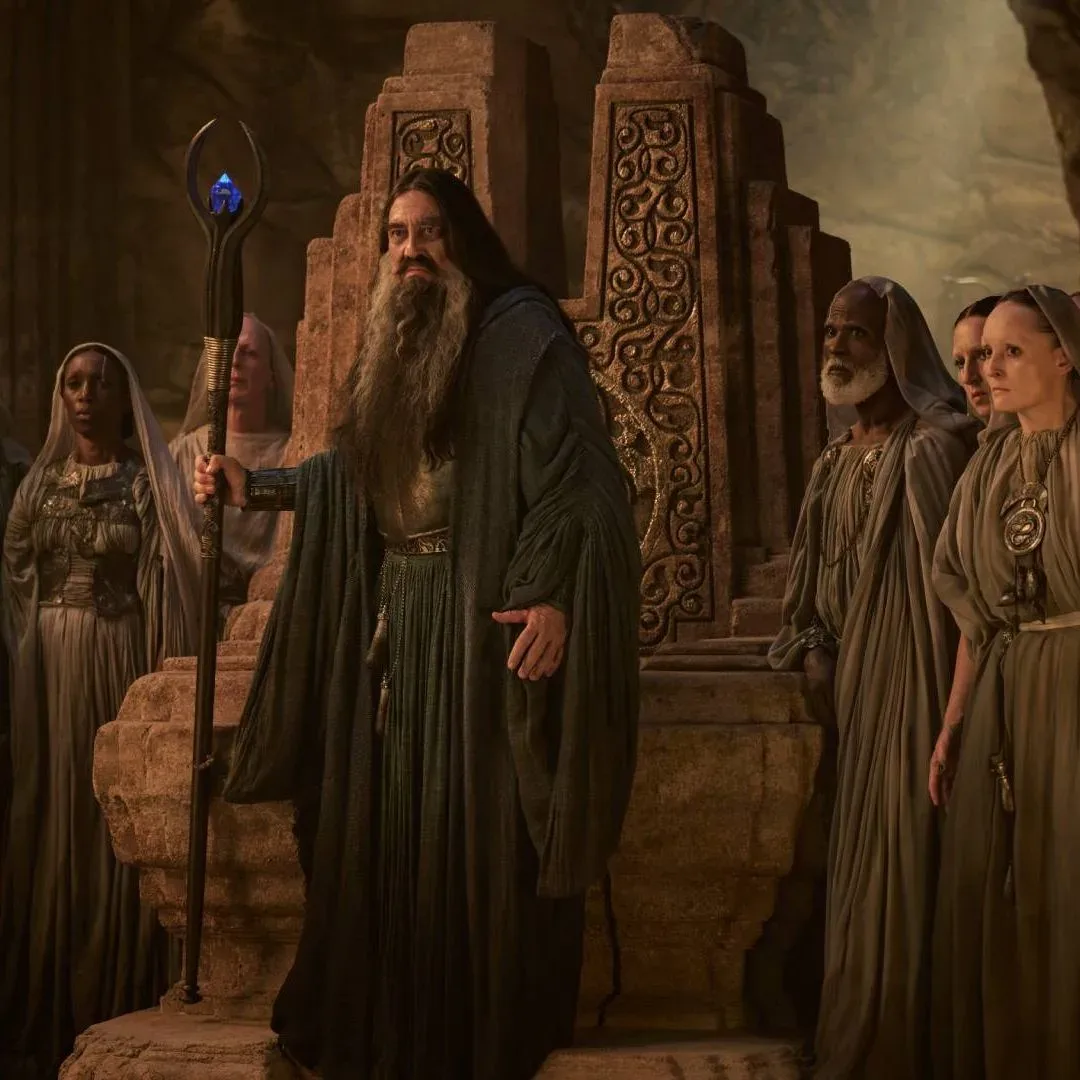
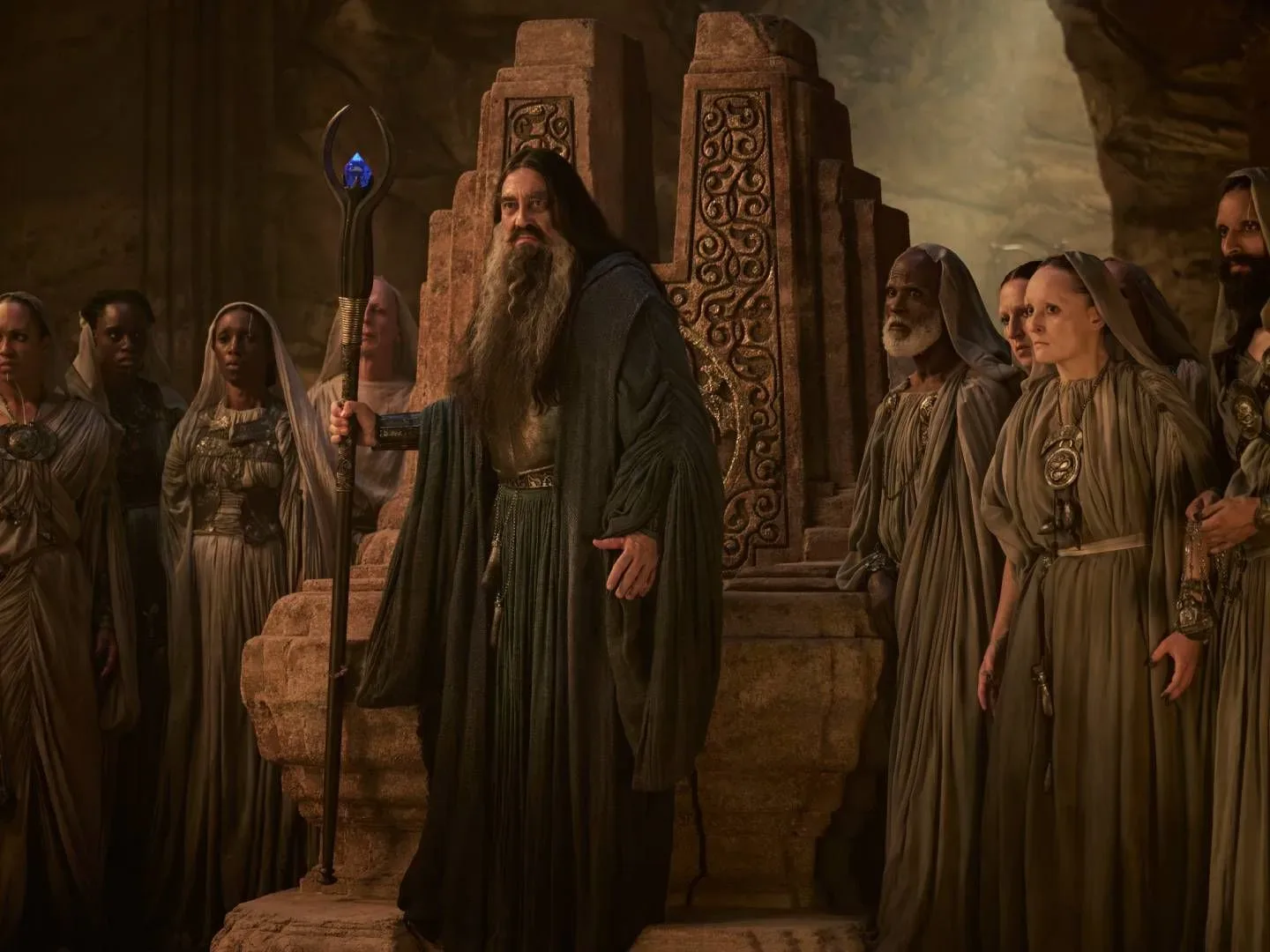
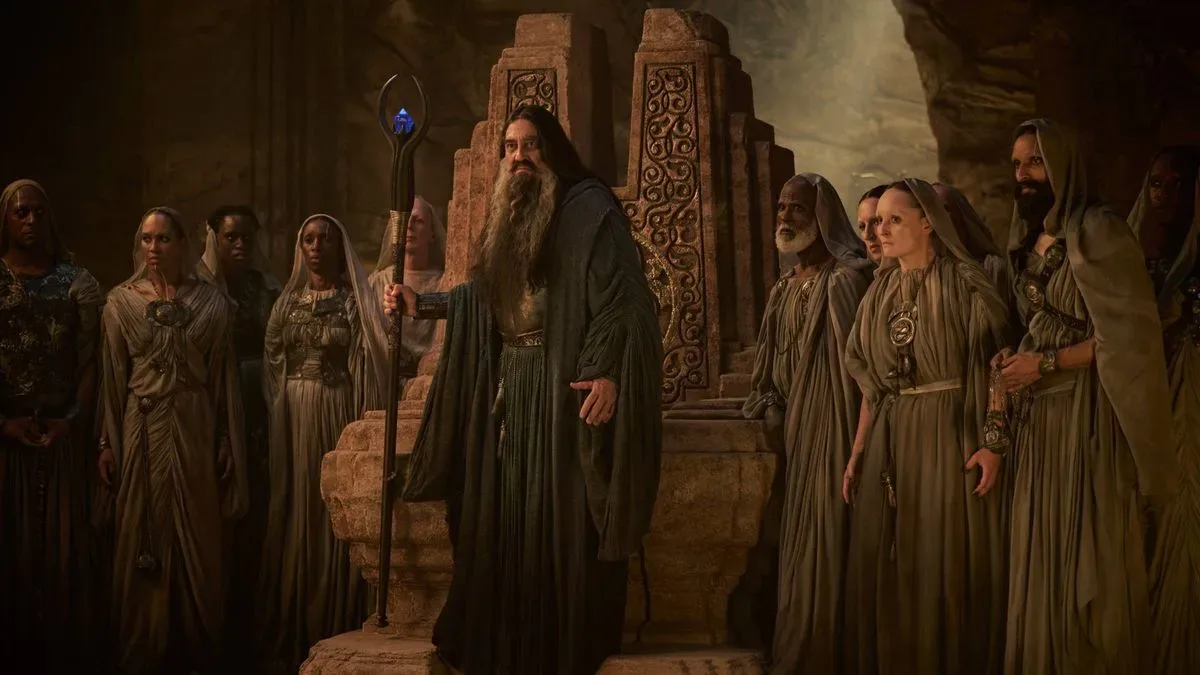
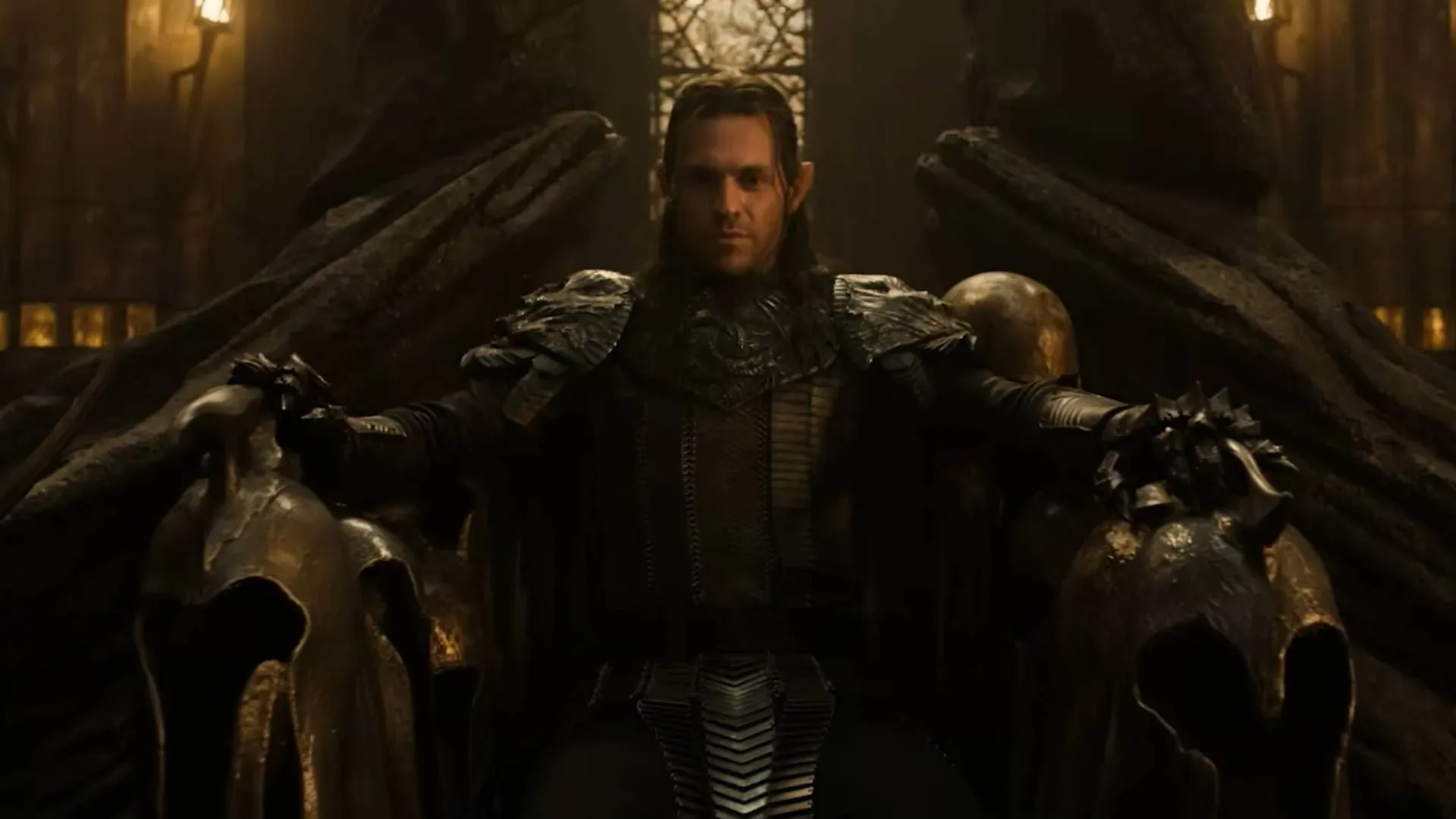
The key scene is Sauron’s conversation with Pallando. The offer has two connected parts: a Ring of Power and leadership over Men under the title of Witch-king. The combination matters. Sauron is not casually dropping a famous name as a wink to longtime viewers; within the scene, he is offering authority, allegiance, and a place near the center of his war effort.
That makes the title sound less like a pre-existing identity tied to a clearly revealed individual and more like a position Sauron means to grant to someone useful. It is a role designed to turn a powerful ally into a commanding instrument of his rule. Whoever claims it would be positioned as one of Sauron’s principal generals in the conflict with Númenor and the Elves.
In practical story terms, that setup gives the series flexibility. The writers can show the process by which someone is tempted, elevated, and bound to Sauron, rather than treating the Witch-king as a mysterious villain who simply arrives fully formed. It also puts the focus on why a particular character would accept such an offer: fear, resentment, ambition, despair, loyalty, or a belief that Sauron’s order is the only viable future could all matter more than the eventual costume or title.
There is a broader dramatic advantage, too. By placing the name in dialogue before attaching it permanently to anyone, season 3 converts audience familiarity into suspense. The question is not whether the Witch-king will be important. The question is which character will make the choice that creates him.
Why Pallando is no longer the straightforward answer
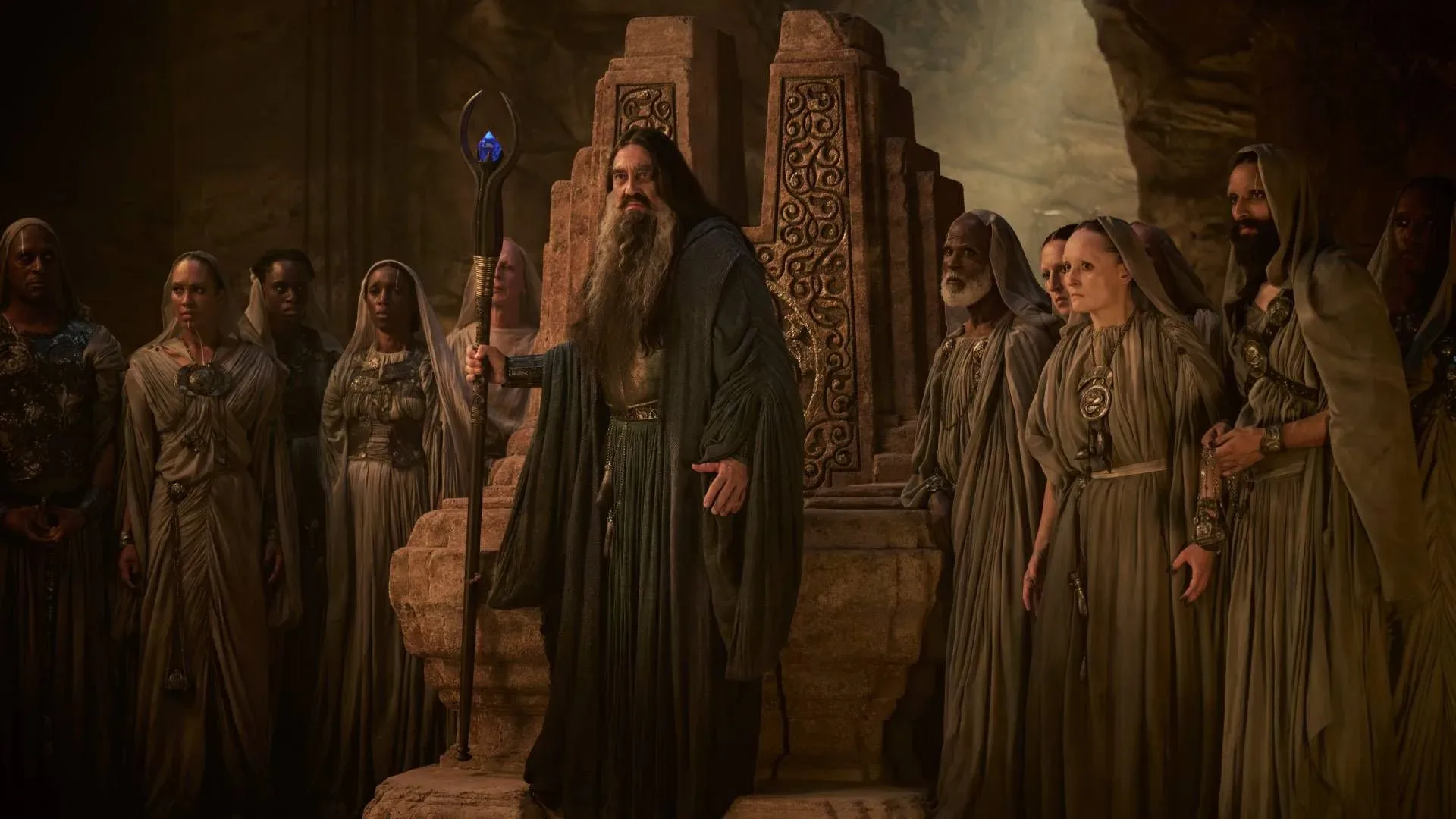
For a brief moment, Pallando looks like the obvious recipient of the crown Sauron is offering. He is directly addressed, offered a Ring of Power, and explicitly invited to become the Witch-king. The scene seems structured to make the possibility feel immediate.
But Pallando instead follows Gandalf’s encouragement to bring good into the world. He reunites with his former friend, fights alongside Gandalf, and helps slay one of the Nazgûl serving Sauron. His death after that battle appears to remove him from contention altogether.
That reversal is important because it preserves the moral significance of Pallando’s decision. If he simply accepted the Ring and the title, the scene would be a clear fall. Instead, he refuses the route Sauron has laid out and acts against him, even at fatal cost. The Witch-king setup therefore also becomes a test of character—one Pallando passes.
It is worth separating what the episode shows from what it merely suggests. Pallando dies, so he is effectively ruled out as the immediate, living successor to the title. However, the finale itself raises an exception: Pallando had argued earlier that an Istar could resurrect Gandalf in a different and more powerful form. That dialogue means a return in another form is at least a possibility the season has placed in viewers’ minds.
Even that theory has a serious obstacle. Tom Bombadil destroys Pallando’s Ring of Power quickly in the finale. Without that Ring, a revived Pallando would not simply resume the exact bargain Sauron offered. The destruction does not prove that Pallando can never return, but it makes a direct restoration of the discarded Witch-king proposal considerably less clean.
A technical term worth keeping straight: Istar
Istar is the term used in the episode’s resurrection discussion for Gandalf. The important point for this finale is not a detailed rulebook for how resurrection works; the story only establishes that Pallando believes an Istar could return in another, more potent form. That is enough to keep the possibility of transformation alive without confirming that it will happen to Pallando, or that such a transformation would lead him back to Sauron.
In other words, resurrection dialogue is narrative room, not narrative proof. It should be treated as a possible avenue for season 4 rather than evidence that Pallando secretly remains the future Witch-king.
Theo is the strongest remaining suspect
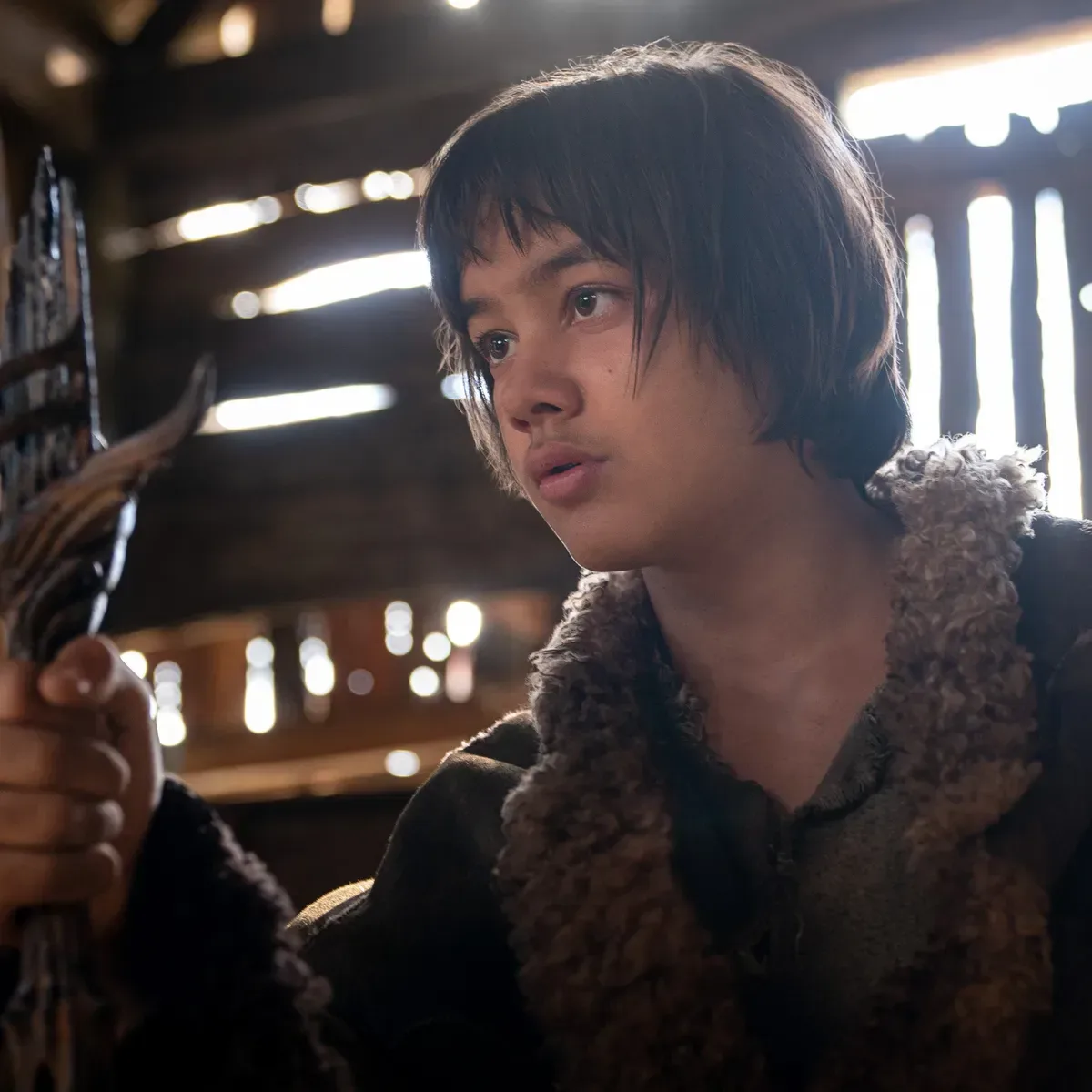
If Pallando’s apparent candidacy is a feint, Theo is the most prominent alternative. Season 3 has repeatedly placed emphasis on his darker trajectory. The former Southlands boy is described as having been pushed toward darkness by painful circumstances, and he remains beside Sauron until he kneels in surrender.
That final image matters. Sauron’s offer to Pallando is not just about obtaining a capable fighter; it is about finding somebody who can lead Men on his behalf. Theo’s presence at Sauron’s side and his act of submission make him a natural candidate for further grooming into that kind of lieutenant.
The theory also has a clear emotional logic. A character who begins in the Southlands and is gradually radicalized offers a more personal route into one of the show’s biggest future villain roles. Rather than introducing a stranger solely to receive a legendary title, the series could trace how someone viewers already know is changed by proximity to Sauron and by the consequences of his own choices.
But there is an important caveat: Theo has not been named the Witch-king, has not been shown accepting a Ring of Power, and has not received Sauron’s offer on screen. He is the frontrunner because the season’s character work and final positioning point toward him, not because the finale supplies a definitive answer.
That distinction is useful for avoiding a common trap with major franchise mysteries. A show can give a character ominous imagery, proximity to a villain, and a downward arc without locking every later plot point into place. Theo may indeed be headed toward the role, but season 4 can still complicate the path, introduce another claimant, or reframe what the title means in Sauron’s hierarchy.
What the Nazgûl connection changes
Pallando and Gandalf fight—and slay—one of the Nazgûl aiding Sauron, bringing the Witch-king question into a wider threat rather than isolating it as a single title tease. The prospective ruler of Men is also tied to the group Sauron is using as enforcers. That makes the eventual choice more consequential than a ceremonial promotion.
The title suggests command, and the Nazgûl connection suggests the scale of power Sauron is trying to assemble. His goal is not simply to corrupt an individual. It is to build an apparatus capable of exerting control and waging war. The Witch-king, whoever that person proves to be, would stand at a critical intersection of military leadership, fear, and the domination of Men.
It also explains why the finale can treat the loss of one Nazgûl as a battle victory while still making the threat feel far from resolved. Sauron is still looking ahead, still recruiting, and still defining the offices of his future rule. The failed offer to Pallando is a setback, but it also reveals the kind of weapon Sauron intends to create.
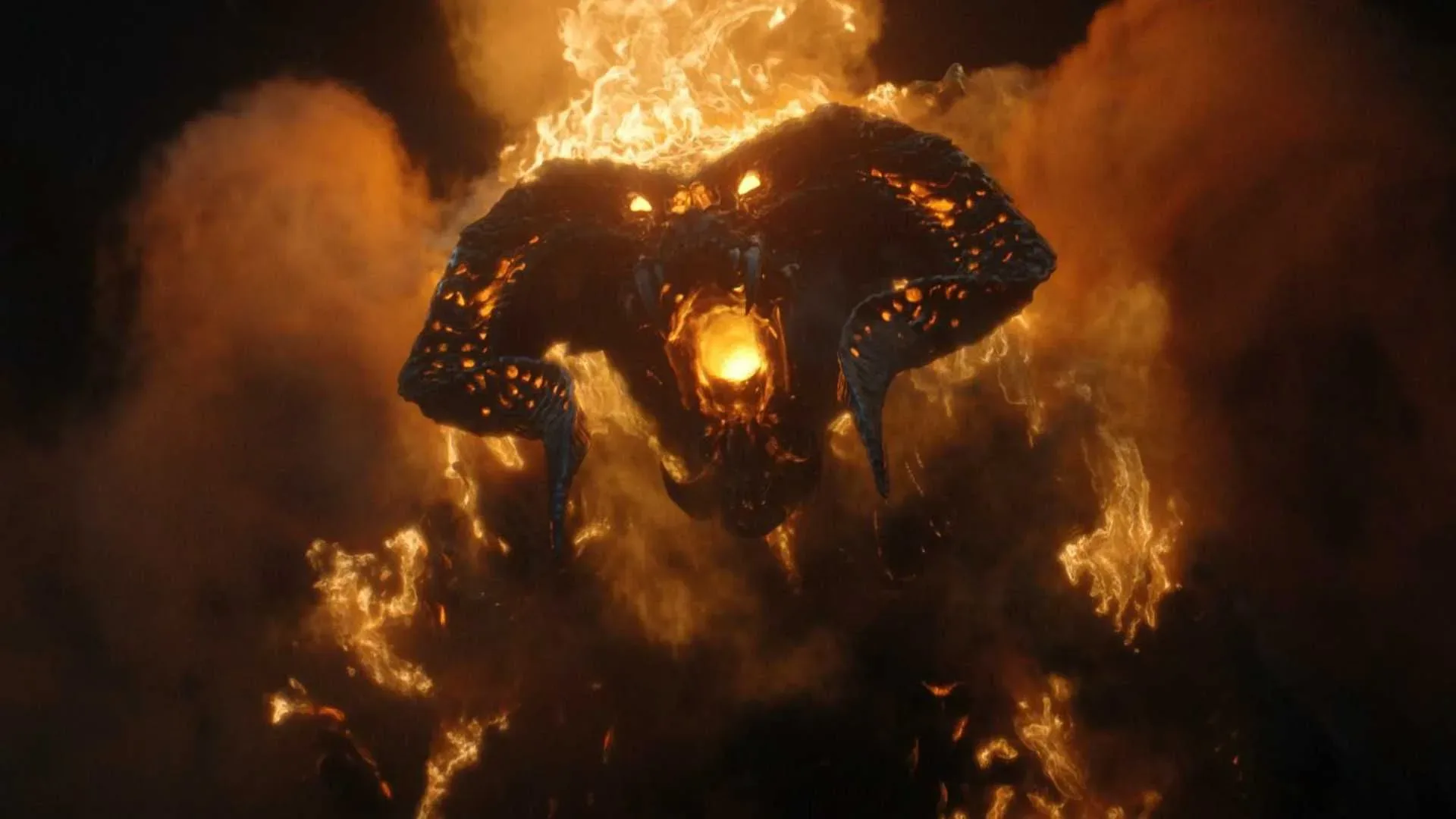
For more season 3 discussion around Sauron’s forces, see the report on Simon Pegg performing the Balrog’s lines for a Sauron scene.
Why delay the reveal?
The cleanest explanation is that season 3 wants the Witch-king to function as a looming destination, not a completed piece of the board. Naming the role tells viewers where the story is moving. Leaving the identity unresolved keeps the journey to that point active.
There is also a character-driven reason for the delay. Pallando’s refusal only carries real dramatic weight if the audience understands what he has turned down. Sauron has offered immense influence and a terrifying future title; Pallando chooses Gandalf’s call to do good instead. If the story jumped immediately to another character receiving the same title, it could diminish the force of that choice. By holding the position vacant, the finale lets Pallando’s sacrifice land while opening a new season-long question.
The uncertainty is therefore productive rather than evasive. Season 4 now has several specific matters to address: whether Theo remains loyal to Sauron after surrendering, whether a different character emerges as a candidate to lead Men, and whether Pallando’s final words about an Istar’s return have any bearing on his own fate. None of those paths is confirmed. All are supported by threads the finale has deliberately left hanging.
What to watch for in season 4
- Theo’s next choices: His continued place at Sauron’s side makes him the clearest candidate, but accepting a Ring or receiving the title would be a decisive step that has not happened yet.
- Sauron’s recruitment of Men: The offer to Pallando establishes that Sauron is seeking a leader who can rule Men in his name. Another candidate could emerge through that effort.
- The consequences of Pallando’s Ring being destroyed: Tom Bombadil’s intervention narrows the possibility of simply returning Pallando to the deal Sauron proposed.
- Whether the resurrection idea returns: The finale gives the concept enough emphasis that it may be relevant later, even if it does not result in Pallando becoming the Witch-king.
- The expanding Nazgûl conflict: With one of Sauron’s allies slain, the series has made the group’s makeup and leadership part of its ongoing tension.
Season 3 ultimately gives the Witch-king story a beginning without delivering its answer. Sauron has announced the job, Pallando has refused it and died, and Theo stands closest to the vacant throne. Until the next season turns implication into confirmation, the identity beneath the eventual mask remains one of the show’s most consequential open questions.