Major spoilers for The Rings of Power season 3, episode 4 follow.
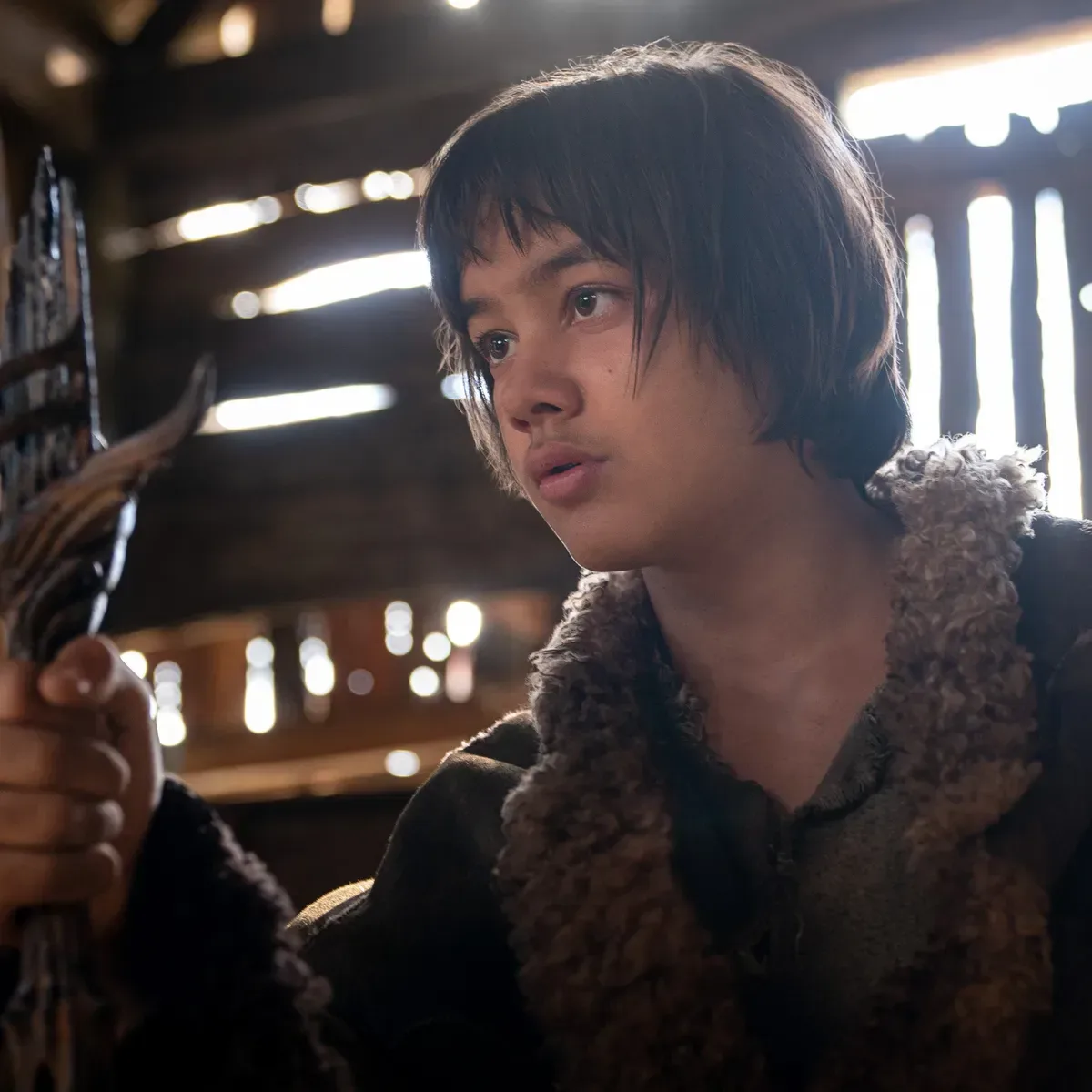
The Rings of Power has delivered its most devastating season 3 moment yet. Episode 4 ends with the death of Arondir, the Elf warrior whose journey has long been tied to Bronwyn and her son Theo. The cruelty is not simply that Arondir dies during an encounter with Sauron. It is that Theo—the young man Arondir helped protect and, in practice, helped raise—deals the fatal blow while under the influence of an evil Ring.
The scene turns a rescue and escape from Mount Gundabad into a deeply personal catastrophe. It also provides the clearest indication yet that Theo may be headed toward a far darker role among the Nazgûl.
What happens to Arondir in episode 4?
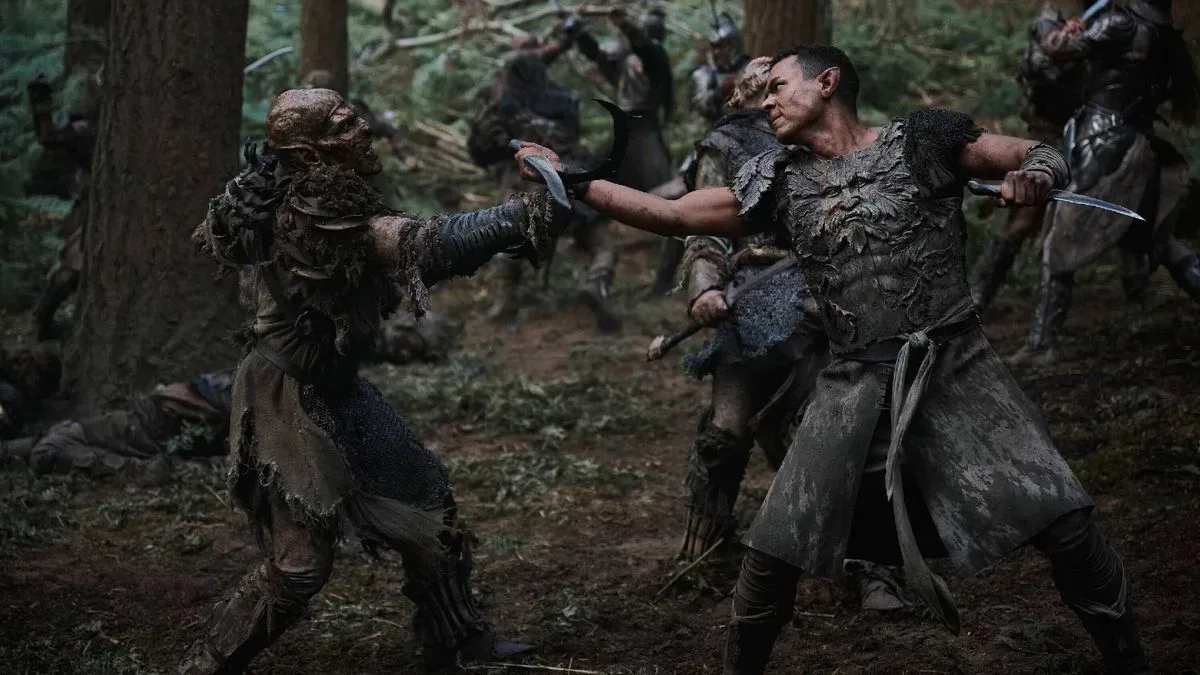
Arondir travels with Galadriel and Marnûkh to Mount Gundabad, an Orc fortress in the mountains. Their mission leads them to Celeborn, Galadriel’s husband, who has been missing for centuries. The party manages to escape the fortress, but their route out is interrupted by one of the Nazgûl.
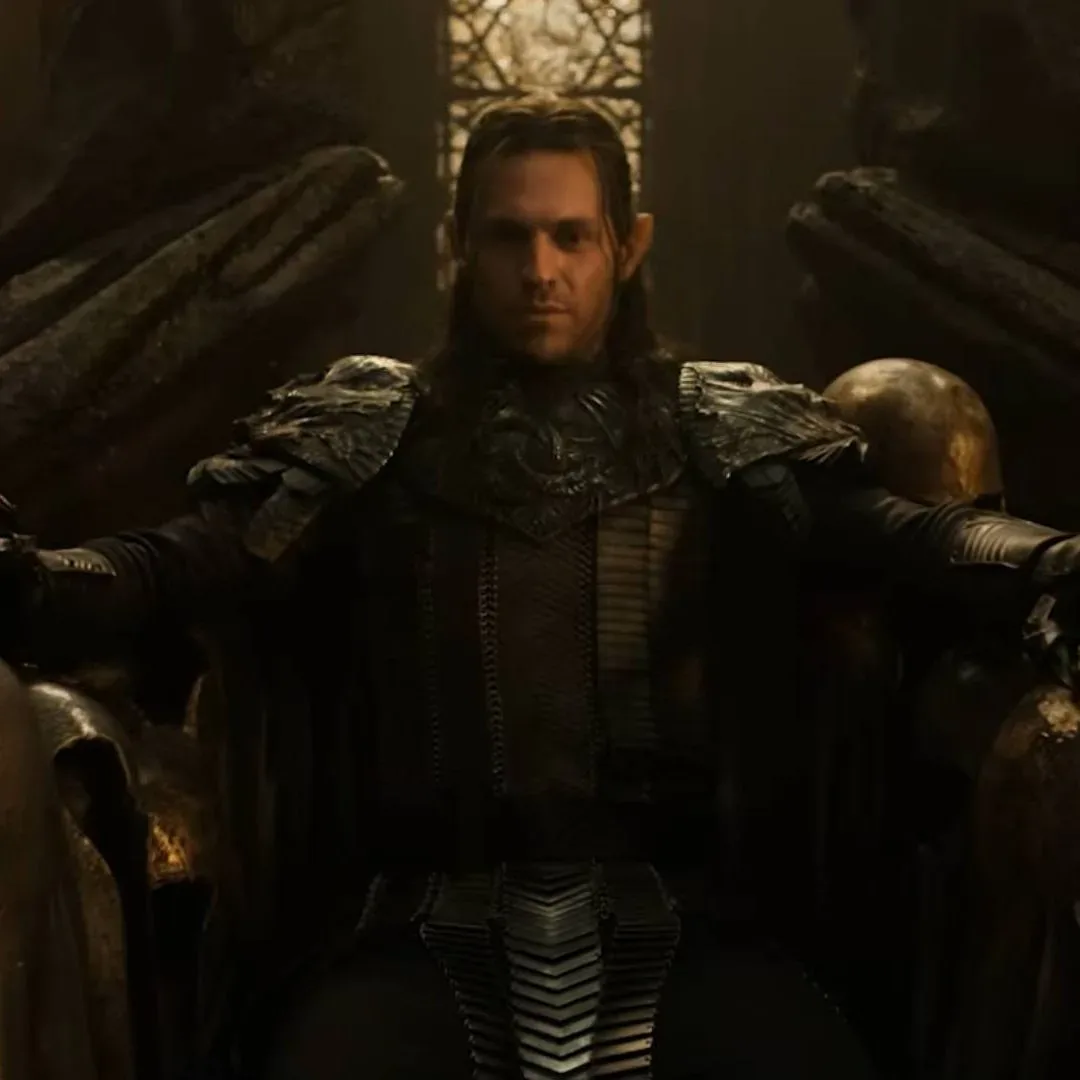
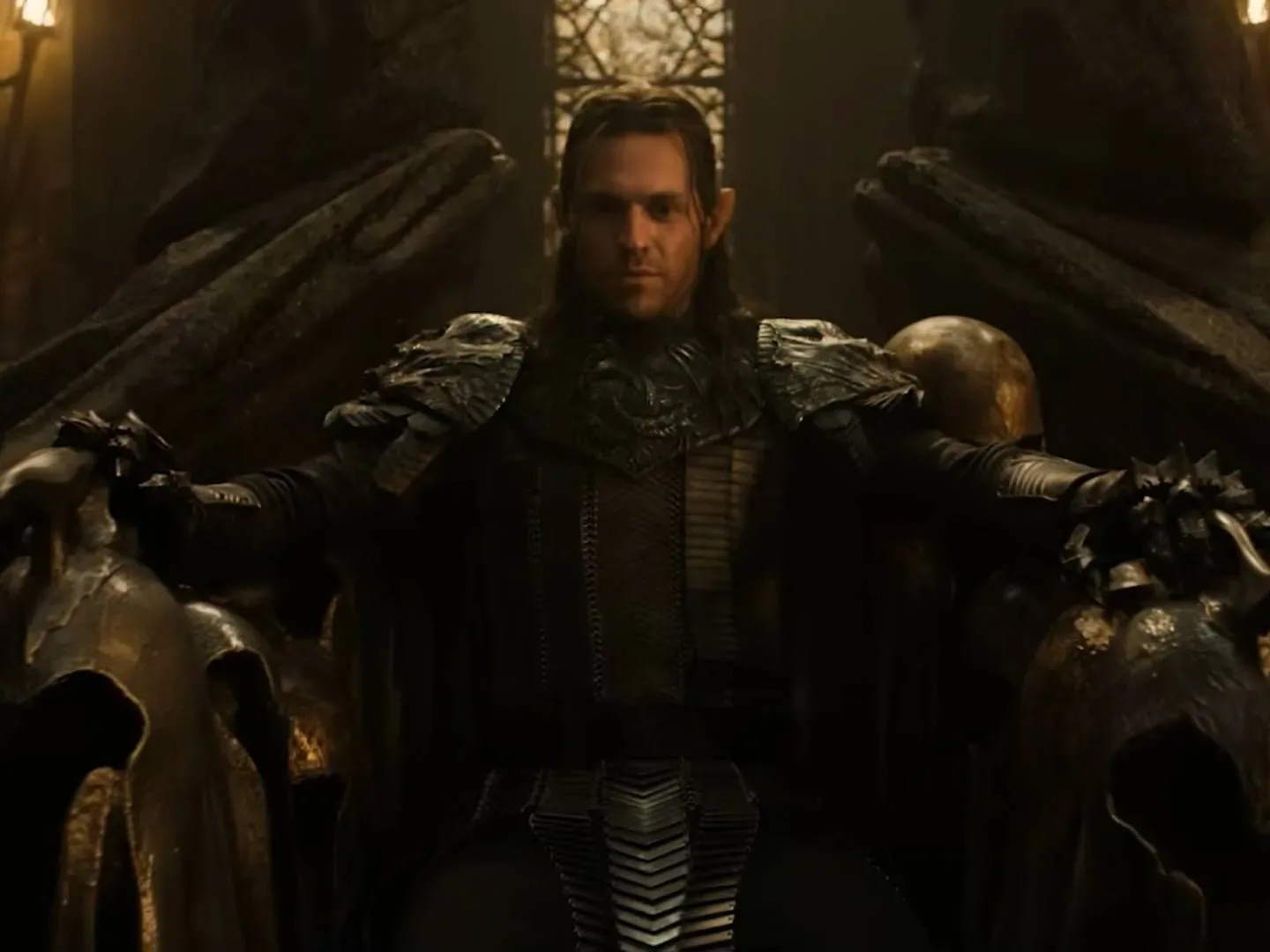
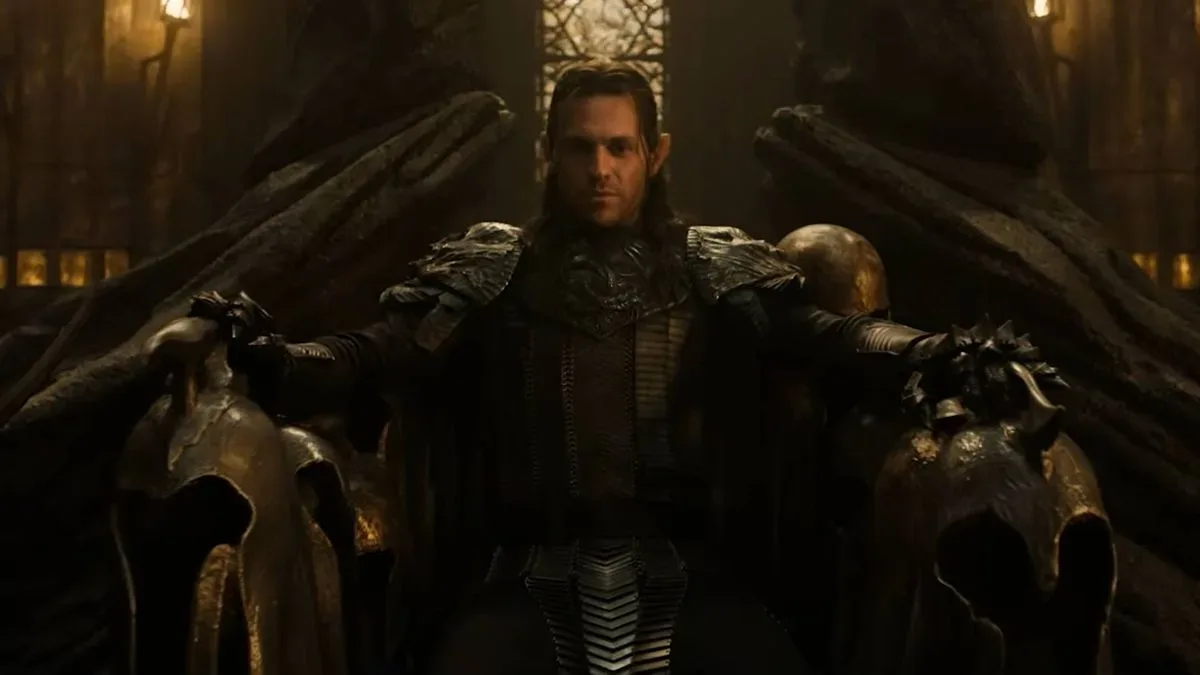
That Ringwraith removes his mask and is revealed to be Theo.
The revelation immediately makes Arondir vulnerable in a way no ordinary enemy could. Theo is Bronwyn’s son, while Bronwyn was Arondir’s human lover before her death in season 2. Arondir does not respond to the encounter as though he is facing a stranger or merely another servant of Sauron. Shocked by what Theo has become, he hesitates rather than seize the opportunity to flee as Theo urges him to do.
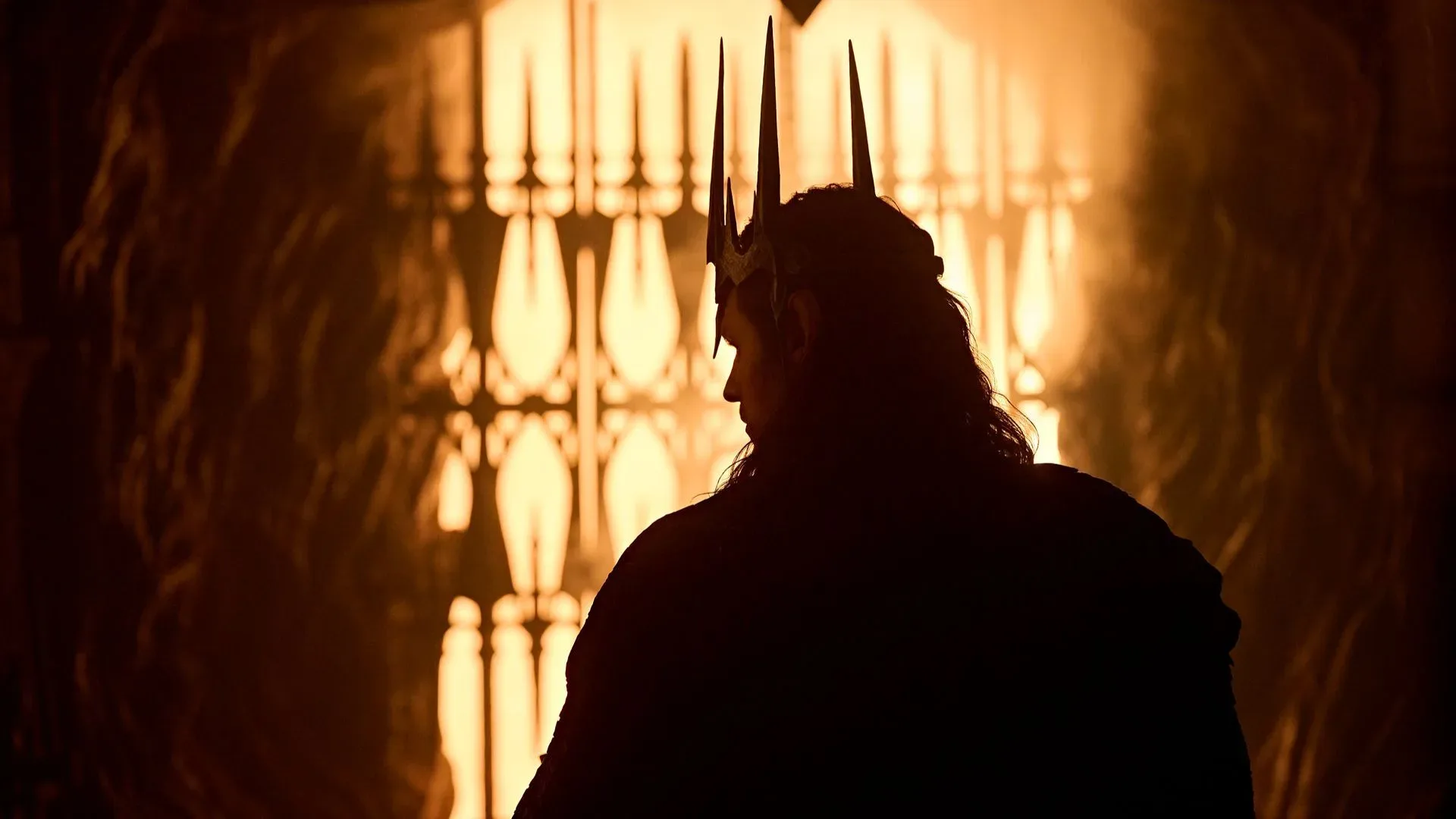
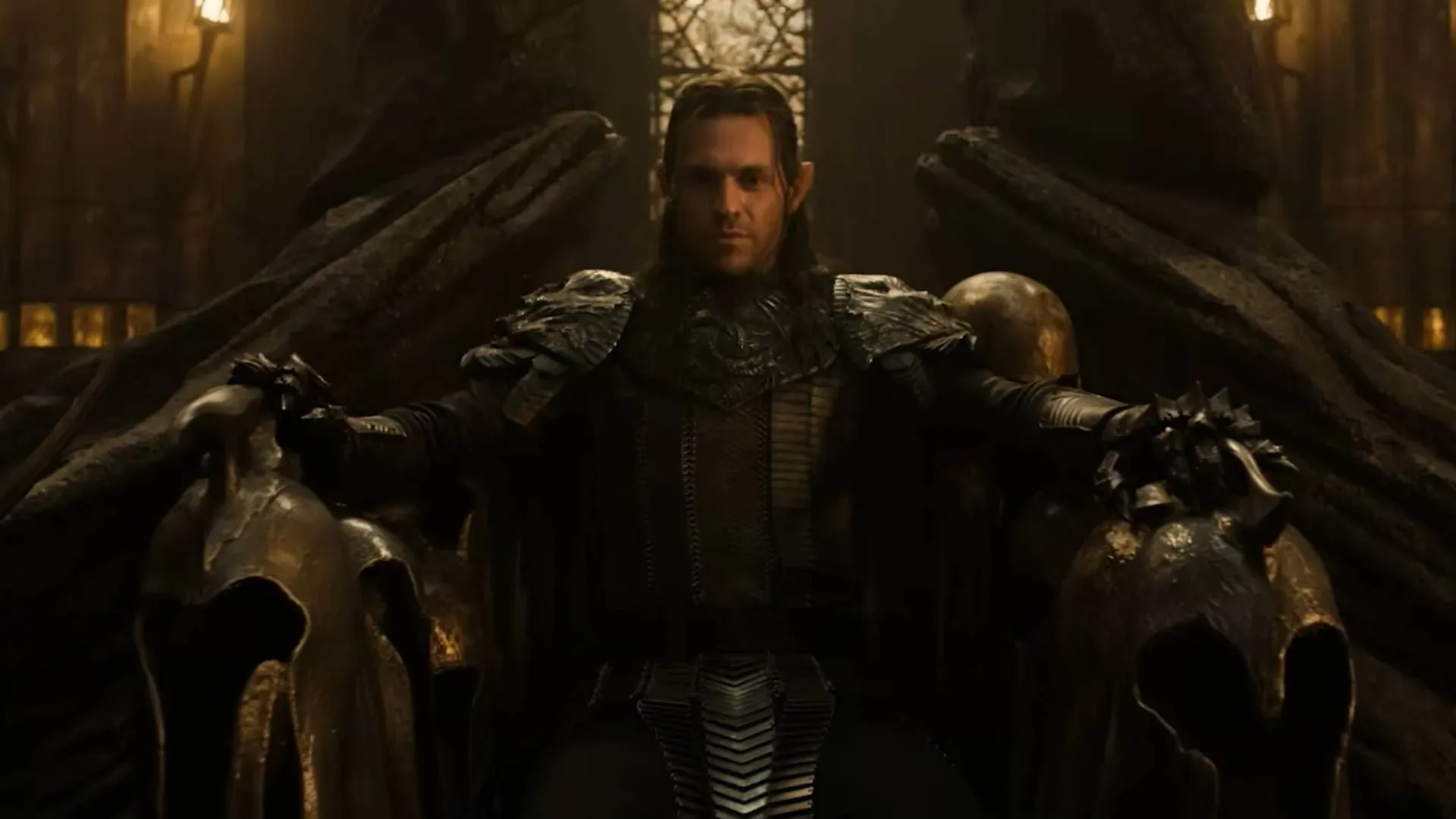
Then Sauron arrives. His immediate objective is Galadriel, not Arondir, and he orders Theo to kill the Elf. Theo, wearing one of the evil Rings, obeys at once and runs Arondir through with a sword. Arondir falls as Galadriel and Celeborn escape on an eagle, temporarily beyond Sauron’s reach.
There is no ambiguity in the episode’s emotional construction: Arondir is killed by someone he loves, at the command of the power that has been steadily warping Theo’s path.
Related coverage includes The Rings of Power Season 3 Episode 4 Delivers a Devastating Death.
Why Theo killing Arondir hurts more than a conventional battle death
Arondir’s death works because the episode frames it as the collapse of a relationship rather than a simple battlefield loss. Before the Mount Gundabad mission, Arondir nearly leaves Galadriel and Marnûkh to search for Theo. He ultimately returns to help them. That choice emphasizes where his loyalties and priorities remain even before he sees Theo beneath the Nazgûl’s mask.
In other words, Arondir does not meet Theo as a detached soldier making a tactical calculation. He sees Bronwyn’s son—a person he has a powerful reason to save. His hesitation is therefore an expression of care, but it leaves him exposed when Sauron issues the command.
Theo’s act is equally tragic because the scene presents him as compelled by the Ring and by Sauron’s authority. That does not erase the horror of what happens, nor does it establish exactly how much agency Theo retains. It does, however, place the murder inside the larger danger represented by the Rings: power that is not just worn, but that can reshape or dominate its bearer.
What is a Nazgûl?
The Nazgûl are the fearsome Ringwraiths aligned with Sauron. The title describes servants connected to the evil Rings, not merely masked enemies with impressive armor. Theo’s appearance as one of them shows that his story has advanced beyond the earlier signs of temptation surrounding him. By episode 4, he is physically present within Sauron’s force and carrying out Sauron’s will.
That makes the unmasking important on two levels. It identifies the immediate attacker, and it makes Theo’s corruption visible to Arondir at the most terrible possible moment.
Sauron’s role makes the scene colder
Sauron’s indifference to Arondir is a key part of the sequence. Arondir is not treated as a rival worthy of a personal confrontation. Sauron is focused on taking Galadriel, and Arondir is simply an obstacle to remove. He turns Theo’s emotional connection to Arondir into a weapon with a brief command.
That is more revealing than a prolonged duel would have been. Sauron does not need to personally defeat every opponent when he can make people harm the ones closest to them. Arondir’s death consequently advances two threats at once: Sauron remains fixed on Galadriel, while Theo is being used to inflict damage that no anonymous Orc could deliver.
Galadriel and Celeborn’s eagle escape prevents Sauron from achieving his immediate aim, but it does not soften the cost of getting away. Their survival comes alongside the loss of Arondir and the confirmation that Theo is entrenched in Sauron’s orbit.
Does this point to Theo becoming the Witch-king?
The episode does not explicitly declare Theo to be the Witch-king of Angmar. It does, however, make the theory considerably easier to understand. The Witch-king is the leader of the Nazgûl, and Theo is now shown as a Ring-bearing figure among their number, capable of carrying out Sauron’s brutal commands.
His killing of Arondir could be a decisive step in that transformation. The murder severs Theo from one of the last living people with a direct, loving connection to Bronwyn and to the life he had before becoming a Nazgûl. If the story continues to push Theo down that route, this is the moment that would understandably be remembered as a point of no return.
Still, it is important to distinguish what episode 4 confirms from what it suggests:
- Confirmed: Theo unmasks as one of the Nazgûl and wears an evil Ring.
- Confirmed: Sauron orders Theo to kill Arondir, and Theo fatally wounds him.
- Suggested: Theo’s actions are shaped by the Ring and Sauron’s control.
- Not confirmed: Theo’s ultimate identity or whether he will become the Witch-king.
That uncertainty matters. A possible future title is not the same thing as an established reveal. For now, the firm dramatic fact is worse and more immediate: Theo has become a weapon in Sauron’s hands, and Arondir is dead because he could not abandon him.
What Arondir’s death changes for the remaining characters
For Galadriel, the loss comes during an operation that also restores Celeborn to the story after centuries of absence. The escape is therefore deliberately split between relief and grief. Celeborn is found, but the group loses the Elf who helped bring him out of Mount Gundabad.
For Theo, the consequences are likely to be even more severe. Whether he is fully conscious of his choices, partially compelled, or somewhere between those possibilities, he has killed a father figure at Sauron’s command. The episode gives no answer about what happens to him next. It does establish that any attempt at redemption, should the story pursue one, must reckon with a wound that cannot be undone.
For Sauron, the scene reinforces the scale of his threat. Season 3 has already placed him in stories involving the secret of the Elven Rings, while unrest grows in Númenor. At Mount Gundabad, his power is made intimate: he turns Theo’s relationship with Arondir into the mechanism of Arondir’s destruction.
And for viewers tracking the show’s wider Middle-earth threads, Theo’s increasingly dangerous background remains relevant. The questions around his family history and the danger surrounding it are explored further in this look at Theo’s father and his Mordor bloodline.
A death that refuses to be just shock value
Arondir’s final moments have the force they do because they draw together several season-spanning connections: his love for Bronwyn, his bond with Theo, Theo’s susceptibility to darkness, and Sauron’s ability to corrupt rather than merely conquer. The scene is violent, but its lasting impact comes from recognition. Arondir knows Theo. Theo knows Arondir. Sauron knows precisely how to exploit that.
Episode 4 leaves Galadriel and Celeborn alive, with Marnûkh’s role in their Mount Gundabad mission also part of the escape. Yet the victory is narrow. Arondir had nearly chosen to pursue Theo alone, then chose instead to return and aid his companions. In the end, he dies facing the person he had wanted to find.
Whether Theo becomes the Witch-king remains unresolved. Arondir’s fate, however, is the episode’s grim certainty—and a major emotional turning point for season 3.