Warning: This article discusses major spoilers for The Lord of the Rings: The Rings of Power season 3, episodes 1-4.
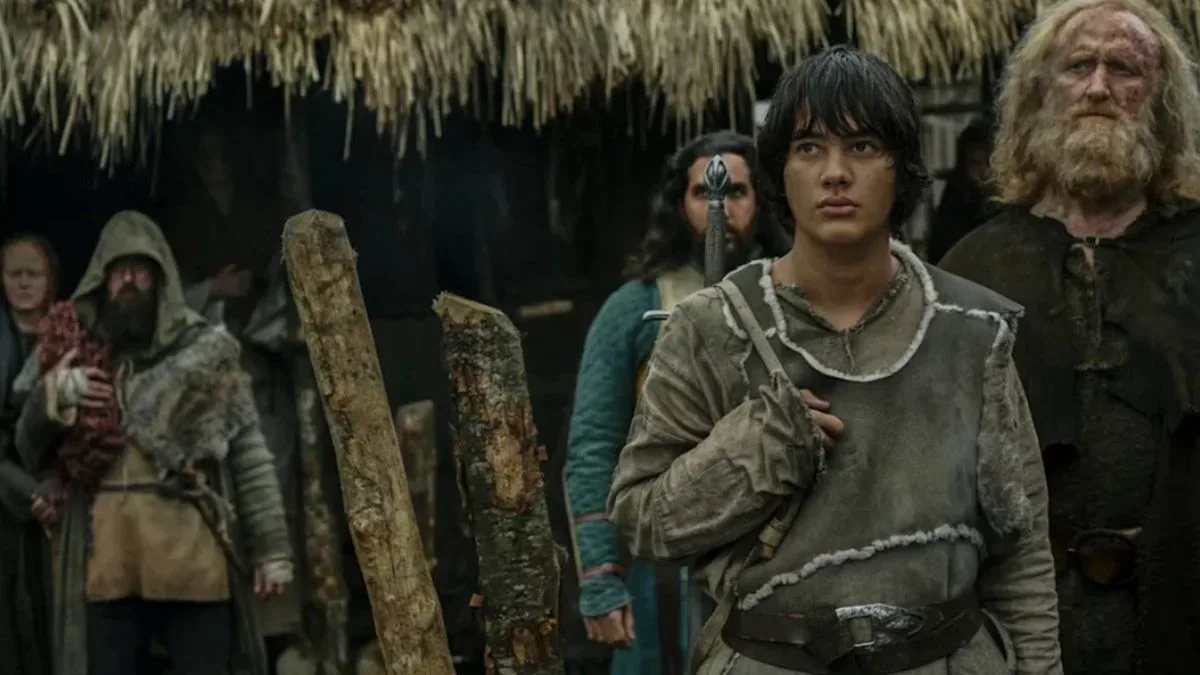
Theo’s story has always had an uneasy relationship with identity. Introduced in the first season as a young Southlander trying to find his place, he has now been pulled into a far darker conflict. The first four episodes of The Rings of Power season 3 place him at the center of Sauron’s designs: he is transformed into a Nazgnagôl, given a supposed answer about his father, and becomes responsible for the death of Arondir, the figure who had most closely occupied a paternal role in his life.
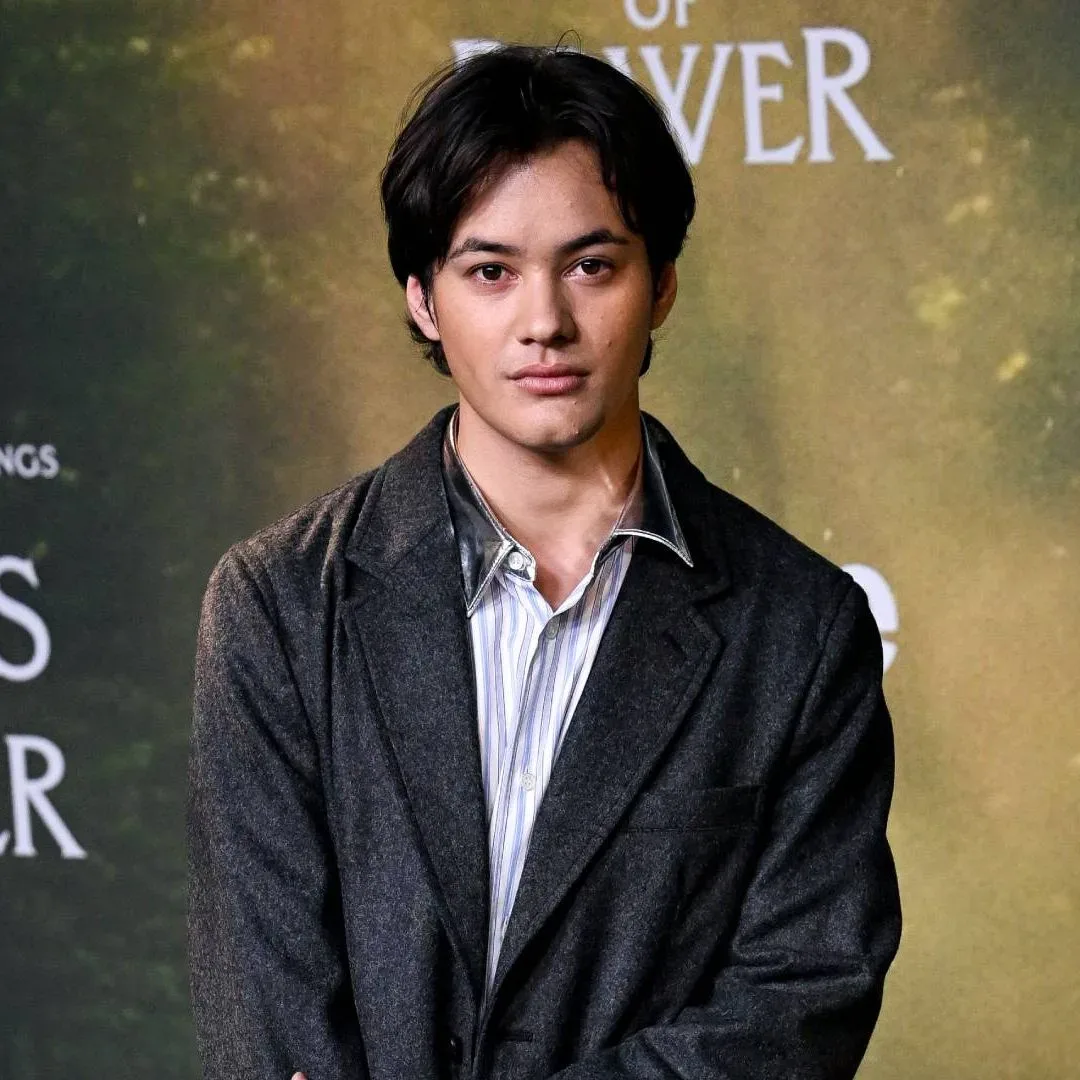
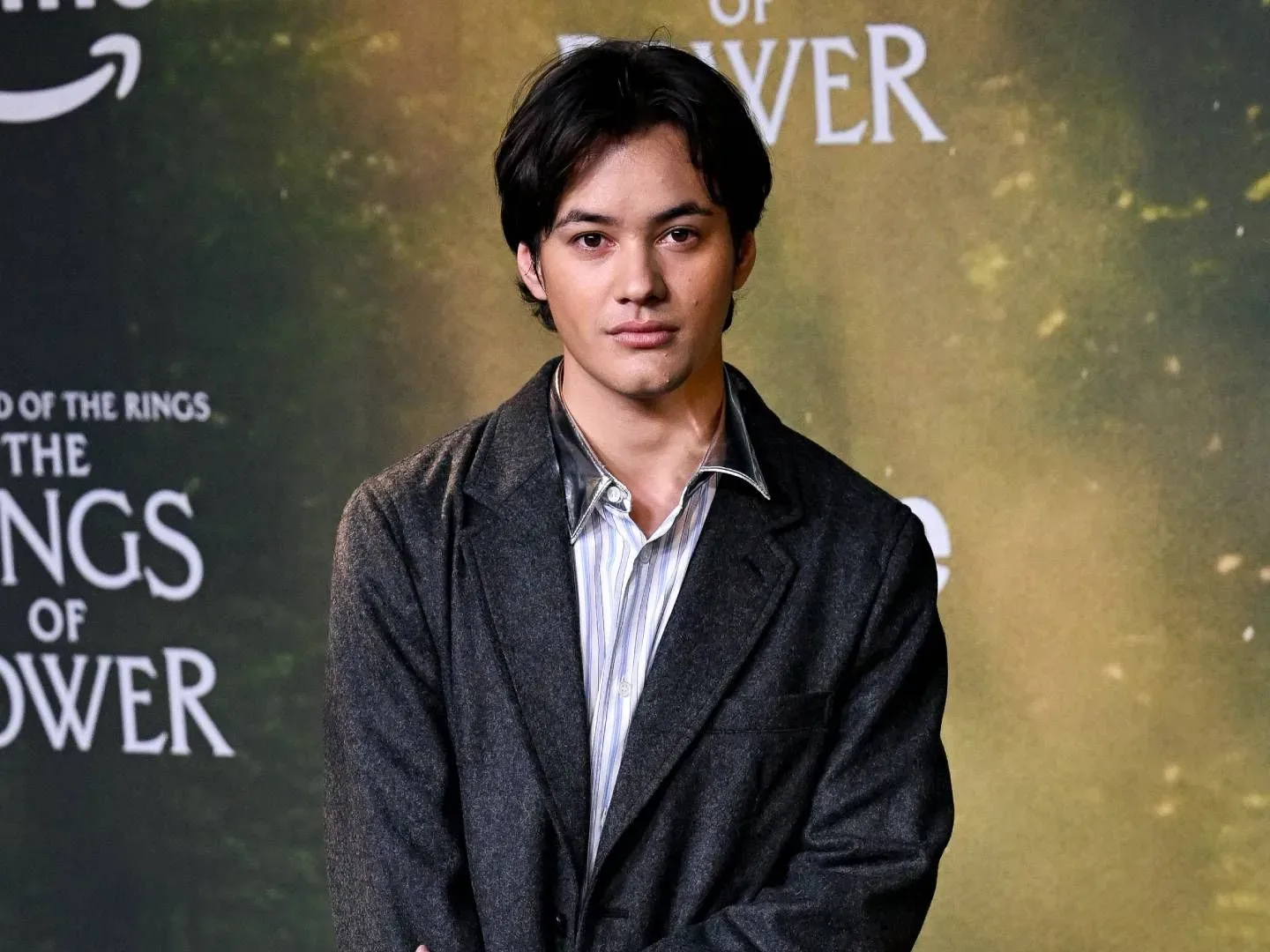
Tyroe Muhafidin, who plays Theo, describes the season as a wild escalation for the character. More importantly, his comments frame these developments not as straightforward answers, but as pressure points in a story about deception, grief and remaining agency. Theo may be operating under Sauron’s influence, but the actor stresses that the One Ring has not yet been made. That distinction leaves narrative space for Theo to feel, choose and potentially resist, even while being used as an instrument of evil.
It is a suitably grim position for a character whose vulnerabilities have long been visible. Season 3 does not simply give Theo lore-heavy new clothes and a place beside Sauron. It turns the questions surrounding his family, belonging and moral center into weapons.
The father reveal may be an answer designed to wound
One of the major revelations in the opening four episodes concerns Theo’s biological father. Yet Muhafidin cautions that viewers should not treat the information delivered in Mordor as settled fact. The person delivering it is Sauron, and deception is not incidental to Sauron’s power; it is fundamental to how he recruits, corrupts and controls.
“You can’t actually take Sauron’s word for what it is,” Muhafidin said, arguing that the revelation may have been chosen to exploit Theo’s emotional weak points and draw him further under Sauron’s influence.
That is the key caveat around the apparent reveal. The scene may contain the truth, a partial truth, or a specifically shaped lie. The available information does not resolve which one it is. What it does establish is Sauron’s goal: identify the emotional wound, then make himself appear to be the person offering understanding, purpose or belonging.
This is why a parentage twist carries more weight here than a simple piece of backstory. For Theo, an answer about his father comes at precisely the point when he is isolated from the relationships that once anchored him. In practical story terms, the reveal is leverage. Whether Sauron’s claim proves accurate matters enormously, but even an untrue claim can alter Theo’s choices if he believes it.
The ambiguity also preserves a useful tension for the remaining episodes. Viewers know Sauron has a motive to manipulate Theo, while Theo has every reason to want a definitive explanation of where he came from. Those two facts make certainty dangerous. The more desperately Theo needs an answer, the easier it is for Sauron to turn that need against him.
What it means that Theo is a Nazgnagôl
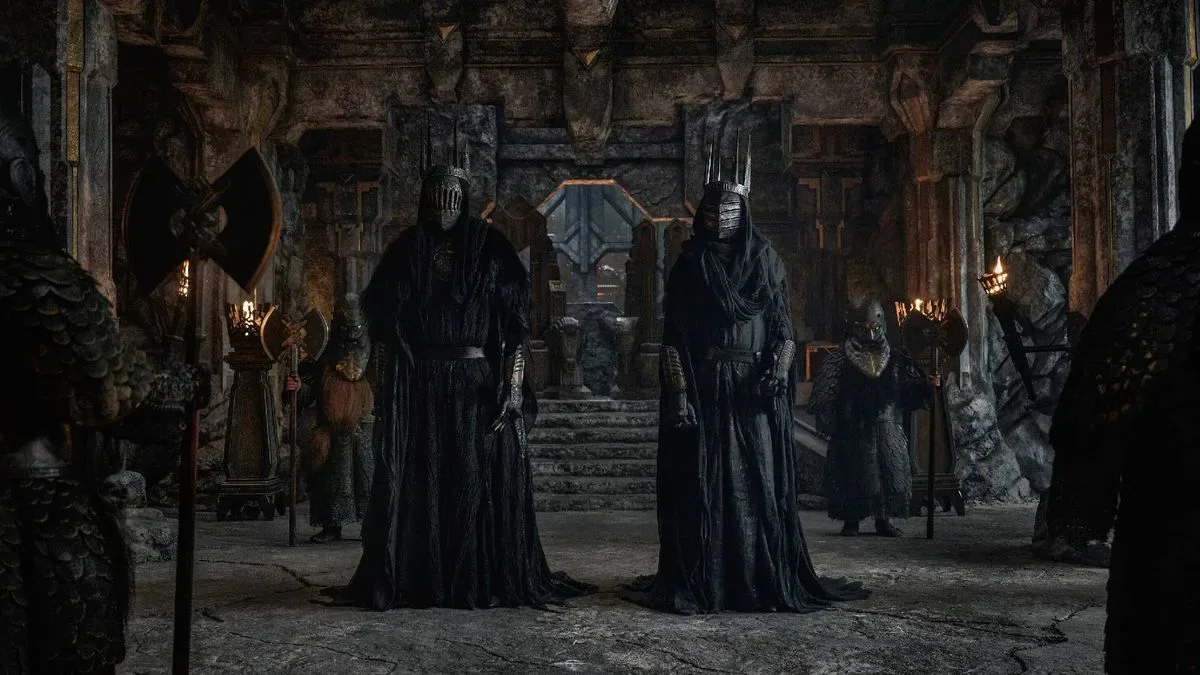
Theo’s new status as a Nazgnagôl is the other major shift. The term places him among Sauron’s ringbearers, an identity with obvious significance for audiences familiar with the wider world of The Lord of the Rings. But the show’s immediate dramatic purpose is less about ticking off a piece of lore and more about transforming Theo’s presence, posture and relationship to power.
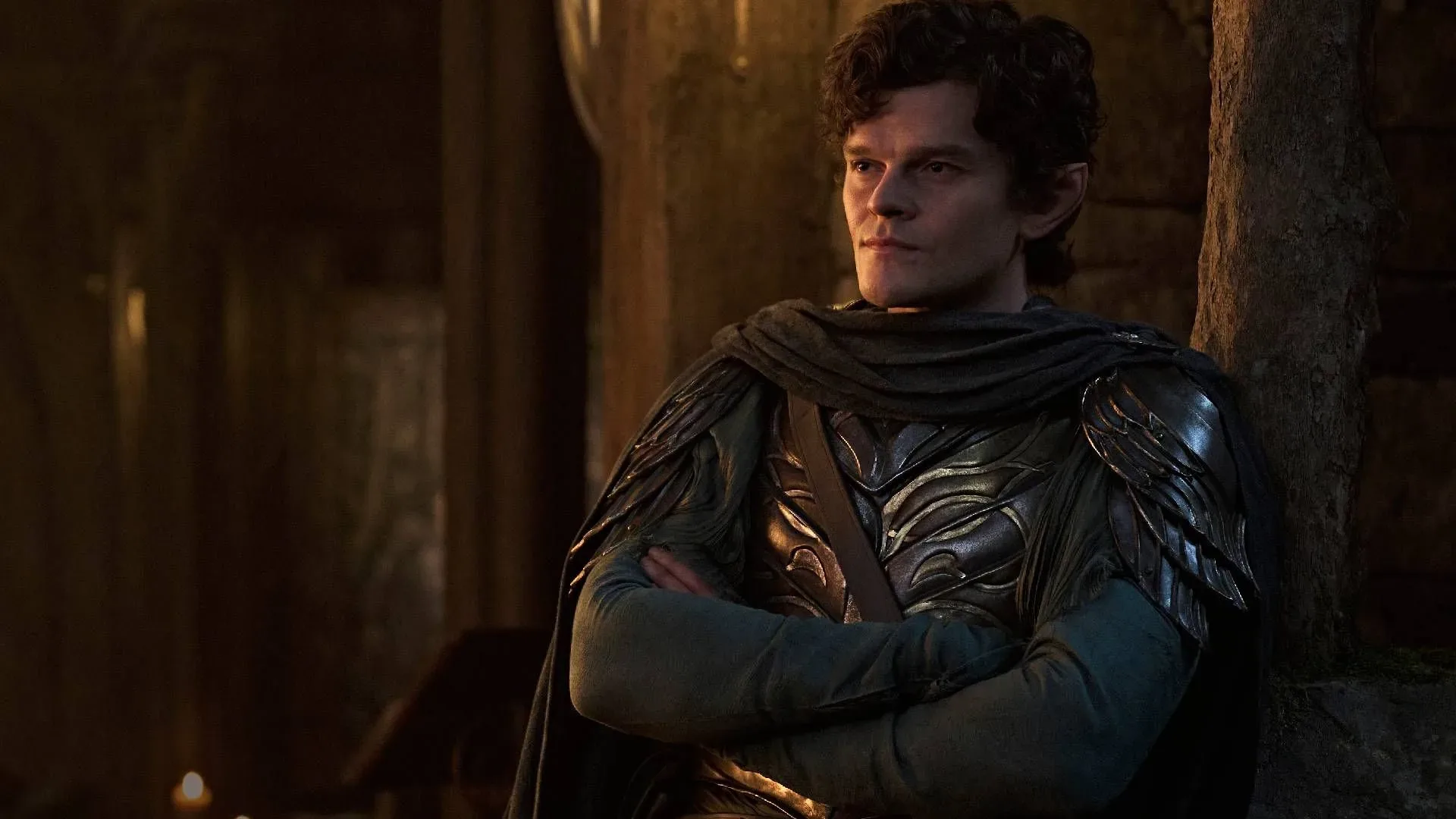
Muhafidin prepared through movement workshops before wearing the costume, working toward a physicality he felt was far removed from the character he had previously played. He said that the transformation clicked at the fitting itself. Even without armor, the fall of the cloak and the act of lifting his hands gave him the feeling that he had become the character’s new, more imposing form.
That detail matters because costume is doing narrative work. Theo’s earlier uncertainty made him emotionally legible: a young person searching for a role in an unstable world. As a Nazgnagôl, he becomes visually aligned with Sauron’s power. The cloak is not merely a sinister wardrobe upgrade. It helps externalize the dangerous change in how Theo carries himself and how others may read him.
“Physicality” in acting refers to the choices expressed through movement, stance, gesture and the use of the body rather than dialogue alone. In this case, the goal appears to be a stronger, more controlled and more threatening Theo. The unsettling part is that the performance has to hold two opposing ideas at once: the outward force of a ringbearer and the inner turmoil of someone whose emotions have not disappeared.
The Mordor setting reinforces that contradiction. Muhafidin described an intensely hot set filled with fire and densely constructed physical details. For performers, a built environment can reduce the amount they must invent in the moment: texture, heat, props and scale all supply immediate material for the scene. Here, the tangible surroundings also suit the character’s ordeal. Mordor is not an abstract backdrop to Theo’s corruption; it is the place where Sauron offers him identity and turns it into captivity.
The One Ring has not been made, and that changes Theo’s dilemma
The most consequential clarification from Muhafidin concerns timing. Theo is under Sauron’s control, but the One Ring has not yet been forged. The actor says that means Theo is not fully controlled and retains some ability to make decisions. He can still feel emotions, and those emotions may lead him to actions that do not match the direction Sauron would prefer.
This is not a promise that Theo will break free, nor is it proof that he can easily overcome Sauron’s influence. It is a more precise description of the character’s current state: Theo is compromised, coerced and dangerous, but not yet empty of selfhood.
Agency is the useful term here. In fiction, agency is a character’s meaningful capacity to make choices that affect events. A character can have limited agency rather than none at all. Theo’s choices may be constrained by Sauron’s power, his new status and the trauma of what has happened, but the actor’s comments indicate that those choices still matter. He is not simply a body moving through a predetermined command.
That makes the murder of Arondir especially tragic. If Theo were entirely without any control, the event would primarily be a story of possession. If part of him remains able to experience grief, confusion and choice, then he must also live with the emotional consequences of what he has done. The season’s next stretch can therefore explore not only whether Theo escapes Sauron’s grip, but what it would mean to confront the damage committed while under it.
Stories about family and identity often become especially potent when a character has incomplete information and compromised control. That broader tension also surfaces in an exploration of family, identity and the unknowable in Paradise Lost, though Theo’s predicament is rooted in the very different machinery of Middle-earth.
Arondir’s death removes Theo’s closest moral connection
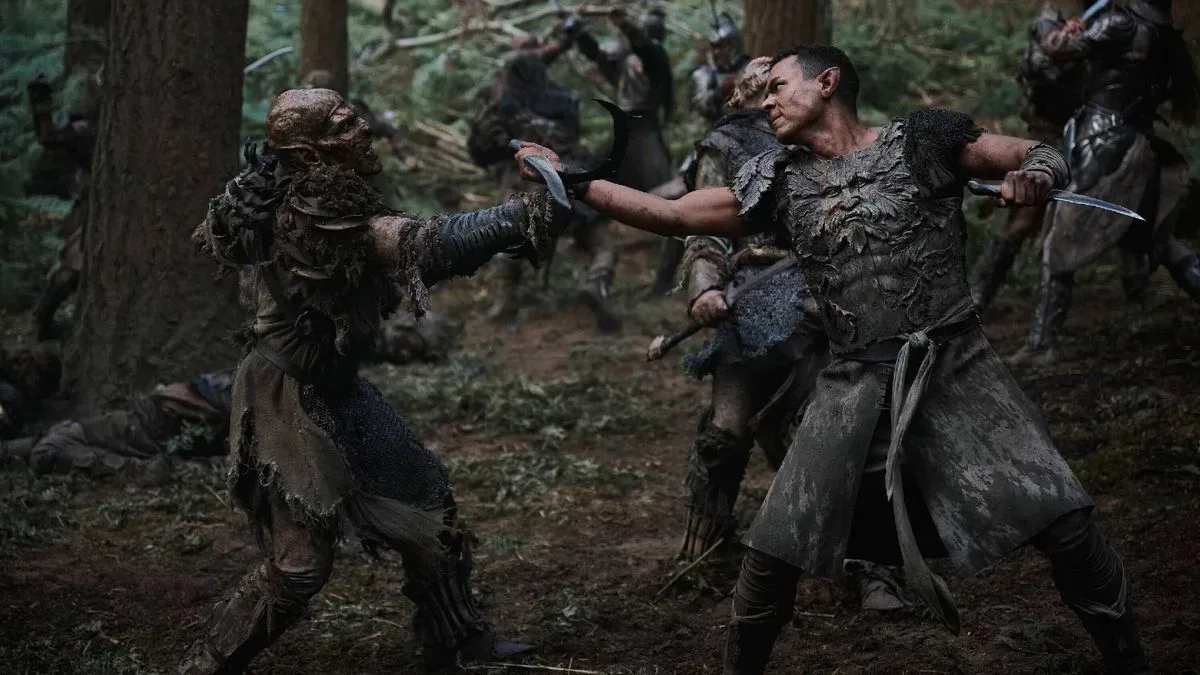
Episode 4’s loss of Arondir is the season’s harshest immediate consequence of Theo’s descent. Muhafidin called the sequence emotional and said the production spent two weeks on the larger stunt work, though he was present for only several days. He also noted that it was his and Ismael Cruz Córdova’s only scene together in the season, making the farewell unusually concentrated.
For Theo, Arondir was not merely another ally. He was the closest thing the young Southlander had to a father figure. That relationship gives the death a cruel symmetry beside the supposed biological-father revelation. In a short span of the story, Theo is offered one version of paternal truth by Sauron while destroying the relationship that had provided actual care and guidance.
The contrast is devastating because it exposes the difference between ancestry and connection. A biological answer, even if eventually confirmed, cannot replace the person who had been there for Theo. Sauron’s manipulation works by exploiting blood, longing and insecurity; Arondir represented trust formed through experience. Theo’s involvement in Arondir’s death therefore leaves him more vulnerable to Sauron precisely because it severs the relationship most likely to challenge Sauron’s version of who Theo is.
Muhafidin said the scene took him time to process. He described Cruz Córdova as having already worked through the reality of the departure and helping him understand the importance of major, painful moments in television. That behind-the-scenes emotional context does not soften the event on screen, but it does underline why the scene has been built as a decisive turning point rather than a routine battle casualty.
A performer who grew up alongside Theo
Muhafidin was 21 when discussing the season and described The Rings of Power as his first major role. Looking back at years spent on the production, he said the experience meant he did not have what he considers a normal adolescence. He also described a shift from early nerves and anxiety on set toward a sense of comfort developed through sustained experience.
That progression mirrors the scale of Theo’s current material, even if the two journeys are obviously very different. Muhafidin said he was only informed about Theo’s long-term direction a few months before season 3 filming. Until then, he had spent years speculating, including during the early uncertainty over Sauron’s identity.
Keeping the actor in the dark had a creative benefit, in his view. Without advance knowledge of Theo’s eventual path, he could play the character’s early goodness, uncertainty and heart without preloading every moment with the darkness to come. It is a reminder that serialized television often relies on discovery not just for viewers but for performers, particularly when a character’s apparent trajectory is meant to be questioned.
His scenes with Charlie Vickers also appear central to the season’s effect. Muhafidin praised Vickers’ ability to shift from an approachable presence off camera to a deeply untrustworthy and frightening Sauron in performance. That duality is precisely what Theo encounters within the story: a figure capable of presenting intimacy and answers while pursuing domination.
What to watch for after episode 4
The remaining question is not simply whether Theo is good or evil. Season 3 has made that binary inadequate. He is a young man shaped by abandonment, a ringbearer serving Sauron, a possible recipient of a calculated lie and the person who killed the figure closest to a father. He is also, at least for now, still capable of emotion and some degree of choice.
That leaves several closely connected threads for viewers to follow:
- Is the father revelation true? Sauron’s involvement gives the claim an unavoidable credibility problem.
- What does Theo do with the agency he retains? His emotions may become a route toward resistance, but they can also be exploited.
- How will Arondir’s death affect him? Guilt and grief could deepen his dependence on Sauron or become the basis for a break from him.
- How far will the Nazgnagôl identity reshape him? The new costume and movement signal a transformation, but they do not automatically settle who Theo is inside.
Muhafidin characterizes the season as dark and epic, yet identifies love for one’s people and community as its strongest underlying force. For Theo, that idea now has a bitter edge. Sauron has isolated him from a person who cared for him and offered him a potentially poisonous version of family. Whether Theo can recognize the difference may determine what remains of him.