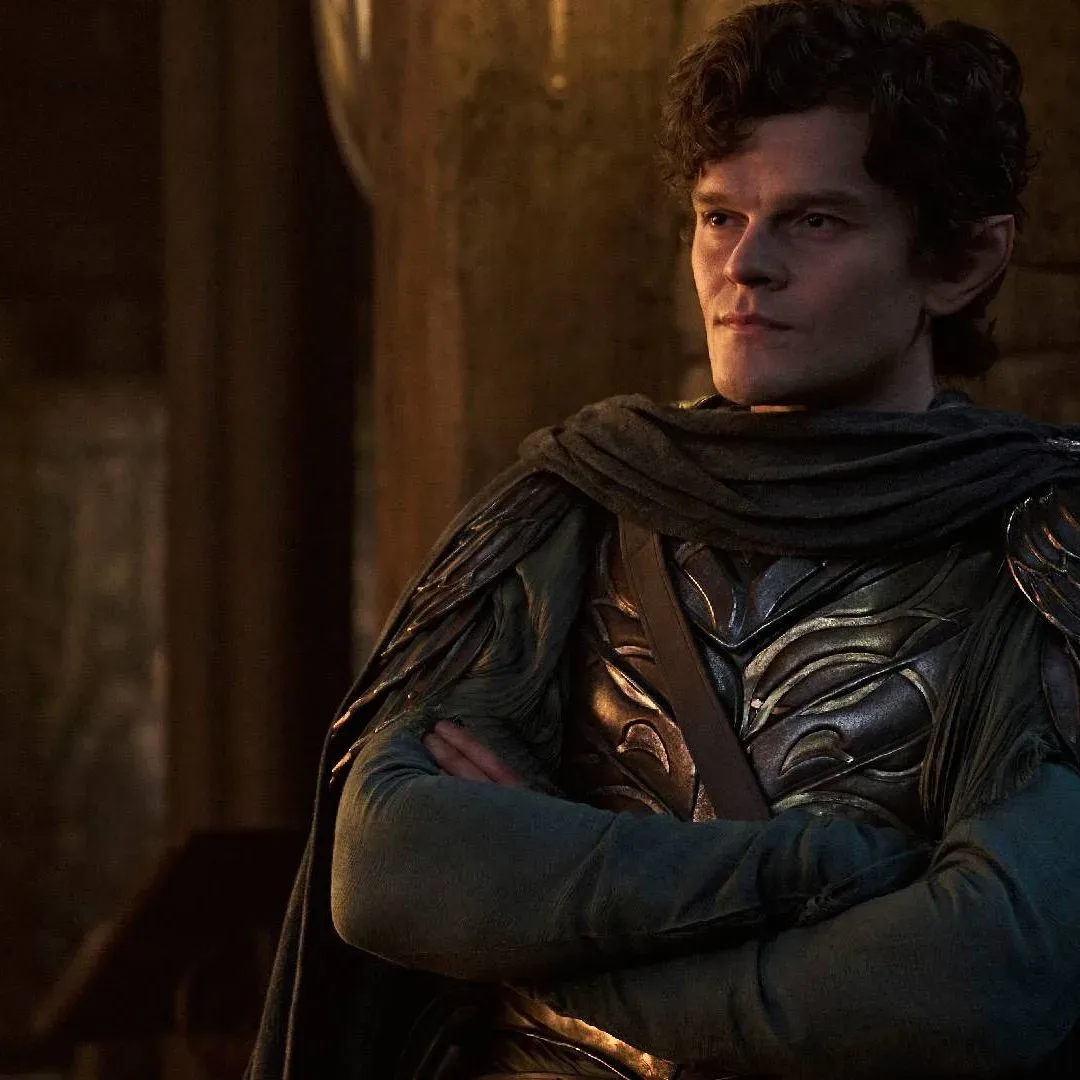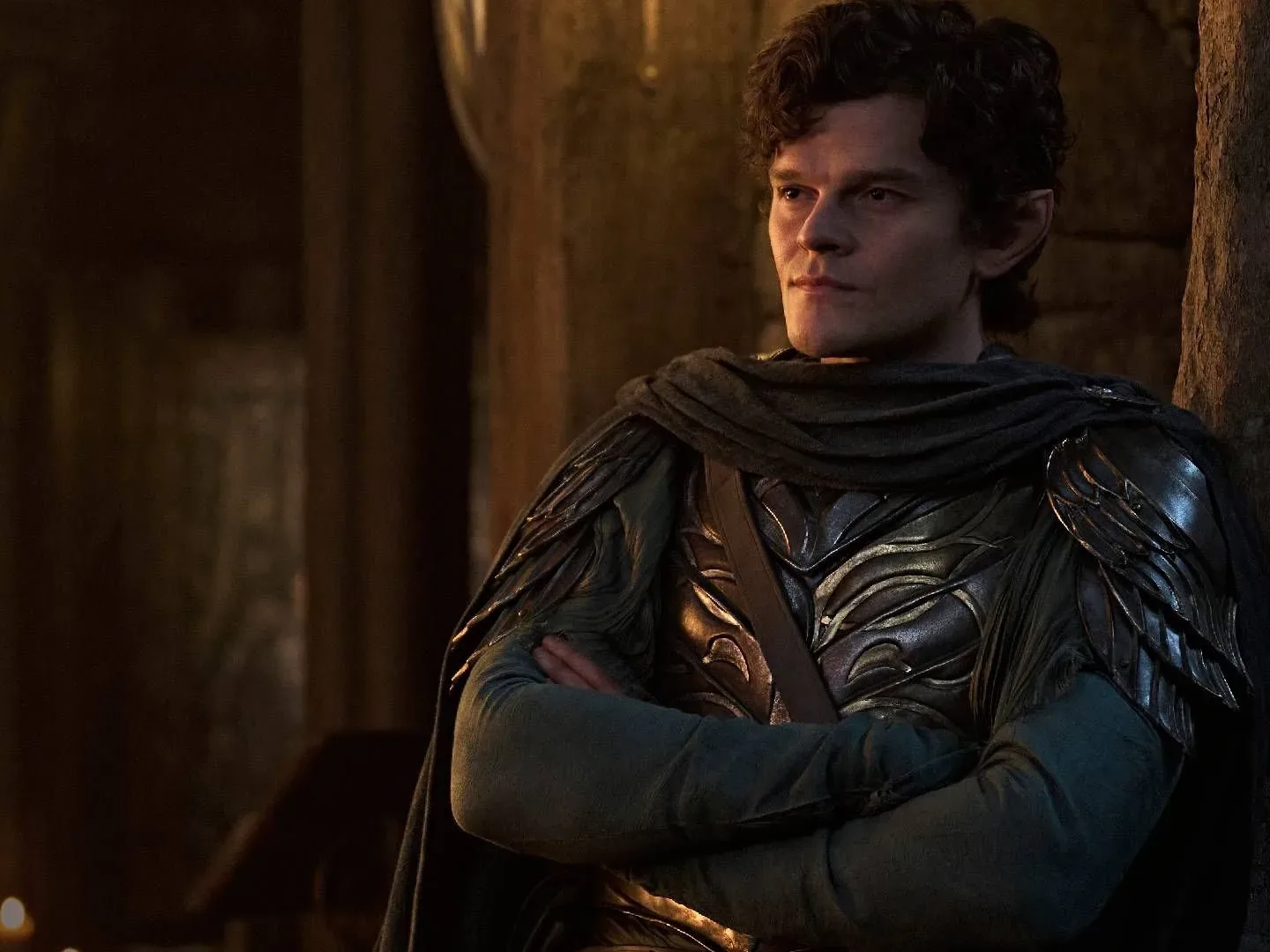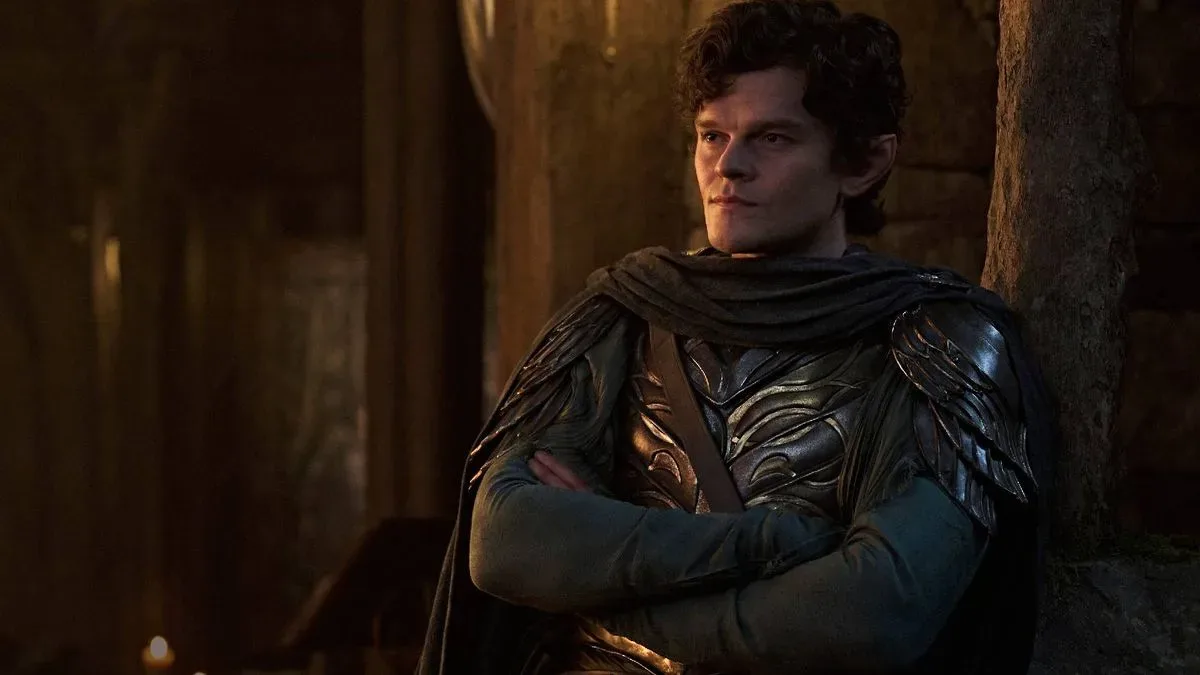
The Lord of the Rings: The Rings of Power has returned for season 3 with a 79% Rotten Tomatoes score, a solid early result that nevertheless sits below the show’s previous two season marks. Season 2 holds 85%, while season 1 stands at 84%.
Those figures make season 3 the lowest-rated installment of the series on the aggregation site to date. But the important qualifier is sample size: the new season’s 79% is currently drawn from 29 reviews, a much smaller total than season 2’s 173 reviews and season 1’s 487. Four episodes are currently available on Prime Video, with the show still expected to run for five seasons overall.
That makes this an early read on the season’s critical reception rather than a final verdict. The score may rise, fall, or remain stable as more reviews are added. What is clearer already is the broad shape of the response: season 3 is being received positively overall, but it has not opened with the same numerical advantage as its predecessors.
What the 79% score does—and does not—say
A Rotten Tomatoes percentage is useful shorthand, but it can be easy to overstate what it measures. In this case, 79% describes the share of reviews classified as favorable within the reviews counted so far; it is not a direct average of every critic’s score, nor is it a measurement of audience reaction. A 79% result is generally positive, while the difference between 79%, 84%, and 85% should not be treated as a definitive ranking of creative quality.
The limited number of reviews is particularly relevant here. With only 29 counted reviews, each newly added assessment has more power to affect season 3’s percentage than it would in a pool approaching 200 or nearly 500 reviews. Seasons 1 and 2 have had much longer to settle into their present totals. Season 3 has not.
In practical terms, viewers deciding whether to start the new episodes have a reasonable signal that critics are more favorable than unfavorable. They do not yet have a stable, like-for-like comparison with the two earlier seasons. That distinction matters for a serialized production with more episodes still to arrive and two further seasons planned.
A darker chapter centered on Sauron and the One Ring
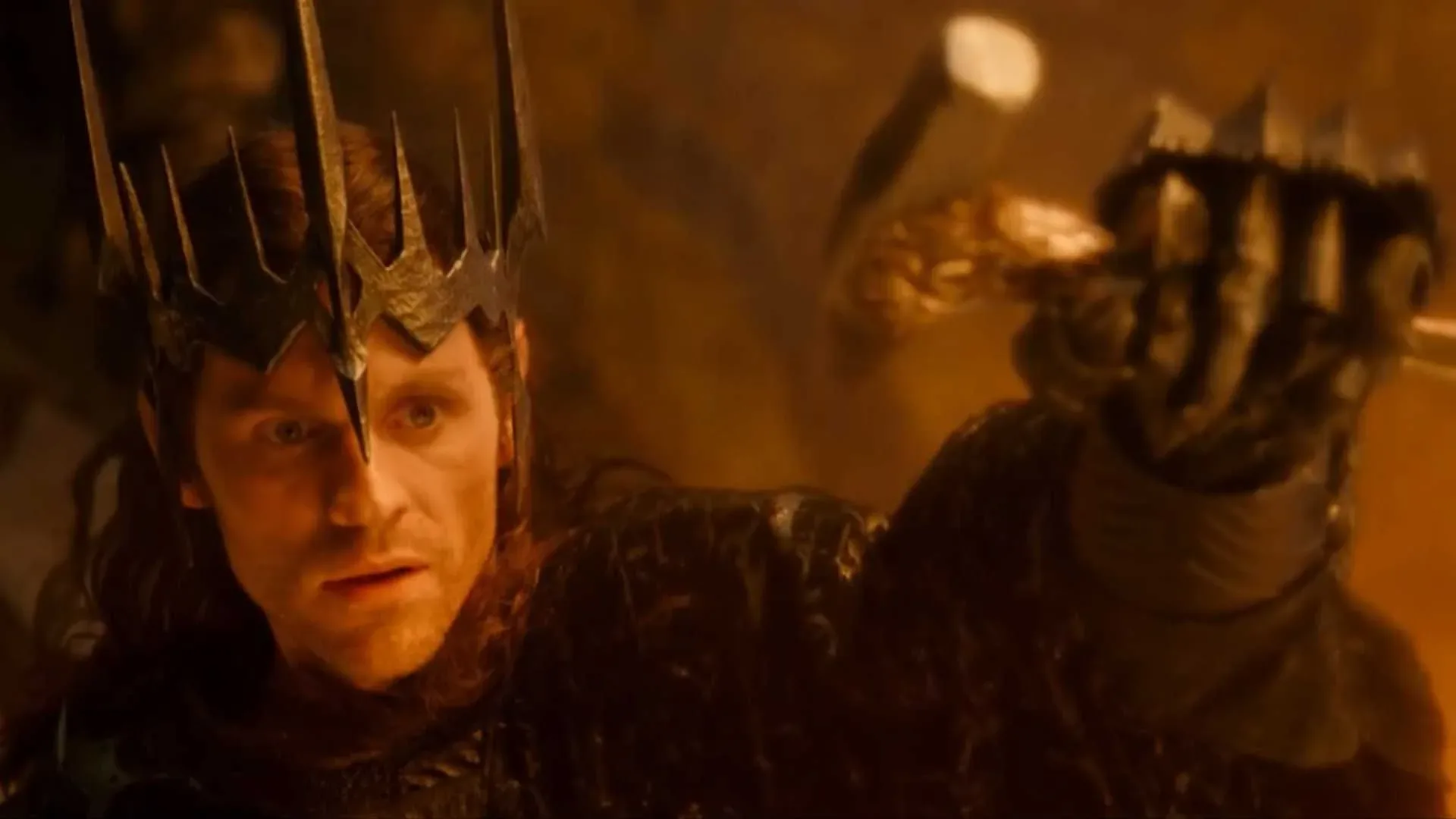
Season 3 puts Sauron’s pursuit of the One Ring at the center of its conflict, while the Elves continue their struggle against him. That focus gives the new chapter a direct connection to one of Middle-earth’s defining objects and its most consequential antagonist.
The series is set in the Second Age, far earlier than the events depicted in Peter Jackson’s The Lord of the Rings films. Its stated larger trajectory is to lead toward the events represented in the prologue of The Fellowship of the Ring. In that context, the forging of the One Ring is not simply another plot point: it is a foundational event in the show’s long-form story.
For newcomers, the term Second Age identifies the historical era of Middle-earth in which this series takes place. The film trilogy’s main quest occurs much later. The gap gives the show room to tell a story involving familiar names, places, and mythology without beginning at the same moment as Frodo’s journey. It also means season 3’s emphasis on Sauron and the Ring is part of a prequel structure: the narrative is moving toward events whose enduring significance is already known within the wider saga.
That structure brings an unusual tension. The audience can understand the importance of the Ring while still watching the characters confront its creation and the escalating power behind it. The story’s question is therefore not whether the Ring will matter, but how the struggle around its forging changes the people and realms involved.
Early reactions point to strengths and a familiar concern
The available critical assessment paints season 3 as a dark and exciting installment, especially where Sauron’s growing threat and the Ring’s forging are concerned. At the same time, it identifies dense, slow-moving subplots as a drawback. That is a useful description of the central trade-off viewers may encounter: large-scale mythology and high-stakes menace on one side, a potentially heavy narrative load on the other.
Dense subplots, in this context, refers to storylines that require viewers to track numerous characters, conflicts, and threads beyond the main Sauron-and-Ring arc. Such complexity can deepen a fantasy world by making it feel populated and politically layered. It can also impede momentum when too many threads demand attention at once or when the connections between them take time to emerge.
“Dragging” is likewise a pacing criticism rather than a statement that a season lacks events. Pacing is the rate at which a story reveals information, resolves conflict, and advances characters toward major turning points. A season can contain major events and still feel slow if scenes, side stories, or transitions delay the movement audiences expect from the central conflict.
For season 3, that criticism is worth keeping in view because the premise is inherently propulsive. Sauron’s quest for the One Ring and the Elves’ resistance provide a clear dramatic spine. Whether the surrounding plotlines reinforce that spine or diffuse it will likely be a key factor in how the season’s reception develops as more episodes and reviews arrive.
Why the comparison with earlier seasons needs caution
It is tempting to describe 79% as evidence that the series has taken a major step backward. The available numbers do not support a conclusion that firm. The raw gap is five points from season 1 and six from season 2, but the review counts differ dramatically.
Season 1’s 84% comes from 487 reviews, season 2’s 85% from 173, and season 3’s 79% from 29 at this stage. A comparison between the percentages is valid as a snapshot, yet it is incomplete without acknowledging that the new score has far less review volume behind it. More assessments will provide a more meaningful sense of where season 3 ultimately lands.
This does not erase the lower opening score. It simply places it in proportion. The series has begun its third season below its prior Rotten Tomatoes results, but it remains comfortably on the positive side of the ledger. That is a considerably more precise takeaway than treating a preliminary percentage as a permanent judgment.
What to expect from the release so far
Four season 3 episodes can now be streamed on Prime Video. With two seasons still remaining in the planned five-season run, this chapter has a significant job to do: it must deliver immediate conflict around Sauron and the One Ring while continuing to move the wider Second Age narrative toward the familiar later history of Middle-earth.
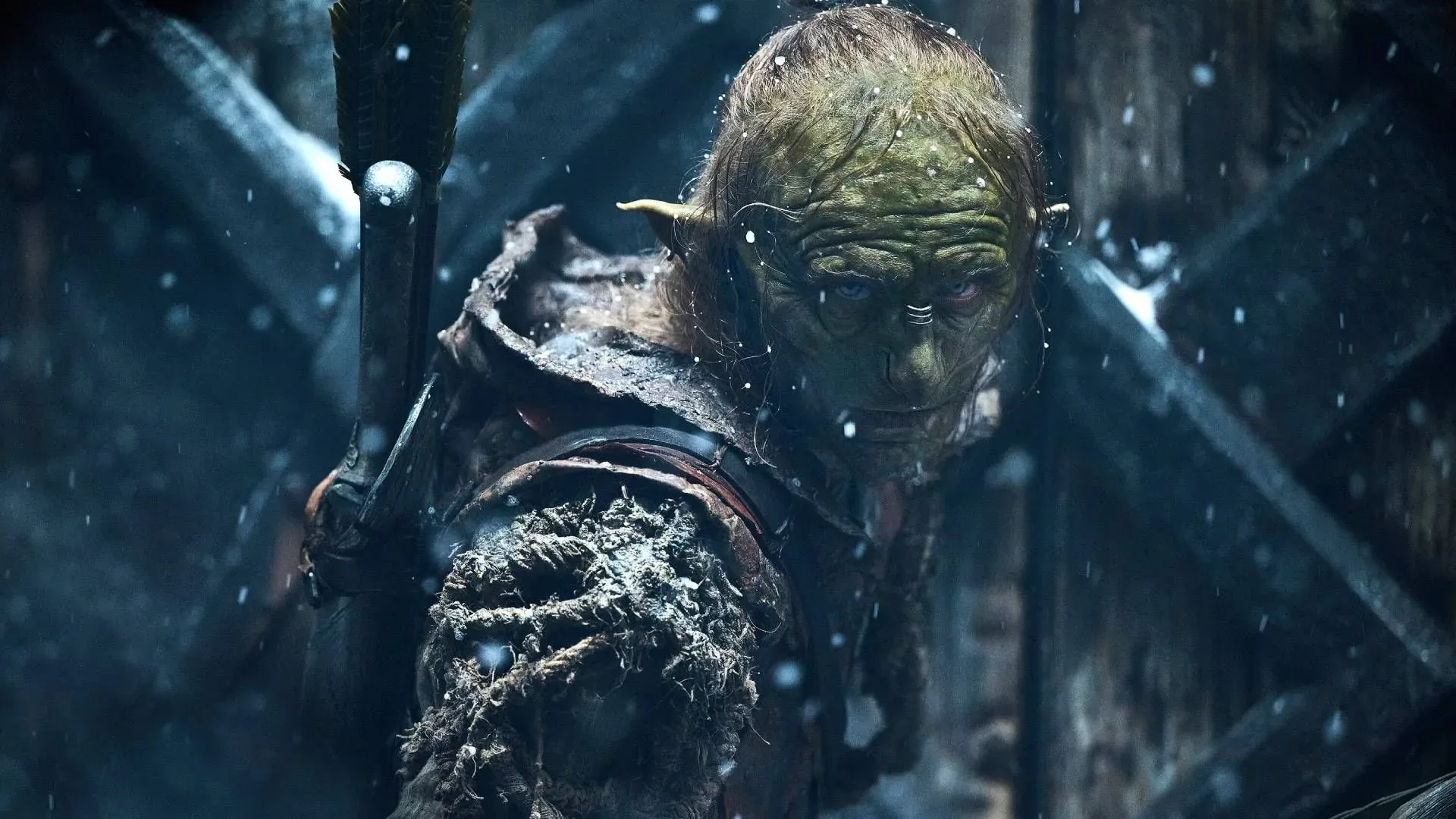
The opening critical response suggests an installment with considerable dramatic material to work with, even if its various narrative strands may test viewers who prefer a sharper, faster route through the main plot. Fans looking for more discussion of one of the season’s character perspectives can also read how season 3 gives Marnûkh a crucial Orc perspective.
For now, the most accurate scorecard is straightforward: season 3 has opened to a positive 79% Rotten Tomatoes rating, below the 84% and 85% earned by the first two seasons, with a far smaller body of reviews counted than either predecessor. The reception is promising rather than settled—and the remaining episodes will determine how fully this darker Ring-focused chapter delivers on its scope.