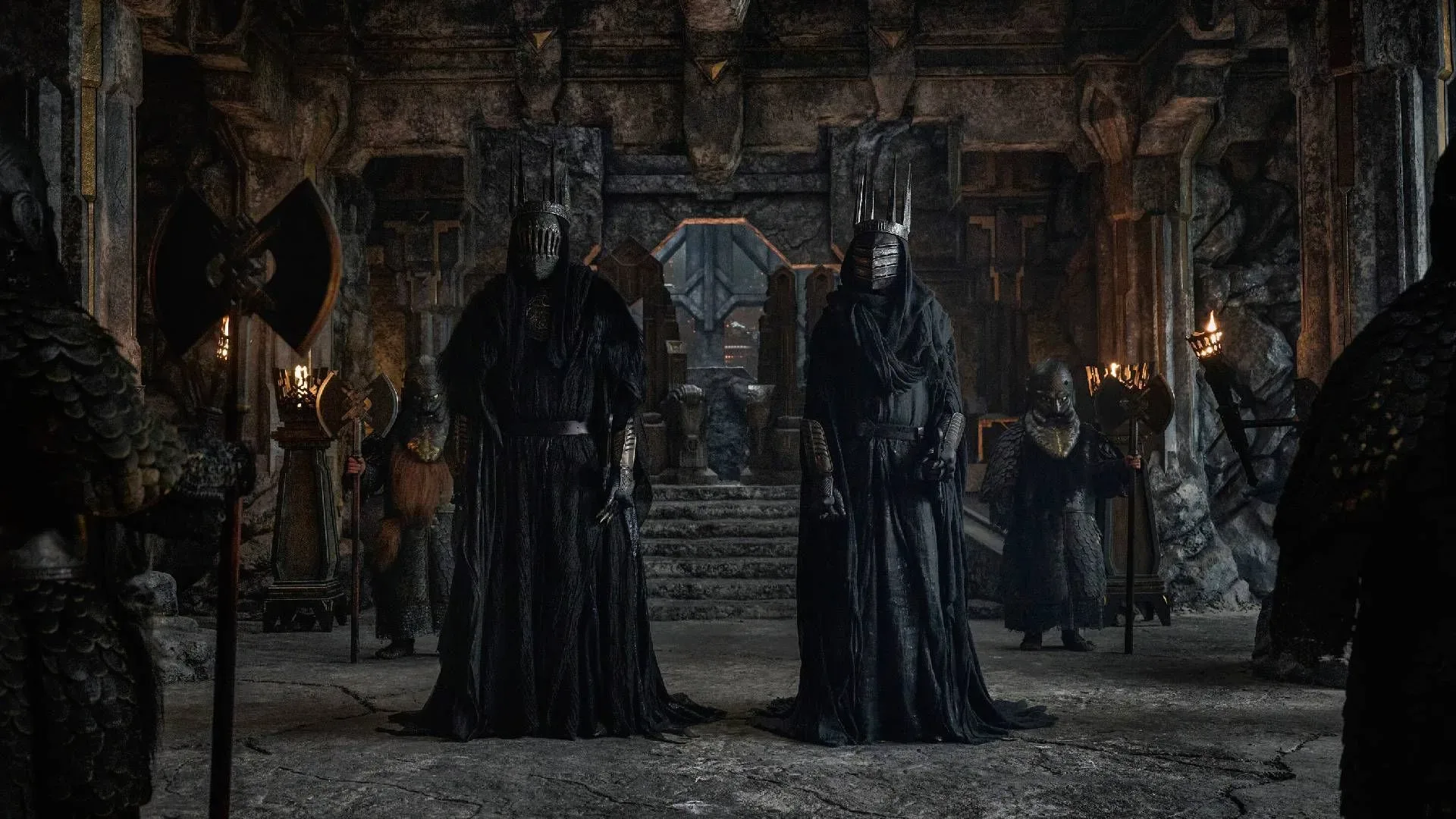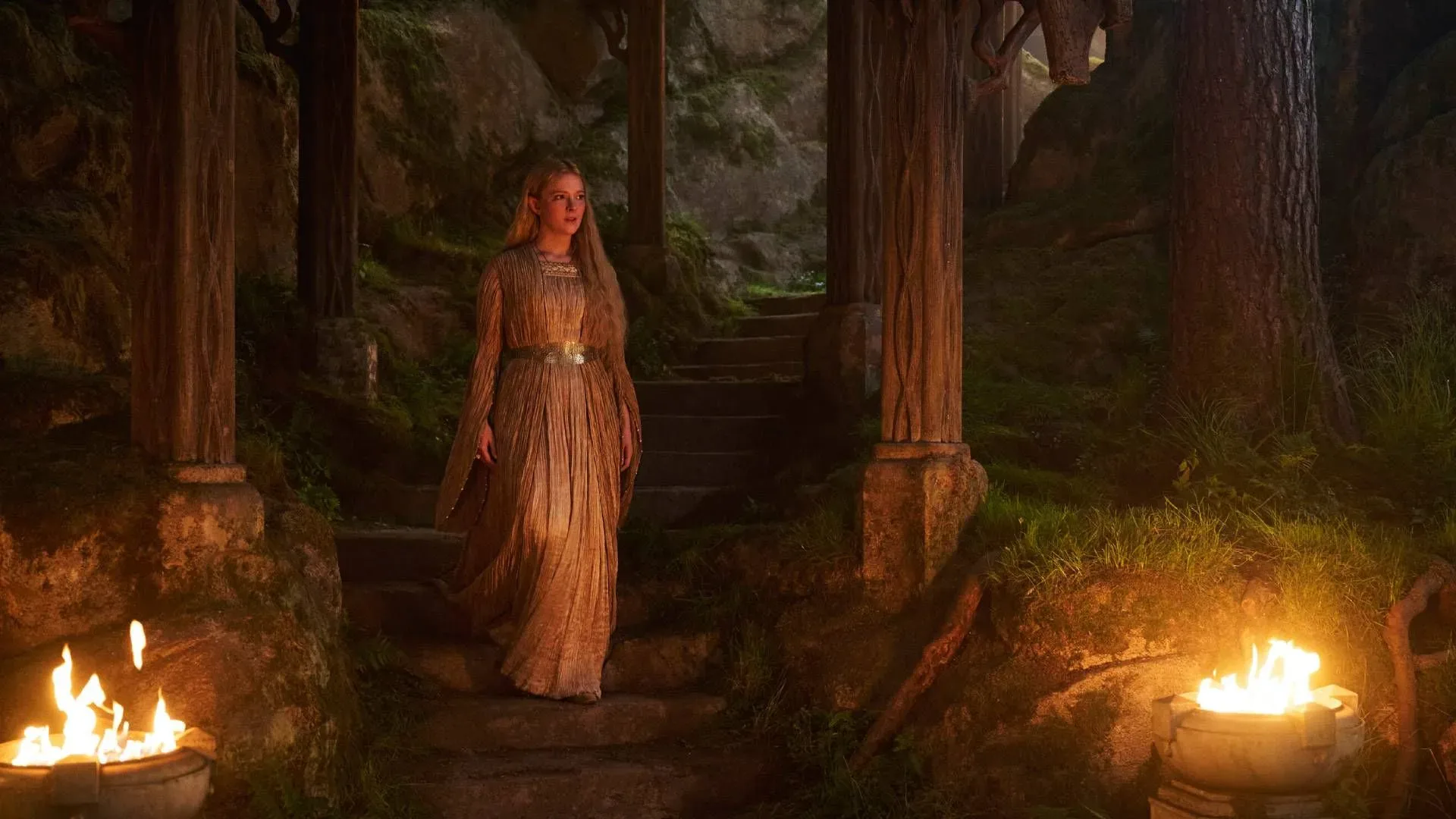
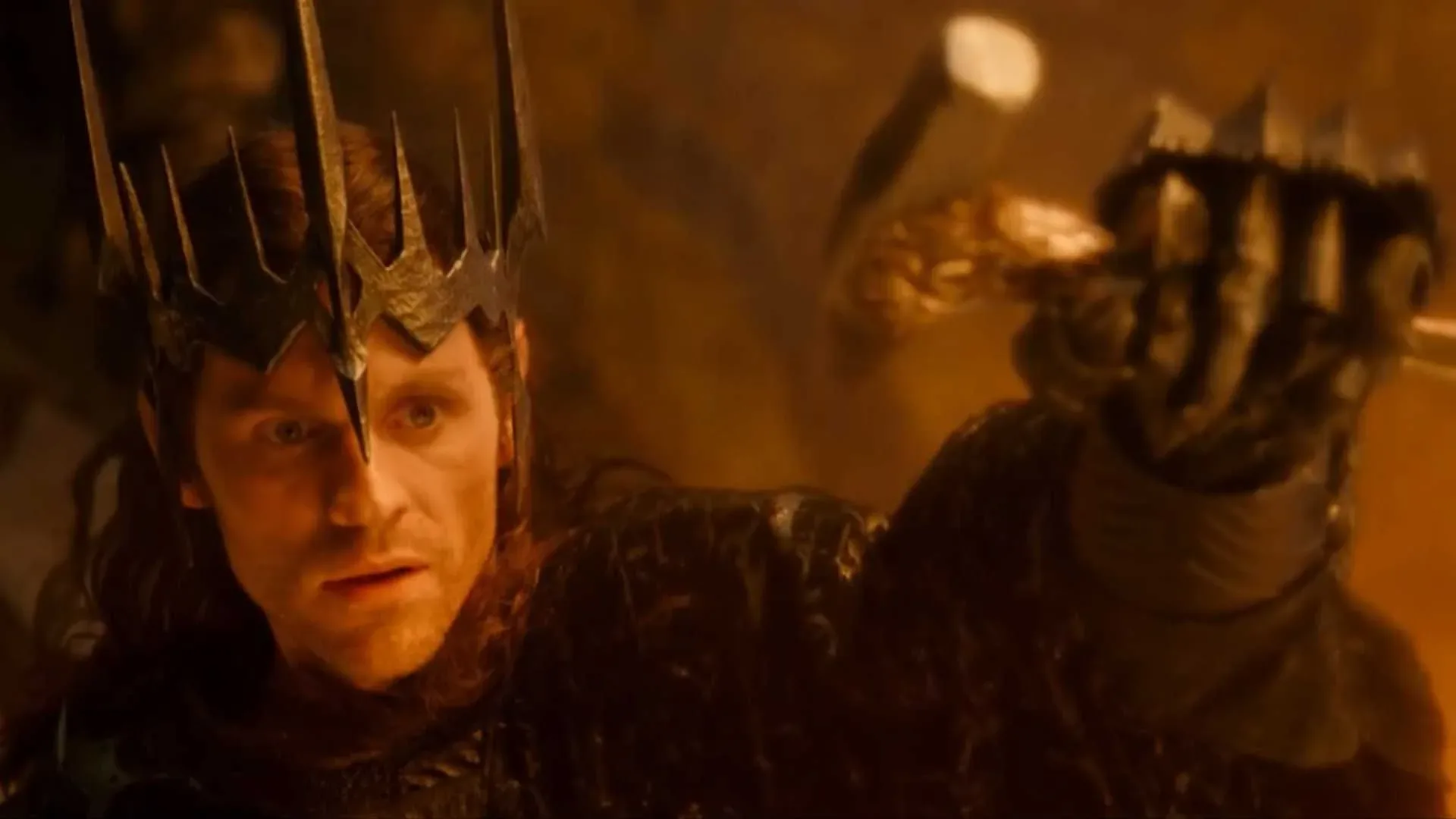
The Rings of Power season 3 is preparing to stage one of Middle-earth’s defining moments: Sauron forging the One Ring in the fires of Mount Doom. The sequence is set to arrive when the show returns to Prime Video on November 11 with a four-episode premiere, but the work behind it has been developing far longer than a typical day on a soundstage.
Co-showrunner Patrick McKay has described the scene as a creative undertaking that effectively stretched across three years, from the earliest writing and visual planning through to recently completed work on the finished sequence. That time frame reflects a useful reality of large-scale fantasy television: the image viewers see for a few minutes can depend on numerous departments answering interconnected questions well before cameras roll.
For this particular moment, those questions carried unusual weight. The One Ring is not merely a new prop for the series. It is an instantly recognizable object tied to Sauron, Mount Doom, and the larger conflict that follows. The scene therefore has to accomplish several things simultaneously: dramatize a decisive act by Sauron, establish the physical identity of the Ring, communicate the danger and effort of the forging process, and make its magic legible in a visual medium.
A sequence that begins long before the set
McKay said the process began with several pages describing what Sauron experiences during the forging. From there, the production brought in department heads to turn a written passage into a sequence of concrete, screen-ready decisions. In film and television production, a department head is the lead responsible for a specialized area such as costumes, props, makeup, lighting, or visual effects. Their work does not happen in isolation: a costume’s condition may need to correspond with makeup injuries, while lighting must support both the actor’s performance and the later creation of an eruption.
That coordination appears central to the Mount Doom scene. McKay pointed to practical questions about Sauron’s clothing, its deterioration over the course of the sequence, injuries that accumulate, and the exact form that magic should take. “Practical” here does not mean unimportant or purely decorative. A garment changing from one phase of a scene to another can show exertion, damage, passage of time, or transformation without dialogue. Injuries can similarly give physical consequence to an event that is also supernatural.
The wording also suggests the sequence is intended as an evolving ordeal rather than a simple image of a character holding a newly made ring. Costume changes, escalating injuries, environmental effects and performance all contribute to an arc. That is especially relevant to a forging scene, where the audience needs to understand that an object of enormous narrative importance has been made through a process rather than appearing as an unexplained finished artifact.
Why the One Ring had to look familiar
Prop masters John Hajdukiewicz and Tina Jones were among the key contributors tasked with making the new version of the Ring. A prop master oversees the objects performers use and that help define a scene’s physical world. In this case, the job came with a clear visual constraint: the One Ring had to be recognizable to audiences familiar with Peter Jackson’s films.
Jones said the team concluded that the design could not be substantially changed because fans needed to make an immediate connection. That decision is an example of visual continuity across adaptations. It does not necessarily mean every object is reproduced at identical measurements or with precisely the same construction. It means that the important visual signals—the plain, iconic identity of the Ring—remain strong enough that audiences recognize its role at a glance.
Hajdukiewicz explained that the production did make one subtle alteration. The Ring was enlarged and rounded slightly after the original dimensions appeared too small when seen against a gauntlet and in the wider presentation of the scene. The team’s goal was for it to remain plain while suggesting weight and mass.
That distinction matters on screen. A small object can look different in a close-up than it does when worn by an actor or placed within a large, dramatic set. Scale is not just a matter of real-world measurement; it is also a matter of readability, meaning how clearly a viewer can identify an object and its significance under the actual lighting, costume and camera conditions of a scene. A slight increase in size can help an object hold its visual presence without changing the character of its design.
The choice to preserve plainness is equally telling. The Ring’s power is not being conveyed through an elaborate silhouette or ornate decoration. Instead, the production’s stated approach places emphasis on recognition, physical presence and the context of the forging itself. In a scene built around heat, damage, volcanic imagery and Sauron’s emotional intensity, the object can stand out precisely because it is visually restrained.
Charlie Vickers at a partial Mount Doom
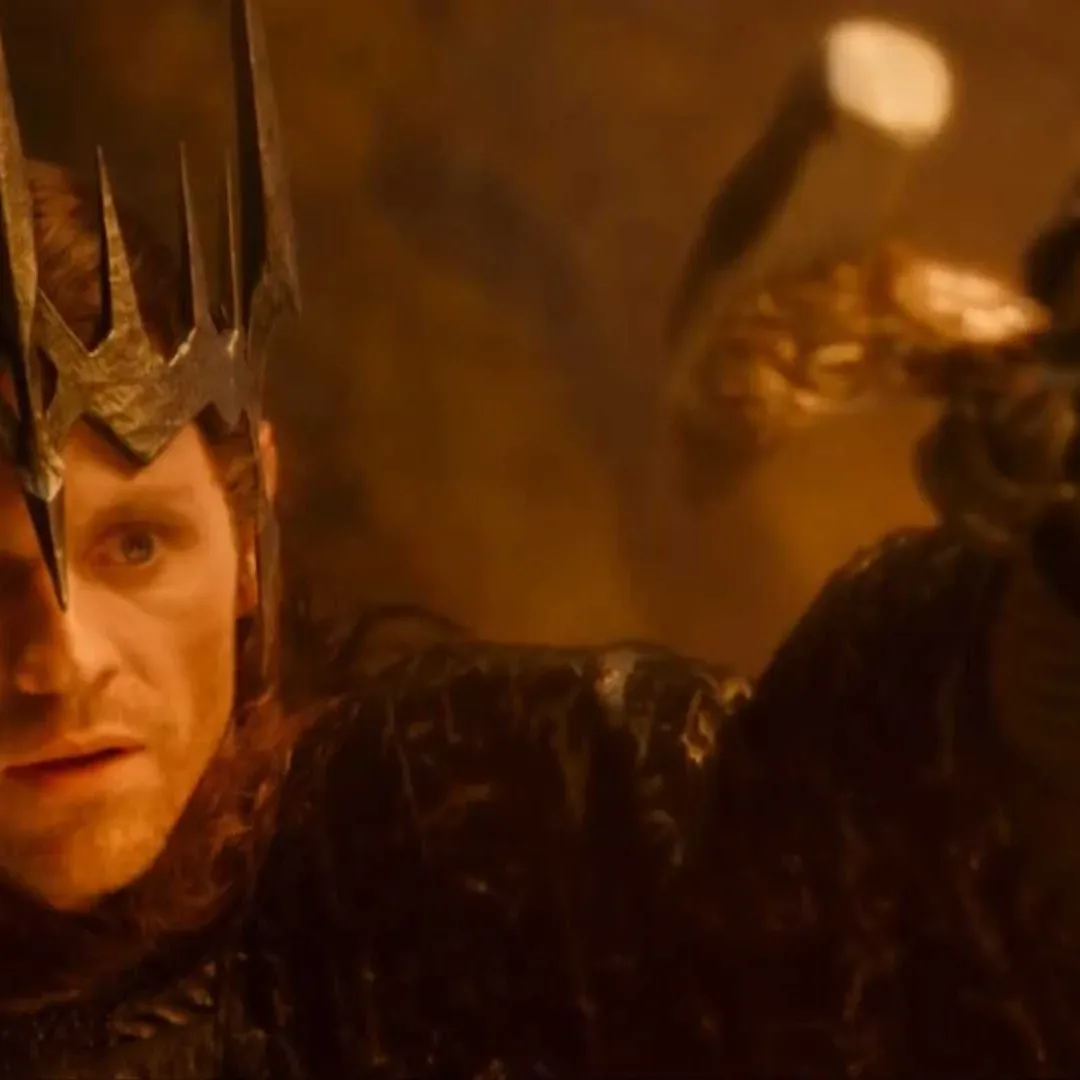
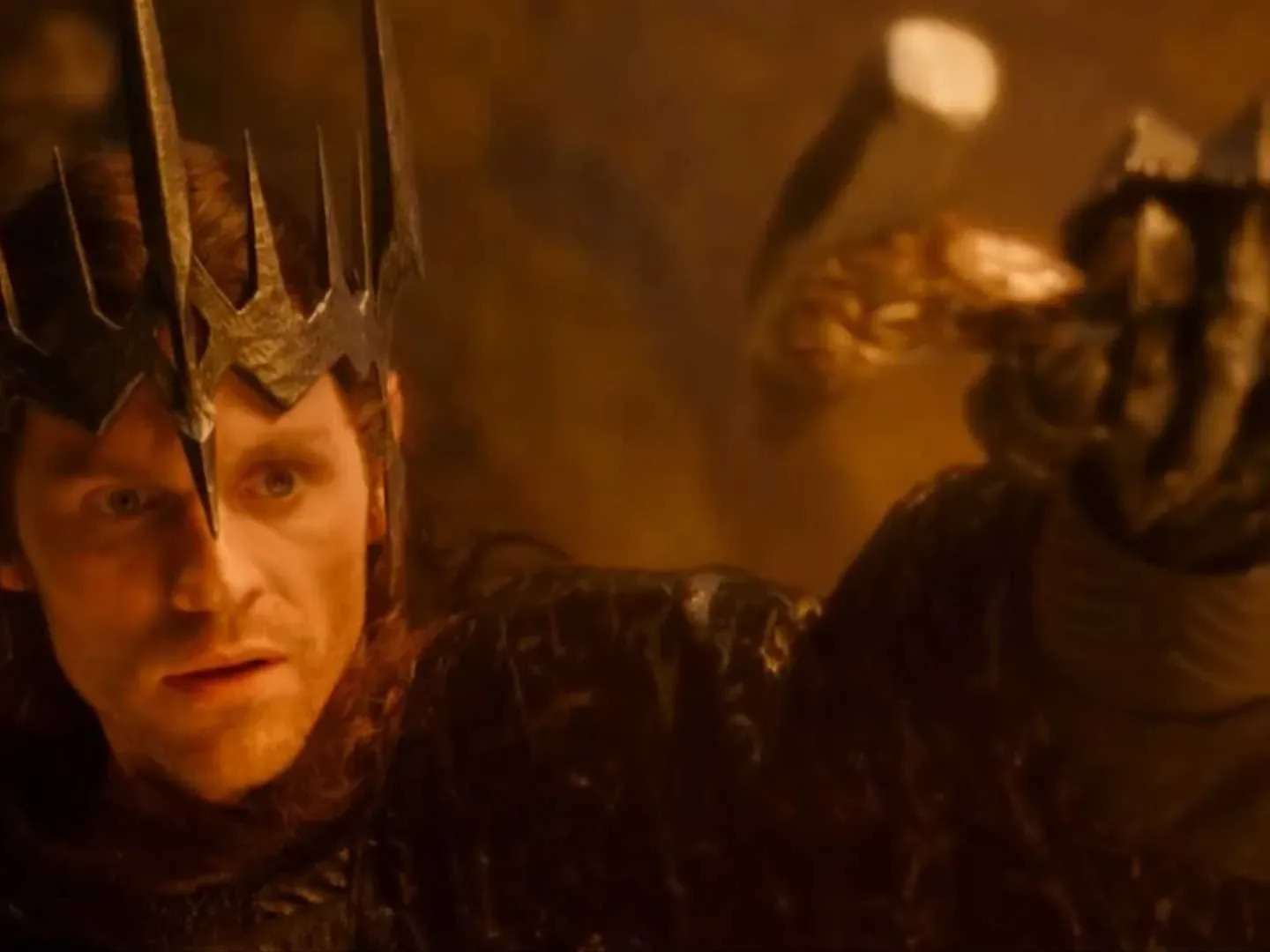
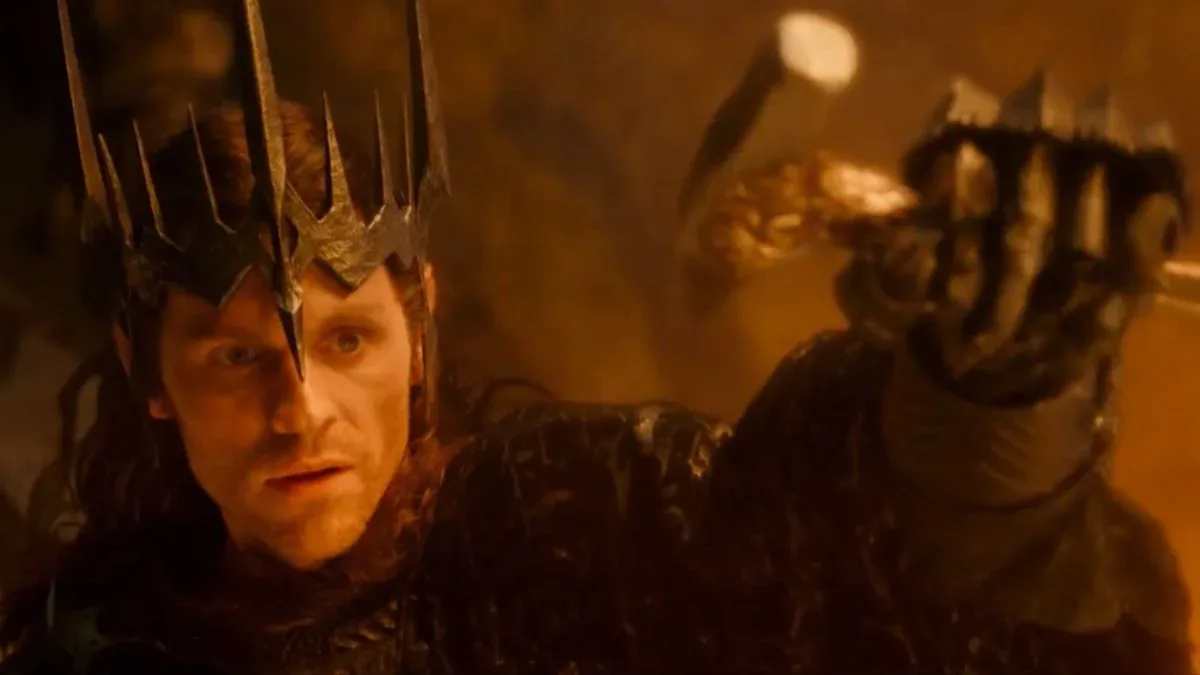
Charlie Vickers performs Sauron during the forging sequence. McKay recalled an early meeting devoted to explaining the scene and praised Vickers’ preparation, including work on the character’s psychology outside the rehearsal process. That preparation is significant because a scene driven by extreme spectacle still depends on the actor providing its emotional center.
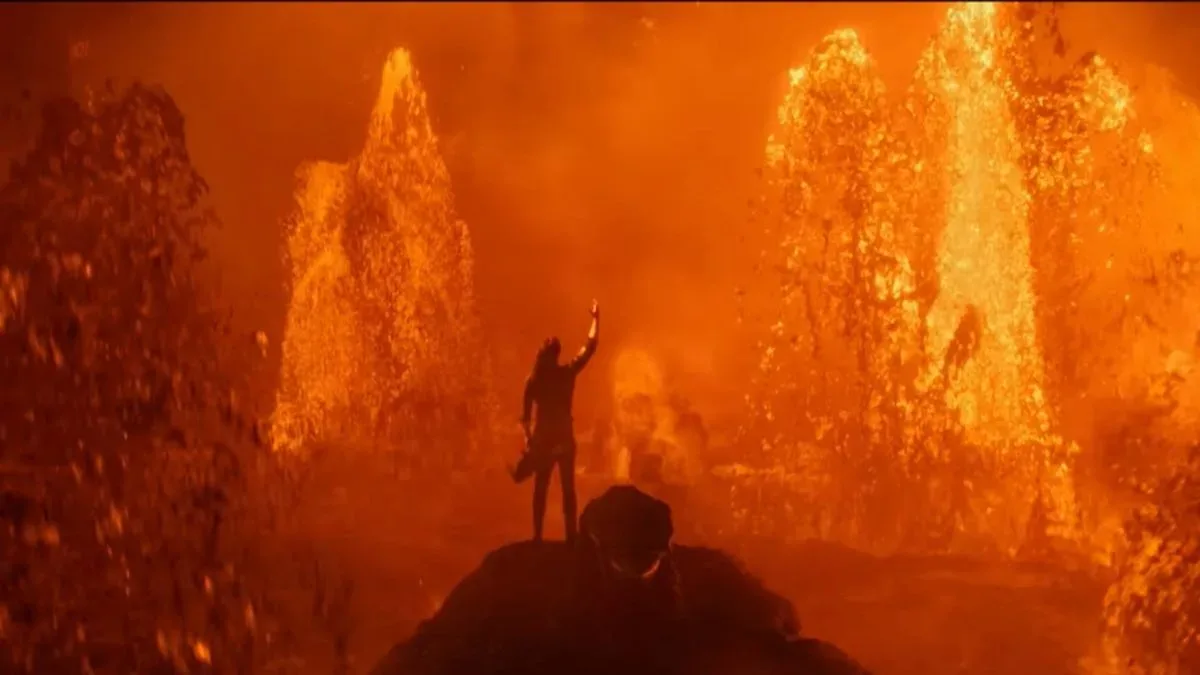
The production used a partial volcano set on a stage, with lighting rigs designed to become lava explosions in the final presentation. A partial set is exactly what it sounds like: a physically built portion of a larger environment. Productions often construct the parts actors must touch, stand on or move through, then extend the environment through other techniques. In this instance, the physical structure gave Vickers something tangible to perform within, while the lighting provided immediate cues for the violence and heat of the volcanic setting.
McKay described Vickers screaming into the void amid those effects. The image explains why performance planning and technical preparation had to proceed together. An actor working amid intense lighting and an incomplete environment needs to know what the scene represents, where danger is meant to be, how their body is changing, and what unseen or unfinished elements will surround them later.
It is also a reminder that “magic” in a fantasy production is rarely one department’s responsibility. The effect may begin in the script as an idea, become a performance choice for the actor, affect costumes and makeup, shape the work of lighting technicians, and be refined after filming. McKay noted that the team spent the final 52 weeks working toward the completed version and had only finished days before discussing it.
The show’s most complex sequence, by its own measure
McKay called the One Ring forging sequence the most complex the series has undertaken. That is a production assessment rather than a promise of a particular runtime or a list of techniques, but the available details indicate why it earned that description. The scene brings together an iconic prop, a major character performance, a purpose-built Mount Doom environment, progression in clothing and injury, major lighting effects, and an extended post-production process.
Complexity in this context should not be confused solely with scale. A sequence can be complicated because many elements must align in the right order and remain consistent from shot to shot. If Sauron’s costume breaks down over the scene, its damage needs to track correctly. If an injury appears at one point, it must be maintained across later material. If the Ring becomes the focus at a particular stage, its size, finish and relationship to Sauron’s gauntlet must remain coherent. These are continuity concerns, but they also shape whether viewers feel the event has a clear, escalating logic.
The scene’s importance also raises the stakes of every decision. The One Ring is meant to have enormous consequences for the story going forward, so its creation needs to feel consequential before the plot explains every result. The production approach outlined by McKay, Hajdukiewicz and Jones suggests the show is pursuing that effect through accumulated detail: a recognizable but subtly reworked prop, a performance grounded in Sauron’s psychology, and an environment designed to turn the act of forging into a physical and visual trial.
What viewers should watch for on November 11
When season 3 arrives, the most revealing details may not be limited to the Ring’s final reveal. Watch how the sequence marks its stages: the state of Sauron’s clothing, the progression of any wounds, the way the set and lighting communicate the force of Mount Doom, and the framing that helps the Ring register as both small enough to wear and heavy enough to feel monumental.
Those details are where years of planning become visible. The public-facing image may be simple—Sauron at Mount Doom, making a golden band—but its execution required a chain of creative decisions from script through finishing. For a story built around a single object that reshapes the future of Middle-earth, that focused craftsmanship is exactly the point.
For a separate look at how technical choices can affect viewing at home, see our guide to factory-resetting a Vizio TV and why gamers may try it first.