Major spoilers for The Lord of the Rings: The Rings of Power Season 3, episodes 1-4 follow.
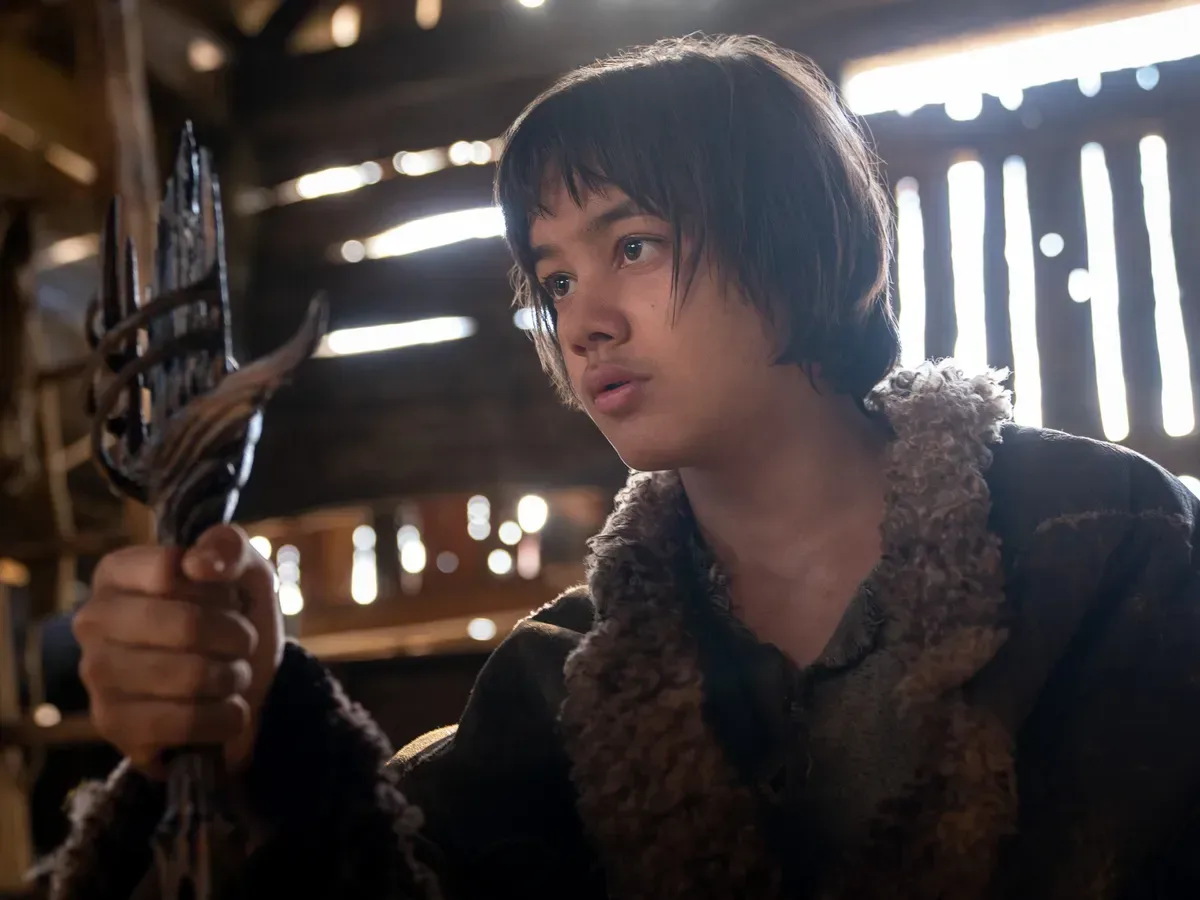
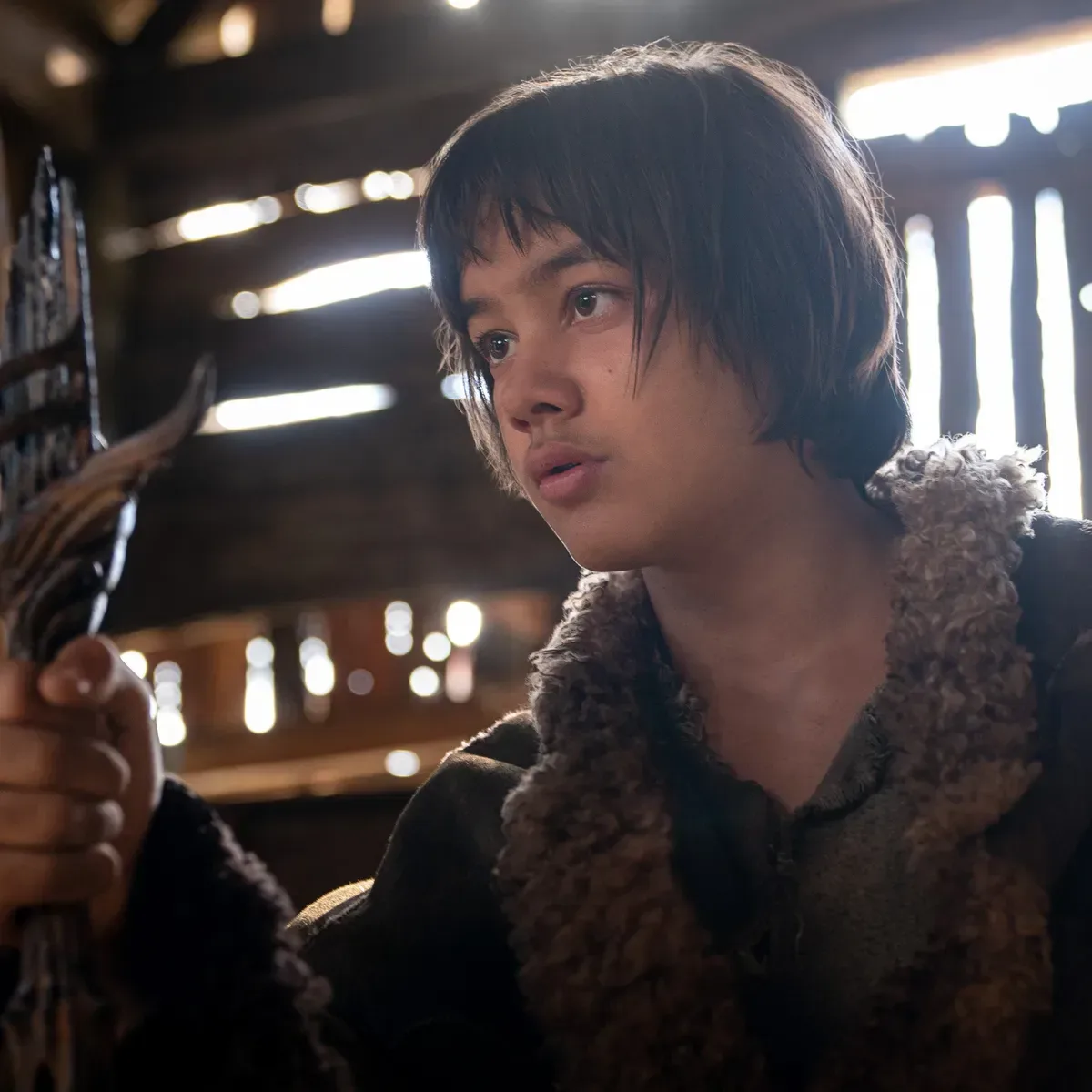
Theo’s story has taken a ruinous turn in the opening four episodes of The Lord of the Rings: The Rings of Power Season 3. Once introduced as a hopeful Southlands child with a dangerous curiosity about an ancient broken sword-hilt, Theo is now a Ring Servant in Sauron’s orbit—and the killer of Arondir, the elf who had long been one of his most important protectors.
The reversal is designed to sting because the show does not present Theo as a stranger who suddenly joins the enemy. It presents him as someone with a pre-existing wound: anger built during five years of Númenórean oppression, unresolved questions about his absent father, and a history with the Hilt that had already connected him to something ancient and dark. Sauron does not create every source of pain in Theo’s life. He identifies them, rearranges them into a story of stolen destiny, then places a Ring of Power at the centre of that story.
That process culminates in Episode 4 during the escape from Gundabad, when Theo—now equipped as a Nazgnagôl—kills Arondir. The event removes a foundational heroic figure from the series while making Theo’s fall painfully personal. This is no longer simply a tale of armies taking sides. It is a betrayal enacted by someone who once had a direct connection to the person he destroys.
For more context, explore One UI 9 Is the Galaxy S23’s Last Big Level-Up, but Security Support Runs to 2028.
For further coverage of the turn, see this look at Theo’s Ring Servant transformation.
Nazgnagôl, Nazgûl and the crucial difference
The terminology matters because Season 3 is depicting a stage in the Rings’ corruption rather than the finished image many viewers will associate with the Ringwraiths.
Nazgûl translates as “Ringwraith,” while Nazgnagôl translates as “Ring Servant.” Theo is part of the latter category after accepting Sauron’s Ring. He is empowered and increasingly dark, but he is not yet fully a wraith. In practical character terms, that means he still has agency: he remains a man able to choose, rather than a completely emptied vessel operating only as Sauron’s instrument.
The distinction is especially important because the One Ring has not yet been made at the beginning of the season. The rings worn by these men have therefore not been fully bound to Sauron’s will. The story’s horror is not that Theo instantly stops being Theo. It is that he is still sufficiently himself to experience the pull of power, rage and grief—and to make choices that lead him deeper into the darkness.
That leaves room for the show to portray corruption as a progression. A Ring Servant has heightened power and remains recognisably human, but that humanity is not reassurance. It is the battlefield. Theo can rationalise what he does, pursue a version of freedom or revenge, and perhaps even recognise the terrible scale of his actions after committing them. His autonomy makes the situation worse, not better, because it gives Sauron a willing participant who can be shaped through emotional manipulation.
The Hilt was never a loose thread
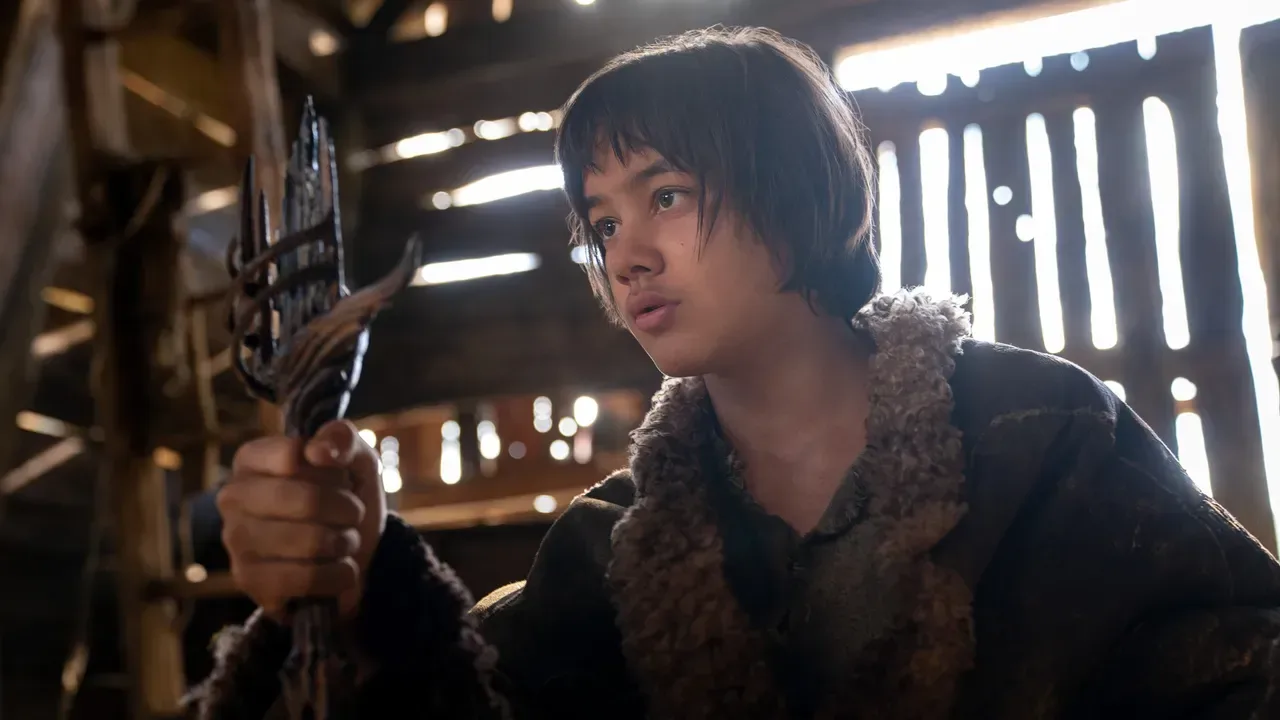
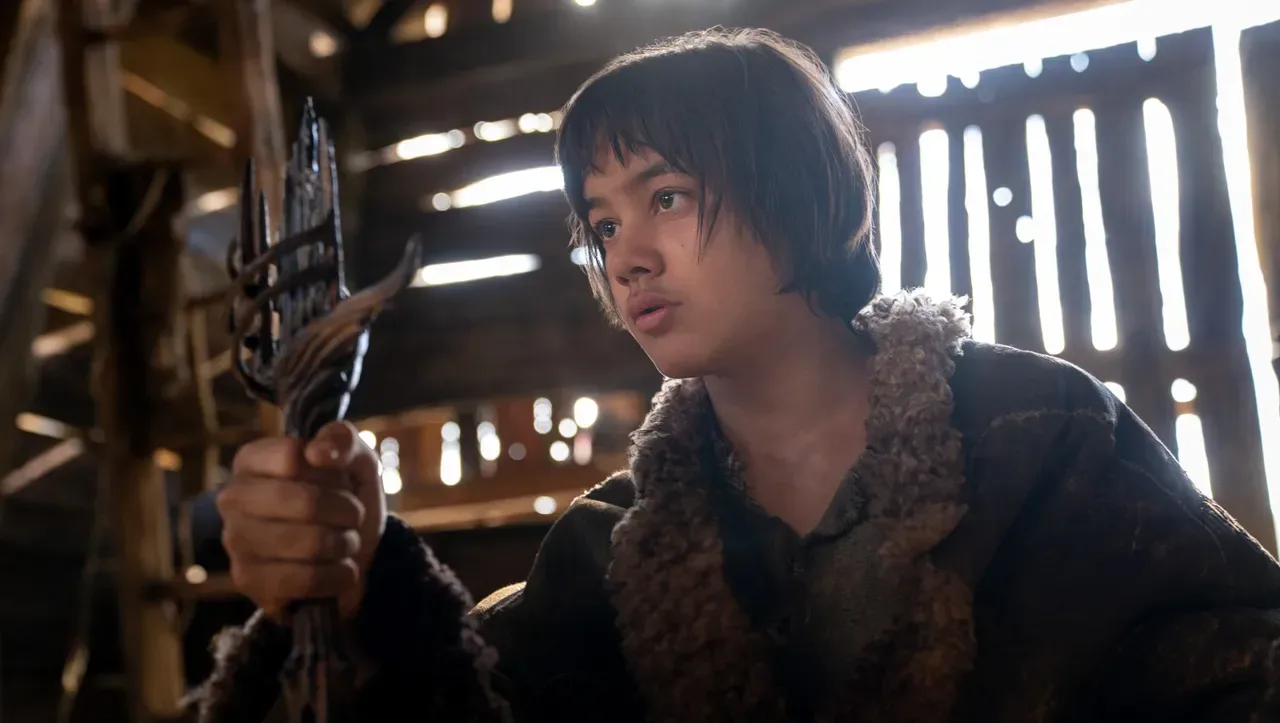
Season 1 established a key part of Theo’s vulnerability when he found the Hilt, a broken weapon component forged during the First Age and hidden in a barn. Blood from Theo’s hand dripped onto it, apparently helping its regeneration. The moment suggested a connection without explaining its cause, leaving a visible mark on Theo’s arm and a sizeable question over what, precisely, the Hilt had recognised in him.
Season 3 returns to that question. Sauron sees the mark and immediately treats it as meaningful. The implication is not merely that Theo was fascinated by a forbidden artefact. Sauron suggests a reciprocal pull: Theo was drawn to the Hilt, and the Hilt to Theo.
That wording makes Theo’s family history central. The show can now connect the Season 1 incident to an inherited legacy, while still withholding enough certainty to make the revelation dangerous. Theo’s encounter with the Hilt may have been an early manifestation of a power passed down through his father’s line. Or it may be a vulnerability Sauron is turning into a flattering explanation because it serves his recruitment effort. Both possibilities can exist at once: the underlying connection may be real, while Sauron’s interpretation of it is calculated to get what he wants.
The actor playing Theo, Tyroe Muhafidin, has described the Hilt’s influence as something that stayed with the character. His reading leaves open the possibility that the dark sensation Theo experienced through it felt addictive, perhaps even like a first, incompletely understood contact with his father’s legacy. It is an interpretation, not a confirmed account of supernatural mechanics, but it fits the season’s emphasis on temptation as an intimate process rather than a purely military one.
What Sauron says about Theo’s father
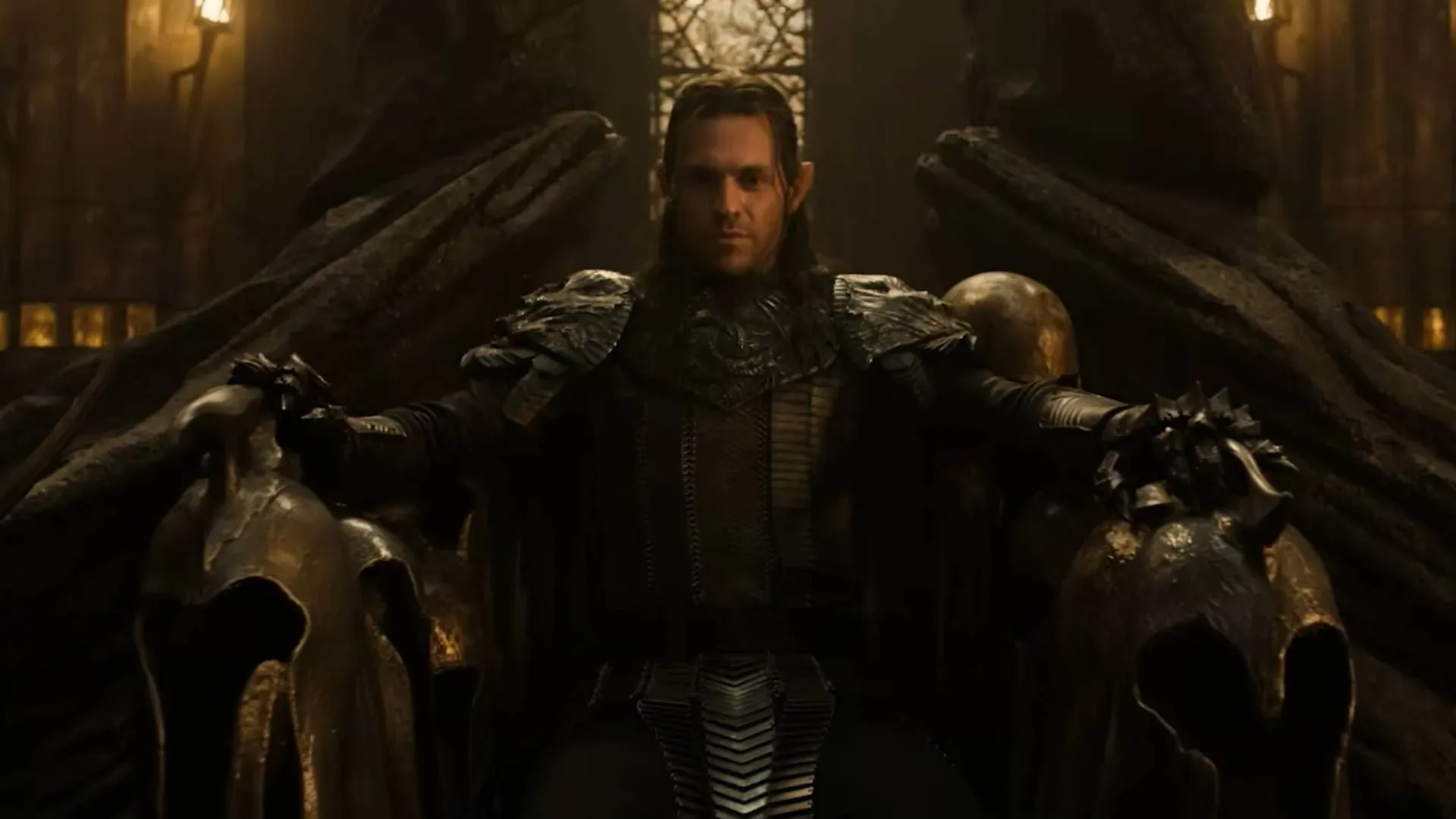
In Episode 2, “The Gift of Men,” Sauron performs a necromantic ritual to communicate with the dead in the Unseen World. Necromancy, in this context, means the use of dark power to seek knowledge or communication through the dead. It gives the scene an apparent channel to buried truth—but it does not make Sauron a trustworthy interpreter of what comes through that channel.
Sauron tells Theo that his father was Fäldred, son of Hammethreg. When Theo asks who his father was, the response in Black Speech is “Gorthmundur.” Sauron describes the family as an old noble house, sworn stewards of Mordor, with unusual powers. He further tells Theo that his mother killed his father after learning what he had become.
It is a devastating package of revelations, precisely tailored to destabilise Theo’s understanding of himself. The story he knew was that his father left. Sauron counters with a more dramatic narrative: Theo was denied not only a parent, but a birthright and possible rule over the Southlands. The offer that follows is equally tailored. With a Ring, Sauron says Theo could become a conqueror, sorcerer or king.
It is difficult to imagine a more effective pitch for someone struggling with powerlessness. Theo has been living amid oppression and loss. Sauron offers him lineage, explanation and strength in a single transaction. Crucially, he packages these things as recovery: not a new identity imposed from outside, but the reclaiming of an identity supposedly stolen from Theo long ago.
The central mystery is not resolved
None of this means viewers should take Sauron’s account as clean fact. His purpose in the scene is recruitment, and he is uniquely placed to manipulate information, memory and fear. The ritual may reveal something real about Fäldred and the Gorthmundur name, but the way Sauron presents that information is inherently suspect.
Muhafidin has similarly stressed the ambiguity. His explanation identifies Theo’s father as a leader among dark sorcerers aligned with Sauron, yet he also frames the scene around a question that remains unanswered: how much is truth, and how much is manipulation designed to build up a broken young man? That uncertainty is not a gap in the drama. It is the drama.
Sauron does not need every detail to be false to deceive Theo. A partial truth can be more useful than an outright lie. If Theo genuinely possesses an inherited affinity for the Hilt or a connection to an old Mordor-serving house, Sauron can use those facts to persuade him that darkness is destiny. The manipulation lies in turning ancestry into obligation and pain into proof that the Ring is the answer.
The Ring changes Theo’s physical and moral presence
Theo’s new costume is not just visual shorthand for a villainous allegiance. Muhafidin has explained that putting on the gauntlets gave him an immediate feeling of strength and power, which informed the shift in his physical performance. Moving from a comparatively helpless child to a figure who must project imposing, almost godlike force required a new physicality.
That helps explain why the Nazgnagôl concept is such a compelling fit for Theo. The Ring does not merely add magical menace. It answers an emotional need. It converts someone who has long been exposed to larger powers—war, occupation, family secrets, Sauron’s attention—into someone who can impose himself on others.
But empowerment is not emancipation. Theo may still have control over his body and decisions at this stage, yet his choices are taking place inside a framework Sauron has carefully constructed. The Ring promises strength while making his anger easier to act upon. It gives him an identity that feels purposeful while moving him toward the very submission he has not yet recognised.
Why Arondir’s death is the point of no return
Arondir’s death supplies the most brutal evidence of Theo’s transformation. The characters’ past relationship gives the killing weight that a battlefield death between strangers could not match. Arondir was a steadfast presence in Theo’s earlier story; killing him means severing a relationship that connected Theo to his former life and to the possibility of a different future.
For the wider series, the death also establishes the stakes of the coming conflict. The opening block does not merely tell viewers that Sauron’s war is dangerous. It demonstrates that long-running heroic characters can be lost and that competence or bravery does not provide immunity. The elves are left in a far worse position as the season moves toward its final stretch.
For Theo, the act is a decisive tipping point. It does not necessarily answer whether he feels regret, horror or conflict afterward. In fact, the Ring Servant framework makes those feelings plausible because he has not become a full wraith. But it does mean he has crossed a line that cannot be undone by simply taking off armour or walking away from Sauron’s side. He has made a choice with irreversible consequences.
That is what makes Theo’s arc more tragic than a straightforward possession story. The season has built a situation where he can still be a person, and where that person has been hurt, tempted and lied to. Yet Arondir’s death makes clear that understanding Theo’s wounds cannot erase the harm he has caused. Whether the remaining episodes reveal more about Fäldred, Gorthmundur or the extent of Sauron’s deception, Theo now has to exist on the other side of that betrayal.
Episodes 1-4 therefore leave two connected questions hanging over the rest of Season 3: what truth is hidden in Theo’s bloodline, and whether any part of the boy beneath the Ring Servant remains able—or willing—to resist the role Sauron has written for him.