Major spoilers for The Rings of Power season 3, episode 7 follow.
For a series carrying The Rings of Power in its title, Sauron’s creation of the One Ring is not merely another large-scale fantasy event. It is the dramatic destination implied from the start: the moment when craft, domination and personal obsession become a single object. Season 3, episode 7 finally brings that event to the screen, and does so with an unusually focused choice for a production of this size: an approximately 11-minute sequence with no dialogue.
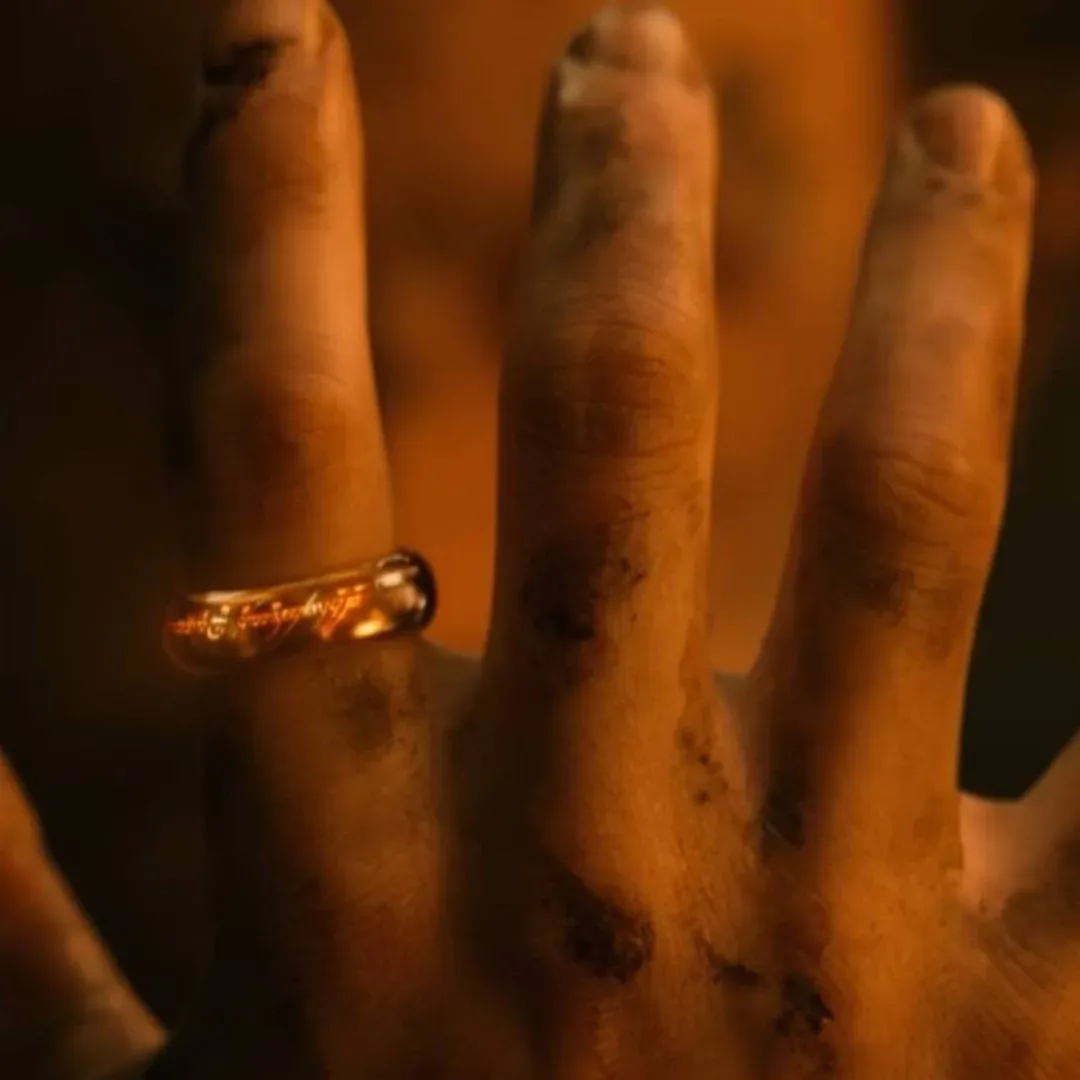
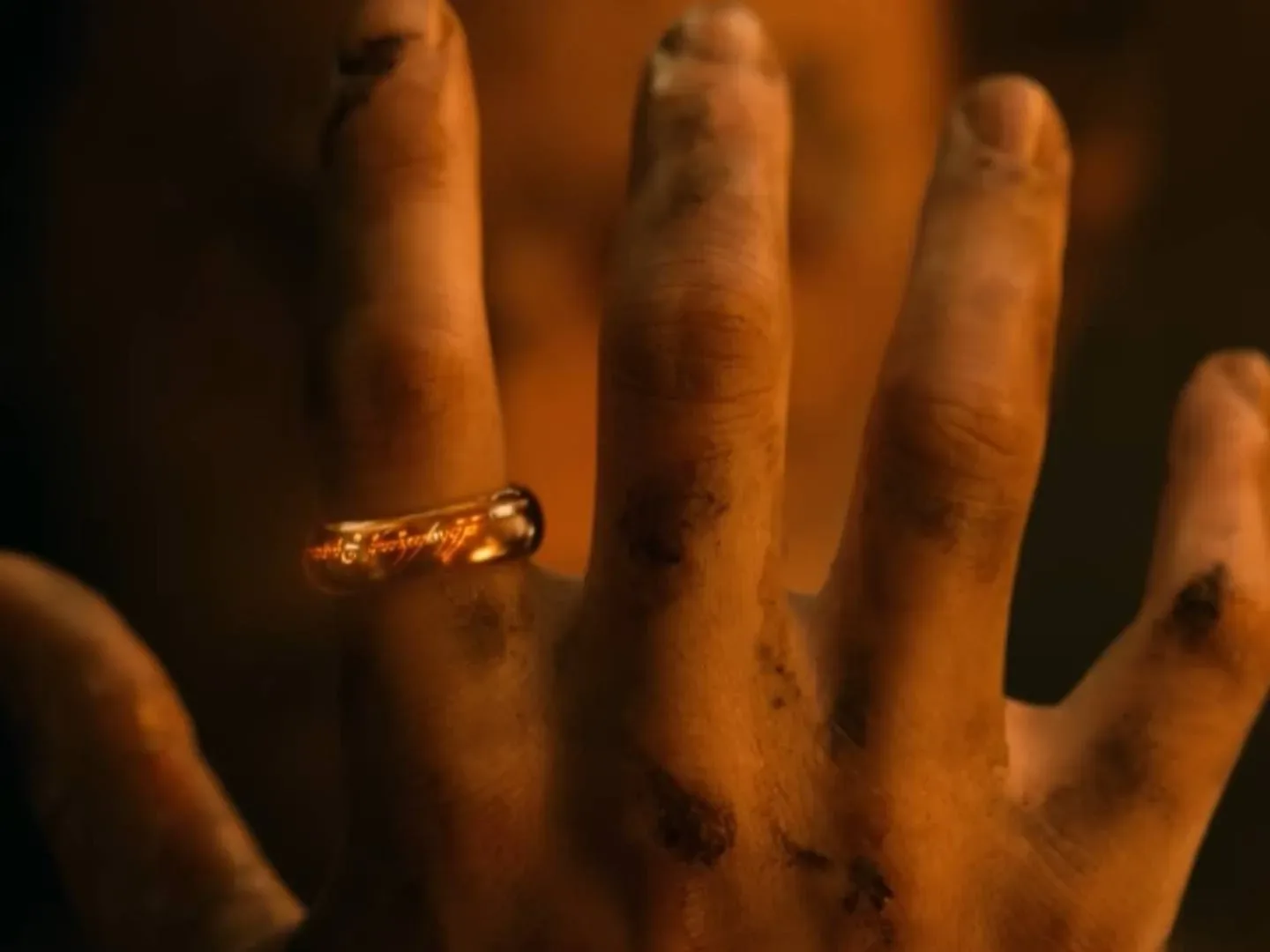
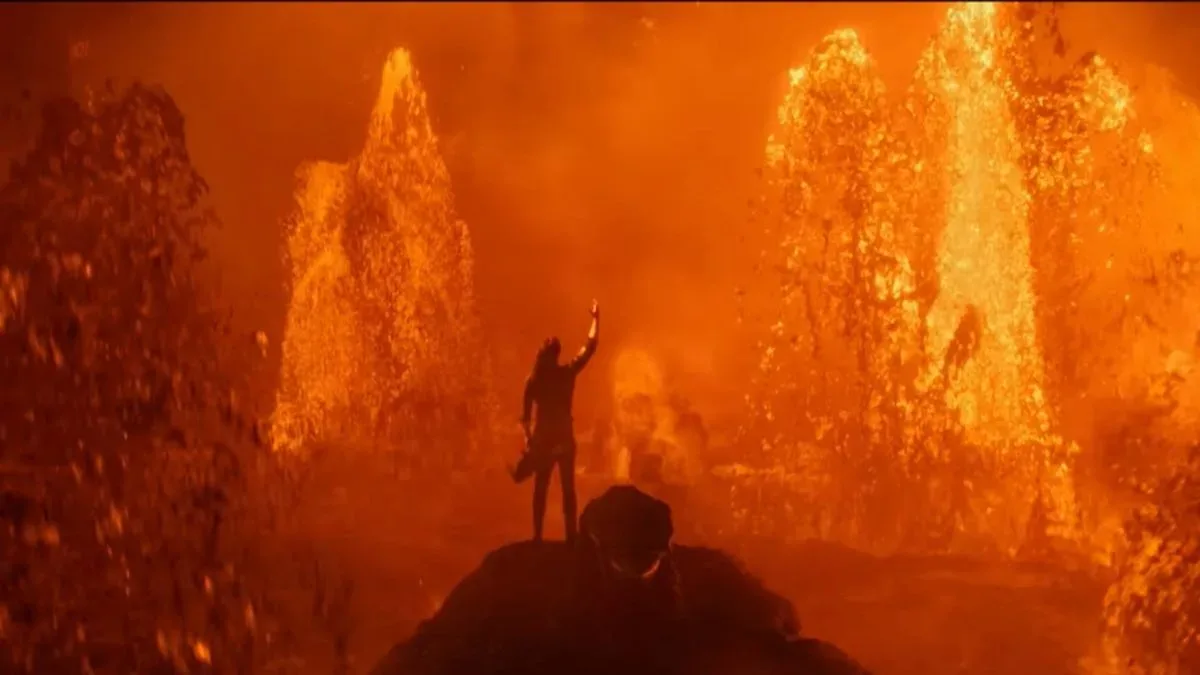
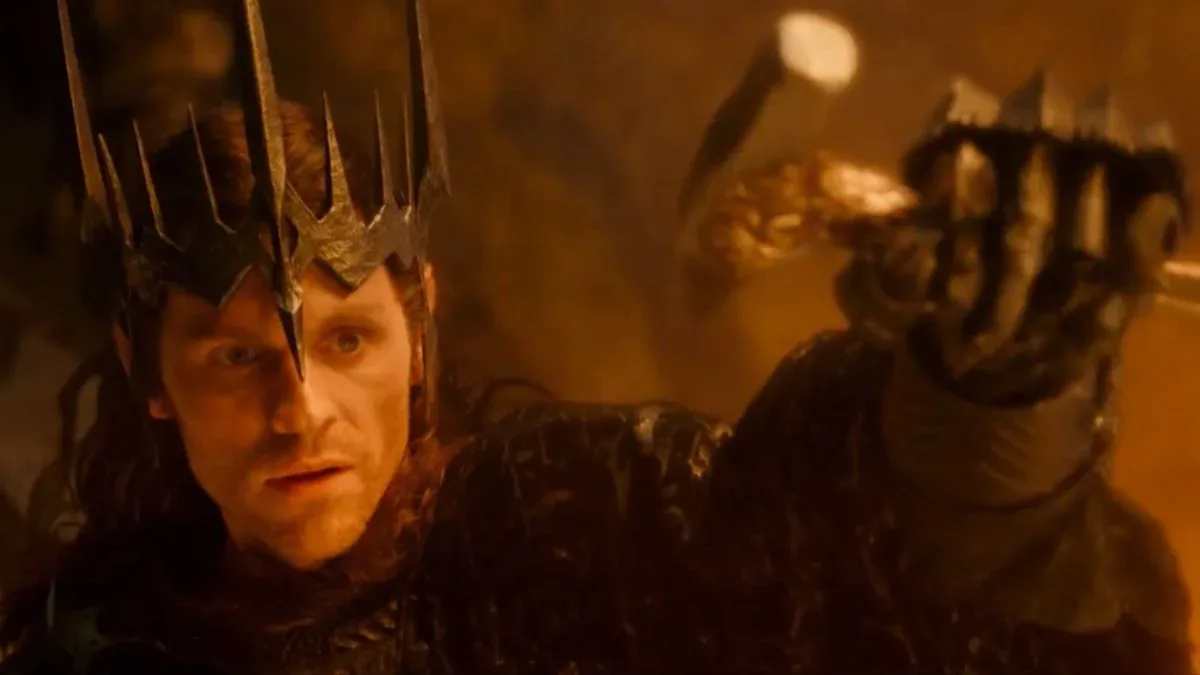
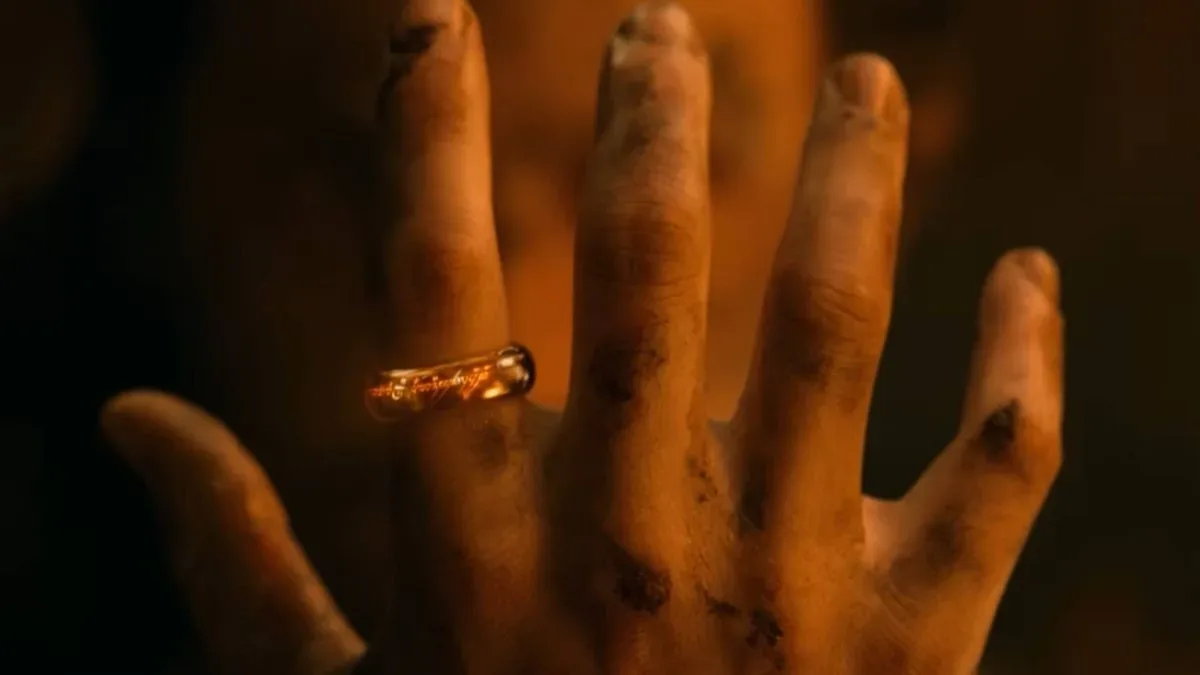
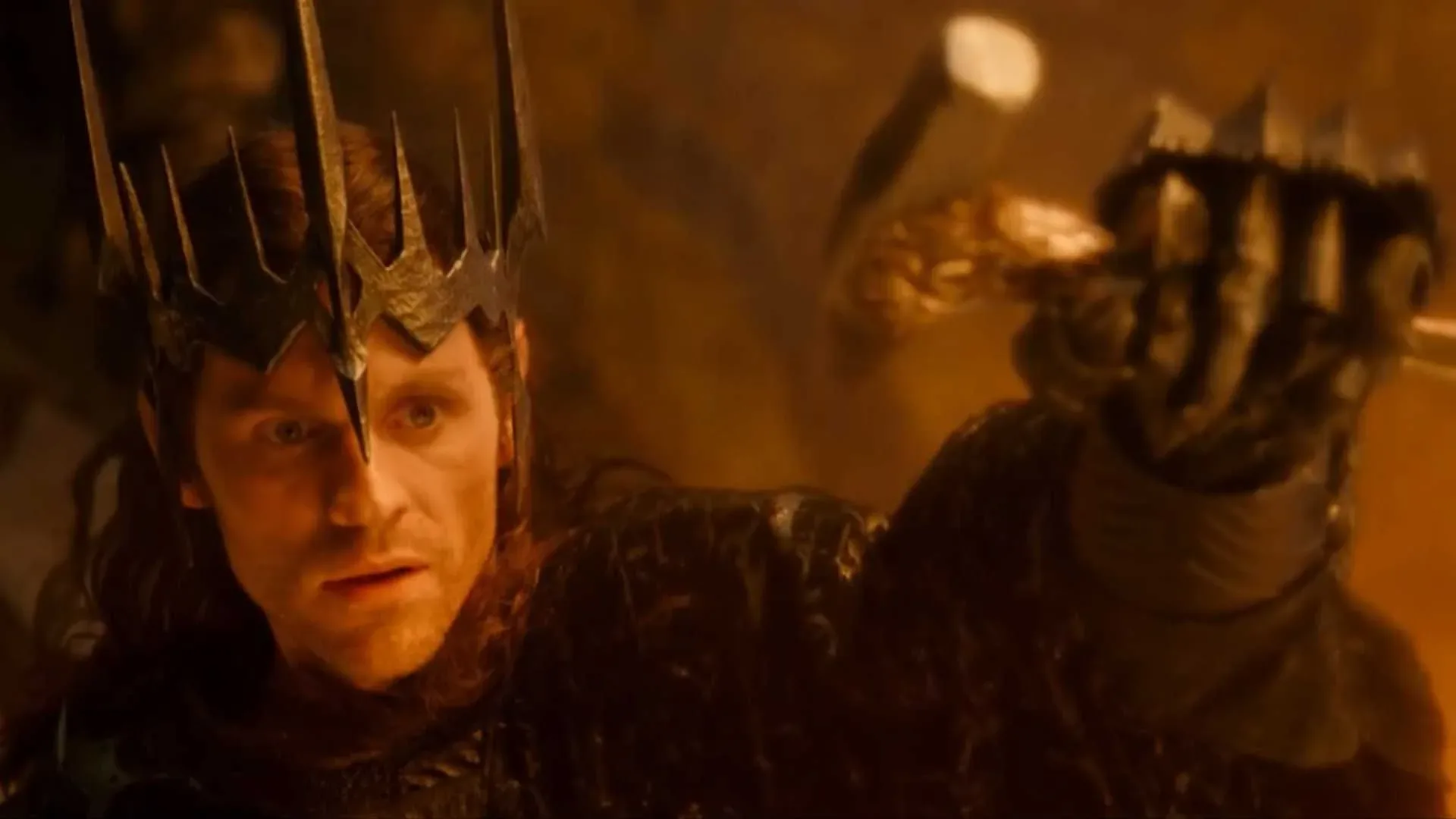
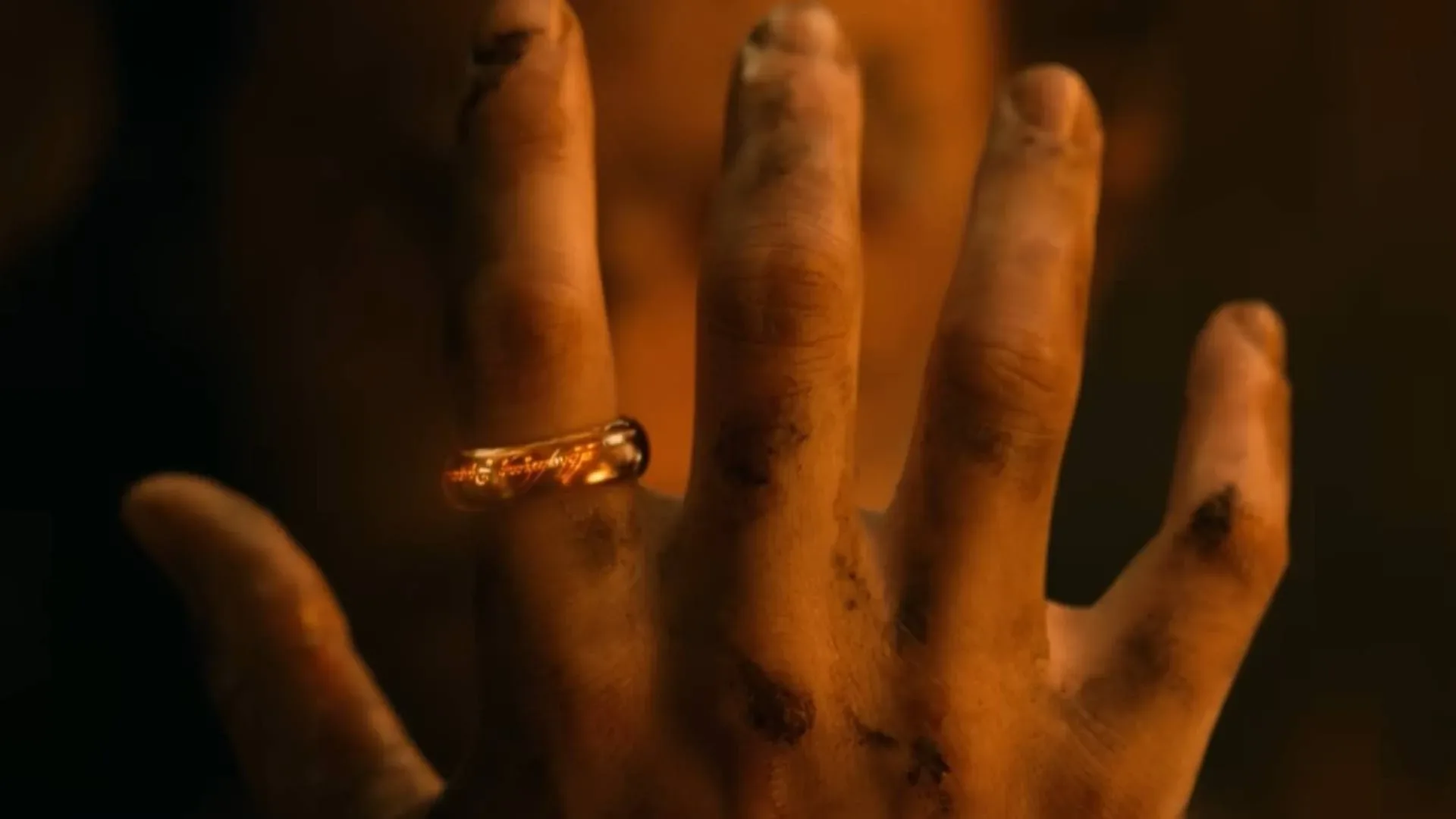
The result places Charlie Vickers’ Sauron at the center of an ordeal rather than a victory lap. He repeatedly strikes molten gold and silver from Valinor, surrounded by the violence of Mount Doom. Lava erupts around him; he screams; the labor looks physically ruinous. The sequence’s central idea is clear even without exposition: the ring is not simply made by Sauron, but made from what he is willing to surrender into it.
That approach expands a remarkably concise piece of textual background. In The Fellowship of the Ring, Tolkien establishes that Sauron forged a master ring in secret within the fires of Mount Doom in order to govern the others, investing it with his cruelty, malice and will to dominate. The television series has far more time to make the act tactile, vulnerable and consequential. Rather than treating the famous piece of lore as a quick checkpoint, episode 7 turns it into a sustained piece of visual storytelling.
A forging sequence built around failure first
The episode’s strongest structural decision is to show that force alone does not get Sauron what he wants. After learning a forging secret from Celeborn, he first attempts the work in Mount Doom while armored and accompanied by his Orc army. The imagery frames that attempt as an extension of his ordinary method: command the space, surround himself with military power and bend the world through sheer authority.
It fails.
That failure matters because it stops the One Ring from reading like a simple superweapon assembled by an already invincible villain. Sauron must return to the volcano without his regalia and submit himself to the fire, under the Balrog’s guidance. The shift strips away the visual signals of a conqueror. The later process is less about an army enforcing his will than an individual making an irreversible spiritual investment.
Why the distinction matters: in this context, “forging” is doing double duty. It means metalwork in the literal sense—hammering heated materials into a ring—but it also describes the making of Sauron’s final identity as the Dark Lord. The failed armored attempt and the later near-fatal success form a contrast between external power and inner commitment. He cannot conquer the ring into existence. He has to put himself into it.
Related coverage includes The Rings of Power Makes the One Ring Forging Its Defining Season 3 Moment.
That reading is supported by the episode’s physical stakes. The process is presented as costing Sauron almost everything, leaving him apparently near death after he pours his essence into the creation. When he discards Fëanor’s hammer before testing it, the gesture plays as a harsh calculation: either the work has succeeded or there is no remaining action, tool or reserve of strength that can change the outcome.
Fëanor’s hammer is especially effective as a piece of visual punctuation because it makes the sequence about more than workmanship. A hammer normally signifies control—the maker’s ability to reshape material through repeated, precise impact. Throwing it aside signals that the decisive work is over. At that point, Sauron is no longer refining a design; he is waiting to learn whether the totality of his sacrifice has produced the instrument he sought.
Silence makes the scale feel personal
The absence of dialogue for such a long stretch is a risk, but it is also what gives the scene its clarity. There is no villain monologue explaining the importance of the ring, no cutaway conversation translating each hammer blow into mythology. Viewers instead have to follow the changes in Sauron’s body, costume, surroundings and rhythm of movement.
That puts practical filmmaking elements at the front of the sequence. The armor burns away. Moments of relative silence interrupt the noise and score. Bear McCreary’s music rises around the action, while the sound design gives individual impacts and the surrounding volcanic force their own weight. Vickers’ performance is not just an accompaniment to effects work; his exertion anchors the spectacle in a figure visibly being pushed toward collapse.
The episode also opens its aspect ratio to 16:9 for the forging. In plain terms, an aspect ratio is the proportion between an image’s width and height. Changing it can alter how much visual space the audience sees on a television screen. Here, the expanded frame supports the intended scope of Mount Doom without distracting from Sauron’s solitary effort inside it.
That combination explains why the sequence can feel cinematic while still functioning as television storytelling. “Cinematic” is often used as shorthand for expensive effects or huge vistas, but the episode earns the label through composition and escalation. The image of Sauron raising his hand amid the fire is made significant because the preceding minutes have shown the cost of reaching it. The scale serves the character beat, rather than replacing one.
Co-showrunner Patrick McKay has described the forging as the production’s most complex sequence and said it took three years to make, with every department head involved from the scripting stage onward. The final scene reflects that kind of coordination. Production design establishes a forge that feels hostile rather than merely picturesque; costume tells a small but vital story as Sauron’s armor is consumed; visual effects create the volcanic environment; performance and sound provide the human pressure within it.
There is an instructive contrast with other big-screen fantasy set pieces here. The scene’s impact does not depend on a parade of named characters or a battle map. Its drama is concentrated: a maker, a volcano, a hammer, the ring and an outcome that cannot be undone. That restraint gives the effects an actual narrative job.
The One Ring is also part of Sauron’s pursuit of Galadriel
The forging has political importance within Middle-earth, of course. The ring is intended to give Sauron mastery over the Elven rings and, ultimately, control over others. Yet season 3’s framing gives that objective a sharper personal edge through his relationship with Galadriel.
Co-showrunner J.D. Payne has characterized the effort to conquer the Elven rings as more than an abstract political ambition. The season ties Sauron’s urgency to Celebrimbor’s challenge that, without the One Ring, Sauron will not be able to master Galadriel. That idea recasts the object at the center of episode 7. The One Ring is not only a mechanism for rule; it is presented as Sauron’s proposed answer to a person who has resisted him.
This is where the episode benefits from the season’s earlier, sometimes cryptic dialogue. Sauron speaks to Celeborn about the pleasure of another being submitting their will to one’s own, deliberately including “his, or her.” Later, he tells Celeborn that she will come to him and then adds that she will come for him, a clear reference to Galadriel. On their own, such lines can seem like broad villain language. In the light of the forging, they become targeted expressions of the same fixation.
Analysis: the season is not simply saying that Sauron wants Galadriel as an ally. It links his desire for her submission to the fundamental nature of the ring. He wants an instrument that can close the gap between persuasion and command. That makes the One Ring dramatically fitting as the culmination of their dynamic: it externalizes the exact kind of power Sauron craves over someone who refuses to yield.
The choice also gives the sequence a crucial limitation. Sauron may successfully forge the ring, but the personal motive beneath that accomplishment exposes insecurity rather than pure confidence. If the goal were only territorial or military, an army and a volcano might communicate enough. Because Galadriel remains part of the emotional logic, the forging becomes a response to resistance—an effort to ensure that no refusal can stand.
That is a more character-specific way to approach a foundational event. It does not reduce the ring’s wider danger; it shows how Sauron’s private obsessions and public designs reinforce each other. His will to rule all life is not impersonal. It is expressed through the belief that another person’s autonomy is a problem to be solved.
From a few lines of lore to an on-screen turning point
Adaptations routinely face a difficult balance with famous mythology. If they merely repeat the text’s outcome, the scene can feel like an illustrated footnote. If they invent too much spectacle without a clear connection to the original idea, it can lose the weight that made the event important in the first place. Episode 7 addresses both pressures by preserving the essential concept—Sauron secretly makes a master ring at Mount Doom and imbues it with his own will—while finding a visual and emotional process for it.
The dialogue-free construction is particularly well suited to that task. It avoids the temptation to over-explain an event whose symbolism is already direct. The molten metal, Sauron’s repeated blows and his apparent self-emptying all communicate the core concept in physical terms. The later delivery of the familiar “one ring to rule them all” line lands as a declaration after the audience has watched what rule has cost him.
The sequence also establishes a meaningful new baseline for the prequel’s remaining story. The source material identifies the One Ring as the instrument through which Sauron seeks control; the series now gives viewers a precise image to carry forward whenever that control is discussed. It is no longer just a historical artifact or an ominous objective. In the show’s own visual language, it is the product of a failed attempt at brute force, a willingness to sacrifice the self and a consuming need to dominate others.
For a wider look at how television and film releases are framed through premium presentation formats, see our coverage of a theatrical premiere paired with a premium HDR release.
Season 3 is described as the midpoint of Payne and McKay’s planned five-season telling. That makes episode 7 less a finish line than a transformation. Sauron has finally made the object the series has been moving toward, but the scene’s real accomplishment is making that inevitability feel earned. The One Ring arrives not as a piece of franchise homework, but as the clearest expression yet of its maker’s power, desperation and intent.