Curry Barker’s second feature film, Anything But Ghosts, is set to premiere in theaters on May 7 with a premium HDR release from Barco. The horror film follows a group of aspiring ghosthunters pursuing fame before they find themselves in territory far more frightening than they anticipated.
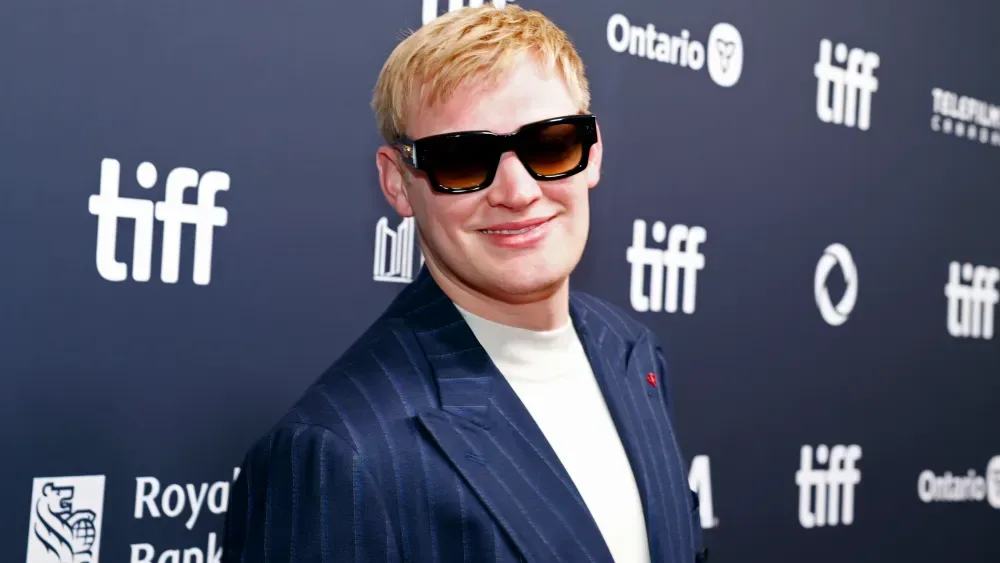
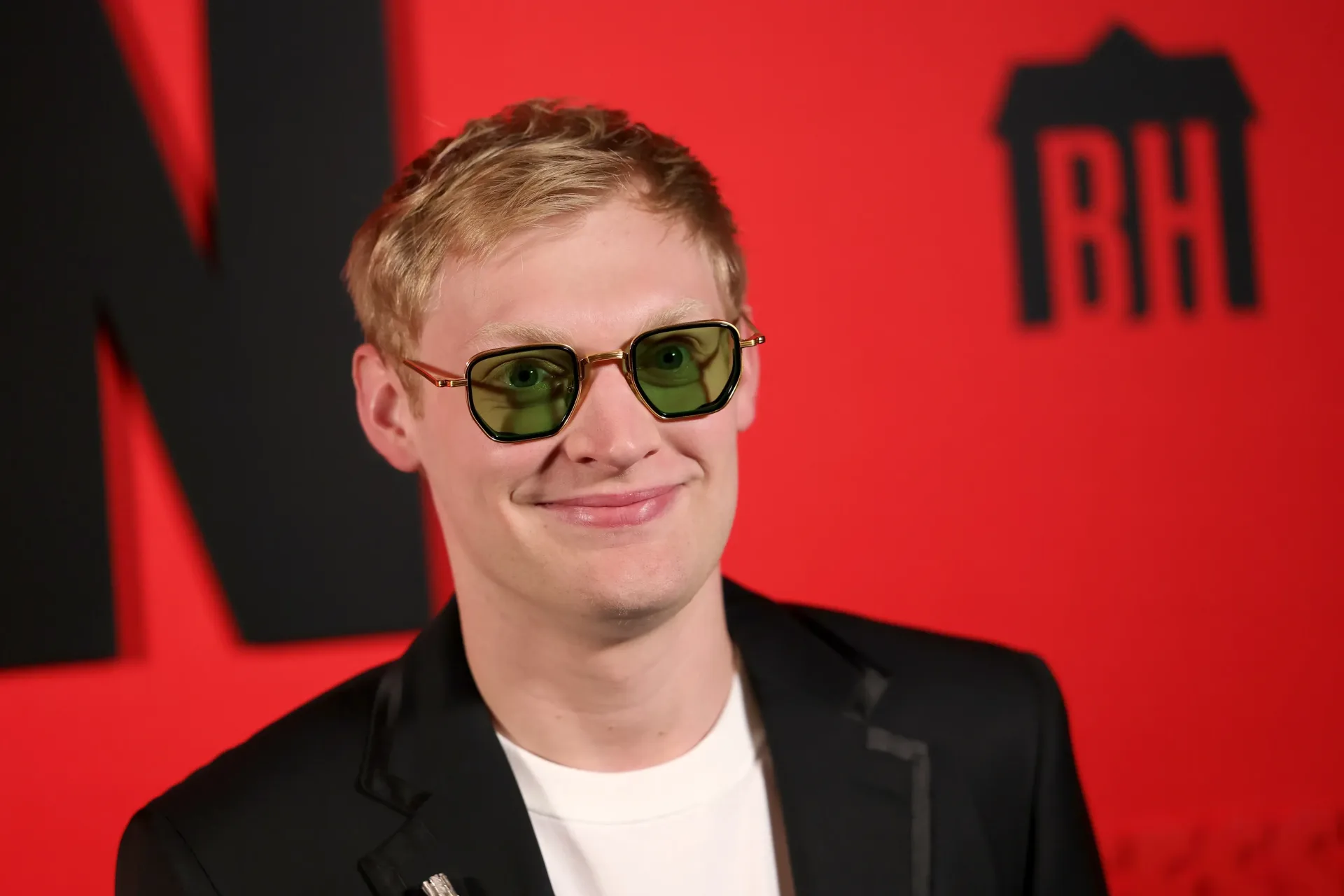
Barker wrote and directed the movie, while Cooper Tomlinson shares writing credit. The pair also appear in the film. Violet McGraw, Chris Reinacher, Bryce Dallas Howard and Aaron Paul are among the announced cast, with Roy Lee, Steven Schneider, Jason Blum, Adam Hendricks and Greg Gilreath producing.
A ghosthunting premise with a fame-seeking wrinkle
The setup places Anything But Ghosts in a recognizable contemporary horror lane: amateur ghosthunters go searching for paranormal material, presumably with visibility and notoriety in mind, only for that pursuit to become dangerous. The supplied premise is intentionally broad, so there is not yet a basis to identify the group’s equipment, destination, the nature of the threat, or how the ensemble’s characters connect to one another.
What is clear is that the protagonists are not described as seasoned investigators or reluctant witnesses. They are aspiring ghosthunters driven by fame. That distinction can matter in horror because it gives the story a built-in tension between performance and survival. Seeking an audience can encourage characters to keep filming, keep exploring, or stay in a dangerous situation longer than good judgment would normally allow. That is an interpretation of the stated premise rather than a confirmed plot detail, but it identifies the pressure point suggested by the film’s central concept.
The title also signals an intriguing mismatch between expectation and outcome. A ghosthunting group would naturally expect ghosts; Anything But Ghosts suggests that whatever the characters encounter may not fit their chosen label. Until further story details are released, though, that remains a tonal clue, not confirmation of a particular monster, supernatural rule set, or twist.
What the announced HDR presentation means
The film’s premium HDR release is one of the most concrete presentation details currently available. HDR, short for high dynamic range, refers to a picture presentation capable of representing a broader range between dark and bright parts of an image than conventional standard-dynamic-range presentation. In practical visual terms, HDR can support more detailed shadow areas, brighter highlights and more nuanced contrast when a movie is created, delivered and shown through compatible systems.
That description does not mean every HDR presentation looks identical. The final result depends on the movie’s photography and color grading, the theatrical technology involved, and the venue’s implementation. Importantly, the available information does not specify the exact HDR format, the participating theater locations, ticketing plans, whether every theatrical screening will use the premium presentation, or any home-release format. Those details should not be assumed from the HDR announcement alone.
For a horror movie, expanded control over contrast can be particularly relevant. Darkness is frequently essential to mood and suspense, but “dark” does not have to mean featureless black. A well-managed high-dynamic-range image can, in principle, retain gradation in dim environments while making isolated lights, reflections, screens or other bright elements register more distinctly. That is a general explanation of the technology, not a claim about specific scenes in Anything But Ghosts.
Moviegoers interested in the technical side should look for theater-specific details as the May 7 premiere approaches. “Premium HDR” describes a presentation goal and capability; it is not by itself a complete guide to what will be available at every cinema.
Barker returns after ‘Obsession’
Anything But Ghosts is described as Barker’s second feature following Obsession. With Barker serving as both writer and director, the project places its creative lead at the center of the film’s authorship, while Tomlinson’s co-writing role means the screenplay is a collaboration rather than a solo credit. Their additional on-screen roles make the duo part of the cast as well as the writing team.
That overlap does not reveal the size or importance of their characters, and no character names or role descriptions have been provided. Still, the credit structure establishes that Barker and Tomlinson’s involvement spans development and performance, while the wider cast brings together McGraw, Reinacher, Howard and Paul in roles that have yet to be detailed.
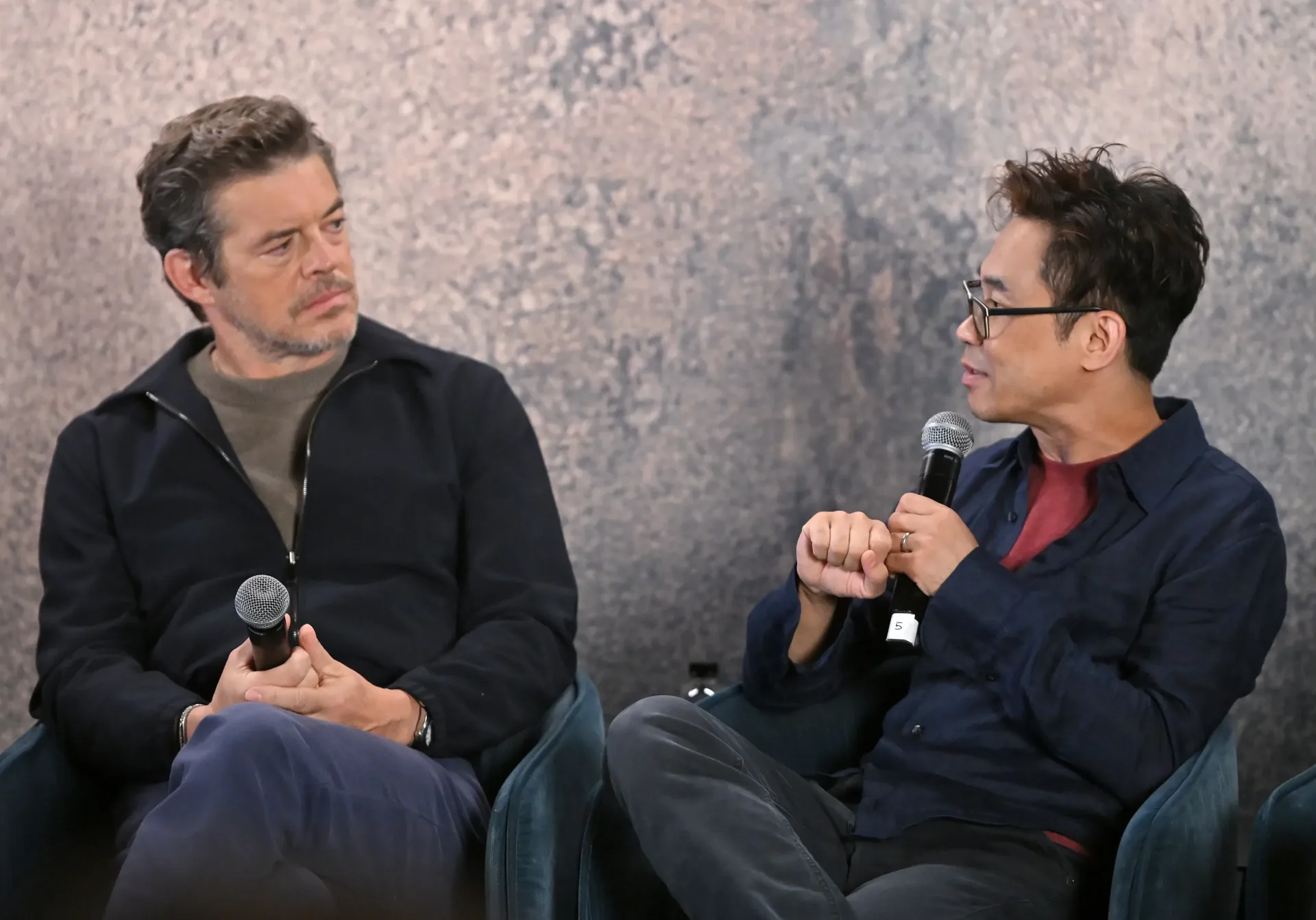
The producer list includes Lee, Schneider, Blum, Hendricks and Gilreath. Producers can have varied responsibilities across development, financing, production and release coordination, so those credits do not by themselves disclose how the film was made or who handled particular creative decisions. They do, however, identify the team attached to bringing Barker and Tomlinson’s script to the screen.
What is confirmed—and what remains unknown
At this stage, the reliable picture of Anything But Ghosts is concise: it is a theatrical horror feature about fame-seeking would-be ghosthunters entering terrifying unfamiliar territory; it premieres May 7; and it is planned for a premium HDR release through Barco.
- Confirmed: Curry Barker wrote and directed the film.
- Confirmed: Cooper Tomlinson co-wrote it, and both Barker and Tomlinson star.
- Confirmed: Violet McGraw, Chris Reinacher, Bryce Dallas Howard and Aaron Paul are part of the cast.
- Confirmed: Roy Lee, Steven Schneider, Jason Blum, Adam Hendricks and Greg Gilreath are producers.
- Confirmed: The theatrical premiere is scheduled for May 7.
- Not yet specified: character names, plot mechanics, runtime, rating, theater footprint, HDR venue list and streaming or home-viewing plans.
That last distinction is useful for audiences deciding how much to read into an early release notice. A premium-format announcement says something meaningful about the intended theatrical image presentation, but it does not substitute for a full release rollout. Likewise, the cast list establishes a notable ensemble without revealing whose perspective will lead the ghosthunting expedition or how the film divides its attention among its performers.
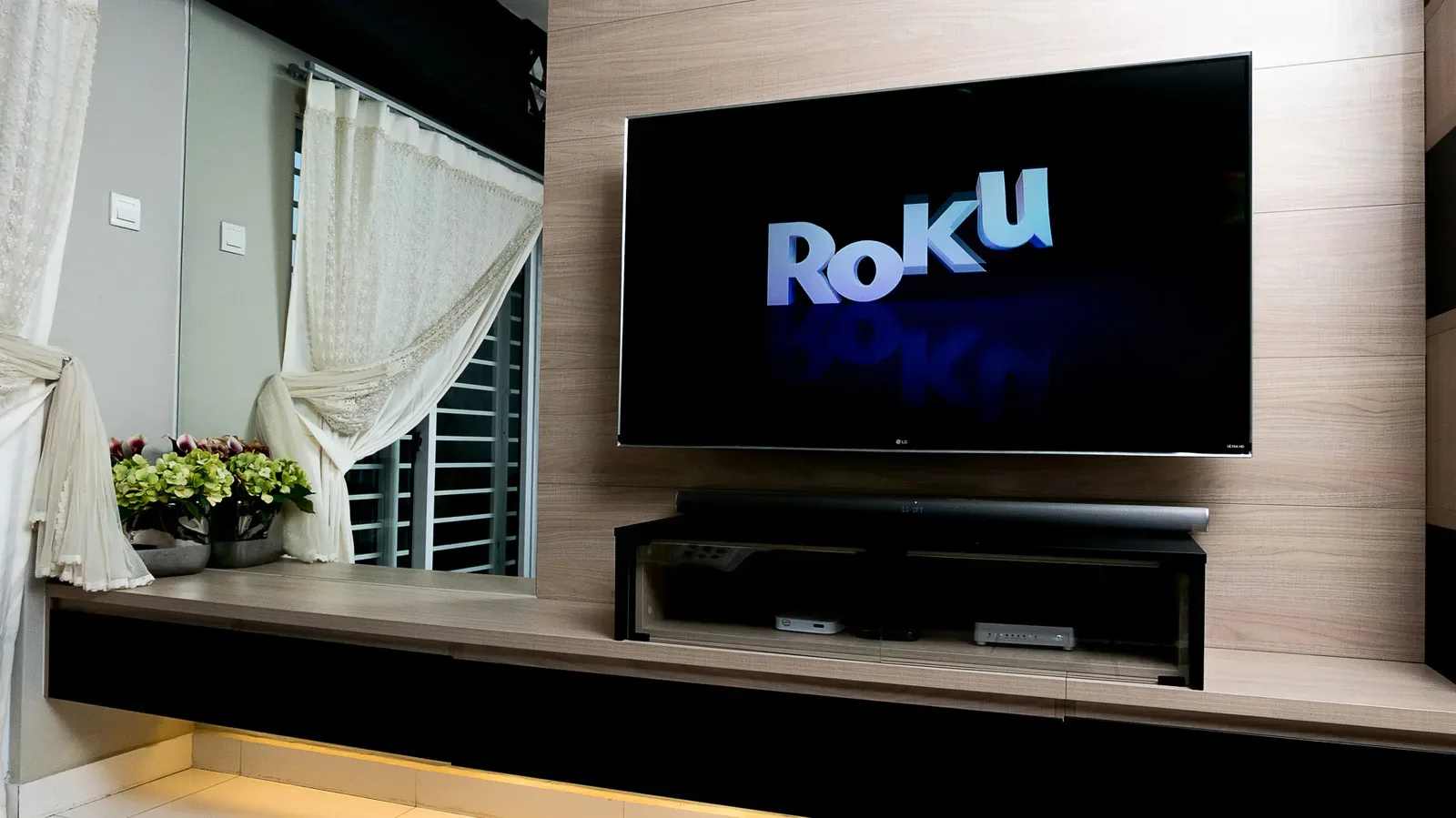
For viewers who follow changes in the way movies are presented on screens at home and in theaters, Joking Joystick has also looked at how Roku TV’s auto-adjust refresh rate aims to keep films closer to their native frame rate. Frame rate and HDR are separate pieces of the viewing chain: frame rate concerns how motion is displayed, while HDR concerns brightness range, contrast and color handling. Both can affect presentation, but one does not guarantee the other.
For now, Anything But Ghosts has a simple hook: a group hoping to turn paranormal investigation into fame gets in over its head, with Barker returning to feature filmmaking and a premium HDR theatrical presentation planned for the result. More specific expectations about its scares, mythology or visual style will have to wait for details beyond the current announcement.