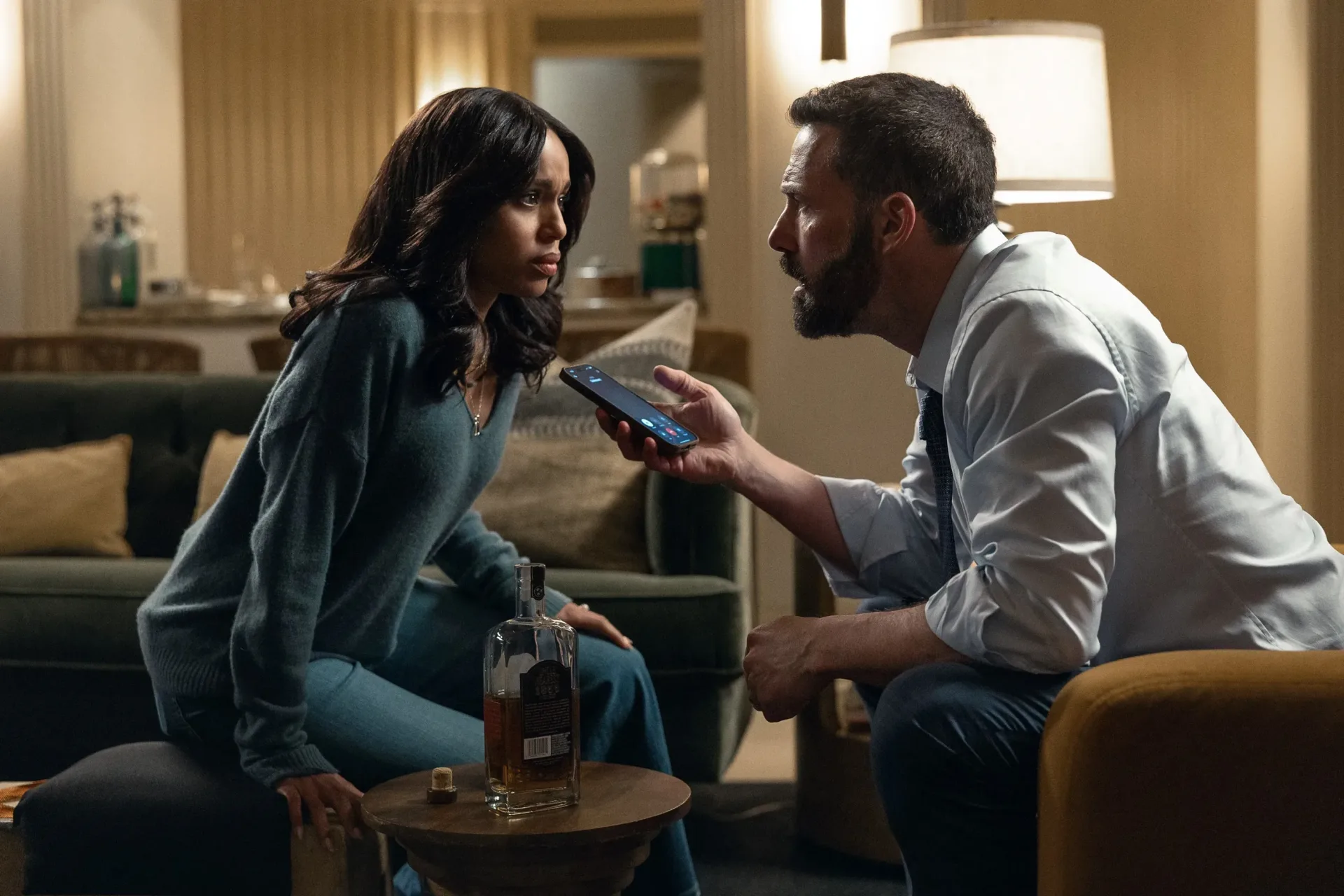
Netflix has released a trailer for The Altruists, an eight-episode miniseries built around the rise and collapse of cryptocurrency exchange FTX. The series is scheduled to begin streaming on November 19 and stars Anthony Boyle as FTX founder Sam Bankman-Fried and Julia Garner as Caroline Ellison, the Alameda Research co-founder who later testified during Bankman-Fried’s criminal case.
The trailer’s apparent focus is not merely the spectacular final failure of a major crypto business. It frames the relationship between Bankman-Fried and Ellison as a central part of the story, showing their meeting and presenting Ellison’s purported “all in” outlook as an influence on the way the business was run. That is a consequential dramatic choice: FTX’s collapse was not a fictional corporate disaster with a single tidy turning point, but a real event involving trading, customer funds, a connected firm, personal relationships and criminal convictions.
A drama about a collapse with unusually high stakes
FTX was founded by Bankman-Fried with Gary Wang. It offered cryptocurrency exchange and crypto hedge fund services, and it originally formed within Alameda Research. Alameda was a trading firm co-founded by Bankman-Fried and Ellison. Bankman-Fried and Ellison later entered a romantic relationship.
Those connections matter to the underlying story. An exchange is generally a platform on which people can trade assets. A trading firm, meanwhile, makes investment or trading decisions in an effort to generate returns. The source material describes FTX and Alameda as closely linked from the beginning, making a screen version’s interest in their overlap unsurprising. But the series will still have to make that financial structure legible without pretending that a complicated business arrangement can be fully explained by interpersonal drama alone.
At its height, FTX was among the world’s biggest cryptocurrency exchanges, with daily trading volume reported at $10 billion. It then collapsed rapidly in 2022. Its native token fell sharply, users began withdrawing money amid fears of a liquidity crisis, and it was revealed that $8 billion in customer money was missing.
Liquidity crisis is a useful term to understand here. In simple terms, it describes a situation in which a company may not have sufficient ready-to-use funds to meet requests for money as they come due. When users fear they cannot access deposits, the rush to withdraw can intensify the problem. The term does not by itself explain every action or establish criminal responsibility; it describes the immediate fear that helped drive withdrawals in FTX’s final days.
The court record gives the adaptation a clear factual endpoint
The events behind The Altruists are not being presented as an unresolved business mystery. In court, Ellison testified that Bankman-Fried directed her to use FTX customer funds to purchase property, make political donations and fund Alameda Research. Bankman-Fried was found guilty of seven fraud and conspiracy counts in late 2023 and received a 25-year prison sentence. An appeals court later denied his attempt to appeal the fraud conviction.
That legal outcome establishes a major boundary for any dramatization. A miniseries can explore motivations, choices and relationships, but it should not blur what was established in court into a vague tale of crypto volatility or a tragic accident of market timing. The collapse followed a plunge in FTX’s token and fears over liquidity, yet the trial testimony and convictions place alleged conduct involving customer funds at the center of the real-world account.
For viewers unfamiliar with the case, “fraud” and “conspiracy” are not interchangeable labels for a company that failed. The supplied facts identify seven counts on which Bankman-Fried was found guilty. The distinction is important because it separates the broader risk of speculative markets from the criminal findings tied to this particular business and its collapse.
Why “effective altruism” is likely to be part of the show’s tension
The series title points toward another key element. Bankman-Fried and Ellison reportedly bonded over effective altruism, an approach described here as the belief that someone can take a high-income job with the intention of eventually giving that income to charitable causes. In an adaptation, that idea creates an immediate and uncomfortable tension between stated purpose and later conduct.
It is also a concept that needs careful handling. As presented in the available background, effective altruism is an ethical rationale about earning and giving, not a substitute for ordinary safeguards around other people’s money. The juxtaposition is likely why it makes for potent television: an aspirational public philosophy can sit in sharp contrast to testimony about customer funds being used for property, political donations and Alameda Research.
That contrast should not be mistaken for a complete explanation. Ideology can be part of a character’s self-image, a relationship’s shorthand or an organization’s culture, but it cannot by itself account for every business decision. The trailer’s emphasis on Ellison’s risk-taking mentality appears designed to examine the human dynamics around the firms. The legal history means viewers should keep the distinction between characterization and established facts in view.
Anthony Boyle and Julia Garner carry the story’s most difficult perspective
Boyle and Garner have especially demanding roles because the real figures they portray are tied to a case that remains well known, legally consequential and financially painful for customers. The available footage places Bankman-Fried and Ellison at the center, including their first meeting and the relationship that developed afterward. That choice gives the miniseries an accessible entry point, but it also raises the challenge shared by many fact-based dramas: depicting people as characters without turning a devastating scandal into a personality contest.
There is an inherent pull to stories about fast-growing companies, huge trading figures and apparent confidence at the top. The FTX story contains all of that, alongside a sudden collapse that exposed missing customer money. A strong approach will need to keep the human behavior visible while preserving the scale of what was at stake for people who used the exchange.
The eight-episode format gives The Altruists room to cover more than the final crisis. It can potentially trace the connection between FTX and Alameda Research, the apparent appeal of the ideas that linked Bankman-Fried and Ellison, the period in which FTX became a giant in crypto trading, and the events that led into the 2022 collapse. Still, episode count alone is not a guarantee of completeness. Viewers should expect a dramatized interpretation rather than a replacement for court reporting or a formal account of the case.
What the trailer does—and does not—tell viewers
A trailer is promotional material, so it is best read as a preview of tone and emphasis rather than a detailed declaration of the series’ scope. Here, the emphasis is plainly on Bankman-Fried and Ellison: their encounter, their connection, and an “all in” attitude linked to the way they operated. It confirms the show’s basic setting and principal performances, but it does not establish exactly how much time will be devoted to every part of FTX’s rise, the role of Gary Wang, the mechanics of the exchange, or the courtroom proceedings.
That uncertainty is worth retaining before treating any scene as a literal reconstruction. Dramatizations commonly compress time, combine explanatory moments and use dialogue to convey ideas that took longer to emerge in reality. None of those devices necessarily makes a series misleading, but they do mean audiences should distinguish between the verifiable framework—the company’s rapid ascent and 2022 collapse, the missing funds, the testimony, conviction and sentence—and the show’s interpretation of private conversations and personal dynamics.
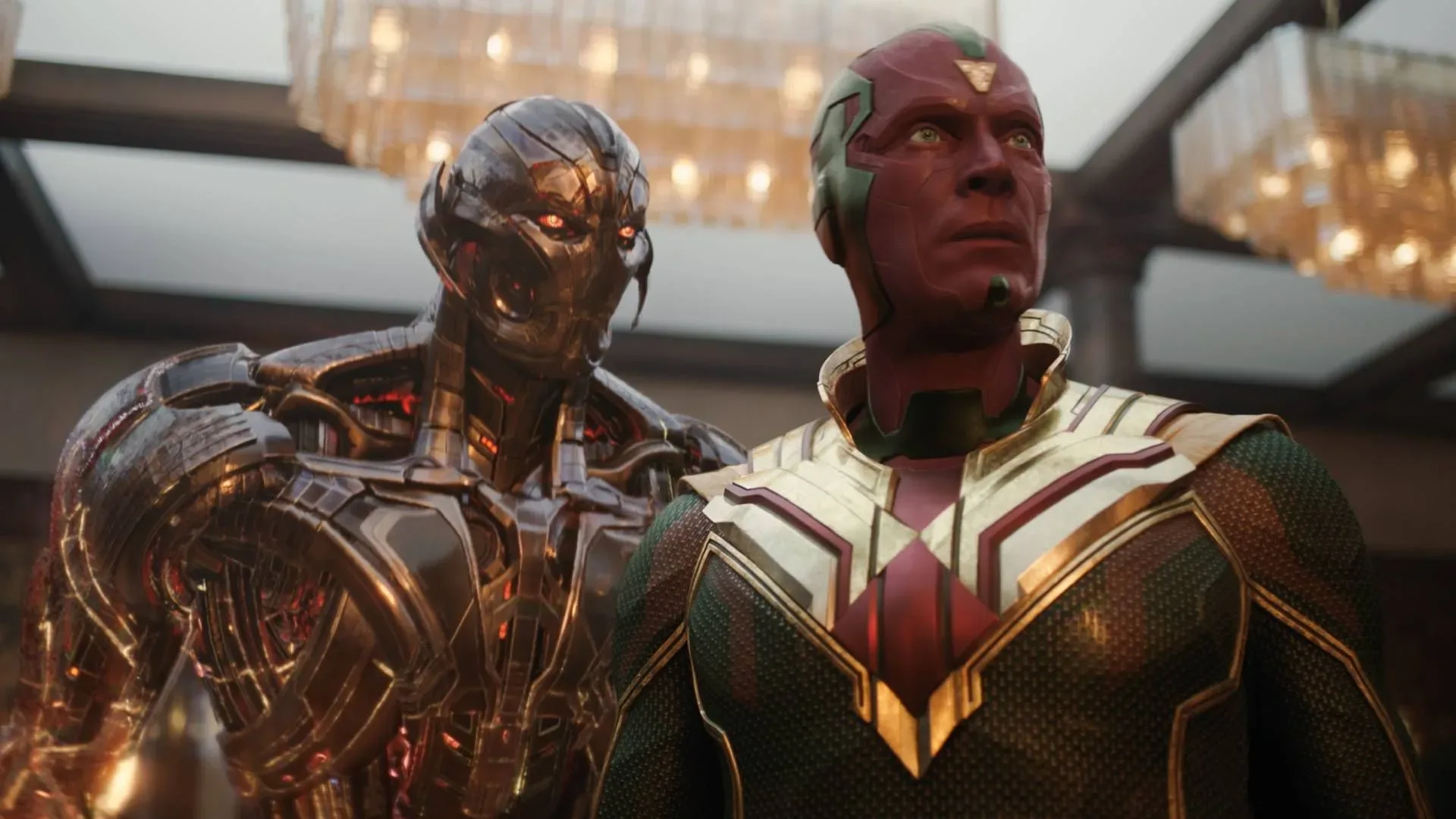
The Altruists also arrives at a moment when streaming audiences are used to stories that move between true events and prestige-drama conventions. For another example of how viewers may prepare for a franchise-driven TV release, Joking Joystick has a guide to the essential viewing order before VisionQuest. The difference here is substantial: this miniseries draws from a criminal case and real financial harm, so viewing it as drama should not erase the factual and legal record beneath it.
What to know before November 19
- Format: The Altruists is an eight-episode miniseries.
- Release: It is set to start streaming on Netflix on November 19.
- Lead cast: Anthony Boyle plays Sam Bankman-Fried, while Julia Garner plays Caroline Ellison.
- Real-world basis: The story concerns the rise and collapse of FTX, which once handled reported daily trading volume of $10 billion before its 2022 failure.
- Legal context: Bankman-Fried was found guilty of seven fraud and conspiracy counts, sentenced to 25 years in prison, and later denied relief by an appeals court.
The trailer suggests The Altruists will approach the FTX saga through the people at its core, particularly Bankman-Fried and Ellison, rather than as a purely technical account of cryptocurrency markets. That can make an intimidatingly complex scandal easier to follow. Its responsibility, however, will be to ensure the drama around ambition, philosophy and relationships never obscures the customers, money and criminal findings at the center of the story.