Taylor Swift has reached 100 cumulative weeks at No. 1 on the Billboard 200, a landmark achieved as The Life of a Showgirl remains atop the albums chart. The total covers all of Swift’s albums and further extends her lead among solo artists on this particular measure of chart longevity.
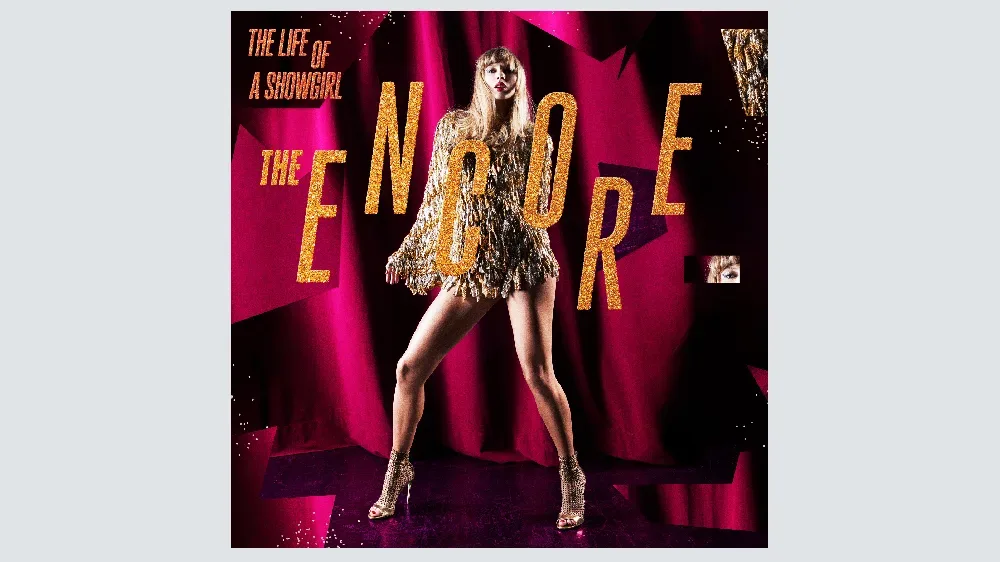
The current chart leader is being aided by The Life of a Showgirl: The Encore, an expanded edition with four additional tracks. For chart purposes, the original album and the extended version are counted together. That means the album is credited with a 14th week at No. 1 overall, while the latest stretch represents its second consecutive week in first place.
It is an important distinction: 100 weeks does not mean one album spent 100 uninterrupted weeks at the summit. It is Swift’s career-wide accumulation of weeks in the No. 1 spot. The achievement instead reflects sustained performance across multiple releases, with the current album adding another chapter to that total.
A solo-artist mark with a substantial gap behind it
Swift’s 100 weeks at No. 1 put her well clear of the other solo acts cited in the chart comparison. Elvis Presley follows with 67 weeks, while Garth Brooks is the closest living artist behind Swift at 52. Those numbers underline just how large the separation has become: Swift is 33 weeks ahead of Presley and has nearly doubled Brooks’ total.
The broader all-artist record remains with the Beatles, whose albums have collectively logged 132 weeks at No. 1. Swift therefore needs 32 more weeks to equal that mark. Whether she gets there, and how quickly, will depend on the chart runs of future releases as well as the continuing performance of albums already in her catalog. The gap is still meaningful, but recent long-running campaigns make the Beatles’ total a plausible target rather than an abstract historical number.
Chart records can sound deceptively simple, so it helps to define the terms. The Billboard 200 is an album chart, and a “week at No. 1” means a release led that chart during a given tracking period. A cumulative career total adds every week that any qualifying album by an artist reached the top. It does not measure a single album’s sales alone, nor does it mean the artist had only one record in circulation during those weeks.
‘The Encore’ illustrates how expanded editions affect an album run
The Life of a Showgirl: The Encore earned 93,000 equivalent album units in its latest week, a 46% drop from the extended edition’s opening week. Even with that decline, it retained a comfortable lead at No. 1.
“Equivalent album units” is a chart measurement that combines different forms of consumption into one total. It is used to compare album activity in a market where listeners may buy an album, consume it through streaming, or acquire individual tracks. The figure of 93,000 is therefore not simply a count of physical copies sold.
The expanded edition’s four new tracks matter because they give listeners a new reason to engage with an existing album cycle. In this case, the chart combines the editions, preserving one unified Showgirl total rather than treating The Encore as a wholly separate album. That setup helps explain how a release can receive a visible boost from fresh material while extending the chart history of the original project.
This week’s rankings offer a particularly clear example of how reissues, anniversary packages and deluxe versions can reshape the top tier. Four of the top 10 albums moved sharply upward in connection with new or expanded editions: Swift’s The Life of a Showgirl, Drake’s Habibti, the Beatles’ Rubber Soul and Mac Miller’s The Divine Feminine.
The Beatles return with ‘Rubber Soul’
The Beatles’ Rubber Soul reentered the top 10 at No. 4 with 58,000 equivalent units. The rise follows a reissue campaign that includes a box set and remastered editions of the album.
For the 60-year-old record, the placement has an especially long historical reach. Rubber Soul had not appeared in the top 10 since April 1966. Its most recent appearance anywhere on the overall Billboard 200 was in January 2016, making this week’s No. 4 return a major revival for a catalog classic.
Remastering generally means preparing a new version from existing recorded material, with the aim of improving or altering presentation for contemporary formats. A box set, meanwhile, packages material into a more substantial release configuration. Neither term automatically tells listeners exactly what is included beyond the supplied campaign details, but together they describe a release strategy capable of bringing a decades-old album back into current chart competition.
The Beatles’ own 132-week all-artist record adds a neat statistical layer to the week: Swift is approaching their career total just as one of their most enduring albums returns near the chart’s summit. It is not a direct contest between the two releases—Swift is No. 1 and Rubber Soul is No. 4—but it places current release tactics and legacy catalog interest side by side.
Drake and Mac Miller also make large reissue-driven jumps
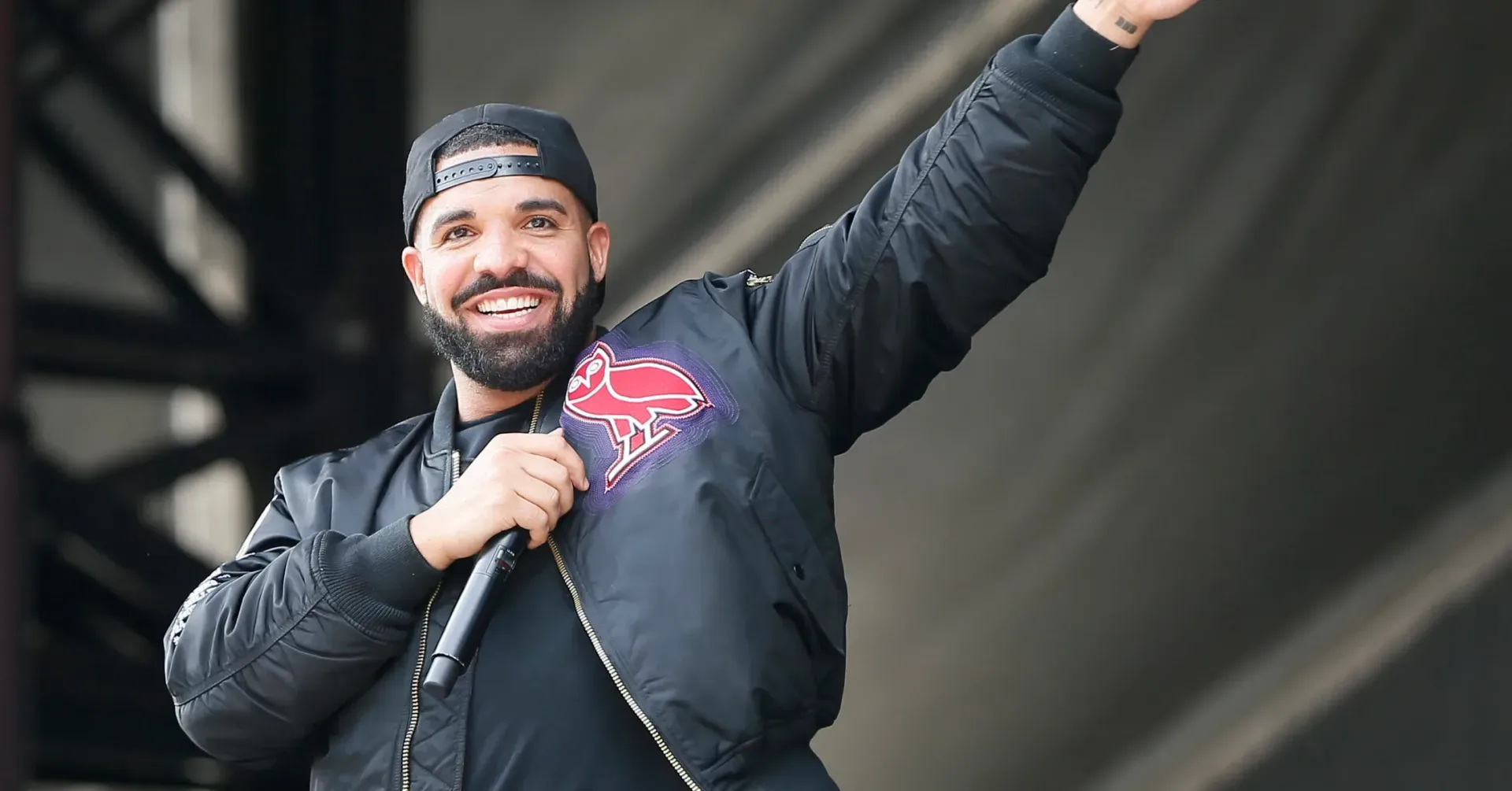
Drake’s Habibti climbed from No. 116 to No. 2 after a reissue added four new tracks. It posted 71,000 equivalent units, enough to move past every album except Swift’s chart leader. The jump illustrates the scale of movement an altered edition can produce when an album had been sitting much lower on the list.
Mac Miller’s The Divine Feminine made a similarly dramatic move, rising from No. 159 to No. 10 with 33,000 units. The album’s 10th-anniversary edition includes three added tracks. Its return means the top 10 contains both a new campaign for a 60-year-old Beatles album and an anniversary treatment for a Miller release that is a decade old.
For audiences, these releases can be practical entry points into albums they may have missed, or new versions for established listeners who want the added material. For the chart, the immediate effect is concentration: releases that had been lower down—or absent from the top tier—can compete with currently prominent albums once expanded packages create renewed attention.
That does not make every reissue equivalent. A remaster, a box set, a deluxe edition and an anniversary edition are related release approaches, but their specific contents and appeal can differ. What this week demonstrates is the shared chart outcome: each can reactivate interest in an existing album when supported by a distinct new edition.
The rest of the top 10
Olivia Rodrigo’s You Seem Pretty Sad for a Girl So in Love holds No. 3 with 66,000 equivalent units. Morgan Wallen’s I’m the Problem is No. 5 with 55,000 units, followed by Ella Langley’s Dandelion at No. 6 with 54,000.
Noah Kahan appears twice in the top 10: The Great Divide is No. 7 with 46,000 units, while Stick Season sits at No. 9 with 33,000. Olivia Dean’s The Art of Loving takes No. 8 with 35,000 units. Mac Miller completes the top 10 at No. 10, also on 33,000 units.
- No. 1: Taylor Swift, The Life of a Showgirl — 93,000 equivalent units
- No. 2: Drake, Habibti — 71,000
- No. 3: Olivia Rodrigo, You Seem Pretty Sad for a Girl So in Love — 66,000
- No. 4: The Beatles, Rubber Soul — 58,000
- No. 5: Morgan Wallen, I’m the Problem — 55,000
- No. 6: Ella Langley, Dandelion — 54,000
- No. 7: Noah Kahan, The Great Divide — 46,000
- No. 8: Olivia Dean, The Art of Loving — 35,000
- No. 9: Noah Kahan, Stick Season — 33,000
- No. 10: Mac Miller, The Divine Feminine — 33,000
The chart’s combination of contemporary releases, anniversary editions and a major catalog reissue is the central takeaway. Swift’s milestone is the headline: a solo artist has now reached 100 total weeks at No. 1. But the surrounding positions show an industry moment in which additional tracks, reworked editions and physical collector-oriented packages can rapidly bring older albums back into the same conversation as the newest releases. That renewed attention to music catalogs also sits alongside other major music-business milestones, including Jay-Z’s reported Yankee Stadium concert record.