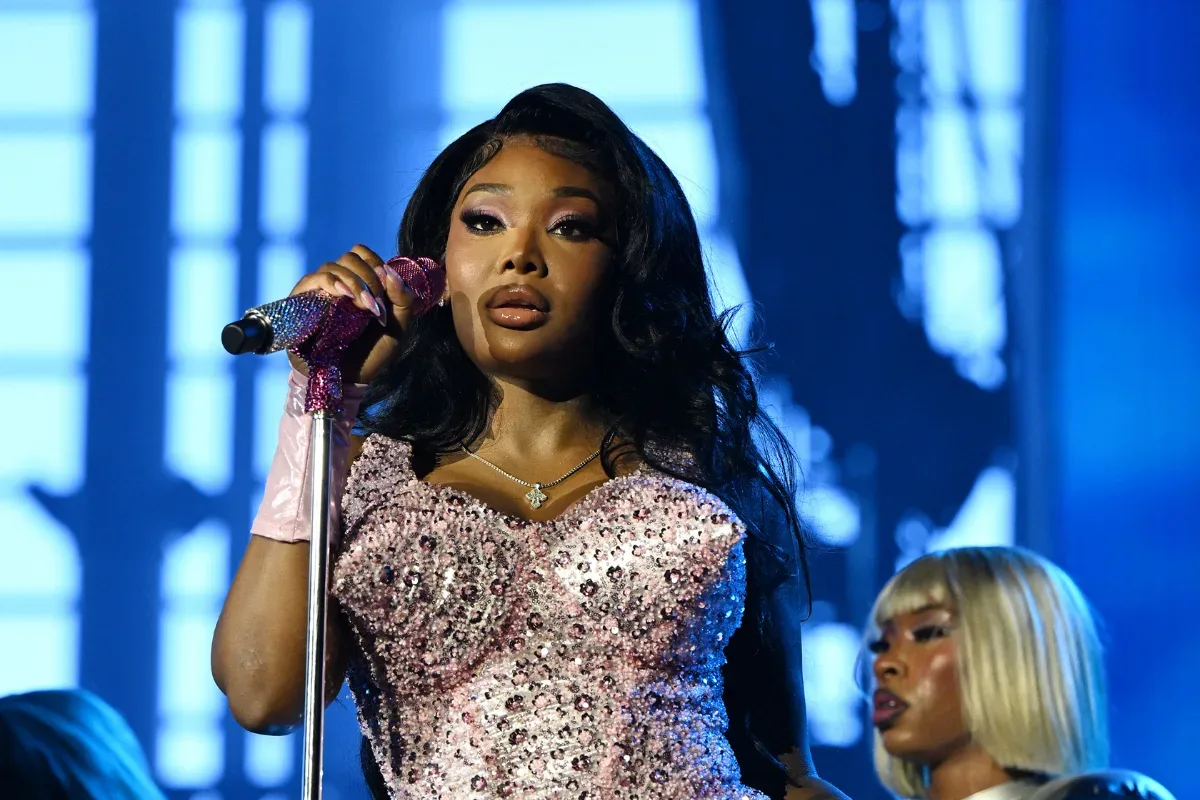
Summer Walker is seeking at least $20 million from Interscope Records in a Los Angeles dispute that has expanded from an argument over album obligations into a fight over creative ownership, video revenue and the boundaries of a recording contract.
Walker’s cross-claim responds within the same case in which Interscope filed suit last month seeking more than $50 million from the singer. Her position is that a 2017 agreement permitted the label to use her name and likeness for promotional purposes, but did not authorize it to collect money from all material she created—particularly independently produced videos and content associated with her personal YouTube channel.
The requested relief goes beyond the stated $20 million minimum. Walker is also asking the court to decide who owns the disputed material and to require Universal Music Group to account for and turn over profits that were allegedly made from it improperly. Those requests matter because the case is not solely about a payment total; it is also about control over assets and the revenue streams attached to them.
What Walker’s cross-claim alleges
The central allegation is that Interscope exploited creative assets Walker says were hers outside the scope of the label deal. The material identified in the supplied account includes videos she produced independently and material tied to her personal YouTube channel.
Walker’s attorney, Keith Moten, characterized the filing as an effort to hold parties accountable for alleged unauthorized use of her creative work and the money generated by that use. The allegation remains a claim in litigation, not a court finding. Interscope’s position on Walker’s particular accusations is not included in the supplied information.
That distinction is important in a music-business dispute. A label’s right to use an artist’s name, image or likeness in promotion can be different from a right to own, distribute, monetize or claim income from a particular audiovisual work. The answer can turn on contract wording, when and how a work was made, who financed it, which entity uploaded it, and whether separate permissions or agreements apply.
In practical terms, a promotional right may permit a company to market music using an artist’s identity. It does not automatically answer the separate question of whether the company receives income from an artist-created video or channel content. Walker is asking the court to draw that line for the material at issue.
Why the YouTube question is significant
YouTube is not just a promotional pipeline for musicians. It can be a source of advertising revenue and an archive of music videos, visualizers, behind-the-scenes material and other artist-facing content. The supplied details do not identify every work in dispute or describe the accounting at issue, but they make clear that Walker’s personal channel and independently made videos are at the center of her claim.
Ownership and monetization are related but not identical concepts. An ownership ruling concerns who holds the rights at issue in a work. An accounting of profits concerns how money connected to that work was received, attributed and distributed. By seeking both, Walker is contesting not only whether revenue was collected but also the basis on which the opposing side could claim the material in the first place.
Her request for Universal Music Group to surrender allegedly improper profits similarly signals that the financial dispute may require a detailed review of revenue. The court would need to determine what material falls within the relevant agreements, whether the use described was authorized, and what proceeds, if any, were attributable to the disputed assets.
The larger case: albums still owed under the deal
The video and YouTube allegations arrive amid a separate but connected disagreement about Walker’s remaining recording obligations. Interscope contends that the agreement called for five studio albums and that Walker has delivered three qualifying albums: Over It, Still Over It and Finally Over It.
Walker’s commercial record is part of the context, though commercial success does not itself resolve the contract dispute. Still Over It reached No. 1 on the Billboard 200. Over It and Finally Over It each reached No. 2. The disagreement is over the count of albums required by the deal, not whether those three releases charted.
Interscope maintains that Last Day of Summer and CLEAR do not count toward the five-album obligation. The supplied material does not set out Walker’s full argument on why those releases should or should not be credited, nor does it reproduce the contract language governing what qualifies as a studio album. That missing detail is likely consequential: contracts often specify delivery criteria rather than relying only on how a project is publicly described.
The label’s more than $50 million claim against Walker is part of that same Los Angeles case. Walker’s cross-claim therefore changes the shape of the litigation. Instead of a one-directional demand over alleged undelivered recordings, the court is now being asked to weigh allegations concerning video assets, personal-channel material, ownership, revenue and the continuing enforceability of the recording arrangement.
Walker’s reliance on California’s seven-year rule
Walker gave written notice that she would stop working under the deal effective August 27. Her California filing asks the court to rule that the Interscope recording contract became unenforceable once that notice took effect.
Her argument relies on California’s so-called seven-year rule, a legal framework that generally limits the period for which a personal-services contract can be enforced. A recording agreement is commonly understood as a personal-services arrangement because it is centered on an artist’s own creative performance and delivery of recordings.
But the rule does not necessarily end every financial dispute upon the expiration of an enforceable service period. The supplied account notes that California law also gives record labels a route to seek damages for recordings that an artist agreed to deliver but did not. That helps explain why the parties can disagree simultaneously over whether Walker must continue working under the agreement and whether the label can pursue money relating to recordings it says were still owed.
Put simply, the competing questions are related but distinct:
- Can the recording agreement still compel Walker’s future services after her notice took effect?
- How many qualifying studio albums did the contract require, and how many had been delivered?
- If recordings remain undelivered, can Interscope seek damages even if future services cannot be enforced?
- Did the contract give Interscope rights to revenue from the independent videos and personal YouTube material Walker identifies?
- Who owns the audiovisual material now disputed, and what profits are connected to it?
The court’s eventual answers could affect both sides’ monetary positions, but the supplied facts do not establish an outcome. At this stage, Walker’s cross-claim and Interscope’s damages demand are competing litigation positions.
A dispute spanning multiple business relationships
The California case is not Walker’s only active conflict concerning revenue and music-business relationships. She began with Atlanta-based Love Renaissance before that independent label partnered with Interscope. In August, Walker sued Love Renaissance in Georgia, alleging that it withheld proceeds from merchandise and YouTube and redirected money set aside for her projects.
Love Renaissance denied those allegations. It also filed its own claim seeking a share of tour proceeds and songwriting performance royalties. As with the California action, the assertions described in the supplied material are contested claims rather than established findings.
The overlap in subject matter is notable without making the cases interchangeable. The Georgia matter involves allegations involving merchandise, YouTube proceeds and project funding connected to Love Renaissance. The California case concerns Walker’s relationship with Interscope, alleged exploitation of independently produced visual material, album-delivery obligations and the seven-year-rule argument. Different agreements, companies and legal theories may be involved even where both disputes touch artist revenue.
For artists, labels and managers, these cases underline why revenue categories can become complicated quickly. Music recordings, music videos, social-video channels, merchandise, touring income and songwriting performance royalties can each be governed by different contractual terms. An artist’s personal channel may be creatively and commercially important, while a label relationship can carry its own marketing, recording and delivery provisions. When the parties disagree over where one arrangement ends and another begins, the dispute can become as much about definitions and records as it is about headline damages figures.
What the case may clarify
The immediate significance of Walker’s filing is its scope. She is not merely disputing an accounting balance; she is asking for a declaration on ownership and an order addressing profits allegedly generated from the material. If the case proceeds on those questions, it may require the parties to identify precisely what content is disputed and why each side believes it holds the relevant rights.
It also puts a sharper focus on the terms of the 2017 deal. Walker says the agreement gave Interscope promotional use of her name and image, while withholding a broader entitlement to every asset she made. Interscope’s claim concerning five albums, meanwhile, depends on its view that only three qualifying studio albums have been delivered. Both disputes put contract interpretation at the forefront, albeit in different ways.
No decision described here resolves whether Walker’s agreement ended on August 27, whether she owes additional recordings, whether Last Day of Summer or CLEAR should count toward the deal, or whether Interscope had rights to the videos and channel material in question. Those are the issues now being placed before the Los Angeles court.
For broader entertainment-industry context, ownership stakes and the limits of business relationships remain central concerns, as explored in Benny The Butcher’s comments on expectations around an ownership stake in Griselda. Walker’s dispute is its own case, but it similarly centers on the difference between participating in a business arrangement and controlling the creative assets and revenue that arrangement touches.
For now, Walker seeks at least $20 million, ownership determinations and alleged improperly earned profits, while Interscope seeks more than $50 million in its existing case. The result will depend on the court’s treatment of the agreements, the disputed materials and the parties’ competing accounts of what each relationship allowed.