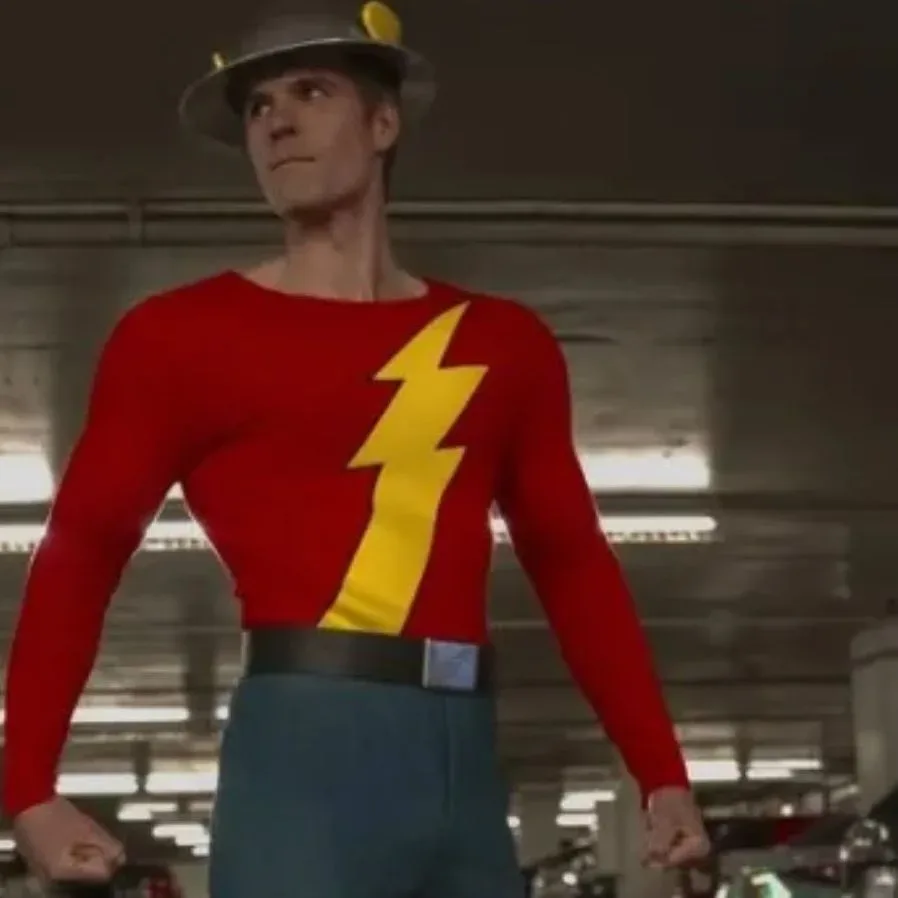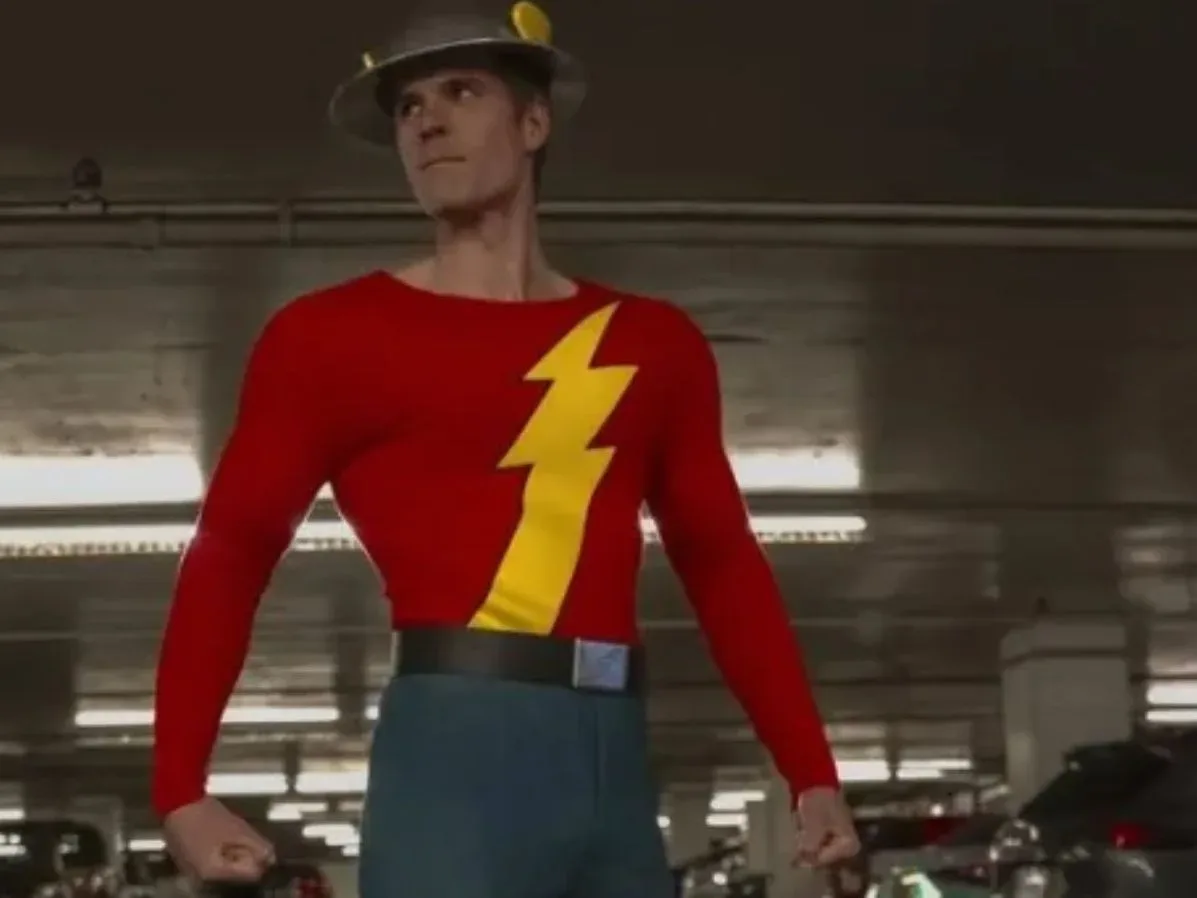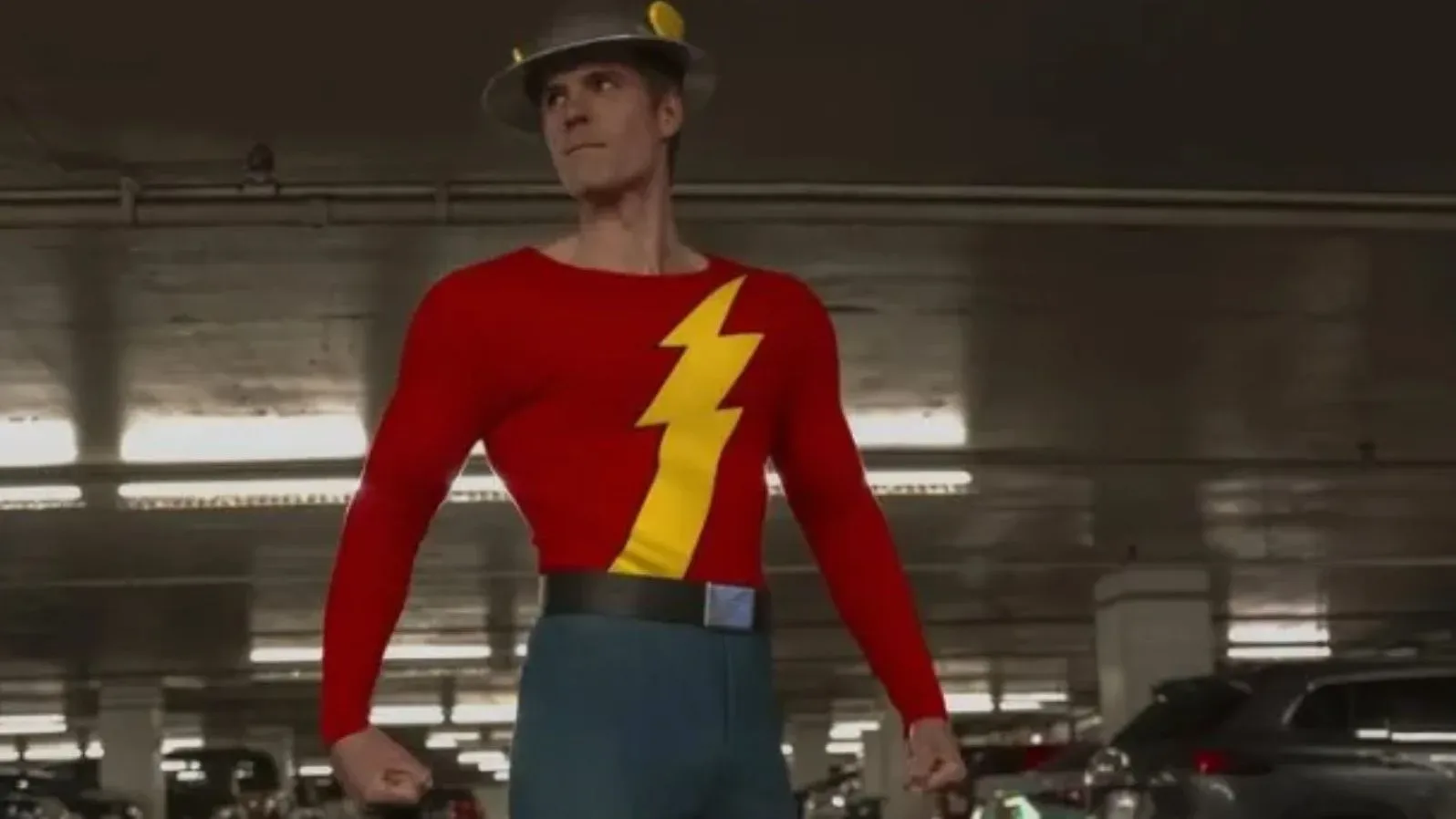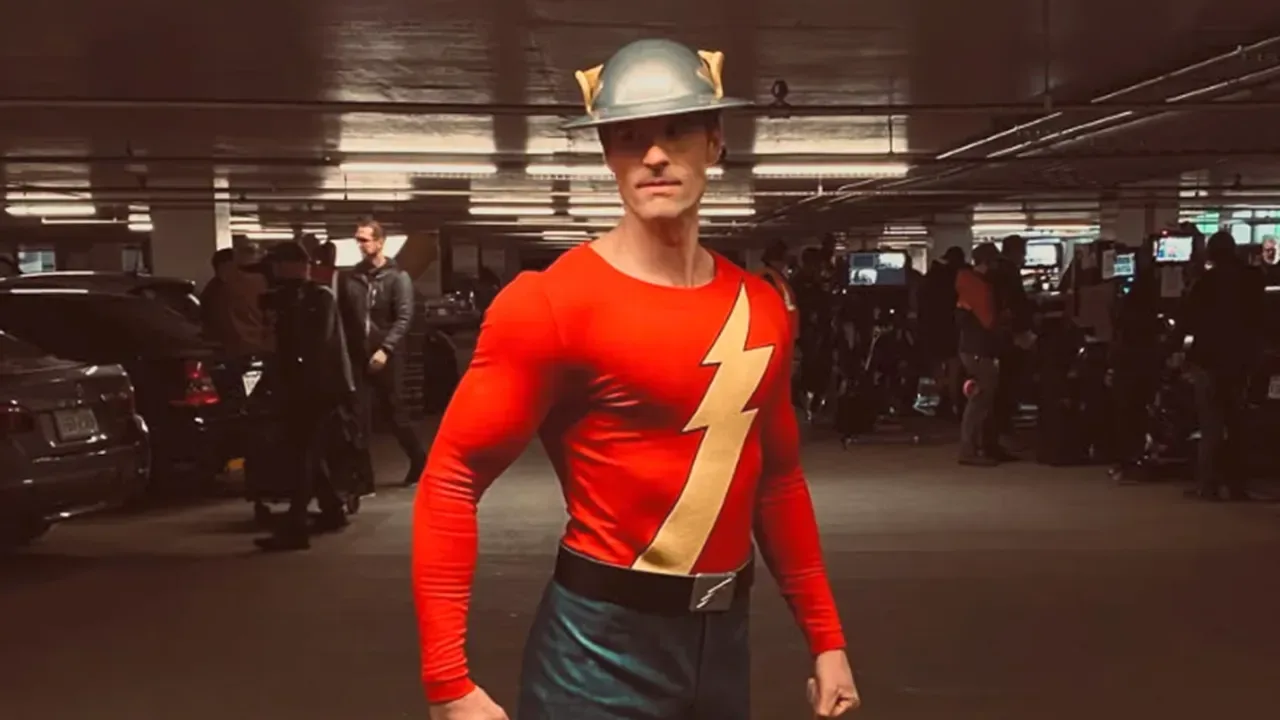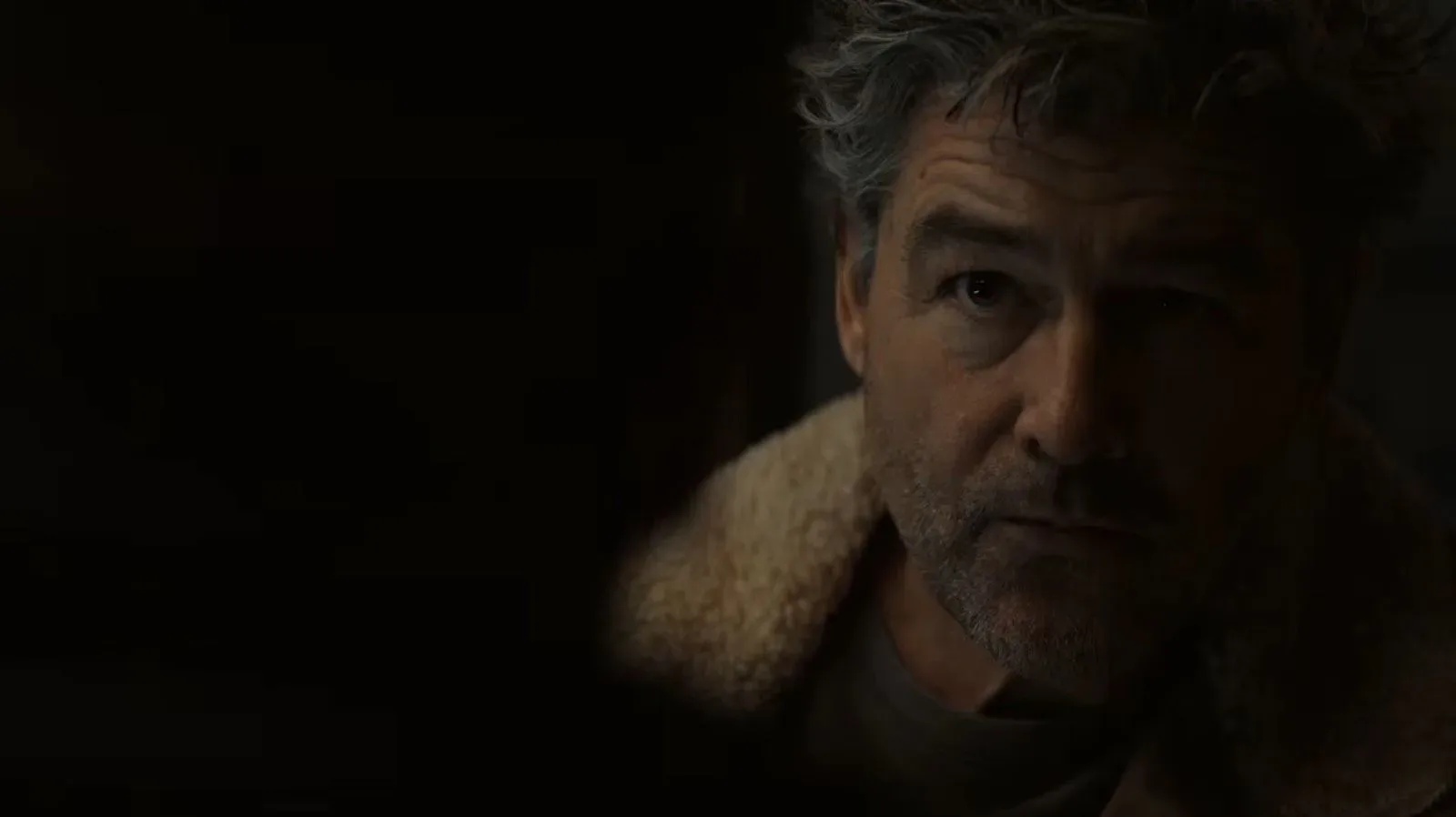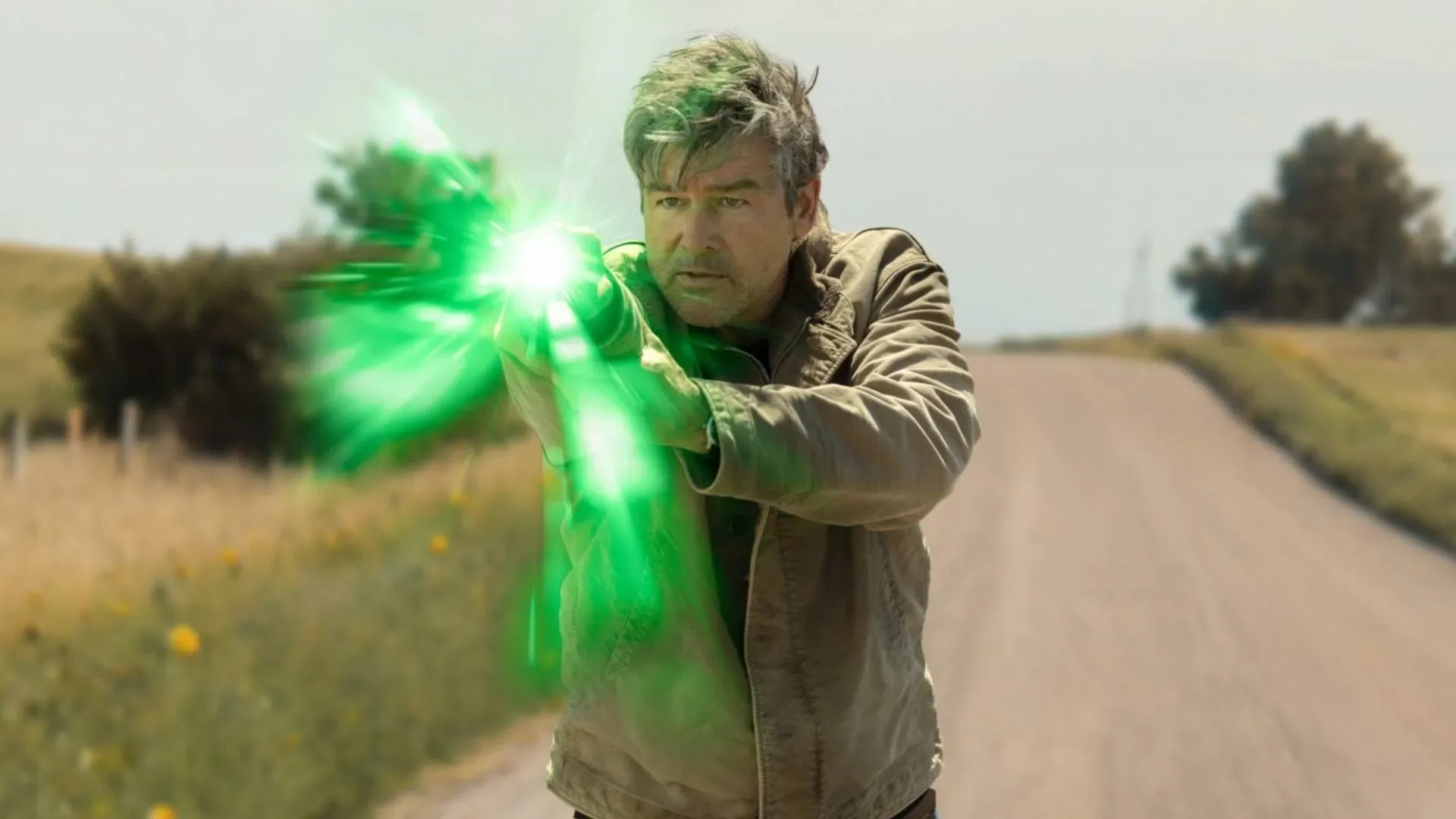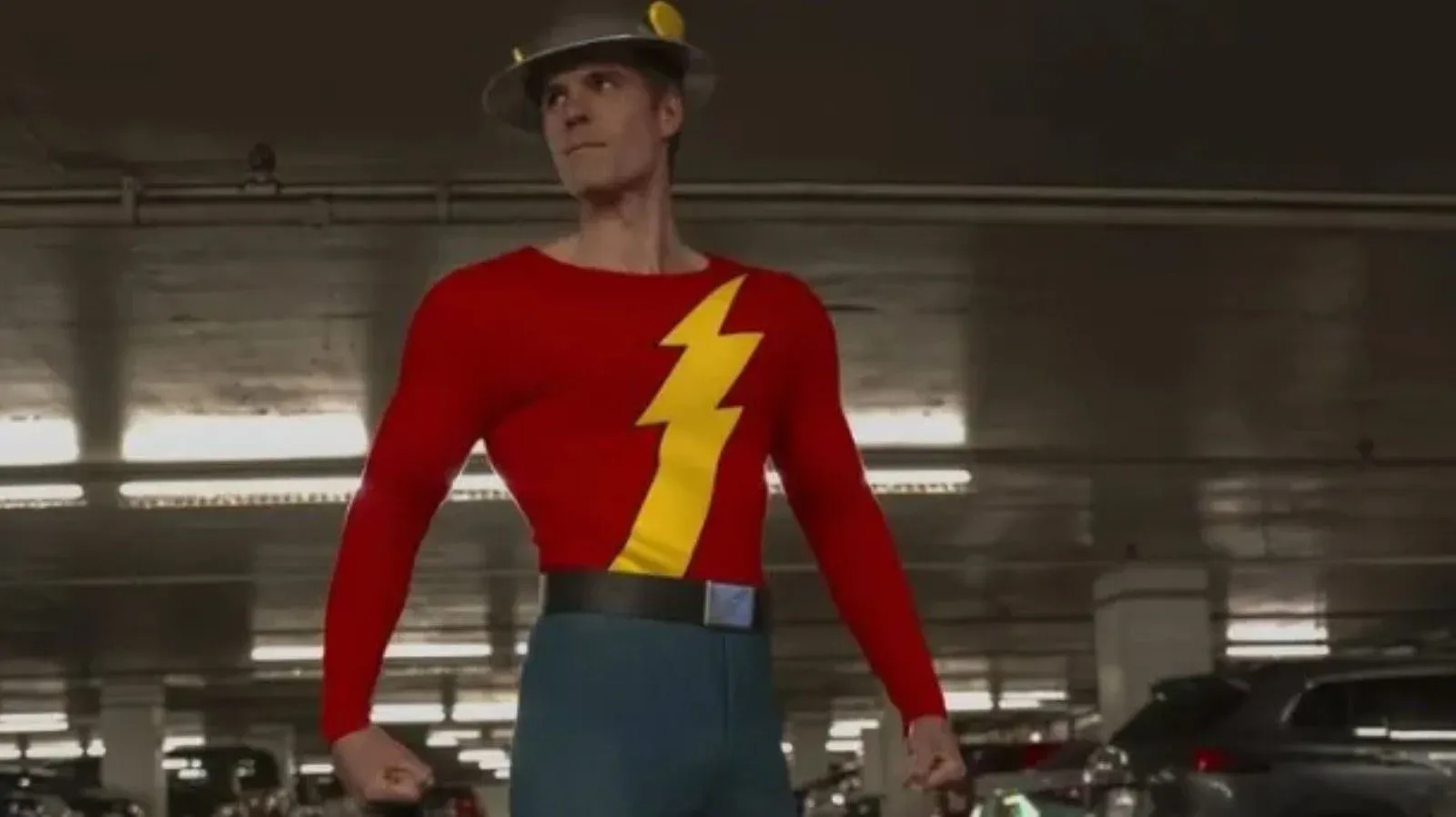
Stuart Fails to Save the Universe has taken its crossover ambitions straight into DC territory, with its characters encountering Mr. Freeze and receiving an unlikely rescue from Jay Garrick, the Golden Age Flash. But the episode’s final superhero choice was not the production’s first plan.
The episode is pointedly titled “We Couldn’t Get The Green Lantern,” because the creative team initially sought permission to use a member of the Green Lantern Corps. Co-creator Zak Penn said that request was declined due to Lanterns, the HBO series. Rather than force a version of the idea that did not fit the available approvals, Penn, Chuck Lorre and Bill Prady turned to another DC character: Jay Garrick.
That change gave the episode a different kind of comic-book logic. Green Lantern is one of DC’s largest shared superhero concepts, encompassing multiple characters linked by a common Corps identity. The Flash identity also has a long DC legacy, but Jay Garrick is a distinct character beneath that larger mantle. For a story involving movement between dimensions, Penn and Prady argued that the speedster was not simply an acceptable substitute: he was a stronger thematic match.
“If we needed something that’s going from dimension to dimension, Flash worked even better than Green Lantern,” Penn said of the switch.
Why the Green Lantern request mattered
On the surface, the episode title frames the missing Green Lantern as a punchline. It is also an unusually direct acknowledgement of a familiar reality in franchise storytelling: an individual character, group, or concept may be unavailable even when the broader fictional universe is being used.
That does not necessarily mean a permanent ban on Green Lantern characters or a creative judgment about their value. In this case, Penn specifically connected the refusal to Lanterns. The supplied information does not identify which Green Lantern was requested, nor does it explain the precise rights or production considerations involved. What is clear is that the request was denied and that the show’s writers recalibrated their sequence around a different hero.
That distinction is important. “Green Lantern” can refer to a superhero identity associated with multiple figures, while the Green Lantern Corps refers to the wider interstellar organization connected to that name. The reported plan was for someone from the Corps, not necessarily a particular, named Lantern. The episode’s joke leaves room for the amusing possibility that DC has many Lantern-adjacent possibilities, but it should not be read as confirmation that any of them will appear later.
Jay Garrick becomes the dimensional solution
Jay Garrick’s entrance changes the flavor of the scene. Mr. Freeze is generally associated with Batman’s corner of DC, which makes the Flash rescue a deliberately mismatched pairing. The episode reportedly recognizes that mismatch in its own humor, rather than treating it as a seamless piece of established superhero continuity.
That self-awareness is the key to why the substitution works on paper. A crossover comedy does not need to build toward the most expected hero-villain matchup. It needs a character whose presence both solves the immediate dramatic problem and makes the detour funnier. Mr. Freeze points viewers toward Gotham and Batman; Jay Garrick arriving instead creates the surprise.
The show’s premise also gives the Flash a useful narrative role. A dimension-to-dimension scenario is a plot device in which characters cross from one reality or setting to another. Penn’s explanation suggests the writers saw a speedster as a clean way to make that kind of movement feel active and immediate. The Flash’s defining association with extraordinary speed lends itself naturally to urgent arrivals, rapid changes of location and impossible travel. Those are storytelling functions, not a claim that this episode establishes new DC rules for either character.
Lorre was initially less enthusiastic about losing the Lantern option, Penn said. Penn and Prady made the case for Garrick, and the team ultimately embraced the new direction. In practical creative terms, that is often what a crossover constraint produces: not a deleted scene, but a rewritten one whose substitute character changes its rhythm, visual gag potential and connection to the plot.
DC’s input extended beyond the yes-or-no decision
The DC appearance was not handled as a simple name-drop. Penn said DC Comics personnel, including artist, writer and Chief Creative Officer Jim Lee, provided notes on the treatment of Jay Garrick and Mr. Freeze. That participation matters because the two characters carry very different histories and associations inside DC’s catalogue.
For viewers, “notes” is a broad production term. It can mean feedback intended to keep characterization, visual presentation, story use, or brand handling aligned with the owner’s expectations. No specific notes were disclosed here, so it would be speculation to say exactly what was changed. Still, the disclosed involvement indicates that the show worked with DC in shaping how the Flash and Mr. Freeze were used.
Penn described the collaboration as constructive, with one memorable limitation: DC was willing to help, but Green Lantern remained off the table. That contrast is a useful reminder that a franchise crossover is not a binary arrangement where creators either receive unrestricted access or none at all. A project can secure particular characters, benefit from guidance on those characters, and still have to redirect around a major unavailable element.
The joke is also a production story
There is a neat structural advantage to naming the episode after the unavailable hero. Rather than hide the change, the title turns it into part of the entertainment. Fans who know DC’s character bench can appreciate the absurdity of a series openly signaling that it asked for one of the biggest superhero concepts and was routed toward a different, highly specific Flash instead.
It also preserves the actual creative outcome. The point is not merely that Green Lantern was absent; it is that Jay Garrick was present. The episode’s DC detour includes a villain strongly identified with Batman and a hero whose speed and dimensional utility made him, in the writers’ view, a better fit for the story they had to tell.
That makes the result more than a consolation-prize cameo. The Flash selection was shaped by a real limitation, but it was then justified on story mechanics. For a comedy that thrives on big, destabilizing reveals, a sudden Garrick appearance can deliver both an effective rescue and a knowingly strange piece of DC matchmaking.
What the renewal does—and does not—suggest
Stuart Fails to Save the Universe has been renewed for a second season. That leaves open the possibility of more large-scale cameos and other DC connections, particularly because this episode demonstrated that the show can work with DC characters while folding the complications of access into the joke itself.
However, a renewal is not confirmation of any future superhero guest. The existence of numerous Green Lantern characters is likewise not evidence that one has been approved for season two. The reported comments establish only that a Green Lantern Corps request for this episode was not granted, and that the team successfully pivoted to Jay Garrick and Mr. Freeze.
For now, the episode’s strongest reveal may be the creative detour behind it. The crossover was not built around the most obvious available option. It was built around the character who could arrive at exactly the right impossible moment—and do it fast.
For more genre-TV coverage, see our look at the latest news around Stranger Things: Tales from ’85.