The upcoming Street Fighter film is putting a surprisingly specific promise at the center of its action: fighters should not merely look different, they should fight differently.
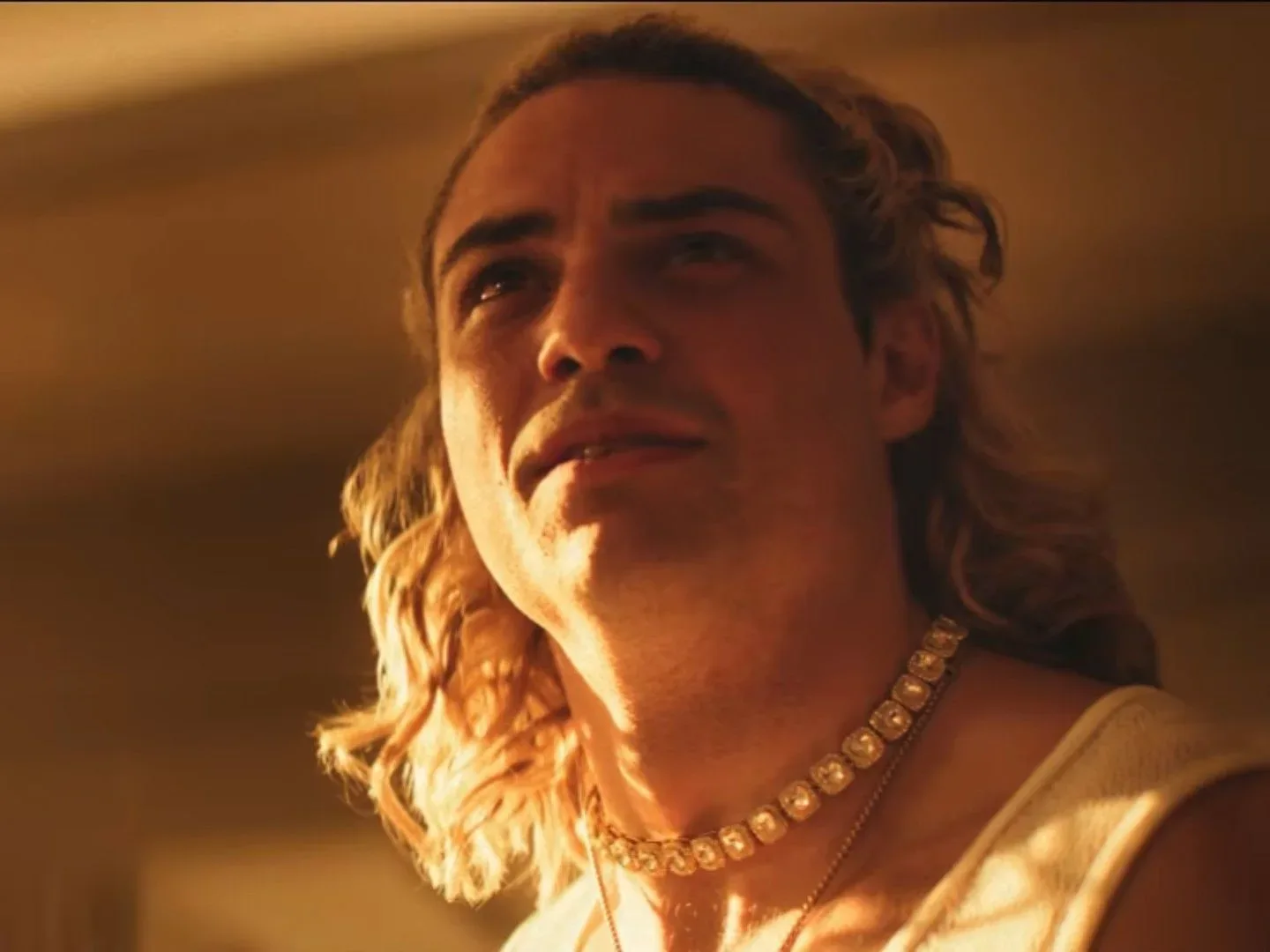
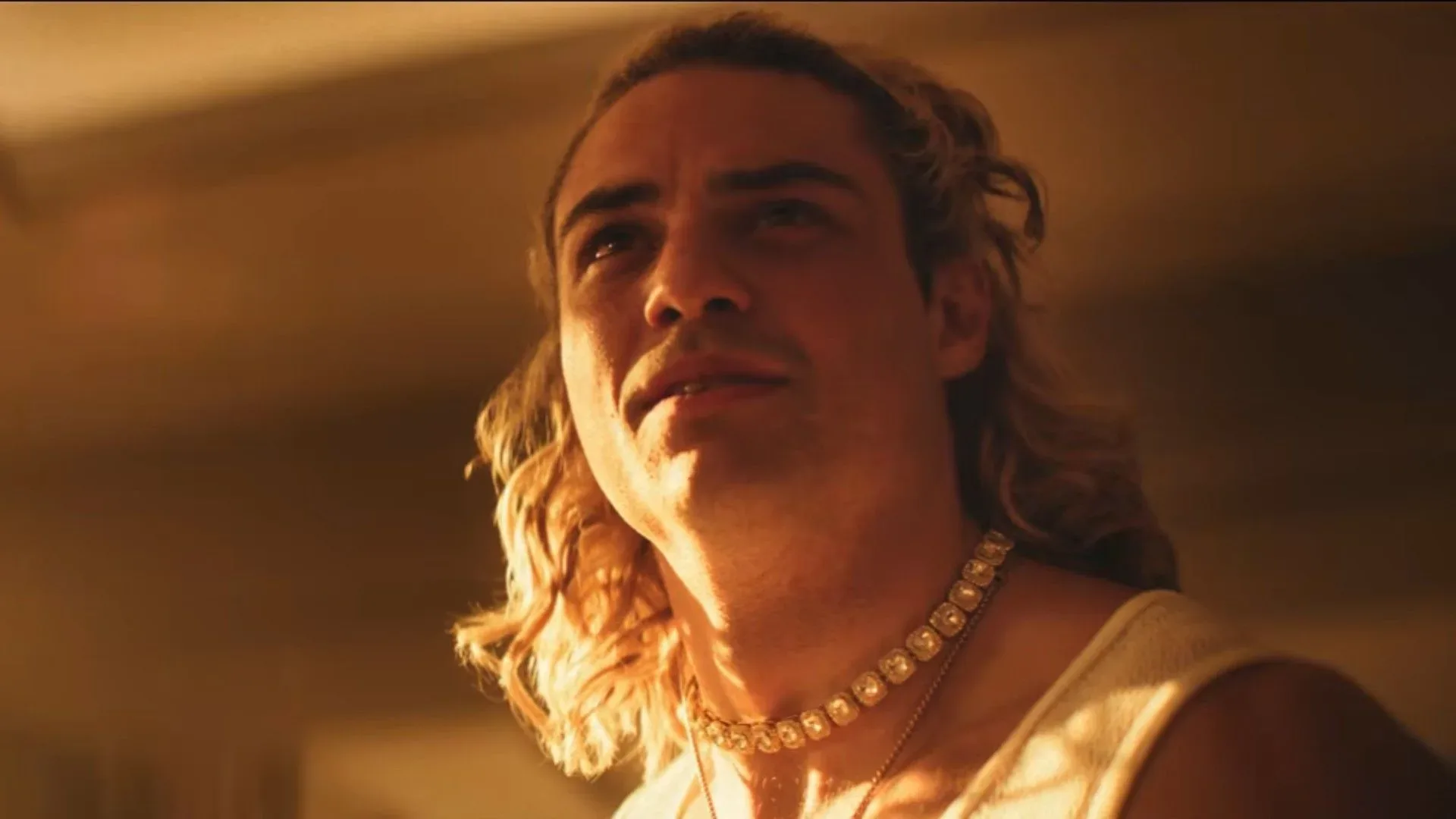
Noah Centineo, who plays Ken, says stunt coordinator John Valera researched the individual backgrounds, combat approaches and matchups of the game’s characters. The aim, as described by Centineo, was to build fights around each combatant’s established identity rather than treat the roster as a collection of interchangeable action heroes.
That distinction matters enormously for Street Fighter. The series has accumulated nearly 150 characters across its six numbered entries and many spin-offs and revisions, and its most recognizable competitors are defined not only by costumes, rivalries or special moves, but by how they occupy space, set a pace and respond under pressure. A convincing screen adaptation has to translate those qualities into movement that viewers can read at full cinematic speed.
Centineo says the production included the games’ signature moves and paid close attention to giving each character their particular style in clashes with other fighters. He characterized the process as meticulous, while also promising brutal fights.
“Every character comes from a different background,” Centineo said, explaining that the stunt team had to account for each character and each fight’s distinct style.
What character-specific combat means for Street Fighter
In a fighting game, character specificity is built into the rules. Each player selects a fighter with a defined set of attacks, animations, movement options and strengths. Those systems create immediate expectations: a long-limbed fighter controls a different range than a compact powerhouse, while a quick character may generate pressure in an entirely different way than a slower opponent.
Film does not have a controller, a move list or on-screen frame data. It instead has choreography, camera placement, editing, sound and performer movement. “Character-specific combat” is therefore a useful shorthand for a difficult translation job: making the visual language of a bout communicate who has the advantage and why.
For a Street Fighter adaptation, that can mean more than reproducing a famous attack. Signature moves are highly visible pieces of the series’ heritage, but their dramatic value grows if they arrive within a style that already feels true to the fighter using them. The move should look like an extension of the character rather than an isolated reference dropped into a generic brawl.
Related coverage includes Street Fighter Movie Aims for Character-Specific Combat in Every Matchup.
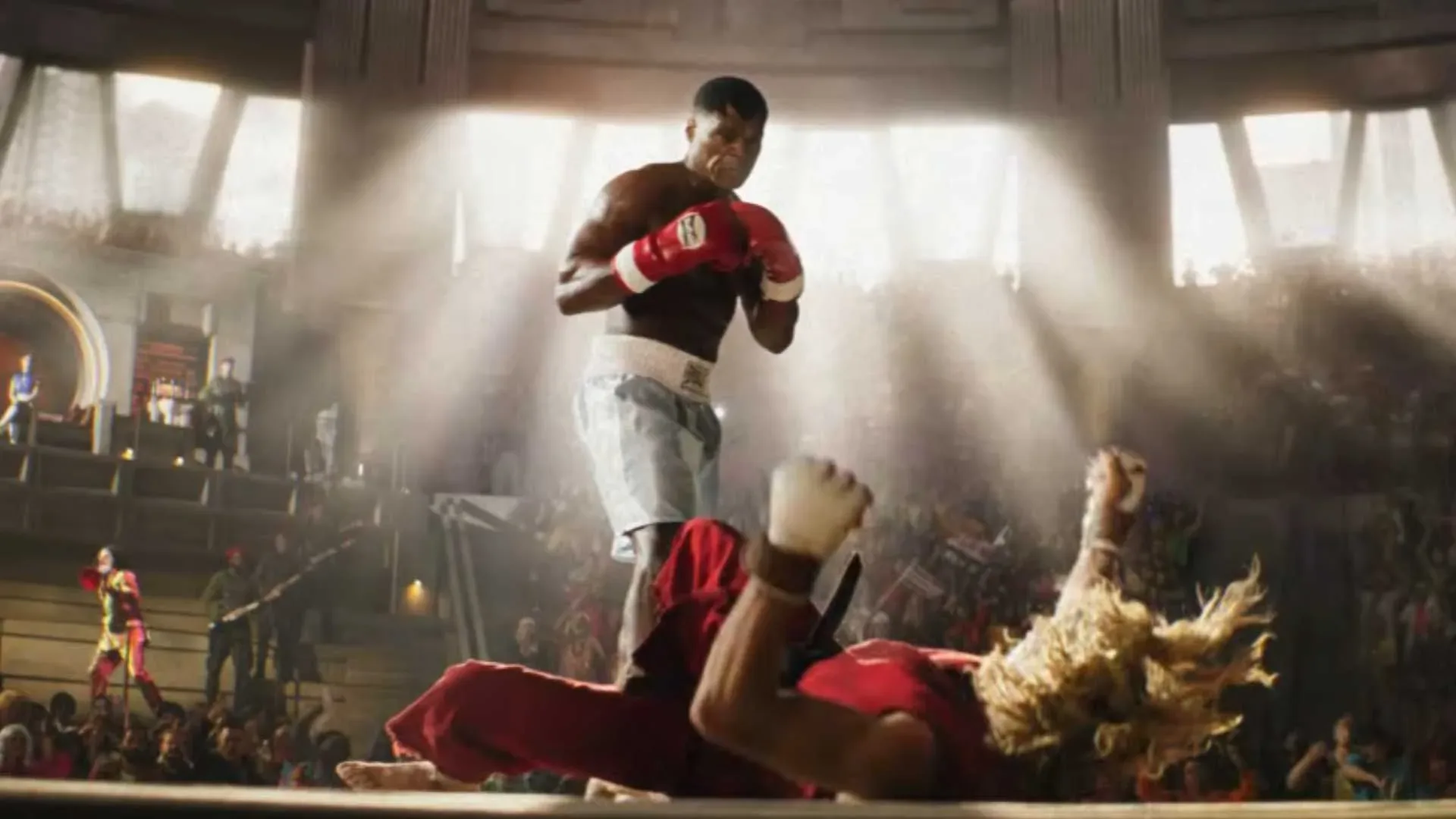
The supplied trailer footage offers two clear examples of what that approach can look like. Dhalsim’s extended limbs reach across the arena, a direct expression of a combatant whose unusual physical range is central to his screen presence. E. Honda, meanwhile, is shown with the speed and rapid slapping associated with the sumo fighter. Those are very different visual problems for a stunt team to solve, and their inclusion suggests the movie is trying to make the game’s variety legible in motion.
Why matchups matter as much as individual moves
Researching every character is one task. Researching every fight is the more revealing part of Centineo’s description.
A matchup is not simply a chance to show two fan-favorite characters in the same scene. It is the interaction of two contrasting toolkits. A fighter with exceptional reach presents one kind of challenge; an opponent whose offense is built around speed and repeated strikes presents another. If both performers move with the same timing and use the same kinds of exchanges, the core appeal of the matchup disappears.
That is especially relevant to a franchise built around the World Warrior Tournament. Tournament combat naturally invites comparisons between styles, bodies and tactics. The film’s stated approach implies that its fight design is seeking to make those contrasts part of the storytelling, not simply a decorative layer around the plot.
There is a practical filmmaking reason for this, too. Clear differentiation helps an audience follow action. If viewers understand that one fighter creates danger at a distance and another thrives when they can crowd their opponent, each advance, retreat and reversal can carry meaning. The choreography becomes easier to read because it has rules that are tied to character.
That does not require a movie fight to duplicate the mechanics of a game round by round. It does require the action to preserve recognizable priorities. An adaptation can change the medium while retaining the idea that every fighter brings a distinct answer to the question of how to win.
A major roster, not the entire roster
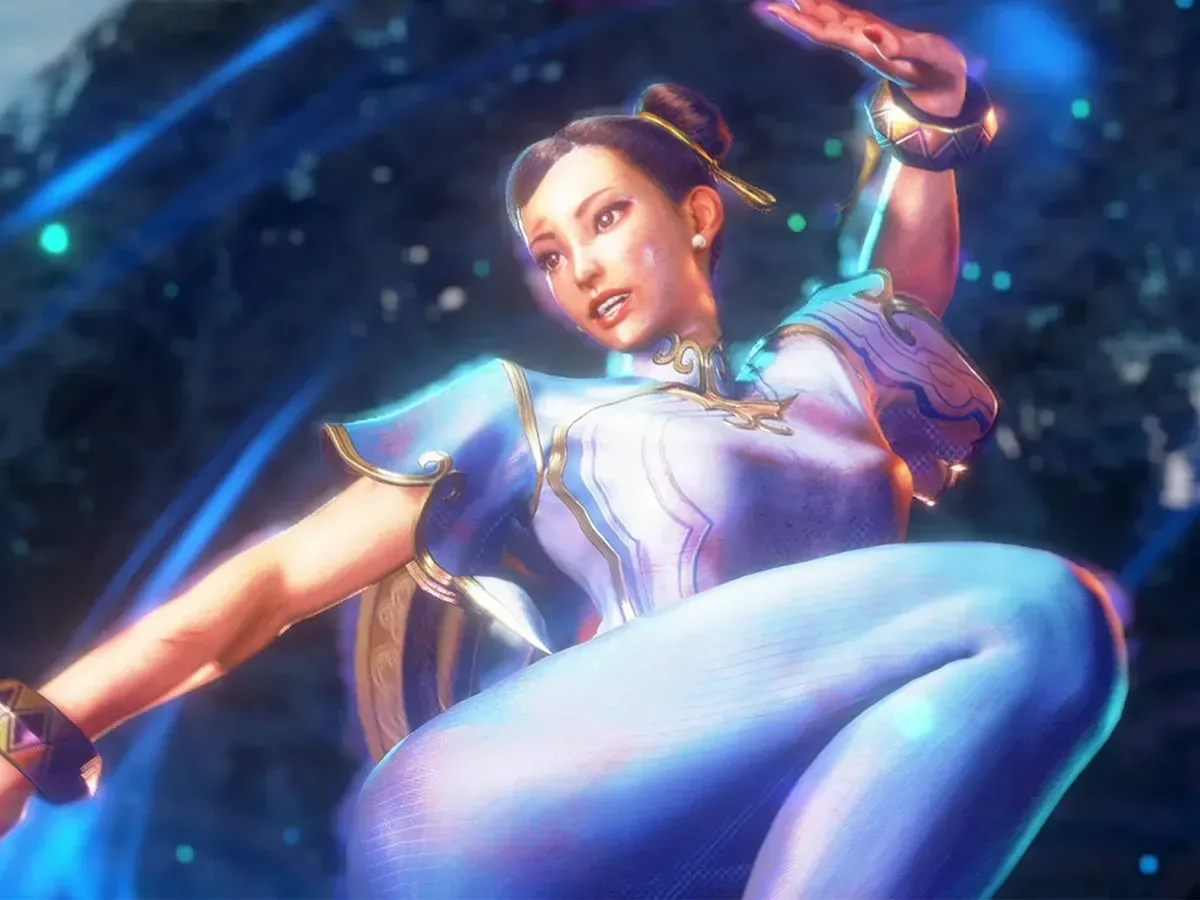
Street Fighter’s roster is too large for any one film to represent in full, and the upcoming movie does not attempt to match the nearly 150 characters scattered across the franchise’s mainline games, spin-offs and iterations. The confirmed group nevertheless covers many of the series’ best-known names: Ken, Ryu, Guile, M. Bison, Chun-Li, Vega and Cammy are all part of the World Warrior Tournament setup.
That selection gives the movie substantial stylistic territory to cover. Ken and Ryu are foundational rivals within the series. Guile, Chun-Li, Cammy, Vega and M. Bison bring other major identities into the mix, while the trailer material points to Dhalsim and E. Honda as further examples of the roster’s deliberately broad mix of movement and fighting approaches.
The important caveat is that trailer images and cast information can only establish so much. They show recognizable traits and indicate the direction of the production’s adaptation choices; they cannot yet demonstrate how consistently a full movie will sustain those choices over every sequence. Centineo’s comments set an expectation for the finished film, rather than independently proving its execution.
Signature moves are a promise—and a risk
Signature moves are likely to be the easiest details for longtime fans to spot. They are also the elements most likely to be judged harshly if they feel detached from the performer, the fight or the story.
There is a fine line between fidelity and imitation. Pure imitation can reduce a fight to a checklist of familiar images. Fidelity, by contrast, means understanding why a move belongs to a character in the first place: it expresses range, power, speed, temperament or a particular strategic role. Centineo’s emphasis on research suggests Valera’s work was intended to pursue the latter.
In that sense, “signature style” is more valuable than “signature move.” A single recognizable technique can generate a trailer moment. A recognizable style can sustain a character through an entire fight, including the transitions between big moments. It is where choreography can give fans something richer than recognition: a sense that the combatant on screen has retained the identity that made them memorable in play.
The stakes are high because Street Fighter’s appeal is inseparable from contrast. Its world has room for wildly different competitors, and those differences are the point. A film version that treats them as a shared action template would lose much of the property’s personality. One that makes the distinctions readable has a better chance of turning game accuracy into cinematic clarity.
For another current fighting-game story, see Marvel Tokon Year One DLC adds Phoenix Cyclops, Mighty Thor, Venom and Jubilee.
What viewers can look for on October 16
The most useful test of the film’s approach will be simple: can a viewer tell who is fighting—and what makes their approach distinct—even before a familiar special move appears?
Dhalsim’s trailer imagery already emphasizes reach. E. Honda’s emphasizes rapid slaps and speed. The film now has the opportunity to apply that same character-first clarity throughout a tournament involving Ken, Ryu, Guile, M. Bison, Chun-Li, Vega and Cammy. If the reported research carries through to the final choreography, the action should feel less like a parade of references and more like a series of contests shaped by incompatible, recognizable styles.
Street Fighter arrives in cinemas on October 16.