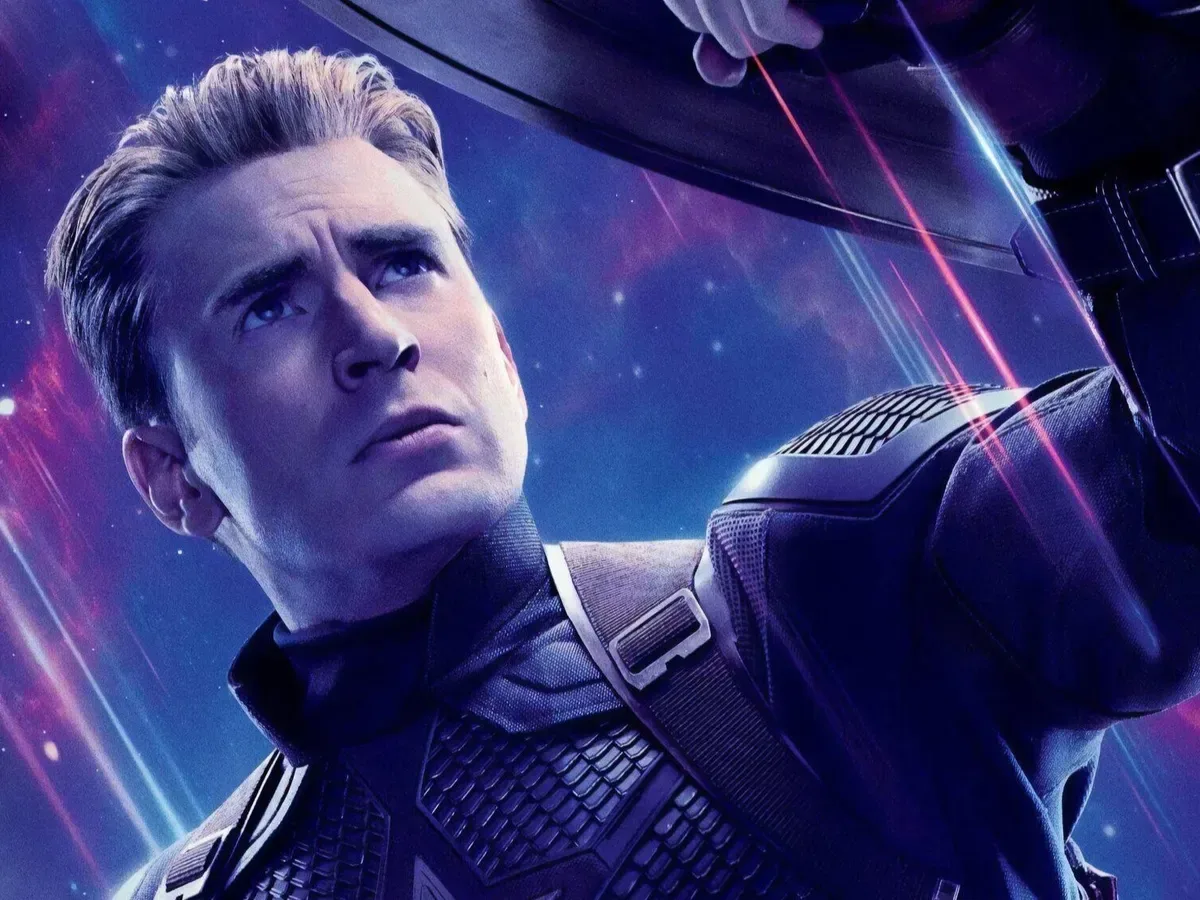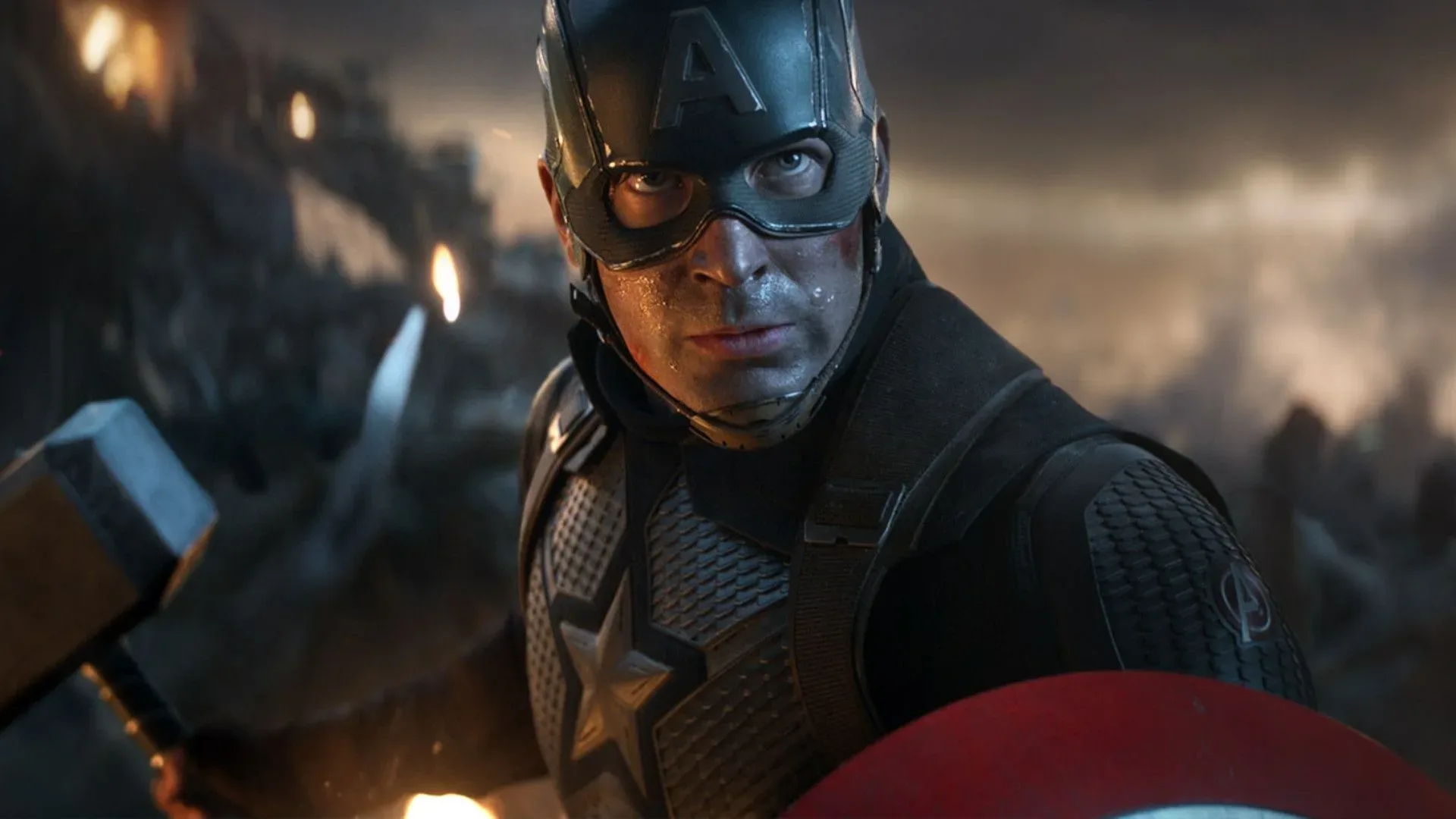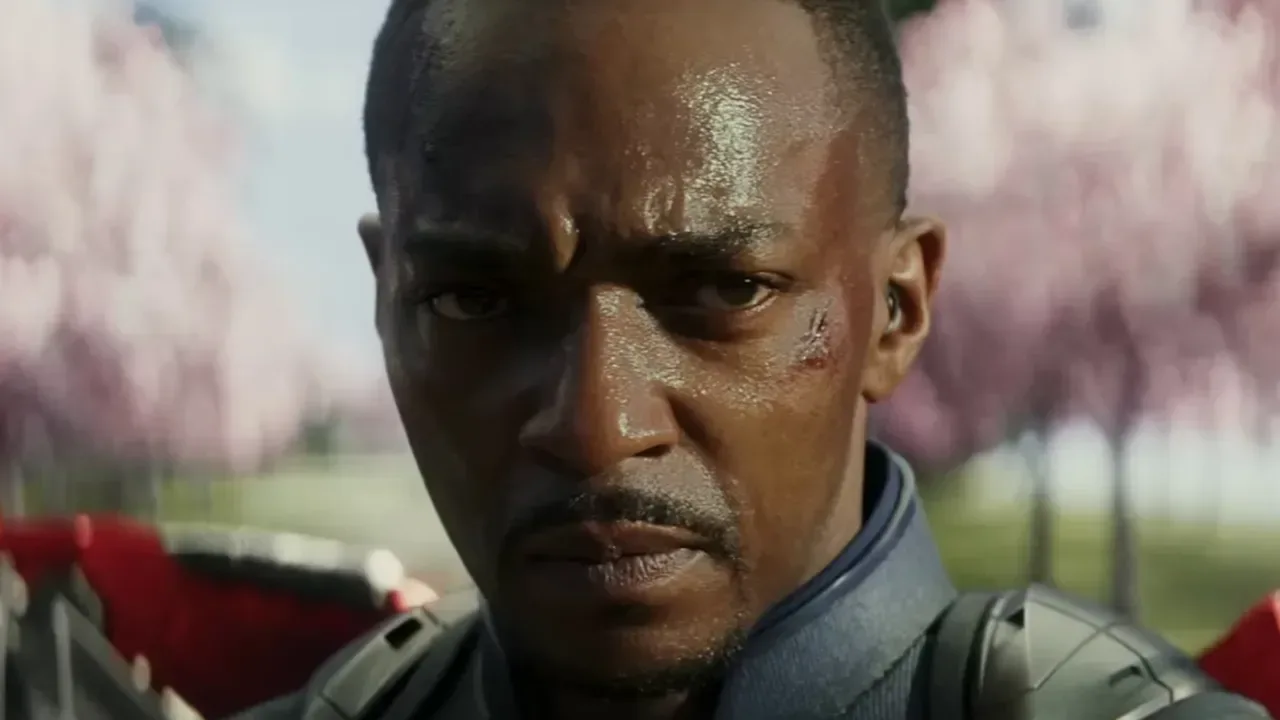
Avengers: Endgame writer Stephen McFeely has discussed a significant alternate version of the film’s Vormir sequence: one where Clint Barton, better known as Hawkeye, made the sacrifice for the Soul Stone rather than Natasha Romanoff/Black Widow.
The idea was not simply an interchangeable character death. McFeely explained during a recent Q&A tied to the film’s Encore theatrical re-release that the choice affected what the moment meant for both Avengers. Although the screenplay briefly explored Hawkeye dying, female Marvel colleagues objected to moving Natasha’s defining act of heroism to him. McFeely said their response made him reconsider the decision.
That behind-the-scenes detail adds another layer to one of the Marvel Cinematic Universe’s most painful scenes. It also helps clarify why the filmmakers regarded Natasha’s death as an act with specific narrative purpose, even as viewers have continued to debate whether the film gave her loss enough space afterward.
Why Natasha and Clint were the Vormir pair
The Vormir sequence requires an irreplaceable personal loss in exchange for the Soul Stone. McFeely said the writers knew that returning to the planet would demand a major death and that two people who loved each other needed to make the trip.
Natasha and Clint were the natural pairing. Their connection had been present throughout their time as Avengers, even though it was explicitly a platonic bond rather than a romance. That distinction matters: the scene’s emotional pressure is rooted in trust, loyalty and shared history, not a late attempt to redefine their relationship.
Both characters also have credible reasons to fight for the sacrifice. Clint has a wife and children whose lives can potentially be restored if the Avengers reverse Thanos’ Snap. Natasha, meanwhile, has made the Avengers her family. The scene therefore becomes a conflict between two people who each believe the other deserves to go home.
In story terms, that is what makes the exchange effective. The Soul Stone’s cost is not merely a plot mechanism—meaning a device used to enable the next event in a story. It forces two established characters to express their values through action. Each tries to deny their own survival in favor of the other’s.
The Hawkeye draft and the concern behind it
McFeely said Hawkeye was briefly written as the character who died on Vormir. But when women working at Marvel read that version, several pushed back. Their concern was direct: Natasha’s opportunity for a heroic sacrifice should not be removed and handed to Clint.
“Don’t you take her heroic moment and give it to him,” McFeely recalled being told.
That feedback did not frame Natasha’s death as uncomplicated. McFeely acknowledged that killing a principal female character in the MCU was a consequential choice. But the objection to the Hawkeye version focused on agency: a character’s ability to make meaningful choices and drive the story rather than having the most important action happen around them.
Had Clint died, Natasha would have survived an encounter constructed around two friends competing to give everything for the larger mission. The emotional dynamics could still have worked, but the culmination of the moment would belong to him. In the finished film, Natasha wins the fight—not because she is overpowered, but because she is more determined to make the choice she believes will save her family.
That is the distinction McFeely’s colleagues identified. The scene is tragic because Natasha dies, but it is heroic because the decision remains hers.
How the sacrifice fits Black Widow’s character arc
McFeely said the writers always leaned toward Natasha as the sacrifice because they considered her the greater hero in some respects and because the outcome was intended to hurt. He also tied the choice to her long-running desire to address the “red in her ledger,” a phrase associated with the harmful acts in her past.
Character arc is the term for the meaningful internal change or resolution a character reaches over the course of a story. Natasha’s MCU arc, as described in McFeely’s comments, moves from a past she feels she must answer for to a place within a family she chooses. Her act on Vormir is not presented as a punishment for that past. It is presented as protection for the people she has come to love.
That reading is important. A sacrifice can be narratively hollow if it exists only to clear a board of characters or manufacture sadness. McFeely’s explanation instead locates Natasha’s decision in her relationship with the Avengers. She does not sacrifice herself because her life lacks value; she does it because the Avengers have value to her.
It also explains why the writers felt Clint’s surviving family was relevant. His potential return to his wife and children gives him an obvious future beyond Vormir. Natasha’s emotional future is embedded in the mission itself: helping restore the people who make up her found family.
None of this requires viewers to agree that one character “deserved” survival more than the other. The point is that the screenplay gave each person a different emotional stake, then used Natasha’s established attachment to the team to determine the final choice.
The continuing debate over mourning Natasha
McFeely also addressed a lasting criticism of Endgame: that the film does not pause long enough to mourn Natasha after her death. It is an understandable reaction. She is a founding Avenger and a central figure in the team’s history, yet the film quickly moves into the climax’s escalating demands.
His explanation was structural. The Vormir sacrifice occurs near the end of the second act, leaving the film to restore the vanished population, confront Thanos’ attack, deliver the Avengers’ massive final battle and resolve several major character threads. The second act is generally the section where a story’s central conflict intensifies and reversals lead into the finale. By positioning Natasha’s death there, the film created an immediate emotional loss but also left comparatively little quiet screen time before the climax.
McFeely said the film did try to keep Natasha present in the remaining scenes. Hulk says he attempted to bring her back, while Clint grieves with Wanda Maximoff. Those moments acknowledge that the team understands the difference between the lives restored by the Infinity Stones and the cost paid to obtain the Soul Stone.
Still, acknowledgement and mourning are not exactly the same thing. The film’s pace makes a deliberate trade-off: it preserves momentum toward the final confrontation rather than stopping for an extended communal goodbye. That trade-off is why both positions can coexist. The writers can have intended Natasha’s sacrifice as a crucial, character-specific act, while audiences can still feel that the aftermath was too compressed.
For a useful comparison of another screen-legacy conversation involving a Marvel character, see Guillermo del Toro’s comments on Wesley Snipes and Blade’s screen identity.
What the alternate version reveals about collaborative writing
The anecdote is also a reminder that blockbuster screenplays are not shaped by one decision-maker working in isolation. McFeely was a co-writer, but the script was read and discussed by other Marvel employees. The final form of a scene can be influenced by people who identify a character implication that a draft has not fully considered.
In this case, the useful question was not only “Which death is sadder?” It was “What does this change say about Natasha?” The answer led the story back to her. Moving the sacrifice to Hawkeye may have maintained the basic mechanics of acquiring the Soul Stone, but it would have altered the distribution of agency, thematic resolution and emotional ownership within the scene.
McFeely’s comments do not settle every debate around Black Widow’s fate. They do, however, make clear that the version audiences saw was not an accidental byproduct of plot logistics. The filmmakers discussed the implications, tested an alternative and were challenged by colleagues to preserve Natasha’s pivotal act.
Encore re-release adds scenes ahead of Avengers: Doomsday
Avengers: Endgame is currently back in theaters in an Encore re-release. The new presentation includes up to four additional scenes positioned at the end and is intended to prepare audiences for Avengers: Doomsday.
For returning viewers, the re-release provides a chance to revisit a film whose most famous moments remain connected to difficult choices: Natasha on Vormir, Tony Stark’s final sacrifice, Hulk’s attempt to restore those lost to the Snap and the Avengers’ last stand against Thanos. McFeely’s recollection gives the Vormir sequence a more specific context. The scene was not only designed to make the audience feel the cost of victory; it was designed to make Natasha Romanoff the author of her own heroic final decision.