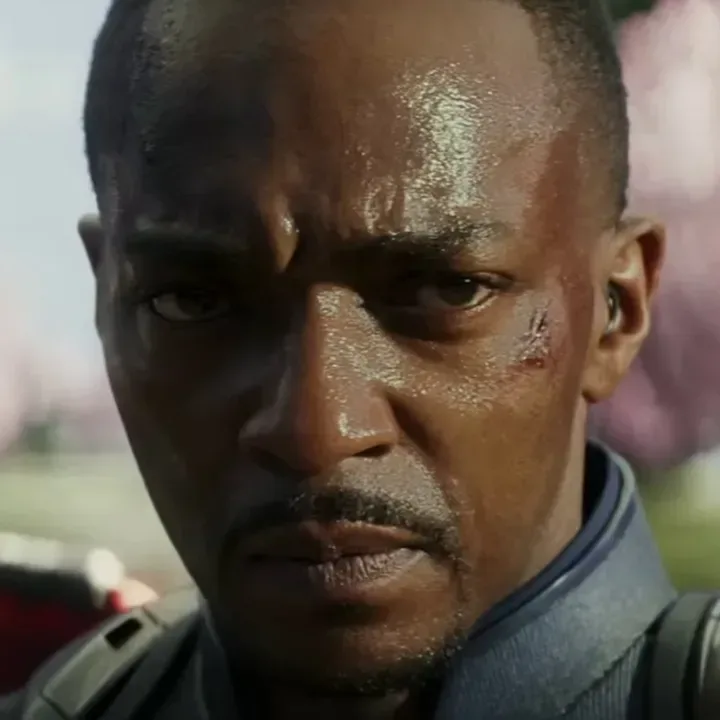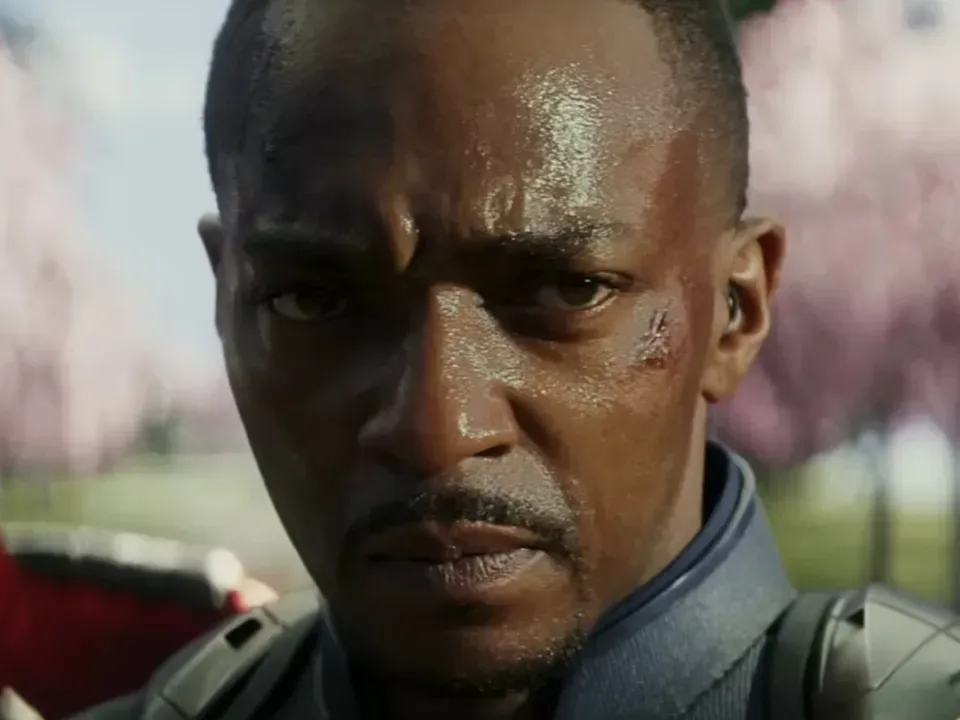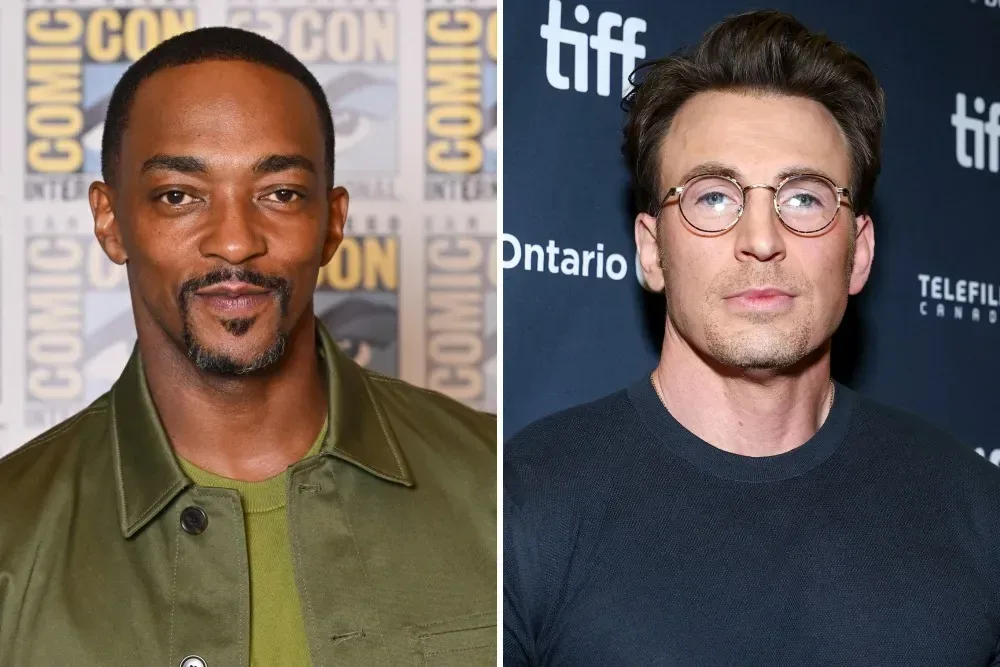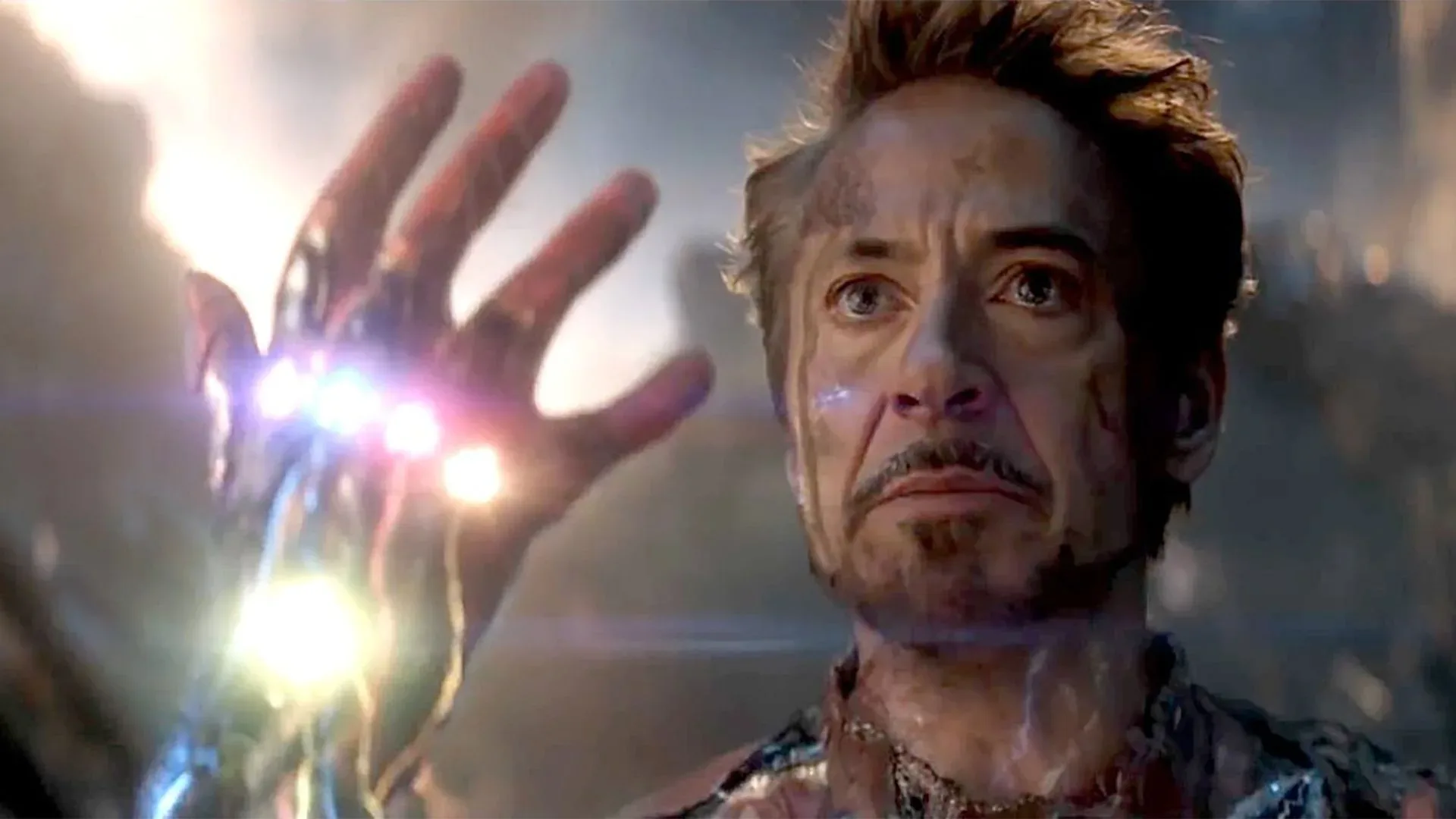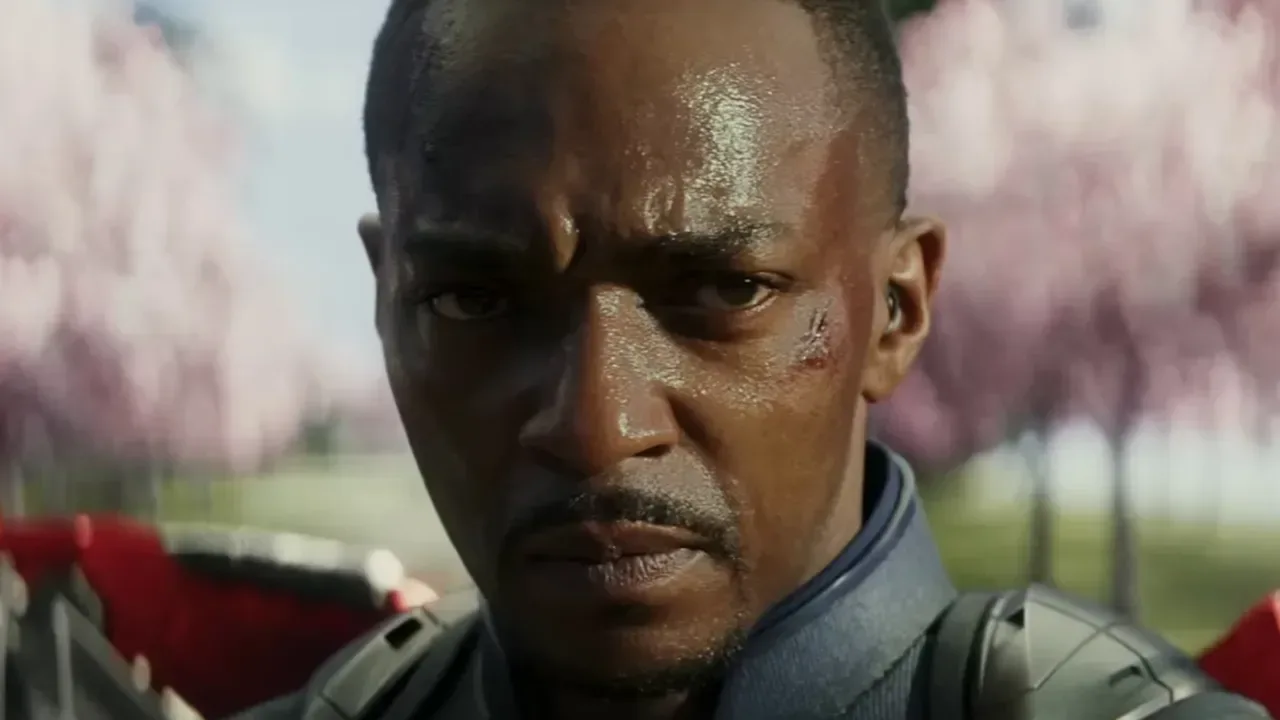
Anthony Mackie has shared a personal detail behind one of the Marvel Cinematic Universe’s most consequential handovers: Chris Evans showed him the Avengers: Endgame script pages revealing that Sam Wilson would become Captain America before the moment was known more broadly.
Mackie, who had played Sam Wilson/Falcon before adopting the Captain America mantle, described the reveal as an intimate exchange during the early period of work on Endgame. In his account, Evans had received the relevant pages and invited Mackie to read the new scene at his home.
“Chris Evans is somebody who I hold near and dear,” Mackie said. “We’re at Chris’ house, and because he’s Captain America, he gets the [script] pages first. So he’s like, ‘Yo, did you read the new scene?’ I’m like, ‘Nah, what’s up?’ So, he takes me down…and he gave me the script and let me read it.”
That is a small production anecdote with a large emotional center. The scene did not simply give Sam a new piece of gear or alter a team roster. It transferred the defining symbol of Steve Rogers’ superhero identity—the shield—to a friend whose MCU story had, until then, been tied closely to the Falcon name.
For Mackie, hearing about it directly from Evans mattered as much as the development itself. “It was really great and really emotional to learn it from a friend,” he said, adding that he viewed the exchange as a generous act because he was, “for all intents and purposes,” taking over Evans’ job.
A handoff built into the ending of Endgame
Avengers: Endgame closes Steve Rogers’ major arc with an elderly Steve returning after the team’s time-travel mission and giving Sam the shield. The scene is deliberately quiet compared with much of the film: no vast battle, no incoming threat and no sweeping roll call. Its emphasis is on trust, succession and Sam’s immediate uncertainty about whether he can carry what the shield represents.
That restraint explains why the scene has remained important to MCU viewers. Captain America is both a character identity and a mantle, meaning a heroic title that can be inherited by another character. Steve Rogers had become the franchise’s most familiar cinematic Captain America across three standalone films, multiple ensemble features and additional appearances. Passing on the shield therefore acknowledged a genuine change rather than treating Sam’s new identity as a cosmetic adjustment.
Evans’ time as Steve covered an eight-year stretch, and the character’s departure represented a major shift for the MCU’s established core. Mackie’s recollection gives the onscreen event a parallel behind-the-scenes dimension: the actor leaving the role was personally involved in sharing the news with the performer who would continue it.
Related coverage includes Anthony Mackie Recalls Chris Evans' Emotional Captain America Script Reveal.
It also reinforces an essential distinction in the story. Sam Wilson did not replace Steve Rogers as a person. He became the next Captain America, inheriting a role that Steve had shaped while bringing his own history, values and perspective to it. That difference was central to what followed.
How Sam Wilson grew into the title
Mackie continued Sam’s journey in The Falcon and the Winter Soldier. The Disney+ series placed the shield—and the question of whether Sam should accept it—at the center of the character’s conflict. Rather than rushing past the uncertainty voiced at the end of Endgame, the show explored the weight of a legacy that had been deeply associated with Steve Rogers.
The practical consequence was that Sam’s transition became a character arc instead of a one-scene promotion. He had been an Avenger and Steve’s trusted ally, but becoming Captain America demanded that he decide what the name should mean under his stewardship. The title came with public expectations, political implications and a history that could not simply be ignored.
That approach made the handoff more durable than a surprise cameo or teaser. The final Endgame scene supplied the promise; The Falcon and the Winter Soldier addressed the responsibility behind it; and Captain America: Brave New World gave Mackie his first standalone feature as Sam Wilson’s Captain America.
For audiences, Mackie’s latest comments also clarify why the original scene feels less like a corporate baton pass than a farewell between friends. Steve’s choice of Sam was already explicit in the film. Knowing that Evans and Mackie shared the pivotal script material privately adds a human echo to that fictional trust.
Why secrecy changes the meaning of a script reveal
Large franchise productions commonly protect scripts, character turns and ending details. That is especially relevant for a film such as Endgame, whose story involved the culmination of years of connected MCU plotting. Within that environment, a script page is not merely an actor’s next day of dialogue. It can disclose the direction of an entire character legacy.
Mackie’s account does not suggest a staged announcement or an elaborate cast event. It was a personal decision by Evans to let a colleague see a scene that would materially reshape his place in the series. That discretion is the point of the story. Evans apparently understood both the professional significance of the moment and the value of letting Mackie encounter it directly.
Mackie’s phrasing about “taking his job” should not be read as a literal claim that two actors had the same part. Steve Rogers and Sam Wilson remain separate characters. Instead, it captures the unusual emotional reality of mantle-based superhero storytelling: an actor can inherit the franchise’s central title while the actor most synonymous with that title is still a close collaborator.
Evans’ response, as Mackie remembers it, was celebratory. That matters because the narrative transition was not framed as a rivalry. On screen, Steve entrusts Sam with the shield. Off screen, Mackie says Evans personally gave him the chance to discover that turn from the script itself.
What comes next for the MCU’s two Captain Americas
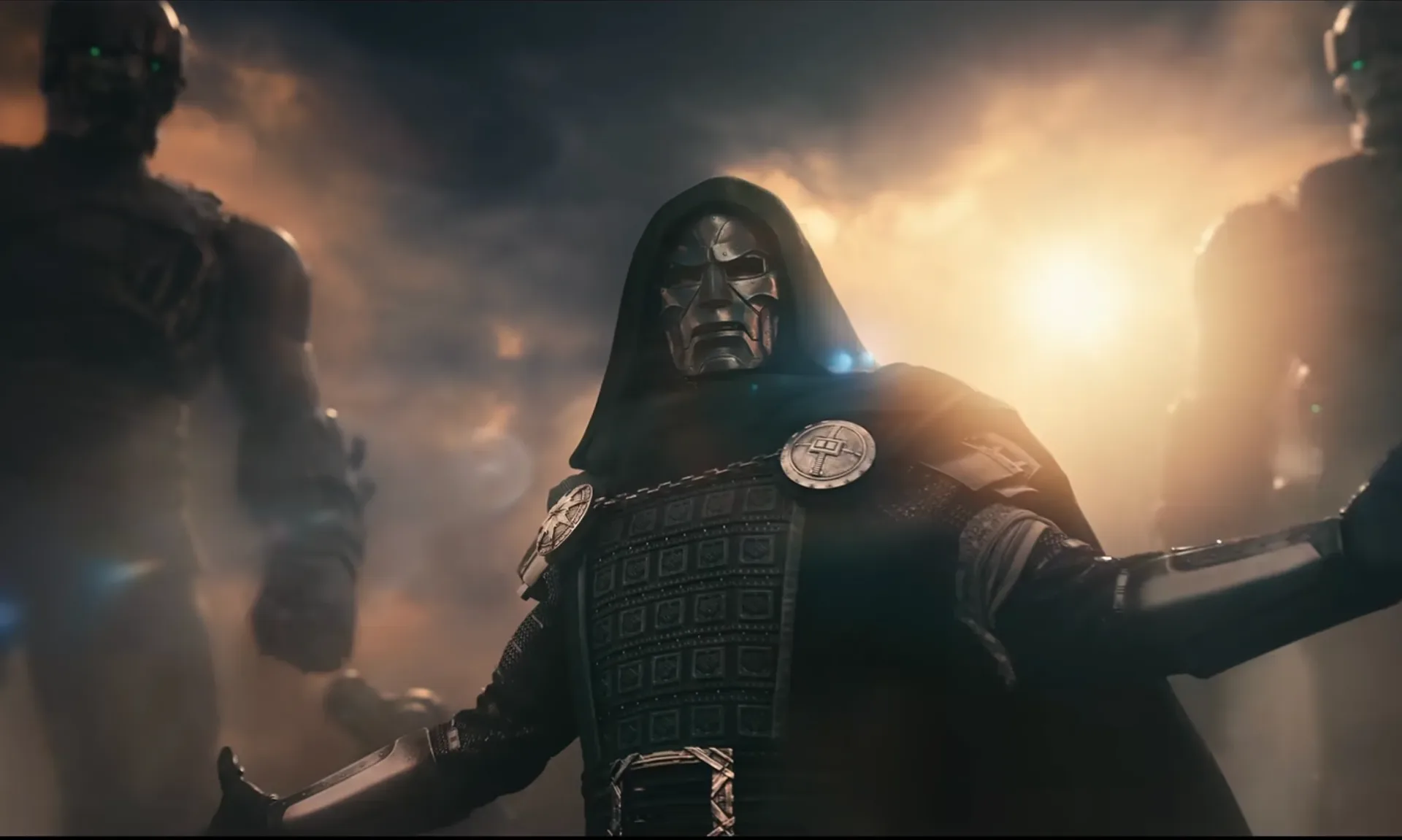
Sam Wilson’s Captain America is set to return in Avengers: Doomsday, scheduled to premiere on December 18, 2026. Evans’ Steve Rogers is also expected to appear, placing both the original MCU Captain America and his successor in the same upcoming chapter.
That setup naturally gives added resonance to Mackie’s recollection. Their shared history is now part of the audience’s understanding of these characters: Steve selected Sam, Sam accepted a difficult legacy, and both figures are positioned to return. The fact that the actors’ real-world relationship appears to have supported that transition makes the upcoming reunion feel meaningful without changing the fundamentals of either character.
Fans who attended Avengers: Endgame Encore recently also saw a small group of new scenes offering an early look at what lies ahead. The rerelease’s appeal is not only nostalgia. It revisits a film that established the conditions for Sam Wilson’s rise while pointing toward a future in which the MCU can explore the history between Steve and Sam again.
Questions still remain about the form that reunion will take, and no further story specifics can be assumed from Mackie’s anecdote alone. But it is clear why the memory has landed so strongly: it concerns a famous cinematic passing of the shield, yet its most memorable detail is simple. Before the world watched Sam Wilson become Captain America, one friend made sure another friend could read the moment for himself.
That character history will be one of the balances Doomsday has to manage as it brings established relationships into a new event story. The challenge of pairing MCU history with fresh surprises has already been highlighted for the film, and Steve and Sam’s shared legacy is an especially clear example of why that balance matters.