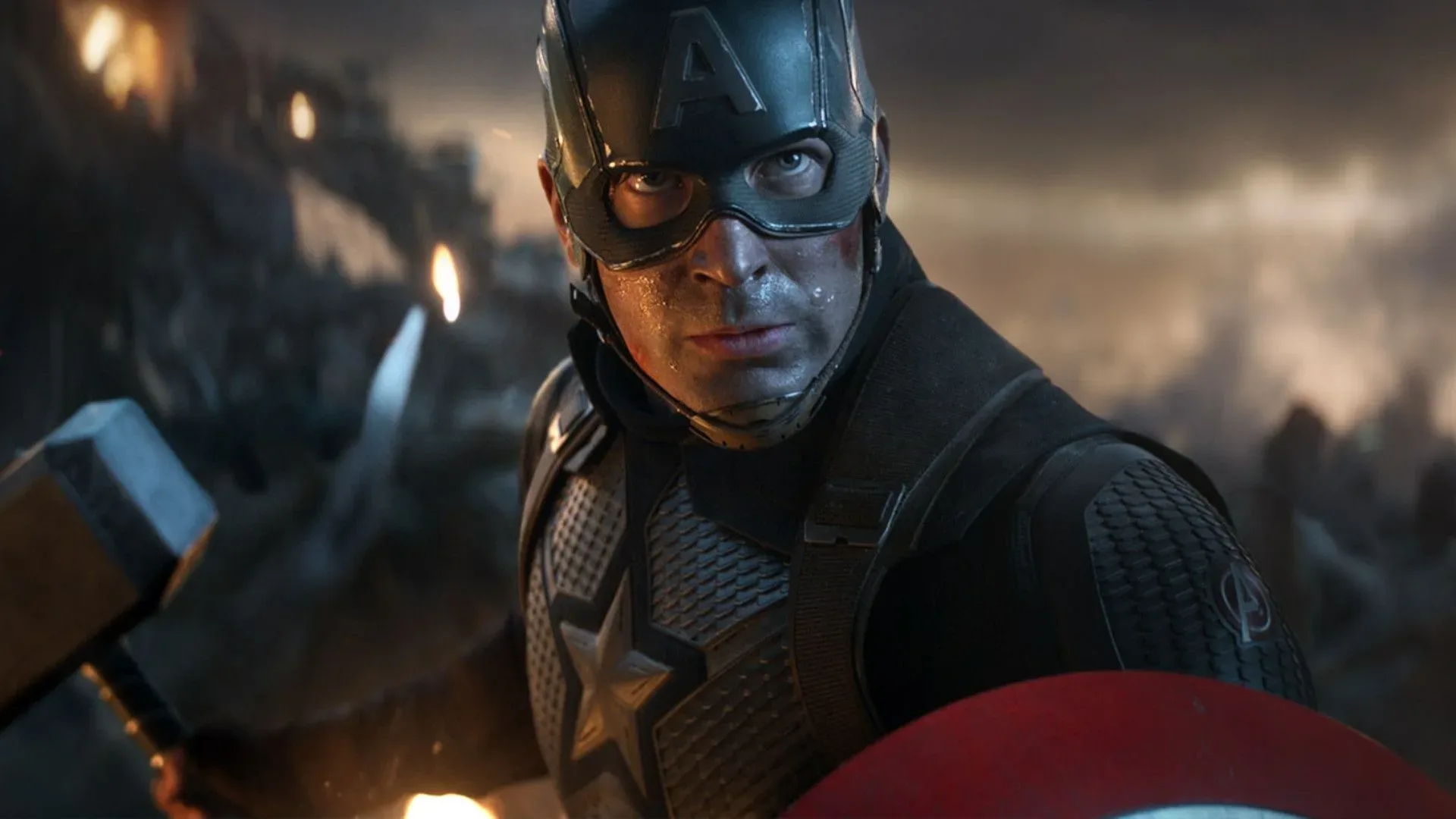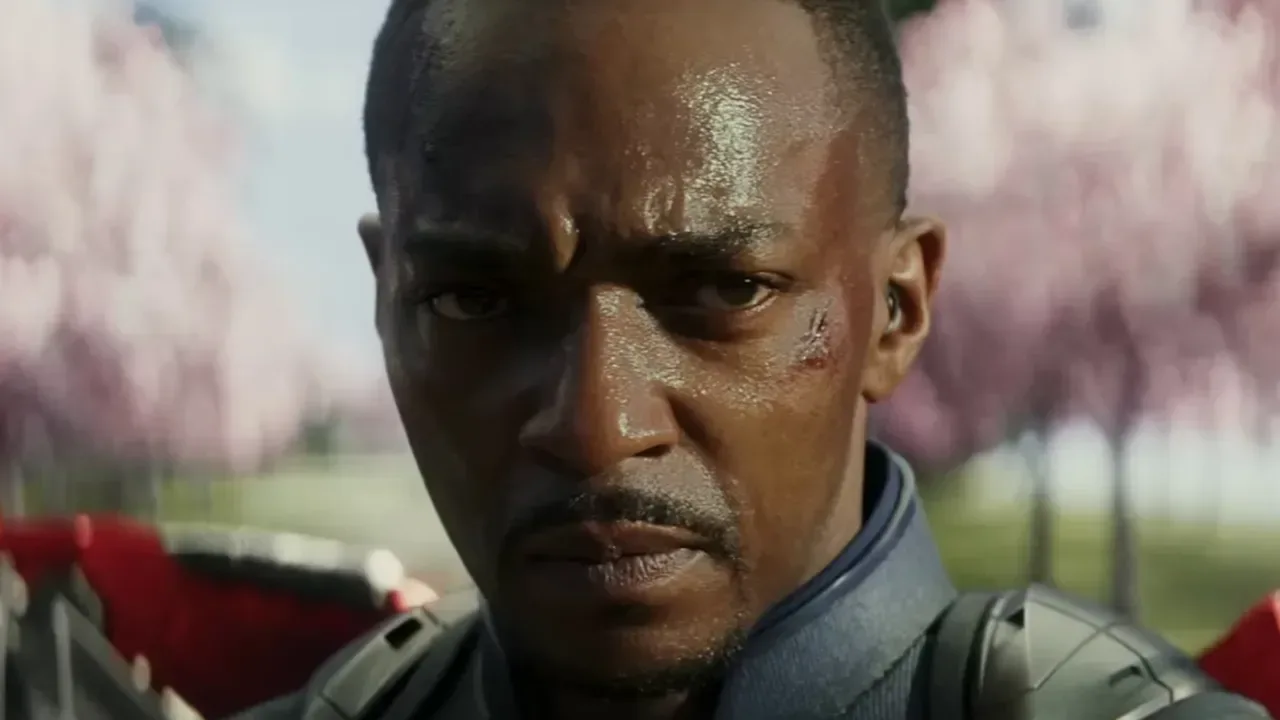
The mission that Steve Rogers accepts at the end of Avengers: Endgame has remained one of the Marvel Cinematic Universe’s most tantalizing unseen adventures: taking the Infinity Stones back through time and restoring each one to the point where the Avengers removed it. Directors Joe and Anthony Russo have now said they spent considerable time considering whether to depict that trip, before deciding it demanded more than a brief closing montage could provide.
In Endgame, Steve’s assignment is vital to the movie’s time-travel resolution. The Avengers borrow the Stones from different points in history to undo Thanos’ devastation, then must return them to avoid leaving those eras altered by their removal. Steve departs to do the job, but does not return in the expected way; instead, an older Rogers appears after having chosen a life with Peggy Carter in the past.
That ending offers emotional closure while deliberately leaving the mechanics of the return journey off-screen. It also leaves a substantial amount of story space. The Stones were taken from different moments and circumstances, and returning them would not simply mean dropping several glowing objects into their original slots. The locations, people and stakes surrounding each Stone make the premise naturally episodic—even if Marvel had ever chosen to tell it as one feature-length story.
Why the sequence did not make the final film
Joe Russo said the filmmakers discussed an idea in which Steve’s mission could be shown as a montage. But their conclusion was that the task carried too much narrative complexity for that format, and that placing it after Endgame’s ending would make the film continue beyond its proper stopping point.
For more context, explore Angela Stribling, Trailblazing BET and WHUR Host, Dies at 58.
That is an important distinction. The return mission was not presented as a cut-and-dried epilogue that the directors simply forgot to include. Their comments suggest they recognized its potential, but viewed the existing ending as structurally complete without it. Endgame already has to resolve the battle with Thanos, the fate of the Stones, the losses endured by the Avengers and Steve’s personal farewell. A rapid montage might have answered logistical questions, but it could also have reduced a consequential journey to a checklist.
Anthony Russo said the idea was considered “for a long time,” then responded to the notion of a streaming series with a larger question: why not make it a movie? That should not be mistaken for confirmation of a project. There is currently no indication that a Steve Rogers Infinity Stone return film has been announced or is in development. But the directors’ remarks underline why the concept has endured among viewers: its scale is difficult to reconcile with a few wordless shots.
What Steve’s return mission could have involved
The basic rule is straightforward: return each Infinity Stone to the point in the timeline from which it was taken. The dramatic opportunities are less straightforward, because the Stones were acquired in radically different contexts. Steve would have been travelling alone through moments involving allies, adversaries and versions of events with outcomes that he already knows.
One especially meaningful possibility would be a final encounter with Natasha Romanoff. The mission’s structure creates room for Steve to revisit a period before her later death, which could give the character a private goodbye rather than another large-scale battle scene. Another obvious thread is Red Skull, whose presence is tied to the location connected with the Soul Stone. Steve and Red Skull’s earlier conflict gives any potential reunion an immediate personal charge.
Those are possibilities rather than confirmed scenes from an abandoned script. Still, they demonstrate the core storytelling appeal. This would not merely be a scavenger hunt across Marvel continuity. It could be a character piece about a hero who knows the cost of every decision and is asked to put history back in place without being able to change the losses that await people he cares about.
A quick explanation of the timeline problem
In this context, a timeline is a sequence of events at a particular point in Marvel’s fictional history. The Avengers’ use of time travel means that removing an Infinity Stone is not treated as consequence-free. Returning a Stone is presented as necessary to preserve the course of events around that era.
A montage, meanwhile, is an edited sequence that compresses multiple events into a short span of screen time. It can be efficient when viewers only need the broad strokes. The Russo brothers’ reasoning is that Steve’s mission involved too many distinct situations and too much potential drama to communicate satisfactorily that way. In practical storytelling terms, the more an audience needs to understand who Steve meets, what he risks and why a return matters, the less suitable a montage becomes.
Why the idea still matters for Steve Rogers
Steve’s departure in Endgame is not only a plot device. It is the bridge between his role as an Avenger and his eventual decision to stay in the past with Peggy. Showing the Stone returns could therefore have changed how viewers read his farewell. It may have offered a more literal goodbye to former teammates and enemies alike, while also clarifying the path that led him to his new life.
At the same time, leaving the mission unseen protects the elegant simplicity of the original ending. Steve completes the responsibility he accepted, then finally permits himself a personal future. Giving every stop on that route a fully dramatized sequence might enrich the wider universe, but it could also shift attention away from the ending’s essential point: after years of service, he is allowed to choose a life of his own.
That creative tension may be why the subject continues to prompt discussion. The missing story has enough emotional and continuity-based material to support a substantial standalone narrative, yet its absence is part of what allows Endgame to end on Steve’s choice rather than on another mission. The directors’ comments confirm that this was a question they wrestled with, not an unnoticed loose end.
What this means for Avengers: Doomsday
Steve’s post-mission life is set to become relevant again in Avengers: Doomsday. The film is said to pick up after the Infinity Stone return, with Steve’s life alongside Peggy Carter interrupted by a visit from Loki. An extended version of Avengers: Endgame now playing in theaters has shown that setup, though what follows remains unrevealed.
That development makes the untold return journey more intriguing, but it does not establish that Doomsday will show it. A later story can acknowledge Steve’s life after the mission without revisiting every part of the trip itself. Fans should separate what has been discussed as a compelling idea from what has actually been confirmed for the upcoming film.
Chris Evans has previously indicated that he had received multiple pitches for a possible Marvel return, but did not pursue them while waiting for an idea substantial enough to justify revisiting the character. A movie centered on Steve restoring the Stones would certainly meet the threshold of a large premise, though there is no evidence that it was one of those pitches.
For now, the Russo brothers are focused on Avengers: Doomsday and pre-production for Avengers: Secret Wars. Doomsday is scheduled to arrive on December 18. The Stone-return mission remains an unrealized but unusually well-defined Marvel “what if”: a story the filmmakers contemplated, audiences can easily imagine, and the screen has yet to show.