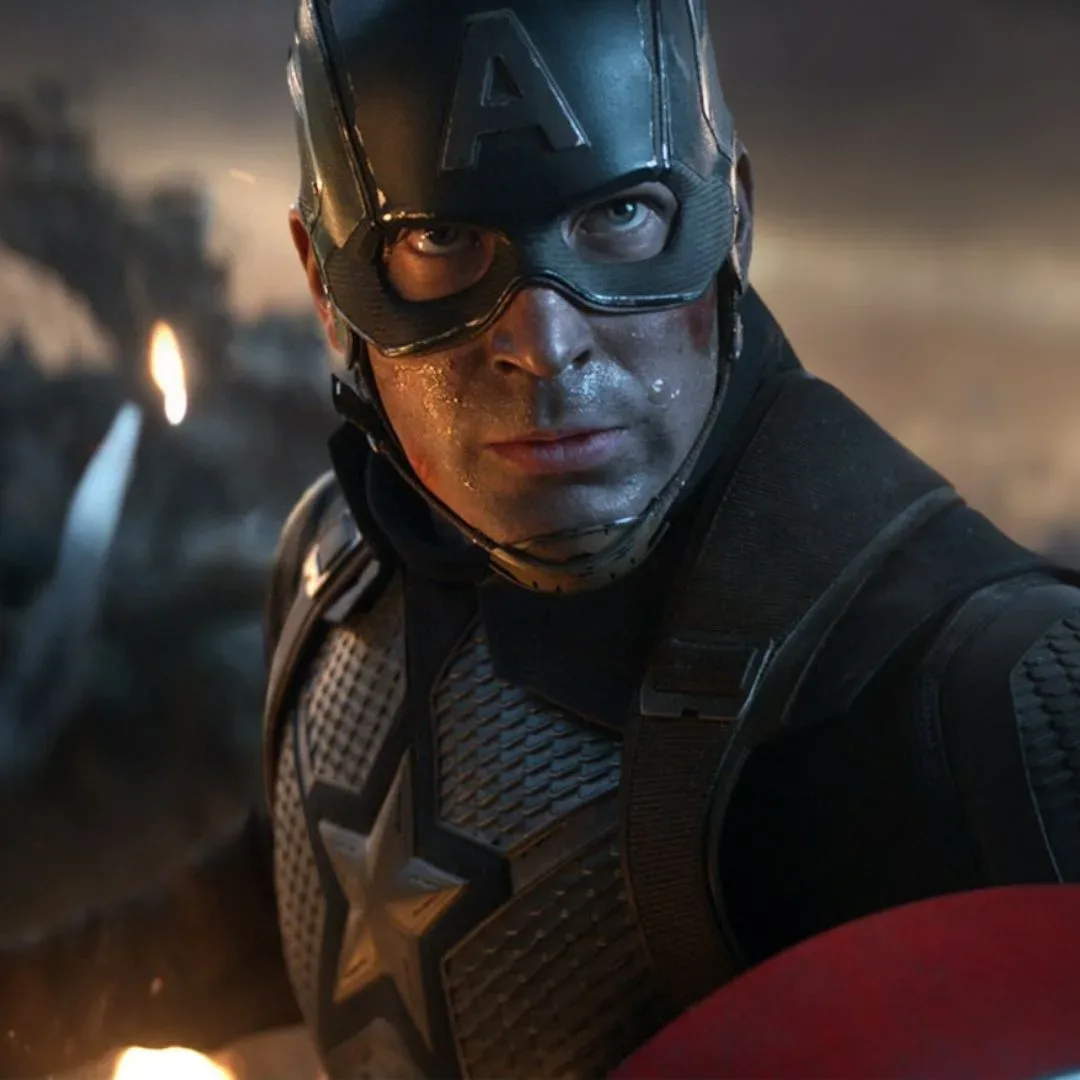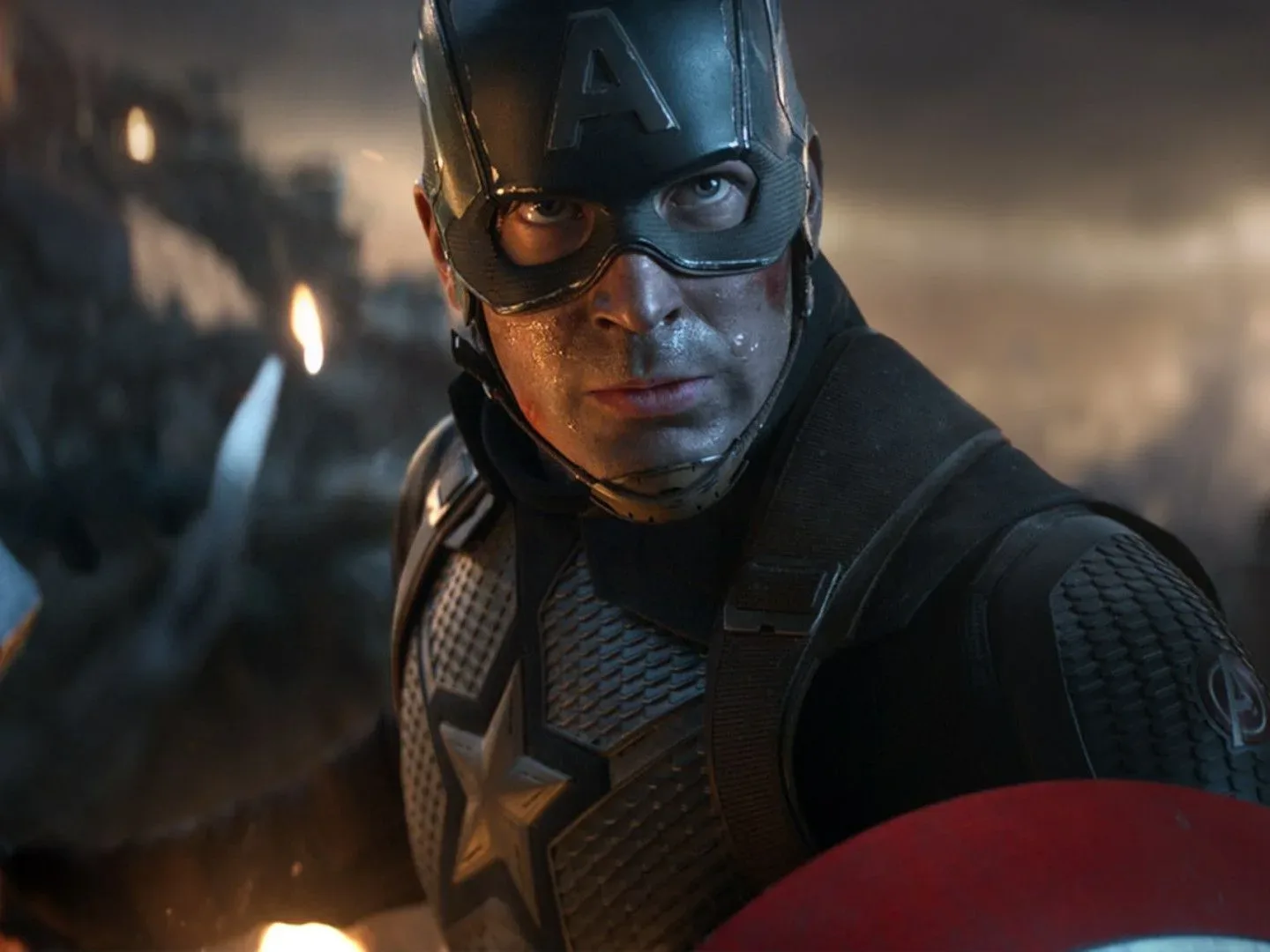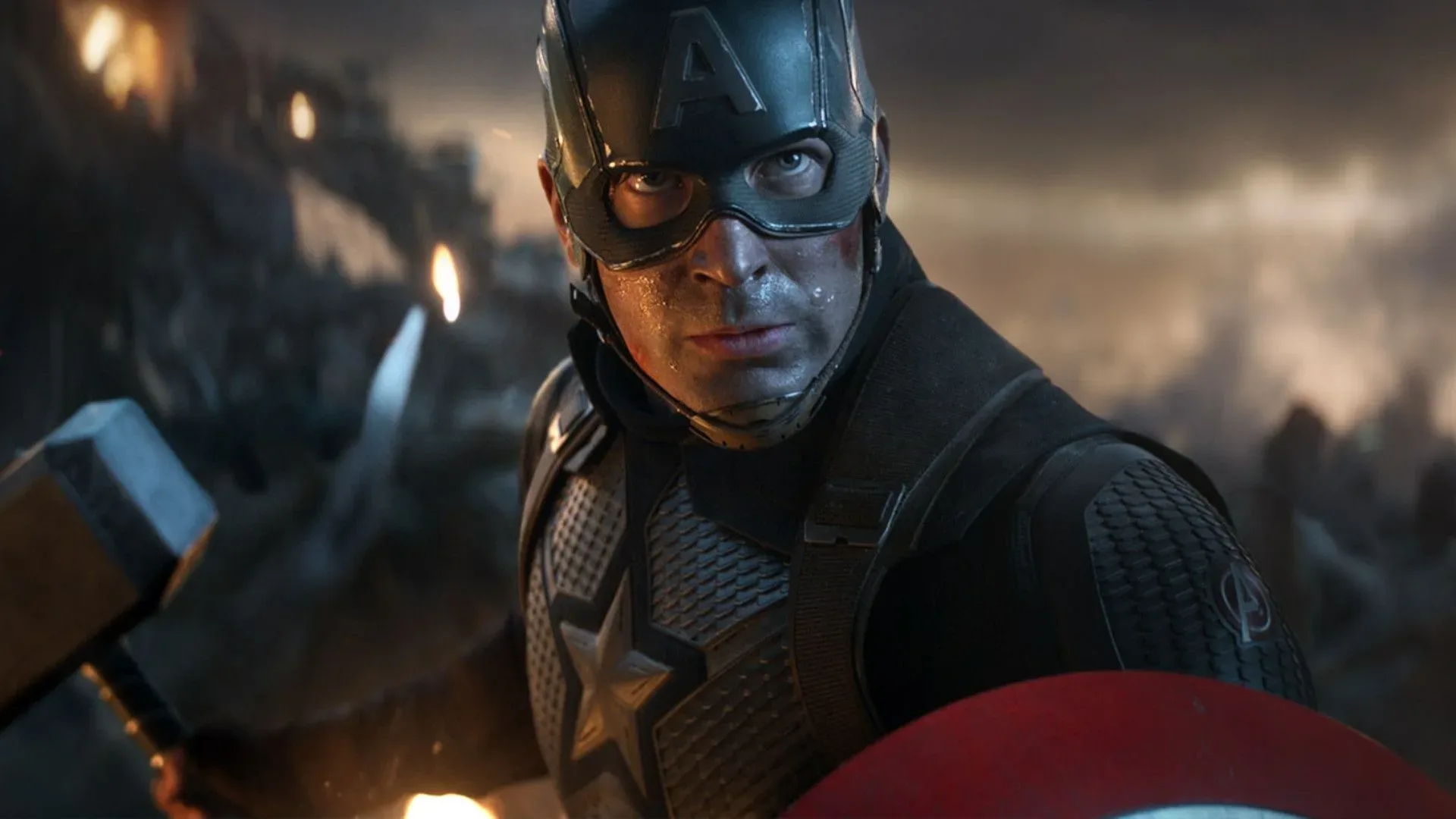
Avengers: Endgame is once again within striking distance of the worldwide box office record. The film’s Encore return brought in $86 million globally in its opening weekend, lifting its cumulative theatrical total to $2.88 billion. That leaves it approximately $40 million short of Avatar.
The gap is small by the standards of all-time theatrical grosses, but it is still a gap. Whether Endgame actually retakes the top position will depend on how the re-release holds in the coming weeks. The current numbers make the prospect plausible rather than guaranteed.
It is also the latest turn in an unusual contest between two enormous releases. Avatar and Avengers: Endgame have previously exchanged the number-one spot after additional theatrical runs increased their respective lifetime totals. The record, in other words, is not simply a snapshot of each movie’s original release. It reflects the continuing effect of re-releases and renewed audience interest over time.
A re-release with new MCU material
Endgame Encore was not presented as a bare return of the 2019 film. It included added scenes that point viewers toward the next phase of the Marvel Cinematic Universe, giving established fans a reason to revisit the event movie beyond the original finale.
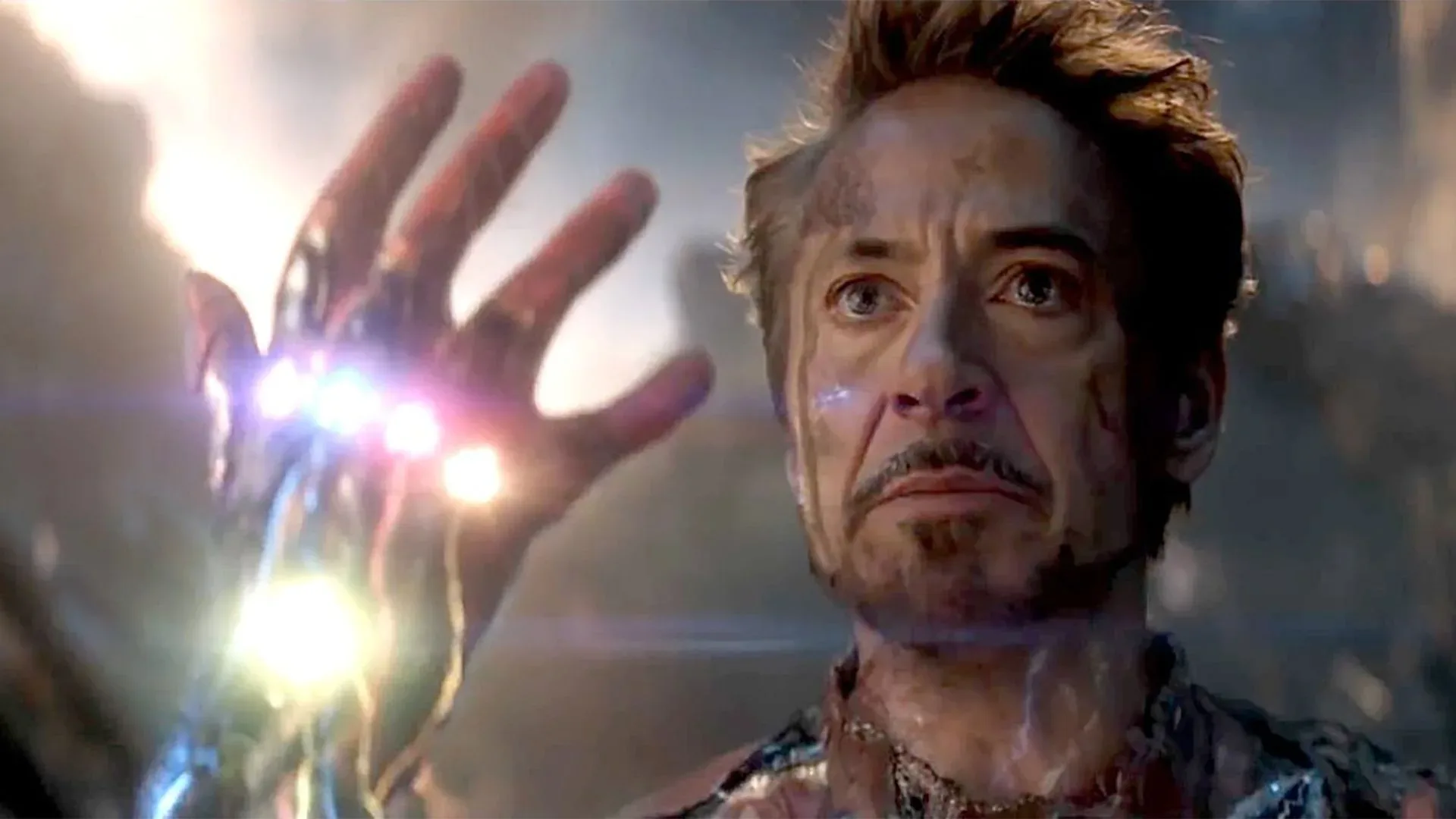
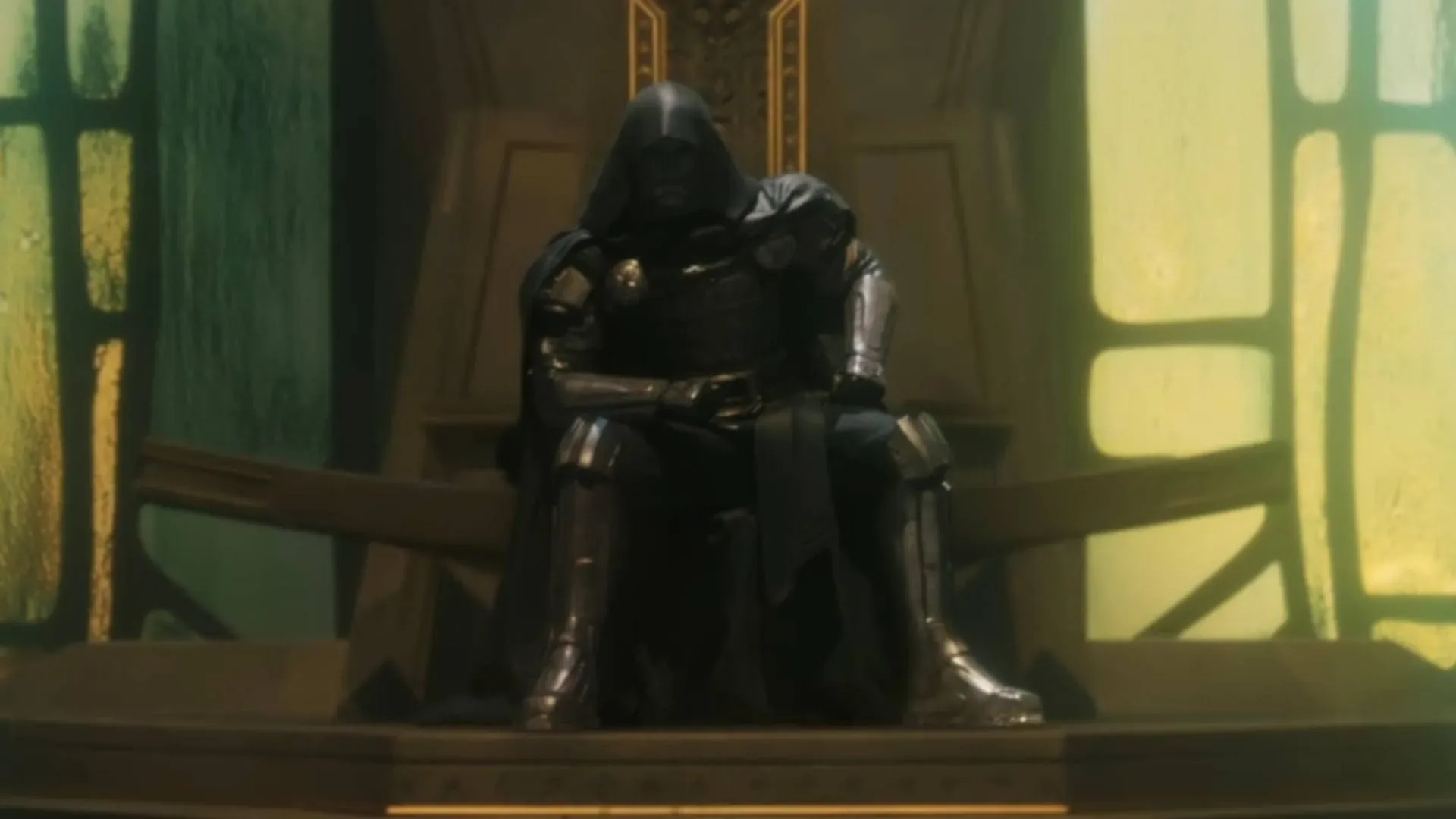
Among the changes is a revised ending involving Loki. The release also includes the sound of Tony Stark hammering during the credits, an apparent piece of connective material for Doctor Doom. Certain Infinity Vision editions add post-credits footage in which the TVA is on high alert while thousands of timelines are being destroyed by incursions.
For viewers keeping track of MCU terminology, the TVA is the organization connected with monitoring timelines in this material. An incursion, in the context supplied by these scenes, is a crisis in which timelines are being destroyed. The important point is not simply that the re-release adds another tag after the credits: it frames the looming multiversal danger as active, widespread, and urgent.
That setup becomes more concrete with the added Bruce Banner material. Doctor Doom captures Mark Ruffalo’s Banner, after Banner has transformed into the Hulk. The scene establishes a direct point of tension for Avengers: Doomsday, while withholding the answer to what Doom intends to do with the Hulk.
It is a familiar franchise strategy, but one with a particularly large platform here. An already-celebrated crossover film becomes both a repeat viewing and a trailer-like bridge to its successor. The added scenes do not replace the original story’s endpoint; instead, they use the re-release to reopen the MCU’s biggest stage and redirect attention toward the next Avengers event.
Why the $86 million matters beyond the record chase
The immediate headline is the race with Avatar, yet the $86 million worldwide launch has a broader implication. It demonstrates substantial theatrical interest in a long-running superhero franchise when the offering is positioned as an event and contains material tied to what comes next.
That does not establish that every re-release can replicate the result, nor does it tell us exactly which factor was most important: the film’s legacy, the new scenes, the approaching Avengers installment, or the combination of all three. But it does show that audiences were willing to treat Endgame Encore as more than a routine archival engagement.
The timing is significant because Marvel Studios is coming off the record-breaking performance of Spider-Man: Brand New Day and is preparing Avengers: Doomsday. Taken together, those developments indicate strong demand for major Marvel event films. A franchise does not need every entry to serve the same audience purpose: a Spider-Man film can stand as its own large-scale attraction, while an Avengers release functions as a convergence point for characters and storylines spread across the wider universe.
That distinction matters when reading box-office results. A massive re-release total is encouraging evidence for the appeal of a marquee title, but it is not a forecast with mathematical certainty for a future movie. Still, Marvel now has a recent, tangible signal that audiences will return to cinemas for a giant shared-universe occasion, especially when it promises story relevance rather than nostalgia alone.
Doctor Doom, Hulk, and the value of unanswered questions
The Encore additions appear designed to make Avengers: Doomsday feel imminent without giving away its plot. Bruce Banner’s capture is an effective example. It gives viewers a clear new fact—Doctor Doom has Banner in his custody—but leaves the motivation, method, stakes, and outcome unresolved.
That is a useful kind of franchise hook because it is specific. “The multiverse is in danger” is a very broad proposition; “Doctor Doom has captured Bruce Banner after a Hulk transformation” is a character-based situation that creates immediate questions. It also places one of the MCU’s best-known heroes directly in the path of the new threat.
The TVA footage plays a complementary role. By depicting thousands of timelines being destroyed by incursions, it expands the scale of the danger. Banner’s predicament provides a personal thread; the TVA material indicates the threat extends far beyond a single hero or location. The revised Loki ending adds another layer of continuity, though the supplied details do not establish what Loki’s precise role will be in Doomsday.
Marvel’s challenge will be turning those hooks into a film that works for people who saw Encore and those who did not. Bonus scenes can reward a cinema revisit, but a future theatrical release still needs to communicate its central stakes on its own terms. The re-release footage can create anticipation; it should not become mandatory homework for understanding the next chapter.
A large cast, and intentional secrecy
Anthony Russo, co-director of Avengers: Doomsday, has acknowledged that the production’s cast is so extensive that he has to be cautious about discussing it. Some performers and characters have been announced, while others are deliberately being kept undisclosed.
“The cast is so large, and we’ve announced some of the cast, and we haven’t announced some of the cast,” Russo said. “I get confused myself over who we’ve announced and not announced, so I have to just slow down.”
The remark does not reveal who those unannounced characters are, and it should not be taken as confirmation of any particular speculation. What it does confirm is a controlled-information approach around an ensemble of considerable scale.
That approach matches the function of the Endgame Encore material. The re-release offers visible clues—Doom, Banner, Hulk, Loki, the TVA, incursions—while protecting the broader roster and the eventual shape of the story. In an interconnected franchise, secrecy has a practical promotional purpose: each confirmed element can create a new wave of attention, but leaving selected pieces concealed preserves room for surprise.
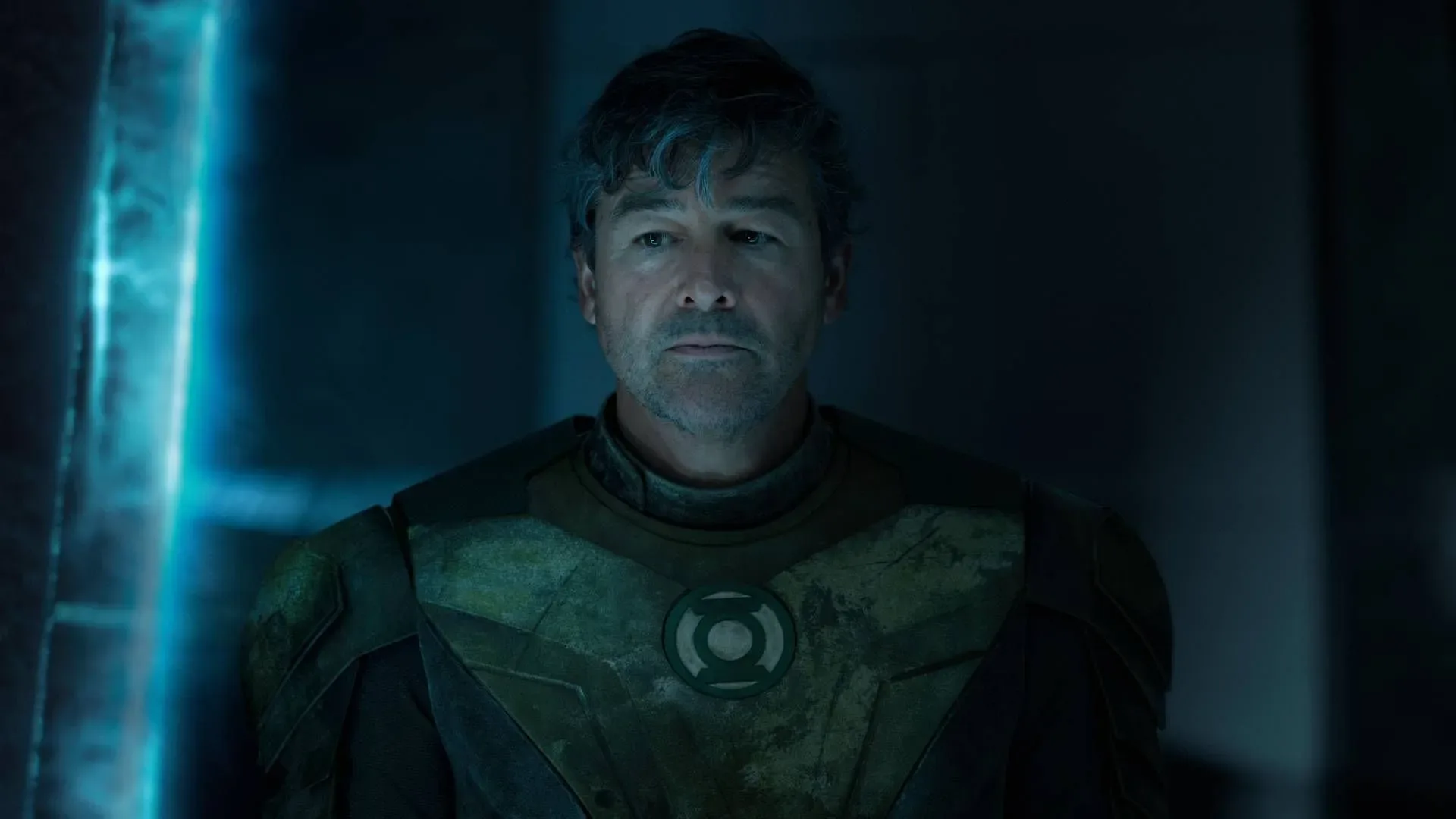
For a useful comparison of how another shared-universe property approaches the risk of changing established continuity, Joking Joystick recently covered the careful handling of canon changes in Lanterns. The MCU’s immediate question is not a declared canon rewrite, but its new scenes similarly show how much weight audiences place on small pieces of continuity when a major crossover is approaching.
What happens next
Avengers: Doomsday is scheduled for cinemas on December 18, with an earlier UK release set for December 16. Between now and then, Endgame Encore has two jobs: continue closing the remaining distance to Avatar and keep attention focused on the MCU’s next large-scale collision.
The first outcome remains dependent on box-office momentum. At roughly $40 million behind, Endgame is close enough for the record to be a serious possibility, but the final result has not yet been determined. The second outcome is already underway. A $86 million global opening gives the Encore experiment an unmistakably strong start, and the newly added scenes have ensured that the conversation is about more than an old title returning to screens.