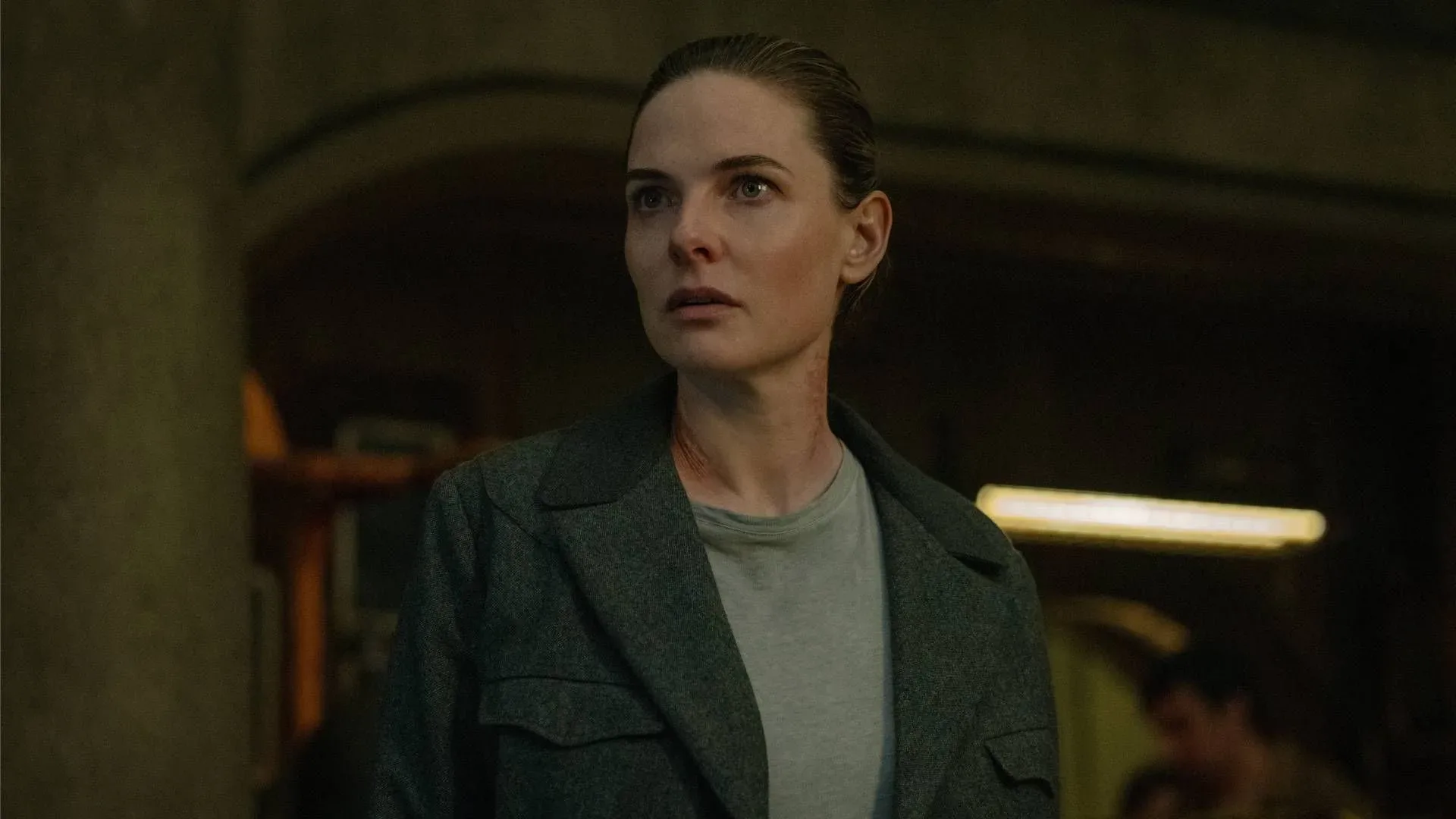
Major spoilers for Silo season 3 follow. The surface may be poisonous, the stairwell may be exhausting, and institutional transparency may be in brutally short supply, but the destination is now in sight. Silo has one season left, and its final run is currently set to arrive on Apple TV in Summer 2027.
That is still a broad release window rather than a date circled in red on the calendar, so viewers do not yet know the exact month or premiere day. Yet it is a notably manageable wait for a large-scale contemporary drama. Seasons 3 and 4 were filmed back-to-back, with production on season 4 wrapping on March 6, 2026. The show’s last chapter is not an abstract promise hidden behind a dusty relic; it is finished filming and headed toward the stage where editing, effects work and all the careful assembly of its underground world can take place.
The central reason to be impatient is simple: season 3 has transformed a long-running mystery into an overt conflict. Silo 18 now has reason, opportunity and a few crucial allies to turn its attention toward Silo 1. The final season has the difficult and enticing task of delivering that clash while explaining the history that made it inevitable.
Summer 2027 is the confirmed destination, not a precise launch date
Apple has confirmed only the Summer 2027 release window at present. A short teaser shown during San Diego Comic-Con 2026 established that timing. No episode count, individual release date or rollout pattern has been detailed.
Because the third and fourth seasons were made consecutively, the production schedule helps explain why the gap is expected to be around a year rather than the multiple-year interval viewers often face with ambitious streaming series. It is worth treating that as encouraging context, not a substitute for a firm premiere date. Until a day is formally announced, “Summer 2027” remains the useful answer.
For collectors and pop-culture fans accustomed to waiting for a complete reveal before deciding what deserves shelf space, that is familiar territory. The wait may be easier if it is spent revisiting the ways physical objects carry a story’s identity, much like the ideas explored in this guide to what “vaulted” means for Funko figures. With Silo, however, it is the details withheld from view that continue to matter most.
Season 3 points directly at a war between Silos 18 and 1
The finale leaves Silo 18 facing an enemy that is no longer merely theoretical. The supposedly all-seeing Algorithm was not an autonomous, godlike intelligence watching every move. Instead, people in Silo 1 have been overseeing Silo 18 and enforcing the Directive. Their stated goal is humanity’s survival, but the system’s human operators are also the people controlling information, shaping lives and deciding what others are permitted to know.
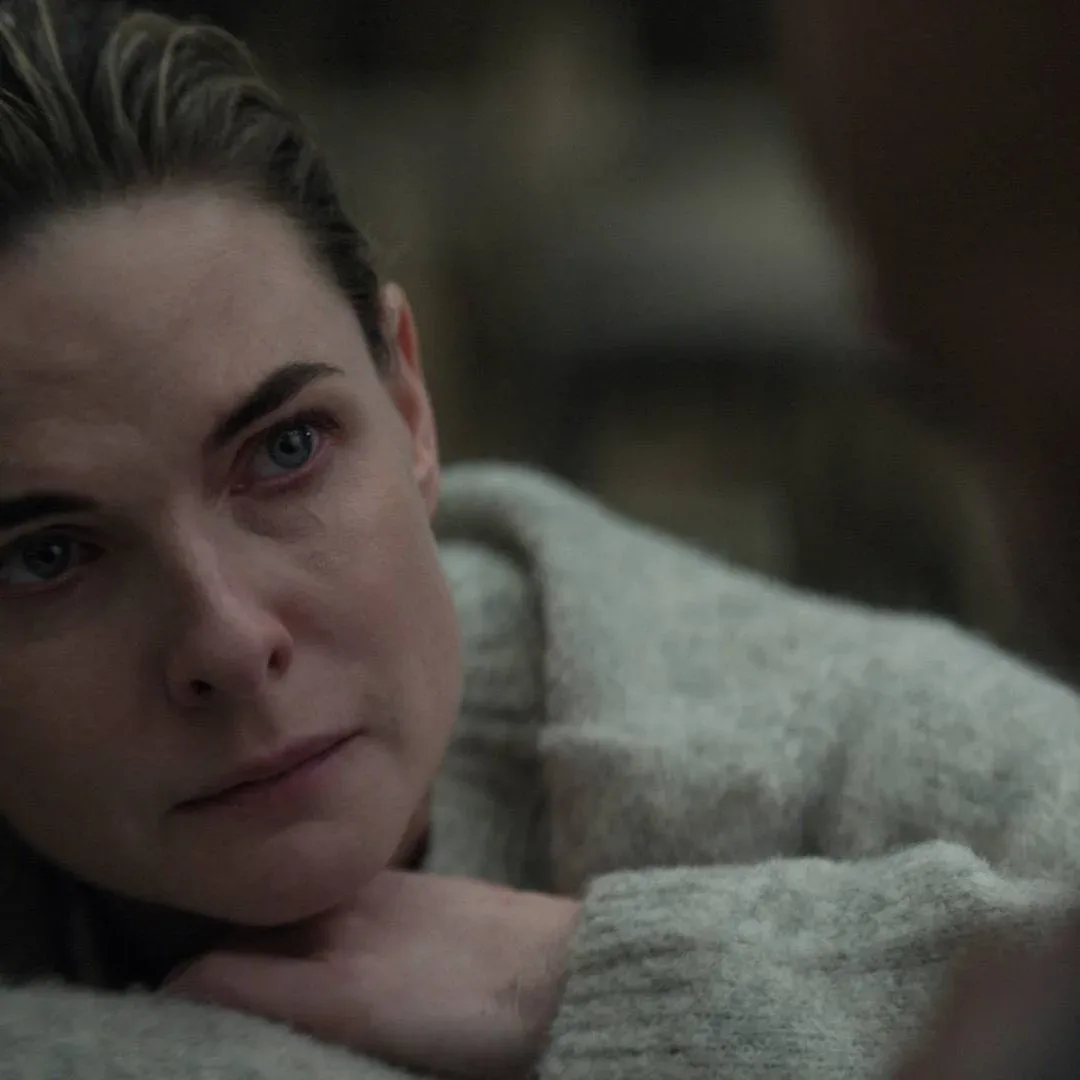
Juliette Nichols and the people around her enter season 4 with a far sharper understanding of the structure pressing down on them. Silo 18 has prevented a safeguard, and Camille Sims is now aligned with its side. Those gains do not erase Silo 1’s enormous advantages: deeper intelligence, more technology and a long-established command of the broader project. But they do make resistance possible in a way it was not before.
That imbalance is what should give the final season its tension. Silo 18 cannot simply win because its people have uncovered the truth. Knowledge does not automatically defeat surveillance, weapons, infrastructure or an institution built to withstand panic. The show instead appears positioned to ask what a community does after learning that its entire reality has been curated by other people.
The season 4 material seen after the season 3 finale also suggests this conflict will not stay hidden among a small group of insiders. Paul Billings reveals the truth about the Silo Project to the population of Silo 18. If that moment plays out as indicated, the final season could shift from a tale of a few characters carrying forbidden knowledge to one about a whole society forced to decide what it wants to do with it.
The flashbacks still hold vital pieces of the puzzle
Season 3 supplied major answers about the creation of the Silos. Per Stenson, a trillionaire, built them in cooperation with Senator Rosalind Thurman because they believed a nanobot apocalypse was unavoidable. Victor was revealed as the author of The Pact. Those revelations add faces and motives to rules that initially seemed ancient, impersonal and immovable.
Even so, the history is incomplete. The post-credits preview confirms further flashbacks and indicates that Helen Drew, Per Stenson, Susan/Charlotte Keene and Rosalind Thurman will be revisited. The season 3 ending brings Troy, also known as Daniel, through to the present day, but it does not fully account for what happened to the people connected to the earliest days of the program. Helen and Per’s fates are still unclear, while Susan and Rosalind disappear from the narrative after a 35-year jump.
That makes the flashbacks more than atmospheric origin material. They may establish why the project took its final shape, identify who made its worst decisions and reveal whether any of its foundational assumptions were ever true. Daniel’s apparent search for his own genuine identity also sets up a potentially essential confrontation with Juliette. He is not just another opponent stationed in a distant silo; his life and memory are tangled with the machinery of the entire project.
The biggest unanswered questions heading into the ending
The final season has been described by showrunner Graham Yost as the point by which nearly all of the series’ mysteries will receive answers. That is an important promise for a show whose drama is constructed around secrecy. Season 3 resolved enough to show that the answers are substantive, but the largest questions remain outside the airlock.
- Who detonated the nuclear device that sent humanity underground? The event could have been the catastrophe it appeared to be, or a calculated act meant to force the Silo program into motion.
- Is the world truly dead? The series has not settled whether the nuclear wasteland extends across the entire planet or is limited to the region surrounding the Silos.
- Are there survivors elsewhere? Beyond Silos 18 and 1, plus what remains in Silo 17, it is unknown whether anyone else is alive on Earth.
- How long has humanity been below ground? The story confirms at least 42 years through the time Troy spends in cryogenic suspension between operations in season 3 episode 10. The total could be dramatically longer.
- What does survival mean if it requires permanent control? This may be the series’ most consequential question, even if it has no single mechanical answer.
A final season that answers these points should not be mistaken for a season that needs to flatten every ambiguity. There is a difference between clarifying the architecture of the mystery and explaining away every human consequence. The most satisfying version of Silo’s ending would reveal what happened, who was responsible and what the outside world holds, while still letting its characters struggle with the damage caused by generations of fear and managed ignorance.
Who is expected to return?
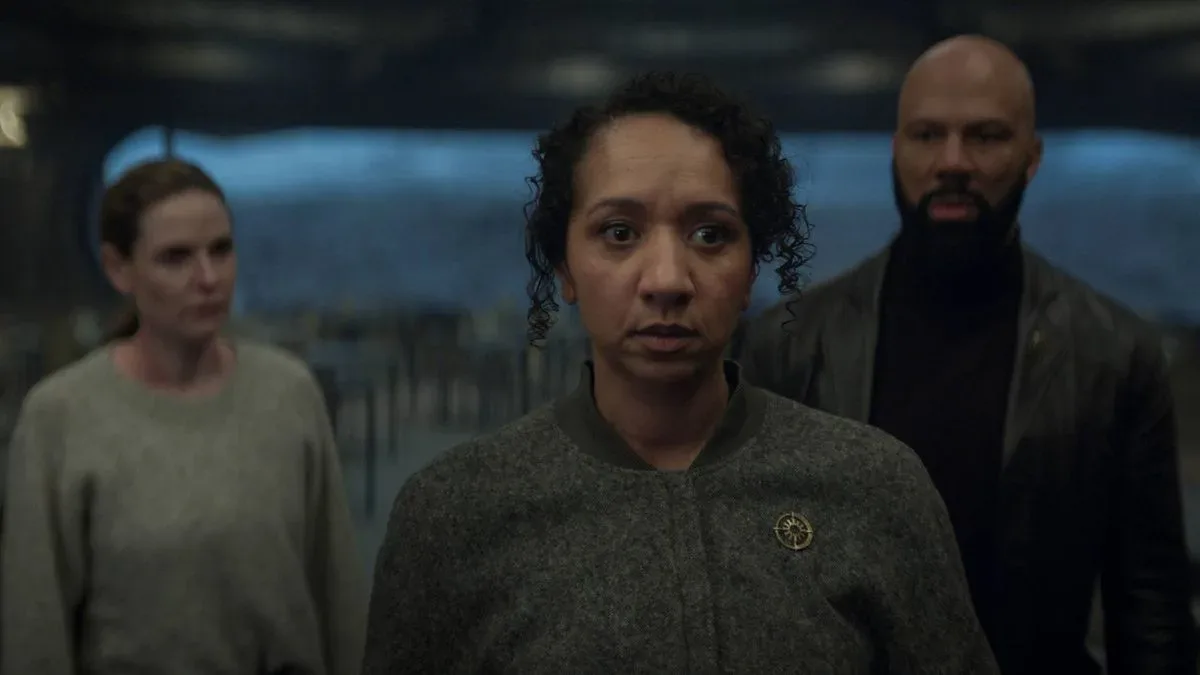
Rebecca Ferguson’s Juliette Nichols remains at the center of the final-season story, joined by a substantial group of characters spanning Silo 18, Silo 1 and the pre-Silo timeline. The expected returning cast includes:
- Rebecca Ferguson as Juliette Nichols
- Ashley Zukerman as Troy/Daniel Keene
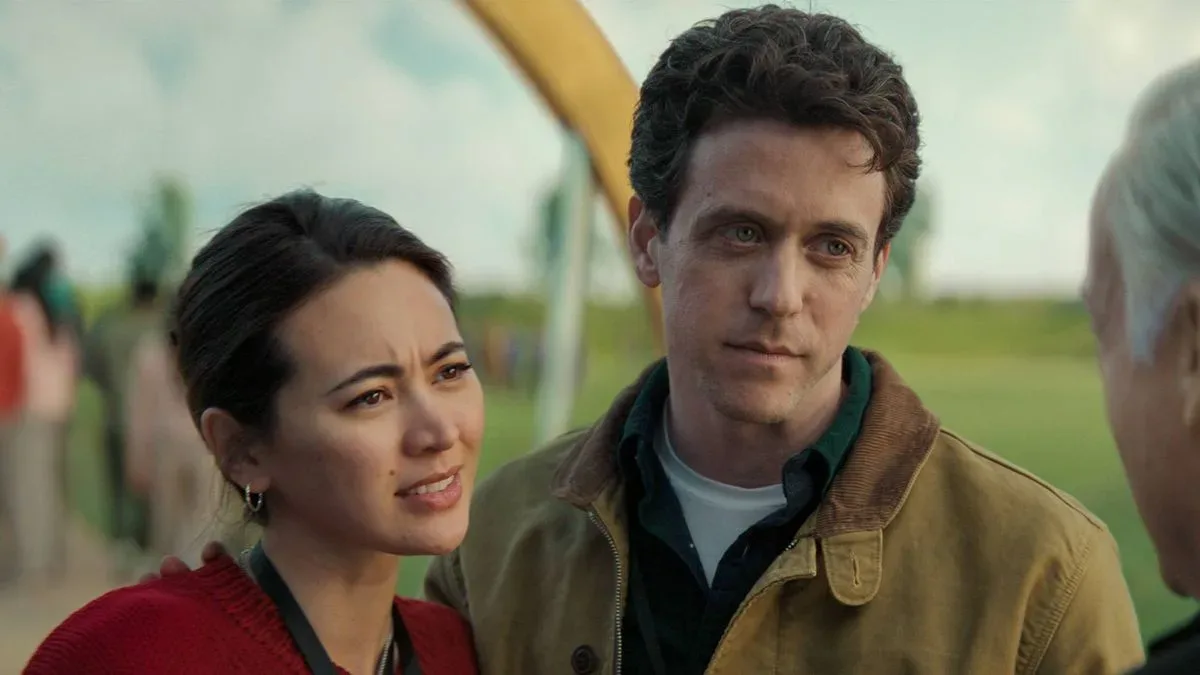
- Jessica Henwick as Helen Drew
- Jessica Brown Findlay as Susan/Charlotte Keene
- Common as Robert Sims
- Alexandria Riley as Camille Sims
- Chinaza Uche as Paul Billings
- Harriet Walter as Martha Walker
- Shane McRae as Knox
- Remmie Milner as Shirley
- Avi Nash as Lukas Kyle
- Rick Gomez as Patrick Kennedy
- Steve Zahn as Solo/Jimmy
- Claire Perkins as Carla
- Billy Postlethwaite as Hank
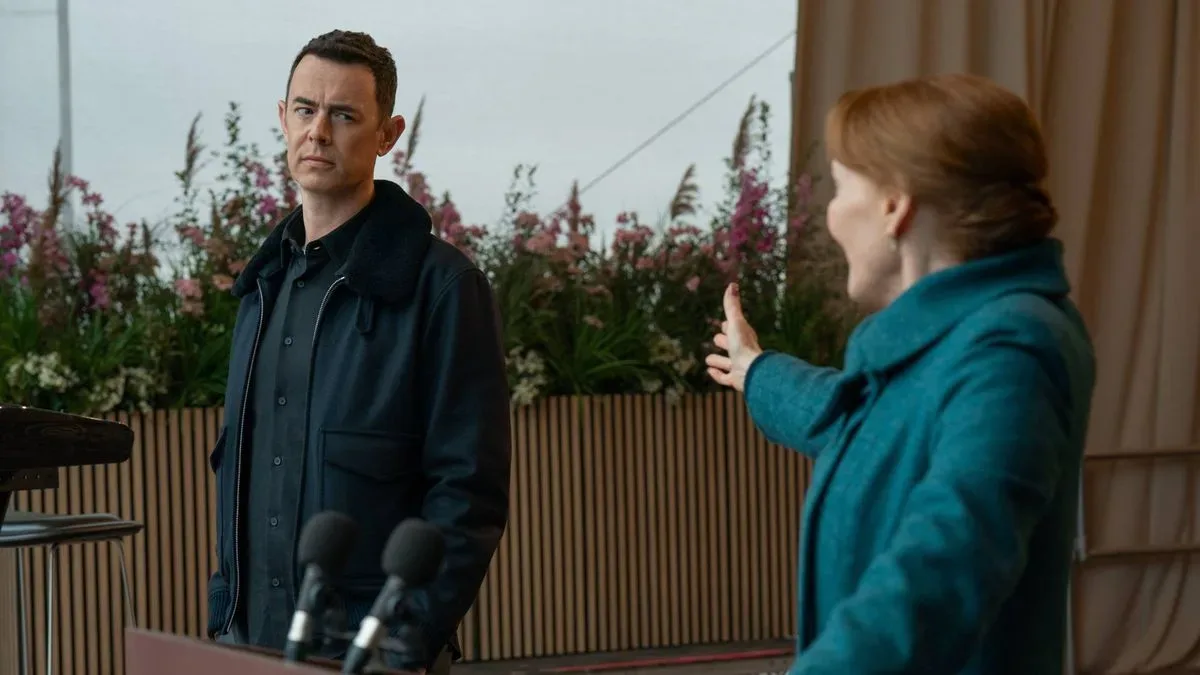
- Colin Hanks as Per Stenson
- Reed Birney as Henry
- Laura Innes as Rosalind Thurman
- Morven Christie as Anna Thurman
There are unavoidable absences. Bernard, played by Tim Robbins, was sent out to clean in episode 9 of season 3. Victor, played by Matt Craven, died by suicide in the finale. In a story that moves through memory and multiple points in its history, the status of characters should always be discussed carefully, but neither is positioned as a straightforward ongoing present-day player after those events.
The teaser exists, but it is not broadly available yet
There is a season 4 preview, although its availability is unusually limited. For now, it can be viewed on Apple TV after the credits of season 3 episode 10 rather than as a generally released trailer across YouTube and social platforms. A wider release may follow, but no timing for that has been confirmed.
What the preview establishes is consequential. It points to Helen’s arrival in Silo 18, the public revelation of the project’s truth by Paul, further exploration of the past, and a meeting between Juliette and Daniel/Troy. That is plenty of material to reinforce the idea that season 4 will bring the show’s parallel timelines together rather than treating its historical scenes as a side trip.
It is also officially the end. The fourth season was announced as the final season in December 2024, alongside the renewal for season 3. Seasons 1 through 3 are currently streaming on Apple TV, making this a good time for a rewatch before the last descent begins. Those looking for another perspective on how a screen story can make a complicated life and legacy feel immediate can also read our take on a messy Dostoevsky biopic that finds surprising life.
For Silo, the final question is not simply whether Juliette can topple Silo 1. It is whether a system designed to preserve humanity has preserved anything worth calling human in the first place. Summer 2027 is when the show intends to open that door.