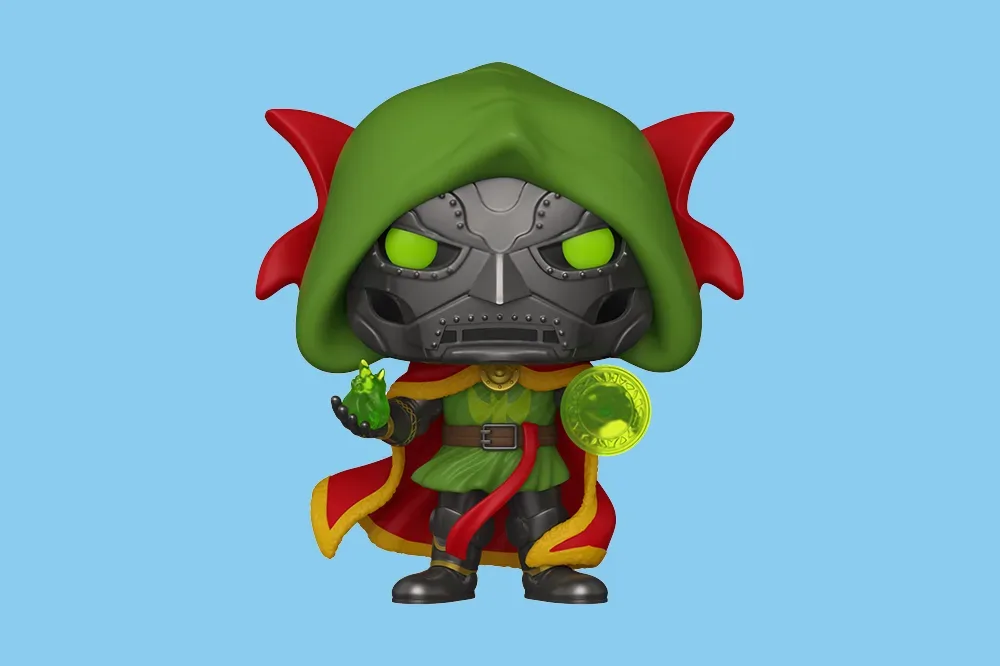
“Vaulted” is one of those collecting words that can make an ordinary listing sound as if it comes with a velvet rope and a security guard. It is worth understanding, but it should be the start of research rather than the end of it.
What Funko says
Funko’s own Vaulted Collection describes the listed figures and collectibles as officially retired and no longer available to purchase on Funko.com. That is the company’s product-status description. It is not a statement that every vaulted item has a small production run, a specific resale price, or a guaranteed future return. Check the official Funko vault for the product status.
Keep that distinction in your notes: status is one field, while identification, condition, and price evidence occupy their own fields. Combining them into the single word “grail” makes the listing more exciting and the decision less clear.
Identify the exact version
Write down the product line, character, box number, and any specifically named variant. Compare actual photographs with the official product reference. A similar pose or character name does not prove two versions are the same item.
Ask the seller to explain any sticker claim and show the relevant area clearly. Do not treat a sticker alone as complete authentication. If original packaging matters to you, inspect the figure and the box as related but separate objects. A correct figure in an incorrect box is a different collectible from the matching package you may have intended to buy.
Describe box condition precisely
Request all sides, the top and bottom flaps, and the display window. Look for creases, tears, marks, crushed corners, discoloration, and replacement parts. Ask whether the figure has been removed and whether any additional inner packaging is missing.
Choose the condition standard that fits your collection. Someone displaying a figure out of the box may prioritize different things from someone arranging a wall of original packages. State those priorities before shopping so a seller’s broad word “mint” does not have to do all the work.
Plan protection around access
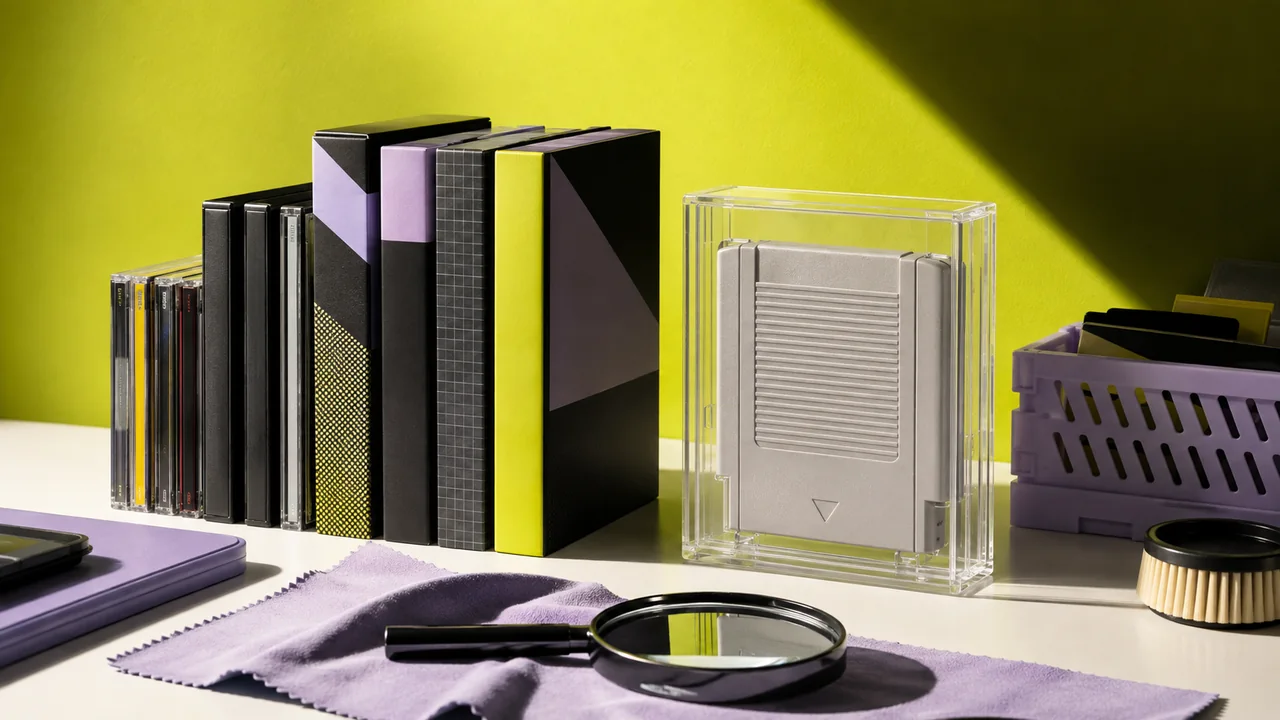
If you use a box protector, read its internal dimensions and intended product format. Do not force a package into a holder that presses on its edges. Keep the collection away from direct sun and obvious water risks, and leave room to remove an item without dragging it against its neighbors.
Store provenance records and photographs separately from the box. Labels can go on an outer storage container or inventory entry. Your system should make it easy to find a specific version without repeatedly handling every figure in the row.
Separate collecting from price speculation
For a purchase, compare completed transactions involving the same version and similar condition. A sealed-looking protector, a high asking price, or a vaulted label does not provide that comparison by itself. If the available evidence is weak, you can set a personal maximum based on what the object is worth to you and leave it there.
Ask one final question: would you still want this figure if its value stayed flat or declined? For a collection built around characters and design, that can be a reassuringly easy answer. If the only appeal is a promise of future scarcity, return to the evidence before adding another box to the shelf.