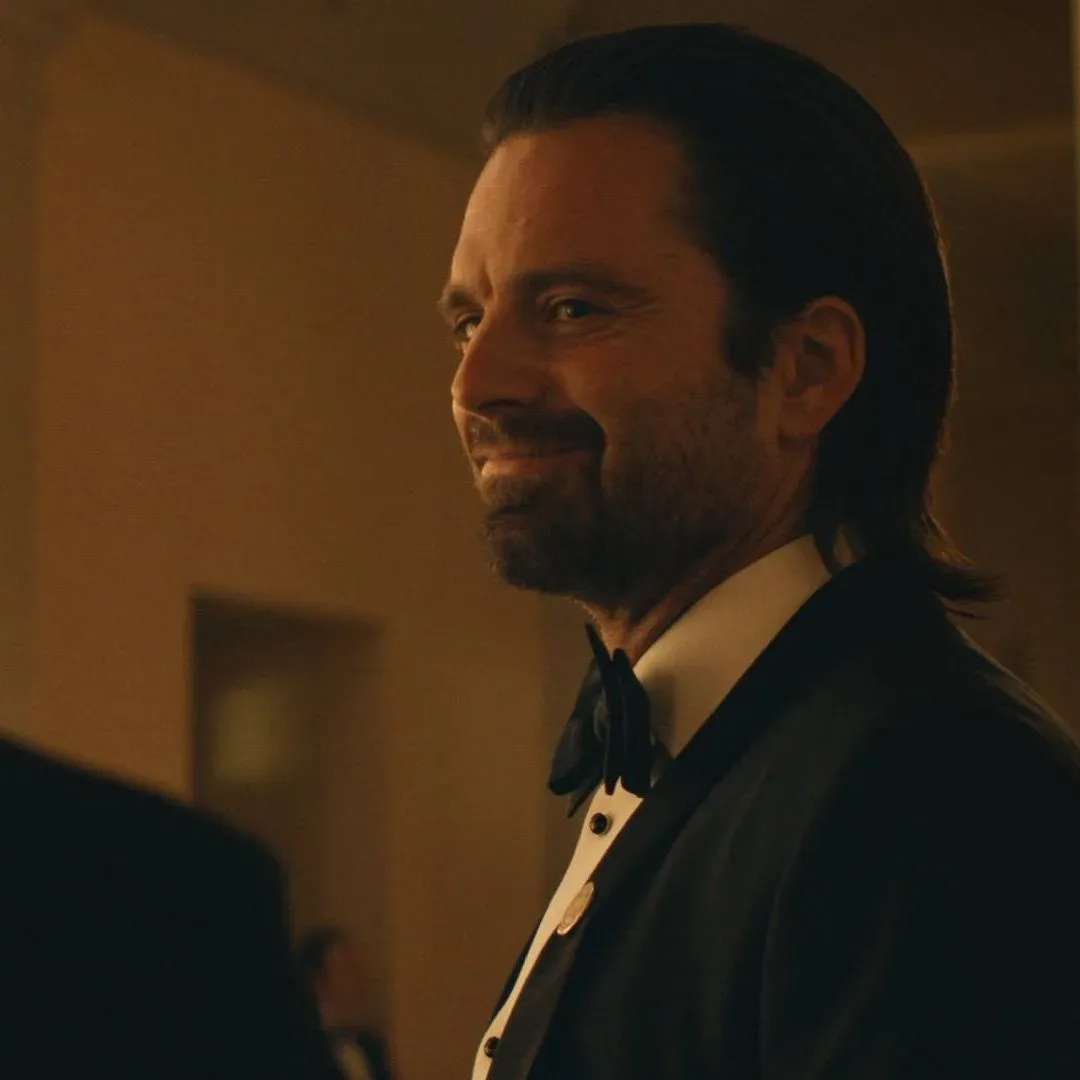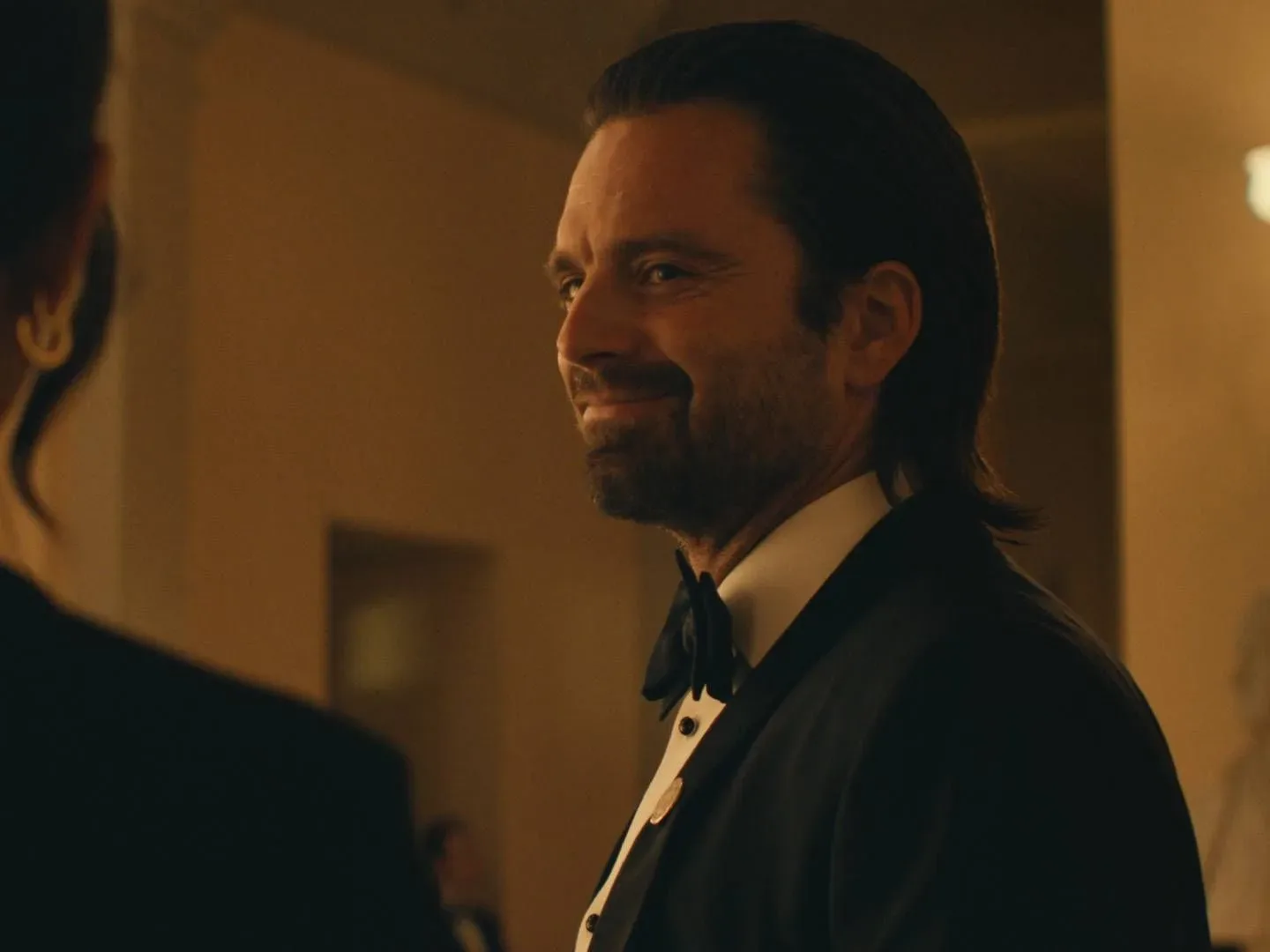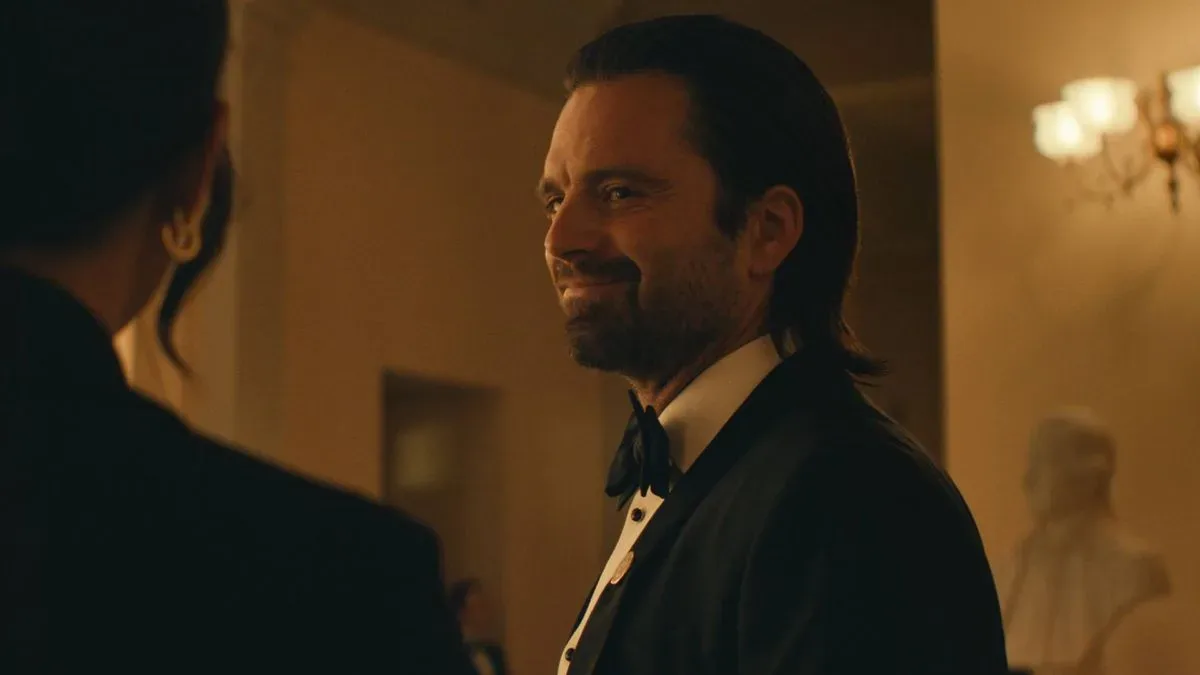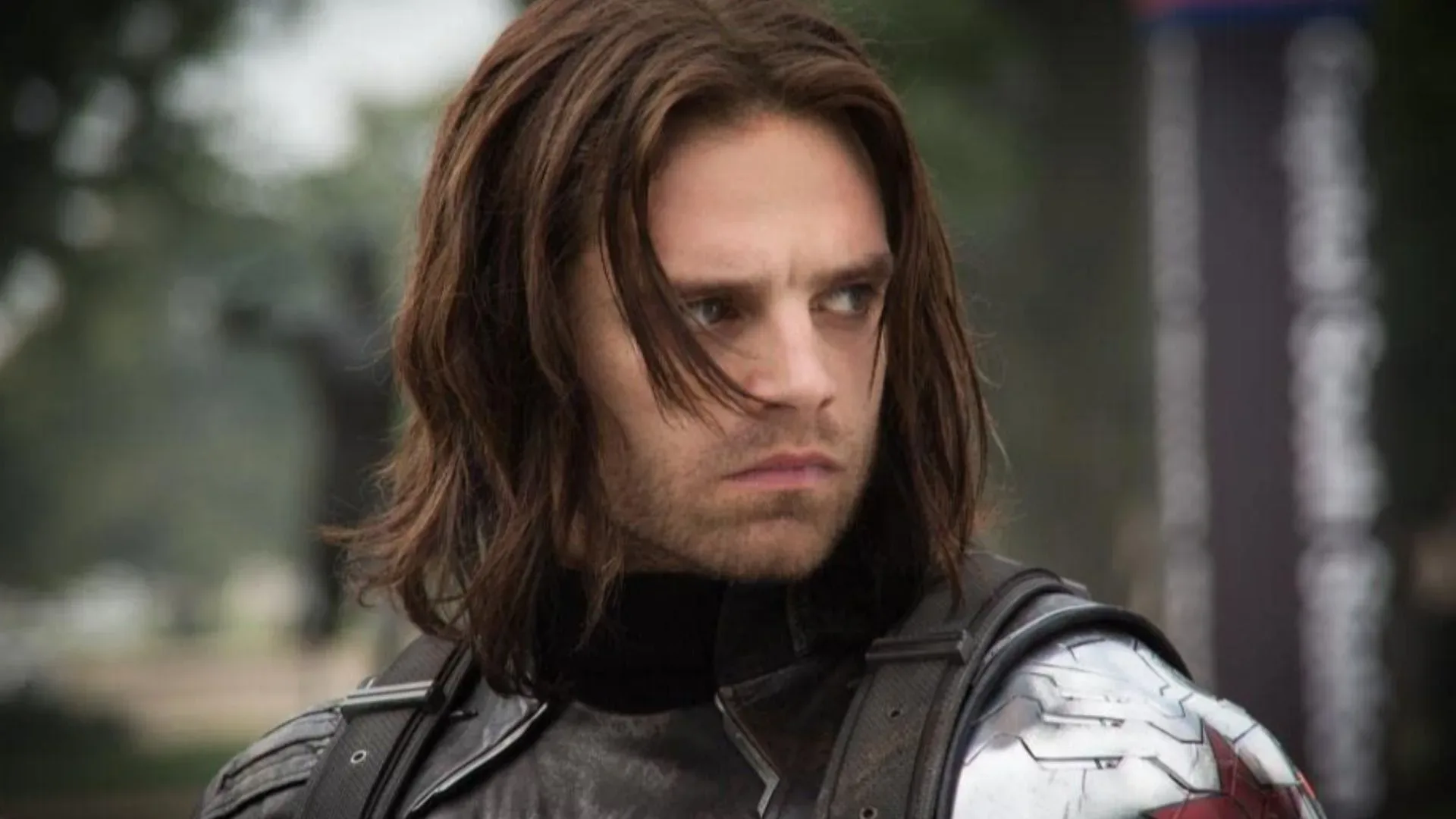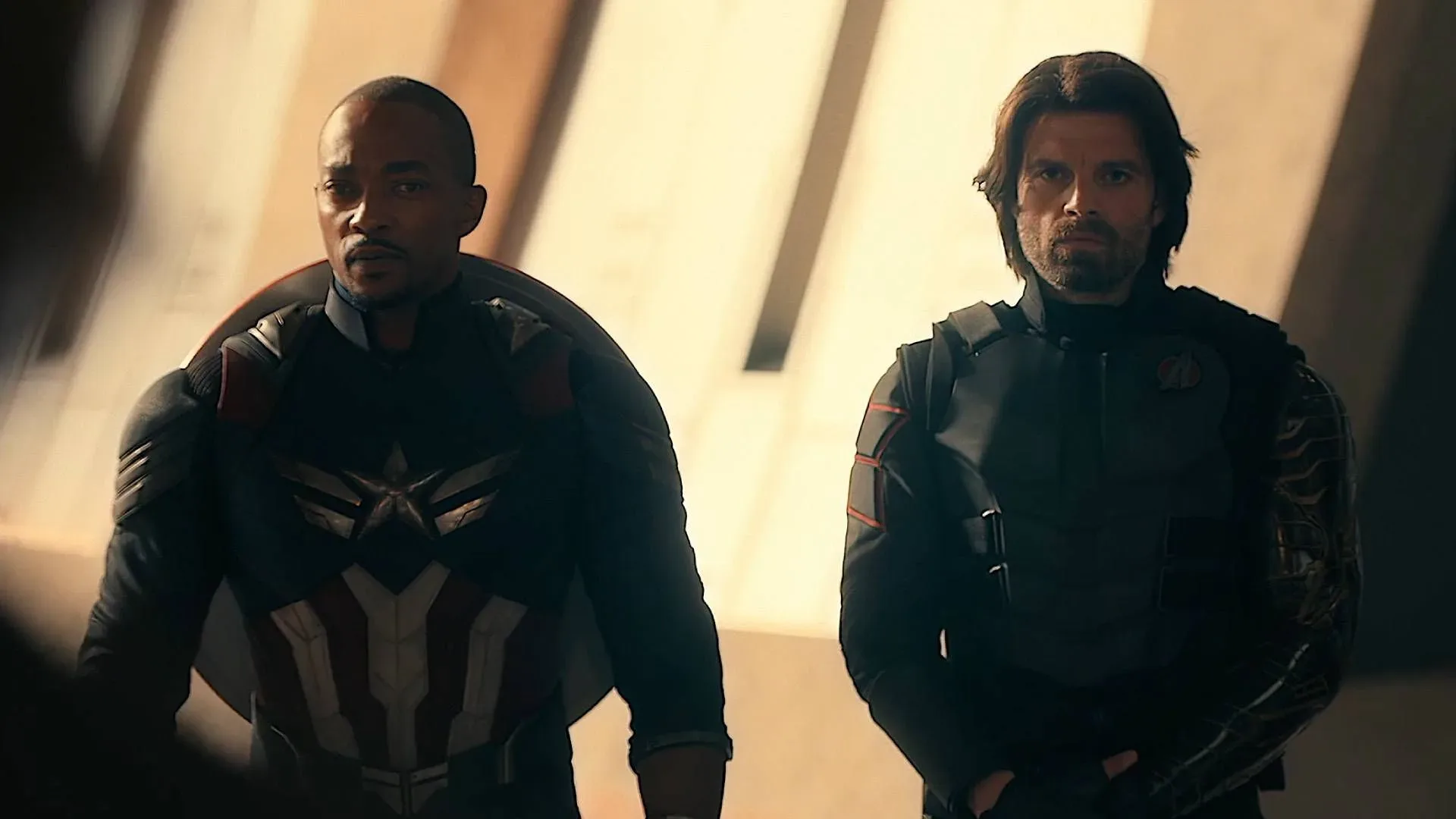
Sebastian Stan has offered a measured defense of Thunderbolts, arguing that a movie’s worth is not settled exclusively by the final box-office total. The actor, who plays Bucky Barnes, acknowledged that the Marvel film’s reported $382 million global gross sits in an unusual place: it is a very large sum in absolute terms, but one that can look modest beside the commercial expectations attached to a long-running superhero brand.
For Stan, however, the project still registered as a success among the people who made it. He pointed to the care invested in the film, its comparatively nuanced approach, and its willingness to engage with subjects including mental health and depression. His comments make a simple but important distinction: commercial performance and creative or personal accomplishment can overlap, but they are not identical measurements.
“I still felt like for us it felt like a success,” Stan said, adding that he believed the film had “more nuance” than some recent Marvel entries and dealt with “real issues like mental health and depression and so on.”
A huge number viewed through an enormous franchise lens
The tension in Stan’s assessment begins with scale. A worldwide gross of $382 million is plainly substantial. Yet franchise discussion often treats totals not as standalone numbers, but as comparisons against prior high points, studio expectations, and the perceived size of an event movie. That can make a result that would be extraordinary in many contexts feel disappointing when it belongs to a property associated with years of outsized successes.
For more context, explore LEGO Shrek Minifigures Get a 30% Black Friday Cut, but Blind-Box Math Still Bites.
Stan made that contrast explicit, observing that a global figure in the $350 million range can suddenly be regarded as insufficient after a studio has spent so long “knocking it out of the park.” His point is not that box office is meaningless. It is that the frame of reference can distort how people talk about a number. Hundreds of millions of dollars in ticket sales remains an enormous level of audience spending, even if it does not satisfy every expectation built around Marvel.
That does not automatically settle the film’s financial story, because a gross figure alone does not reveal production costs, marketing costs, revenue splits, or the studio’s internal targets. None of those details are established here. What Stan is discussing is instead the more human question of whether the work felt worthwhile to its cast and creators. On that question, he is unequivocal.
What Stan means by “nuance”
“Nuance” is frequently used as vague praise, but Stan tied it to a specific area: the film’s interest in mental health and depression. In storytelling terms, nuance generally means giving a subject room for complexity rather than reducing it to a neat label, a quick plot device, or a single emotional note. It can mean allowing characters to carry contradictory feelings, difficult histories, or unresolved pain.
Stan did not lay out a detailed breakdown of the film’s scenes or make a clinical claim about its depiction of mental health. Still, his framing suggests that the team valued emotional material alongside the scale and spectacle audiences commonly associate with superhero movies. The distinction matters because “serious subject matter” by itself is not automatically nuanced. The word implies a method: treating a subject with care and resisting easy simplification.
That appears to be the basis of his defense. Rather than answering box-office discussion with an attempt to redefine the reported total as a blockbuster victory, Stan redirected attention toward the kind of movie the team sought to make and the people involved in making it. He also described the ensemble warmly as “a good group of people,” reinforcing that his sense of success includes the production experience, not merely the public result.
Success has more than one scoreboard
Film conversation often collapses several separate questions into one: Did people buy tickets? Did the project recoup its costs? Did audiences connect with it? Did it advance the larger franchise? Did its makers believe it said what they wanted it to say? Those questions can produce different answers without cancelling one another out.
Box office is a public, easy-to-compare metric, which gives it enormous weight in online debate. It is also a limited one. It records ticket revenue, not whether a performer feels the finished movie earned its themes, whether a cast found its collaboration meaningful, or whether a film’s ideas resonate with viewers over time. Conversely, a creative team’s pride does not itself answer the business questions surrounding a release. Both perspectives can exist at once.
Stan’s comments land on the creative side of that divide. He is not presenting the $382 million total as irrelevant, nor claiming it is the sort of figure Marvel once routinely treated as its ceiling. He is arguing that it should not erase the effort, intentions, or thematic qualities he sees in Thunderbolts.
That is a useful distinction for fans, too. Enjoying a movie and recognizing its commercial context are compatible positions. A viewer does not need to become a studio accountant to understand why revenue is discussed, and they do not need to treat revenue as the final verdict on every film’s artistic or emotional value. Stan’s response is a reminder that a franchise can be evaluated in multiple ways, particularly when its participants are talking about what the production meant to them.
Bucky Barnes is headed into Avengers: Doomsday
Stan’s Marvel story is not stopping with Thunderbolts. He is set to return as Bucky Barnes in Avengers: Doomsday, the upcoming crossover that brings together the Avengers, Thunderbolts, Fantastic Four, and X-Men against Doctor Doom, played by Robert Downey Jr.
That premise places Bucky inside a much larger ensemble and connects the character to several corners of Marvel’s screen universe. A crossover, in this context, is a story built around characters or teams that normally occupy different narrative spaces coming together in one event. The appeal is the interaction: alliances, frictions, and contrasts that are not available when each group remains in its own film.
Co-director Joe Russo has described Avengers: Doomsday as a project the filmmakers have spent seven years considering. He said the team loves the movie, has poured heavily into it, and sees it as tonally different from previous Marvel films. “Tone” refers to a work’s overall emotional and stylistic character—the feeling established by its storytelling, performances, humor, tension, and presentation. Russo also promised surprises, though no specific plot details were provided.
“I think it is unlike any movie that's been made in the Marvel universe up to this point,” Russo said. “It's tonally very different. It's very surprising.”
Robert Downey Jr.’s return in the role of Doctor Doom is central to the anticipation around the crossover. Russo called him “the greatest actor in the world,” while also emphasizing the long development period behind the new film. Those are expressions of confidence rather than a guide to story specifics, but they establish the filmmakers’ ambition: Doomsday is being positioned as a major convergence point for Marvel’s established and incoming teams.
For readers weighing the different ways a superhero release can be judged, the larger discussion around Stan’s view of Thunderbolts as a success on its own terms comes back to a straightforward idea. Revenue tells one part of a movie’s story. The people who made it may see another part in its themes, collaborators, and the care they believe reached the screen.
Avengers: Doomsday is scheduled to arrive on December 18. Until then, Stan’s defense of Thunderbolts gives the previous film a framing that is less about pretending expectations do not exist and more about refusing to let a single metric do all the talking.