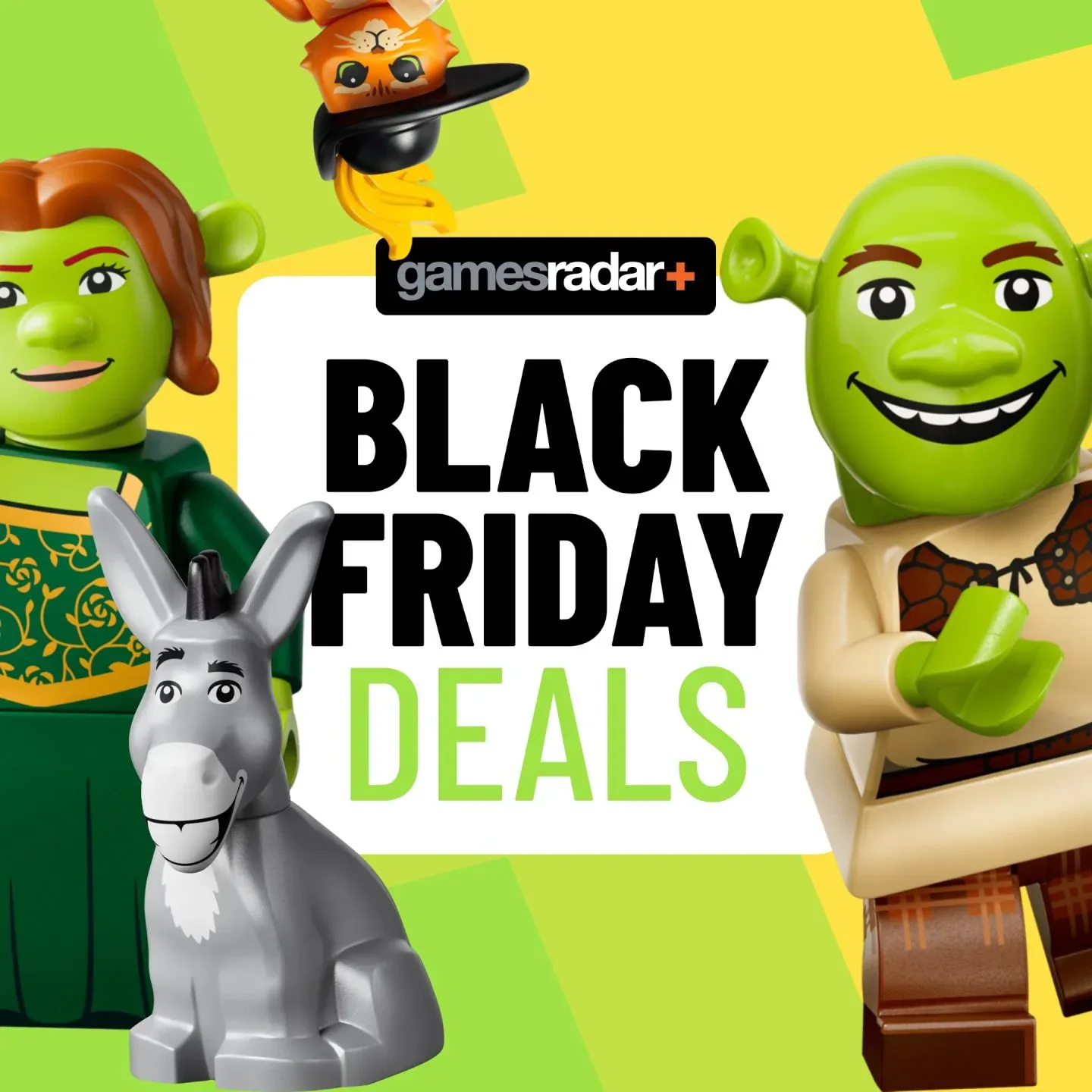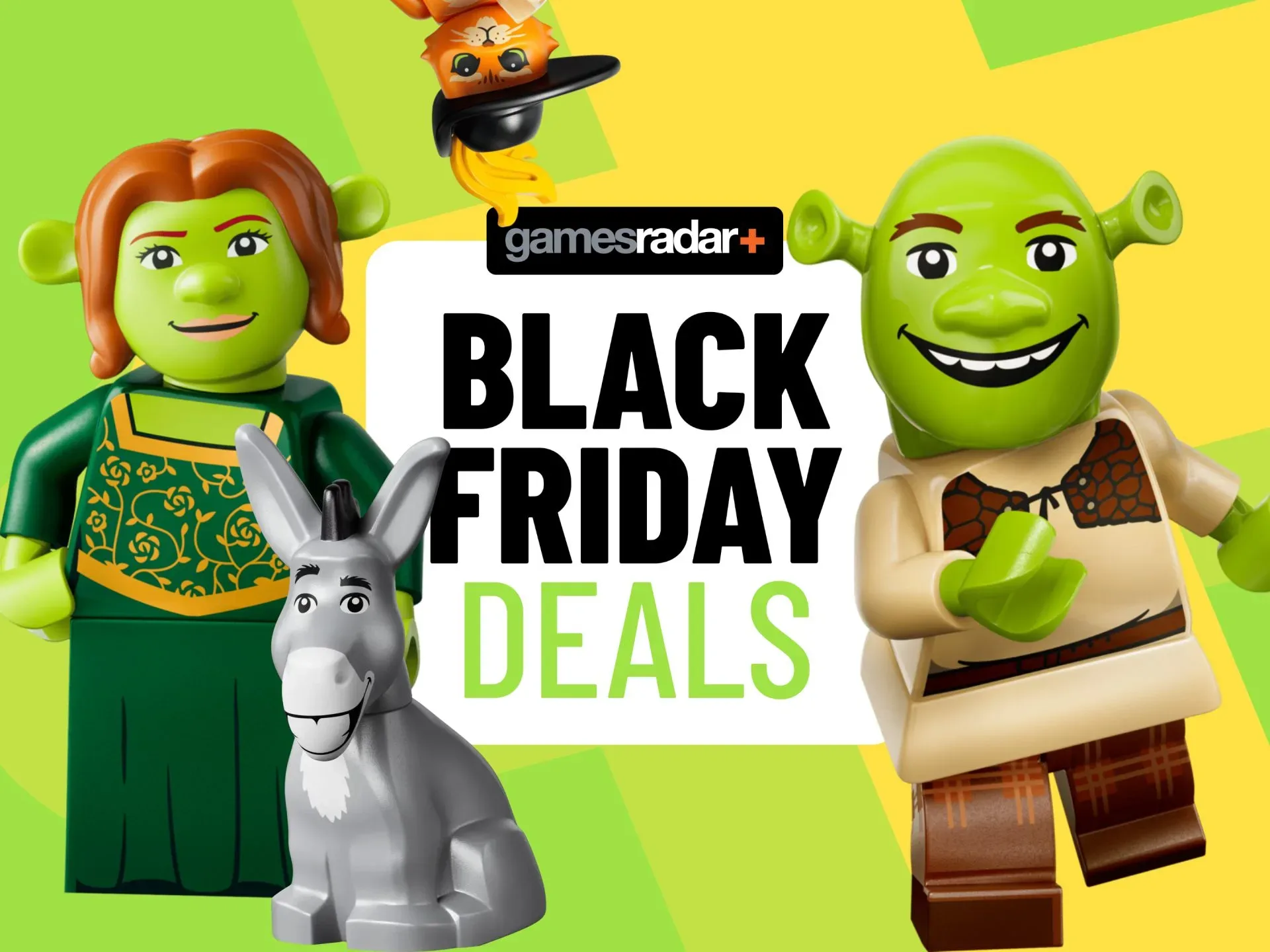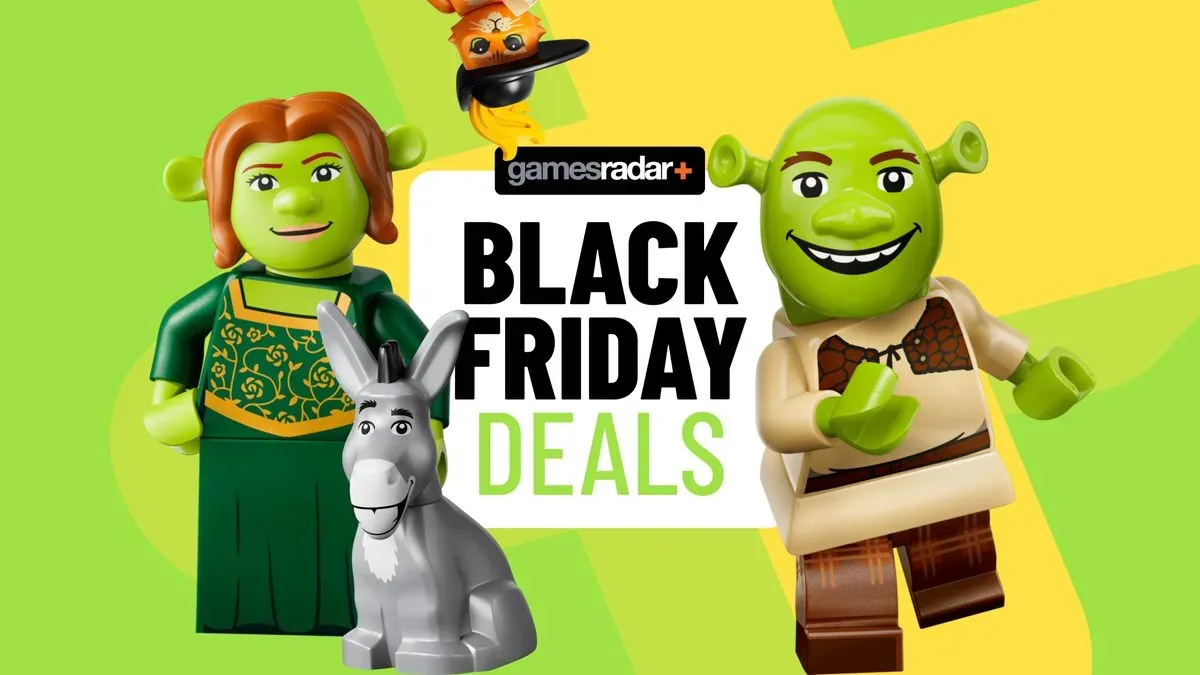
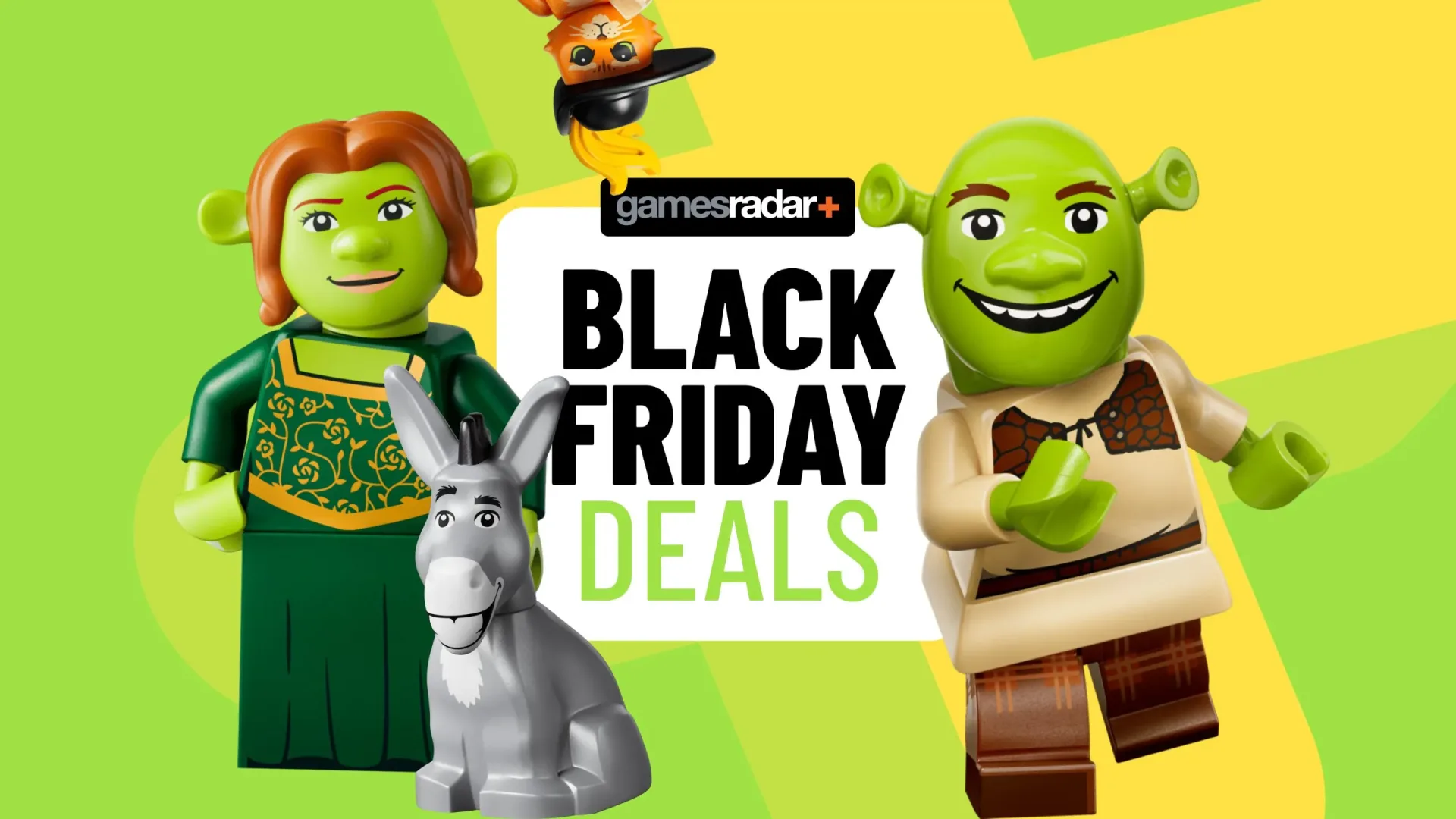
Shrek has entered the most financially treacherous realm of all: the LEGO blind-box aisle. The LEGO Minifigures Shrek Series is listed at 30% off for Black Friday, bringing individual boxes down to $3.49 in the US and £2.44 in the UK. For collectors who have been watching the 12-character set from a distance, it is a real price reduction. For collectors already knee-deep in duplicate wizards and Fairy Godmothers, it is also an effective reminder that patience occasionally pays.
The catch is built into the product format. Each Minifigures box contains one random figure, rather than a character buyers can select. That makes the discount useful without making completion predictable. A buyer can now purchase more attempts for the same budget, but cannot assume that 12 boxes will produce the 12 different figures needed for a complete display.
What the Black Friday pricing changes
The basic arithmetic is favorable. A 30% saving means the cost of 12 boxes is roughly equivalent to buying nine at their ordinary price. Since there are 12 figures in the Shrek lineup, that may sound like a clean route to a full set. It is not.
Blind boxes are randomized collectibles: the buyer knows the possible contents but not which item is inside a particular sealed package. Once a collector opens a box, every duplicate reduces the number of remaining figures they still need while doing nothing to guarantee the next one will be new. That is why the number of boxes required to finish a 12-figure series will often exceed 12, sometimes by a considerable margin.
In practical terms, the sale reduces the penalty for bad luck; it does not remove bad luck. Someone seeking only Shrek, Lord Farquaad or Gingie may decide the lower individual-box price makes a few tries worthwhile. Someone determined to own every character should regard the price cut as a discount on attempts, not a promise of a complete collection.
LEGO is also listing a six-pack box for $20 in the US. That format does not provide a further per-box saving compared with six discounted single boxes. Its advantage is presentation and convenience, particularly for gifting, rather than a special bulk rate. Buyers should not mistake the larger carton for a guarantee of six different figures, either; the supplied information does not establish that it has any anti-duplicate protection.
The characters make the randomness matter
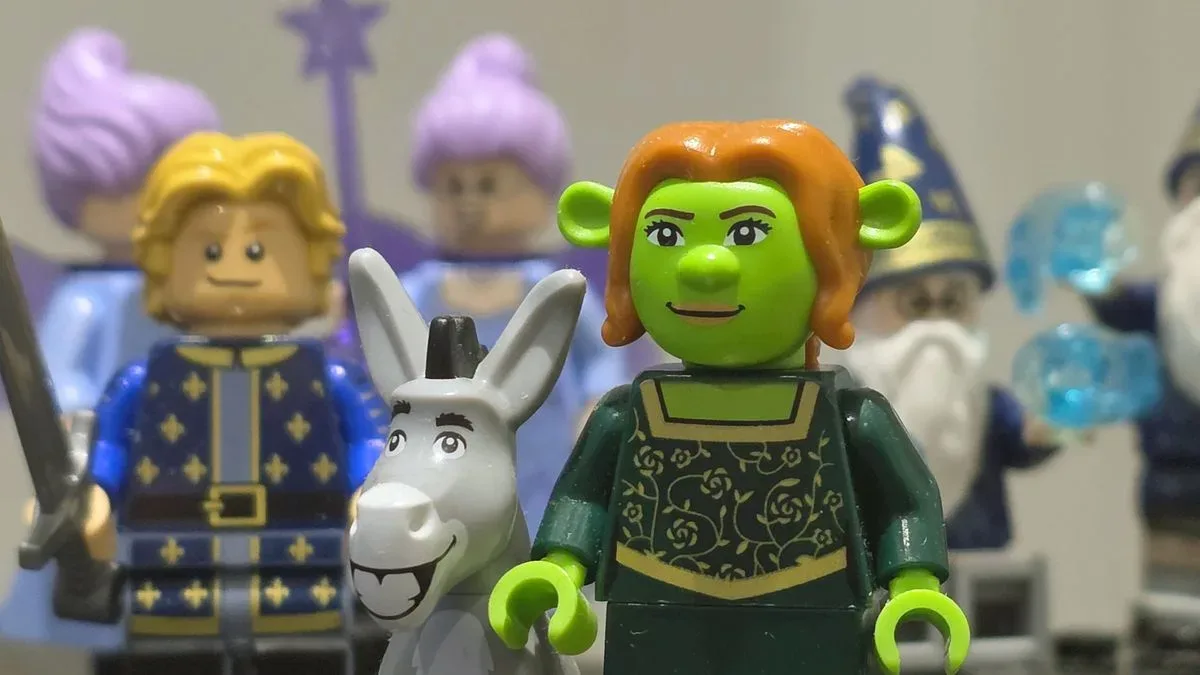
The series has 12 figures to find. Reported pulls from the range include the Fiona and Donkey pairing, Prince Charming, Merlin and Fairy Godmother, while Shrek, Lord Farquaad and Gingie are among the headline characters collectors may be especially eager to land.
That mixture illustrates why “complete set” and “satisfying purchase” are not always the same goal. A person primarily building a shelf around the central Shrek cast may be happy to stop once they have Shrek, Donkey, Fiona and a few recognizable supporting characters. A character checklist collector, meanwhile, has a different problem: duplicates are not merely surplus toys but obstacles between them and an all-12 display.
Related coverage includes LEGO Shrek Minifigures Get 30% Black Friday Discount as Series Nears Its End.
There is no shame in choosing a stopping point before the checklist is full. In fact, with random packs, setting a collection target in advance is one of the few ways to keep the hobby from turning into an unplanned spending loop. A collector might decide on a fixed number of boxes, a fixed cash total, or a short wish list of must-have characters. The sale then becomes an opportunity to pursue that target more cheaply, rather than an excuse to chase an unknowable finish line.
A discount does not settle the duplicate problem
At the sale price, it is tempting to treat repeats as harmless. Yet duplicate accumulation is where blind-box collecting gets expensive. One reported six-box run produced Fiona and Donkey, Prince Charming, two Merlins and two Fairy Godmothers: three desired outcomes alongside three repeats. That result is a compact example of the risk, not evidence that any particular character is more common or rarer than another.
Collectors should be careful not to turn a handful of openings into a theory about distribution. A distribution rate is the actual frequency with which each figure appears across production and retail stock. The information available here establishes that boxes are random, but it does not establish character odds, rarity tiers, case assortments or whether certain figures are deliberately harder to find. Claims that a particular Shrek figure is “impossible” or “common” would need stronger evidence than a few unlucky pulls.
The more useful decision is personal: how much is each additional chance at a desired character worth once duplicates have begun to pile up? Buyers who only want one or two characters may find that question changes quickly after several repeats. The lower price can soften that calculation, but it cannot make a sealed box targeted.
Timing is part of the appeal — and the uncertainty
The Shrek range launched in September and appears to be approaching the end of its retail window. There is an expectation that the series may stop being sold in January as another Minifigures wave arrives, but that timing has not been presented as a confirmed release schedule. Rumors point to a castles-themed follow-up range, which should be treated as rumor rather than a firm buying deadline.
Still, a potentially limited remaining retail period adds understandable urgency for fans of the franchise. If these are the first reported reductions for the range, Black Friday may be the clearest opportunity yet to buy sealed Shrek boxes below their usual individual price. The sensible interpretation is not “buy everything now,” but “do not assume the same official-store discount will still be available later.”
That distinction matters because a retail range ending does not necessarily mean every character suddenly becomes unobtainable; it means the easy, standard-price route can become less certain. For a collector who has been waiting to start, a small, preplanned purchase at the reduced price may be more rational than postponing the decision indefinitely. For someone already chasing the last few names on a checklist, the same deal could become a costly gamble if it prompts far more openings than they intended.
The larger Shrek build is a different kind of purchase
The Black Friday reductions also include a LEGO Shrek building kit, a display-focused model of Shrek and Donkey that includes a Puss in Boots minifigure. It is discounted by 20%, described as its first substantial reduction. Unlike the blind-box series, this is not a mystery purchase: buyers know the model and included minifigure before paying.
That makes it a fundamentally different proposition. The build is intended for a shelf or cupboard rather than as a playset, and it offers certainty where the Minifigures packs offer chance. It may suit a fan who wants a visible Shrek centerpiece but has no interest in accumulating sealed packs, duplicates or a character checklist. Availability of the reduction is not universal across sellers, though Amazon is among the retailers noted as offering it.
There is a broader Black Friday shopping lesson in the contrast. A blind-box deal looks strongest when the buyer values the surprise and can live with extra figures. A display set deal looks stronger when the buyer knows exactly what they want to own. Neither is universally better; they answer two different collecting impulses.
Practical checks before placing an order
- Verify the regional price: the reported individual-box prices are $3.49 in the US and £2.44 in the UK, so buyers elsewhere should check their local LEGO storefront rather than assume the same discount applies.
- Set a box limit first: decide whether the goal is a few characters, a gift, or a full 12-figure chase. A sale is most useful when it serves a limit already chosen.
- Do not assign extra value to the US six-pack: at $20, it is presented as a convenient larger package, not a cheaper per-figure route than six individual sale boxes.
- Check purchase limits and delivery thresholds: limits can vary by location. One reported storefront allowed five Minifigures sets, while the US limit was said to be 24; a cap can affect whether an order reaches free-delivery minimums.
- Separate confirmed details from speculation: the sale pricing and the 12-figure setup are the useful facts. A January end date and a castles-themed successor have not been confirmed here.
For shoppers splitting a holiday budget between hobbies, collectible deals are not the only Black Friday temptation. The AYANEO Pocket Air Mini’s $99 Black Friday return is another example of how quickly a supposedly focused shopping list can become a multi-category ambush.
The Shrek Minifigures discount is compelling precisely because it makes a playful, low-cost collectible even cheaper. Just remember the ogre-sized footnote: the packs are random. Buy them for the characters you might get and the fun of opening them, not because the math says a dozen boxes must lead to a dozen different figures.
Shop the products
Check current price, model and availability at the retailer.