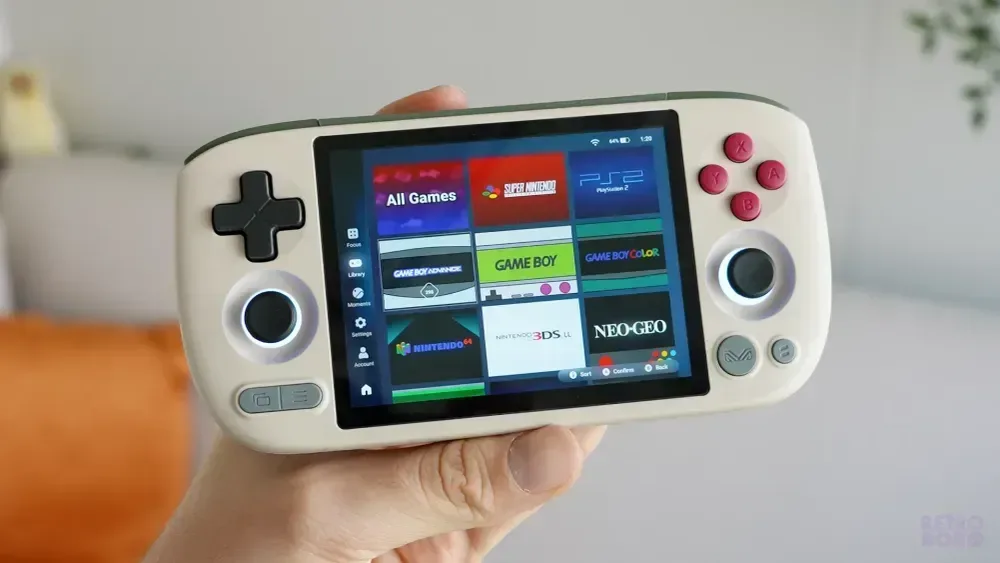
AYANEO’s Pocket Air Mini has dropped back to $99 for Black Friday, with the company describing the discounted inventory as limited. The price restores the small Android handheld to its prior launch-level retail figure after it rose to $109 in 2026 amid RAM shortages and higher memory costs.
For anyone weighing up an inexpensive retro-focused portable, the appeal here is straightforward: the Pocket Air Mini pairs a compact, modern handheld design with a 4.2-inch screen in a traditional 4:3 aspect ratio. That shape is especially relevant to many older games, which were originally designed around a more square display rather than the wide panels common on modern phones and consoles.
The device is presented as capable of emulating games from GameCube, Dreamcast, PSP, PlayStation, Game Boy Advance and other platforms. At $99, it is returning to the price point at which it initially retailed after an earlier $69 early-bird offer. That does not make it the same as a permanent price cut: the available stock is limited, so prospective buyers should treat the promotion as time- and inventory-sensitive rather than assume the price will remain in place.
What the $99 price change means
The difference between $109 and $99 is only $10, but it matters more than the raw number might suggest in the budget-handheld category. Buyers comparing low-cost devices often make decisions around clear price thresholds, and $99 keeps the Pocket Air Mini below the three-figure mark before taxes or delivery costs. It also returns the machine to the standard retail price it carried when it launched.
The increase to $109 was attributed to shortages in RAM and rising memory prices. RAM, or random-access memory, is the working memory used by a device while applications and emulators are running. When component costs rise, manufacturers may need to revise a product’s retail price even when the device itself has not changed. The Black Friday offer reverses that increase temporarily for this limited batch; it should not be read as evidence that the underlying component-cost pressures have disappeared.
The practical question for buyers is therefore less about whether $10 transforms the hardware and more about whether the Pocket Air Mini’s particular mix of size, display shape and stated emulation targets fits their library. A buyer wanting a portable chiefly for older 4:3 material may place more value on its screen proportions than somebody primarily interested in games built for widescreen displays.
A 4:3 screen for older game libraries
The Pocket Air Mini’s 4.2-inch display uses a 4:3 ratio. Aspect ratio describes the relationship between a screen’s width and height. A 4:3 panel is closer to a square than a modern 16:9 widescreen display, and that distinction affects how older games are framed.
For retro players, a 4:3 screen can be a sensible fit for titles associated with systems such as the original PlayStation, Dreamcast, Game Boy Advance and GameCube. It does not guarantee that every game will look, run or configure identically, but it aligns the hardware’s display with the format associated with much of that era. PSP is a notable exception in that its original hardware used a widescreen display, so prospective buyers should consider their personal platform priorities rather than assume one screen ratio is perfect for every system named in the device’s compatibility claims.
Related coverage includes AYANEO Pocket Air Mini drops back to $99 for Black Friday.
The 4.2-inch size also points toward portability. A smaller screen can make a handheld easier to carry, while leaving less physical display area than on larger devices. That is a preference-driven trade-off, not an automatic advantage or disadvantage. Players who prioritize a pocketable machine may welcome the compact format; those who want the largest possible view of menus, text and game worlds may prefer to investigate larger hardware.
Emulation coverage is the central proposition
AYANEO positions the Pocket Air Mini for emulation across GameCube, Dreamcast, PSP, PS1 and GBA, among others. Emulation is software-based recreation of another system’s behavior, allowing a modern device to run software associated with older hardware. It is one reason Android handhelds can cover multiple generations in a single portable form factor.
That broad target list is useful context, but it should not be mistaken for a promise that every title on every named platform will behave exactly the same way. Results can depend on the emulator used, its settings and the individual game. The supplied details establish the systems the Pocket Air Mini is intended to emulate, not a game-by-game compatibility list or a benchmark of specific titles.
For people building a handheld around their own legally obtained game files, the relevant takeaway is that this is not framed as a single-system device. It is designed as a compact Android machine for moving among several generations of games. That flexibility can be particularly attractive to players who want one portable for 2D libraries, early 3D systems and selected later platforms rather than separate original consoles.
The device has also been used with GBA ROM hacks. A ROM hack is a modified version of an existing game file, typically created by fans to add or alter content, mechanics, levels, dialogue or difficulty. Their legal status and use can vary with the underlying game file and rights involved, so users should take responsibility for ensuring that their software setup complies with applicable law and the rights of creators.
AYANEO Space 2 beta adds a software angle
The sale coincides with AYANEO releasing a beta of AYANEO Space 2, described as a Refind frontend for GBA-focused devices such as the Pocket Air Mini. A frontend is the user-facing software layer that helps organize, browse and launch applications or games. In a retro-handheld context, it can be important because it shapes the day-to-day experience of finding a title, selecting an emulator and navigating a library.
Because this is a beta, it should be understood as pre-release software rather than a final, fully settled version. Beta releases are generally made available while software is still being evaluated and refined. The supplied information does not detail its final features, supported configurations or rollout plans, so buyers should avoid assuming more than has been established: there is a beta available, and it is intended as a frontend with a GBA focus.
Still, the timing is meaningful. Hardware value is not only determined by the components inside a handheld; it is also affected by how easily owners can use the software around it. A focused frontend may be of interest to players who intend to spend much of their time in Game Boy Advance libraries, though the present information does not establish how the beta performs or whether it will suit every user.
Who should consider the Pocket Air Mini?
The Pocket Air Mini appears best suited to buyers looking for a small Android retro handheld rather than a do-everything portable. Its cited strengths are its compact, comfortable form factor, 4.2-inch 4:3 display and multi-platform emulation focus. The return to $99 makes that package more accessible than it was at $109, particularly for shoppers setting a hard $100 ceiling for the device itself.
- Consider it if: you value portability, prefer a 4:3 display for much of your retro library, and want a single Android handheld aimed at several older systems.
- Look closely at your priorities if: your main interest is widescreen content, you need assurances about particular games, or you expect final rather than beta software features.
- Remember: “limited stock” means the deal may end when the discounted allocation is gone, and the headline price does not account for any applicable taxes, shipping or other charges.
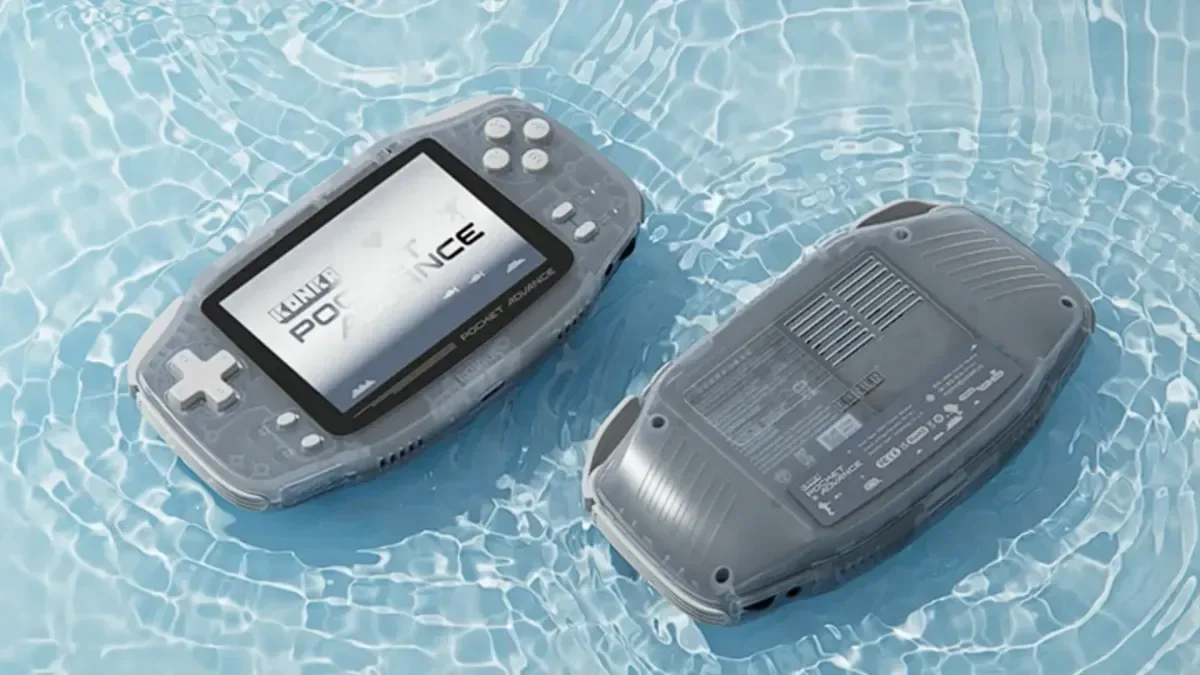
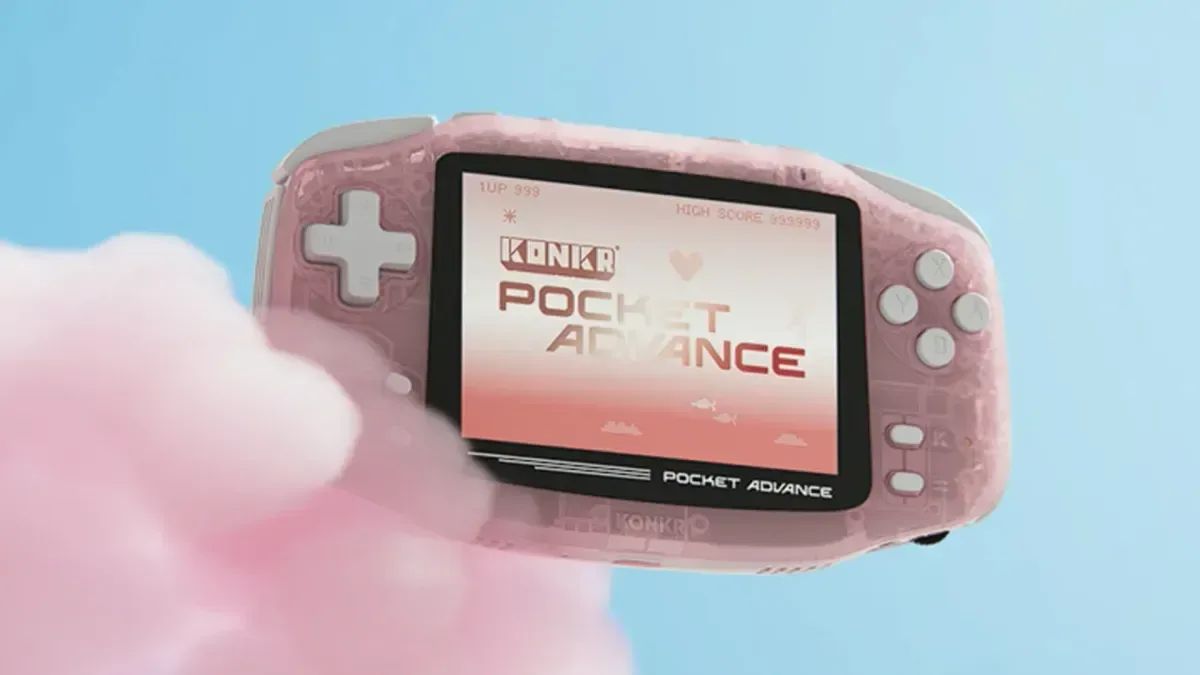
Shoppers comparing AYANEO’s current Black Friday handheld offerings may also want to note that the company has a separate limited run of an Ice Blue KONKR Pocket Advance, which starts at $109. They are distinct products, so a direct value judgment would require specifications and use-case details beyond those established here.
Buy with the right expectations
The strongest case for the Pocket Air Mini at $99 is not that every retro player needs it, but that its defining qualities are clear. It is a small Android handheld with a 4:3 screen, a stated focus on emulation from GBA and PS1 through Dreamcast, PSP and GameCube, and a price that has returned below $100 for a limited Black Friday window.
Potential buyers should separate confirmed facts from reasonable expectations. The confirmed facts are the $99 Black Friday price, limited stock, the 4.2-inch 4:3 display, the cited target platforms, and the existence of an AYANEO Space 2 beta with a GBA-oriented frontend focus. Comfort, battery life, performance in a particular game, and the usefulness of beta software will naturally vary by player and setup. Checking the official listing’s final checkout total and terms remains the sensible last step before purchasing.