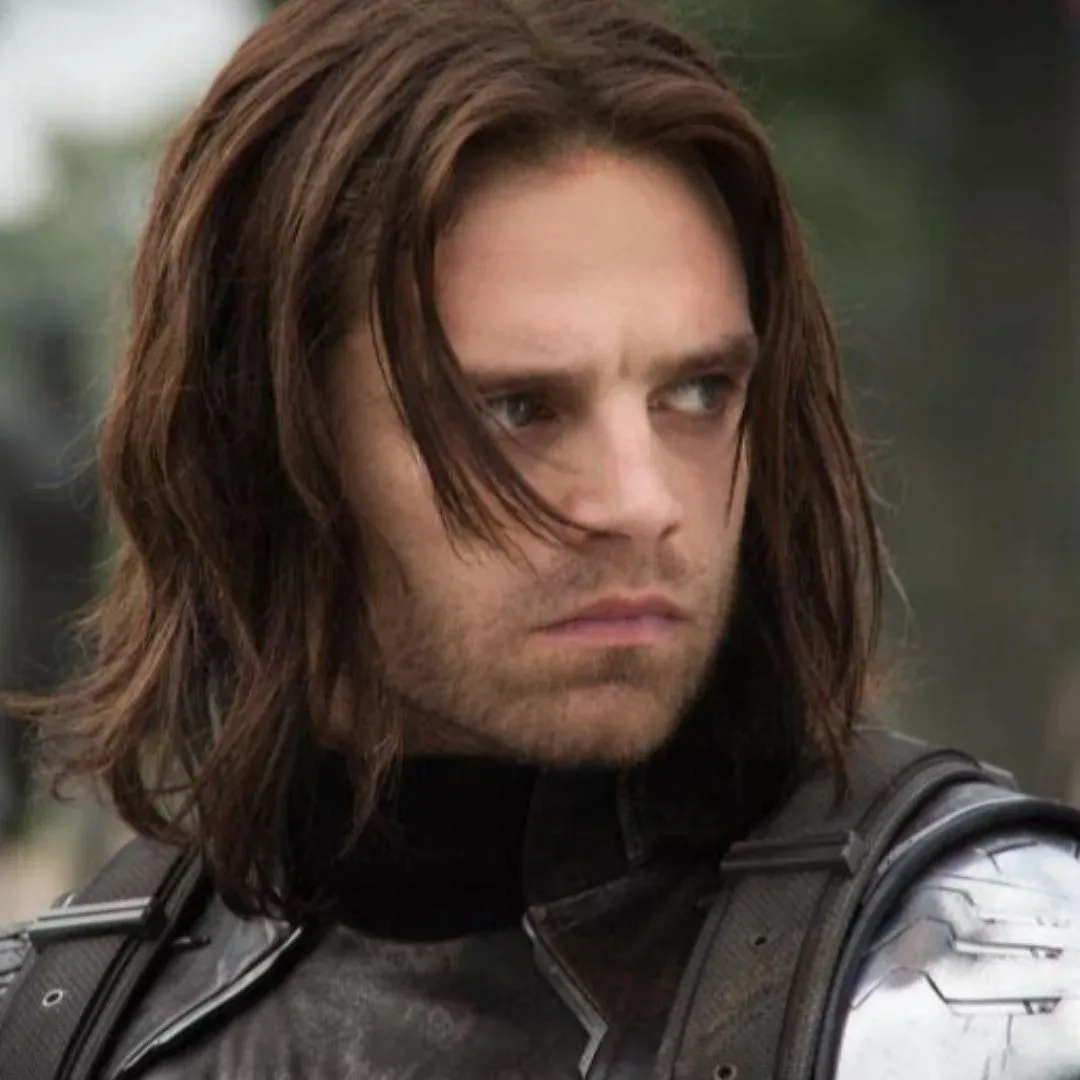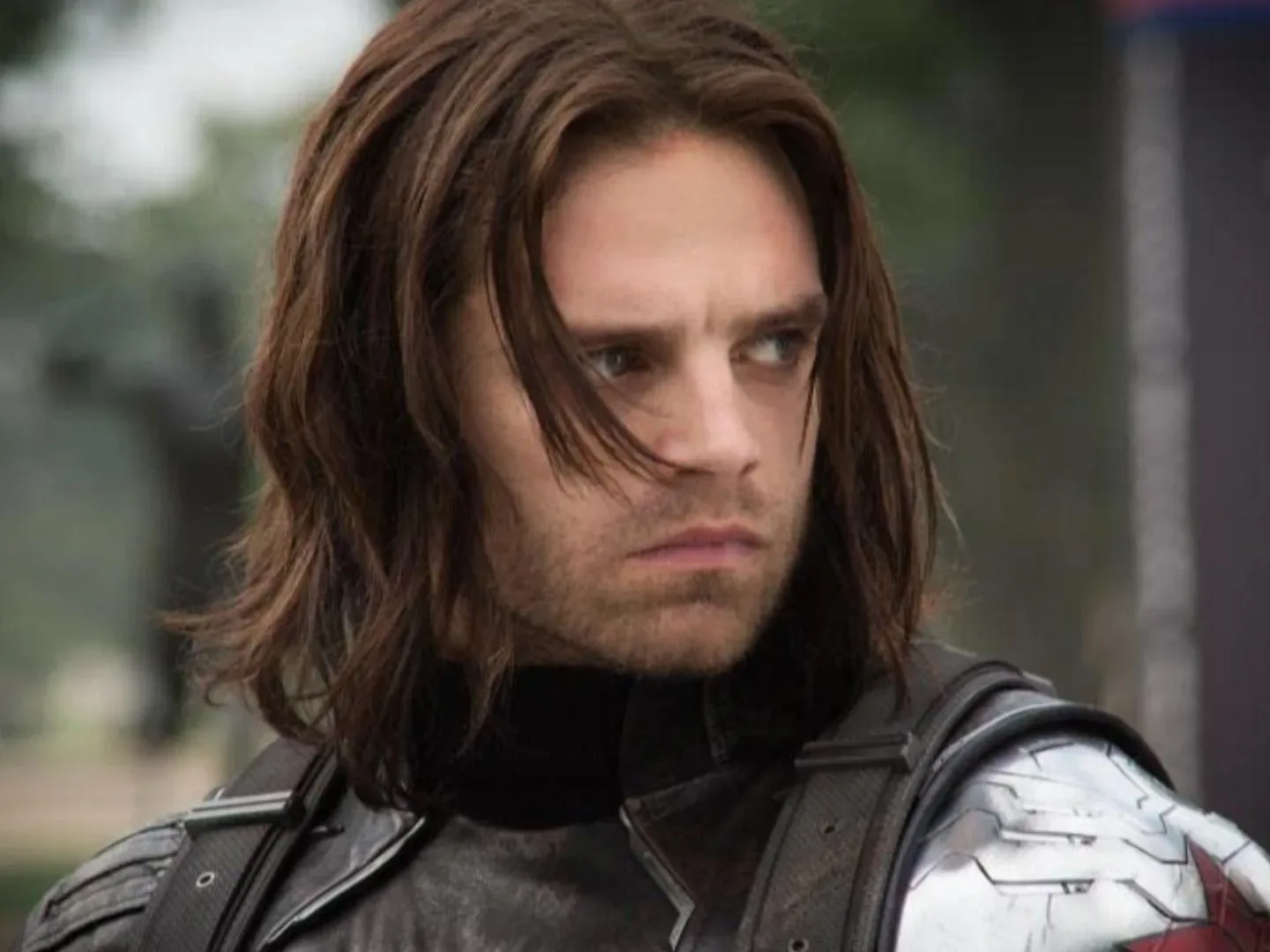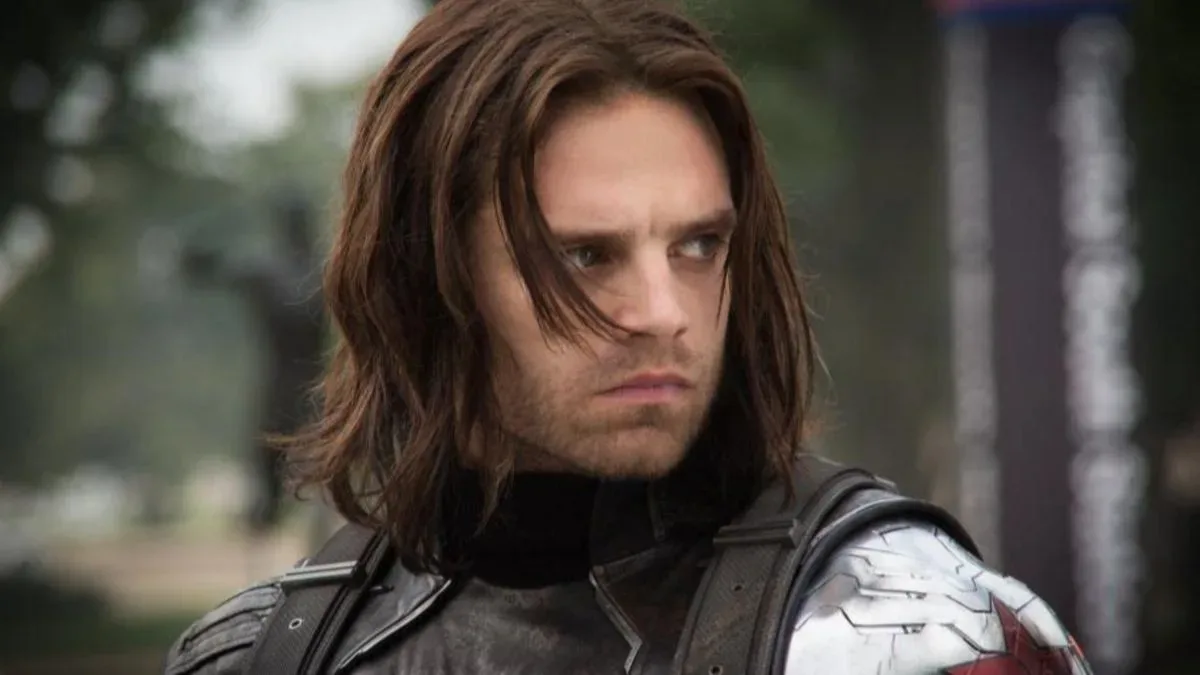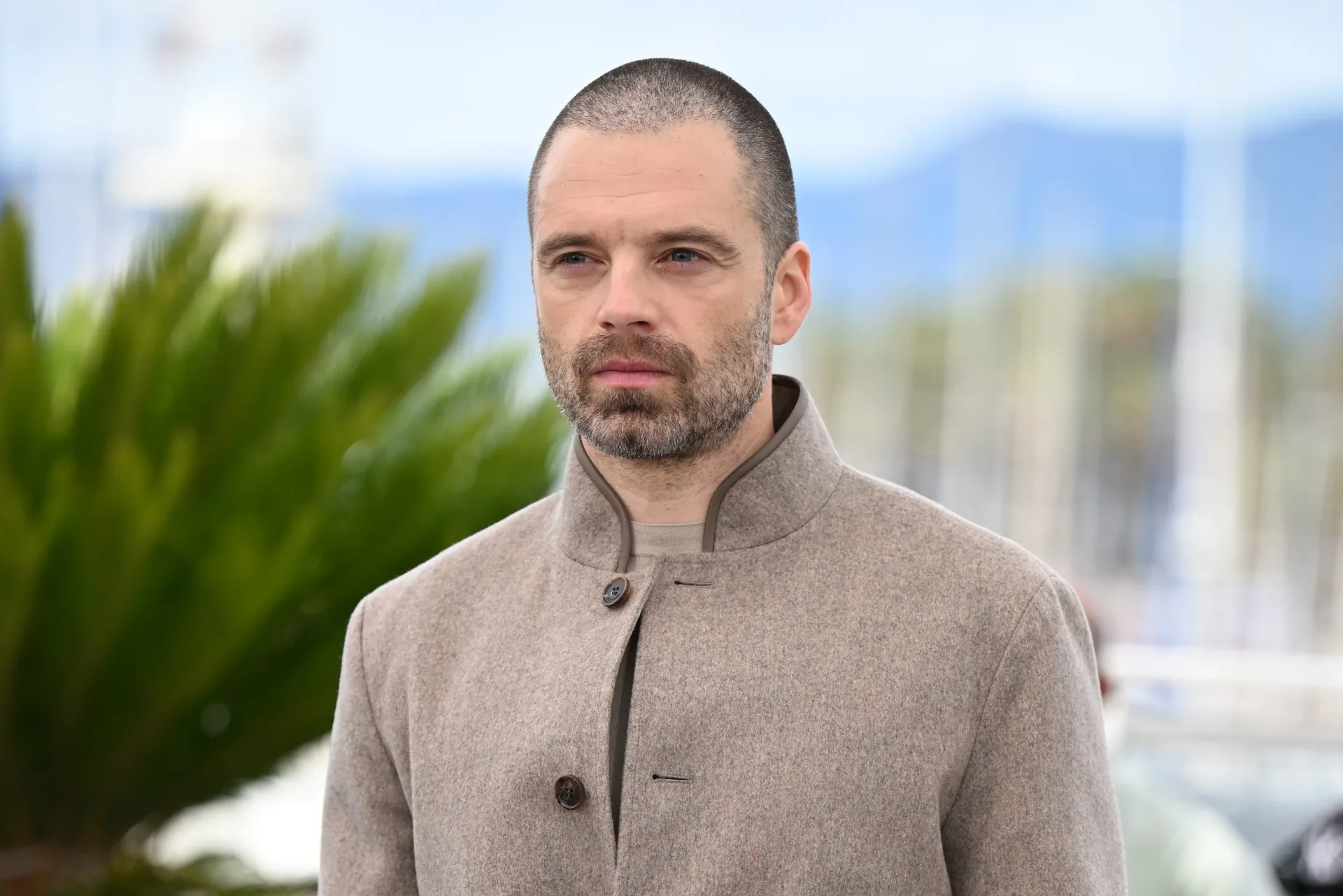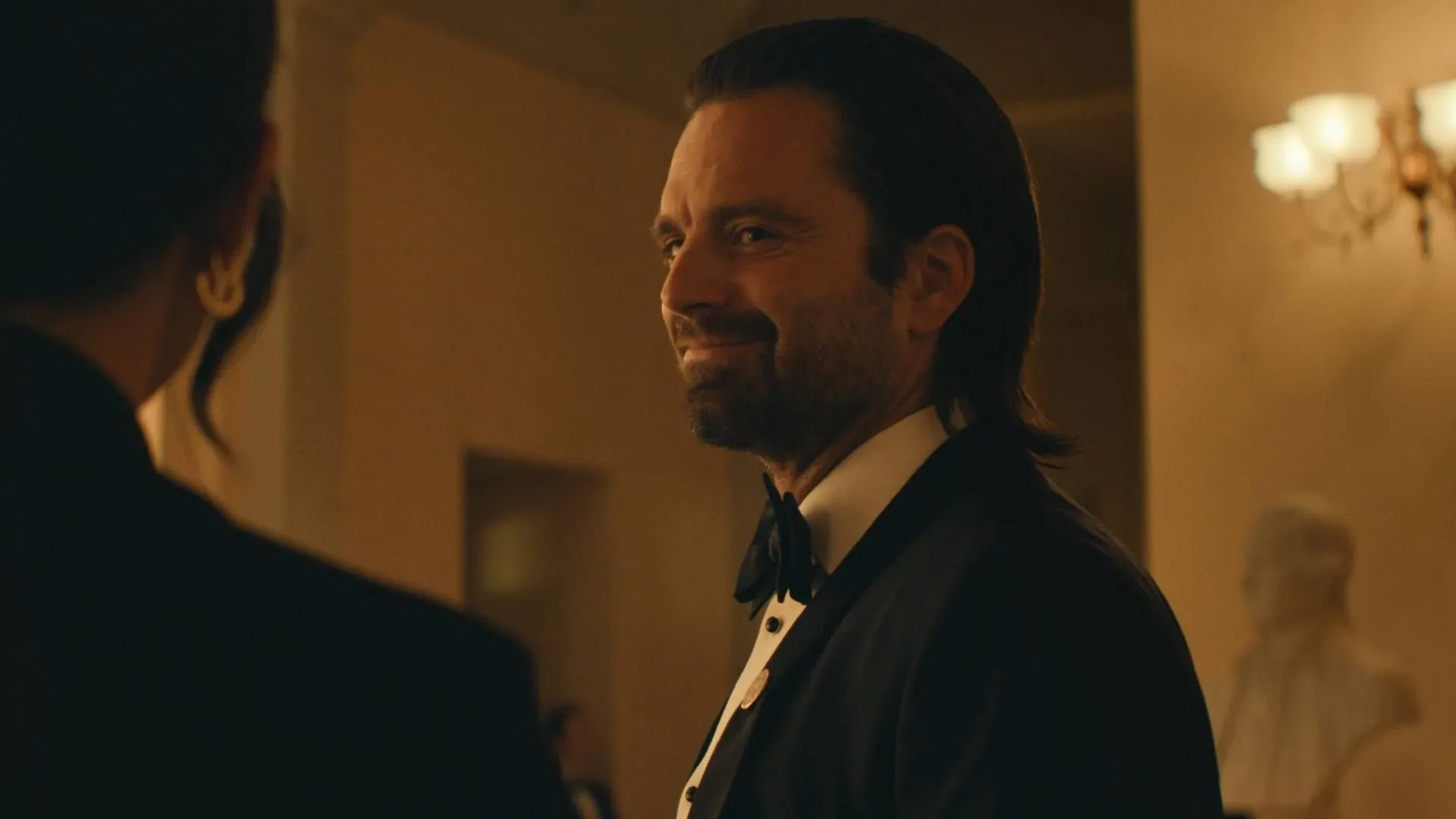
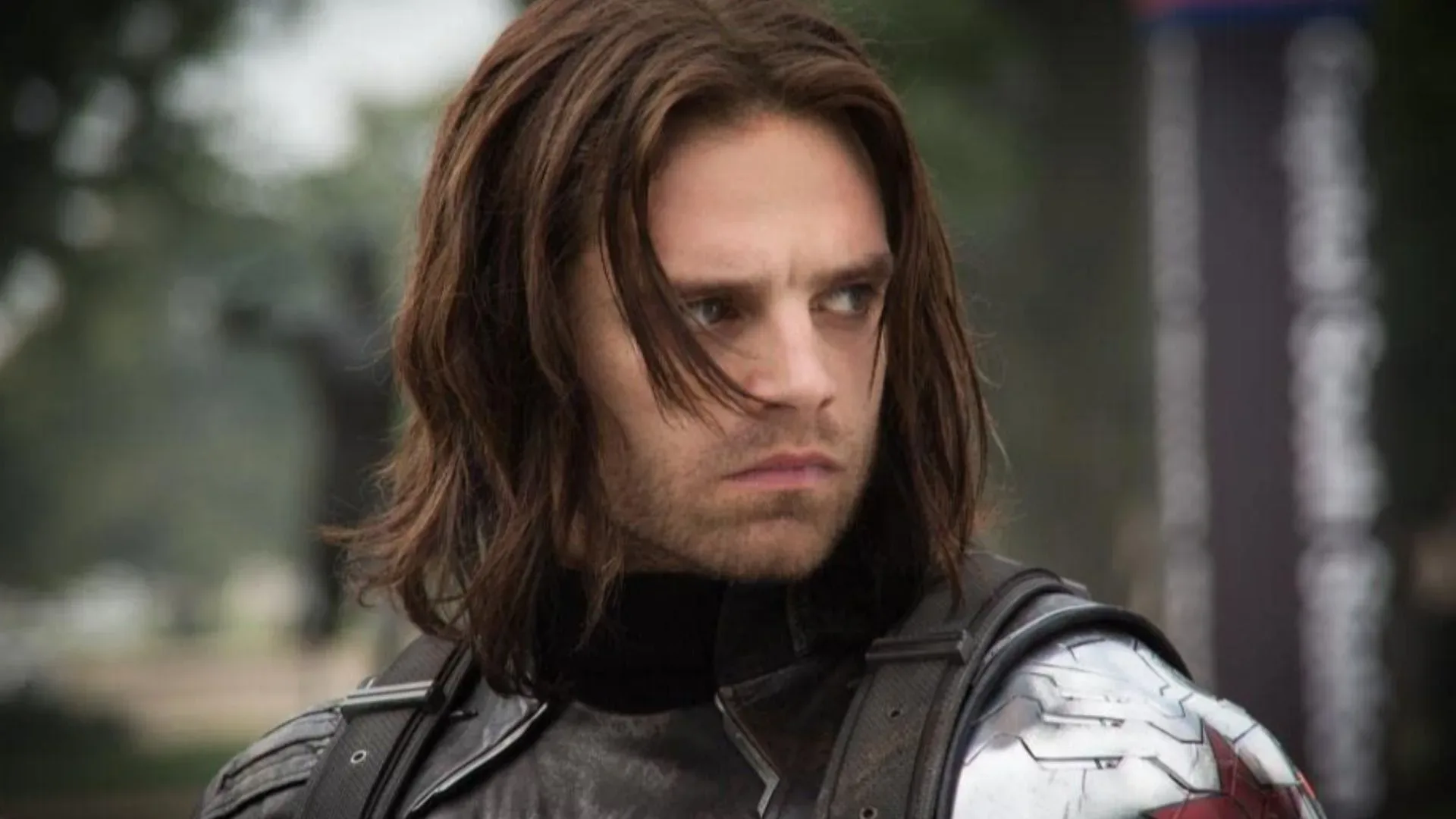
Sebastian Stan has added a notably reflective note to the growing conversation around Bucky Barnes and Avengers: Doomsday. The actor did not reveal plot details, confirm an exit, or say that Bucky dies. What he did say is that the character needs to move forward in a meaningful way — and that if such evolution does not happen, “maybe it’s time.”
That is enough to make Marvel fans stare anxiously at the nearest redacted script page.
Speaking on the Next Best Picture podcast, Stan said he remains willing to play Bucky. “I’m always happy to keep playing him,” he said, while stressing that a continuation is not ultimately his call. He described himself as open to taking the character in many directions, but acknowledged that the decision rests with the people steering the larger franchise.
His central point was not that Bucky’s story has no potential. In fact, Stan offered a very specific example of the kind of project he believes could still be made. But he also suggested that the present moment demands a choice: give Bucky Barnes a genuine new stage of development, or recognize that the character’s time may be nearing an end.
What Stan actually said — and what he did not
The most important distinction is the simplest one. Stan has not said Bucky Barnes is killed in Avengers: Doomsday. He has not announced that he is leaving Marvel, described a farewell scene, or disclosed anything about the film’s plot.
Instead, he said he can feel that Bucky “needs to either evolve somewhere, or maybe it’s time.” That wording is understandably being read as emotionally significant, particularly when paired with broader speculation about the character’s role after the next Avengers film. But it remains an actor’s candid assessment of what a satisfying creative path could require, not confirmation of a particular story outcome.
There is a meaningful difference between an actor saying a character needs a compelling next chapter and an actor confirming that the character will die. The first is an opinion about dramatic direction. The second would be a spoiler. Only the former is on the table here.
Stan also made clear that he still sees possibilities for Bucky. He said he is ready to continue playing the role and does not believe the character has fully received the kind of arc that exists in the comics or that he has wanted to explore on screen. In other words, his comments can be heard two ways: as a recognition that a long-running role may need closure, and as an argument that Bucky still has unmined material.
Related coverage includes Sebastian Stan Says Bucky Barnes Must Evolve or “Maybe It’s Time” Before Avengers: Doomsday.
A character at a crossroads
Bucky Barnes, also known as the Winter Soldier, is a character whose dramatic identity is closely tied to trauma, memory, responsibility, and recovery. The very basic conflict behind Stan’s remarks is that a character cannot remain frozen in the same cycle forever without risking repetition. If Bucky is always defined only by what was done to him or what he did while under Hydra’s control, then future appearances may struggle to find a new emotional center.
That does not mean the answer has to be death. “Evolution” can mean a changed role, a more self-directed story, a new mission, a different set of relationships, or a genre shift that puts familiar traits under fresh pressure. Stan’s own pitch points directly toward that last option.
He described an idea for a paranoid thriller with a Sicario-like mood. In his scenario, Bucky spots someone on the street and thinks the person may be a Hydra torturer from his past. His suspicion becomes an obsession: he follows the man, sees that he has a family, and is left wondering whether he has identified a genuine threat or is being consumed by his own fractured history. When Bucky confronts him, the man denies it.
It is only a proposed concept, not a reported Marvel project. Still, it explains why Stan’s comments should not be reduced to a funeral bell. He is plainly interested in a Bucky story that is smaller in scale, psychologically tense, and rooted in uncertainty. The concept would put the character’s past in the foreground without merely replaying it. The question would not only be whether the man is lying; it would also be whether Bucky can trust his own instincts after everything Hydra did to him.
What “paranoid thriller” means in this context
A paranoid thriller is a story driven by doubt: doubt about a threat, doubt about other people’s motives, and often doubt about the protagonist’s own perception. The tension comes from incomplete information rather than simply from a larger villain or a bigger action sequence.
For Bucky, that format would be a natural vehicle for examining lingering consequences of the Winter Soldier era. Stan’s pitch is built around ambiguity. A person from Bucky’s past may have reappeared, but the evidence is uncertain. Bucky’s response could be justified, misplaced, or some uneasy mixture of both. That ambiguity is exactly what distinguishes the idea from a standard superhero assignment where the danger is clearly identified from the start.
It also illustrates Stan’s broader argument: the character has routes still available if Marvel wants to pursue them. A continuation would need to be more than Bucky entering another team battle with his history mentioned in passing. It would need a premise that changes his dramatic position.
Why The Batman 2 has amplified the conversation
Fan speculation has also been fueled by Stan’s involvement in The Batman 2. A role in another major comic-book film naturally raises questions about how much room he might have for future Marvel commitments. But an actor joining another project is not, by itself, proof that a current franchise role is ending.
Schedules, contracts, production plans, and character outcomes are separate matters. Nothing in Stan’s remarks establishes that his work on The Batman 2 prevents more appearances as Bucky, nor does it establish the reverse. The link fans are drawing is understandable, but it is still speculation rather than a confirmed chain of events.
That uncertainty matters because large shared-universe franchises encourage viewers to treat every casting development as a clue. Sometimes it is a clue. Just as often, it is simply evidence that an actor has another job. In this case, Stan’s own words offer more substance than the scheduling theory: he wants a meaningful new direction for Bucky, while accepting that the final decision is not his.
The Black Widow connection Stan still sees
Stan also raised the Black Widow side of Bucky’s comics history as an area he has been interested in. He said he has been a fan of “the whole Black Widow of it all,” while making clear that it is not the only route for the character.
That detail reinforces the larger theme of his comments. Stan is not presenting Bucky as a character with one obligatory destination. He sees multiple possible paths, including material that draws on comic-book developments not yet fully explored on screen. Yet he is also realistic about the machinery of a giant franchise, noting that the decision-makers have plenty competing for their attention.
For viewers, the practical takeaway is that the mere existence of comic-book material does not guarantee adaptation. Comics can offer a character’s history, relationships, and possible future directions, but screen stories select from that material selectively. Stan’s interest signals enthusiasm, not a production commitment.
There is no shortage of Marvel conversation elsewhere in the broader fan space either, from screen futures to collectibles such as the debate around a leaked LEGO Jeff the Land Shark item. Bucky’s situation, however, is less about a new piece of merchandise or a casting breadcrumb than it is about what stories remain worth telling for a character who has been present for a long time.
Why Avengers: Doomsday is an especially potent setting for exit theories
Avengers films carry an automatic sense of consequence. They bring characters together for events framed as larger than any one hero’s individual storyline, which makes audiences alert to sacrifices, farewells, and major status-quo changes. With Avengers: Doomsday set to arrive on December 18, every reflective comment from a returning performer can be interpreted as a possible hint of who will or will not remain afterward.
But anticipation is not evidence. Stan’s comments support one firm conclusion: he believes Bucky should not simply stand still as a character. They do not support a firm conclusion about whether Bucky survives the film, appears beyond it, or receives the kind of standalone psychological thriller Stan described.
His most revealing observation may be that he thinks the character has not entirely lived out the arc he hoped to see. That can create pressure in either direction. It might invite a new chapter that finally lets Bucky define himself beyond his past. Or it might encourage a story designed to give him a sense of completion. Until the film arrives, both interpretations remain possible.
What to watch for in the months ahead
- Official character information: A confirmed cast listing or promotional material can establish presence, but it still may not reveal the size or fate of a role.
- Stan’s phrasing: His current comments are about creative possibilities and agency, not plot disclosure. Future remarks should be read with that same distinction in mind.
- The difference between a role and a storyline: Even if Bucky appears, that alone cannot tell viewers whether he is getting a major arc, a supporting role, a continuation, or closure.
- Unconfirmed reports: Treat theories built from outside casting, release timing, or fan assumptions as theories until the film itself or a direct official statement establishes more.
For now, the Winter Soldier’s future is unresolved. Stan sounds neither eager to shut the door nor content to repeat what has already been done. He has a pitch for a more intimate, unsettled Bucky Barnes story; he has interest in unexplored comic-book territory; and he has acknowledged that a character eventually has to change or make way for an ending.
That is fertile ground for speculation, but it is not a death confirmation. Avengers: Doomsday will supply the answer on December 18.