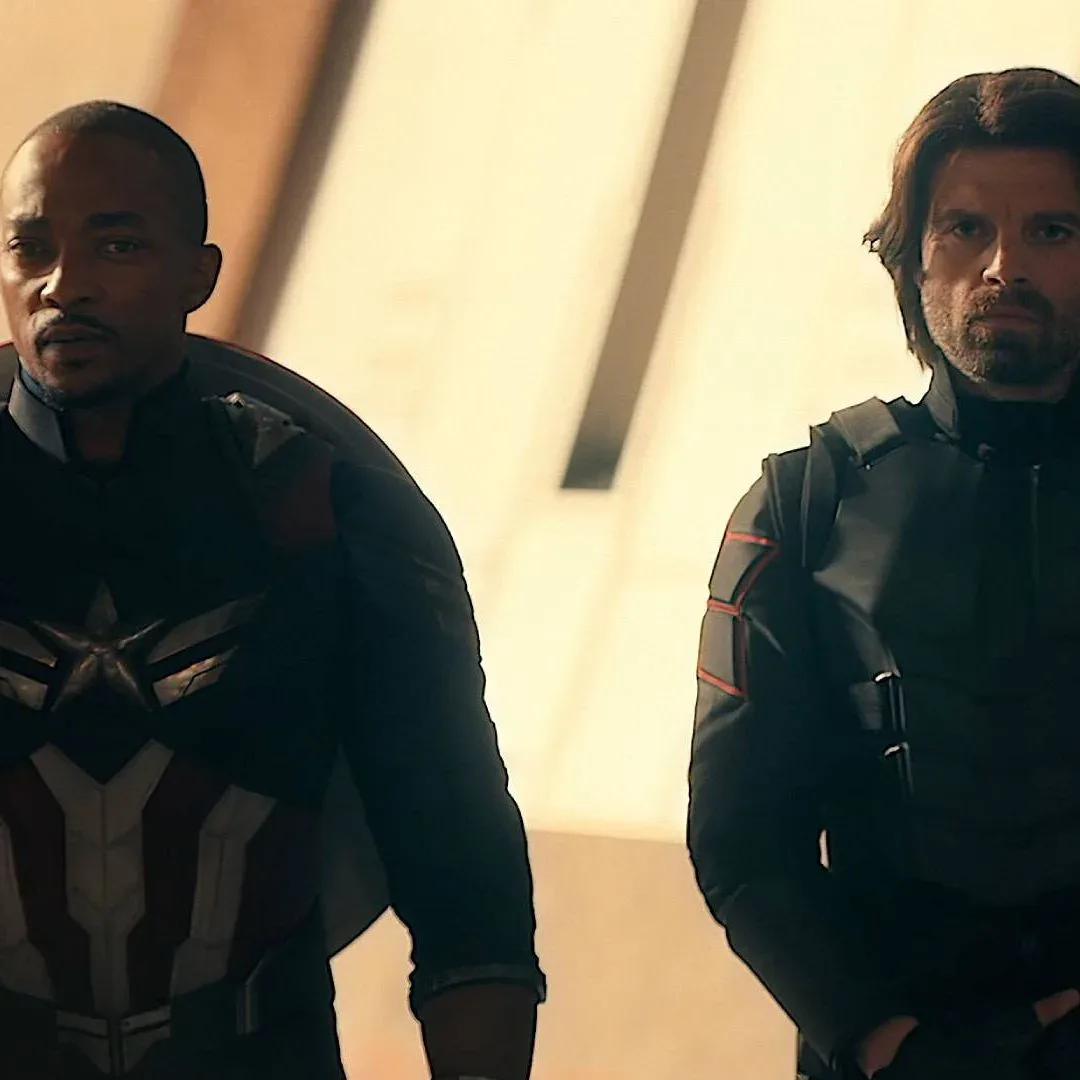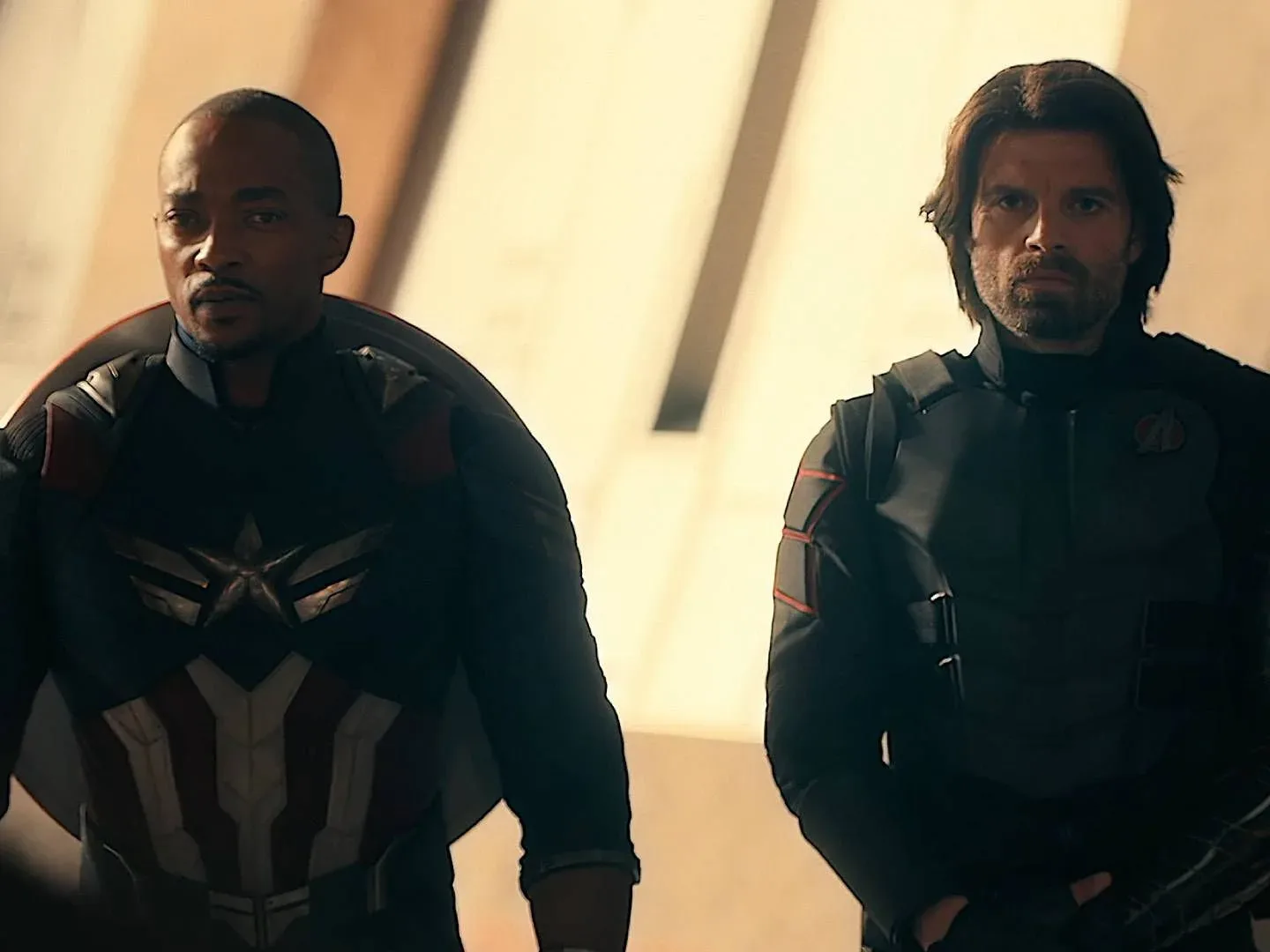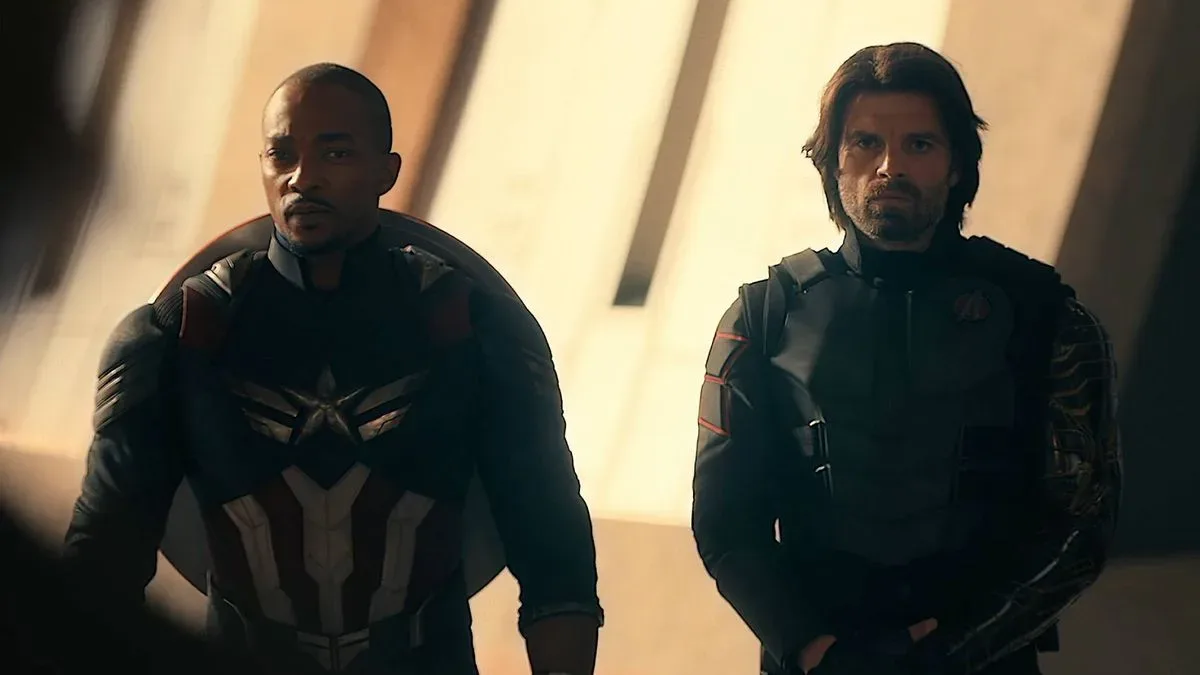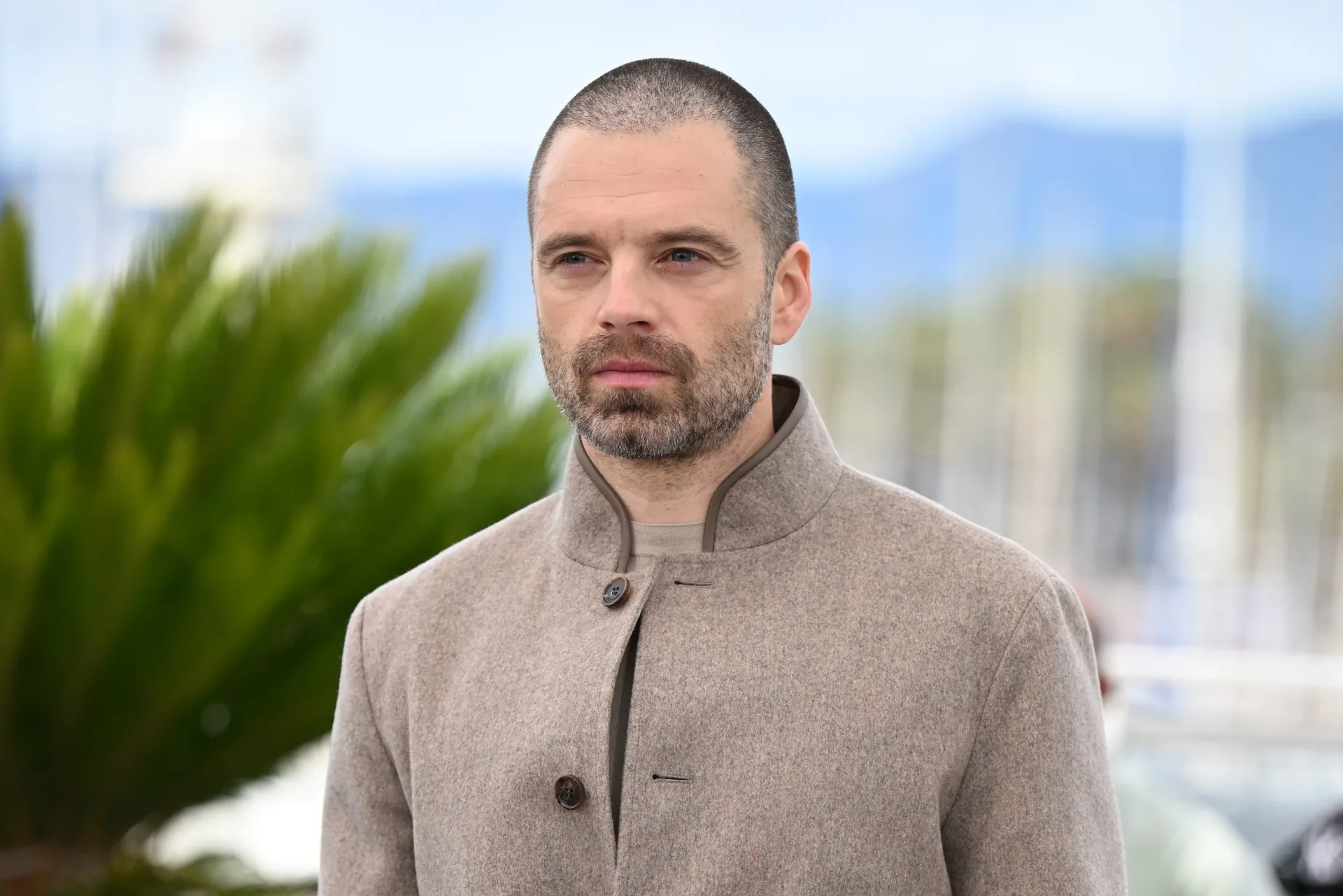
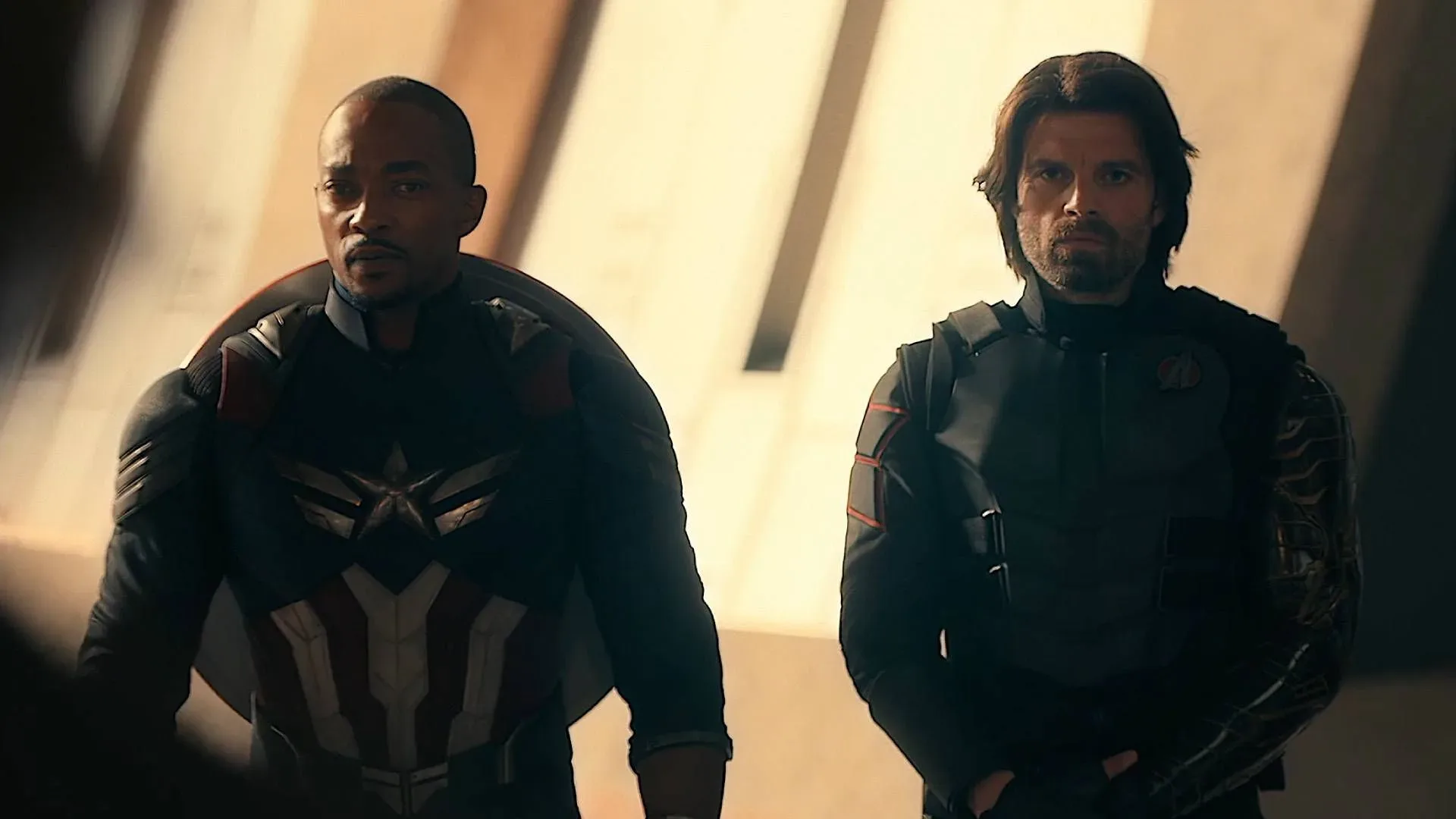
Avengers: Doomsday may bring Bucky Barnes, Sam Wilson and Steve Rogers back into the same enormous Marvel event, but it is not shaping up to be a simple reunion tour. Sebastian Stan has indicated that the characters are spread across the film’s story, even as Bucky does share scenes with Anthony Mackie’s Sam and Chris Evans’ returning Steve.
That distinction matters. Bucky and Sam were the paired leads of The Falcon and the Winter Soldier in 2021, a series built around putting two very different people in close quarters: one inherited the symbolic burden of Captain America, while the other was still learning how to live after years defined by the Winter Soldier identity. Doomsday, by contrast, is assembling teams from three universes to confront an existential threat. In a story constructed at that scale, a familiar trio can be emotionally important without being physically together for the whole mission.
“It’s not so simple as it used to be,” Stan said. “In Doomsday we’re all a little bit spread out, but there are scenes [with Evans and Mackie]. There’s a real heart to these characters, and when they’re together, they bring out different things in each other.”
A reunion, not necessarily another buddy adventure
Stan’s wording cools any assumption that Bucky and Sam will receive a direct continuation of their Disney+ dynamic. They will cross paths, but the film’s structure appears designed around separation and convergence rather than one stable central team. That is consistent with the official premise: courageous groups from three universes must unite to stop a catastrophic event, with their choices laying groundwork for the Multiverse’s future.
In straightforward terms, a multiverse story involves more than one universe—separate realities that can contain different versions, histories or groups of characters. The supplied setup says the threat requires teams from three such universes. That gives the movie a practical narrative reason to split major players into distinct assignments before drawing them toward a shared conflict.
Some of that division is already visible in footage described for the film. Members of the Thunderbolts are headed to the Fox-era X-Men timeline, while Wakandan characters are paired with the Fantastic Four. Those combinations suggest that the movie’s fun may come partly from unfamiliar alliances, not solely from restoring the lineups audiences already know.
For Bucky, Sam and Steve, then, the question is not merely whether they meet. It is what each person represents when they do. Steve’s return adds a major complication to a relationship that had already changed considerably by the end of the Disney+ series. Sam is no longer simply Steve’s ally; he has taken on Captain America’s mantle. Bucky is no longer the isolated, compromised operative audiences first knew, either.
Bucky’s new role brings friction with him
Stan describes Bucky as a “pretty straight-edged New Avenger and former-congressman,” an evolution with obvious implications for how he operates inside a team. The actor called Bucky “the senior guy” and said that he is trying to lead in his own way, but is “not a very good team player.”
That is a concise character problem, and potentially a useful one amid a cast this crowded. Leadership is not the same thing as rank or experience. A person can have the history, instincts and moral urgency to take charge while still struggling with collaboration. Bucky’s long and painful past makes that tension particularly credible: he has spent much of his story controlled by others, then attempting to reclaim his agency. Trying too hard to steer the mission could be an understandable overcorrection, even if it creates conflict.
Sam provides a natural counterpoint. Their prior partnership established a rapport built on disagreement as much as trust. Steve, meanwhile, changes the emotional equation simply by being present. Stan’s observation that the three “bring out different things in each other” points toward character interplay rather than a promise of a particular plot outcome. It should not be mistaken for confirmation of who leads whom, how long they share the screen, or where their scenes occur. But it does indicate that their connection remains meaningful within a much broader ensemble.
The possibility of Bucky attempting leadership also makes the word “reunion” more interesting than nostalgic. A meeting between these characters need not affirm that everything has returned to normal. It can instead underline how far each has moved from the earlier Avengers era—and how difficult it is to decide what the group should be now.
Why the scale of Doomsday changes the calculation
The announced ensemble is unusually wide even by Avengers standards. Alongside Stan, Mackie and Evans, the film includes the Fantastic Four, Wakandans, Ant-Man, Thor, the original Fox-era X-Men and more. The super-soldier corner alone is crowded, with Thunderbolts characters Alexei and John Walker also in the mix. Co-director Anthony Russo has additionally said that he and Joe Russo have not revealed the complete cast.
That density makes focused character scenes more valuable, not less. A crossover movie can place many heroes in the same frame, but a memorable encounter generally needs a specific emotional question underneath it. Bucky, Sam and Steve have one ready-made: what does their bond look like after the respective changes in their lives and identities? The supplied details do not reveal the answer, and they should not be stretched into a prediction. Still, Stan’s comments make clear that the film intends to make room for the question.
There is also a useful distinction between a shared universe and an ensemble storyline. A shared universe means characters and events occupy connected continuity. An ensemble storyline determines how those characters actually function within one film. Doomsday is working with an enormous shared continuity, but its ensemble arrangement appears to require different squads operating in different places or timelines. Familiar heroes may be part of the same overall event while spending substantial stretches apart.
That approach can keep a massive cast from flattening into a parade of entrances. By assigning teams separate problems, the film has room to create contrasts between personalities, abilities and histories. The trade-off is that viewers hoping for extended time with a particular pairing may need to adjust expectations. Stan’s comments are a fair warning: Bucky and Sam will interact, but the film is not presenting itself as another two-hander.
Steve’s return changes the emotional stakes
Evans’ Steve Rogers is part of the stated cast, which inevitably makes any scene with Bucky and Sam more charged than a routine Avengers strategy meeting. Steve is central to Bucky’s survival and recovery, while Sam’s relationship with Steve led directly to Sam becoming Captain America. Their individual links to Steve are different, and so are their responsibilities in the world that followed.
That does not automatically mean conflict. Stan’s emphasis was on heart, not animosity. But heart in a crossover of this kind can come from recognition: the awareness that people who once occupied clear roles in each other’s lives now bring new authority, uncertainty and baggage into the room. The characters have continuity; the circumstances do not.
This also keeps the focus where it belongs: on the characters rather than on treating casting as a scoreboard. The film has enough major names and teams to invite constant speculation about who will meet whom. Yet the confirmed detail here is more measured. Bucky, Sam and Steve have scenes together. They are also spread out. Bucky is attempting to lead, imperfectly. Everything beyond that remains for the film to establish.
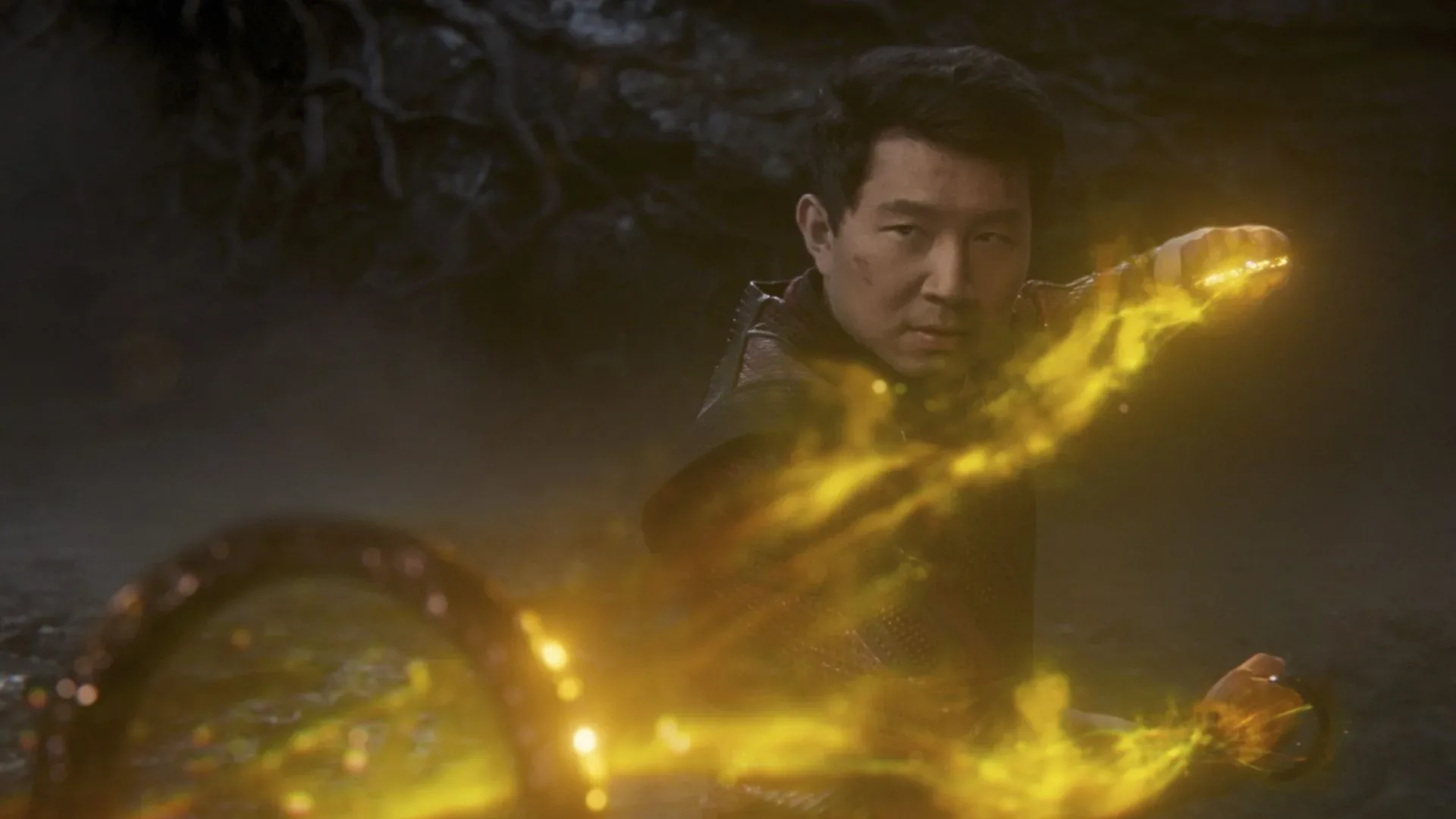
Marvel fans looking for more adjacent MCU discussion can also read our look at the Shang-Chi podcast tease and its self-aware MCU joke.
What has been confirmed—and what has not
- Confirmed: Stan says Bucky will have scenes with Mackie’s Sam Wilson and Evans’ Steve Rogers.
- Confirmed: The characters are not together throughout the film; Stan says the heroes are spread out.
- Confirmed: The official setup involves teams from three universes facing an existential threat.
- Confirmed: The Thunderbolts travel to the Fox timeline to battle the X-Men, while Wakandans join the Fantastic Four.
- Confirmed: Bucky is now characterized as a New Avenger and former congressman who is trying to lead, despite not being an ideal team player.
- Not confirmed here: the size of the trio’s role, the plot of their scenes, or the full cast.
Avengers: Doomsday is set to reach cinemas on December 18, with a December 16 release in the UK. Stan’s update does not promise the exact Bucky-and-Sam reunion some viewers may have expected after their series. It does, however, promise something potentially more suited to the moment: a smaller, emotionally grounded connection inside a story where the universe—plural—is too large for anyone to stay in one place.