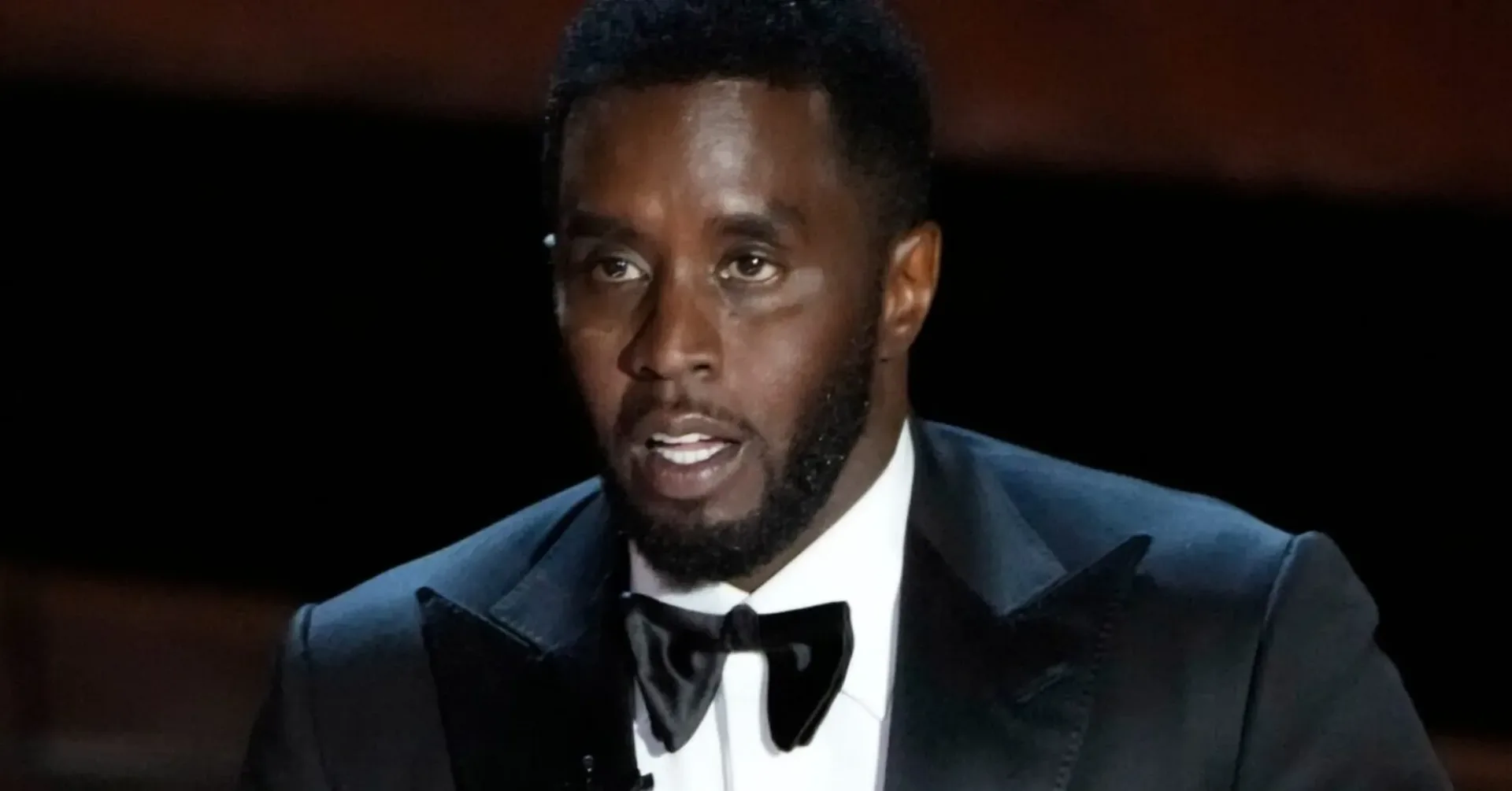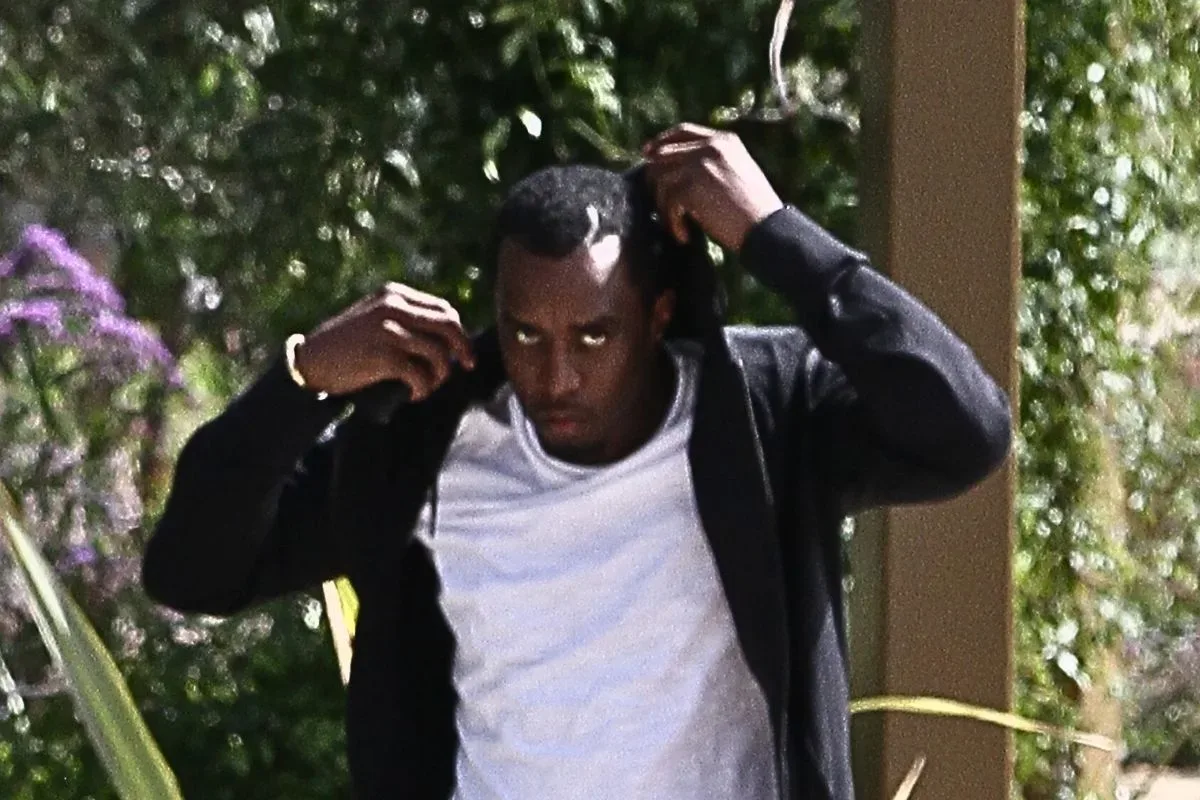
Sean Combs has been ordered to pay $477,700.50 in attorneys’ fees to the companies he sued over Diddy: The Making of a Bad Boy, the documentary released through Peacock.
Judge Phaedra F. Perry-Bond issued the fee order on October 6 after previously dismissing Combs’ claims against NBCUniversal, Peacock TV and Ample. Combs had sought at least $100 million when he filed suit in February 2025, alleging that the film profited from false and damaging claims involving murder, sexual conduct with minors, purported tapes and other allegations surrounding him.
The defendants had requested $990,292 in fees. The court did not adopt that full amount. Instead, the judge retained the legal billing rates but reduced portions of the hours submitted, arriving at the $477,700.50 total.
What the ruling means
The order is a consequence of New York’s anti-SLAPP law. “SLAPP” is shorthand for a strategic lawsuit against public participation: litigation that can be used to burden speech about matters of public concern. The law provides a route for defendants to recover reasonable legal fees when qualifying claims are dismissed.
For more context, explore Scott Snyder Says Absolute Batman Is Built to Break the Lone-Wolf Myth.
That does not mean every unsuccessful defamation case automatically triggers a fee award, nor does it resolve every factual claim discussed in the documentary. In this case, however, the court had already thrown out Combs’ claims against the documentary’s makers and distributor. The later dispute centered on how much of the defendants’ legal spending was reasonable to recoup.
The split between the nearly $1 million request and the final award is significant. The judge found that some billed time should be cut, while leaving the attorneys’ underlying rates intact. Put plainly, the court accepted that the defendants were entitled to substantial fee recovery but scrutinized the scale of the work claimed.
Why the documentary claims were dismissed
Combs’ lawsuit argued that the film presented false accusations as though they were true. The challenged material included claims tied to the deaths of Kim Porter and Christopher Wallace, known as the Notorious B.I.G., as well as assertions involving Heavy D, Andre Harrell and Al B. Sure. The suit also objected to the documentary’s discussion of alleged sex tapes and the reliability of some interview subjects.
After Combs amended his complaint, his legal team argued that the documentary was rushed into completion and lacked adequate fact-checking. The court nevertheless dismissed all claims against NBCUniversal, Peacock and Ample in April.
Central to that dismissal was the court’s view that the documentary did more than ask the audience to accept interviewees’ statements without question. The film included material that allowed viewers to evaluate what they were hearing, including medical records relating to deaths, denials by Combs and his legal representatives, and information bearing on certain guests’ possible biases.
That distinction matters in defamation disputes involving documentaries, interviews and public controversies. A program can report that people made serious allegations without necessarily adopting every allegation as an established fact. Context—such as competing denials, documentary evidence and disclosures about a speaker’s perspective—can affect how a court assesses whether a reasonable viewer would treat a statement as fact, opinion, accusation or disputed account.
The prior ruling also referenced reputational damage associated with Combs’ own conduct before the film. The court pointed to his abuse of Cassie in considering the broader reputational context.
A costly reversal from the original demand
Combs initially sought nine figures in damages. The present fee award is not a finding that the documentary’s every guest or every assertion was correct. Nor is it a $100 million recovery for the defendants. It is a court-approved reimbursement of part of the legal cost incurred while defeating the suit.
Still, the reversal is stark. The case went from a demand of $100 million or more to a requirement that Combs pay nearly half a million dollars to opposing parties. It is also an example of the financial risk built into anti-SLAPP statutes: a plaintiff who brings a weak claim over speech on an issue of public concern may face not only dismissal but the other side’s reasonable litigation costs.
For media companies, the decision reinforces the importance of documentary framing. The court’s rationale focused on the work’s inclusion of denials, records and relevant context, rather than treating it as a simple endorsement of its contributors’ accounts. For public figures considering similar litigation, it underscores that a complaint must contend with the full presentation of the allegedly defamatory material, not merely isolate provocative statements.
Separate prison-related allegations remain unverified
The fee order arrives amid separate reporting about Combs’ incarceration at Fort Dix. Four men housed in his unit reportedly alleged that he spent thousands of dollars each month on other inmates who cooked meals, cleaned his living space, washed clothes and provided massages. The accounts also included allegations of access to a prohibited phone, costly liquor and a modified tablet used for entertainment.
Those are allegations attributed to people in the unit, not findings made by a court in the documentary case. Prison officials declined to discuss Combs’ individual circumstances but stated that inmates are not permitted to access cellphones. Combs’ crisis adviser, Juda Engelmayer, questioned the circumstances surrounding leaks and video footage said to depict Combs inside the facility.
It was also reported that prison staff placed Combs in solitary confinement while examining the allegations. No outcome from that reported review is established here.
Criminal case and other civil litigation
Combs was convicted in July 2025 and received a 50-month sentence for transporting people across state lines for paid sex. The jury acquitted him of racketeering and sex-trafficking charges. Those different verdicts should not be collapsed into one another: an acquittal on particular counts is not a conviction, while the transportation convictions remain the basis for his sentence.
He is also pursuing a separate $100 million dispute involving Nexstar, NewsNation, attorney Ariel Mitchell and Courtney Burgess. Burgess had made claims concerning purported tapes connected to Combs and minors. In that matter, Judge John Cronan permitted one claim against Nexstar to continue concerning Mitchell’s statement that Combs drugged someone with baby oil.
Allowing a claim to proceed is not a judgment that the statement was false or that the broadcaster is liable. It means that particular claim cleared an early procedural hurdle and may continue through litigation. Burgess did not respond in the case, and a clerk entered a default against him; that development does not itself award Combs the $100 million he requested.
Fee disagreements have also emerged between Combs and lawyers involved in his civil cases. Sher Tremonte sought to withdraw from the Nexstar matter in September, citing nonpayment and a lack of cooperation. Michael Tremonte said the firm had gone more than six months without payment and had been unable to secure direct communications for four months. Combs disputed the characterization, saying he changed counsel because he was billed for work he had not agreed to pay for. The firm also sought to withdraw from a case involving producer Lil Rod and requested permission to retain files until payment.
The $477,700.50 order is therefore one part of a wider legal picture, but its significance is unusually clear: Combs’ documentary lawsuit was dismissed, the defendants successfully sought fee shifting under New York law, and the court substantially reduced—rather than fully granted—their requested legal bill.