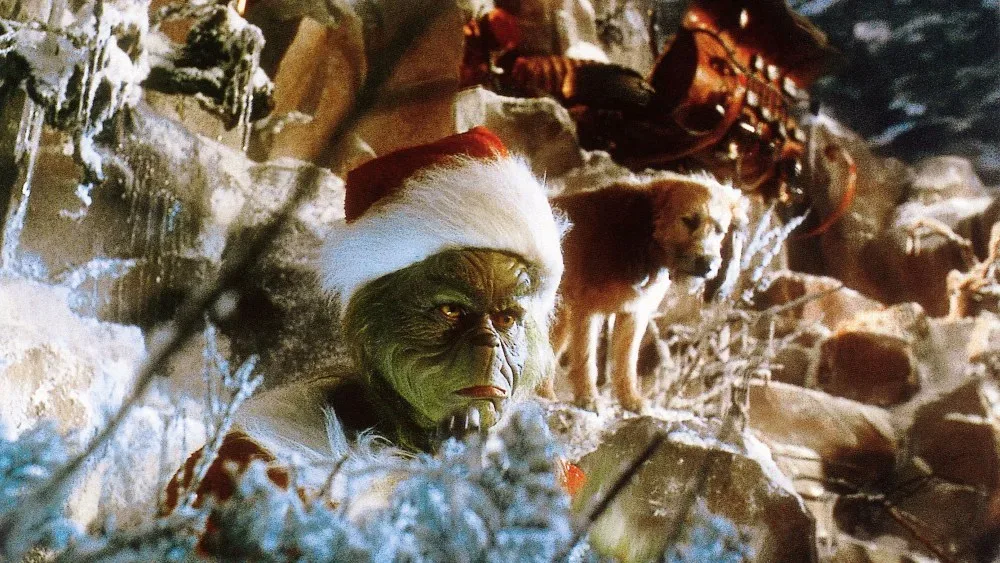
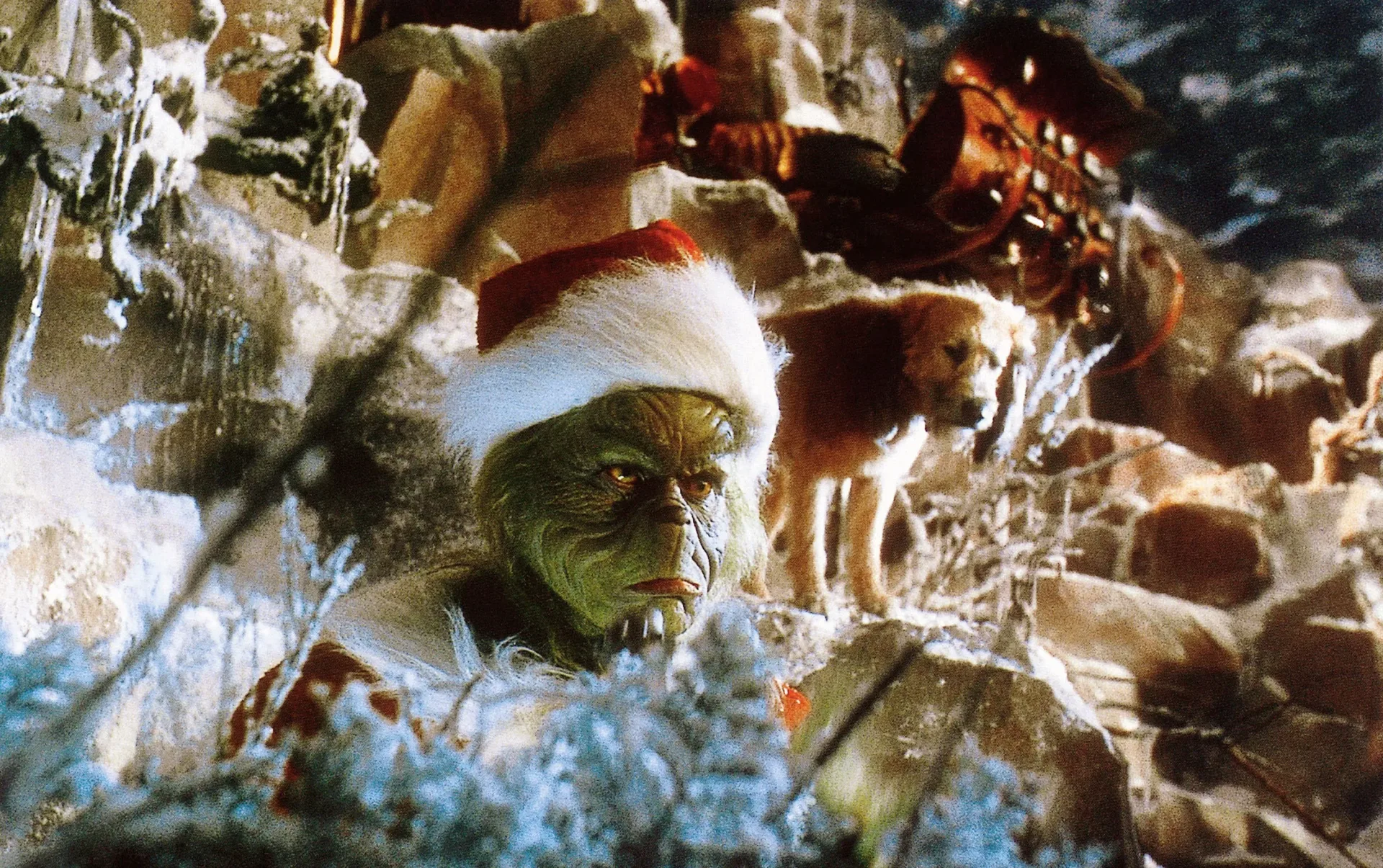
A return trip to Whoville is still far from locked in. Ron Howard has clarified that a potential sequel to How the Grinch Stole Christmas has an idea and writers attached, but does not yet have a completed script—and that distinction matters.
Howard says he and Jim Carrey are aligned on the central condition for continuing: the material must be good enough to justify revisiting a film that has become a recurring holiday favorite for many viewers. In practical terms, there is no confirmed production simply because a sequel has been discussed. The project remains at the development stage.
“Jim and I aren’t gonna go forward unless we think we have a great script, and we don’t even have a script right now,” Howard said.
That is both a cautious update and a meaningful one. Howard described an idea he finds exciting and said it fits the Dr. Seuss mix of comedy and fantasy. But an idea is not a screenplay, and a screenplay is not a greenlit movie. The filmmakers’ position is that the next steps depend on whether that concept can become a script they believe meets the standard set by the original.
What is actually in place for the Grinch follow-up?
The clearest confirmed pieces are modest: writers are involved, there is a premise Howard supports, and both Howard and Carrey see enough potential in the idea to keep considering it. What is not in place is equally important: a script, a promise that filming will happen, or a firm timetable.
Film development is the stage in which a concept is shaped into a screenplay and the creative team determines whether it is worth moving forward. It can be a productive stage, but it is also where many prospective movies stop. Howard’s comments do not present a sequel as inevitable; they present it as a possibility being approached carefully.
The director said he and Carrey are proud of the 2000 film and recognize the unusual durability it has found as a seasonal tradition. That legacy appears to be the reason for the restraint. Rather than treating familiarity with the character as enough on its own, their stated test is whether a new story can earn its place beside the first movie.
Why Jim Carrey’s involvement is especially consequential
Carrey played the Grinch in the 2000 live-action film, which earned more than $350 million at the box office. The supplied update indicates that he would reprise the role if the sequel moves ahead. But the character is not simply a matter of putting an actor back in a familiar costume.
Related coverage includes Ron Howard Says ‘Grinch’ Sequel Still Needs a Great Script.
Carrey has spoken publicly over time about the difficult physical experience of becoming the green, furry character. Howard previously recalled that the effects makeup caused Carrey considerable distress early in filming, including panic attacks. Howard described seeing the actor lying on the floor between setups with a brown paper bag, and said Carrey was miserable enough that he was prepared to give back his $20 million salary.
That background makes the demand for a truly strong script more than a typical sequel talking point. The performance involved a taxing transformation process, so any return would require a creative reason compelling enough to offset the personal difficulty associated with the original production. Nothing in the current update says how the effects process would be handled for a new film, and it would be speculation to assume that it would be the same or different.
What can be said is that Carrey’s participation cannot be separated from that history. A successful screenplay would have to serve the character, the world and the actor who would be asked to inhabit the role again.
“Evergreen” is a high bar, not a release plan
Howard called the original an “evergreen,” using the term to describe entertainment that remains appealing and relevant over a long period rather than fading after its initial release. In this case, that status is tied to the film’s place in household holiday viewing routines.
For a sequel, that creates a difficult balancing act. It would need the broad comedy and fantasy Howard associates with Dr. Seuss while also giving audiences a reason to return to Whoville beyond recognition alone. The filmmakers have not disclosed the premise, characters, plot or setting of the proposed continuation, so there is no basis yet for predictions about the story’s direction.
The stated emphasis on Seuss’s blend of fantasy and comedy does at least identify the creative lane Howard believes a new movie should occupy. That phrasing suggests the project is not being framed as a radical reinvention. Instead, the apparent goal is to find a fresh idea that remains compatible with the tone people associate with the Grinch’s world.
What viewers should take from Howard’s update
For now, the most accurate status is simple: a live-action Grinch sequel is being developed cautiously, not scheduled as a certainty. There is interest from Howard and Carrey, there are writers and an idea, but there is no script yet. Until that changes, details such as a release date, production start, cast list or storyline should not be treated as established.
That measured approach may be frustrating for viewers hoping to see Carrey’s Grinch again, but it also reflects the pair’s attachment to the first film. Howard said they believe in the premise and hope they can revisit that world, while making clear that they will only do so if they think the movie has a chance to be great.
In the meantime, the original’s continuing holiday footprint remains the relevant context. As streaming platforms continue to consolidate how audiences find seasonal films—such as the planned Disney+ and Hulu app merger—the pull of established family-viewing traditions is easy to understand. Still, audience nostalgia does not substitute for the screenplay Howard and Carrey say they need.
Whoville may be waiting, but Howard’s message is clear: no one should count the sequel as finished, filmed or guaranteed. The next meaningful milestone would be a script that convinces both the director and his Grinch that there is another story worth telling.