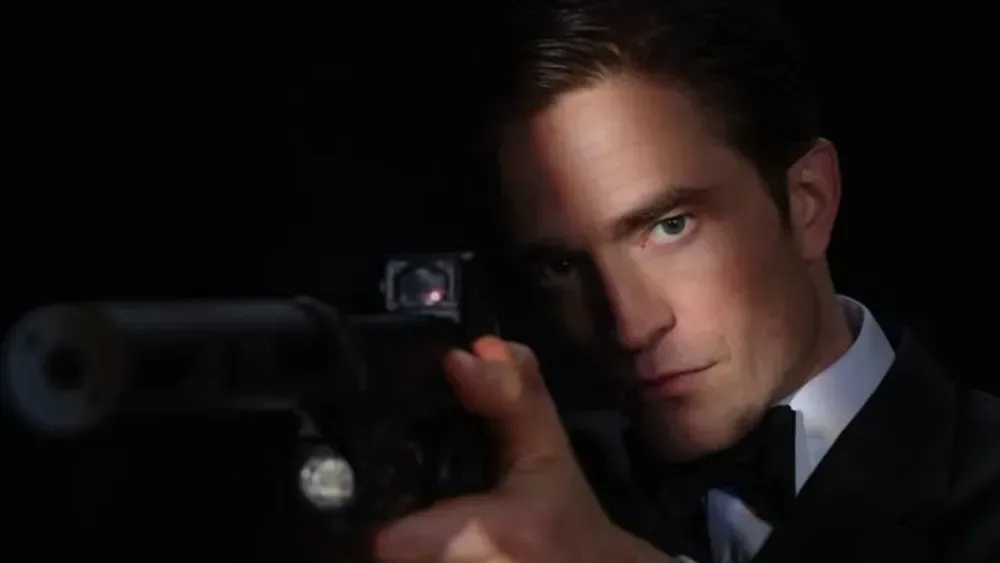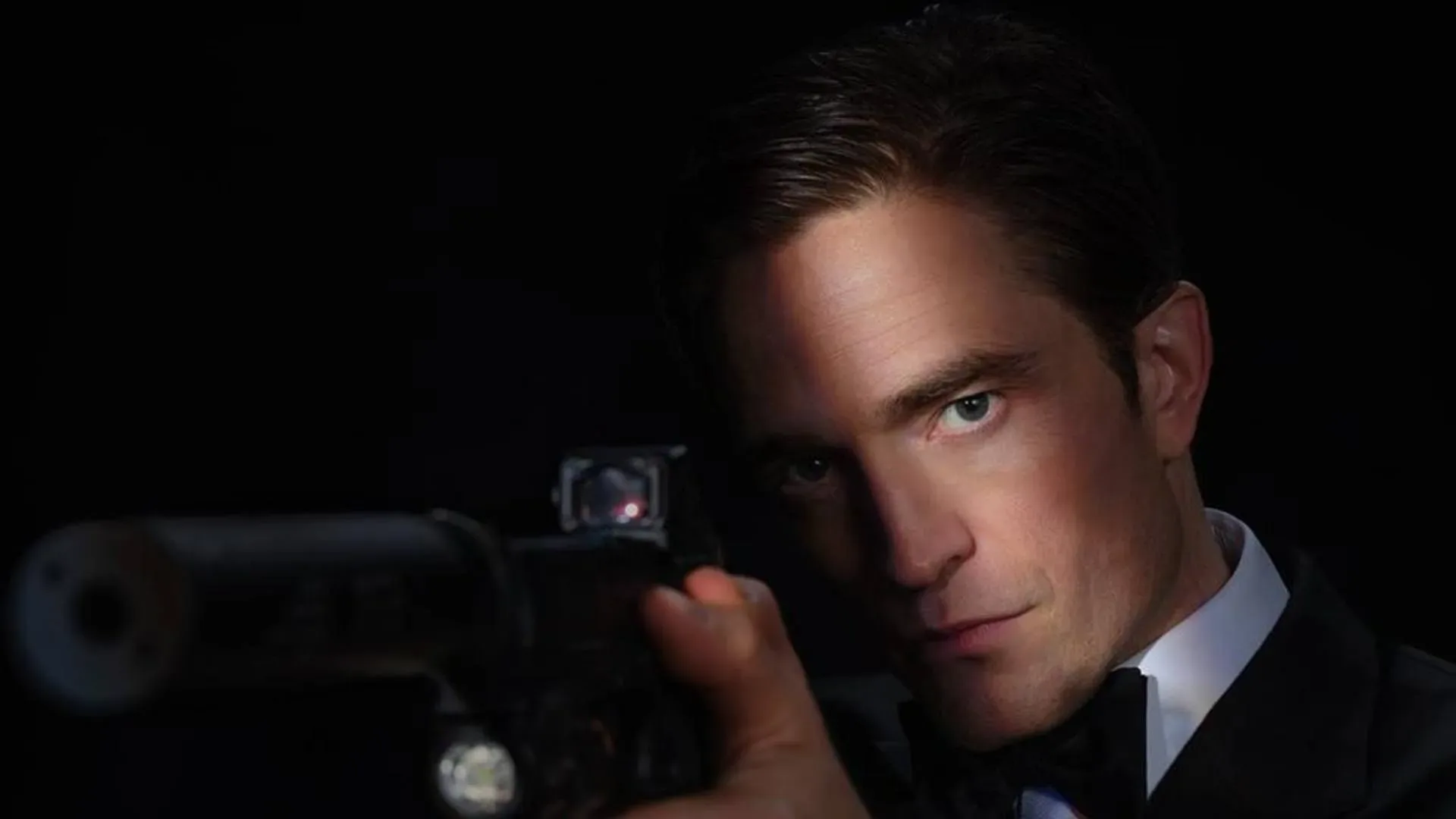
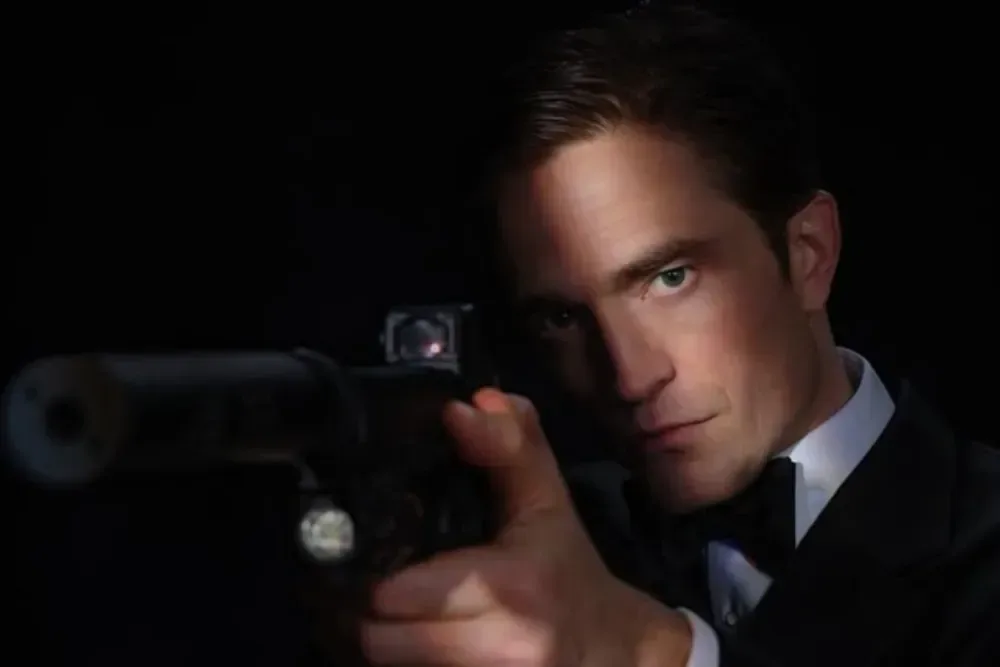
Robert Pattinson has reportedly been selected to play James Bond, ending a long, noisy search for the actor who will follow Daniel Craig as Ian Fleming’s British secret agent on film. The casting is said to have been confirmed to Pattinson on a Sunday, shortly before Amazon MGM released a Monday-morning image of him in a tuxedo holding a pistol.
There is an almost comically Pattinson-esque detail attached to the moment: director Robert Eggers said the actor was watching Eggers’ upcoming genre drama Werwulf when the news arrived. That may not tell audiences what the new 007 will look like on screen, but it neatly matches the split-screen version of Pattinson’s career: a performer comfortable in huge franchises who has also spent years pursuing stranger, riskier material.
The larger takeaway is less about one phone call than the machinery behind it. Amazon MGM’s search reportedly involved screen tests for a significant slate of performers and cost between $300,000 and $500,000. Denis Villeneuve, attached to direct the next Bond film, is said to have held substantial influence in the decision. Pattinson and Villeneuve are also working together on Dune: Part Three, giving the director a recent professional shorthand with his reported Bond choice.
A separate account of the costly casting search similarly frames the process as a major investment before a camera has rolled on the new film.
For more context, explore GTA 6 Coverage Surge Highlights the Challenge of Finding Other Gaming News.
A search built for a long-term franchise
Bond casting is never merely about finding an actor who looks convincing in a dinner jacket. The choice determines the creative center of a franchise that has to balance action spectacle, character reinvention, brand familiarity and a production timetable measured in years rather than weeks.
Amazon MGM acquired the Bond rights from the Broccoli family in 2025, and the reported objective was a comparatively young star who could lead the series for a decade or two. Producers Amy Pascal and David Heyman recruited Villeneuve, while Amazon executives Courtenay Valenti and Mike Hopkins were described as having meaningful involvement in the process.
That combination explains why the testing process reportedly became so extensive. A screen test is not simply an audition in the everyday sense. It is a filmed exercise used to evaluate how a candidate reads on camera, how they fit a desired tone, and whether the creative team sees a durable leading presence rather than a good answer in the abstract. For a role as recognizable as Bond, the team is not just assessing performance; it is judging whether audiences may accept a new interpretation of a character with decades of accumulated expectations.
Reported candidates who screen-tested included Callum Turner, Tom Francis, Jack Lowden and Josh O’Connor. Nicholas Hoult and Pattinson were described as late-testing wildcards who shifted the final calculation. Turner had reportedly been considered an early favorite, but the decision appears to have moved toward the more established profiles of Hoult and Pattinson before Pattinson ultimately emerged as the choice.
Those details should be read with the appropriate caution: the candidates’ private conversations, the precise weight of individual tests and the internal deliberations are reported rather than publicly documented by the studio. Still, the reported spending range is revealing on its own. Even the lower end represents a serious commitment to pre-production decision-making, particularly for an exercise intended to remain quiet.
Why the secrecy did not hold
The Bond search was conspicuously difficult to contain. Names circulated well beyond the usual controlled speculation, including reports that Harry Styles and Theo James were in talks earlier in the process. That created an unusually broad public scoreboard of alleged front-runners, screen-tested actors and last-minute possibilities.
For studios, an extended candidate list can create the impression that a production lacks a clear plan. For actors, the cost can linger much longer. Being publicly attached to Bond without getting the part is the kind of near-miss that can follow someone into interviews, podcasts and fan discussions for years. The role carries so much cultural shorthand that even a tentative connection becomes a permanent footnote in a performer’s public story.
The public attention also had more awkward consequences. Lowden, known for Slow Horses, reportedly faced a suspected sabotage campaign after paparazzi footage showed him struggling with a motorcycle stunt shortly before the casting was confirmed. Whether such material actually influenced anybody involved is not established. What it does illustrate is the peculiar pressure around a role where every scrap of footage can be reinterpreted as supposed evidence of someone’s suitability or unsuitability.
There is an irony here: the central fantasy of Bond is controlled presentation. The character is a master of composure, tailoring and contingency plans. The route to casting him, by contrast, seems to have involved leaks, online campaigning, paparazzi clips, competing narratives and a parade of names that no one could entirely stop discussing.
Villeneuve’s reported influence matters
Villeneuve’s importance is perhaps the most consequential aspect of the report. A director attached early enough to shape the casting of a franchise lead can help establish the creative identity of the entire reboot. That does not mean a director works alone—Bond is too large a production for that—but it suggests the studio wants its filmmaker’s judgment to matter in selecting the face of the next era.
For Pattinson, existing collaboration on Dune: Part Three may have offered an advantage that is difficult to replicate in a single test. Professional shorthand means a director has some sense of an actor’s process, instincts and capacity to work at scale. It is not a guarantee of how a finished Bond performance will land, but it can reduce uncertainty in a decision filled with it.
The reported pairing also raises a sensible question about tone. Villeneuve’s involvement does not, by itself, confirm plot details, visual style, rating, supporting cast or even the exact nature of Pattinson’s Bond. None of those specifics have been established here. But a director’s sensibility and a leading actor’s screen persona are foundational choices, and together they invite expectations of an interpretation that may prioritize atmosphere and intensity alongside the series’ expected physical action.
That is analysis, not a claim about the eventual film. Bond has repeatedly changed shape with different leading actors and creative teams. Until the production shares formal story and casting details, any attempt to define the new era beyond its reported lead, director and producing team would be premature.
Pattinson’s unusual preparation for the assignment
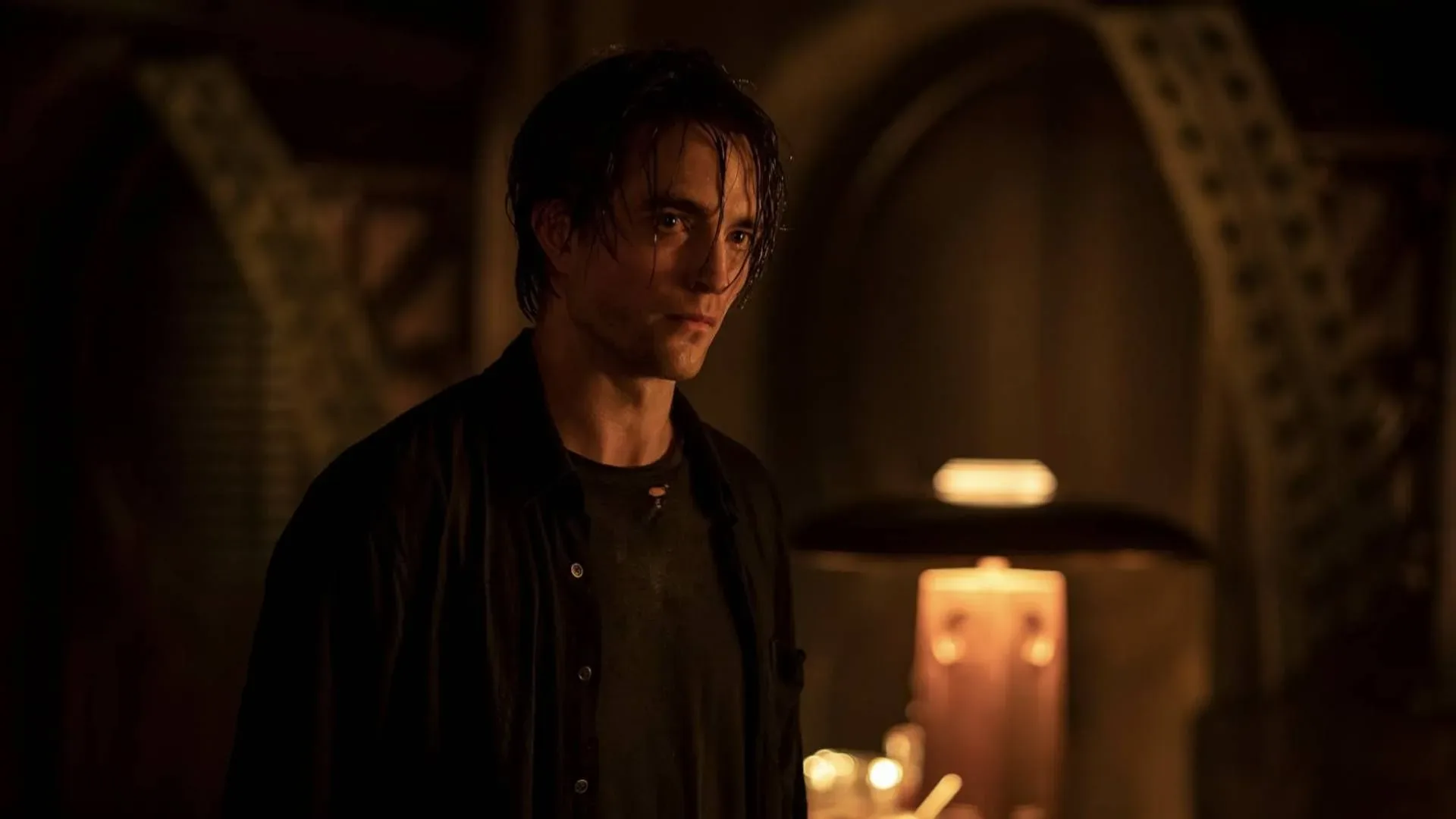
Pattinson arrives with an unusually broad franchise résumé. His early global breakthrough came through the Twilight Saga, and he also appeared in Harry Potter and the Goblet of Fire. More recently, he has played Bruce Wayne in The Batman, another iconic role that demands an actor carry both a public myth and a more private, psychologically complicated figure beneath it.
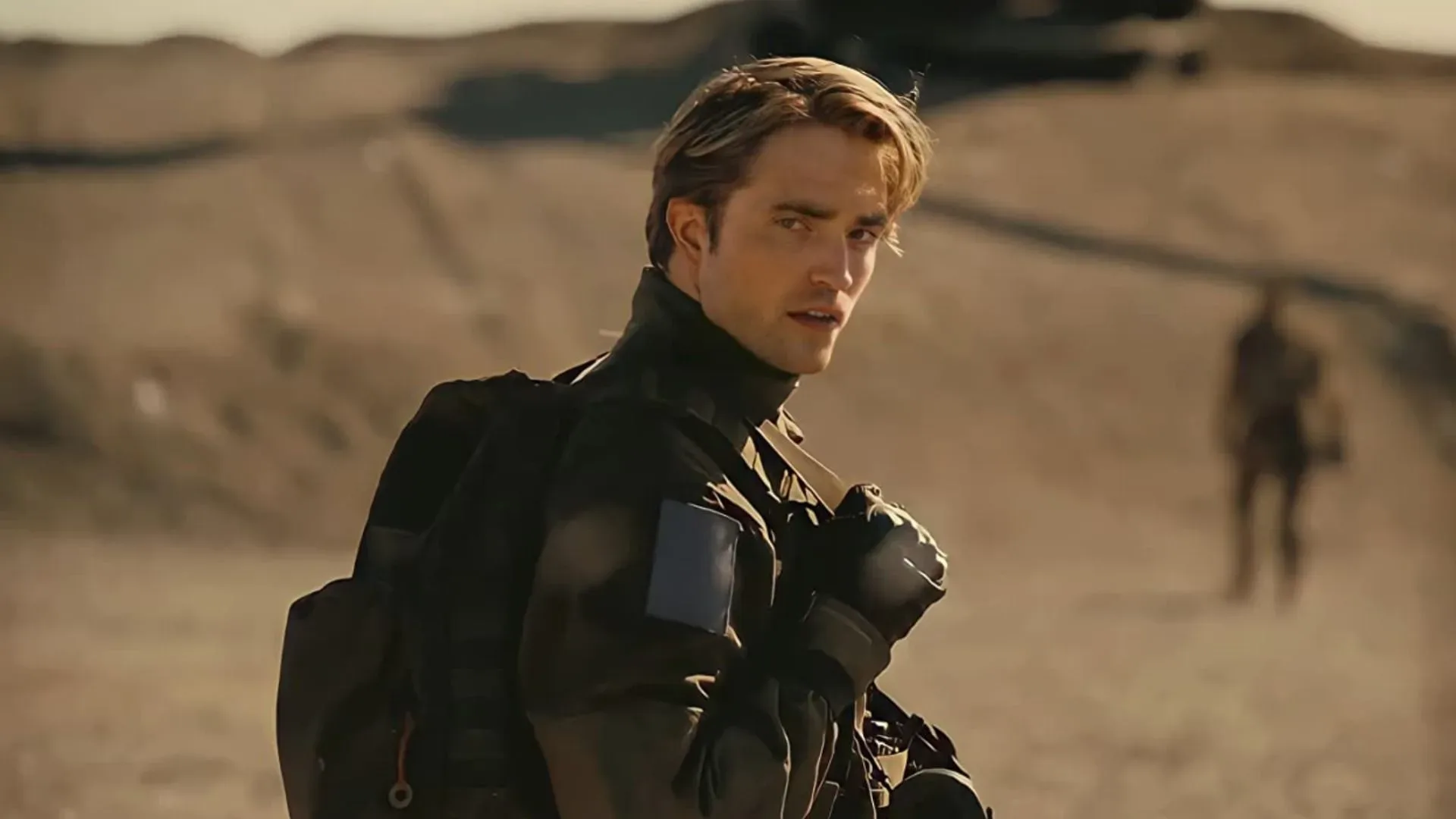
Between those franchise landmarks, Pattinson built a body of work associated with adventurous independent filmmaking, including Good Time and The Lighthouse. The report also points to films including Primetime, The Odyssey, The Drama and Die My Love as part of a prominent recent stretch. The throughline is not that these projects are all alike. It is that Pattinson has moved between large intellectual property and more idiosyncratic work without treating one lane as a temporary detour from the other.
That matters because Bond is a demanding form of stardom. The actor must sell glamour and danger, but also provide enough personality for the series to feel newly inhabited rather than merely re-cast. The physical element is obvious—action, fights and the character’s precise self-possession—but the tougher requirement is often tonal. Bond needs to be believable in heightened spectacle while retaining enough interiority to anchor it.
Pattinson’s reported selection does not answer every creative question, and it should not be taken as confirmation that any particular previous version of 007 will be copied or discarded. It does, however, signal a choice of actor with experience navigating fan expectations around famous characters while maintaining a reputation for taking less predictable roles.
The Batman question remains unresolved
One practical issue is Pattinson’s future as Batman. The report suggests that November changes involving DC Studios leaders James Gunn and Peter Safran, who were said to have been removed under David Ellison’s regime, make it less likely that Pattinson will remain Matt Reeves’ caped crusader for long. That remains uncertain; no definitive statement about Pattinson’s tenure as Batman is established by the available information.
What is clear is that Bond would be a massive multi-year commitment if Amazon MGM follows through on its reported aim of building around a lead for a decade or more. Schedules, studio priorities and the sheer workload of leading a major action franchise can shape what other roles are feasible. It is reasonable to see the reported Bond casting as a potentially major factor in Pattinson’s future choices, but not as a formal answer to the Batman question.
For now, the biggest confirmed shape of the story is the reported handoff itself: Pattinson, Villeneuve, Pascal and Heyman at the center of the next Bond launch, following a notably costly and unusually visible search. The formal details audiences usually crave—story, title, release plans, additional cast and the exact flavor of 007—are still not laid out here. The tuxedo image may have ended the guessing game over who wears it next. It has started a much larger one about what kind of Bond he will be.