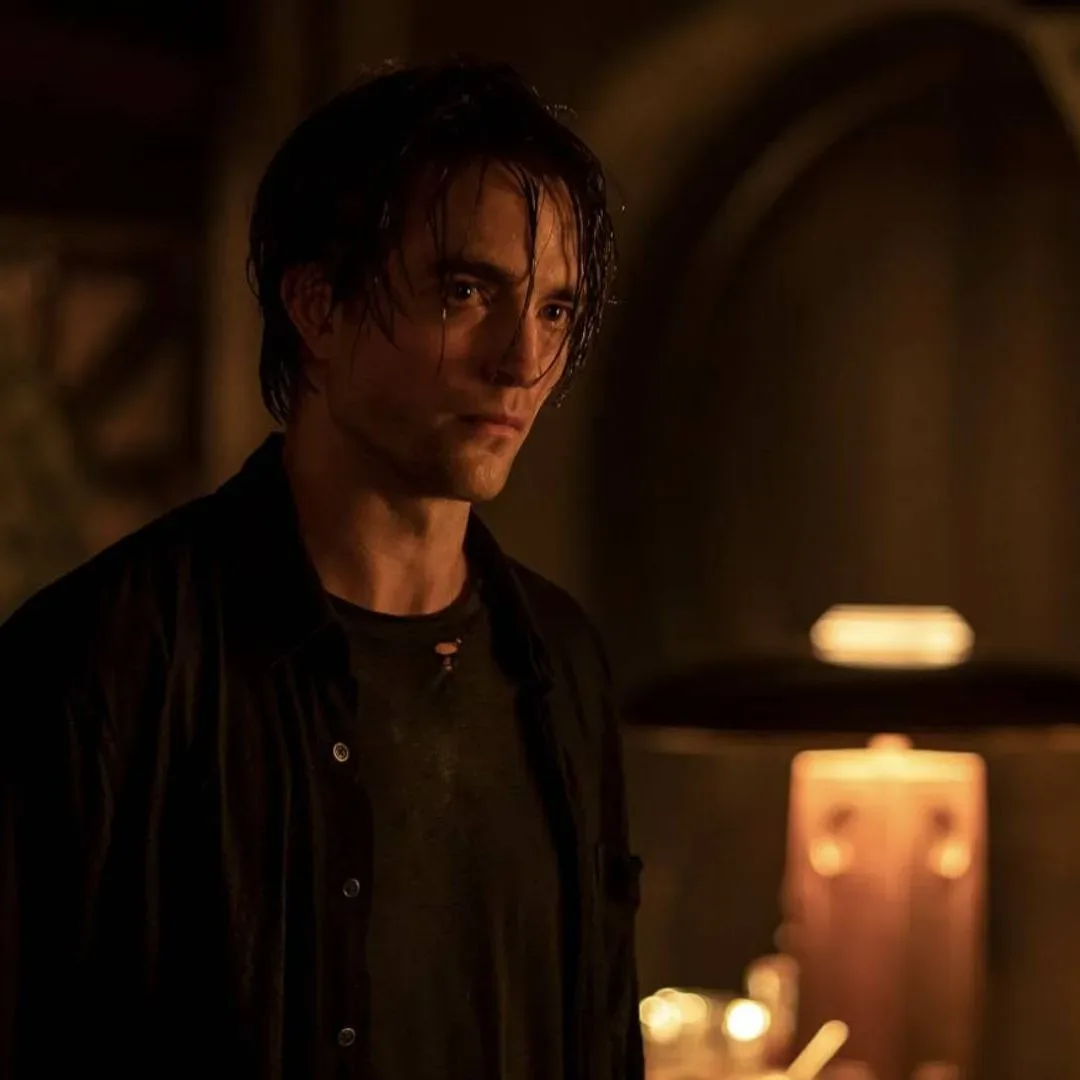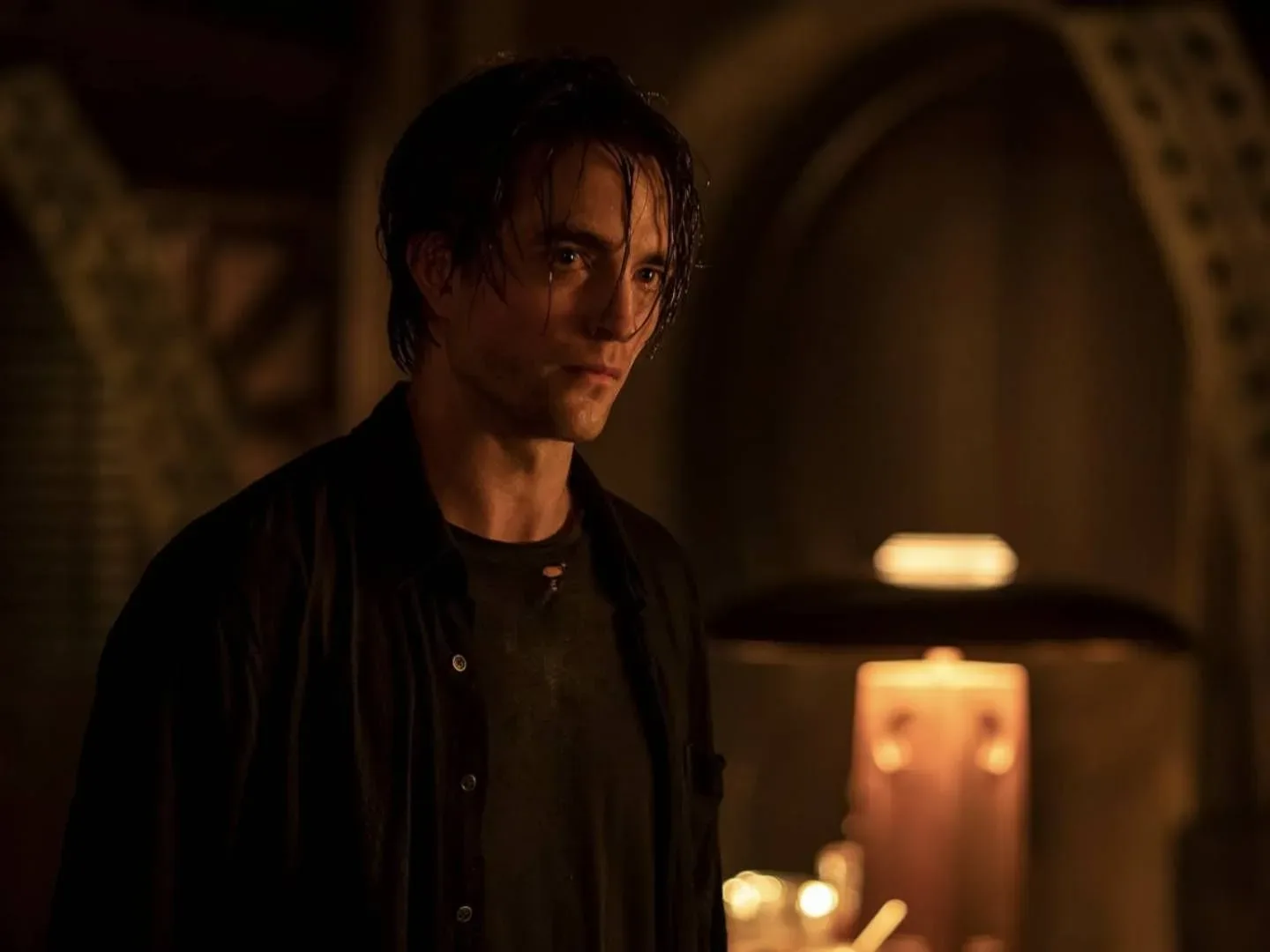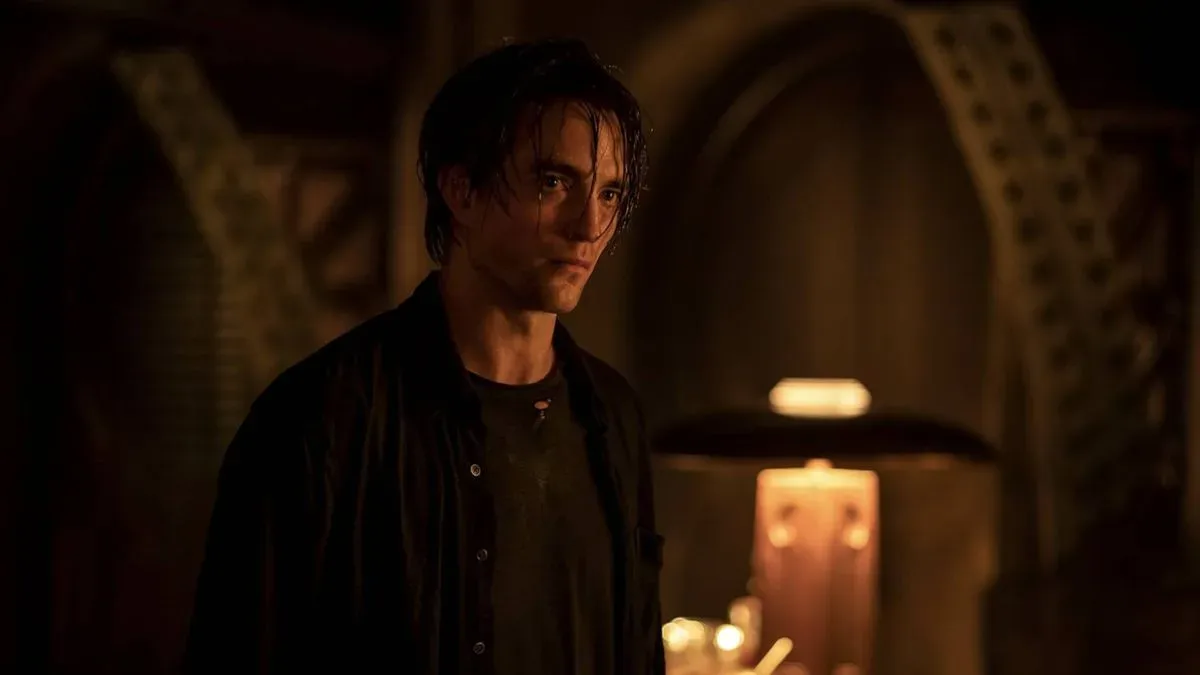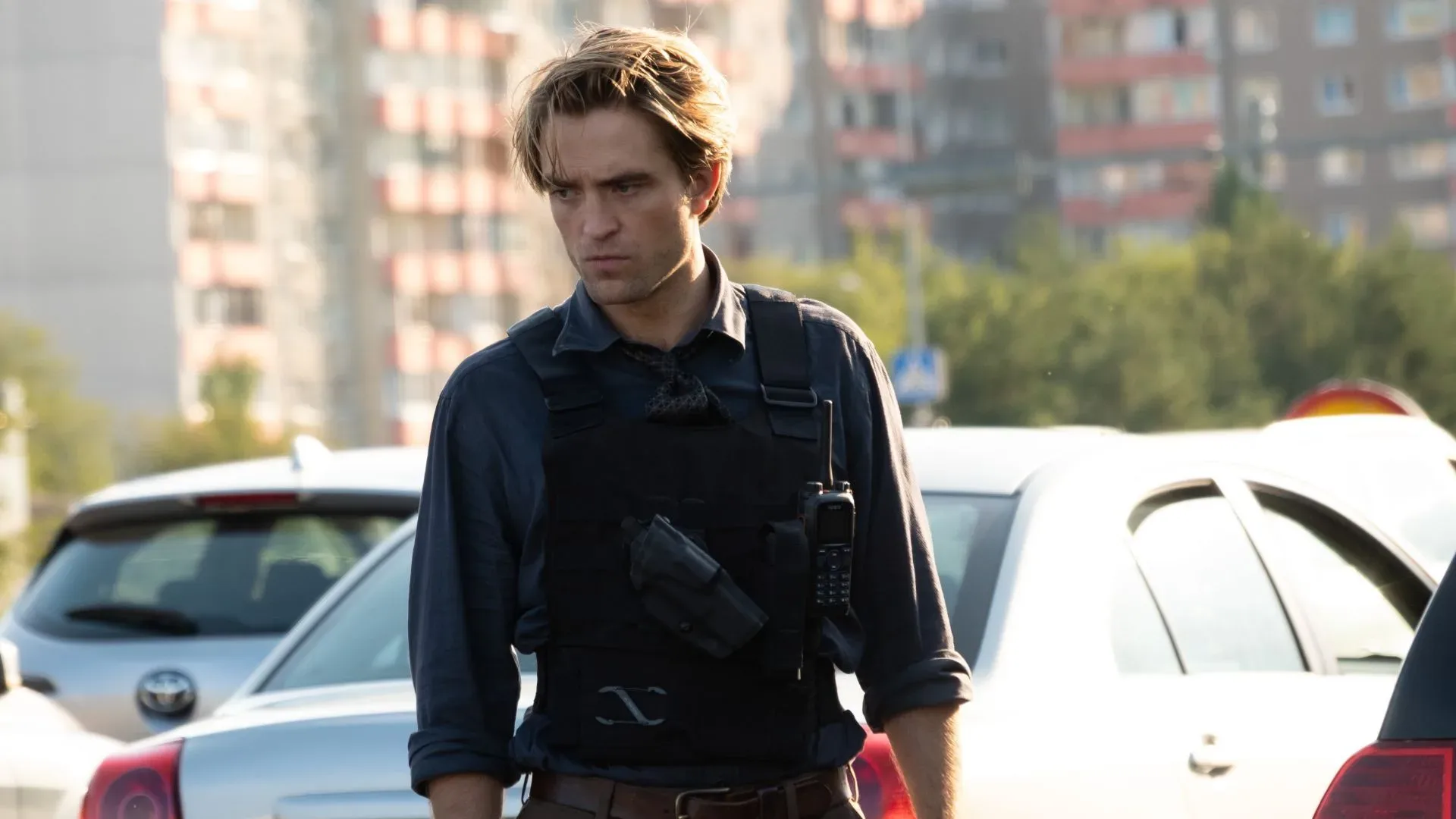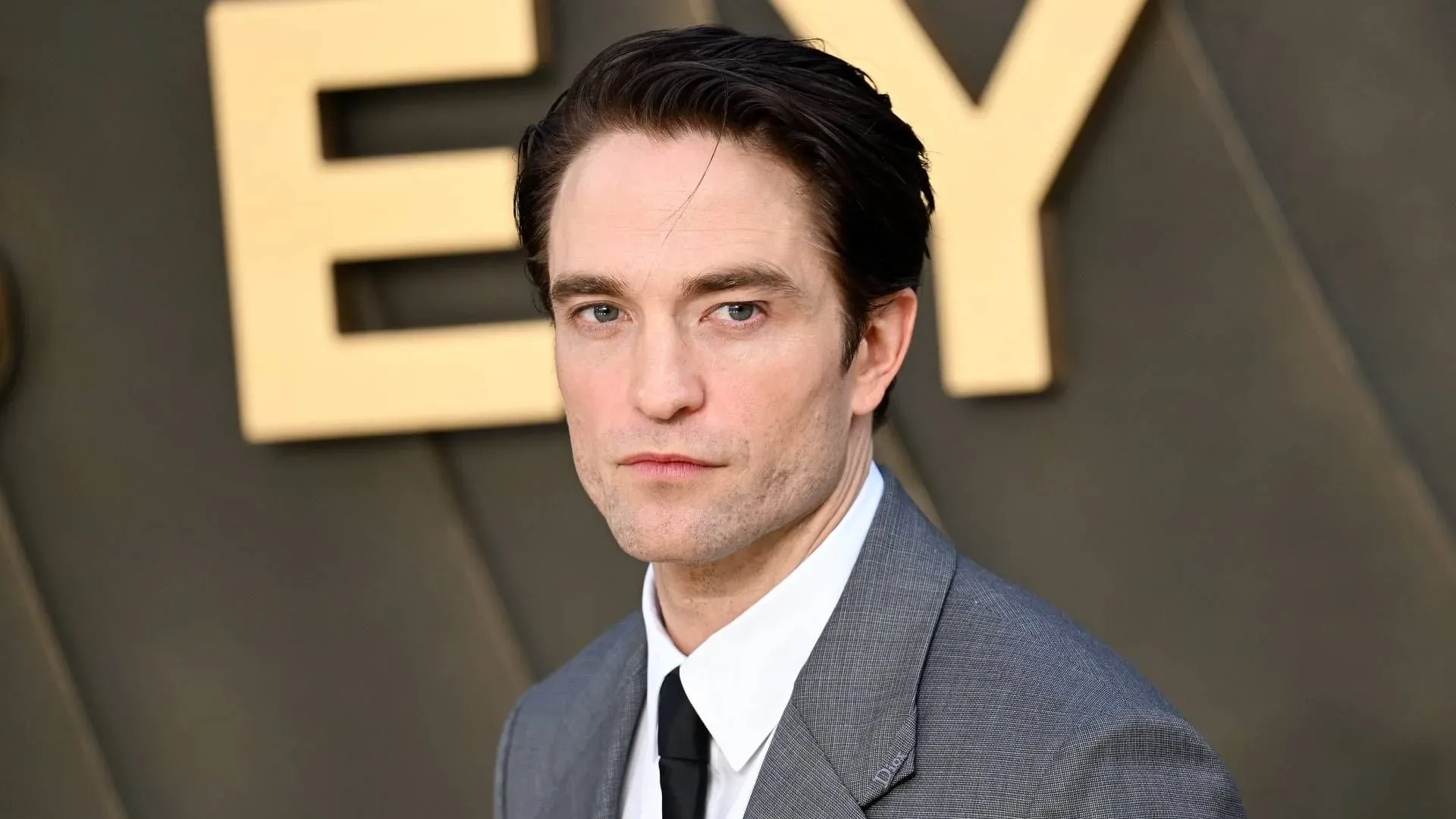
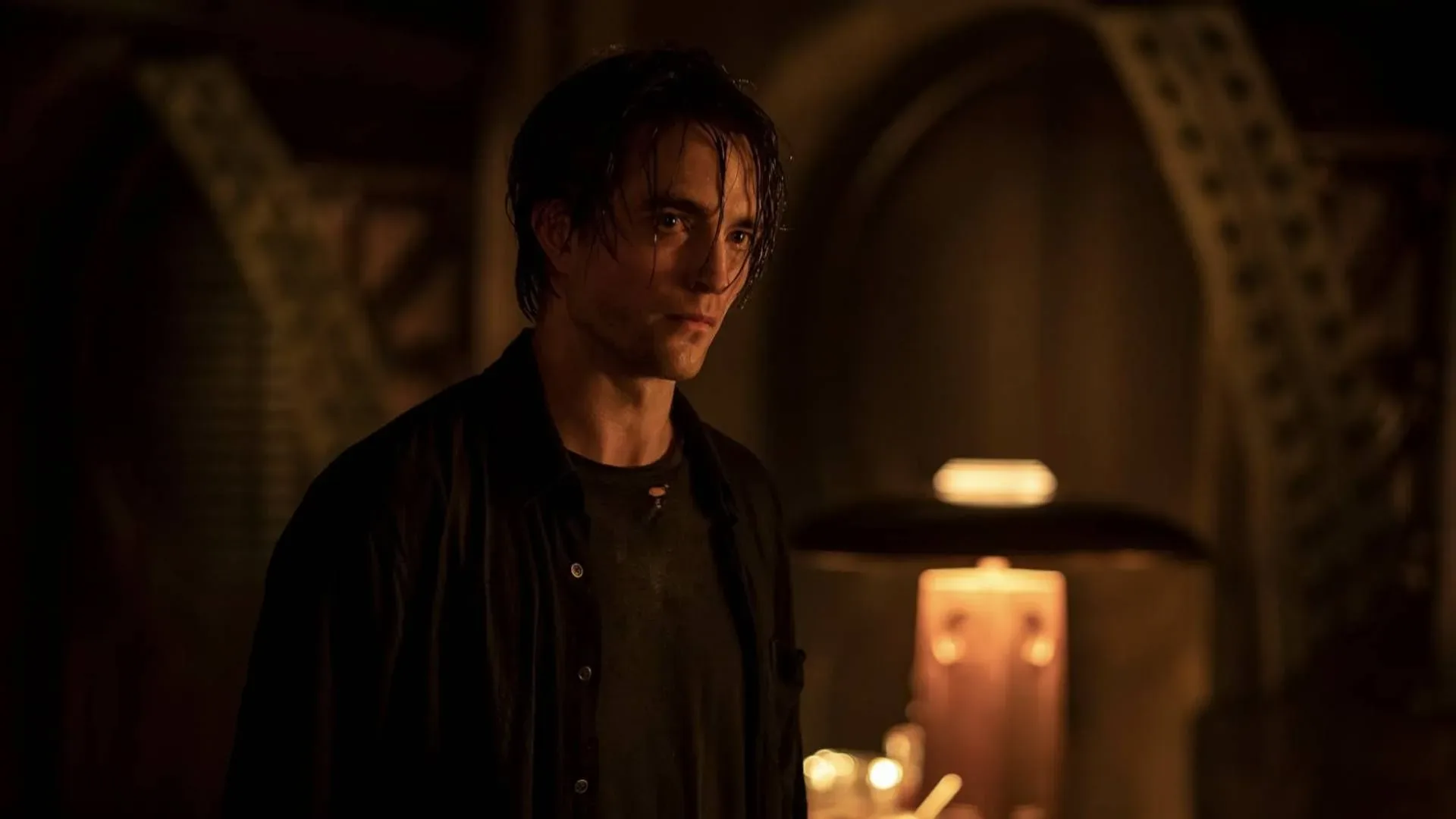
Robert Pattinson has been confirmed as the next James Bond, completing one of the entertainment world’s most closely watched casting searches and giving an old piece of interview footage a remarkably different context.
In a 2010 interview, Pattinson was asked whether he could see himself taking on 007 one day. His answer was not the polished confidence usually expected from a prospective secret agent. He acknowledged the scale of the assignment, saying the role came with “quite big shoes to fill,” and judged that, if he had played Bond at that moment, he would probably have been “pretty bad” and “pretty embarrassing.”
Sixteen years later, the situation is no longer hypothetical. Pattinson will succeed Daniel Craig as cinema’s most famous spy, with Denis Villeneuve set to direct the next film, commonly referred to as Bond 26.
“I am overjoyed to welcome Robert Pattinson as our new James Bond,” Villeneuve said in a statement. “He has the timeless soul of 007 and brings a spirit that is completely new. I cannot wait to begin.”
A long wait turns an old answer into a new headline
The striking part of Pattinson’s 2010 response is less that he doubted his readiness than that the question arrived so far before this eventual casting. Bond is an unusually loaded part: its leading actor is asked to carry action set pieces, espionage tension, public scrutiny and a character identity that has endured across multiple screen eras. Saying the job was too big at the time was a sensible assessment of a role whose history is impossible to ignore.
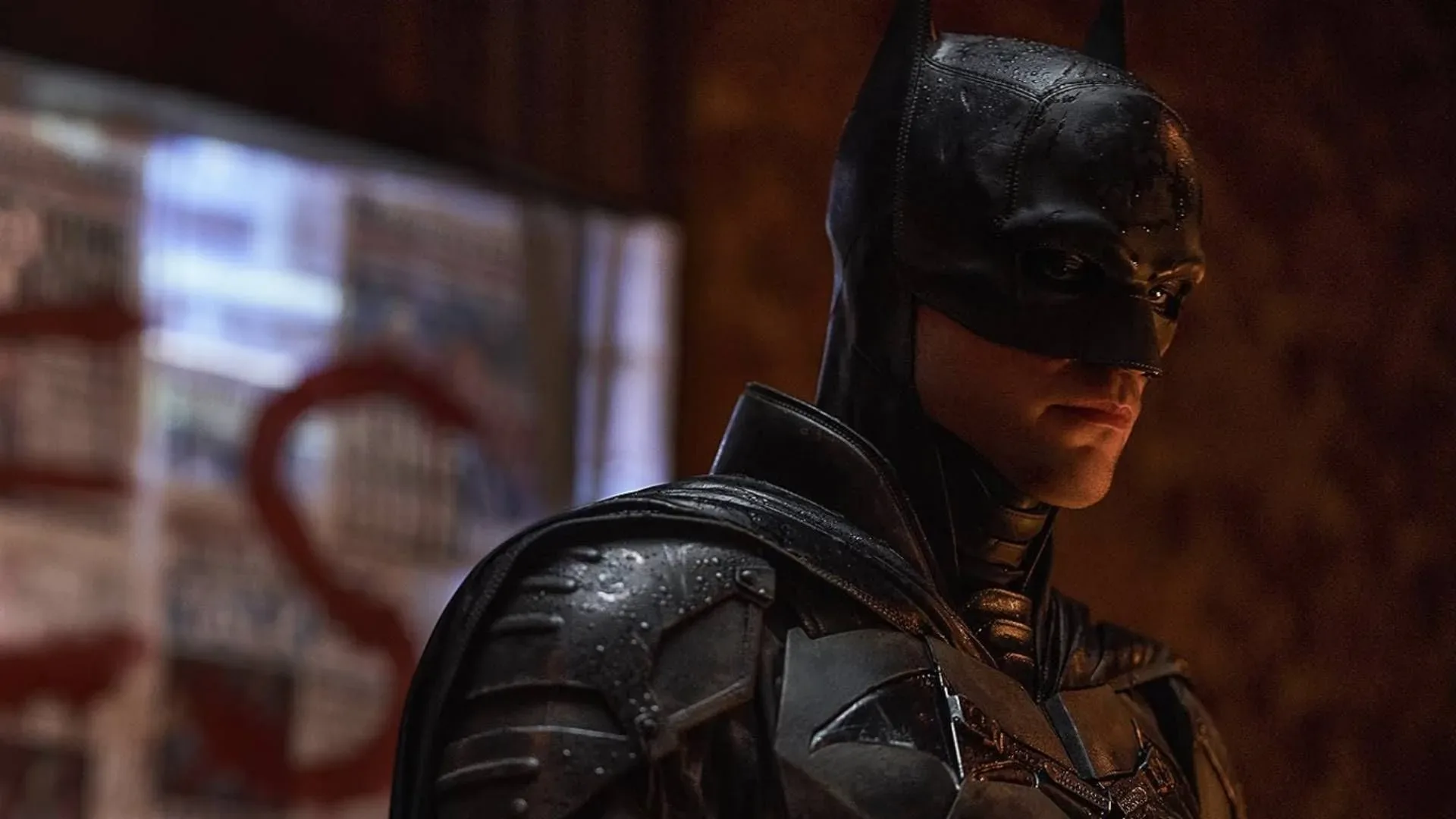
Time has changed the frame around the comment. Since that interview, Pattinson has built a body of work that includes Christopher Nolan’s Tenet and Matt Reeves’s The Batman, and he is also due to appear in Denis Villeneuve’s Dune 3. Those credits do not reveal what a Pattinson-led Bond story will be, but they do establish a far broader screen career than the one he was assessing in 2010.
The link with Villeneuve is especially notable because Dune 3 will bring actor and director together before their Bond collaboration. It is still too early to draw conclusions about how that working relationship will translate to 007, however. A shared credit is not a plot description, a tone statement or a promise of a particular version of Bond.
What is confirmed about Bond 26
The confirmed basics are clear: Pattinson is the new James Bond, Villeneuve will helm the film, and Craig’s run ended with 2021’s No Time to Die. “Helm” here simply means direct; the director oversees the creative realization of the movie, but the term alone does not tell audiences the story, setting, supporting cast or release timetable.
That distinction matters because plenty remains unknown. No plot for Bond 26 has been disclosed. No other casting has been confirmed. There is no information yet about the film’s mission, its adversaries, its allies, or how it will introduce Pattinson’s version of the character.
In other words, the casting news answers the franchise’s largest immediate question without answering the next wave of them. Fans can now discuss the lead actor and director as a pairing; they cannot yet responsibly treat online theories about story details or additional characters as established information.
The immediate facts
- Robert Pattinson will play James Bond.
- Denis Villeneuve will direct the next Bond film.
- Daniel Craig last played Bond in 2021’s No Time to Die.
- Pattinson previously expressed doubts in a 2010 interview about being ready for Bond at that time.
- The film’s premise and further cast members have not been announced.
Why the casting speculation was so intense
Before Pattinson’s selection was confirmed, the search was surrounded by reports and rumors involving screen tests and several other names: Josh O’Connor, Callum Turner, Jack Lowden and Nicholas Hoult. Such speculation is a recurring feature of a Bond transition, but it is worth separating the process from the result. A name linked to casting discussions is not the same as a confirmed role, and a rumored screen test is not a public casting announcement.
Now that the leading role has been settled, attention will naturally move to the aspects that have not been revealed. Who will appear opposite Pattinson? What kind of threat will define his first mission? Will the new film make a clean break or retain any familiar elements? None of those questions has an answer in the information currently available.
The absence of an announced story is not an empty detail. It defines how early this news is in the life of the project. The public knows who will play Bond and who will direct him, but not the creative specifics that make one Bond film distinct from another. Until those details are formally provided, the useful conversation is about the confirmed appointment rather than imaginary casting lists or supposed story leaks.
From self-doubt to a signature role
Pattinson’s old comment now reads as an unusually human prelude to an enormous franchise role. It was not a declaration that he would never play Bond. It was a statement about timing: in 2010, he did not believe he would be good at it. The years between that answer and this casting are precisely what make the quote resonate.
Actors’ careers are not static, and neither is the meaning of a role over time. Pattinson’s path through major studio productions, including action-oriented work, has given audiences more evidence with which to imagine him in the part than existed when he gave that interview. Still, the upcoming Bond will need to be judged on the eventual film rather than on a retrospective soundbite or a list of previous credits.
There is also a pleasing contrast in the language surrounding the announcement. Pattinson once focused on the pressure of filling those large shoes. Villeneuve’s statement, by contrast, argues that the actor has both a quality associated with the character’s past—“the timeless soul of 007”—and an ability to offer something new. That pairing is a concise expression of the task in front of any Bond lead: honor a defining screen icon without merely replaying what came before.
It does not tell viewers exactly how Pattinson’s Bond will behave, dress, fight, investigate or relate to the people around him. But it suggests the ambition is not simply to present an imitation of a previous performance. The value of a new Bond casting is in seeing what the newly chosen actor brings to the framework, not in treating him as a replacement part.
A pivotal moment for Pattinson’s franchise slate
Bond adds another major franchise role to a career already associated with Bruce Wayne in The Batman. The two characters occupy very different fictional worlds, but both place a single performer at the center of a widely recognized property with intense audience expectations. The new 007 news will inevitably renew interest in how Pattinson’s major-screen commitments develop, including the uncertainty around his reported Batman contract situation and its implications for The Batman: Part II.
For now, though, the important separation is simple: Bond 26 has a confirmed actor and director, while the story itself remains under wraps. The casting ends the central guessing game. It also begins a new one—this time with Pattinson officially holding the licence to kill rather than wondering whether he would be ready for it.