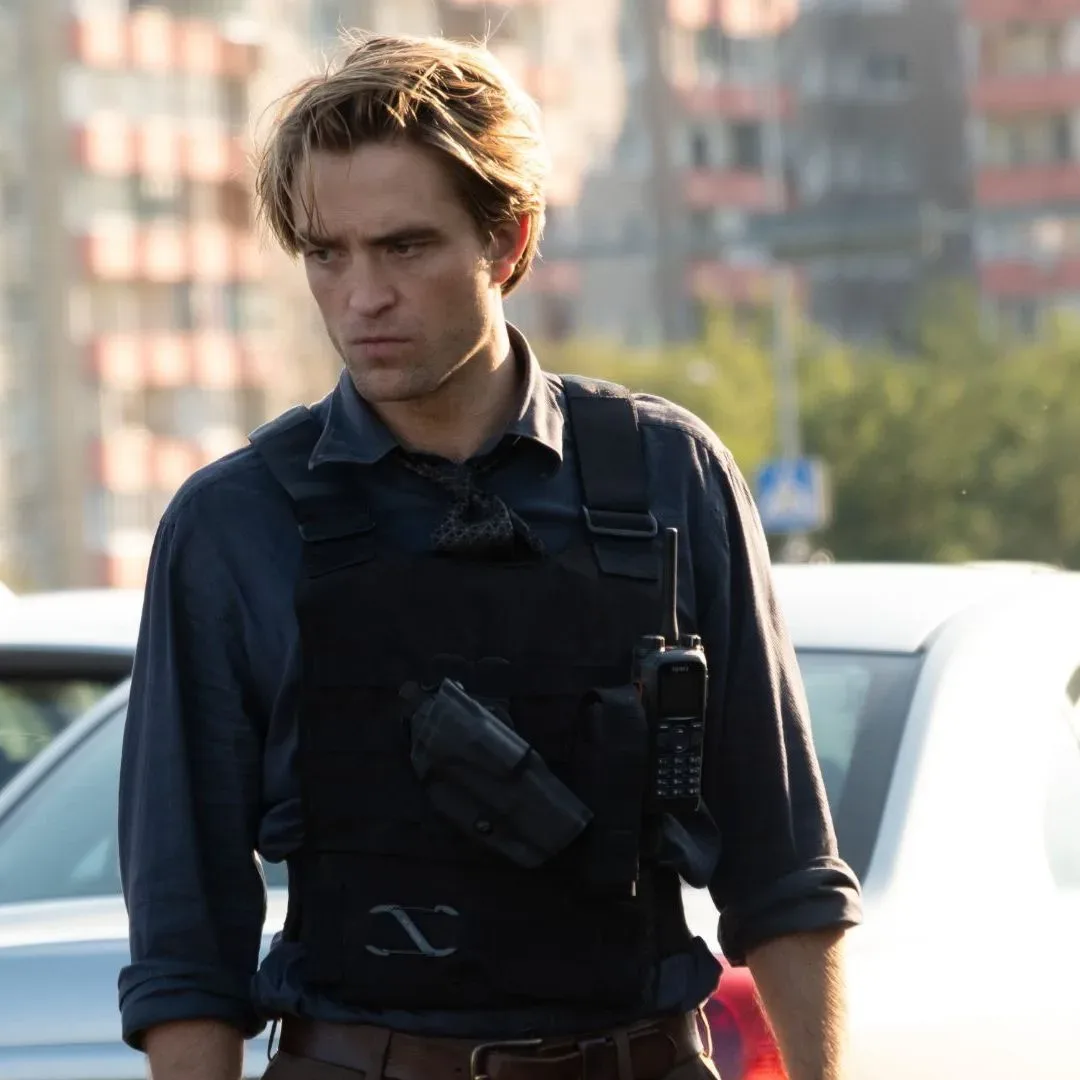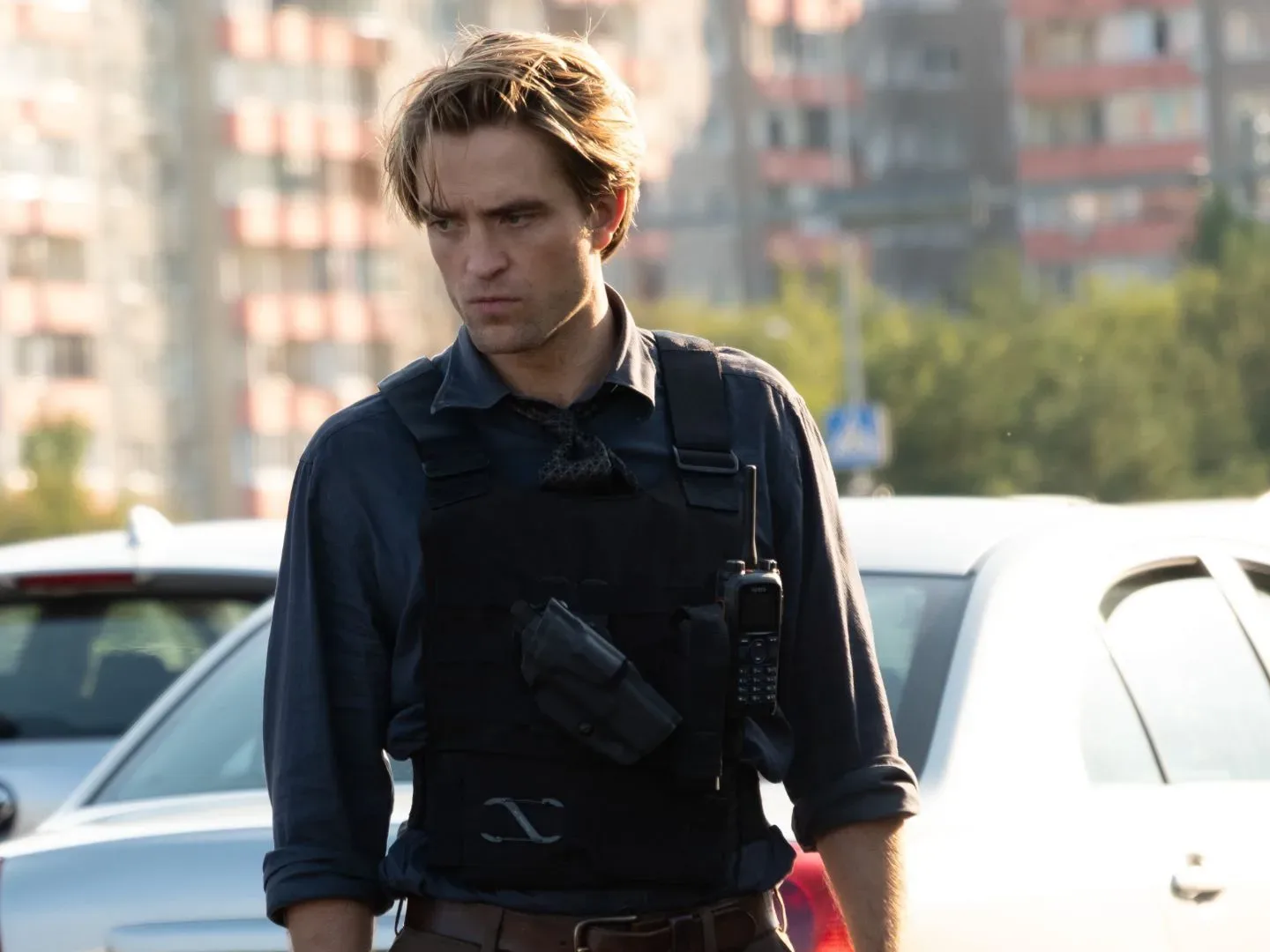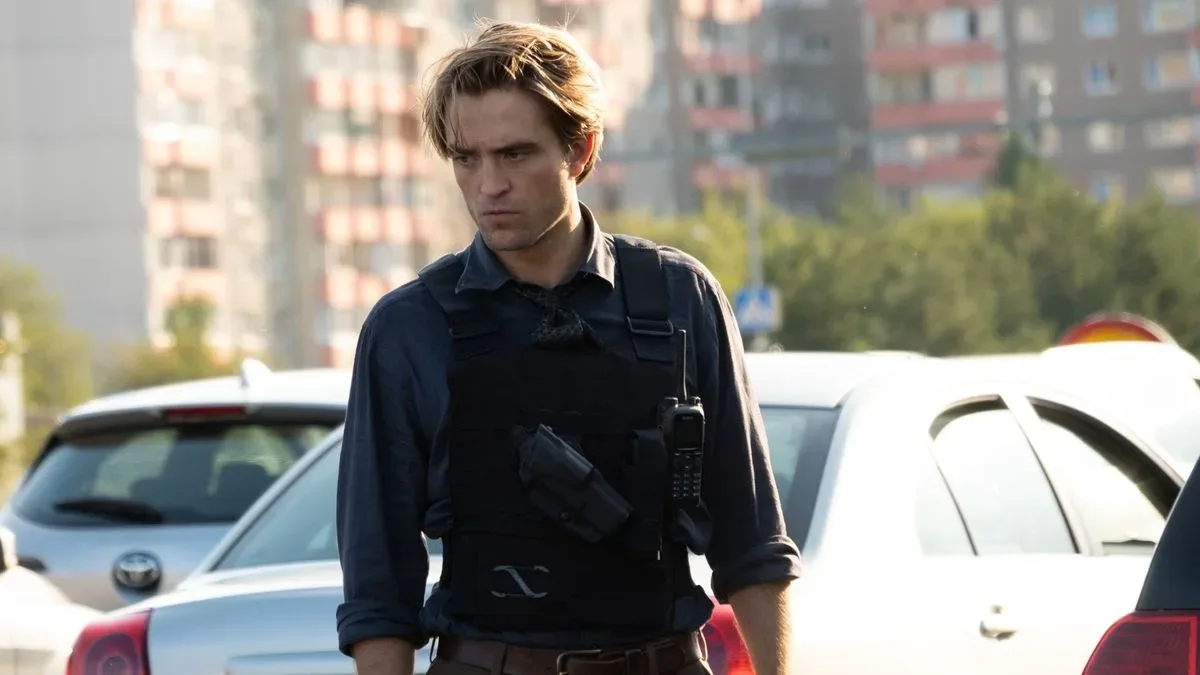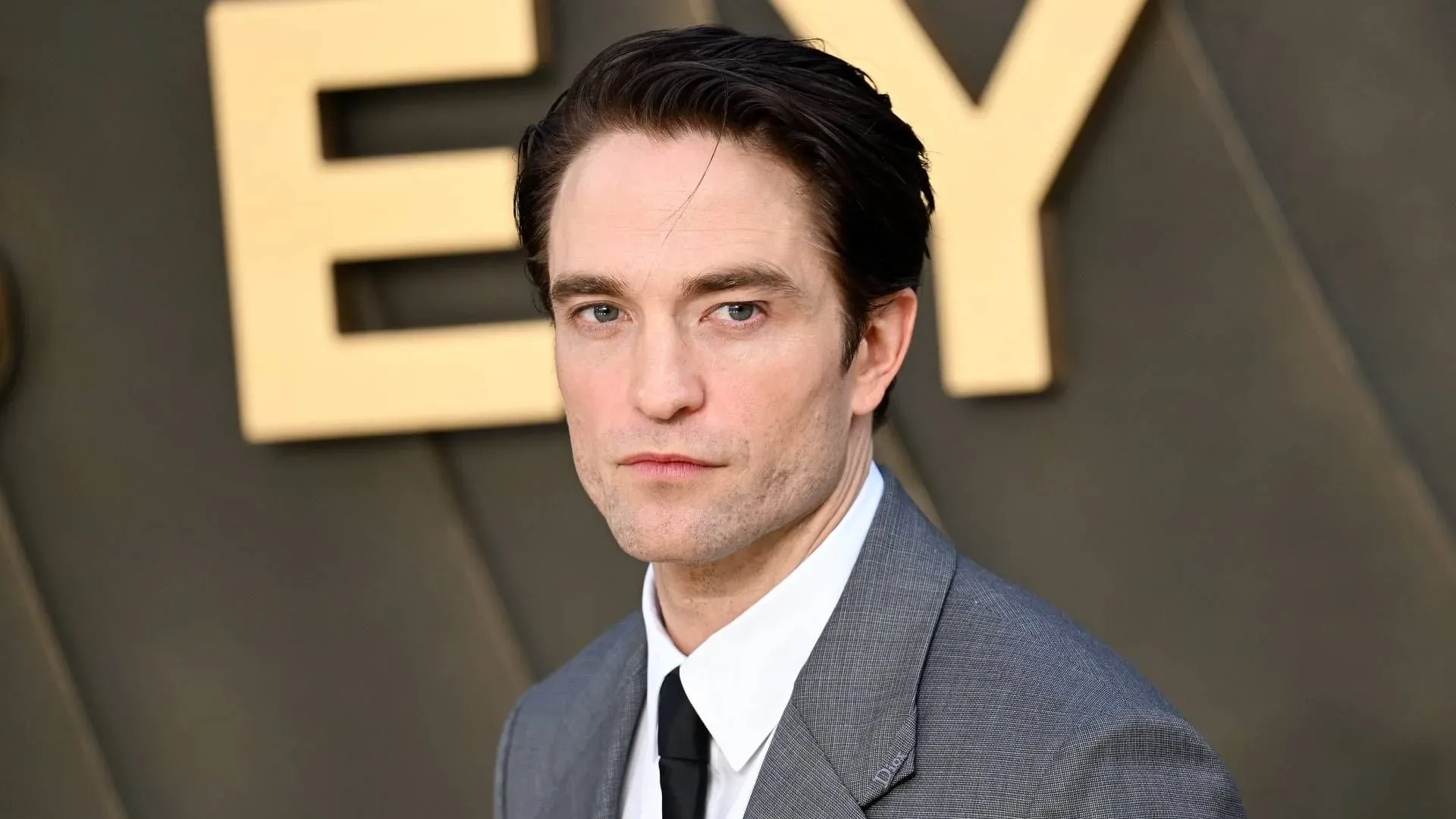
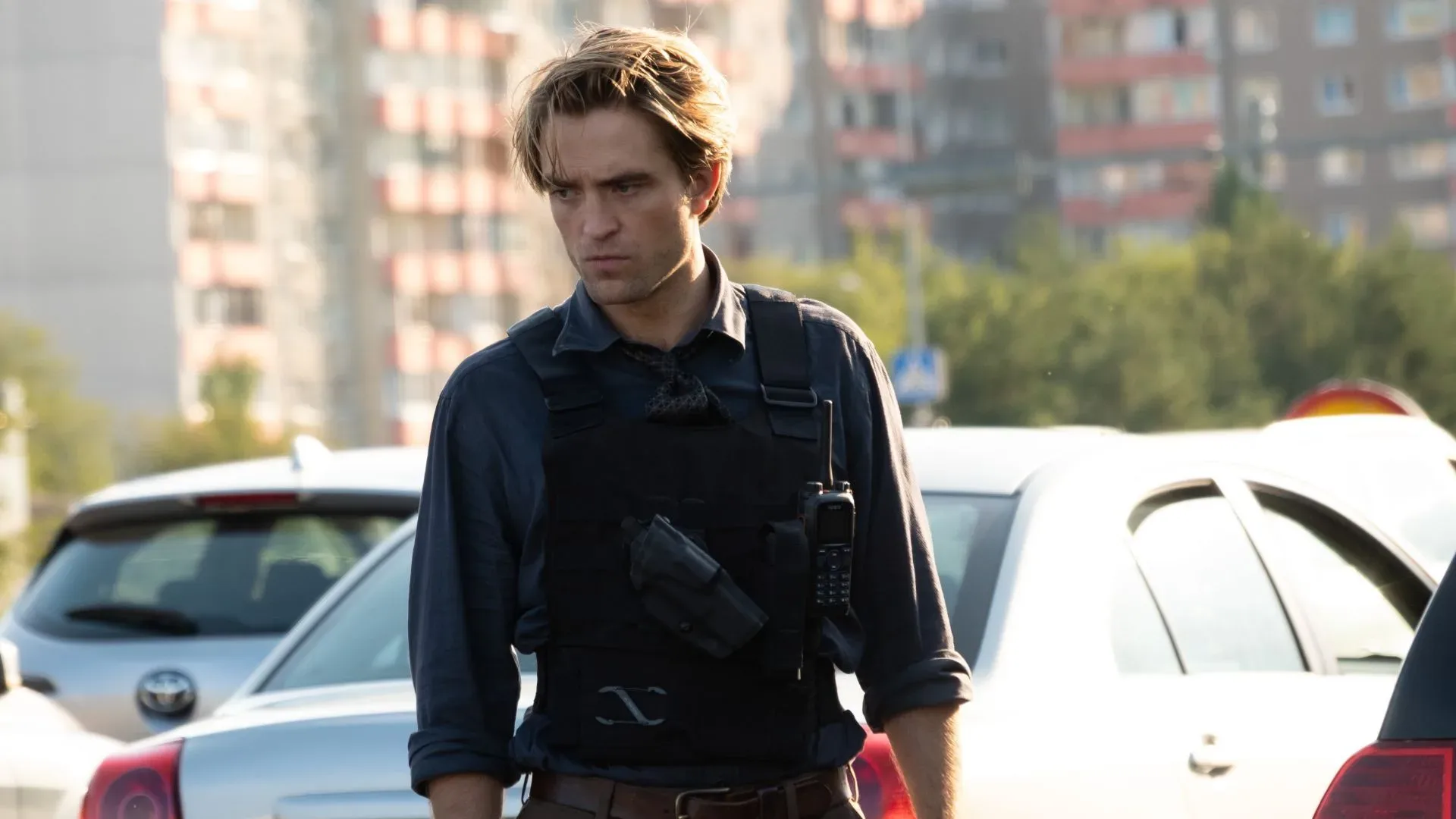
Robert Pattinson’s selection as James Bond has received an unusually pointed endorsement from two writers with long experience of the character. Robert Wade and Neil Purvis, whose Bond work stretched from The World Is Not Enough through No Time to Die, have called Pattinson “a terrific choice” and singled out one quality they believe matters for 007: the sly wit he brought to his spy role in Tenet.
Their reaction is notable not simply because it is positive, but because it identifies a specific route through a daunting succession problem. Daniel Craig’s Bond was defined by a forceful, physically committed screen presence, and Wade and Purvis acknowledged that Craig is difficult to follow “in terms of chops.” Their case for Pattinson is not that he should repeat Craig’s approach. It is that he has the ability to combine a cooler, more playful intelligence with the weight the part demands.
Why Tenet is the reference point
Tenet gives the discussion a convenient shorthand. Pattinson played a spy in that film, and Wade and Purvis highlighted the character’s “sly wit” rather than only his action credentials. That distinction matters for Bond. The role has to sustain tension and danger, but it also relies on an actor who can deliver a line with control, communicate confidence under pressure, and avoid making the character feel like a generic action lead.
“Wit” in this context does not necessarily mean broad comedy. It can mean timing, a lightly ironic edge, or the sense that a character understands more than he is saying. For a fictional intelligence operative, that quality can be especially useful: it creates the impression of calculation without requiring constant exposition. Pattinson’s performance in Tenet evidently gave the veteran writers confidence that he can make that kind of understatement work.
That is also a meaningful clue to how Bond 26 may distinguish its new lead from Craig’s tenure. Craig’s version of 007 set a very high bar for intensity. Pattinson need not erase that legacy to establish his own; a sharper sense of mischief and composure could provide contrast while still leaving room for the character’s seriousness.
Villeneuve sees continuity and change
Director Denis Villeneuve has framed the choice in similarly balanced terms. He said Pattinson has “the timeless soul of 007” while also bringing “a spirit that is completely new.” The language points toward a familiar challenge for every new Bond era: preserve enough of the character’s identity that audiences recognize 007 immediately, then give the new actor room to make the part his own.
“Timeless soul” is not a production detail or a plot reveal, and it should not be read as one. It is a statement of intent. Bond has recognizable core associations—espionage, poise, danger and a certain cool—but individual actors can emphasize those elements differently. Villeneuve’s comments suggest Pattinson was chosen because he can credibly carry that established image without simply imitating a predecessor.
Villeneuve also thanked the actors who took part in the casting process, calling the group extraordinary while stressing that only one person can be 007. The field reportedly included Josh O’Connor, Jack Lowden, Callum Turner and Nicholas Hoult at its final stages. That context makes the final decision feel less like a casual bit of speculation settling into place and more like the result of a competitive search for a particular interpretation of Bond.
What Pattinson’s casting actually confirms
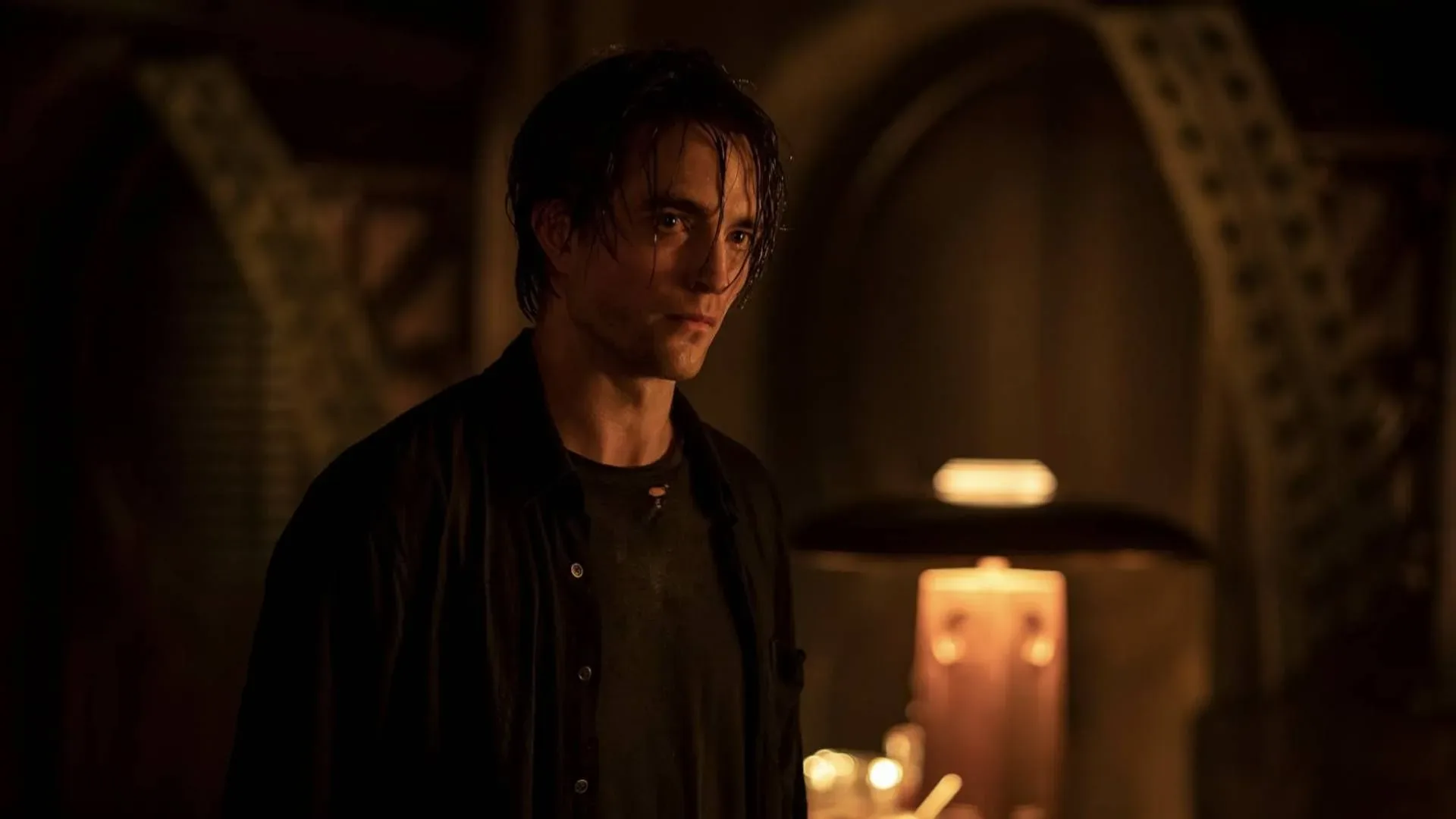
The confirmed headline is straightforward: Pattinson will take over as Bond in Bond 26. A first look has already shown him in the suit, but viewers should not mistake that early image for a complete picture of the film’s tone, story or version of the character. The available information does not establish those details.
What is known is that Steven Knight is writing Bond 26, and the film is expected to arrive in 2028. Knight is identified as the creator of Peaky Blinders, while Villeneuve will direct. Those names give the project a clear set of creative leads, but the supplied details stop well short of confirming plot, supporting cast, villain, locations, action set pieces or the precise timeline of production.
That restraint is worth keeping. Bond casting tends to generate a flood of implied answers: what the actor’s past roles supposedly guarantee, which previous era the new film will resemble, or what a single costume image means for the finished movie. At this stage, the more reliable reading is narrower. Pattinson is the new 007; Villeneuve sees both classic Bond qualities and something fresh in him; and writers closely associated with the Craig era think his Tenet performance demonstrates an important part of the required skill set.
A casting decision built around range
Wade and Purvis’s approval carries a practical implication for the franchise’s handoff. Their comments do not present Pattinson as a replacement who must win by matching Craig beat for beat. Instead, they emphasize range: the capacity to be cool, quick and watchful, while possessing the acting ability needed to shoulder a globally recognizable role.
That is a more useful standard than asking whether any actor looks like an obvious Bond on a poster. The character must operate in several modes, often in rapid succession: controlled professional, persuasive charmer, isolated operative and decisive action figure. A “sly” performance style can connect those modes. It allows a character to look at ease without seeming empty, and to appear amused without deflating the stakes.
Villeneuve’s use of the word “new” raises the possibility that the next era’s personality could be shaped as much by Pattinson’s particular screen presence as by a checklist of familiar Bond gestures. Again, that is an interpretation of the stated intent, not confirmation of a story direction. But it is an encouraging sign for viewers who want continuity without a rerun.
The long wait is part of the transition
With a 2028 expectation, there is still substantial distance between the casting news and Pattinson’s first full outing as Bond. That leaves room for the project to move from a headline about an actor to a film with its own identity. Until more is confirmed, the first official look and the creative team’s remarks are the clearest indicators available.
For now, the most revealing support comes from people who understand the scale of the job. Wade and Purvis have seen Bond pass through the Craig era from the writing side, and their praise centers on a precise asset rather than empty hype: Pattinson’s ability to play a spy with intelligence, restraint and a sly glint of humor. If Bond 26 follows through on Villeneuve’s promise of a timeless 007 with a new spirit, that may be the quality that makes the transition feel less like succession and more like reinvention.
Readers following other forthcoming screen projects can also see the latest trailer discussion around Children of Blood and Bone.