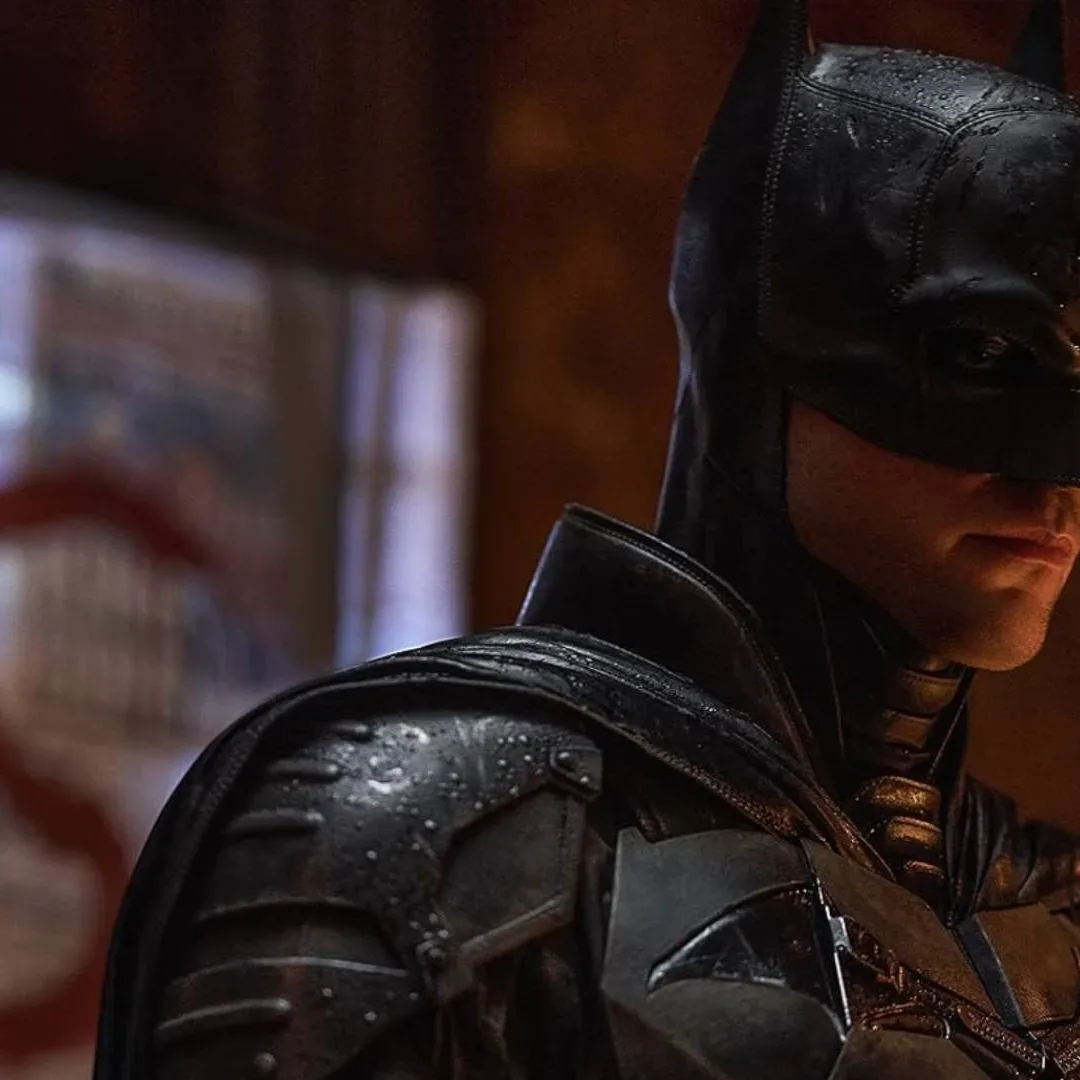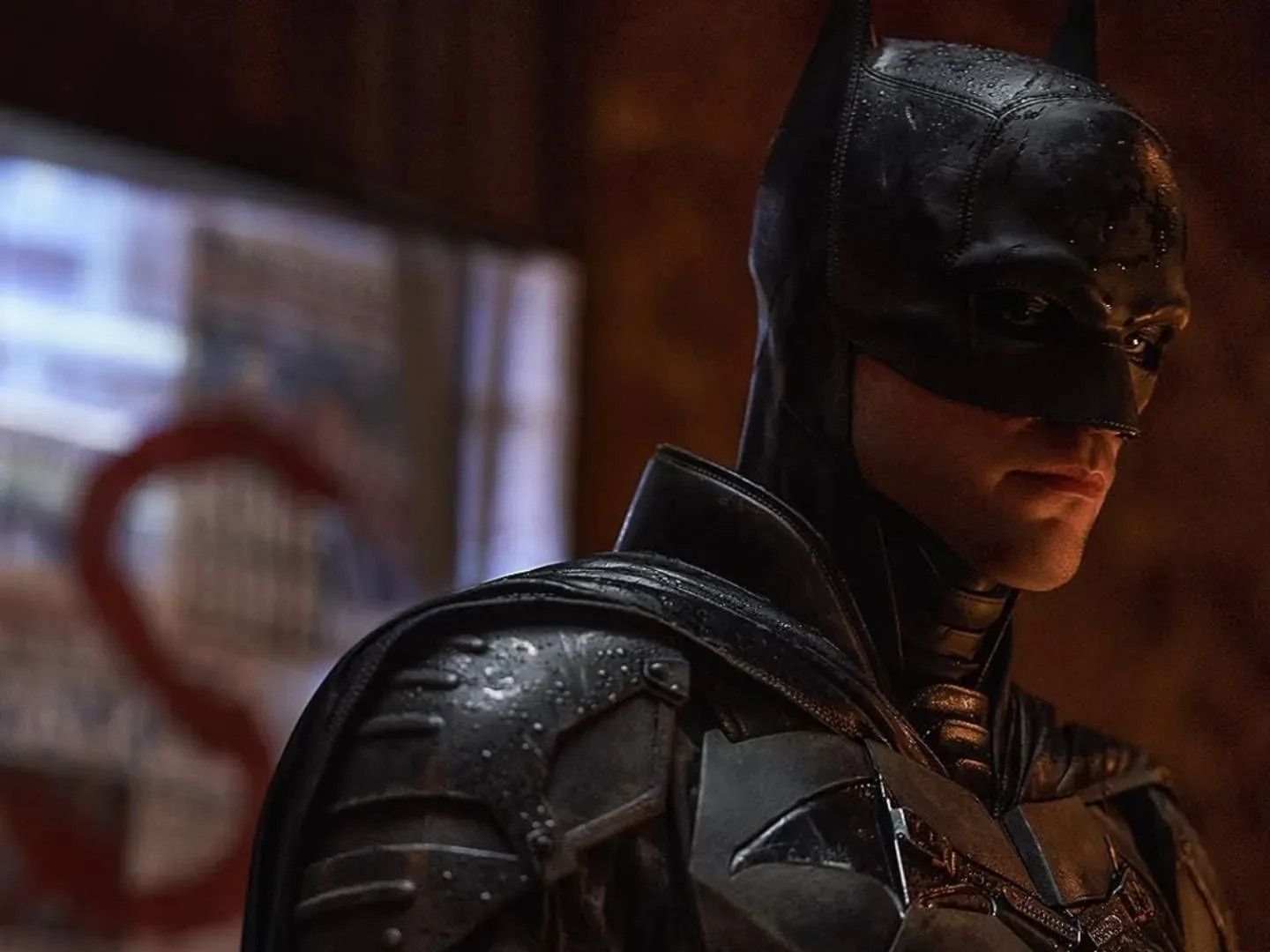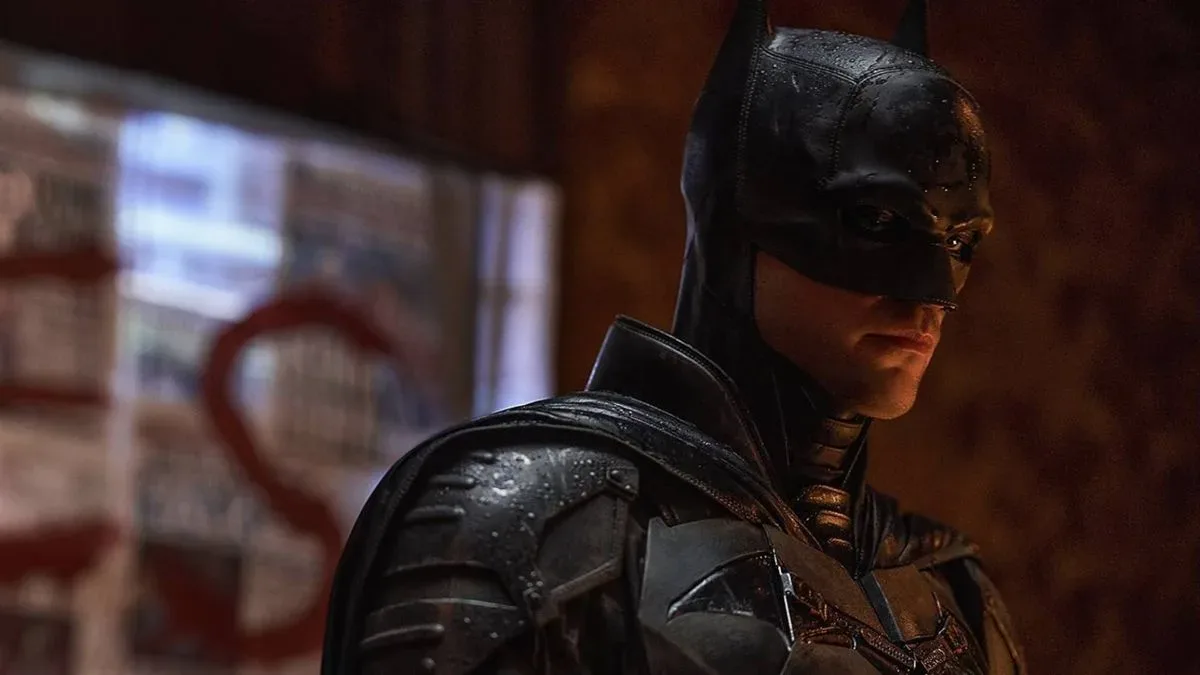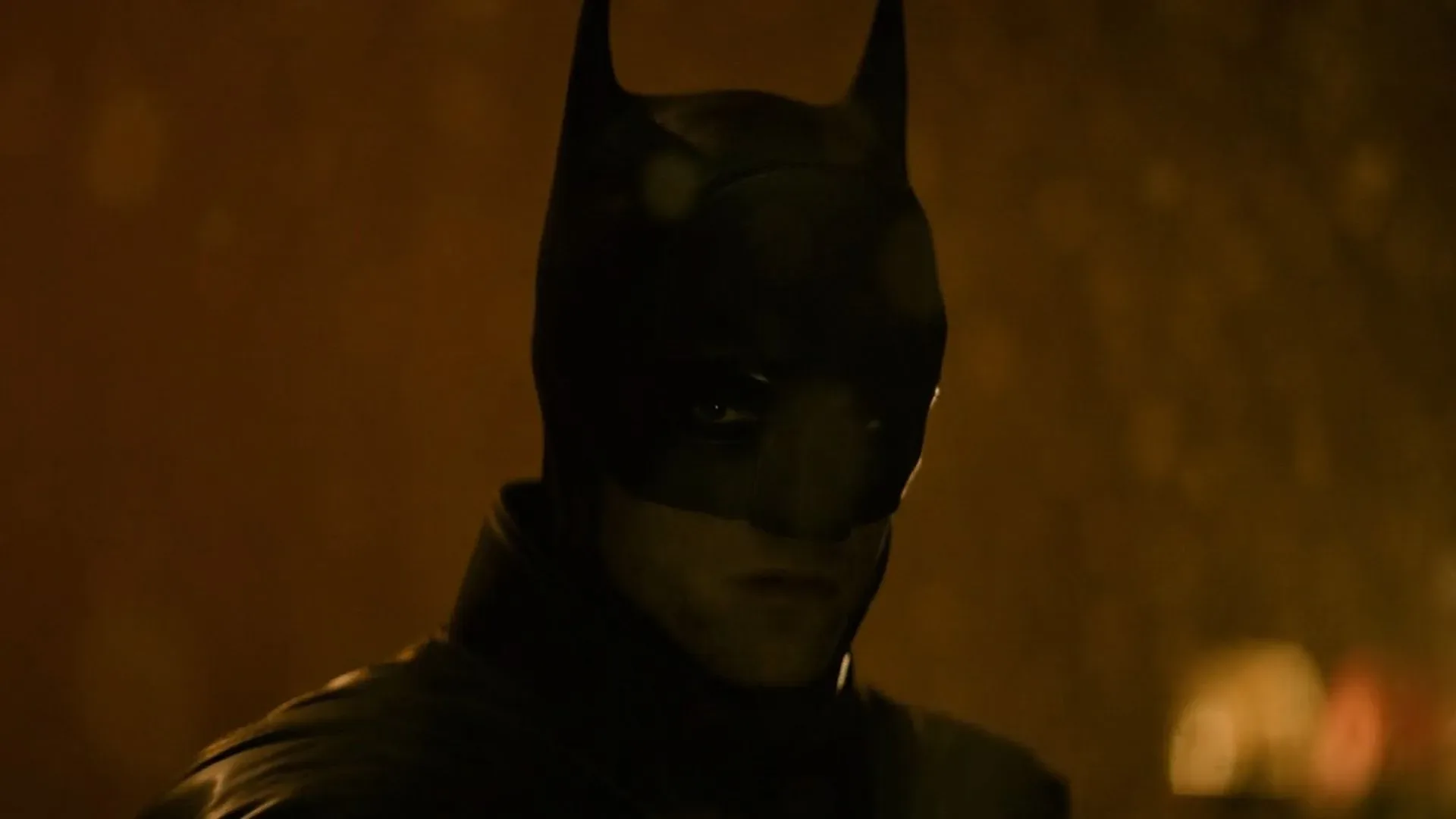
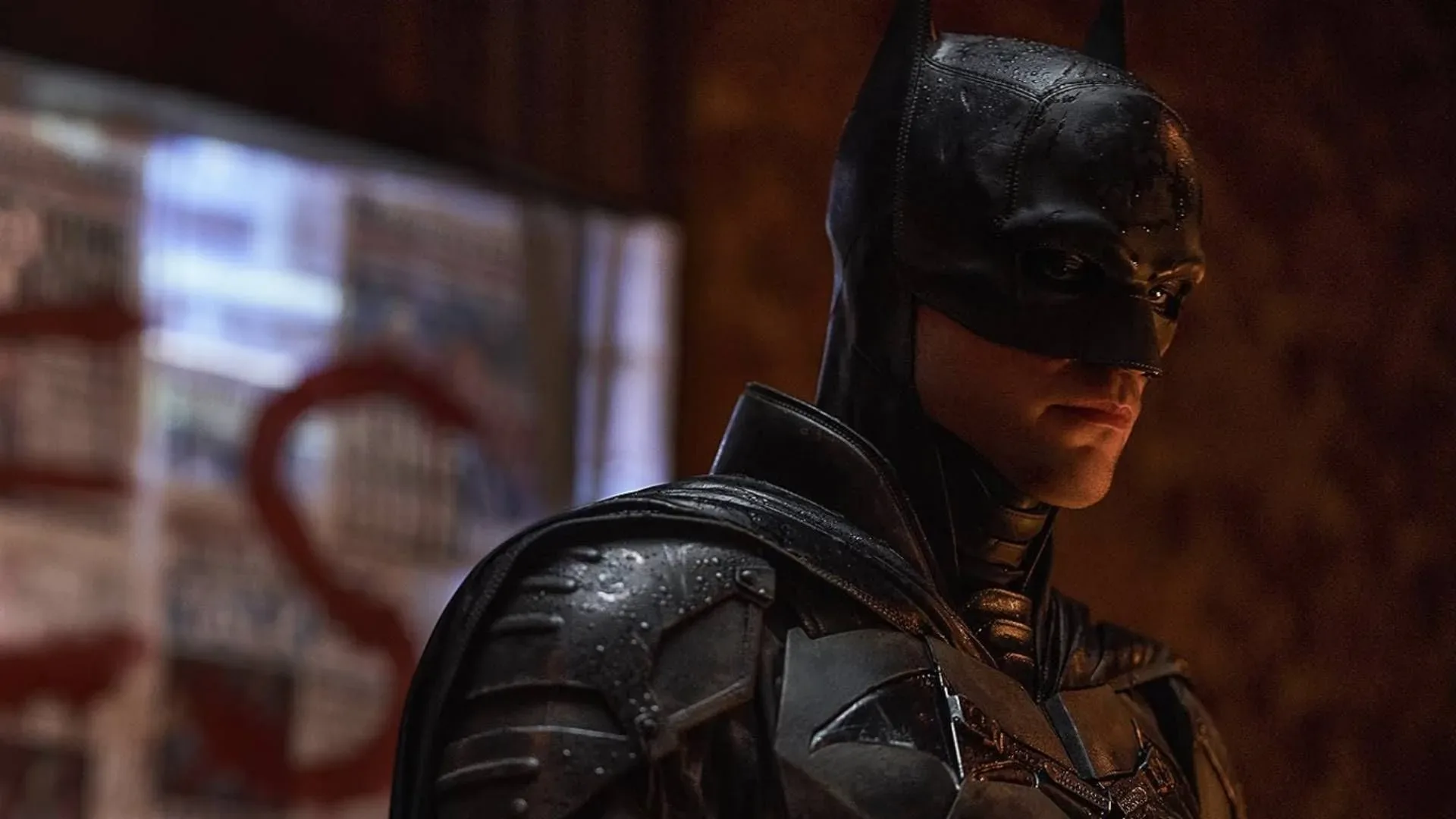
Robert Pattinson’s future as Gotham’s masked detective may be less settled than it once appeared. A new report indicates that the long route to The Batman: Part II has allowed the actor’s original deal to lapse before a potential third installment could be made.
The important qualifier is that this is a report about a private contract, not a public statement from Pattinson, DC Studios, or director Matt Reeves. None of those parties has confirmed that Pattinson is finished with the role, that a third film has been cancelled, or that another actor is being considered. Still, the reported expiry matters because the original arrangement reportedly envisioned three films, while the sequel’s release date now sits six years after the first movie reached theaters.
The Batman: Part II is currently scheduled for February 18, 2028. Its date has moved substantially from an earlier October 2025 target. That schedule change is the crux of the reported contractual issue: an actor can be attached to one planned series of films, but a lengthy production timeline can alter the practical and legal assumptions behind that commitment.
What the report does—and does not—establish
The central claim is straightforward: Pattinson was initially contracted for a third and final turn as Batman, but the extended gap before Part II means he is reportedly no longer obligated to make that third movie. It does not mean a third film cannot happen with Pattinson.
A lapsed contractual commitment and an actor’s willingness to return are different questions. If the report is accurate, a future third film could require a fresh agreement rather than automatically proceeding under the earlier one. That could be routine in principle, but it leaves more variables in play: scheduling, creative interest, compensation, studio plans, and the timing of a script and production.
For viewers, the immediate practical takeaway is modest. Pattinson remains associated with the Batman sequel due in 2028. Beyond that, there is no confirmed release plan, no publicly announced replacement, and no official statement defining whether Part II will be the end of this particular version of the character.
Why the sequel’s timeline has become such a big story
The first The Batman arrived in 2022. By the currently scheduled February 2028 release of its sequel, six years will have passed between the two films. That is an unusually long wait in simple audience terms, but its greater importance here is logistical. A franchise plan can be built around a presumed cadence of films; every shift in that cadence affects the availability of performers and filmmakers.
The sequel was first dated for October 2025 before being delayed multiple times. Production was also reportedly paused temporarily when Reeves stepped away for personal reasons. The supplied report says Steven Soderbergh has since taken over the reins. With no direct comment from the filmmaker, studio, or cast included here, the production specifics should be treated carefully, but the broad point is clear: the film’s path to release has not been smooth.
That distinction between a release date and a production commitment is useful. A date on a calendar tells audiences when a studio expects a film to open. It does not, by itself, tell the public whether every performer’s earlier option, deal term, or availability window remains unchanged. Contracts are not generally public documents, so outside reporting can illuminate a possible change without resolving every detail of it.
James Bond could reshape the scheduling equation
The other major factor is Pattinson’s newly reported role as James Bond. On November 16, he was announced as the next actor to play 007 in an Amazon MGM Studios-era Bond project led by Denis Villeneuve, who is also connected to the forthcoming third Dune film.
The supplied information says Pattinson had previously indicated he would commit to three Bond films. If that remains the plan, the role could take a meaningful share of his future schedule. Bond films are large-scale productions, and a lead actor’s involvement extends beyond time spent in front of cameras. Planning, production, promotional obligations, and the need to preserve room for later installments can all make calendar coordination more difficult.
That does not create proof of a Batman exit. Pattinson has maintained a busy slate, appearing this year in The Drama, The Odyssey, and Primetime, while also set to join Villeneuve’s final Dune film in December. The more reasonable reading is that Bond gives any hypothetical The Batman 3 another complication to solve, rather than a definitive answer.
It also explains why the reported contract detail is receiving attention now. If there had been a firm continuing obligation for a third Batman movie, the schedule discussion would begin from a different place. If that obligation has ended, a future return may depend on a new negotiation that has to fit alongside one of cinema’s most demanding lead roles.
Elseworlds and the DCU are not the same continuity
Part of the uncertainty comes from the changing corporate picture around DC, but it is important not to merge separate fictional continuities into one issue. Pattinson’s Batman films sit outside the main DC Universe continuity. They are identified as an Elseworlds project, a label generally used for stories operating separately from the central shared universe.
That means the future of the DCU’s Chapter One and the future of Pattinson’s Batman series are related at the studio level, but not necessarily as one narrative plan. The report says James Gunn and Peter Safran are due to leave their roles as DC Studios co-CEOs, with former Marvel Studios executive Jeremy Latcham scheduled to replace them on December 1, 2026. It also notes reports that Skydance-owned Paramount, following its acquisition of Warner Bros., plans to dismantle Gunn’s DCU Chapter One.
Those claims describe a period of potential transition, not a confirmed decision about The Batman: Part II or a third film. The sequel remains dated, and the report specifically says Pattinson’s Batman is outside the DCU. It would therefore be premature to treat wider DC leadership changes as confirmation that the Elseworlds series has ended.
Franchise labels can make these stories confusing. “DC” is a broad umbrella; “DCU” refers to a particular connected continuity; and “Elseworlds” distinguishes projects designed to stand apart from that continuity. The distinction matters because a shake-up affecting one line of storytelling may not automatically dictate the fate of another, even if both ultimately involve the same corporate ownership.
What remains confirmed for Batman fans
At present, the concrete item is the February 18, 2028 theatrical date for The Batman: Part II. The reported expiry of Pattinson’s third-film commitment changes the conversation around what follows, but it does not supersede the sequel’s announced plan.
Everything after that requires restraint. There is no public confirmation that a third installment is in active development. There is no official confirmation that Pattinson has declined to return. And there is no official explanation of how, or whether, the reported contractual situation could be resolved.
For a useful comparison in how long-running screen franchises can turn on a performer’s connection to a character, see the discussion of legacy and literary links around Lenore Dove and Lucy Gray in the Hunger Games world. In Pattinson’s case, though, the key issue is not story continuity alone; it is the unconfirmed status of a future professional agreement.
Until the relevant parties comment, the most accurate description is uncertainty. The Batman: Part II has a date and Pattinson remains its star. A third Pattinson-led Batman movie is no longer something audiences can safely assume follows automatically, particularly as the actor’s Bond commitment and DC’s broader leadership transition enter the equation.