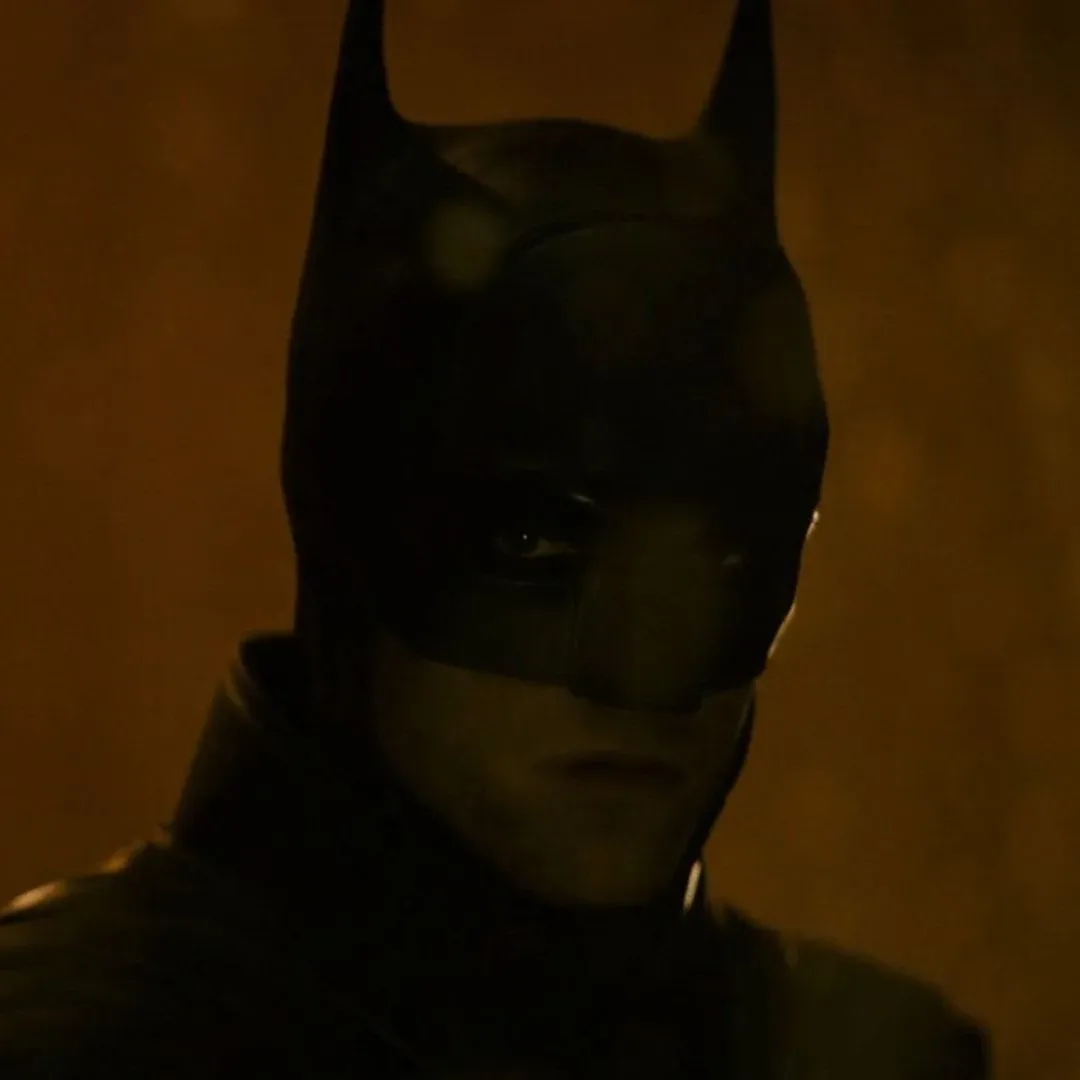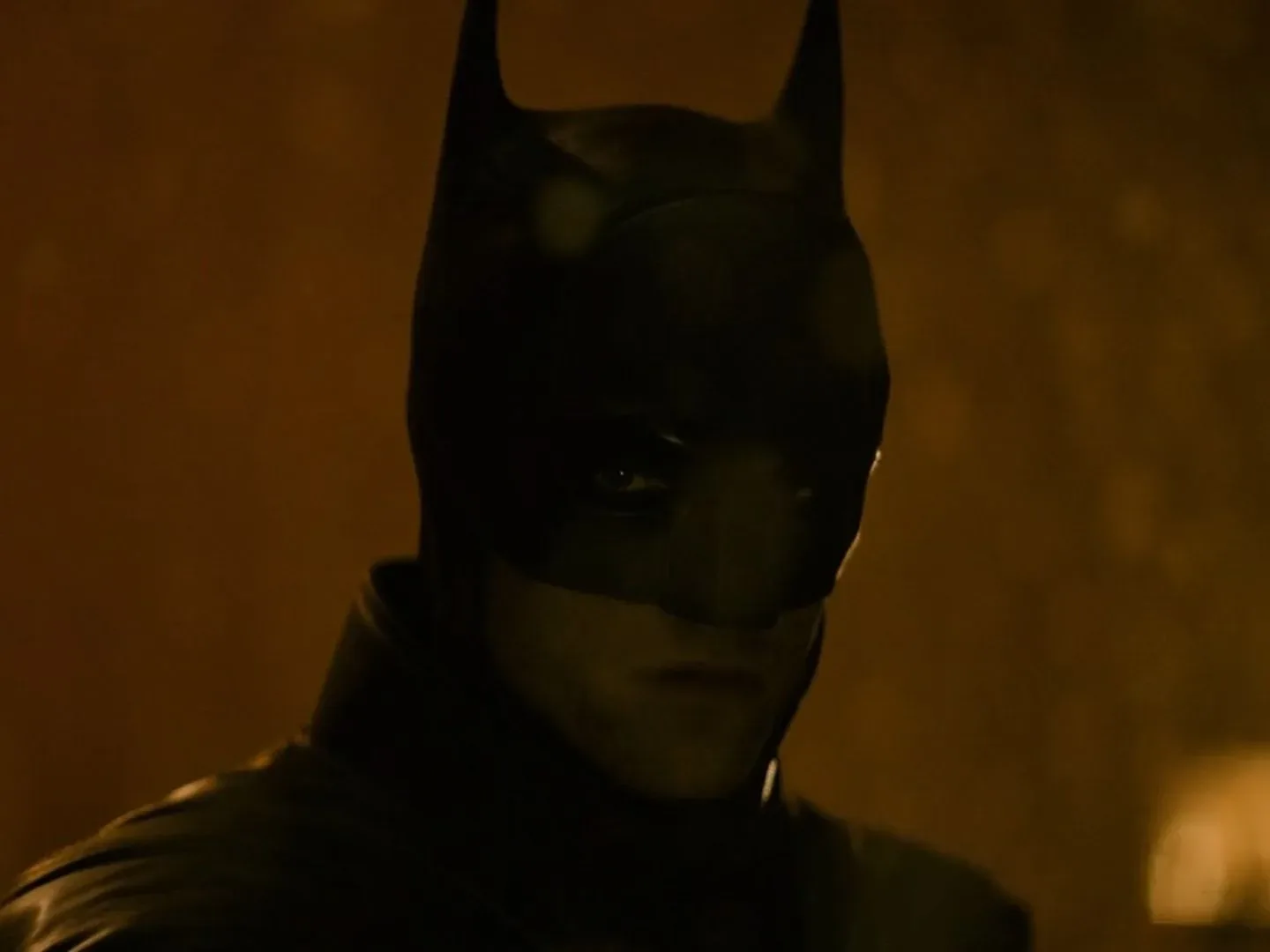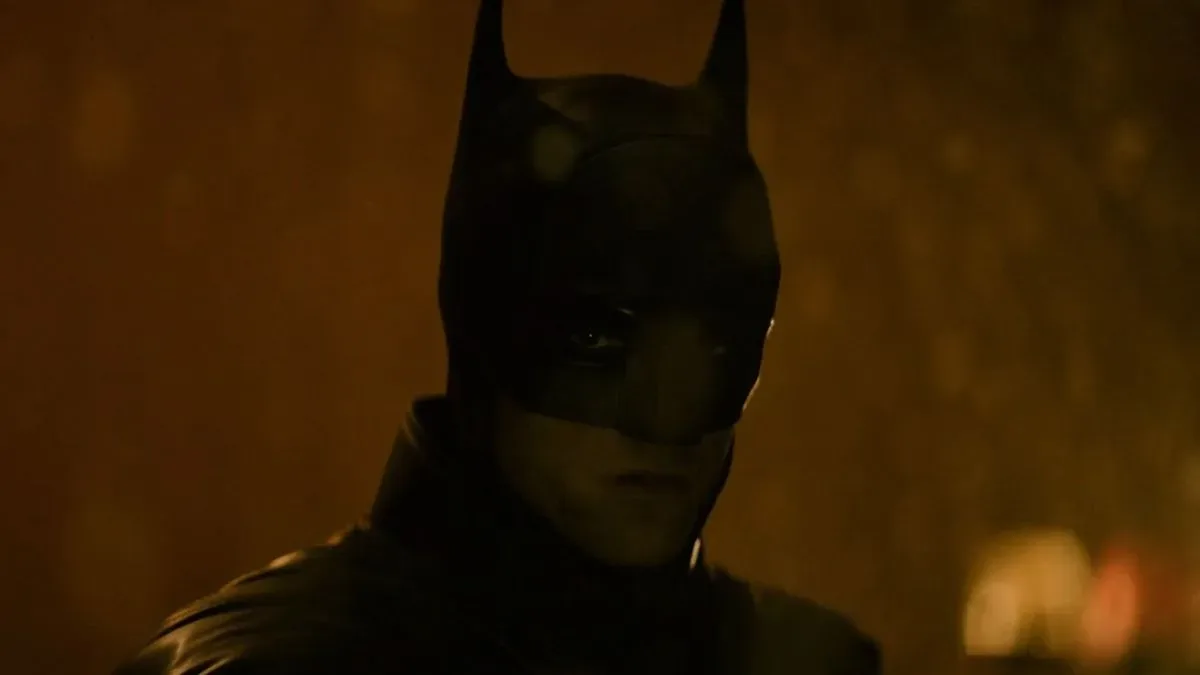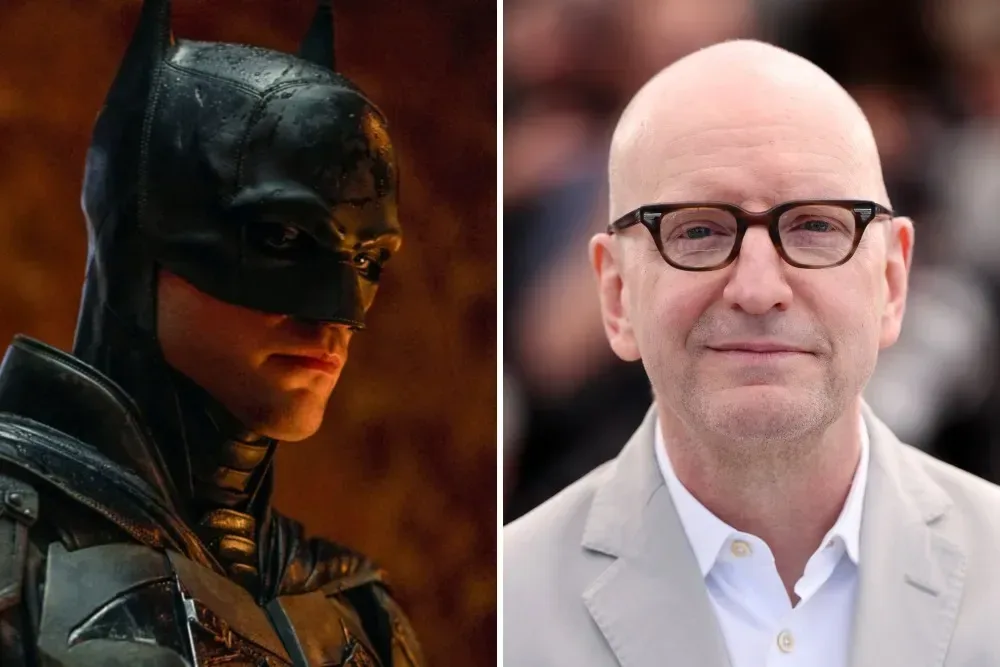
Robert Pattinson has offered his first substantial reaction to Steven Soderbergh joining The Batman Part II to complete principal photography, describing the filmmaker’s involvement as a generous effort to help writer-director Matt Reeves bring his existing plan to the finish line.
The sequel’s production was paused temporarily earlier in October after Reeves stepped away to deal with an ongoing family matter. Soderbergh subsequently came aboard to finish filming, in collaboration with Reeves, while DC Studios confirmed that Reeves remains involved and will handle post-production alongside Soderbergh. The arrangement is significant precisely because it is not being presented as a wholesale change in creative direction: Soderbergh is completing the shoot with Reeves’ script and vision already in place.
Pattinson, who returns as Bruce Wayne, said he was pleased to have Soderbergh helping his director. “I am so happy he’s come on to help Matt,” he said, calling the move “incredibly generous” and “completely selfless.”
What has changed — and what has not
The immediate change is behind the camera during the final phase of filming. Reeves had been directing the sequel he wrote before the pause. Soderbergh, whose directing credits include Traffic, Erin Brockovich and the Ocean’s films, is now completing principal photography with the studio’s support.
But the available details point to a continuity plan rather than a replacement plan. Pattinson stressed that Reeves had already invested heavily in the screenplay and that the production was nearly finished. In his description, Soderbergh’s purpose is to work with Reeves and get the material “to the edit,” rather than to recast the film in a distinctly Soderbergh-like mold.
That distinction matters for audiences trying to read the situation. Film productions involve many creative departments, but the director’s responsibilities do not end when the cameras stop. A writer-director’s work can extend through editorial decisions, sound, music, visual effects and the final assembly of the movie. Reeves has also said publicly that he is “not leaving” The Batman Part II, while DC Studios has said he will work on post-production with Soderbergh.
In practical terms, that means the production has found a way to keep its shoot moving while maintaining Reeves’ participation in the stage where filmed footage is shaped into a finished feature. It does not establish that Reeves’ role has ended, nor does it indicate that the sequel has been handed over as a new Soderbergh film.
Principal photography, explained
Principal photography is the main period in which a movie’s scheduled scenes are shot with its actors and core production crew. It is the phase people usually mean when they say a film is “filming.” Once it wraps, a project enters post-production, although productions can still return for additional photography or pickups if more material is needed.
Pattinson indicated that the movie was already back in production and that he would resume work within days. His comments also suggest the team is close to completing the central shoot, though no precise wrap date was provided.
For a high-profile sequel, keeping that distinction clear is useful. A temporary pause in production can understandably create concern, especially when the original filmmaker steps away for a personal family matter. Yet a return to principal photography with the lead actor preparing to come back is a concrete sign that work is proceeding. It is not, by itself, a promise about every later production milestone; there is still no reason to assume details beyond the stated February 18, 2028 theatrical release date.
Why Pattinson’s comments carry weight
As the performer playing Bruce Wayne, Pattinson is directly affected by who is directing on set. His response frames Soderbergh’s participation as collaborative and respectful of Reeves’ work rather than as an abrupt creative reset. Pattinson said Reeves had put “so much work into the script,” adding that it was encouraging to have a filmmaker of Soderbergh’s caliber step in to help complete it.
“For someone to come in and say, ‘I just want to help Matt do it; I want to do it in conjunction with him and just get it to the edit.’ And to have someone who’s as talented as Steven doing it is great.”
There is a meaningful production-minded logic in that view. When filming is well underway, the needs can be highly specific: completing remaining scenes, preserving scheduling momentum, keeping a crew employed and ensuring the material needed for the edit is captured. A director joining at that stage is working inside an established framework that includes the script, cast, sets, costumes and footage already shot. Reeves’ continued post-production participation gives that framework a further point of continuity.
It would be premature, however, to draw conclusions about the sequel’s eventual visual style, story or tone from the change alone. No new plot information, character details or production specifics have been disclosed. The responsible read is simply that Soderbergh is assisting in finishing the shoot and that Reeves remains part of the movie’s creative completion.
Reeves’ continuing post-production role
Post-production is the process that turns the footage from a shoot into a release-ready film. Editing is central to it, but it can also encompass sound editing and mixing, score, color work, visual effects and other finishing work. For a comic-book feature, it is often an extensive period, though no specific post-production timetable for The Batman Part II has been announced.
The confirmation that Reeves will handle that work in collaboration with Soderbergh should be read alongside the reason for the temporary pause: Reeves is addressing an ongoing family matter. Soderbergh reportedly approached Reeves with the offer to complete principal photography, rather than being brought in after Reeves abandoned the project. That context is important because it describes a supportive production solution and avoids reducing a personal situation to industry speculation.
It also gives the phrase “finish filming” a more precise meaning. Soderbergh’s job, based on the information available, is connected to completing principal photography. Reeves’ job remains connected to the film after the shoot, with the two directors collaborating during post-production.
Pattinson’s crowded 2026 slate
The Batman sequel arrives amid a particularly busy period for Pattinson. He is currently promoting Primetime, which is playing in US theaters and is due on digital November 3. In the UK, the film opens in cinemas October 30, following select preview screenings beginning October 28.
He has also appeared in The Odyssey and The Drama in 2026, with Dune 3 still ahead. Pattinson described the run of projects as a “miracle,” expressing surprise that the films have come together and been received well. For a look at another, very different use of the Odyssey name in screen-focused coverage, see this examination of Grok’s short AI-generated Odyssey project.
None of that changes the immediate focus for Batman fans: Pattinson is preparing to return to the set, filming has resumed, and the production now has one of modern cinema’s most recognizable directors helping to complete the remaining work under an arrangement designed to preserve Reeves’ involvement.
The release date remains February 2028
The Batman Part II is scheduled to open in theaters on February 18, 2028. That date remains the clearest public marker for the project. With production moving again, the central facts are relatively straightforward: Reeves’ absence from the set is temporary and related to a family matter; Soderbergh is finishing principal photography after offering to help; Pattinson is due back to work; and Reeves will remain involved in post-production.
For now, the development is best understood as an unusual but explicitly collaborative handoff during a limited portion of production. The creative partnership may be notable, but the stated objective is simple: complete the film Reeves has been building and carry it through the edit with both filmmakers involved.