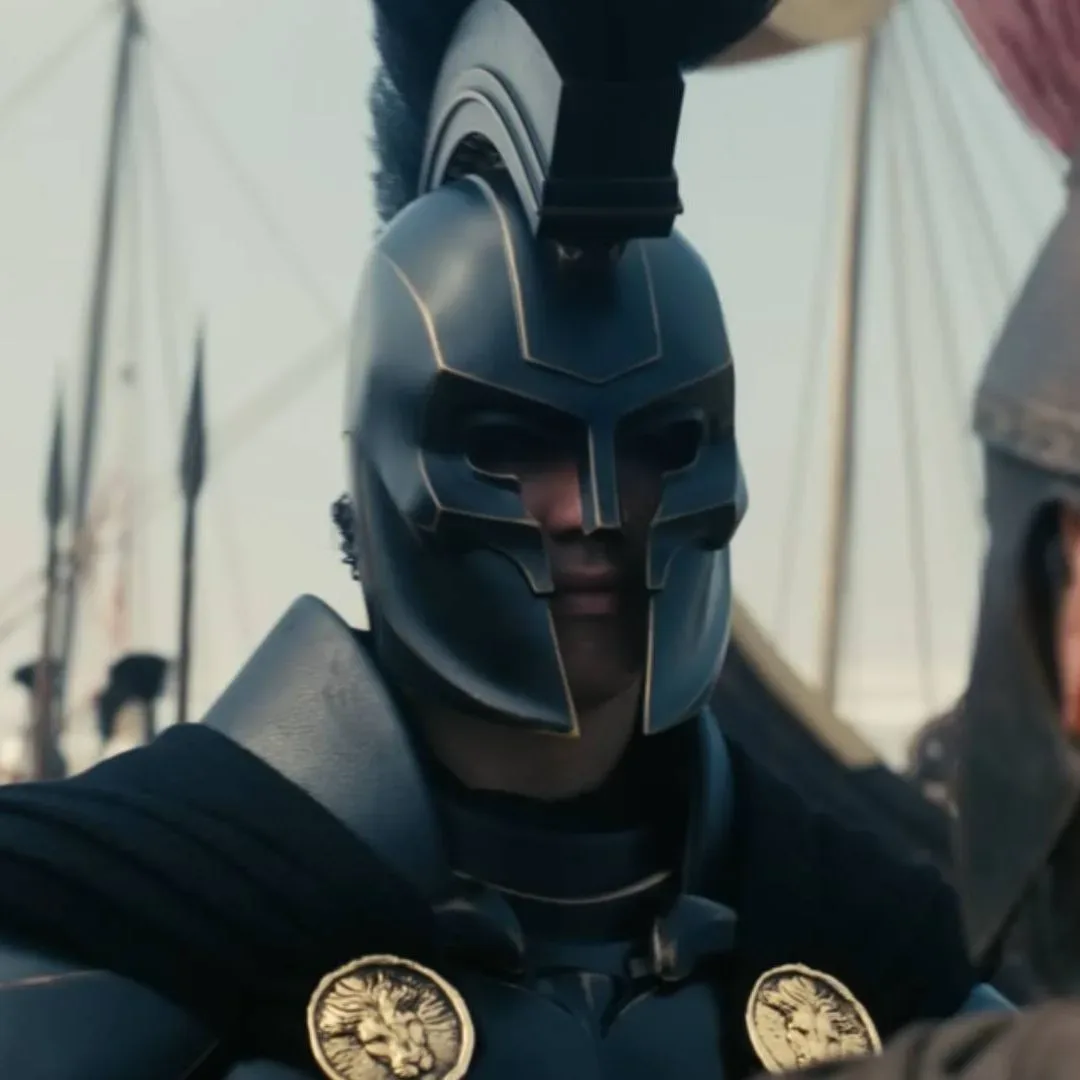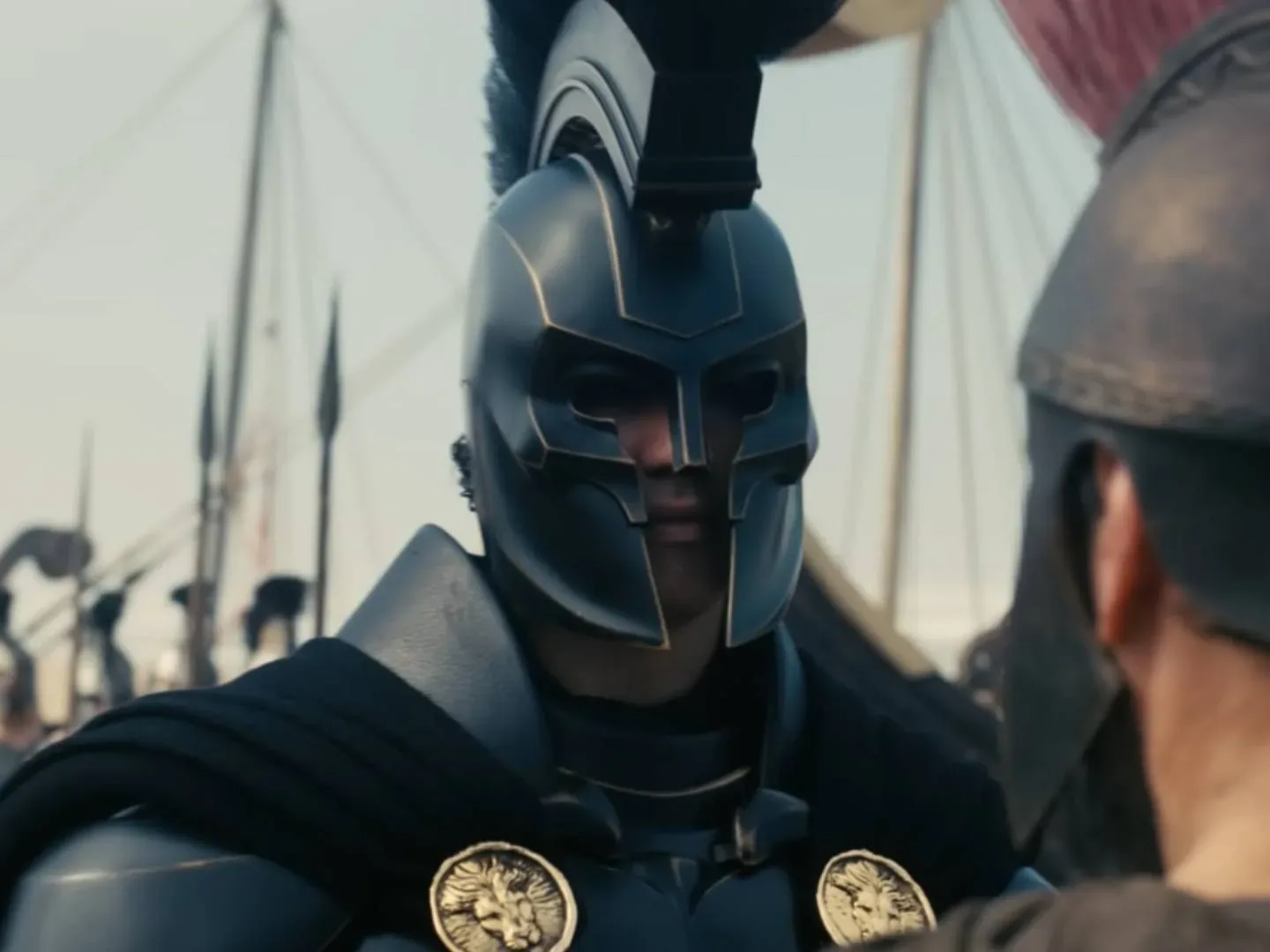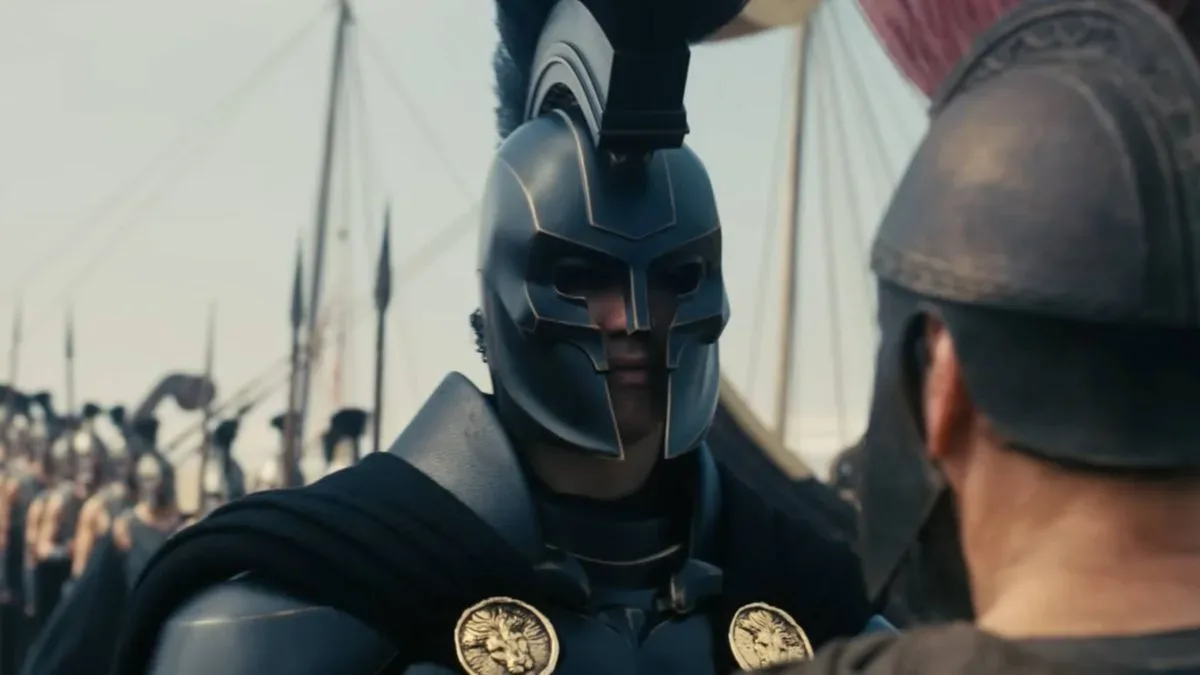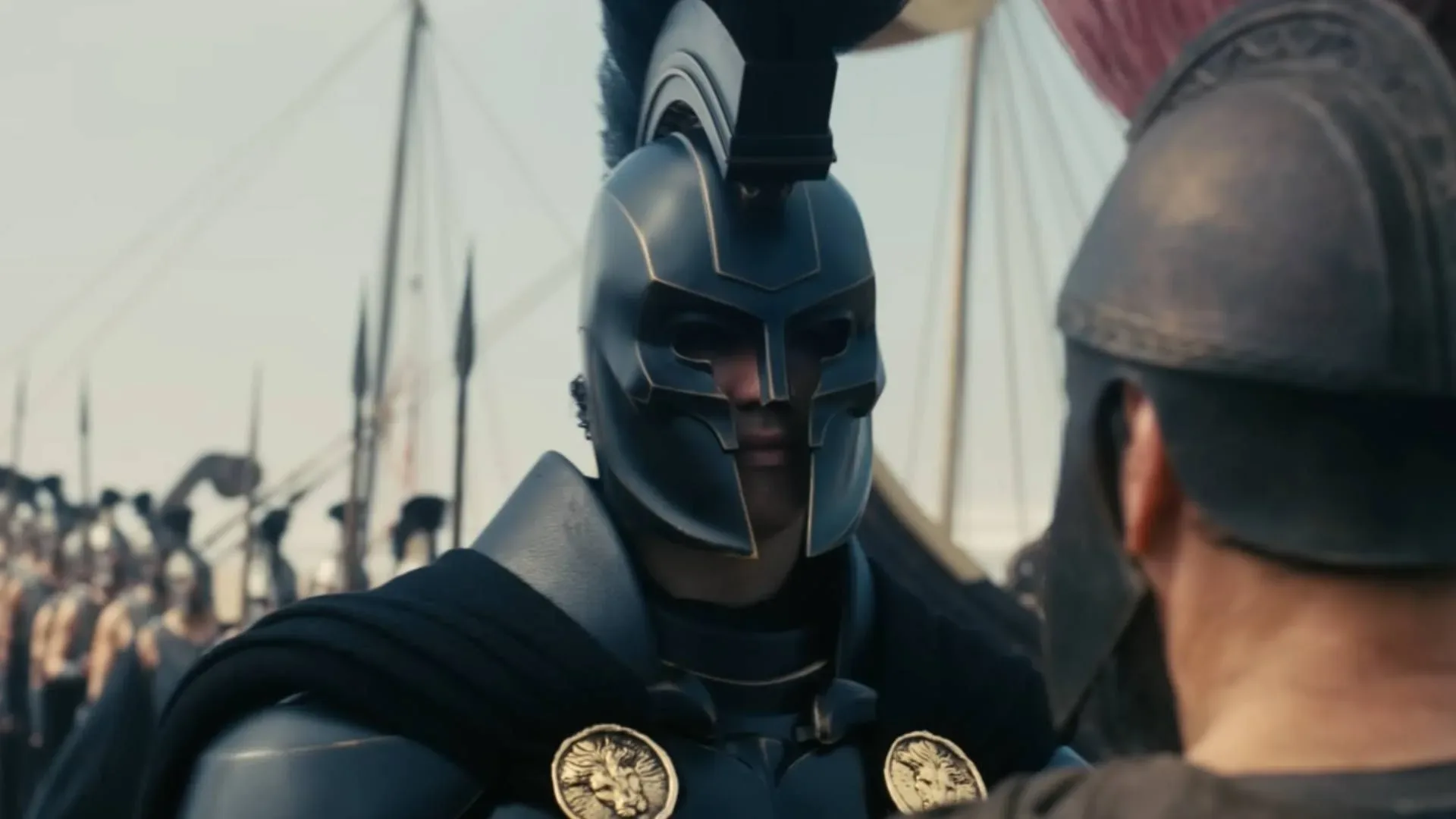
Grok’s voyage into Homer has reached the shore, tripped over a sandal, and immediately been met by a chorus of online groans. The AI assistant has released the first seven minutes of its version of The Odyssey on X, presenting an opening that follows Odysseus setting out toward Troy.
The segment was made in what is described as a creative collaboration with Wonder Studios and director Dev Walker. But the early response has been harsh. Viewers have singled out wooden-sounding dialogue, unsettling AI-generated performers, and a battle sequence that appears to lack urgency. Comments on the post have included descriptions such as “soulless” and “terrible.”
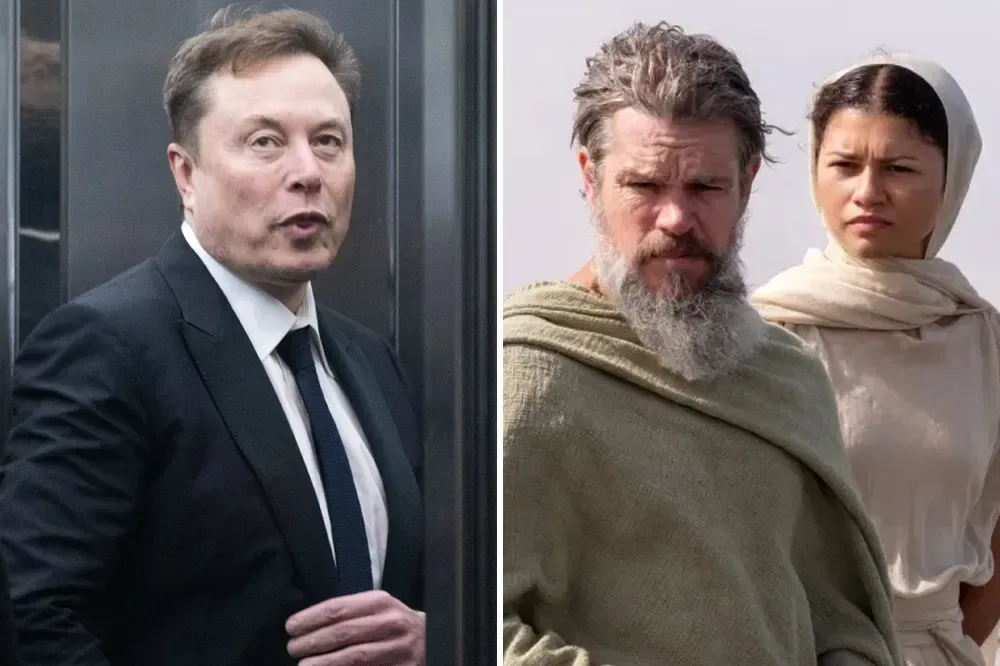
That reaction matters because this was not simply a stray experimental clip. The project arrived after repeated promises that Grok Imagine would create a feature-length Odyssey before the end of the year—one Elon Musk said would be historically accurate and faithful to Homer’s art. X also offered three cash prizes worth up to $100,000 for prompts intended to demonstrate Grok Imagine’s video and voice abilities.
Seven minutes cannot settle what a full film would be. It can, however, establish the central problem a proposed AI movie must solve: generating a moving image is not the same thing as shaping drama. An epic needs more than ships, armor, landscapes, and spoken lines in approximately the correct order. It needs performances that communicate intention, scenes that build tension, and editing that tells the audience where to look and why the moment matters.
The difference between generated footage and a film scene
“AI-generated” in this context refers to audiovisual material created by a model from instructions, usually called prompts. A prompt can ask for a setting, character type, action, dialogue, tone, or camera-like visual idea. The pitch is easy to understand: type a request, receive a sequence. The creative difficulty starts when a production needs that sequence to remain coherent from shot to shot and emotionally persuasive from beat to beat.
The complaints aimed at Grok’s opening point directly at that difficulty. Stilted line readings are more than an aesthetic nuisance. Dialogue delivers plot information, but vocal rhythm also reveals fear, authority, doubt, impatience, grief, and relationships between people. If characters sound like they are merely reciting text, the story’s stakes become harder to believe.
The same goes for the reported uncanniness of the AI actors. The term uncanny is commonly used for human-like imagery that looks close enough to be recognizable, yet not natural enough to feel convincing. In a scene about war and departure, an audience needs to read faces quickly. A small hesitation, a guarded expression, or a glance between companions can do work that pages of exposition cannot. If the faces pull viewers out of the moment, they stop reading character and start inspecting the technology.
Action has its own version of this issue. A battle scene is not automatically exciting because weapons and soldiers are visible. Its tension usually comes from geography, cause and effect, rhythm, and perspective. Who is in danger? What changed? Where is the escape? What did the hero decide? Without those anchors, action can become a blur of expensive-looking activity—or, in this case, footage that viewers reportedly found sleepy.
Related coverage includes Grok's AI-Generated The Odyssey Draws Backlash After First Seven Minutes Appear Online.
An enormous promise meets an immediate test
The first release carries extra weight because of the scale of the earlier claim. A full-length movie requires sustained consistency, not just one attractive frame or a brief viral clip. Characters must remain recognizable, environments need to make sense, dialogue must play naturally, and every scene must serve an unfolding story. The longer the runtime, the less any one striking image can carry the experience.
That does not mean a short proof of concept has no value. It can show whether a tool can produce a desired look, voice, or scenario. But a proof of concept is different from a finished dramatic work. The distinction is particularly important for an adaptation of The Odyssey, a foundational epic whose journey, encounters, conflicts, and homecoming depend on character endurance and narrative momentum rather than surface spectacle alone.
There is also a mismatch between the broad objective and the criticism of the result. A stated goal of historical accuracy creates a demanding standard, while being true to Homer’s art establishes a different, artistic one. Historical presentation concerns the material details and framing of an ancient world. Being artistically responsive to Homer concerns storytelling, mood, character, and the weight of a mythic journey. Neither aim is guaranteed simply because an image generator can depict a ship or a warrior.
For viewers, the practical question is refreshingly uncomplicated: does the scene work as a scene? They do not need a technical briefing to decide whether a line feels awkward or a battle feels flat. The negative response to the first installment suggests that, whatever the underlying system can produce, the visible result has not convinced many people watching it.
Nolan’s adaptation sets a very visible comparison point
The timing makes the comparison impossible to ignore. Christopher Nolan’s The Odyssey is nearing the end of a theatrical run that has taken almost $1.8 billion. That makes it the highest-grossing R-rated film of all time and the most successful release of Nolan’s career.
The film is also entering awards-season conversation, with Anne Hathaway and Robert Pattinson among the cast members being discussed as potential Oscar contenders. Box-office totals and awards talk do not prove that every viewer will respond identically to a movie. They do show that Nolan’s version has become a major cultural event, and that its performers are central to how that event is being received.
That last point is especially awkward for an AI-made rival. The Grok clip has faced criticism precisely around its performances, while the competing adaptation’s cast is being discussed in terms of awards recognition. Human performers do not merely supply voices and faces; their choices help define character. A pause changes a line. A shift in posture changes a scene’s power dynamic. An actor can make silence carry meaning. The debate around Grok’s opening makes clear that audiences still notice the difference.
The contrast should not be reduced to a simplistic claim that tools are inherently incapable of producing useful material. The evidence here is narrower: this seven-minute Grok release has drawn broad criticism for the qualities viewers most need from narrative cinema—credible performances, emotional engagement, and compelling action. Its existence is evidence that the tool can output an audiovisual sequence. The response is evidence that output alone is not enough.
Why the backlash goes beyond Homer homework
Online reaction to an AI adaptation often turns into an argument over whether a work is technically impressive, historically precise, ethically acceptable, or creatively worthwhile. Those questions overlap but are not identical. The immediate backlash here is fundamentally about the viewing experience. People criticizing the clip are not only disputing a claim about the distant past; they are saying the present-tense footage did not hold their attention.
That is a more difficult problem to wave away than an isolated factual error. A historical detail can potentially be corrected. A weak dramatic experience requires reassessing the choices behind it: the script, the delivery, the staging, the selection of shots, and the assembly of the sequence. A model may be a component of that process, but it cannot make those creative questions disappear.
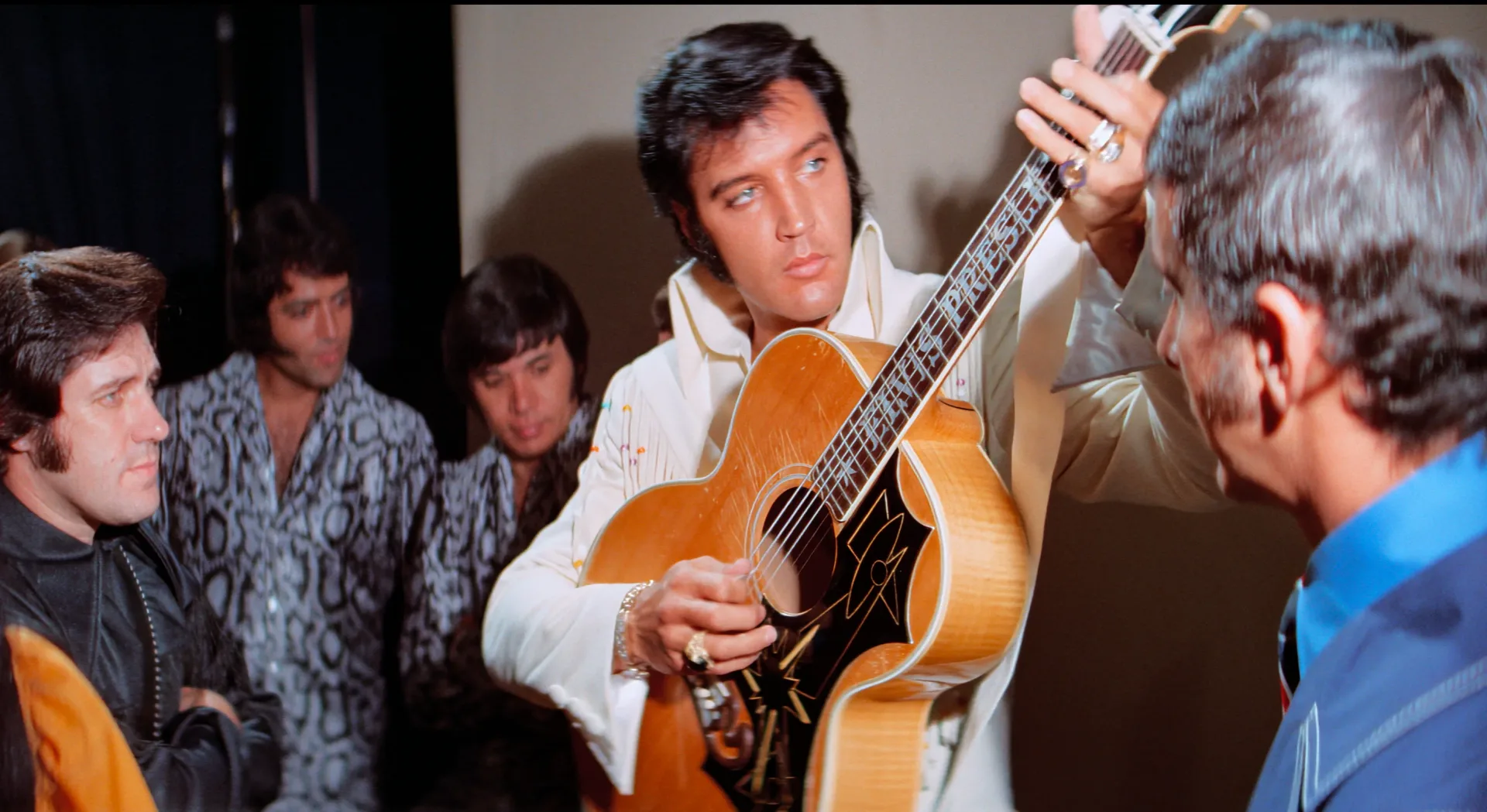
The release also lands during wider arguments about how AI systems handle creative work and rights. In music, for example, rights holders have brought legal claims over alleged AI training use, as covered in this report on a lawsuit involving Elvis Presley music rights holders and Anthropic. That case concerns different material and a different company, so it should not be treated as evidence about Grok’s project. It does illustrate the larger environment in which claims about machine-made entertainment are now being judged: audiences and rights holders are asking not only what a system can generate, but how it is made and what creative value it offers.
What to watch for if more arrives
If Grok releases additional material, the useful measures will be concrete rather than promotional. Does Odysseus behave like a consistent character across scenes? Do the voices convey motivations rather than simply pronounce dialogue? Can the action establish space and consequence? Does one sequence lead naturally to the next? And does the film develop a point of view beyond demonstrating that the system can make ancient-looking images?
Those are ordinary filmmaking questions, which is precisely why they matter. A full-length Odyssey would ultimately be judged against the basic expectations attached to any feature: viewers want a story, not a demo reel stretched to feature length.
For now, the first seven minutes have supplied an unwelcome answer to the grandest promise behind the experiment. Grok has made it to Troy, at least in outline. Winning over an audience looks like the much longer journey.