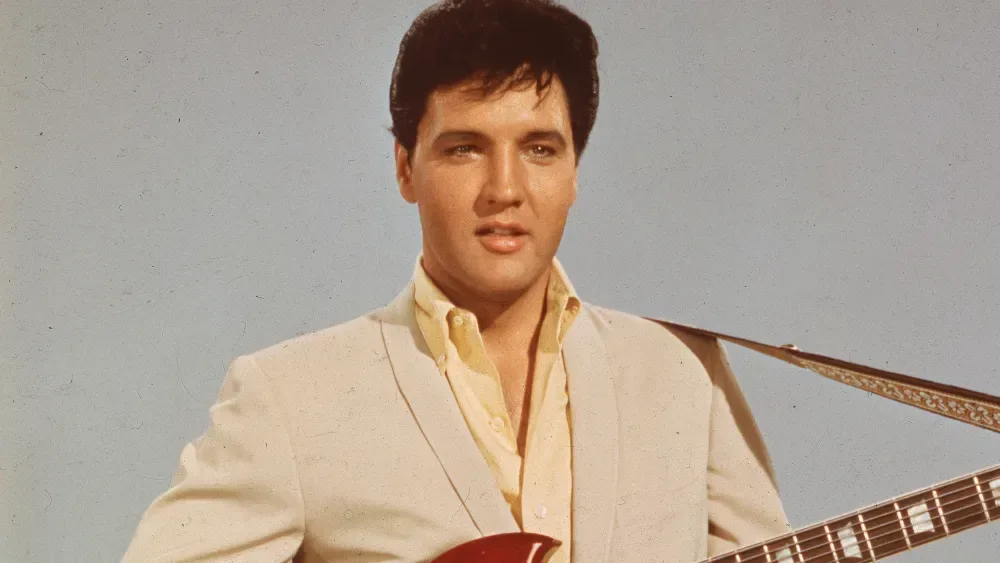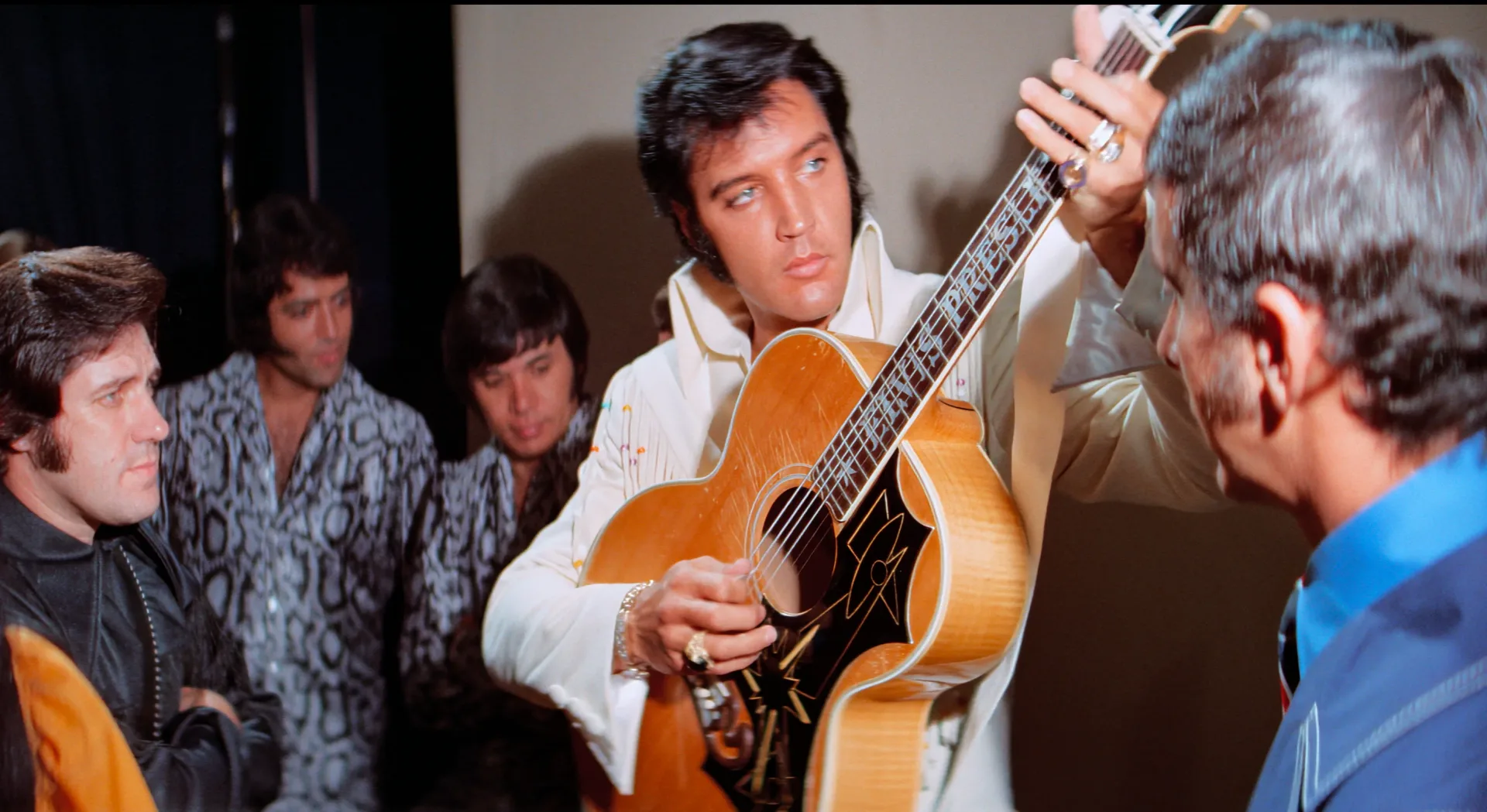
A group of companies and stakeholders that control rights connected to Elvis Presley’s music has filed a copyright-infringement lawsuit against Anthropic in federal court, alleging that the AI company used 274 Presley songs to train its Claude model without authorization.
The complaint was filed in the Northern District of California by plaintiffs including Authentic Brands Group and Raleigh Music Publishing. It seeks $48.6 million in damages and an order requiring Anthropic to stop the alleged infringement. The filing identifies songs including Can’t Help Falling in Love with You, Run On and Farther Along.
Those are allegations in a civil lawsuit, not findings by a court. Anthropic had not immediately commented, and the case will have to establish what material was used, how it was obtained, whether that use is legally actionable, and what remedy—if any—is appropriate.
What the lawsuit alleges
The central assertion is that Claude was trained on copyrighted Presley works without the permission of the relevant rightsholders. In plain terms, training is the process in which an AI system is exposed to large amounts of material so it can identify patterns and generate responses. The legal question in cases like this is not simply whether a model can mention an artist or respond to a request involving a song. It is whether copying works into a training pipeline, and the resulting use of those works, infringes exclusive rights held by copyright owners.
The plaintiffs’ requested damages total $48.6 million. They also want Anthropic to cease the conduct they describe as infringing. An injunction of that kind can matter as much as a dollar demand: monetary damages address alleged past harm, while an order to stop or alter conduct would address alleged ongoing or future use.
The complaint frames the disputed catalog as the product of creative work built over decades and argues that the speed and scale of generative AI should not displace the consent of rights holders. Lead attorney Richard Busch also criticizes what the plaintiffs portray as a mismatch between Anthropic’s public-oriented AI messaging and its alleged use of copyrighted works.
“There is simply no reason—other than rote expediency—to have that progress come at the cost of copyright holders,” Busch wrote in the complaint.
The suit further ties its claims to Anthropic’s reported pursuit of a potentially $2 trillion initial public offering, arguing that the company’s alleged conduct was motivated by profit and valuation. That characterization is the plaintiffs’ position, and it will be subject to the adversarial process if Anthropic contests the case.
Related coverage includes Elvis Presley Rights Holders Sue Anthropic Over Claude Training Claims.
Why the focus on songs matters
Music-rights disputes can be unusually layered. A song has underlying composition rights, generally associated with the music and lyrics. A particular recorded performance can also involve separate recording rights. The filing describes alleged training on Presley songs and identifies publishing-side plaintiffs, so its claims should not be treated as a blanket determination about every Elvis-related right or every version of a recording.
That distinction is important beyond this lawsuit. A title such as Can’t Help Falling in Love with You may point people toward a familiar performance, but copyright analysis can turn on which protected work was copied, which owner controls it, and the precise acts alleged. The current complaint puts 274 works at issue; it does not, by itself, resolve rights across Presley’s full musical legacy.
For music publishing businesses, catalog value is grounded in licensed uses of compositions. Licensing may cover recordings, performances, synchronization with audiovisual projects and other uses depending on the arrangement. AI training has become a major point of conflict because it does not fit neatly into the public’s more familiar idea of a song being played, sold or placed in a film. The question is instead about the reproduction and use of protected material within a technical process.
That is why a case centered on a well-known catalog can still involve highly technical issues. A court may need to examine the provenance of training material, whether the alleged copies were made, the purpose and character of the use, and whether the conduct causes legally relevant harm. None of those questions is answered merely by the prominence of the songs involved.
Claude and the broader copyright fight around AI
Claude is Anthropic’s AI model. Like other generative AI systems, it can produce text in response to prompts. The lawsuit places the model in a wider wave of litigation challenging how AI companies collect and use copyrighted creative work for training.
Anthropic has already faced copyright claims from writers and artists. It settled a lawsuit brought by a group of authors for $1.5 billion after they accused the company of misusing books in AI training. Busch has also previously sued Anthropic for Round Hill Music, alleging that hundreds of songs were scraped without authorization in a separate $1 billion case.
The Presley-related action arrives alongside a broader set of legal disputes involving AI and music. Companies including Suno and Udio have also been sued in litigation concerning model training. Taken together, these cases reflect an unresolved clash between developers building systems from enormous datasets and rights holders seeking control, compensation and transparency over the use of protected work.
It is worth keeping the cases separate. Similar accusations do not make them identical, and a settlement or ruling in one matter does not automatically decide another. Each dispute can involve different works, rightsholders, technical records and legal arguments.
What “training” means—and what this case does not yet establish
In everyday conversation, saying a model was “trained on” a song can sound like saying the full song is stored inside the model and available for playback. That is not necessarily what the phrase means. Training is a data-processing process intended to adjust a model’s behavior based on patterns found in input material. But the technical description does not decide the copyright question. The plaintiffs’ claim is that use of their works in that process was unauthorized and infringing.
Nor does the complaint establish that Claude produces specific Presley songs, lyrics or close musical replicas for users. The supplied allegations focus on the use of songs as training material. It would be a mistake to add output-related claims that are not stated in the case summary.
Likewise, the $48.6 million figure is a demand, not an award. Courts can dismiss claims, allow them to proceed, narrow them, oversee settlements or issue other rulings. The request for Anthropic to stop the alleged infringement is also just that: requested relief. Whether the plaintiffs obtain it depends on later legal proceedings.
Practical stakes for music and AI companies
For rightsholders, the immediate concern is whether the expanding value of AI systems is being built with protected catalog material without permission or payment. The complaint’s argument is especially pointed on this issue: it contrasts works created across many years with AI development conducted on a much shorter timeline.
For AI developers, these disputes raise difficult operational questions about datasets, licensing, documentation and legal risk. A company defending itself may argue that its conduct is lawful; a rights holder may argue that permission was required at the point copyrighted material entered the training process. The outcome of litigation can influence incentives on both sides, but this lawsuit has not yet supplied an answer.
For users, this is a reminder to distinguish between the apparent ease of an AI prompt and the complicated rights questions behind the service. A chatbot answer may be instantaneous. The creation, collection and processing of the material that helped shape the system can involve years of creative labor and a dense chain of ownership.
Music publishing itself is a specialized business built around those ownership relationships. The role of publishers and executives in protecting and administering song rights remains central to the industry, as reflected in this look at the career of Big Deal Music co-founder Kenny MacPherson. The Presley complaint shows why that infrastructure is now intersecting directly with generative AI policy and litigation.
What happens next
The case is at the allegation stage. The plaintiffs will seek to prove their claims concerning the 274 works, while Anthropic may respond with factual and legal defenses. The available material does not indicate how the company will answer the complaint or set out a timetable for the case.
What is clear is the scale of the dispute. It concerns a globally recognized music catalog, a major AI model, a demand for $48.6 million, and a request for the court to halt the alleged unauthorized use. As courts continue to assess training-related copyright claims, the outcome of individual cases may help define how creative works are treated in the development of generative AI systems.