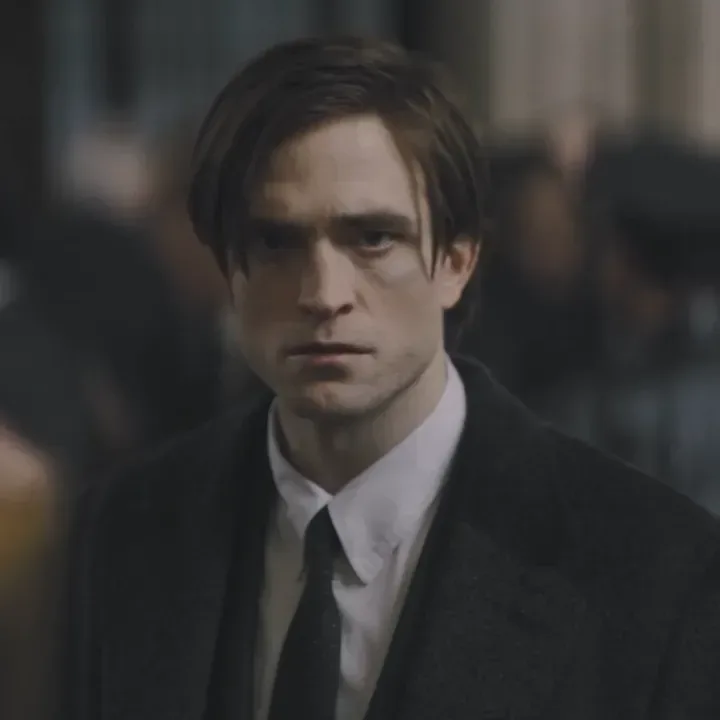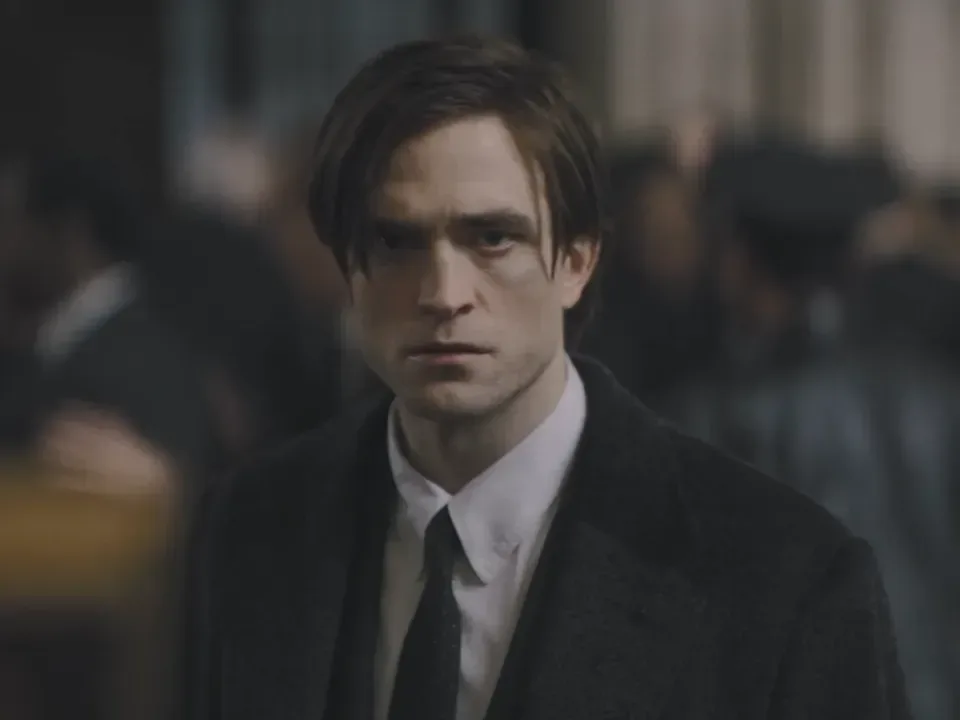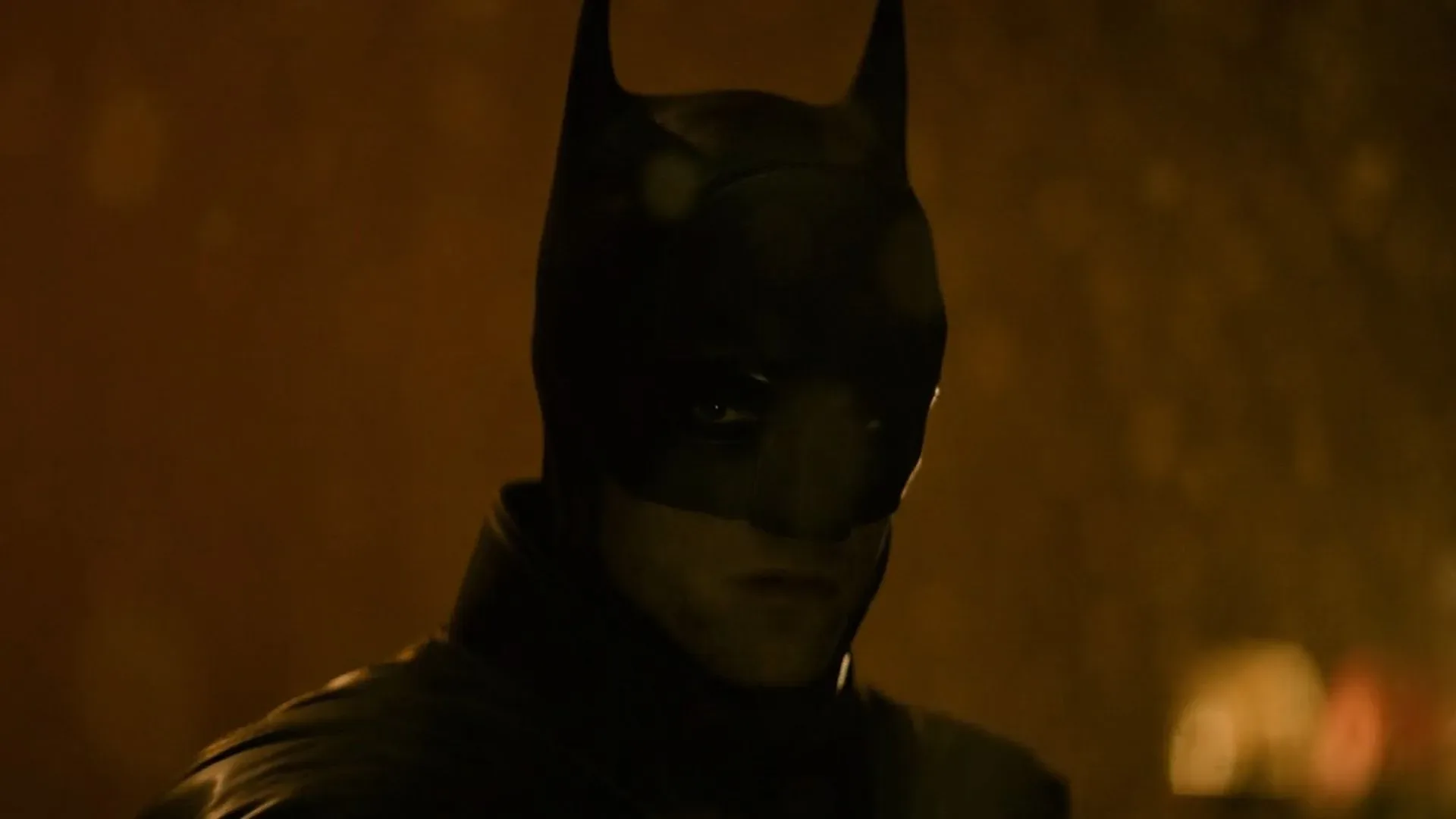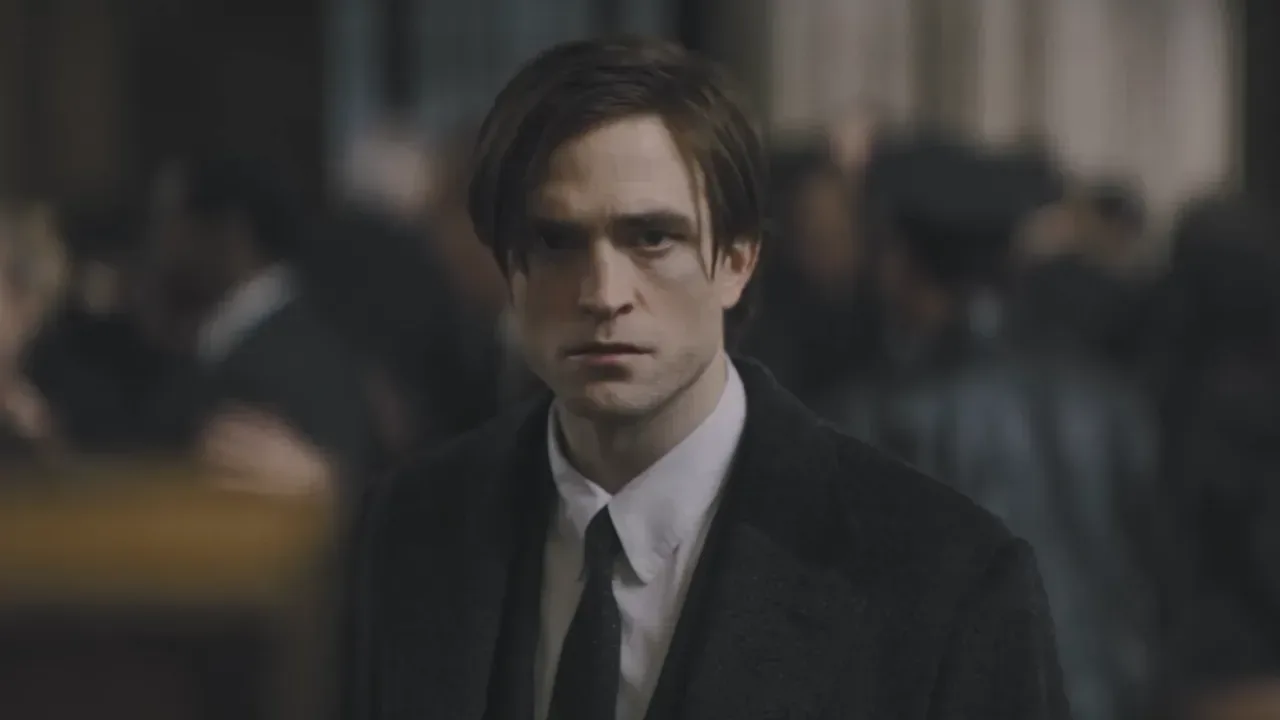
Robert Pattinson has offered a deliberately tantalising update on The Batman Part II: the new script, he says, approaches the psychology of Bruce Wayne and Batman in a way he believes audiences have not encountered before.
That is a sizeable claim for a character with countless comic-book stories and screen interpretations behind him, and it is also a useful clue about where Matt Reeves’ sequel may place its emphasis. Pattinson is not promising a particular villain, plot twist, gadget or action set piece. Instead, he is pointing toward the internal divide at the centre of Batman: the person in the suit, the public identity of Bruce Wayne, and the emotional forces that make both identities necessary.
The sequel is still scheduled to arrive on February 18, 2028. Pattinson said there is still work left to do, but he described the screenplay as “amazing” and characterised it as a wholly different world. He also stressed that its unusual quality is different from what made the 2022 film unusual.
“It’s just an understanding of Bruce Wayne and Batman’s psychology in a way that I don’t think has been seen before,” Pattinson said.
A sequel clue rooted in character, not spoilers
“Psychology” can sound like a vague promotional buzzword, so it is worth being precise about what Pattinson’s remarks do and do not establish. They do not reveal a storyline, confirm which characters are involved, or say that the film will follow any particular comic. They do suggest that the sequel intends to examine why Bruce behaves as he does, and how his Batman identity relates to that behaviour, rather than treating the mask as merely a route to crime-fighting spectacle.
That distinction matters because Bruce Wayne and Batman are not simply interchangeable names for one hero. Bruce is the individual who carries personal history, wealth, isolation and social expectations. Batman is the chosen role through which he acts in Gotham. A story concerned with the character’s psychology can explore the friction between those sides: whether Batman protects Bruce, consumes him, or gives form to feelings that Bruce cannot otherwise confront.
Pattinson framed the challenge in the context of Batman’s enormous body of existing interpretations. His point was not that prior versions ignored the character’s mind altogether. Rather, he believes this script has found a perspective that feels both large in scope and notably strange, even with so much Batman material already in circulation.
What the first film already established
Reeves’ 2022 The Batman provided a strong foundation for that kind of continuation. Its Gotham was grimy and oppressive, while Paul Dano’s Riddler posed a threat that was inseparable from the city’s corruption and Bruce’s own past. Pattinson’s Bruce was quiet, guarded and visibly more comfortable in the Batman persona than in ordinary human connection.
Most importantly, the first story brought its hero to a moral realisation: vengeance could not repair what had already happened. Batman began the film driven by a harsh, punitive purpose. By the end, he had started to understand that being a symbol could involve helping people, not only terrifying those who harm them.
That shift makes Pattinson’s comments about the follow-up especially interesting. A character who has recognised the limits of vengeance has not automatically solved the reasons he embraced it. The sequel could potentially ask what comes after such a revelation: how someone reshapes a mission that has defined him, and whether the person behind it is prepared to change. That is analysis, not a confirmed plot description, but it follows directly from the emotional ground covered by the first film.
It also fits the appeal of an atmosphere-led Batman story. Gotham’s mood in the 2022 film was not just visual decoration; it amplified Bruce’s solitude and obsession. Games can achieve a similarly gothic intensity when a setting and a character’s emotional state reinforce each other, as explored in this look at how The Witcher 3 uses a side quest for gothic horror. A Batman sequel does not need to copy that approach for the comparison to be useful: in both cases, atmosphere can make a character’s choices feel more personal and consequential.
Why Bruce Wayne remains the difficult half of Batman
Batman stories frequently have an immediate external engine: a crime, a villain, a civic crisis or a mystery. Bruce Wayne is harder because he cannot be solved by defeating a single opponent. He must function as a person in a world where his name, resources and family history carry meaning, while Batman gives him a more direct way to respond to the suffering around him.
Pattinson’s performance in the first film leaned into this imbalance. This Bruce did not present a polished, easy public persona. He felt withdrawn, edgy and unfinished, which made his eventual movement away from pure vengeance more meaningful. It also leaves ample room for a sequel to investigate his choices without needing to retell his origin.
That prospect is distinct from the simplistic idea that a more psychological film must be quieter or less eventful. Character psychology is the logic connecting what someone feels, believes and does. In a Batman film, it can affect investigative decisions, alliances, public conduct, the boundaries of violence and the meaning Batman gives to his own symbol. A screenplay can examine those questions while still delivering the scale audiences associate with the character.
Pattinson’s confidence comes with an important limit
The actor’s enthusiasm is meaningful because he has played this version of Bruce Wayne since the 2022 film and says he connected immediately with the earlier script. Looking back on joining the project, he described Batman as his first entry into superhero cinema and said the character’s repeated reinvention was part of the appeal. He has also said he hopes to continue wearing the cowl for as long as he can.
Still, Pattinson’s praise should be read as a performer’s view of a script in progress, not as a substitute for finished footage. His “new” and “unseen” language reflects his reaction to the material and sets an expectation rather than proving how viewers will ultimately receive the movie. With a 2028 release date, there is also a long distance between a promising screenplay and the final theatrical experience.
That uncertainty is not a weakness in the update; it is simply the honest state of a project that remains in development and production. The useful takeaway is narrower: the team appears to see Bruce Wayne’s inner life as central to the sequel’s identity, not as background material between conventional Batman beats.
Reeves, Soderbergh and the route to 2028
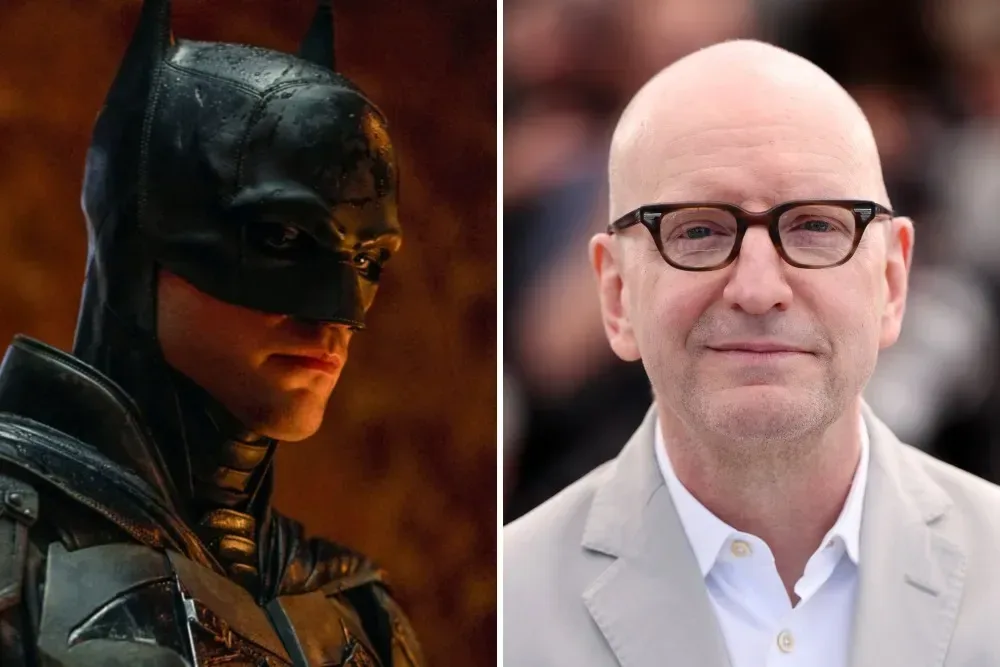
The production has faced behind-the-scenes difficulties. Reeves temporarily stepped back to some degree, with director Steven Soderbergh assisting. Pattinson described Soderbergh as “completely selfless” for helping the production. The available information does not spell out the precise nature or extent of that assistance, so it would be premature to treat it as evidence of a creative change in the film itself.
What is clear is that the movie remains on its stated February 18, 2028 release path. Pattinson’s comments present a cast member who remains invested in Reeves’ interpretation and excited by the direction of its script.
For now, that leaves fans with a compelling but appropriately limited picture. The Batman Part II is not yet offering a plot map. It is offering a creative thesis: after a first film in which Bruce learned that vengeance alone was insufficient, the next chapter aims to push more deeply into the mind of both Bruce Wayne and Batman. Given how often the character has been remade, the test will be whether that psychological focus produces a fresh story on screen—not merely a fresh way to describe one.